APNIC 2026 Fellowship: My Take on Tech Tracks
Applications for the 2026 APNIC Fellowship and Policy Fellowship close on 13 March 2026, offering a rare pathway for professionals across 56 Asia-Pacific economies to master critical Internet infrastructure skills. (APNIC's overview)
Passive training models are dead. The program's core thesis rests on project-driven learning combined with direct conference engagement to forge technical leaders. Gartner predicts that over 40% of leading enterprises will adopt hybrid computing paradigms by 2028 to orchestrate complex AI workloads, making hands-on operational expertise non-negotiable. (Gartner's strategic predictions for 2026) Theory won't cut it. The new 2026 curriculum demands tangible outcome delivery.
The dual fellowship tracks split sharply here. The technical stream forces five months of learning by doing alongside industry subject matter experts. The policy track drags you into an 18-month deep dive on resource governance. You need strategic criteria to pick the right lane. Align your career goals with the grind of attending APNIC 62 in Mumbai, followed by policy meetings in Hong Kong and Ulaanbaatar.
The Dual Role of Technical and Policy Fellowships in Regional Internet Development
The 2026 APNIC Fellowship runs a five-month project cycle across Youth, Professional, and Masters tracks to harden operational skills. Short-term academies from other bodies can't match this structured duration. It forces deeper technical retention through tangible deliverables. Participants target specific outcomes like lab construction or security alignment. This matters because 81% of organizations plan zero-trust implementation by 2027. The program serves the full scope of 56 economies under APNIC management, closing regional disparities in network engineering capacity.
The Policy Fellowship operates on a different clock. It spans 18 months to immerse leaders in the Policy Development Process. Fellows research and draft proposals within a transparent but complex multi-stakeholder model documented in public archives. Standard conference attendance offers no such iterative refinement. Technical fellows gain immediate deployment skills; policy fellows build long-term governance influence. You are either fixing current network flaws or shaping future resource allocation rules. Both tracks converge at APNIC 62 in Mumbai, yet their operational impacts remain separate. Technical outputs secure current infrastructure. Policy outputs define address distribution for the next decade.
Project-based learning at APNIC 62 requires fellows to execute tangible network implementations before attending the Mumbai conference from 4 to 10 September 2026. You must build technical learning environments or design security architectures. No passive lecture consumption. Delivering a working prototype ensures skills transfer directly to production scenarios, unlike theoretical academies lacking output verification. But be warned: this intensity overwhelms fellows lacking prior lab access. It creates a barrier for applicants from under-resourced economies.
Policy Fellows operate under a distinct mandate. They collaborate with mentors to research and propose rules within the transparent multi-stakeholder model documented in public archives. These participants analyze competing interests to draft policies addressing evolving industry needs over an 18-month engagement. Navigating messy, documented debates builds durability against the friction inherent in global governance. Yet, the slow pace of consensus often delays immediate technical fixes. Operators must balance long-term policy goals against urgent operational vulnerabilities.
India hosts this gathering for the first time since 2012, signaling a strategic shift toward emerging markets within the APNIC service region. Applications close strictly on 13 March 2026. The window to prepare project proposals is narrow.
Technical tracks build Internet operations proficiency. Policy tracks cultivate policy analysis capabilities for governance roles.
The standard Fellowship targets engineers requiring hands-on experience with network implementations. Focus remains on tangible outputs like security architecture or lab environments. This approach addresses urgent market demand where cybersecurity spending approaches a substantial amount USD in 2026. Participants gain direct technical utility, though the five-month constraint limits deep exposure to long-term regulatory cycles.
Conversely, the Policy Fellowship spans 18 months to immerse leaders in the Policy Development Process. Fellows research and propose rules, building skills in communication and collaboration necessary for public policy transitions. This extended duration allows for thorough engagement with the multi-stakeholder model, though it delays immediate technical certification.
| Feature | Technical Fellowship | Policy Fellowship |
|---|---|---|
| Primary Output | Network prototypes | Policy proposals |
| Skill Focus | Operations | Analysis |
| Duration | Five months | 18 months |
| Career Path | Engineering | Governance |
Applications for both programs close on 13 March 2026. Candidates must select a specific trajectory early. Regional focus dictates that technical tracks address IPv4 exhaustion directly, while policy tracks manage the diplomatic fallout.
The Policy Development Process Mechanics for Emerging Leaders
The Policy Growth Process forces fellows to turn research into proposals through six set consultation stages.
- Drafting initial problem statements with mentor guidance.
- Publishing texts to the publicly accessible archive for community review.
- Presenting arguments at Open Policy Meetings.
- Incorporating feedback from competing stakeholder groups.
- Achieving rough consensus among 56 economies.
- Final ratification by the Executive Council.
This mechanism enforces transparency by documenting every objection in meeting minutes. Behind-the-scenes deal-making common in private registries has no place here. However, the requirement for broad regional agreement often stalls proposals addressing urgent, localized security crises. The multi-stakeholder model prioritizes stability over speed. Critical updates face months of deliberation before implementation.
| Phase | Key Action | Output Artifact |
|---|---|---|
| Consultation | Community feedback | Mailing list threads |
| Consensus | Dispute resolution | Chair summary report |
| Ratification | Council vote | Final policy text |
Applications for the 2026 cycle close on 13 March 2026. Entry is limited to those who prepare policy analysis drafts early. Inclusive debate clashes with operational urgency throughout the framework. Fellows learn fast: technical correctness alone cannot advance a proposal without political coalition building. Success depends on navigating these procedural constraints, not bypassing them.
Executing Open Policy Meeting Preparation During the 18-Month Track
Policy Fellows must draft proposal texts before the 23:59 (UTC +10) deadline.
Preparation relies on a structured cycle of mentor review and peer simulation. Passive study fails here. Fellows apply the full 18 months to iterate on problem statements, ensuring arguments withstand scrutiny from competing stakeholder groups. This extended timeline allows for deep analysis of technical constraints across the 56 economies within the service region. Shorter academies cannot master this scope. Mentors force participants to anticipate objections regarding resource exhaustion or peering disparities specific to the Asia-Pacific environment.
The preparation process follows four distinct phases:
- Defining the technical problem with measurable impact data.
- Circulating draft policies within private working groups for initial feedback.
- Simulating hostile Q&A sessions to stress-test logical consistency.
- Finalizing speech scripts that strictly adhere to time limits.
Building consensus often dilutes technical precision. Fellows must compromise to achieve rough agreement among diverse interests. A proposal satisfying engineers in one economy may violate regulatory constraints in another, creating friction during Open Consultations. Successful navigation demands treating policy text as code. Every word carries operational weight.
Operators should engage InterLIR com) to access specialized coaching on multi-stakeholder negotiation tactics before attending Mumbai. Poor preparation costs exclusion from the final ratification stage. That wastes the entire investment of time and travel.
Mentorship and Peer Collaboration Requirements for Policy Proposal Validation
Policy proposal validation mandates three distinct mentor review cycles before peers can simulate stakeholder challenges during the 18 months of the track. This structured gatekeeping prevents premature submissions lacking technical grounding or regional applicability across the 56 economies served by the registry. The process transforms abstract concepts into actionable policy analysis artifacts through iterative critique rather than passive instruction.
| Validation Stage | Mentor Action | Peer Requirement |
|---|---|---|
| Draft One | Scope definition check | Silence observation |
| Draft Two | Technical feasibility audit | Structured objection |
| Final Draft | Consensus readiness sign-off | Full simulation |
Fellows must incorporate feedback from subject matter experts to align proposals with the transparent yet complex reality of multi-stakeholder governance documented in public archives. Skipping these collaboration checkpoints results in immediate disqualification from presenting at Open Policy Meetings. The rigid timeline forces participants to balance depth of research against the hard deadline of 23:59 (UTC +10). Failure to survive this gauntlet indicates a proposal cannot withstand real-world scrutiny from competing interest groups.
Strategic Criteria for Selecting the Right Fellowship Track
Eligibility Boundaries for Youth and Professional Tracks
Eligibility restricts the Youth, Professional, and Masters tracks to residents within the 56 economies of the Asia-Pacific service region. The program targets emerging leaders from developing economies, not established senior architects in mature markets. Applicants must submit entries via the APNIC Fellowship Management System. This specific five-month Fellowship program differs structurally from shorter academies by demanding tangible projectables.
| Track | Target Profile | Primary Constraint |
|---|---|---|
| Youth | Students or early-career staff | Must demonstrate core technical interest |
| Professional | Mid-level engineers | Requires active operational role in local ISP |
| Masters | Senior technical leaders | Must mentor junior fellows during execution |
The boundary is sharp. Professionals operating outside the set geographic scope face automatic disqualification regardless of technical seniority. Missing the deadline eliminates candidacy for the entire cycle. Late submissions trigger system rejection without manual review.
Aligning Career Goals with the 18-Month Policy Progress Process
Career pivots toward governance require committing to the full 18-month timeline. Forget the standard five-month technical sprint. The Policy track demands sustained engagement with the Policy Advancement Process, contrasting sharply with the immediate Internet operations focus of the Youth or Professional categories. Operators seeking public policy roles must weigh the opportunity cost of this extended duration against the depth of influence gained in regional multi-stakeholder forums.
Selecting the wrong track dilutes professional impact. Technical experts often lack the patience for iterative policy drafting. Policy aspirants struggle with rapid lab deployment. The transparent nature of these discussions creates a public record serving as a permanent portfolio piece for future government or academic positions. Applicants must submit materials via the APNIC Fellowship Management System. This rigorous path justifies the time investment by positioning fellows as verified experts across the 56 economies.
Applicants must align with the application window. Missing this narrow submission period eliminates any chance to attend the conference scheduled from 4 to 10 September 2026. Operators often underestimate the lead time required for visa processing in India, a host location unused since 2012. Delayed travel documentation creates a single point of failure for the entire five-month commitment.
| Milestone | Action Required | Risk Factor |
|---|---|---|
| Late February | Submit via management portal | High competition |
| Early March | Confirm account status | Disqualification |
| August | Secure entry visa | Travel denial |
The Policy Evolution Process demands physical presence. Remote participation cannot replace it. A rejected visa application after selection wastes the cohort slot and halts project momentum. Technical fellows focusing on Internet operations face similar logistical constraints despite the shorter duration. Commitment validation occurs before technical skill assessment during the selection phase.
Executing a Successful Application Through the Management System
APNIC Account Registration Requirements for Fellowship Submission
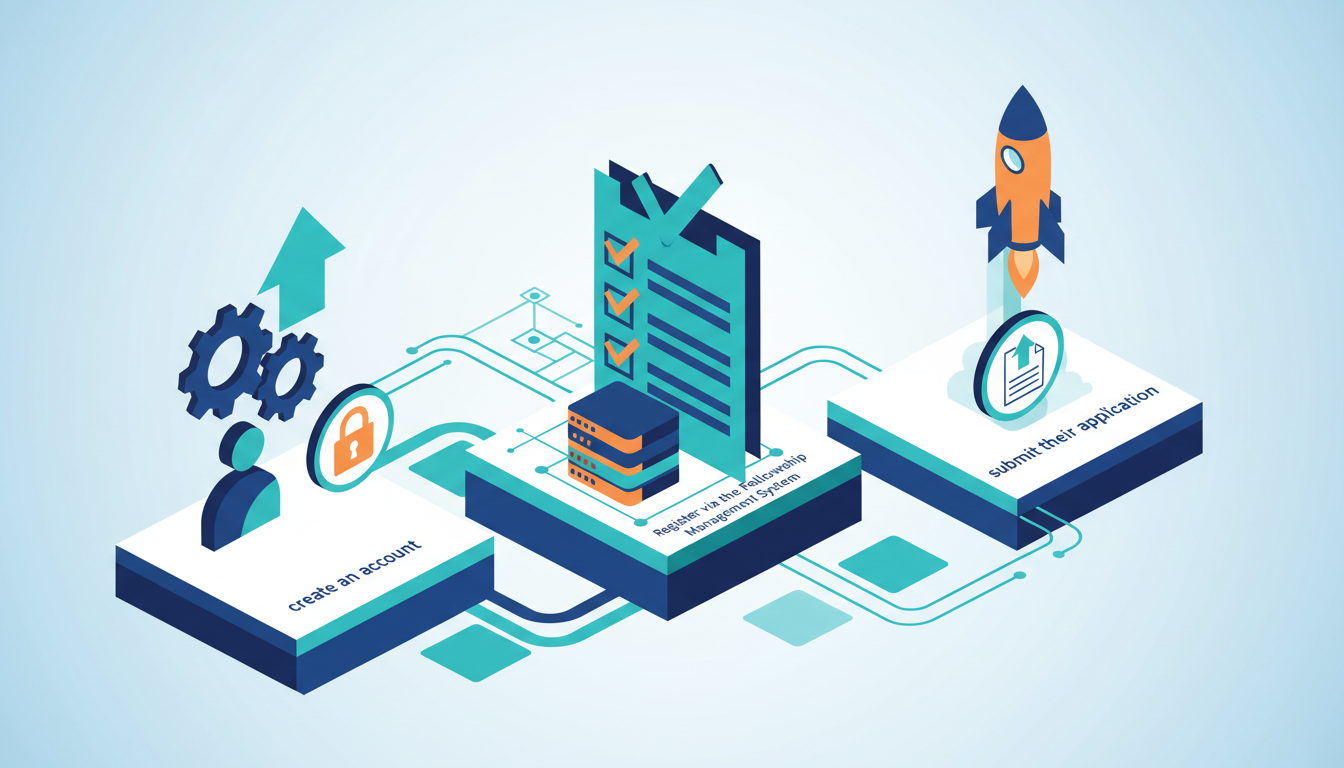
Submission to the APNIC Fellowship Management requires strict adherence to protocol.
- Navigate to the registration portal and select new user creation if no legacy credentials exist.
- Verify email ownership to activate the profile before attempting any application draft.
- Log in to confirm the session token persists, preventing data loss during complex form entry.
Operators ignoring this gatekeeper face total exclusion. The system rejects anonymous payloads by design. The application window is unforgiving. Reading the website is not enough. This binary access control creates tension between open participation goals and the rigid technical requirements of the submission engine.
Treat this narrow interval as a hard system constraint. Late submissions trigger immediate rejection because the portal disables write access automatically.
- Verify an active APNIC account exists before the start date to avoid registration delays.
- Navigate to the APNIC Fellowship Oversight System immediately upon opening to secure a timestamp.
- Upload project drafts early since network congestion often spikes near the final deadline.
- Confirm receipt emails arrive within one hour of submission to validate data integrity.
Missing this window eliminates participation in the five-month program entirely. No extensions exist for technical oversights. The broader context includes rising global cybercrime costs projected at $23 trillion by 2027, making timely governance training necessary for risk mitigation. Applicants should note that APNIC applies specific fees for temporary assignments starting in February 2026, signaling tighter resource controls overall.
The application deadline is strictly set for 13 March 2026 at 23:59 (UTC +10). This rigid cutoff rejects local-time miscalculations.
- Calculate the exact offset from your location to UTC +10 before opening the APNIC Fellowship Governance System.
- Submit credentials early because identity security now demands continuous device authentication that may delay final validation steps.
- Treat the portal closure as absolute since fellowships are popular and competitive, implying automatic rejection for late entries.
| Region Offset | Local Deadline Time | Risk Level |
|---|---|---|
| UTC (London) | 13:59 on 13 March | High |
| UTC-5 (New York) | 08:59 on 13 March | Critical |
| UTC+1 (Berlin) | 14:59 on 13 March | Moderate |
Operators attempting submission seconds after their local clock strikes midnight face total exclusion due to server-side timestamp enforcement. This friction mirrors the complexity found in AI model lifecycle management where drift detection requires precise synchronization across distributed systems. A failure to align time zones acts as a single point of failure, rendering the entire application void regardless of technical merit. The cost of this error is measurable: missing the window eliminates any chance to attend APNIC 62 in Mumbai. Implementing real-time risk assessments on your own calendar prevents this avoidable data loss. InterLIR recommends setting multiple alarms based on Coordinated Universal Time rather than local device settings.
About
Alexei Krylov, Head of Sales at InterLIR, brings critical industry perspective to the announcement of the 2026 APNIC Fellowship. With extensive experience navigating Regional Internet Registries (RIRs) and managing B2B IP resource transactions, Krylov understands the vital importance of technical capacity building in the Asia-Pacific region. His daily work involves securing clean IPv4 and IPv6 resources for networks, a process deeply intertwined with the policy frameworks and operational expertise that the APNIC Fellowship cultivates. As InterLIR strives to solve global network availability issues through transparent resource redistribution, supporting initiatives that train future internet leaders aligns directly with the company's mission. Krylov's background in IT consulting and RIR procedures allows him to articulate why this fellowship is necessary for maintaining a reliable, secure, and scalable internet infrastructure. His insight bridges the gap between commercial IP market dynamics and the non-profit educational goals of APNIC.
Conclusion
The eighteen-month governance track demands a shift from passive observation to active operational endurance. The real cost is not the application fee but the sustained opportunity cost of diverted engineering resources. Short-term technical sprints yield immediate code. The policy arena requires long-term consistency that often breaks under the pressure of daily incident response cycles. Organizations treating this fellowship as a mere resume booster will fail to navigate the complex stakeholder simulations defining the later months. Commit to the full timeline only if your team can absorb a senior engineer's partial absence without degrading service level agreements.
Start by auditing your current on-call rotation this week. Identify a specific window where a team member can dedicate ten hours weekly to policy work without triggering burnout. Do not wait for the March 2026 deadline to assess internal capacity. The rigid UTC+10 cutoff is merely the final gate. The true barrier is organizational bandwidth. If your firm cannot guarantee this sustained engagement now, redirect efforts toward shorter, targeted technical working groups instead of the full governance track. This realistic assessment prevents wasted cycles and ensures that those who do apply possess the structural durability required to finish. Secure your team's schedule before refining your personal statement.
Frequently Asked Questions
The Technical Fellowship runs for five months while Policy spans eighteen months. This difference ensures 81% of organizations can align staff training with their specific Zero Trust implementation timelines effectively.
Fellows must build technical learning environments or secure routing via RPKI implementations. This project-driven approach ensures 40% of leading enterprises adopting hybrid paradigms receive leaders with verified hands-on operational expertise.
Policy Fellows must attend meetings in Mumbai, Hong Kong, and Ulaanbaatar. This extensive travel supports the deep immersion required as 81% of organizations plan complex security implementations needing robust governance frameworks soon.
Yes, professionals from all fifty-six economies in the region are eligible to apply. However, competition is high, requiring candidates to demonstrate how they will address the 40% shift toward hybrid computing paradigms locally.
Applications close strictly on 13 March 2026 at 23:59 UTC plus ten. Missing this window delays entry, potentially impacting the 81% of organizations relying on new talent for upcoming security projects.