Reverse DNS automation needs strict change controls
A single error in bulk updates can rewrite hundreds of PTR records, causing immediate reputation damage. Learn why controlled workflows matter.

An IP resource audit aligns records within the strict 24-month window to prevent asset forfeiture and ensure network continuity for operators.
RPKI syncs every 10 minutes to validate BGP origins against signed records, yet single unsecured paths remain vulnerable to hijacking risks.
City accuracy drops to 50–80% without action. Learn why global routing lags 2–8 weeks and how to force sync your IPv4 records today.
Cut DNS incident recovery from 3060 minutes to under 3 by replacing manual console clicks with automated, type-safe infrastructure code.
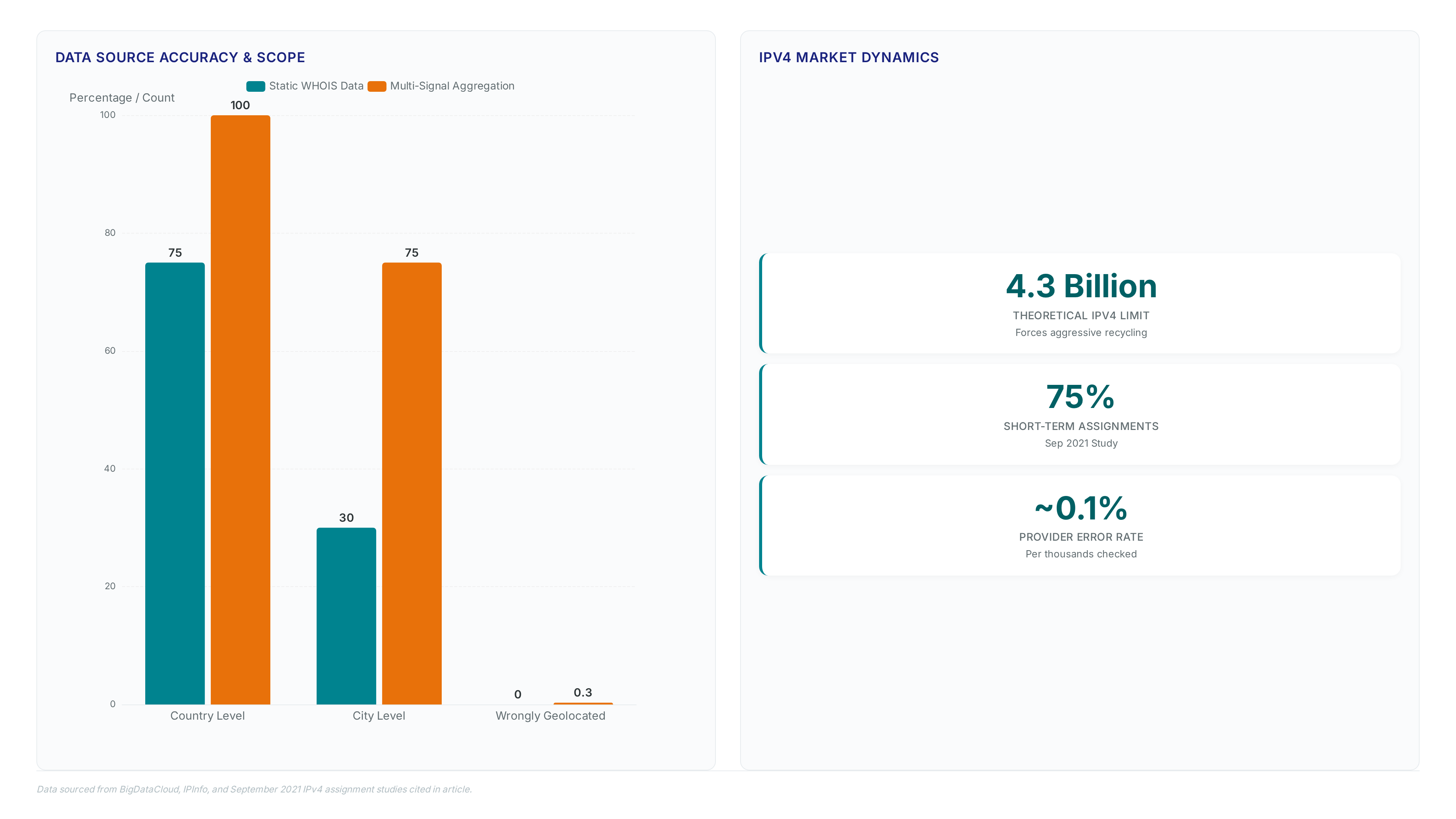
IP geolocation fails because 75% of IPv4 addresses change daily, leaving databases with stale records that break city-level accuracy for operators.
Outdated registry data causes 30% of geolocation errors by listing old owners instead of actual server locations, creating blind spots for security teams.
Attackers stash 2,000 characters of Base64 code in DNS TXT records to execute malware entirely in memory, leaving zero disk artifacts.
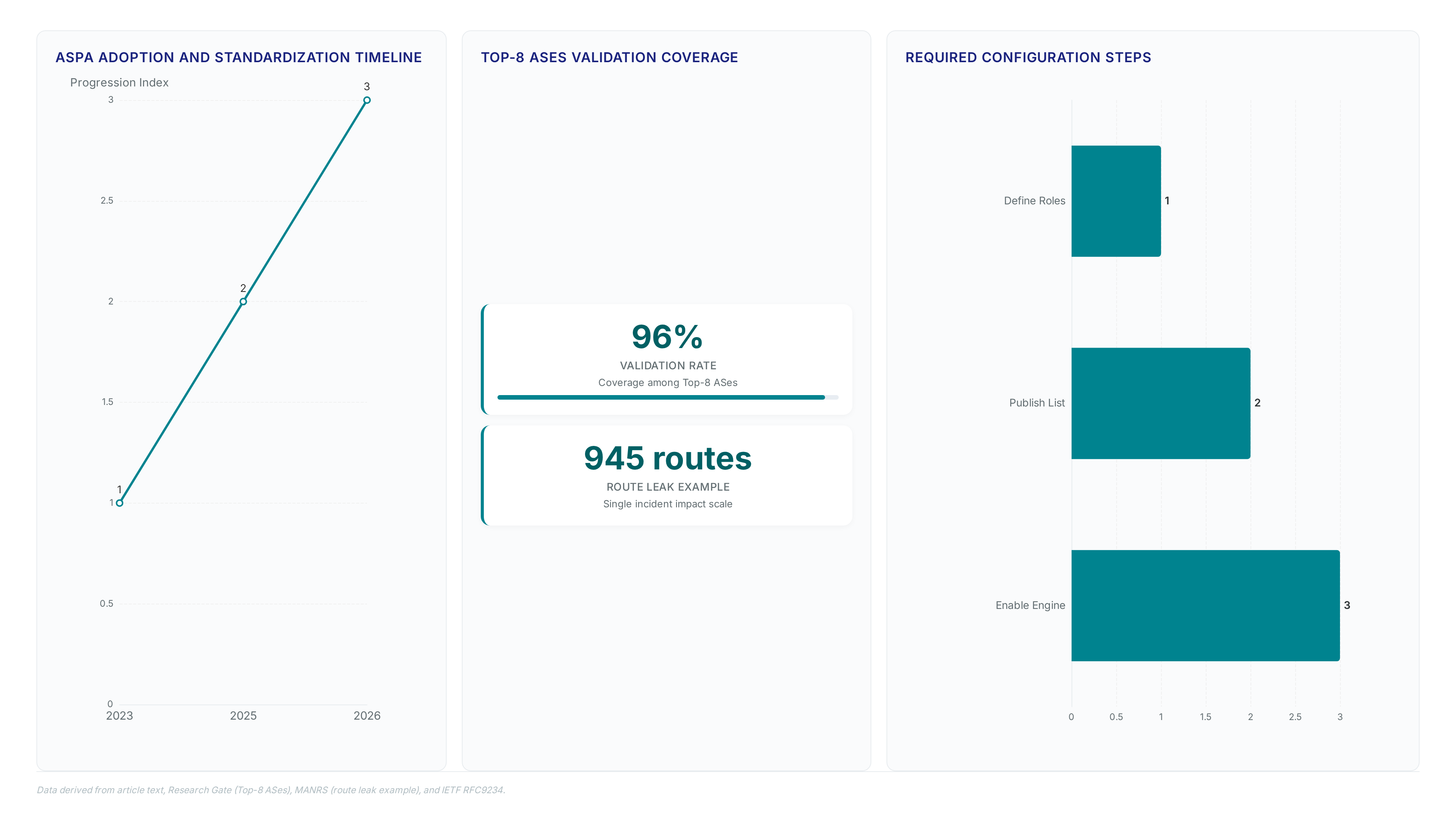
Securing just the top eight ASes with ASPA records stops 96% of route leak victims. Learn how to verify your transit path today.
A single code change on Jan 8, 2026, broke DNS because 40-year-old RFC ambiguity let clients assume a record order that never existed.