Provider Independent Space: Stop ISP Lock-In Now
Daniel Karrenberg's 1995 warning on PA space remains vital. Avoid mandatory renumbering by securing portable Provider Independent blocks for your network.

Secure your unique network identity with InterLIR sponsorship. Bypass inflated market rates and launch your autonomous system in just 12 days.
With 1,051 exchange points listed, direct peering replaces costly transit. Learn how BGP and ASN settings optimize routing for specific networks.
Explore how 80,000 unique identifiers manage global routing policies. InterLIR ensures your network has the clean, verified IPv4 resources to connect.
RPKI converts internet routing from a trust-based model into a validated security architecture using cryptographic attestations.
BGP routes propagate globally within minutes, leaving little time for manual fixes. Learn why automated RPKI validation is now mandatory for stability.
Launched July 10th, 2026, Netomics keeps routing data on-premises. InterLIR supports this sovereignty with secure IPv4 resources for your network.
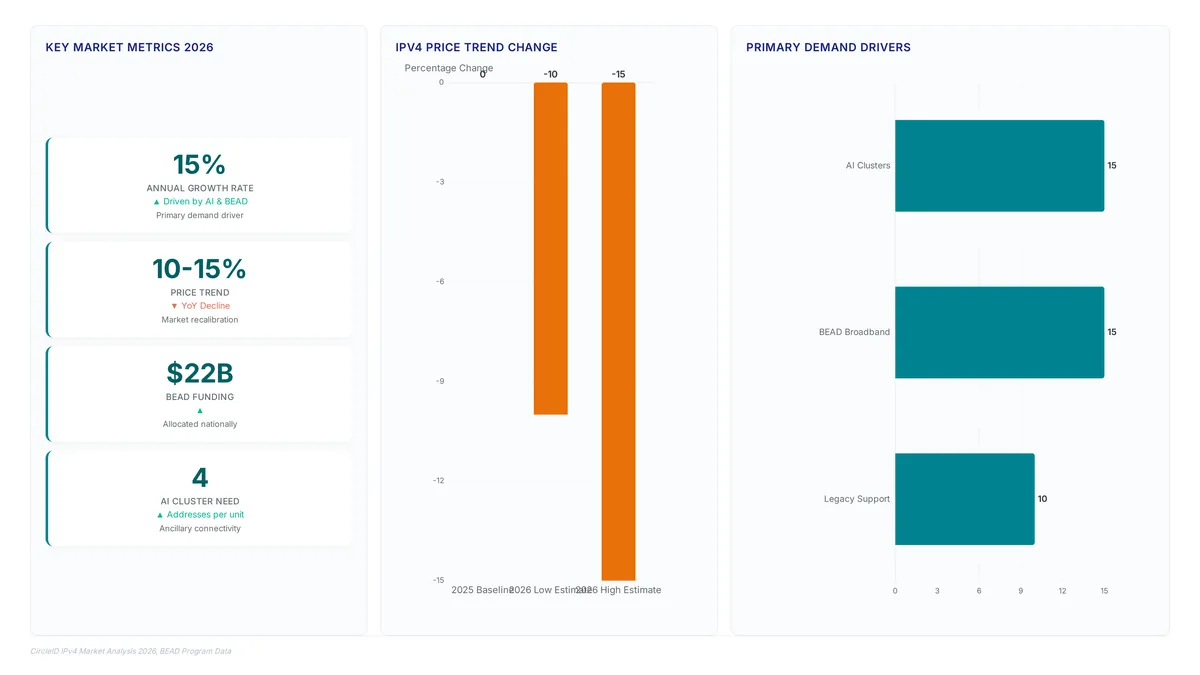
The weighted average price for IPv4 addresses reached $19.56 per IP in April 2026 based on 110 transactions.
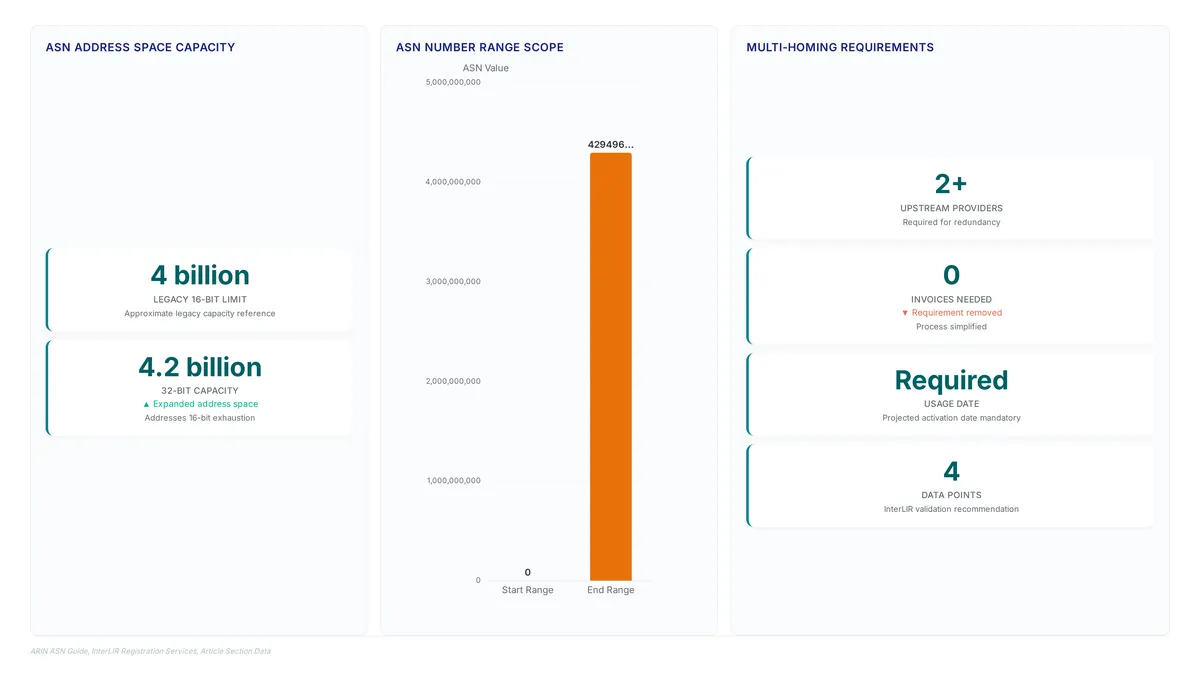
The original 2-byte format capped at 65,535 values. InterLIR helps organizations navigate RIR policies to secure public ASNs efficiently.
Cut international traffic costs by 30–50% and secure permanent routing identity. InterLIR provides the clean IPv4 blocks needed for direct peering.
Achieve 99.998% uptime by owning your ASN. InterLIR supplies the clean IPv4 blocks needed to build redundant, sovereign network paths.
Pavel Odintsov notes engineers fragment workflows across multiple public tools. Self-hosted platforms consolidate live routing data, RPKI validation
RIPE NCC caps initial IPv4 allocations at exactly 1,024 addresses. InterLIR helps you manage these finite assets without bureaucratic rejection.
With roughly 80,000 active ASNs defining the routing table, clean BGP paths are vital. InterLIR ensures secure IPv4 resources with verified reputation.
The 2008 Pakistan Telecom incident proved BGP trust gaps allow silent traffic diversion via unverified prefix announcements in minutes.
Explore the 16-bit range limits where 64,512 marks private use. Learn how EBGP splithorizon prevents loops in global routing tables.
With pools shrinking from 44.8M to 18.6M, learn how InterLIR separates legal title from routing rights for secure IPv4 leasing.
Avoid contaminated history from shared pools. InterLIR provides dedicated IPv4 leases with clean BGP routes and full control for stable growth.
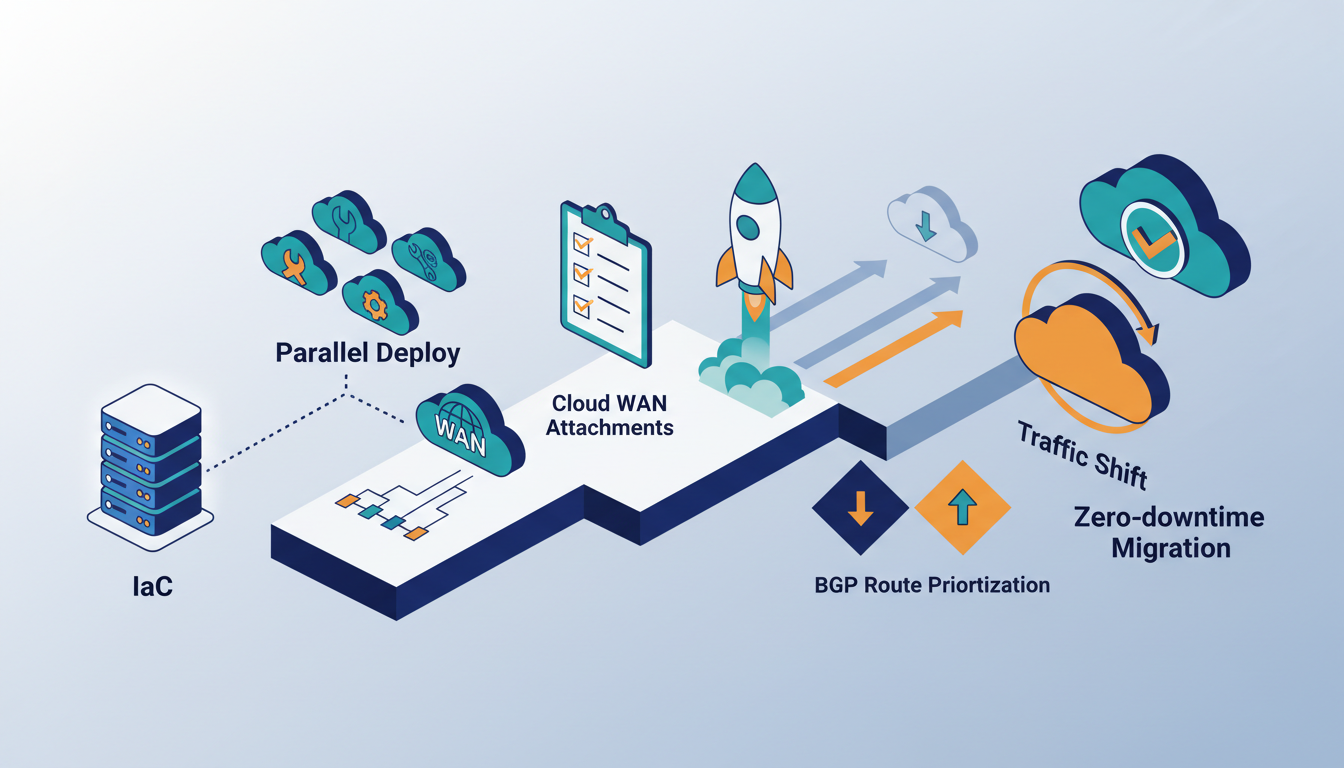
Encrypted DNS flows remain 77, 86% identifiable despite payload encryption. Yet AWS Cloud WAN operators face architectural mandates that demand...
With 80,000 active systems globally, choosing the right autonomous system number matters. See how private and public formats define your routing boundaries.
Learn how the shift from 65,534 legacy IDs to billions of 32bit options changes capacity planning for modern network architects today.
Over 400 registrants attended ThaiNOG 8, proving local engagement drives routing security adoption better than distant mandates for networks.
Netomics launched July 10, 2026, to end third-party BGP reliance. Keep routing intelligence on-premises for total data sovereignty.
Over 70,000 networks rely on a 1989 trust model. Learn how prefix specificity exploits this to hijack traffic without breaking encryption.
Rising ROA adoption still causes outages. Learn how 90-day autorenewal windows eliminate validity gaps and secure BGP routing for operators.
The Border Gateway Protocol functions as an unauthenticated inter-Autonomous System routing protocol where neither destination nor route is verified...
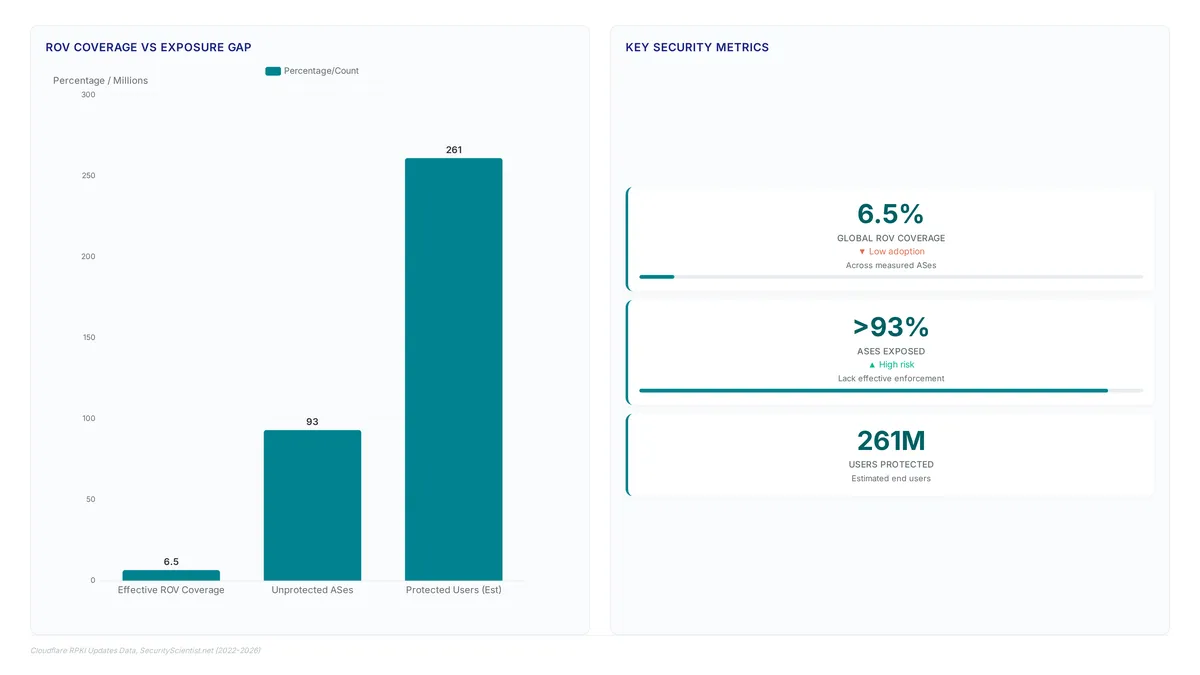
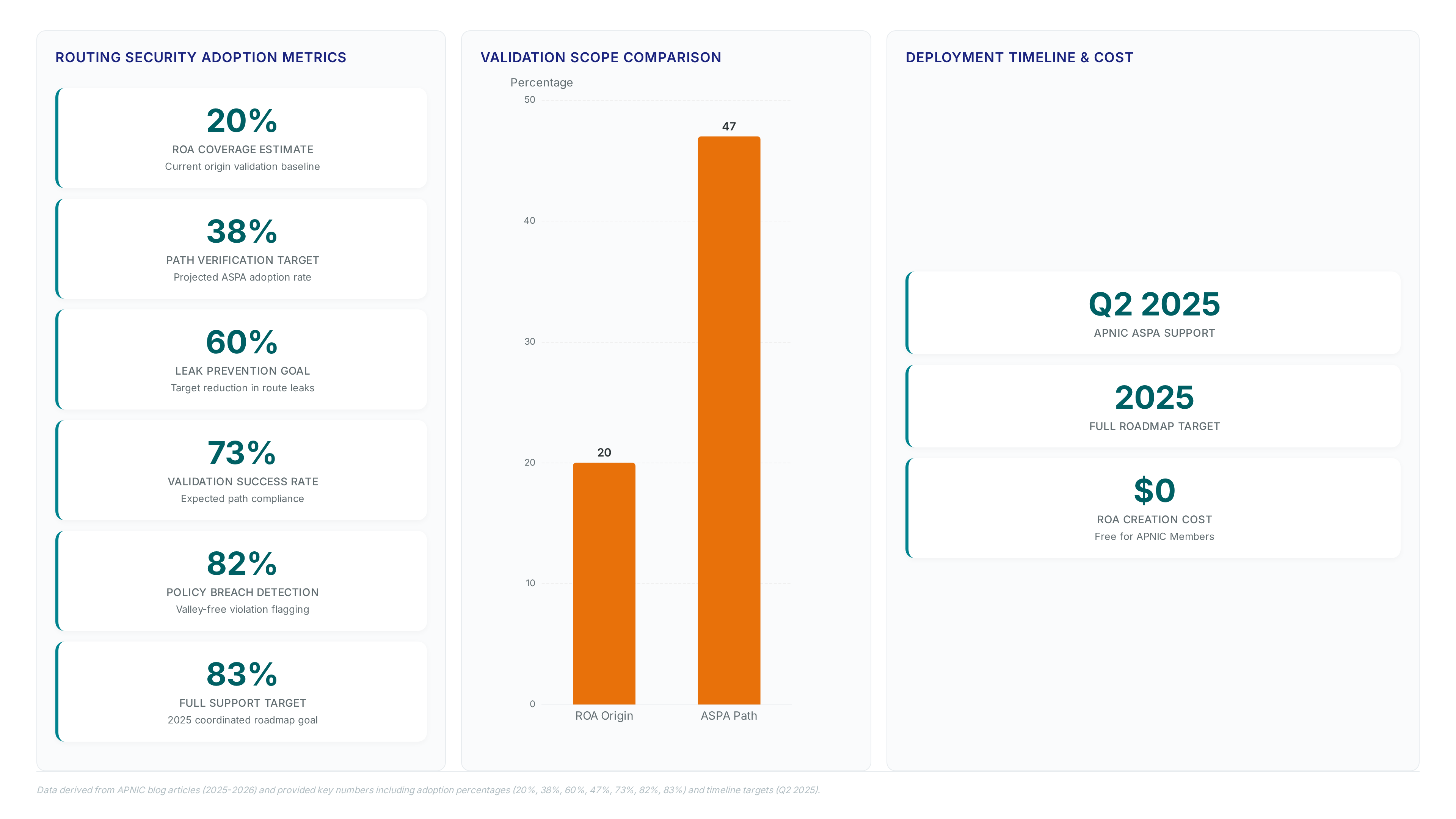
Only 6.5% of users have Route Origin Validation. InterLIR helps secure your IPv4 assets against hijacks by optimizing prefix ownership and routing policies.
Learn how 4,294,967,296 identifiers solve routing exhaustion. Discover criteria for public ASNs and effective global data exchange strategies.
Resource Public Key Infrastructure (RPKI) stops BGP routing from guessing. It lets IP block holders cryptographically authorize specific AS numbers to...
Learn how RFC6480 defines the architecture to secure BGP routing. InterLIR provides verified IPv4 blocks that integrate smoothly into these validated...
RPKI replaces blind trust with cryptographic proof to stop route spoofing dead. Learn how operators validate BGP announcements against trusted ledgers.
Stop route leaks by implementing the RFC6480 framework. Learn how X.509 certificates create a binary validity state to secure your BGP announcements.
RPKI checks launched on Internet.nl in October 2022 to stop false BGP route injections. You will examine the specific architecture of RPKI compared to...
Over 1,300 Route Origin Authorizations mark the shift to independent servers. InterLIR helps you host your own RPKI infrastructure for full control.
Forty-eight views marked the launch of FastNetMon's new on-premises routing intelligence platform on 10 Jul 2026.
With roughly 80,000 ASNs globally, learn when your network needs a unique ID for BGP. InterLIR provides clean IP resources and expert LIR support.
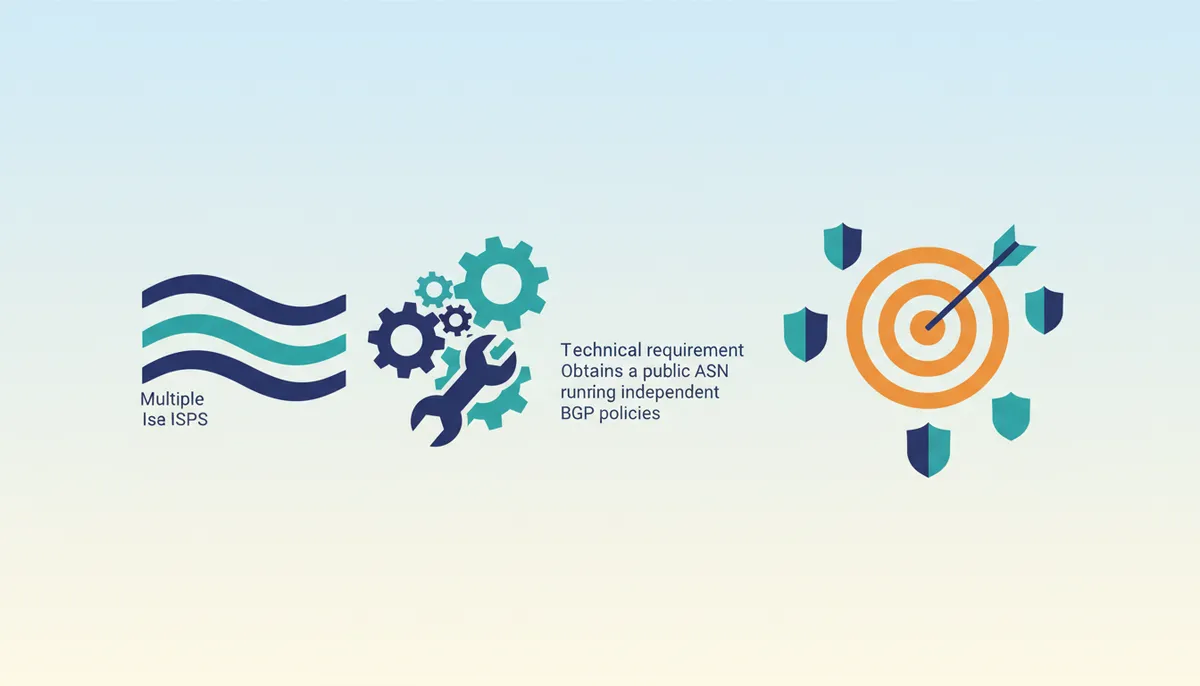
Deploy BGP multihoming with provider-independent /24 IPv4 space to ensure 99.99% uptime for critical SaaS platforms and ecommerce sites.
Stop burning cash on bad IP blocks. Validate geolocation and routing before signing any lease to avoid the 2019 RIPE NCC scarcity risks.
BGP lacks native transport layers, exposing TCP sessions. Learn to enforce prefix limits and secure IPv4 blocks against RFC 1163 flaws.
BGP links hundreds of thousands of networks yet lacks inherent verification, leaving global data flow open to hijacks without strict validation.
With only 80,000 active ASNs globally, understanding these unique identifiers is critical for attributing threats and securing BGP routing tables today.
With over 4 billion identifiers now active, precise ASN management prevents routing leaks. InterLIR ensures your network traffic reaches its destination.
Thousands of routes remain RPKI invalid as of May 2026, proving legacy trust models cannot secure global BGP against hijacking.
Africa holds only 2.2% of global ASNs, limiting network visibility. Learn how securing independent routing identities boosts enterprise control and investment.
Five Regional Internet Registries coordinate global IP allocation to prevent routing chaos. Learn how this hierarchy secures unique address distribution.
Explore how 1,023 private identifiers support internal routing before global translation in complex anycast network architectures.
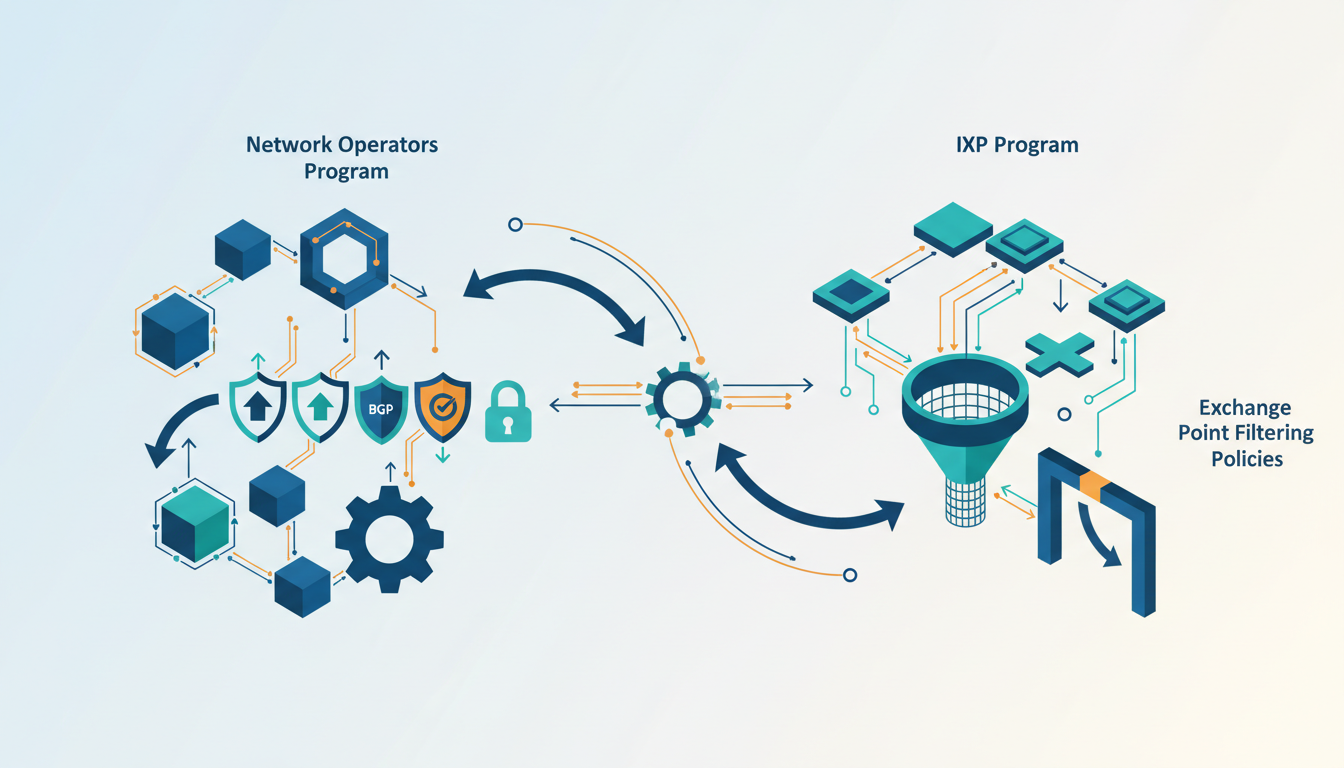
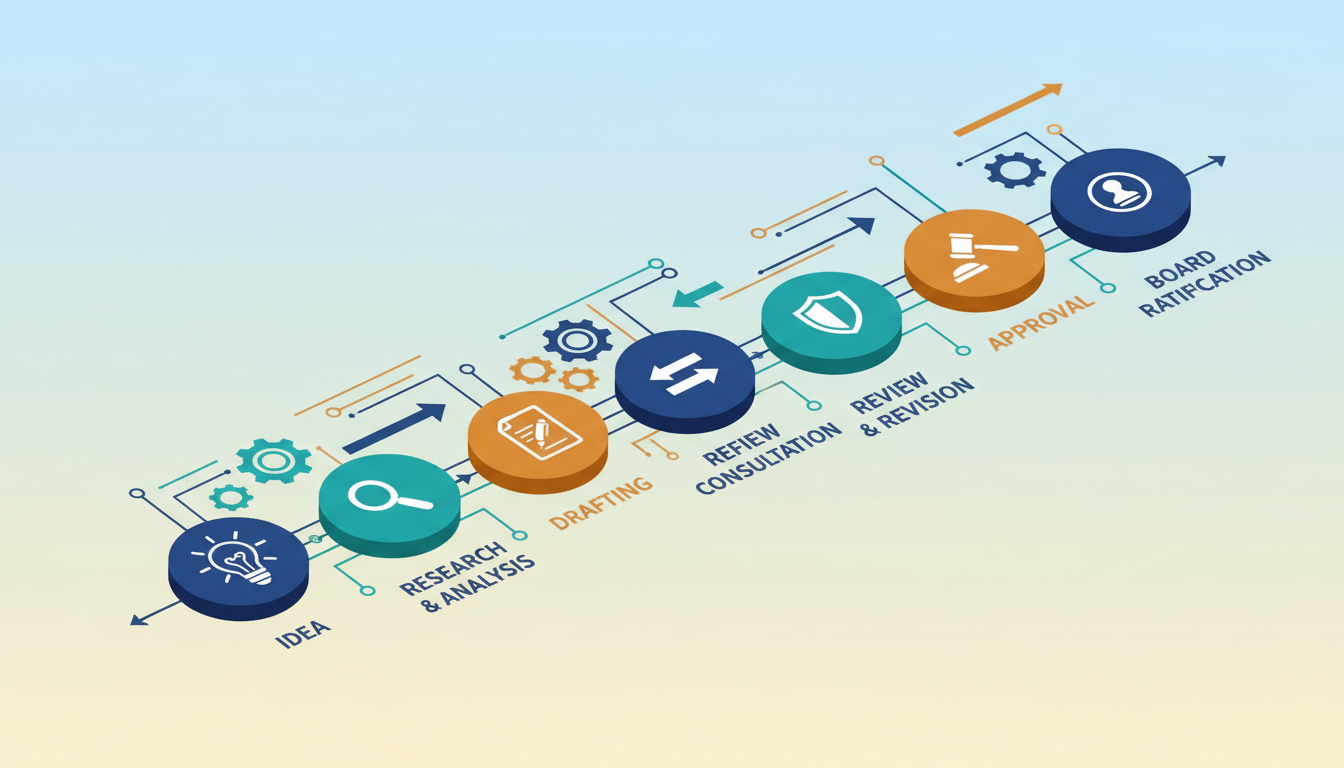
Over 20 experts are currently rewriting the rules for the Network Operators Program under a new charter.
Avoid dropped packets from bad IPv4 leasing. Learn the 4 steps to align RIR policies and ROA records for safe, global routing continuity.
With roughly 80,000 ASNs globally, approval hinges on legal compliance and EU sanctions screening, not just technical gear or router config.
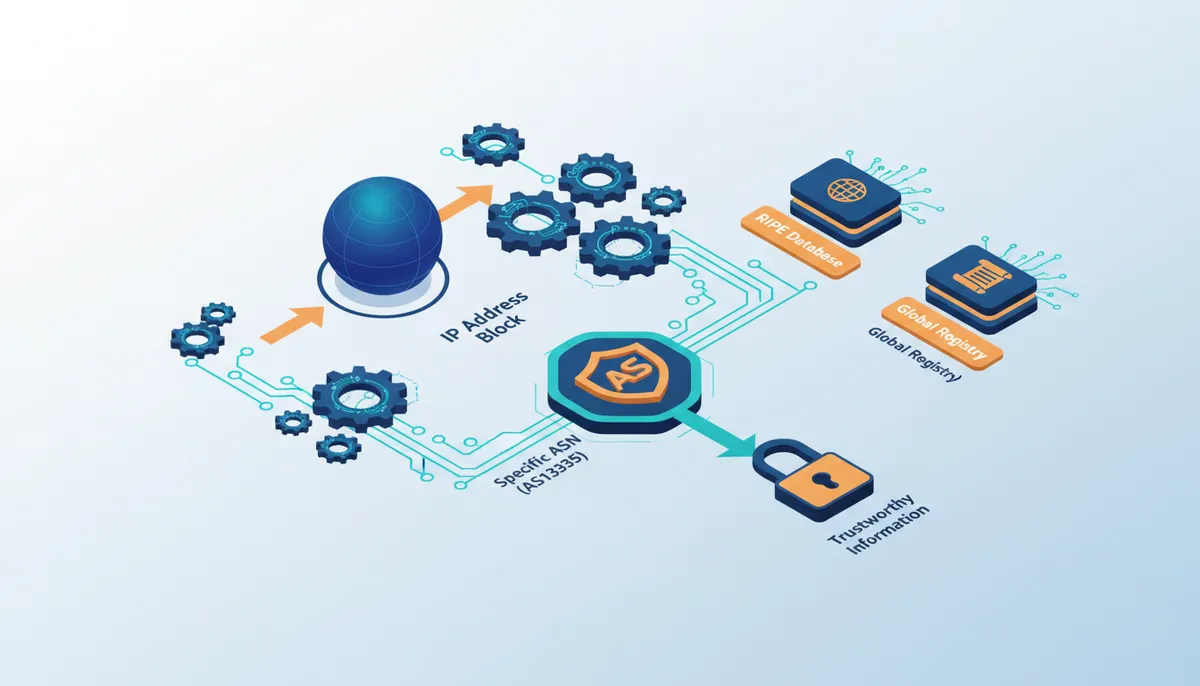
Discover how AS15169 and AS13335 act as unique fingerprints for global routing, enforcing single policies across vast CIDR blocks.
Learn how 80,000 active systems shape global routing and why the shift from 2byte formats matters for your network infrastructure today.
Over 105,000 ASNs now route traffic globally, a far cry from the 1989 sketch on "three ketchup-stained napkins" that started it all.
Map IP addresses to owners using 32-bit ASN data. Process bulk queries for up to 20,000 IPs to fix threat attribution gaps instantly.
Reveal network ownership and routing data instantly. Learn how AS15169 identifies entities for precise traffic management and cybersecurity analysis.
With 56% of RPKI validators flawed, blind trust in routing defense is risky. InterLIR ensures clean BGP and secure IPv4 resources for your network.
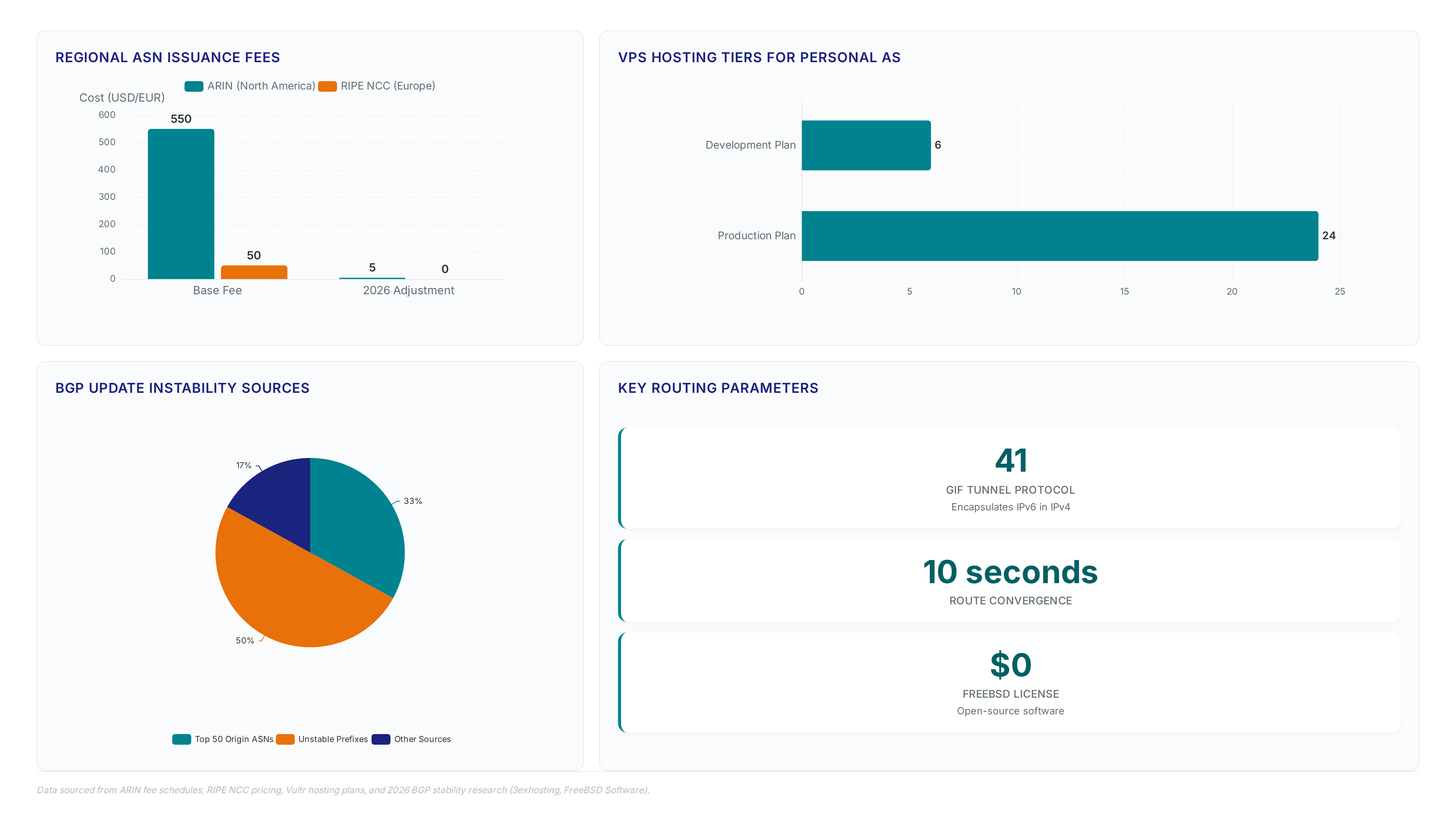
Secure routing independence without $50–$150 annual fees by leveraging InterLIR's premium LIR services for clean IPv4 resources and full BGP control.
A /24 IPv4 subnet delivers exactly 256 addresses, the smallest prefix accepted by global BGP routing without triggering filters that discard longer paths.
IPv4's 32-bit design caps the global pool at exactly 4,294,967,296 addresses. Discover how this finite limit shapes modern network routing today.
A single Zayo misconfiguration triggered 50,000 reports in 30 minutes, proving global internet stability relies on precise BGP routing tables.
Map traffic paths using ASN data to spot hijacks. Link IPs to operators across 16-bit and 32-bit ranges for precise firewall rules.
With roughly 80,000 Autonomous System Numbers globally, learn why a distinct routing policy matters more than capacity for your network.
Over 68 million BGP announcements lack validation. Learn how RPKI ROV filters unknown routes to prevent hijacks and secure global routing tables today.
A CISA probe of 121 networks proves static IP ranges fail. Learn how governed identity frameworks protect routing trust and customer retention.
With only 4,294,967,296 IPv4 addresses, routing now maps names to endpoints. Learn how DNS controls traffic flow beyond basic forwarding.
With only 2.2% of global ASNs, African firms lack routing identity. Discover how owning your number cuts latency and removes upstream dependency.
By Q4 2026, general availability brings private origin services, allowing WAF rules on internal APIs without inbound firewall exceptions.
Iran's internet traffic fell to 1% of normal levels, revealing how partial restoration mechanics leave rural areas disconnected while favoring Tehran.
Learn how RPKI validation prevents the type of routing errors that caused the 2019 Cloudflare outage affecting millions of users globally.
With only one-third of routes signed globally, technical fixes like RPKI stall without addressing organizational inertia and skills gaps.
Learn why BGP requires one distinct routing policy per system across 4,294,967,296 available numbers to avoid global table bloat.
Over 105,000 ASNs now power the global internet. Learn how routing policies evolved from 16bit limits to manage complex network boundaries today.
Learn why 80,000 active ASNs prove the need for unique network IDs. Discover how this identifier enables independent routing policies and peering.
With global IP prefix coverage reaching a tipping point, operators must move beyond tools to master X.509 certificate management for true routing security.
Misusing the 1,023 reserved identifiers pollutes global routing tables. InterLIR provides the expertise to manage private ranges without legacy risks.
The global routing table hit a hard ceiling long ago. With 89,497 recorded entries as of January 4, 2026, the Autonomous System Number pool reflects a...
APNIC's Hangzhou RPKI mirror with NNIX cuts validation latency for Chinese operators, but a faster fetch of a 'not found' verdict protects nothing until ROAs ar
See how 11 route leaks since December caused a 12-hour outage. Learn why weak export policies, not spies, break BGP stability today.
RIPE's Q2 2026 plan targets nine domains as power demand triples by 2030. Learn how to validate routes before the grid constrains growth.
Stop manual NAT hacks. Our stateful tracking resolves 10.0.1.0/24 conflicts automatically, ensuring return traffic hits the right origin every time.
Stop manual tunnel management. Flexible BGP supports 140,000 packets per second and automatic failover for resilient AWS networks.
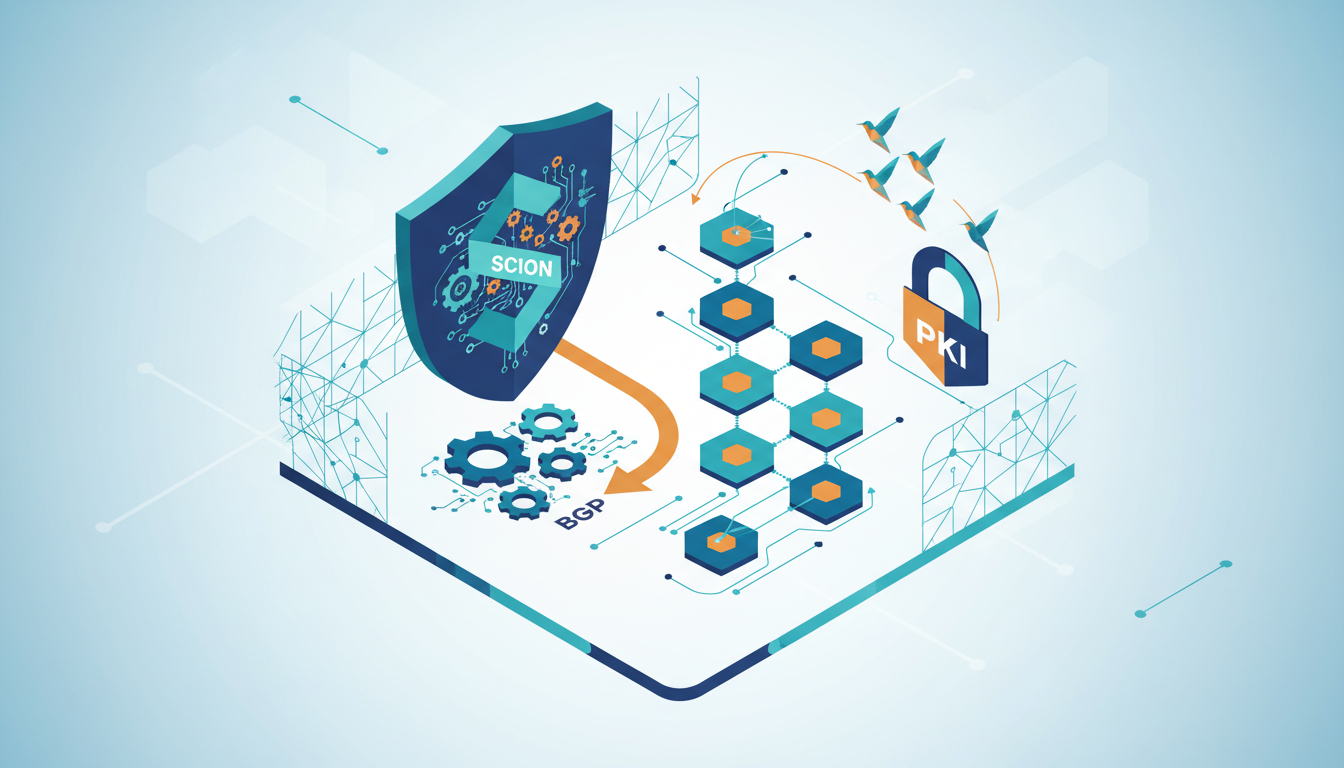
See how SCION connects every Swiss franc bank by early 2026, replacing fragile BGP with cryptographic trust for deterministic financial routing.
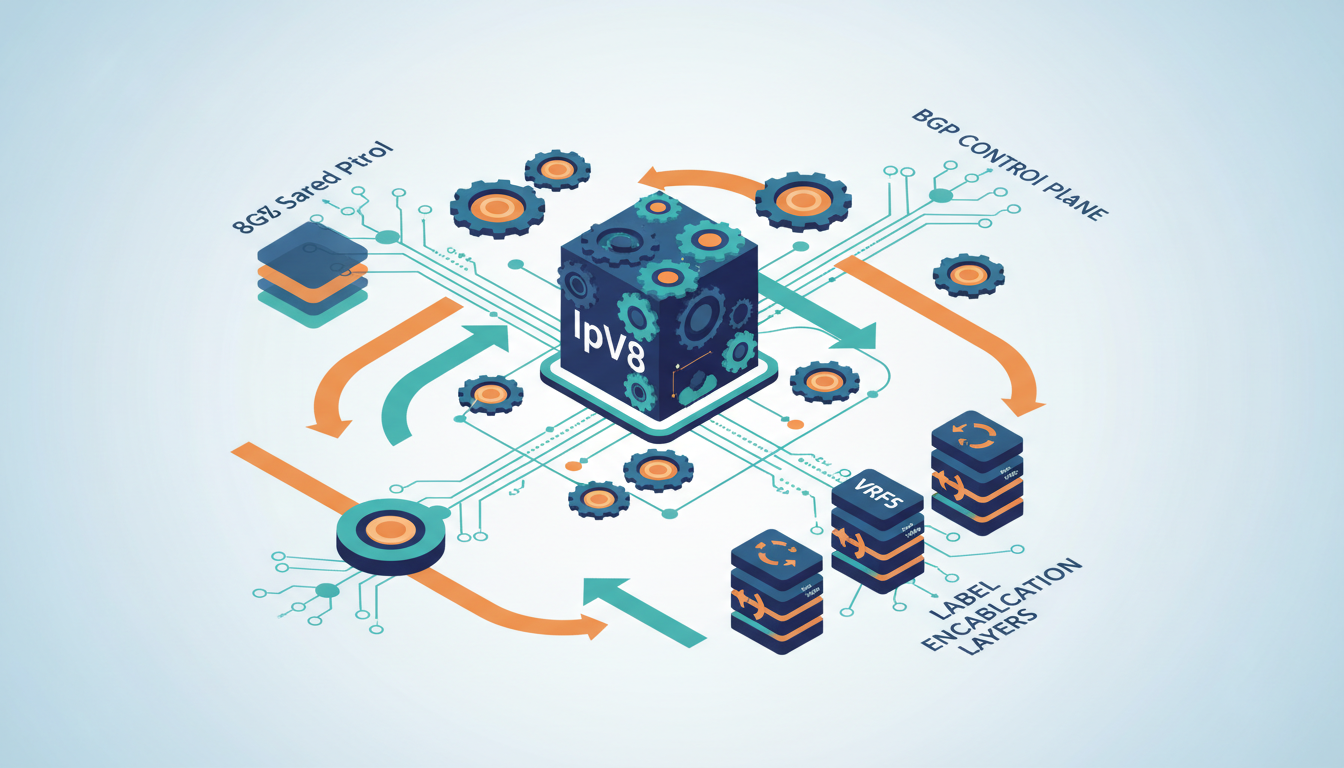
Ryan Hamel ended the IPv8 debate on May 4, 2026. We analyze why doubling BGP state tables creates unsustainable overhead for modern networks.
Jamie Thain's IPv8 draft targets 18 quintillion addresses, but critics warn it demands massive CPU upgrades like the AMD EPYC 9965.
With IPv6 traffic hitting 50.10%, the IPv8 proposal is an architectural dead end. We must optimize existing stacks, not chase vaporware.
Jamie Thain's IPv8 promises 3 billion addresses per ASN, but zero working implementations exist on off-the-shelf hardware today.
With IPv6 growth at just 5%, I explain why IPv8's telemetry claims don't yet justify leaving our stable IPv4 infrastructure behind.
IPv8 routing requires 192 cores to handle packet rates. Learn why this control-plane indirection adds latency instead of solving scarcity.
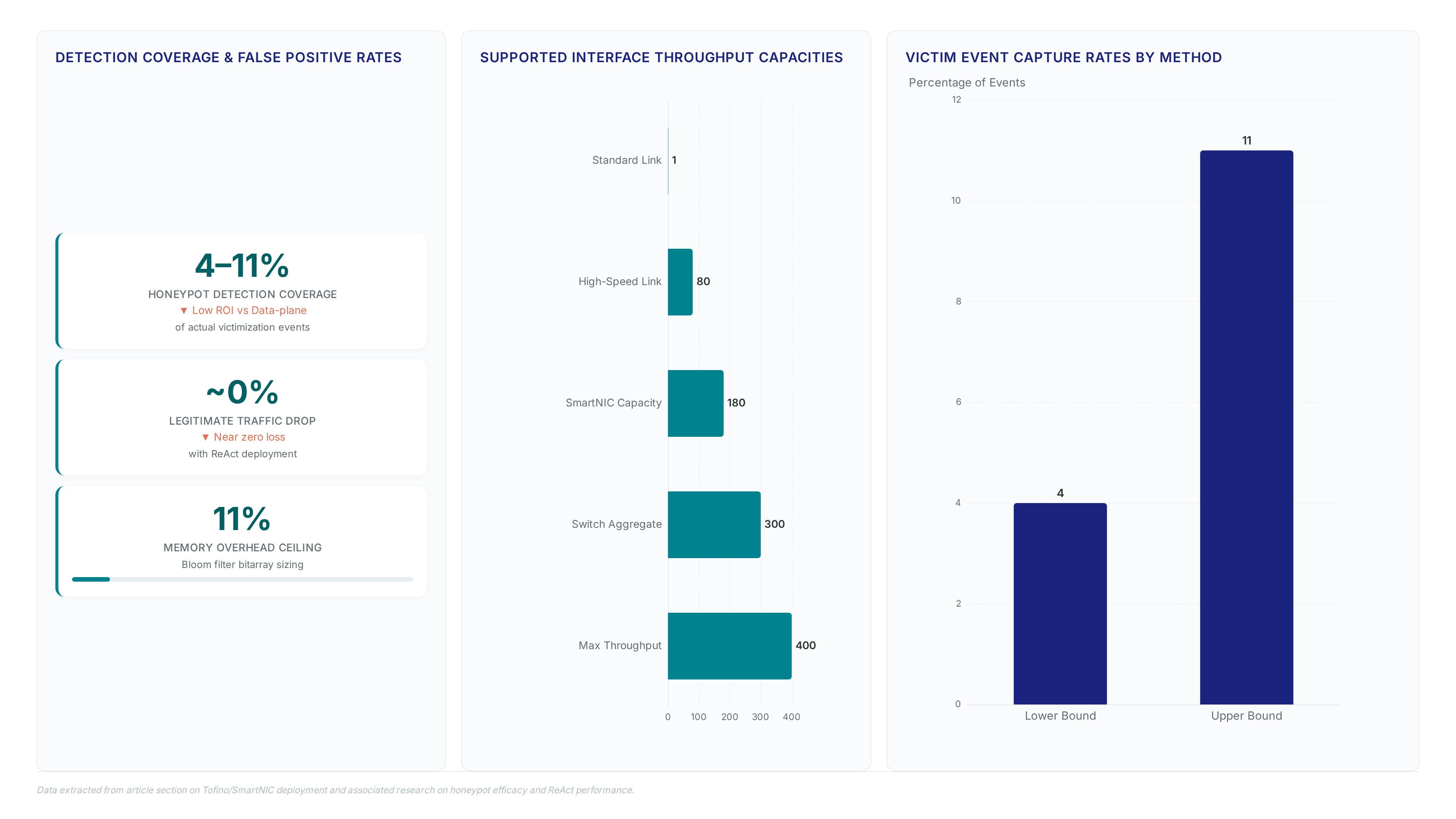
See how ReAct stops 500x NTP amplification even when asymmetric routing breaks standard symmetric filters and drops valid packets.
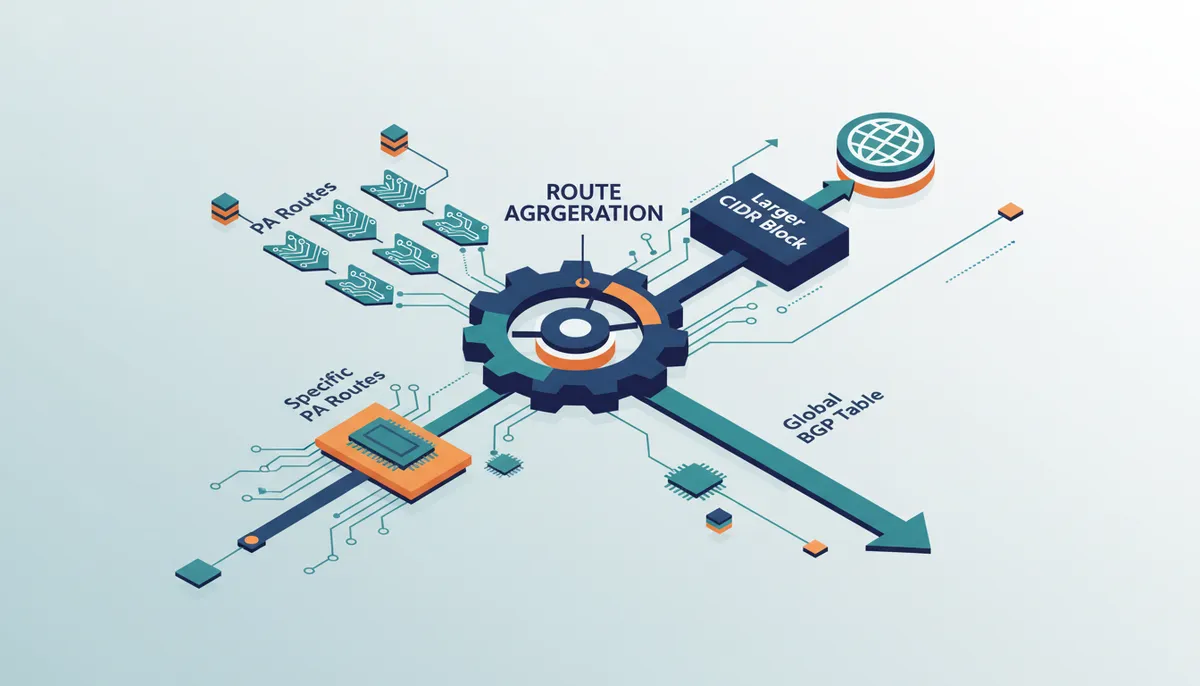
461,596 redundant routes now clog the global table. See how rigid classful blocks caused this IPv4 exhaustion and why CIDR aggregation must return.
With only 40% of networks holding valid ROAs, your routing is exposed. Learn how cryptographic validation stops multimillion-dollar breaches now.
One peer generated 2.93 billion updates in a day. Learn how to filter this BGP noise and restore clarity to your routing analysis.
Video eats 82% of bandwidth, yet Akamai steering breaks when open DNS hides client locations. Learn why hybrid models are now essential.
Thain's IPv8 draft merges 8 functions into one Zone Server, creating a single point of failure that ignores how 50.10% of users now access IPv6.
IPv8 breaks legacy silicon, forcing upgrades that current multi-billion-dollar SONiC deployments cannot support without major risk.
Global internet hit 74% penetration. Adding IPv8 now means replacing billions in legacy hardware that vendors abandoned years ago.
The IPv8 draft proposes 18.4 quintillion addresses, but its centralized Zone Server creates a single failure point operators can't ignore.
With IPv4 validity at 65.5%, ignoring RPKI risks traffic rejection. Learn how to deploy ROA and ASPA objects before enforcement deadlines hit.
Classful addressing wasted over 60,000 IPs per block. See how classless routing stops BGP bloat before edge complexity breaks your network.
The global routing table nears 1 million routes. See why physical hardware limits now threaten core network stability without strict aggregation.
RPKI validation stops 820k daily IoT attacks by 2027. Learn why three security invariants prevent 65% of routing breaches today.
See how 300 vantage points expose blind spots legacy archives miss. We move beyond theory to actionable three-month BGP analytics for engineers.
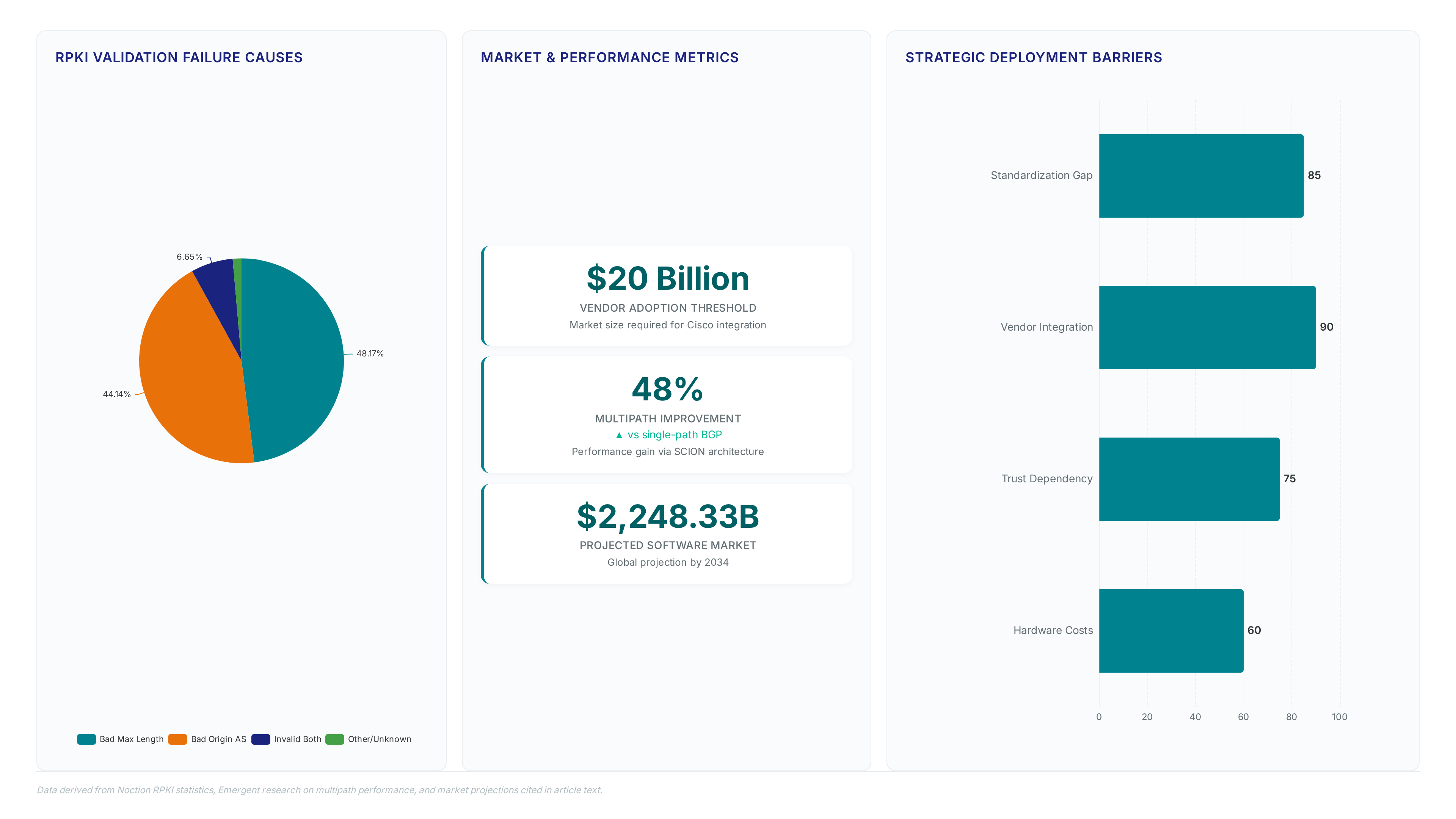
With 48.18% of invalid prefixes failing length checks, SCION routing replaces broken trust with cryptographic path validation for real security.
See how Betsson cut latency by 100 ms and costs 15% by swapping complex mesh topologies for managed Cloud WAN architecture.
Only 25% of systems enforce Route Origin Validation. See how predictive intelligence scores ASN risk before malicious routes propagate globally.
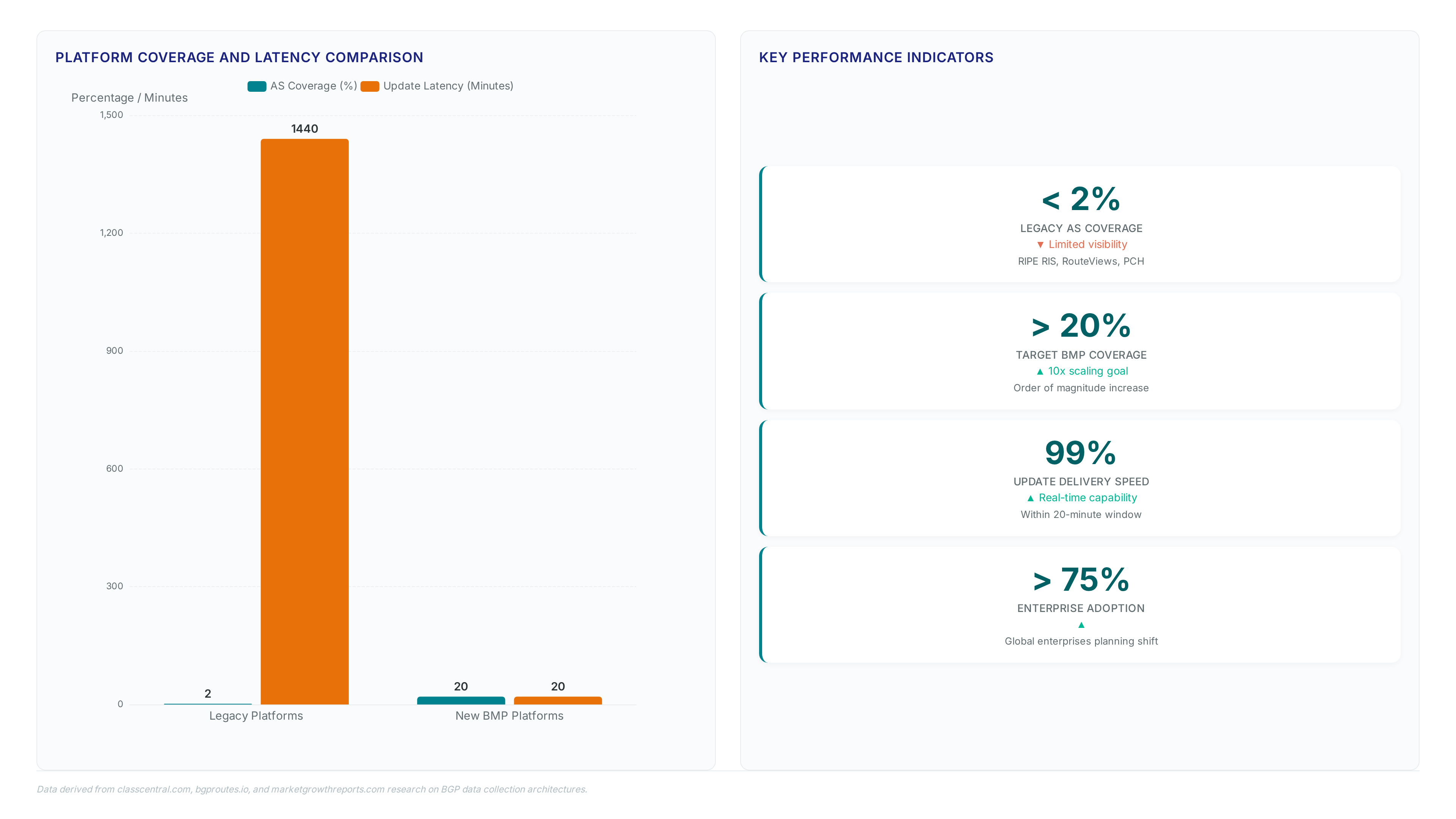
Legacy collectors cover less than 2% of global ASes. See how 5,000 vantage points expose routing leaks that traditional tools miss completely.
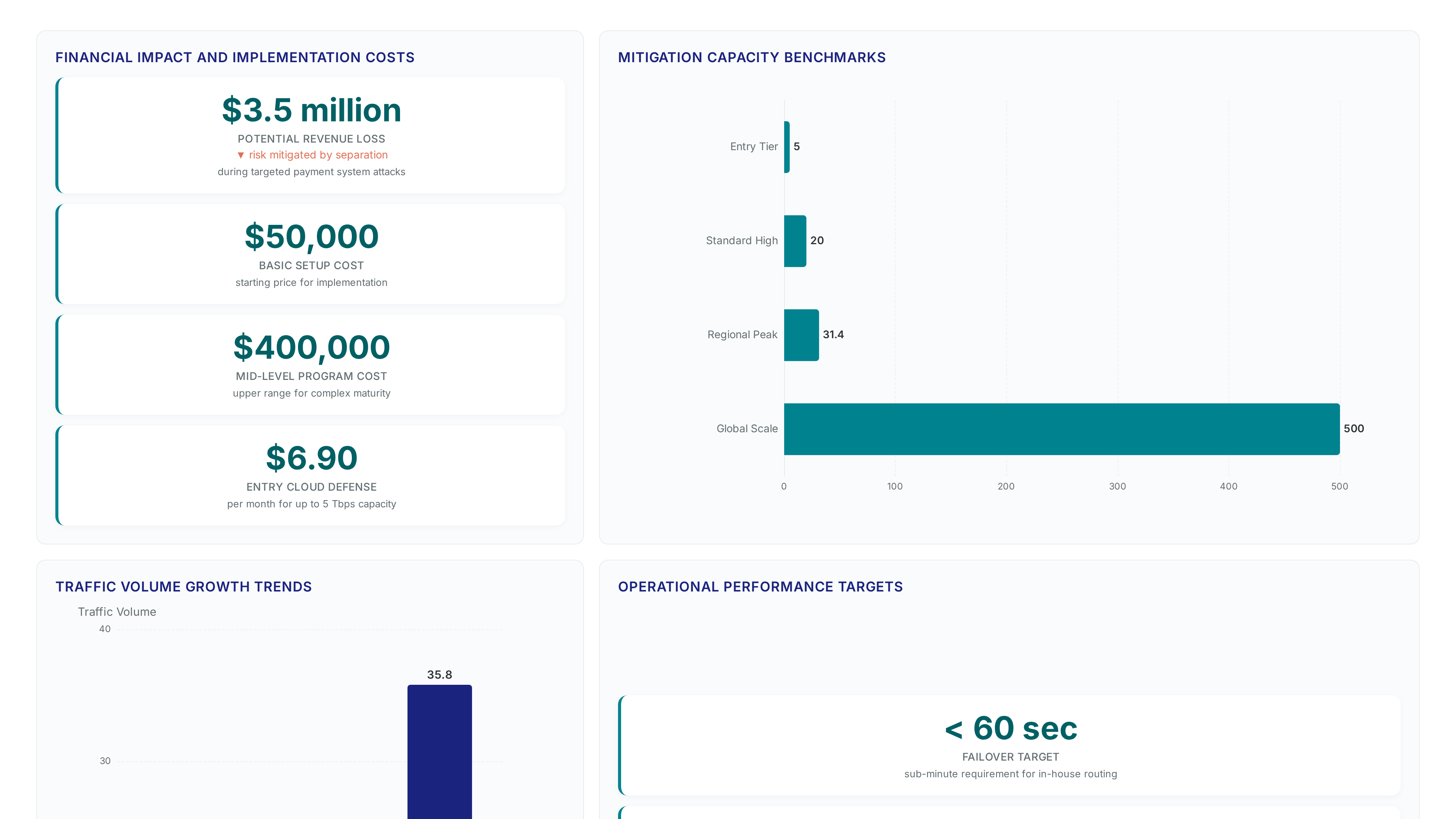
Attacks hit 31.4 Tbps in 2025. Keep your BGP keys to steer traffic when providers fail, ensuring you never lose control.
Seven regional bodies now enforce routing integrity. With TWNIC reaching 98% IPv6 validity, I analyze how NIRs secure our infrastructure.
Third-party breaches drive a massive share of incidents. Unauthenticated BGP routing remains a critical, undermanaged vulnerability you must fix.
Join me in Jakarta for APRICOT 2026. We'll tackle Prop164 and prepare our networks for the 70% of enterprises adopting agentic AI soon.
Join 80,000 active systems by running your own BGP. Learn to decouple your network identity from providers using FreeBSD and FRRouting.
Only 4% of routes tag origins, yet new clustering methods achieve 93% recall for mapping physical handoff points without vendor docs.
With 8M records at stake, the 15-member ARIN Council needs your voice before the 2026.1 manual locks in new rules.
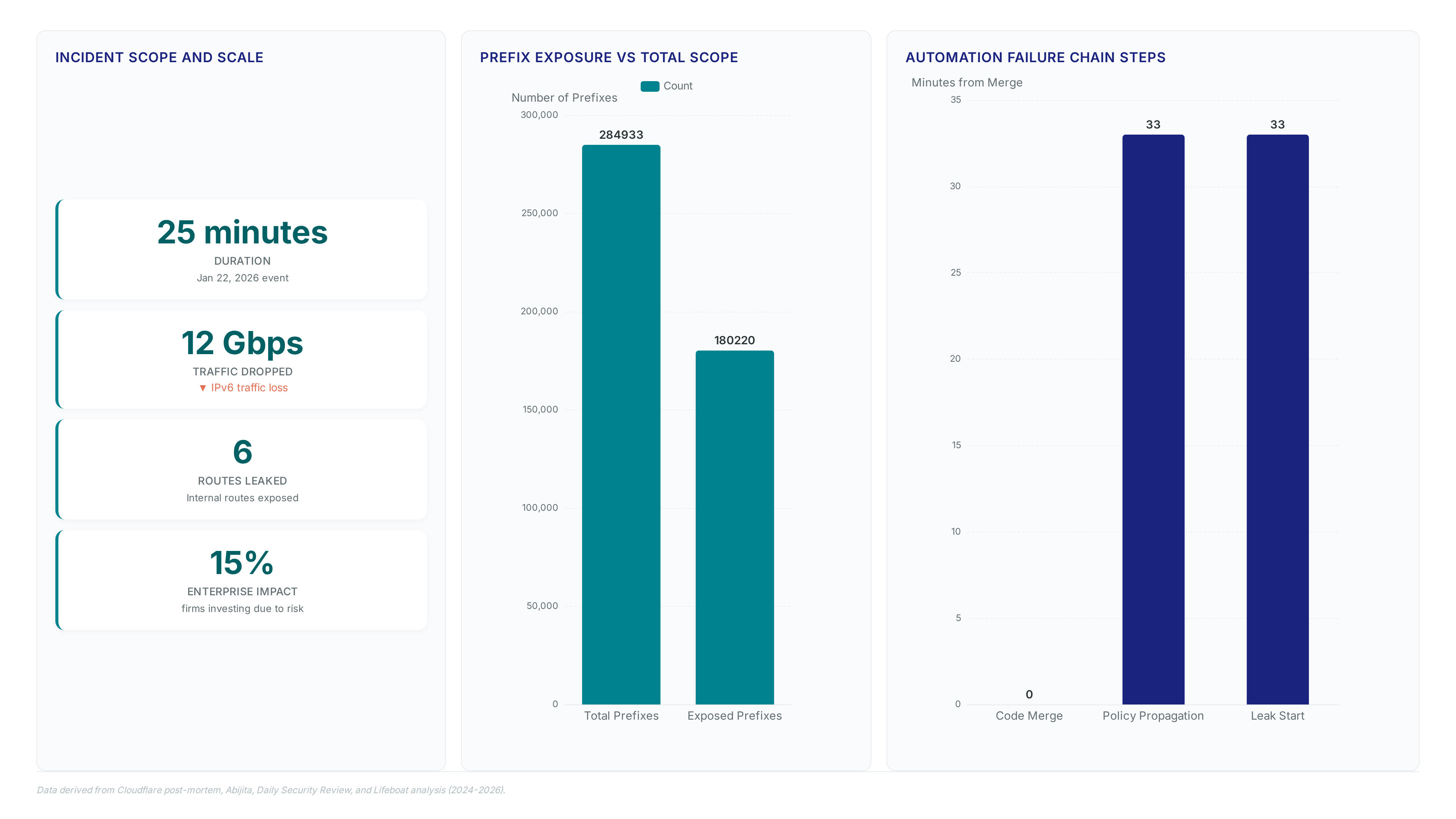
Cloudflare's 25-minute outage shows how automation errors cause route leaks. I break down the RFC7908 violation and how to fix it.