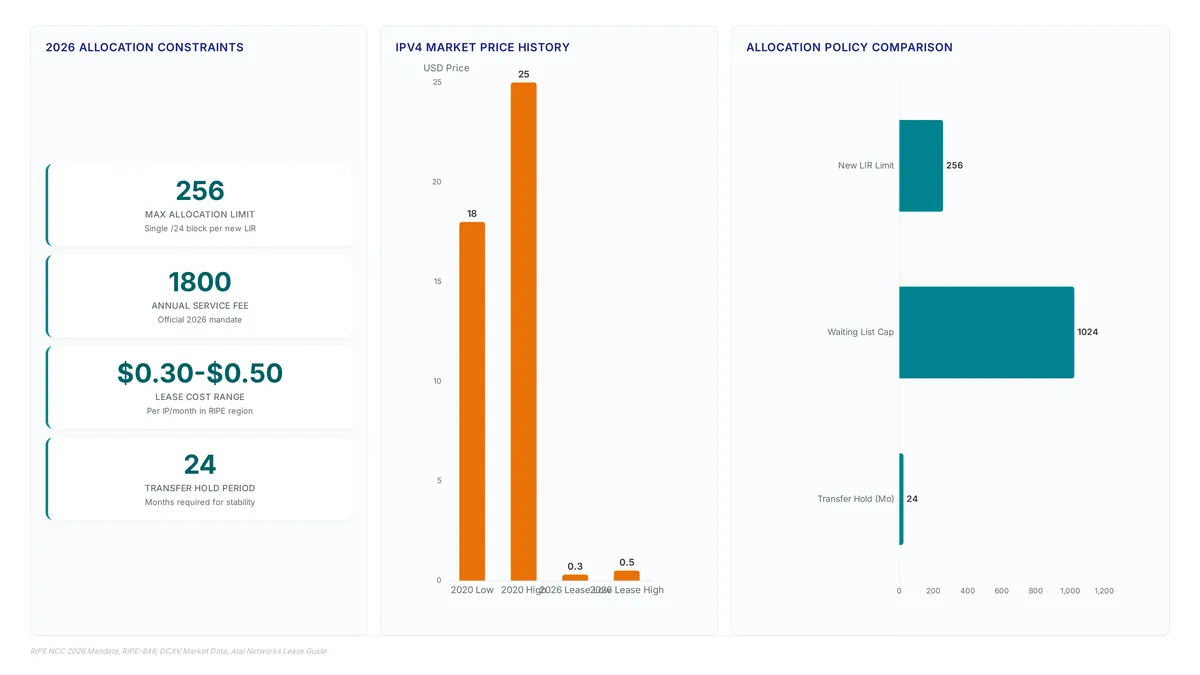
RIPE NCC delays: 750 orgs wait 536 days
With 750 organizations waiting up to 536 days, IPv4 scarcity is here. See how RIPE NCC bottlenecks force reliance on the secondary market today.

With 750 organizations waiting up to 536 days, IPv4 scarcity is here. See how RIPE NCC bottlenecks force reliance on the secondary market today.

Seventeen new fellows join seven technical tracks to shape policy across 75 countries, ensuring skilled operators guide our shared infrastructure.

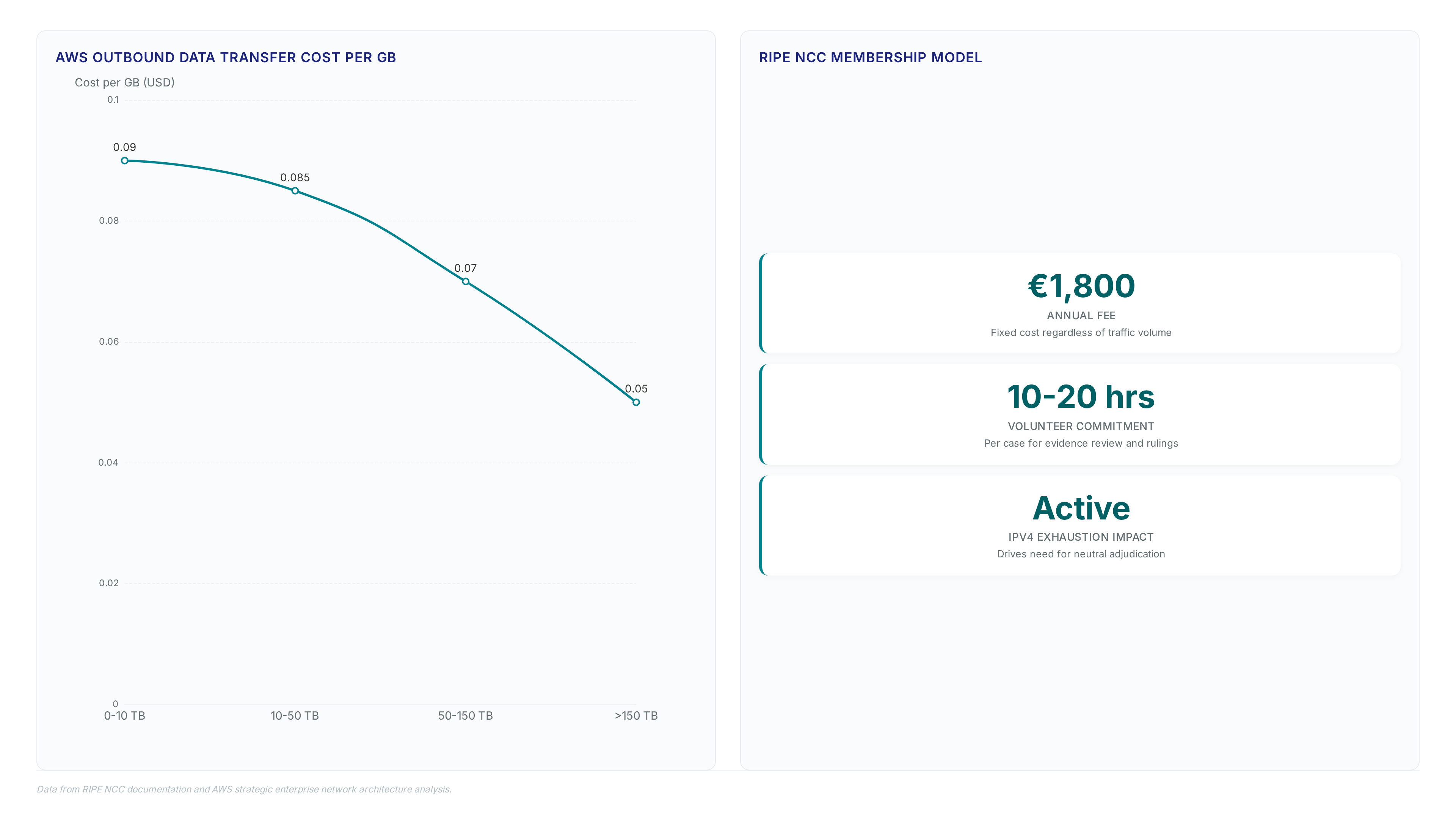
RIPE seeks volunteers by 6 March 2026 to resolve IP disputes. As IoT hits 21.9 billion devices, human arbiters remain essential for governance.

See how APNIC's open process serves 56 diverse economies. Real operators bridge the gap between clean protocols and messy infrastructure realities.

State actors caused 219 incidents in Q1 2026. We analyze how 92% growth in outages shifts from glitches to tactical isolation.

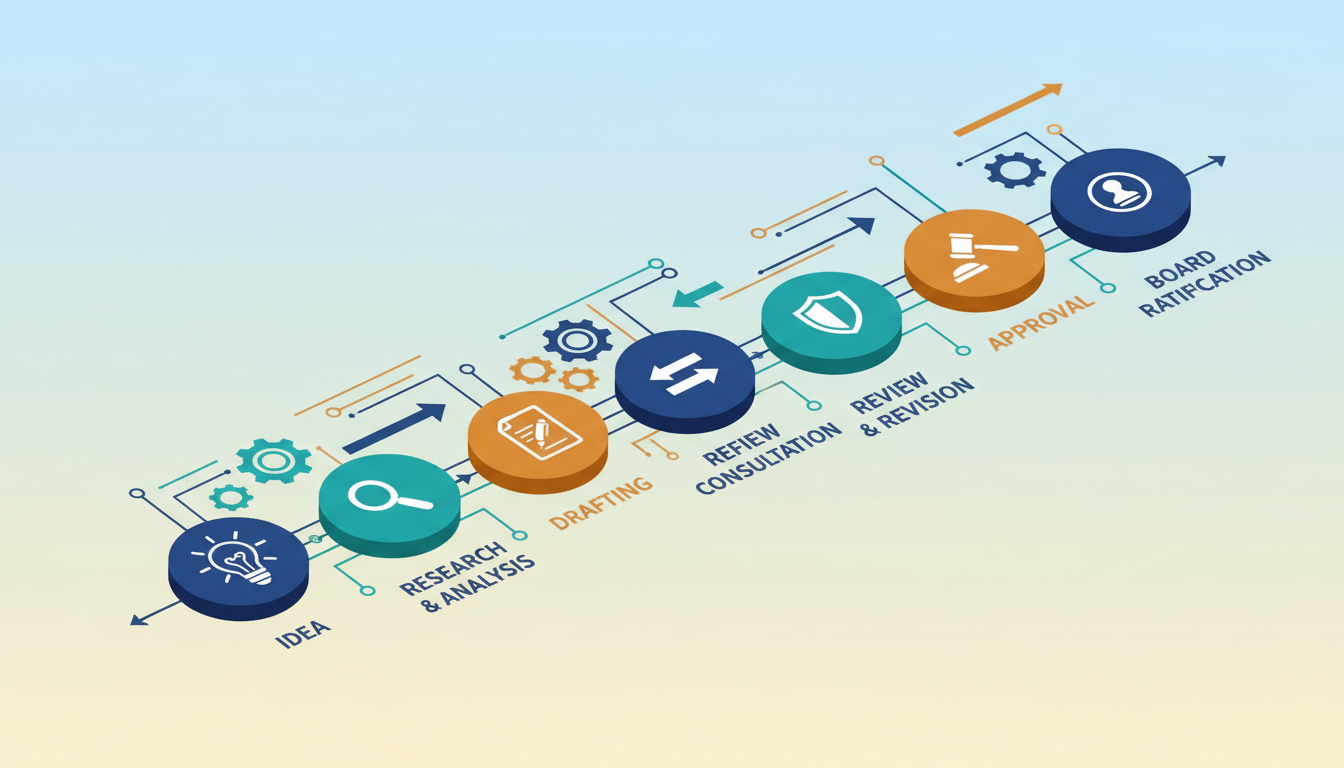
APNIC and PITA updated their 2002 agreement to support 56 economies, focusing on real BGP training and local policy input for stability.

Stop watching from the sidelines. Apply by 1 May to join the ARIN Grant Selection Committee and directly influence regional internet stability.

Nikita breaks down ARIN's 8M records to show how 15 elected members shaped 2025 policy without the corporate spin.

Build a compliant VPC with private subnets in 3 zones. Keep data off the public internet while integrating private sources securely.

See how Shaila Sharmin guides policy for 56 Asia-Pacific economies through community consensus, not distant bureaucratic mandates.

Litigation has frozen resource allocation for years. With only 30 million addresses, AFRINIC's legal crisis hurts 56 African nations.

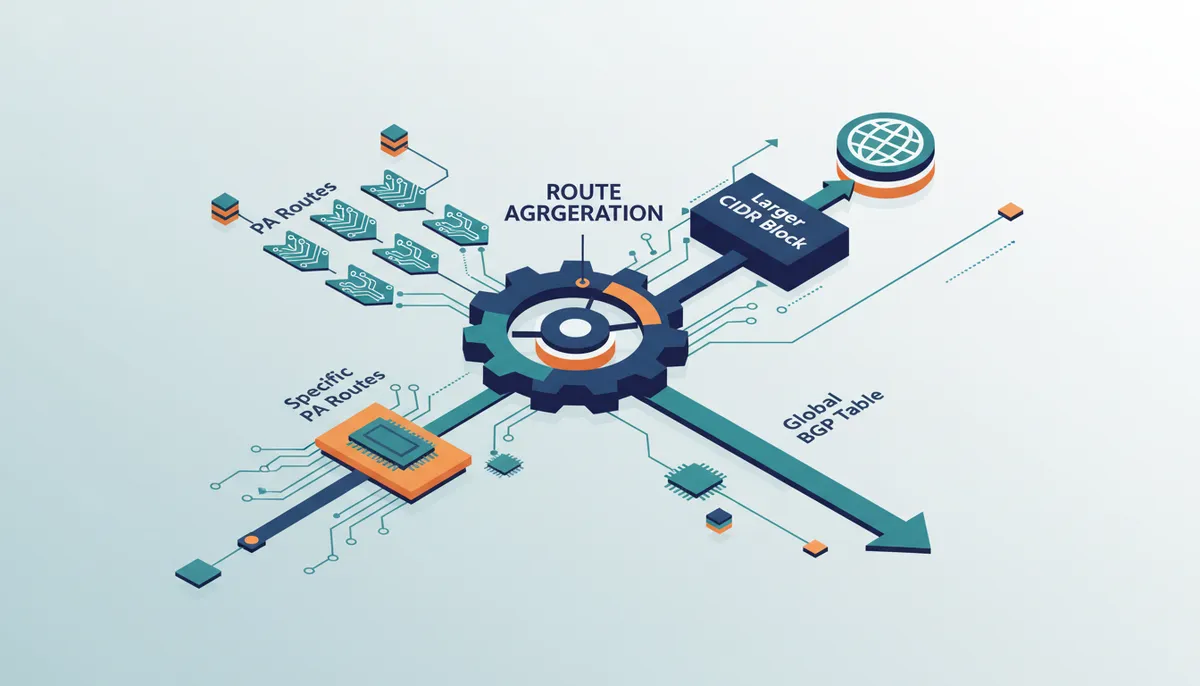
Seven regional bodies now enforce routing integrity. With TWNIC reaching 98% IPv6 validity, I analyze how NIRs secure our infrastructure.

With IPv4 still carrying 60% of global traffic, the ARIN Fellowship trains 15 experts yearly to manage critical number resources.

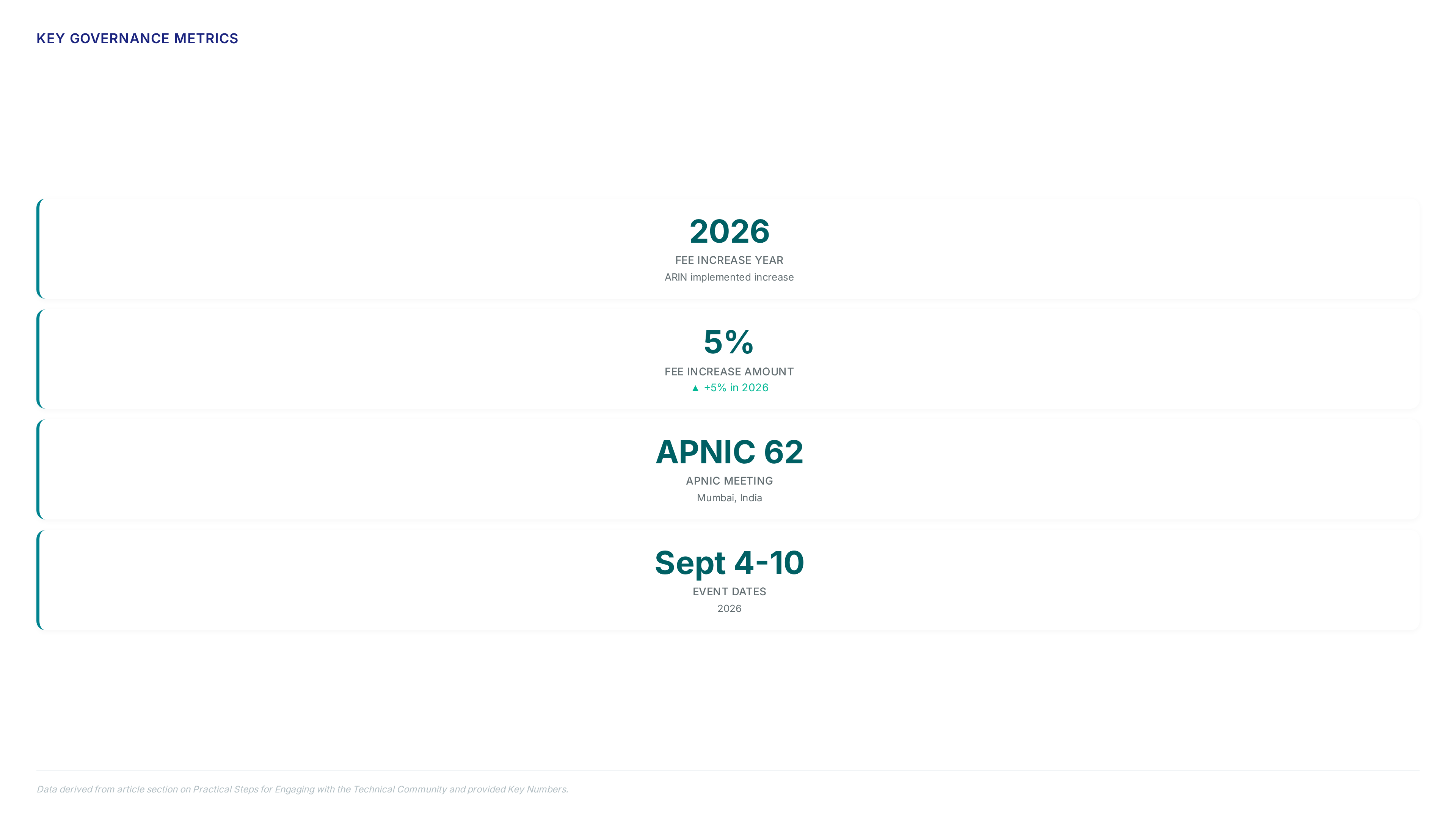
I'm joining the APNIC 2026 Fellowship selection. Volunteers dedicate up to five hours to assess candidates for Mumbai.

Don't miss the March 17 deadline for ARIN 57. The $199 Galt House rate expires then, risking your spot in critical IPv4 policy debates.

North America holds 39.5% of global IPv4. I break down ARIN 57 sponsorship tiers to show where your budget actually buys policy influence.

Join me in Jakarta for APRICOT 2026. We'll tackle Prop164 and prepare our networks for the 70% of enterprises adopting agentic AI soon.

With 229.4 million users online, Indonesia's 2025 data reveals why remote islands still lack reliable connectivity despite huge budgets.

You have exactly 30 days to critique the 2025 matrix before March 6. Ignore this, and governance becomes a rubber stamp.

RIPE's new draft replaces ICP2 to manage 6 billion users. See how 15 volunteers refined global IPv4 governance standards in 2026.

With mobile traffic hitting 64%, rigid global governance frameworks are essential. I break down how new policies protect our shared resources.

Bangladesh's internet hit 75% penetration. At bdNOG 20, engineers skipped theory to fix real BGP hijacks via specific ROA creation labs.

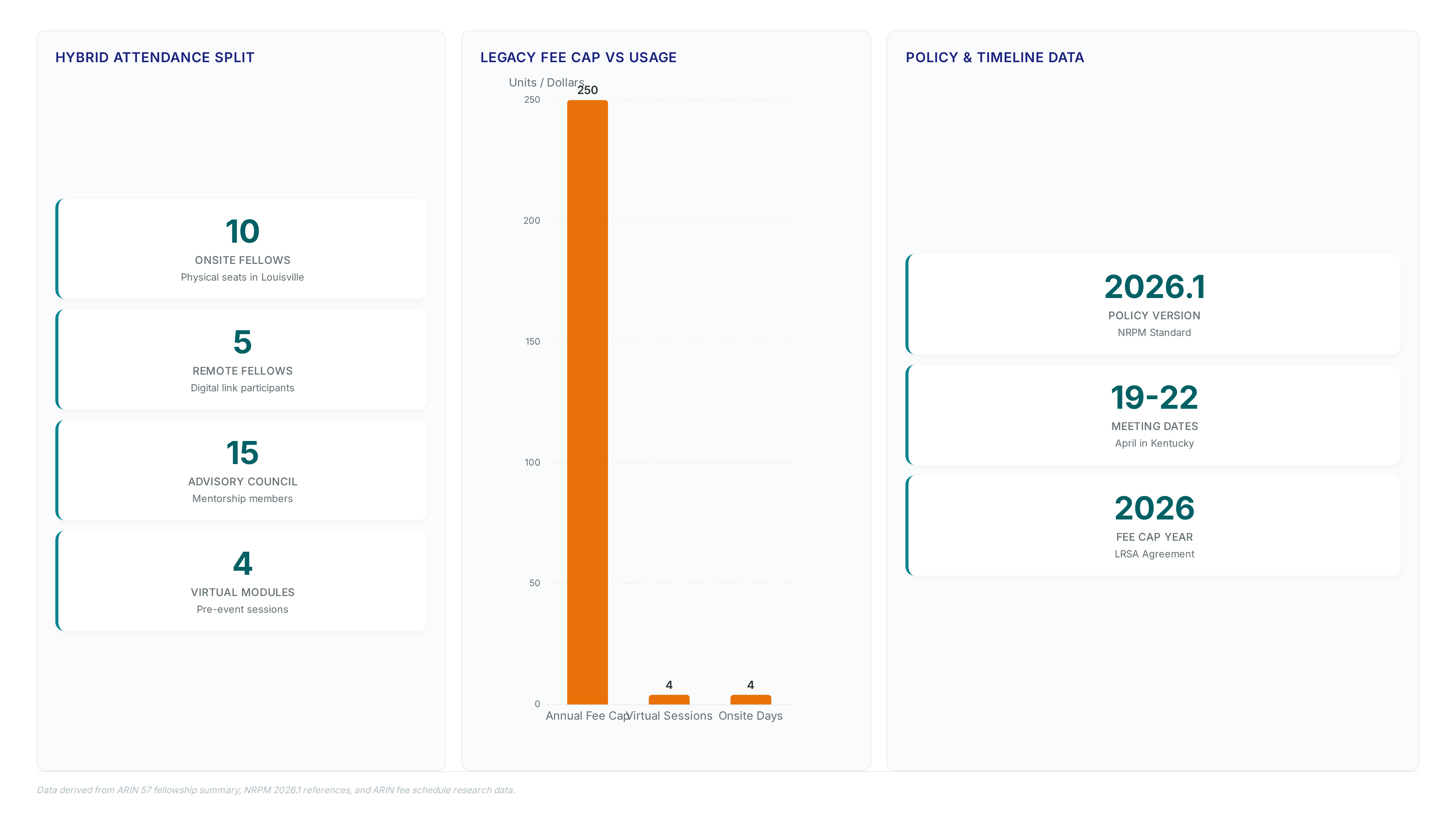
With 8M records at stake, the 15-member ARIN Council needs your voice before the 2026.1 manual locks in new rules.

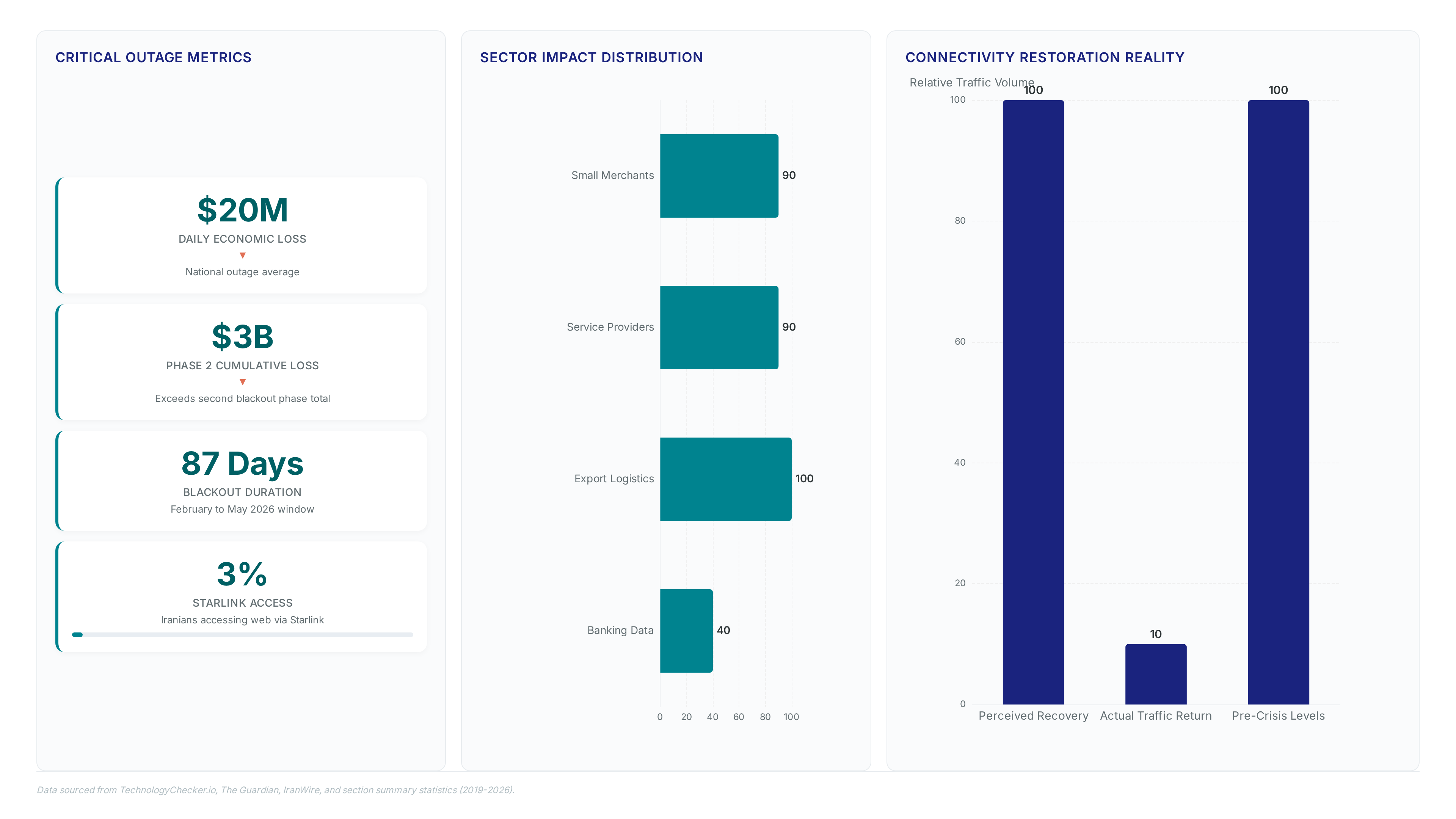
At 11:50 UTC, Iran withdrew 98.5% of IPv6 space. I analyze how this BGP strategy differs from past throttling and what it means for global routing.

Over 180 global disruptions hit in 2025. Learn why physical fiber cuts now cause more internet loss than political actions.