RIPE Compliance: Stop IP Resource Forfeiture
A RIPE NCC block triggers a mandatory 3-month deal. InterLIR prevents resource forfeiture by managing your LIR status and AS6723 coordination effectively.

IPv4 transfer markets, BGP routing security, RPKI adoption, and ASN governance — analysis for network operators.
A RIPE NCC block triggers a mandatory 3-month deal. InterLIR prevents resource forfeiture by managing your LIR status and AS6723 coordination effectively.
Discover how the 1992 shift ended centralized NIC control, creating the five-body hierarchy that manages global IP policy and allocation today.
Five RIRs manage global resources with divergent costs like RIPE's €1,000 signup. InterLIR bypasses these fees to secure your IPv4 assets efficiently.
Five Regional Internet Registries manage global IP allocation. Direct registry data offers the only verifiable path for accurate security analysis.
Five Regional Internet Registries coordinate global IP allocation to prevent routing chaos. Learn how this hierarchy secures unique address distribution.
Five Regional Internet Registries currently manage the world's IP addresses, a structure solidified since the first entity launched in 1992.
A DNS record set to 86400 seconds forces a full day of stale data. Learn how reducing TTL before maintenance ensures immediate global propagation.
Explore how 1,023 private identifiers support internal routing before global translation in complex anycast network architectures.
Manage your global IP assets through the LIR Portal. Learn how a single mismatched attribute can stall an allocation and how to fix it.
See how the 2021 Cloud Innovation case shows custody mutating into ownership without explicit legal transfer or clear policy boundaries.
IRINN imposes fees on transferred IPv4 resources, while APNIC routes InterRIR requests across 56 economies. Learn the specific costs.
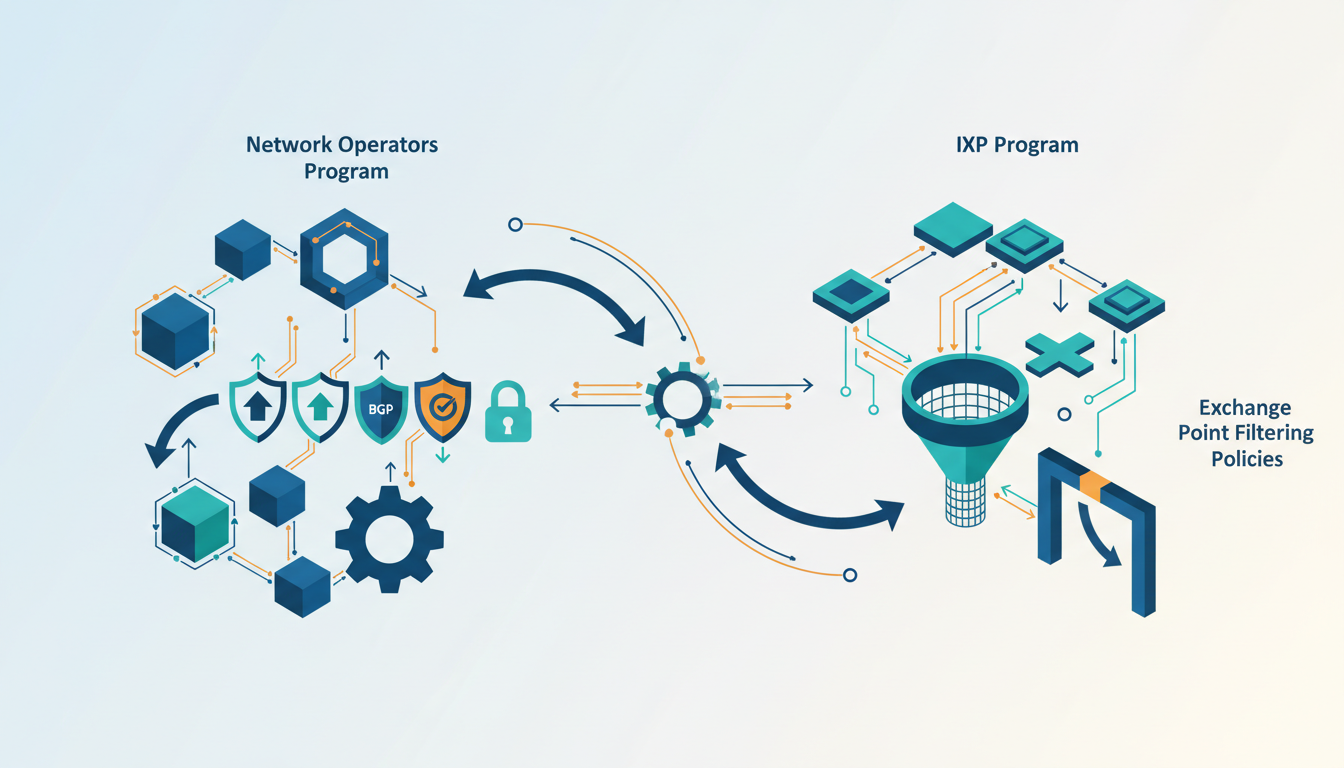
Over 20 experts are currently rewriting the rules for the Network Operators Program under a new charter.