APNIC merger transfers: the 5-year IPv4 lock
APNIC enforces a mandatory five-year holding period before IPv4 addresses from the 103/8 free pool can be transferred due to merger or acquisition. This constraint defines the narrow window where legal entity distinction actually matters for moving Internet number resources. The article argues that successful transfers depend less on corporate intent and more on strict adherence to APNIC procedural workflows that often catch organizations off guard.
You will learn why the Merger/Acquisition Transfer form requires specific legal documentation issued by governing authorities in the economies. The guide details the coordinated steps between source and recipient accounts within MyAPNIC, highlighting how unpaid renewal invoices can block the entire process before it begins. We also examine the necessity of a Sales/Transfer Agreement to validate the change in business structure.
Failure to align whois records with the new organizational reality risks invalidating the original membership agreement. The process demands that the recipient organization holds an active APNIC account, forcing new entities to wait for approval instructions before acknowledging the transfer. Understanding these mechanics prevents the administrative limbo that plagues many post-merger integrations involving IP addresses and AS numbers.
The Role of Legal Entity Distinction in APNIC Resource Transfers
Defining APNIC Transfer vs Legal Entity Change
Resource movement between distinct legal entities constitutes a transfer, a classification fundamentally different from a simple organizational name change.
APNIC policy establishes this binary framework to govern ownership shifts of Internet number resources during corporate restructuring. The procedure specifically covers three resource types: IPv4 addresses, IPv6 addresses, and Autonomous System Numbers. A transfer occurs strictly when these assets move from a source legal entity to a recipient legal entity. Rebranding without a change in legal entity does not trigger the rigorous merger workflow. This distinction carries weight because a merger or acquisition often voids the original membership agreement, necessitating new registration.
Network operators must identify legal entity changes accurately to initiate the correct workflow. Organizations should note that if a renewal invoice has been issued, payment is mandatory before submitting any transfer request.
| Feature | Legal Entity Change | Organizational Name Change |
|---|---|---|
| Workflow Type | Merger/Acquisition Transfer | Administrative Update |
| Agreement Status | Requires New Contract | Existing Agreement Valid |
| Resource Movement | Between Distinct Entities | Within Same Entity |
Executing Merger Transfers for IPv4 and ASNs
Operationalizing a merger acquisition transfer demands strict adherence to temporal locks on specific address blocks.
APNIC enforces a mandatory five-year holding period before IPv4 addresses delegated from the 103/8 free pool become eligible for movement. The recipient organization must possess a valid APNIC account to accept these resources, triggering an immediate update to WHOIS records upon completion. Registration is a prerequisite for incoming entities lacking an existing account.
Distinct verification layers apply depending on the resource type and current portfolio. Recipients of AS numbers who do not already hold IPv4 resources must demonstrate a detailed plan for usage within a 24-month timeframe.
| Constraint Type | Resource Scope | Condition |
|---|---|---|
| Temporal Lock | IPv4 (103/8 pool) | Five years post-delegation |
| Usage Plan | AS Numbers | Required if no IPv4 held |
| Account Status | All Resources | Mandatory active account |
Pending invoices in the source account create a dependency chain that halts the entire resource transfer before initiation.
The Coordinated Workflow Between Source and Recipient Accounts
Defining the Source Account Initiation Sequence in MyAPNIC
Initiating a Merger/Acquisition transfer in MyAPNIC starts when the source operator enters the Resource Manager and selects Transfer Resources Into Another Account. Personnel must finish the Merger/Acquisition Transfer form while attaching legal proofs like a Sales/Transfer Agreement. A strict financial gate blocks submission if any renewal invoice remains unpaid. The portal rejects the entire request until the account balance shows zero arrears. This rule forces organizations to settle APNIC membership debts before changing legal ownership of Internet number resources.
- Navigate to Resource Manager within the dashboard.
- Select Resource Transfer & Return then choose Transfer Resources Into Another Account.
- Upload the Sales/Transfer Agreement and complete the specific merger form fields.
- Verify invoice clearance to enable the final submit action.
Administrative name updates follow a different path than this rigid transfer protocol, which activates solely for genuine legal entity changes. Outstanding invoices create a hard stop that locks critical IPv4 assets inside the source account during sensitive corporate restructuring.
Executing Recipient Acknowledgment and Finalizing Resource Receipt
Active acknowledgment by the recipient account moves the resource status from pending to completed within MyAPNIC. Staff members return to Resource Manager, choose Resource Transfer & Return, and click Receive Resources Into My Account to open the workflow. Filling out the Merger/Acquisition Transfer form finalizes the ingestion of IPv4 blocks or AS numbers into the new legal entity. Organizations without prior holdings face stricter verification tiers requiring a demonstrable plan for resource use within a 24month timeframe. The recipient entity bears the responsibility of maintaining accurate network usage records and updating contact personnel immediately upon receipt.
Successful acknowledgment triggers the final update to WHOIS records, legally cementing the resource reassignment. The source organization may request a pro-rata membership fee refund once the process concludes.
| Step | Action Path | Critical Requirement |
|---|---|---|
| 1 | Resource Manager | Valid APNIC Account |
| 2 | Receive Resources | No Unpaid Invoices |
| 3 | Complete Form | 24-Month Plan (if new) |
Streamlining this acknowledgment phase prevents gaps in IPv4 availability during complex corporate restructuring events.
Executing the Merger Acquisition Transfer Form and Documentation
Legal validation for Merger/Acquisition transfers demands specific documentation, such as a Sales/Transfer Agreement, to substantiate the request. These files prove the change in legal status distinguishes the transaction from a simple administrative name update. Financial standing of the source holder presents a hard constraint; if a renewal invoice has been issued, it must be paid before the transfer request can be submitted. The recipient entity must also maintain a valid account to accept the resources. If Internet number resources are to be transferred to an organization that does not have a current APNIC account, a new account will need to be created, with instructions sent once APNIC approves the request. This strict sequencing ensures that Internet number resources move between organizations with valid accounts. InterLIR advises verifying all jurisdictional documents and clearing outstanding balances before accessing the Resource Manager to prevent processing stalls. Documents must be issued by the governing authorities from the economies where the entities reside.
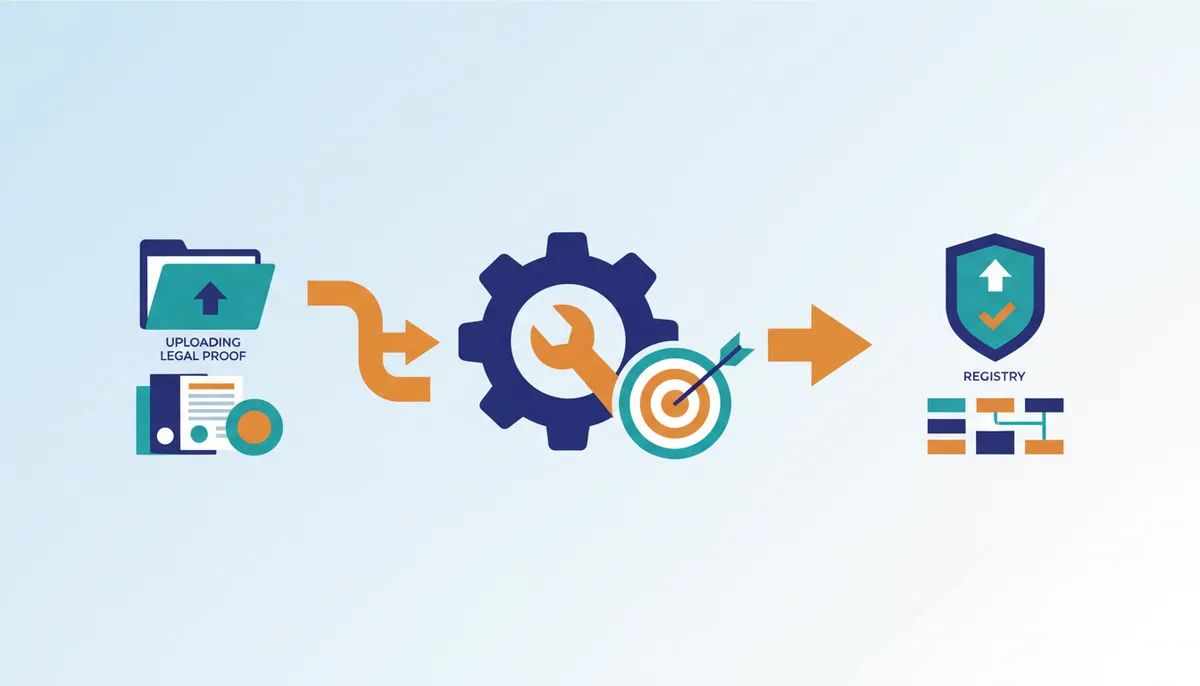
Application: Executing the Source Account Initiation Sequence in MyAPNIC
The source entity initiates the legal reassignment by navigating Resource Manager to select Transfer Resources Into Another Account under Resource Transfer & Return. This path within MyAPNIC leads to the Merger/Acquisition Transfer form, which captures the distinct legal identity change rather than a simple administrative update. Payment of any issued renewal invoices is mandatory prior to submission. If the recipient lacks an existing profile, they must create a new APNIC account to complete the transfer workflow. Submitting the form requires providing the legal documents, for example, a Sales/Transfer Agreement. The protocol demands that the APNIC account must be open to initiate a Merger/Acquisition transfer. This disciplined approach ensures the Internet number resources transition smoothly without triggering policy violations. The process strictly separates legal entity changes from routine contact updates, maintaining the integrity of the regional registry data.
About
Alexei Krylov, Head of Sales at InterLIR, brings a unique combination of B2B sales expertise and legal acumen to the complex topic of internet number resource transfers. His background in Civil Law provides the precise regulatory understanding necessary to navigate the legal intricacies of mergers, acquisitions, and reorganizations involving IP assets. At InterLIR, a specialized IPv4 marketplace based in Berlin, Krylov daily manages the transfer of critical network resources, ensuring strict compliance with Regional Internet Registry (RIR) policies. This hands-on experience directly informs the article's guidance on updating APNIC accounts and whois records during corporate restructuring. As InterLIR assists global clients in redistributing unused IP blocks, Krylov's work ensures that business continuity is maintained without legal or technical disruption. His practical insights bridge the gap between high-level corporate strategy and the technical realities of managing IP addresses and AS numbers in a constrained market.
Conclusion
Scaling these transfers reveals a critical friction point: the rigid 24-month usage plan requirement often clashes with the fluid timelines of corporate restructuring. When organizations fail to demonstrate this specific forward-looking utility, valuable assets remain locked in limbo rather than serving immediate infrastructure needs. This operational bottleneck suggests that legacy holding periods may inadvertently penalize efficient market consolidation. You must treat the legal entity change as a distinct technical event requiring its own validation logic, separate from routine administrative updates.
Initiate your preparation by drafting the demonstrable usage plan for the next two years before gathering jurisdictional documents. This specific document often requires more coordination than the legal paperwork itself. Start by auditing your current inventory against the five-year holding period constraints to identify which blocks qualify for immediate movement. Do not attempt to submit the Merger/Acquisition Transfer form until the recipient entity has fully established their profile and cleared all outstanding invoices. This sequence prevents the workflow from stalling at the final validation gate. Ensuring the receiving account is active and compliant before submission remains the single most effective way to guarantee resource continuity.
Frequently Asked Questions
You cannot transfer these addresses until the mandatory five-year holding period expires. Attempting a transfer before this time violates APNIC policy and will result in the immediate rejection of your merger or acquisition request.
Yes, recipients without existing IPv4 resources must submit a detailed usage plan covering a 24-month timeframe. Failure to provide this specific projection prevents the successful ingestion of Autonomous System Numbers into the new entity.
Your request is blocked because unpaid renewal invoices create a strict financial gate. You must settle all outstanding membership debts to zero before the system allows you to initiate any merger or acquisition workflow.
A legal entity change involves moving resources between distinct organizations and requires a new contract. This differs from a name change, which keeps the original agreement valid since the resources stay within the same legal entity.
You must attach legal proofs like a Sales/Transfer Agreement issued by governing authorities. These documents validate the business structure change and are required before the source account can successfully submit the transfer request.