APNIC 62 Mumbai: My Take on Hybrid Cloud Shifts
With 53% of firms moving to hybrid cloud, I break down APNIC 62's split schedule and how to submit your lightning talk by Sept 8.

With 53% of firms moving to hybrid cloud, I break down APNIC 62's split schedule and how to submit your lightning talk by Sept 8.

With optical fiber holding 90% of the market, I argue that Pacific infrastructure must prioritize local peering over raw international capacity to survive.

APNIC embeds staff locally to help the 7% still offline. I analyze how this pilot bypasses travel barriers for rural engineers.

Outdated contacts cause 22% of bounced abuse alerts. Learn how APNIC policy changes and rising leasing rates directly impact your network's bottom line.

In July 2025, attackers used forged papers to bypass RPKI. Learn how social engineering now defeats technical validation and what operators must do.

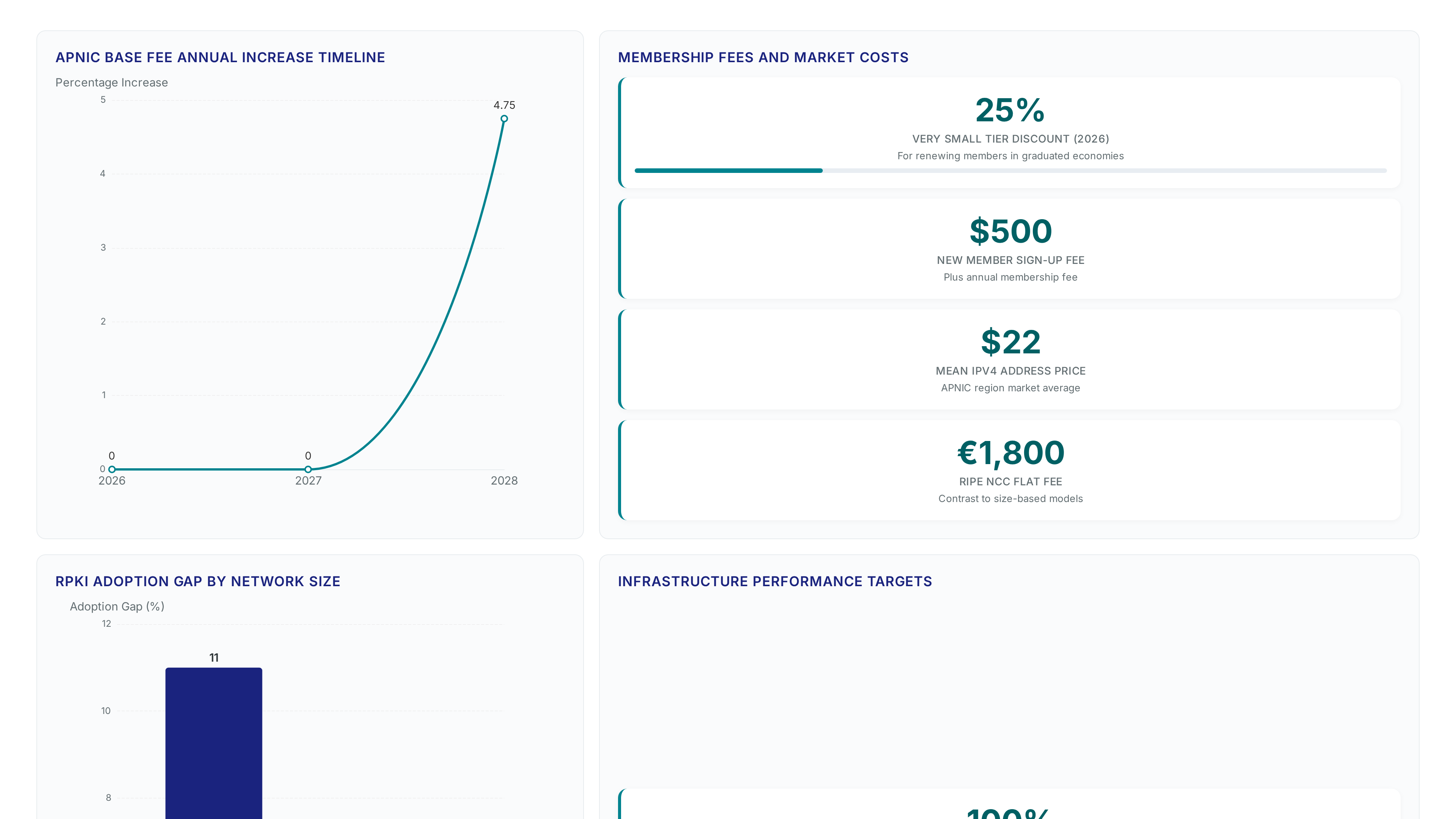
With APNIC growth at just 1.6%, I break down what this stagnation means for your IPv4 holdings and future planning.

Despite 60.3% global ROA coverage, East Asia sits at 31.0%. We analyze why signing resources isn't enough without active ROV filtering.

With 461,596 routes tracked, the CIDR report highlights why strict aggregation is vital for global routing stability today.

With 820,000 daily IoT attacks projected, I explain why RPKI validation is now mandatory for operators to prevent costly routing hijacks.

See how 294 million new users drive APNIC policy. Sharmin shares why operational reality must shape regional internet governance today.

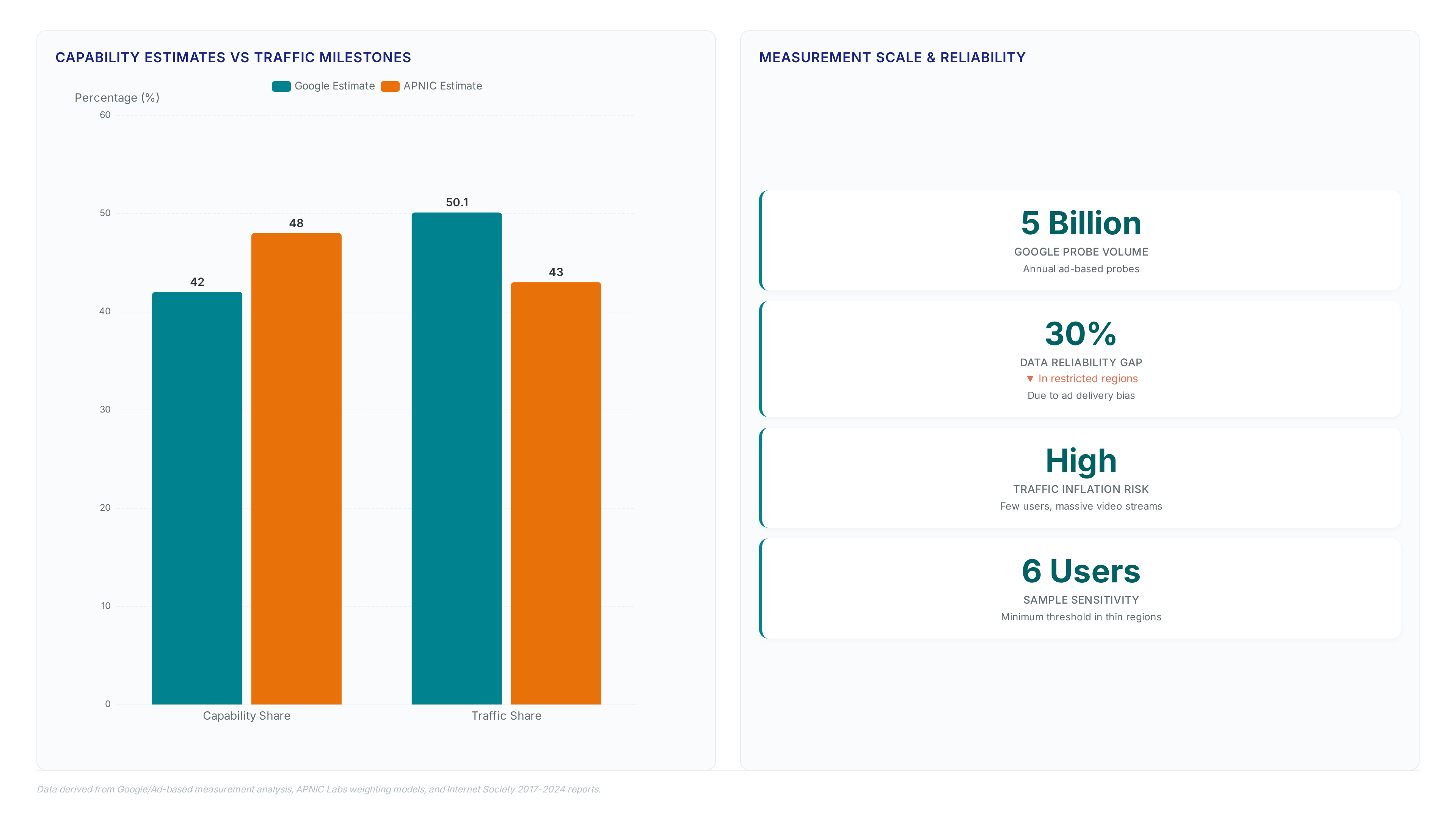
With 50% capability reached, I analyze how new physical labs and automated tools prepare operators for the next wave of growth.

Avoid the $14,056 per minute cost of outages by choosing agent-based tools wisely. Learn when human oversight beats complex declarative models.

I tested how a 250ms head start boosts native IPv6 traffic over 90%. Learn why aliased prefix detection saves your scan budget today.

With only 12.3% of ASes enforcing validation, signing routes isn't enough. Learn how Indonesia mandates filtering to stop invalid announcements.

With TWNIC hitting 98% IPv6 RPKI validity, I see how seven NIRs are finally turning administrative coordination into a real defense against route hijacking.

Geoff Huston's tests prove IPv6 DNS lag is negligible. With 30.5% of queries now IPv6, operators must update RFC 3901 standards today.

Stop losing 60% of resolution control to public resolvers. Learn how DNS logs reveal actual cache nodes and cut latency today.

I break down the APNIC Fellowship's dual tracks, noting the tight window closing on 13 March 2026 for this critical capacity building.

APNIC serves over 4 billion people, yet prop164 risks routing failures. I explain why keeping IPv6 blocks at /32 protects long-term network stability.

Jakarta hosts APRICOT 2026 as data hits 220 zettabytes. I analyze why manual IPv4 management fails and how new bylaws fix routing security.

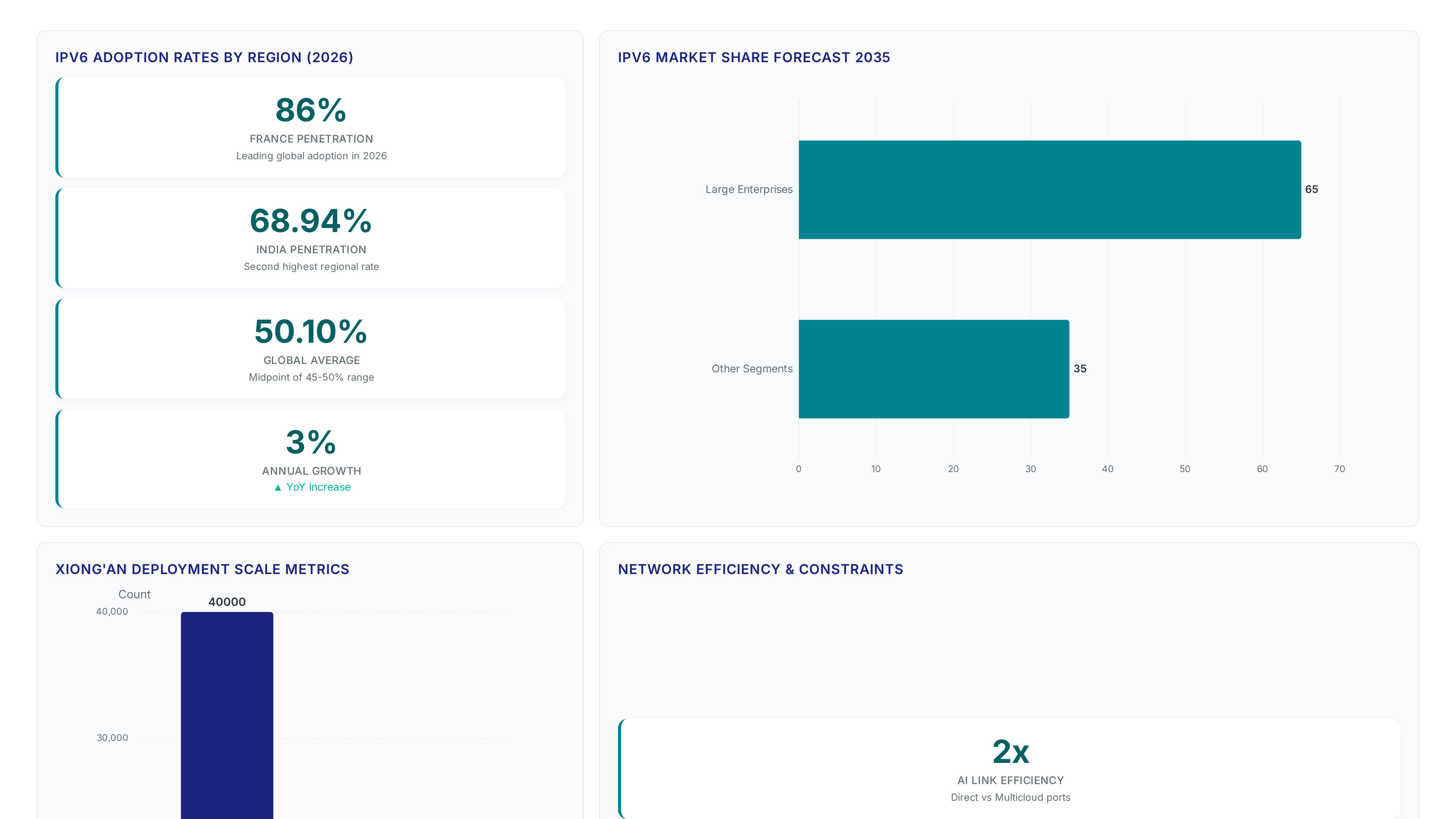
See how 30% of enterprises will automate network tasks by 2027. Learn practical IPv6mostly strategies from Google's real-world data today.

Legacy WHOIS fails with only 10-20% match rates. See how RDAP and RegIDs fix this mapping chaos for reliable network discovery today.

As of January 23, 2026, APNIC members can sign documents directly in MyAPNIC using RSCs defined by RFC 9323 for better attestation.