IPv4 leasing works: Get clean subnets without asset lock
Leasing a /24 subnet from $300 delivers immediate scale without the capital drag of permanent acquisition. For organizations needing flexible, temporary address space, IPv4 leasing has overtaken buying as the default strategy. This model lets ISPs and hosting providers allocate prefixes dynamically, avoiding the inertia of long-term asset lock-in.
We will dissect the technical mechanics of subnet allocation and rDNS configuration inside managed environments. Infrastructure teams must validate requests and pair addresses with specific server types to ensure clean deployment. Temporary allocation often outperforms permanent ownership for short-term projects. Fourteen years of market data point to KVM virtualization and full root access as non-negotiable for modern hosting. We contrast these operational realities against the rigidity of traditional purchasing to find the most cost-effective path for production networks.
The Strategic Role of IPv4 Leasing in Modern Infrastructure
IPv4 Leasing Separation of Ownership and Usage Rights
The mechanics are straightforward: address blocks stay registered to the original holder in RIR databases while the lessee gets authorization to announce them via BGP. This operational model decouples legal ownership from network utility, letting teams scale without capital expenditure on permanent assets. Specific registry entries record the Regional Internet Registry original holder, yet routing policies permit a different entity to broadcast the prefix globally.
- Address blocks remain registered to the original holder in Regional Internet Registry databases.
- The lessee receives explicit authorization to announce the addresses via BGP for customer workloads.
- This separation enables flexible subnet sizing, including /24 options available from $300, without transfer delays.
- InterLIR facilitates this access model to provide immediate IPv4 resources for production networks.
Speed comes at a price. You get rapid deployment, but you acquire no equity in the address space. Long-term costs accumulate differently than with a one-time purchase. Operators must verify that their lease agreements clearly define renewal terms to prevent service interruption. Network continuity depends on recurring agreements rather than asset control. This separation is ideal for temporary projects or testing environments where immediate availability trumps balance sheet assets. Providers perform IP reputation checks as a standard part of the pre-lease verification process to confirm addresses are clean and suitable for the intended workload. This approach maximizes the utility of existing IPv4 resources while maintaining strict compliance with global registry policies.
Deploying Clean IP Reputation for Email and Telecom Systems
True public IPv4 addressing becomes mandatory when Carrier Grade NAT fails to support end-to-end protocol requirements for critical services. Infrastructure teams define clean IP reputation as address space verified against global blacklist databases prior to allocation, ensuring immediate trust for mail transfer agents. Leasing providers offer IPv4 blocks ranging in size from /24 to /16 to accommodate different scales of infrastructure needs, with the /24 often serving as a common entry point for diverse service segmentation.
- Telecom operators frequently deploy leased space in network segments where Carrier Grade NAT is not a viable technical solution.
- Guaranteeing uninterrupted connectivity for signaling protocols remains a primary driver for adoption.
- Businesses running email delivery platforms specifically require these verified blocks to maintain high sender scores and avoid filtering by recipient servers.
- The separation of ownership allows organizations to access enterprise-grade resources without the capital expenditure of permanent acquisition.
InterLIR enables this process by providing RIR-compliant documentation and technical support for BGP routing configuration. Failure to monitor outbound traffic patterns can degrade the very reputation sought through leasing. Secure your infrastructure with InterLIR solutions to guarantee clean, routable address space for production environments.
Leasing Versus Purchasing: Capital Expenditure and RIR Compliance
Leasing converts fixed capital expenditure into flexible operating costs while maintaining full RIR-compliant documentation. This financial model allows network operators to access IPv4 blocks ranging from a /24 subnet to /16 without the massive initial investment required for permanent ownership.
Scalability and risk mitigation drive the operational distinction. Providers offer flexible durations that accommodate transient project needs or rapid scaling events impossible with static purchased inventory.
- Lower upfront investment eliminates large capital expenditure barriers.
- Flexible block sizes like /24 to /16 accommodate specific infrastructure scales.
- Reduced financial risk through short-term commitment structures.
- Easier scaling allows flexible adjustment of IP capacity.
The constraint? You build no permanent asset on the balance sheet. VPS platforms apply leased blocks to scale IP capacity dynamically without the capital outlay of purchasing blocks, treating address space as a variable utility. This approach ensures networks remain agile while adhering to strict Regional Internet Registry policies without administrative overhead.
Technical Mechanics of Subnet Allocation and rDNS Configuration
BGP Routing Separation in IPv4 Leasing Architecture
The IPv4 blocks remain registered to the original holder in the RIR database, while the lessee receives authorization to announce the addresses for customer workloads. This architectural separation distinguishes legal ownership from operational control within global routing tables. The original holder grants the VPS platform or ISP the authorization to announce and use the addresses via BGP without transferring the underlying asset title.
Operators managing this flow must distinguish between three distinct technical states:
- Registry Record: The WHOIS entry retains the lessor's identity as the legal owner.
- Routing Policy: The lessee advertises the prefix to upstream peers using their own AS number.
Mail servers reject unverified senders, making reverse DNS configuration mandatory for inbox placement. Without a matching PTR record, outgoing messages from new blocks often fail delivery checks immediately.
The technical workflow aligns identity with address space through specific steps:
- Request a clean subnet verified against substantial blacklist databases.
- Submit desired hostname mappings during the provisioning window.
- Validate PTR alignment where forward and reverse records match exactly.
| Configuration Element | Requirement | Impact |
|---|---|---|
| PTR Record | Must exist | Prevents rejection |
| Forward DNS | Must match PTR | Verifies identity |
| IP History | Must be clean | Ensures reputation |
Businesses running email delivery platforms lease specific blocks to avoid risks associated with shared space. This targeted approach isolates reputation from noisy neighbors. Support for these configurations is available as part of the service discussion, especially for mail infrastructure planning.
Misconfiguration costs you immediate isolation by receiving domains. Unlike general web hosting, mail flows require strict rDNS planning before the first packet transmits. A generic pointer record rarely satisfies modern authentication filters used by substantial providers.
Provisioning time for leased IPv4 blocks can be extremely fast, often taking under 1 hour to complete. Rapid deployment allows operators to test mail server validation quickly without waiting for traditional registry updates. However, speed does not bypass the need for accurate zone data entry. Errors in the initial request propagate instantly across global resolvers.
InterLIR enables this process by reviewing rDNS needs alongside subnet allocation requests. The service ensures that leased IPv4 resources arrive ready for production traffic rather than requiring post-deployment debugging. Operators gain immediate access to clean subnets that resolve email deliverability constraints effectively.
Abuse Prevention Policies and Suspension Triggers
Spam, malware, or phishing traffic on a leased block triggers immediate suspension to protect global routing integrity. Operators must maintain clean usage because the separation of IP ownership and IP usage is becoming standardized, with blocks remaining registered to original holders in RIR databases while being announced by lessees. This architectural reality means abusive behavior does not affect one tenant; it jeopardizes the reputation of the entire subnet allocation.
Businesses running email delivery platforms are leasing specific, clean IP blocks to ensure high reputation, yet they assume full liability for outgoing content. The risk profile differs from owned space because violation consequences are swift and contractual.
- Spam generation: High-volume unsolicited mail results in instant port shutdown.
- Malware distribution: Hosting command-and-control servers violates acceptable use policies.
- Phishing campaigns: Deploying deceptive login pages leads to permanent lease termination.
| Trigger Type | Detection Method | Consequence |
|---|---|---|
| Spam Complaints | User Reports | Temporary Suspension |
| Malware Traffic | Automated Scans | Immediate Block |
| Phishing Activity | Blacklist Feeds | Lease Termination |
While provisioning is fast, maintaining operational status requires continuous vigilance against compromised credentials. InterLIR emphasizes that customers are responsible for clean usage, as any abusive behavior can lead to suspension regardless of the lease terms. Protecting the IPv4 resources ensures long-term availability for all market participants.
Leasing Versus Buying IPv4 Addresses for Cost and Flexibility
Defining IPv4 Leasing as a Recurring Allocation Ecosystem
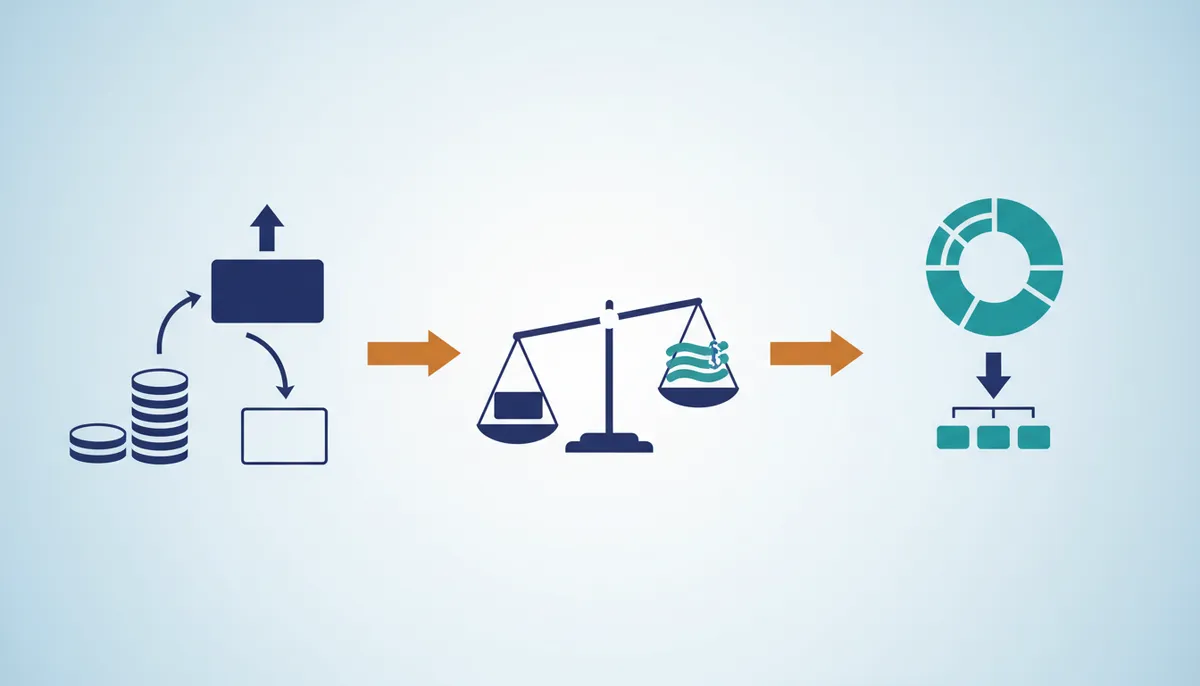
IPv4 leasing operates as a temporary allocation model where address holders assign prefixes to operators under recurring agreements rather than executing permanent transfers. This structure creates a distinct system separating IP ownership from usage rights, keeping blocks registered to original holders in RIR databases while lessees announce the space for active workloads. Buying requires significant capital expenditure for permanent title. Leasing involves paying a recurring fee to access address space based on immediate operational scale. The market now supports various IPv4 plan options ranging from single addresses for specific servers to larger allocations like a /24 subnet. This approach enables providers to scale capacity without long-term ownership burdens, converting capital expense into operational expense. The fundamental cost structure shifts from acquiring property to renting access, allowing businesses to align expenses directly with revenue-generating traffic. Providers connect organizations with clean, verified subnets meeting strict RIR compliance standards. These agreements imply a continuous timeline of renewal and potential adjustment, distinguishing them from the permanent nature of traditional RIR allocations.
Deploying Leased Blocks for VPS Hosting and Mail Infrastructure
Leased IPv4 blocks enable immediate VPS scaling and secure mail delivery without permanent capital expenditure. Hosting providers frequently use leased IPv4 address blocks to assign public addresses, allowing rapid infrastructure expansion while avoiding the liquidity constraints of purchasing address space. This approach supports diverse technical uses including cloud infrastructure and VPN services where operational agility outweighs ownership benefits. Email platforms specifically require clean IP blocks to maintain high deliverability rates and avoid blacklist penalties associated with shared reputation pools. Operators must configure rDNS records precisely to ensure proper alignment for their workloads.
Setup time often runs under 1 hour for these deployments. Traditional allocation timelines frequently stretch much longer due to bureaucratic overhead. Rapid provisioning matters most when traffic spikes unexpectedly or new client onboarding accelerates. Speed to market directly impacts revenue potential for hosting firms.
Comparison: Leasing Versus Purchasing: Upfront Capital Versus Operational Flexibility
Acquiring IPv4 space through leasing eliminates the massive initial investment required for permanent title transfers. Purchasing demands significant capital outlay to secure ownership. Leasing operates on a recurring fee structure that preserves cash flow for other critical infrastructure needs. This financial model allows hosting providers to scale IP capacity dynamically without the liquidity constraints associated with buying blocks outright.
Operators often face a tension between asset accumulation and operational agility. Buying locks capital into static addresses that may become underutilized if network requirements shift, whereas leasing aligns costs directly with current usage levels.
Implementing Leased IPv4 Blocks for Production and Mail Networks
Infrastructure Pairing Scope for IPv4 Leasing

Infrastructure pairing connects leased IPv4 blocks directly to VPS Hosting environments for isolated virtual resources and root access, often completing the process in under 1 hour to meet urgent deployment windows. Final routing directs traffic into Dedicated Servers or virtual machines, concluding with support for monitoring and backups. This technical integration allows providers to use leased IPv4 address blocks instead of owned space, scaling capacity without long-term capital investment.
The provisioning workflow follows four distinct steps: Share Use Case, Review Fit, Provision, and Support Next Steps. Operators first define the quantity and service purpose, such as hosting or mail, before the team reviews the allocation size and rDNS needs. Once validated, the team prepares the IPv4-backed infrastructure. A key limitation exists: while providers supply clean subnets verified against blacklist databases, the customer retains full responsibility for abuse prevention and sending reputation after handoff. This separation ensures rapid scaling but requires internal discipline to maintain IP health. Pairing address space with Server Management services mitigates this risk by adding professional oversight to the operational stack.
Selecting Starter and Growing IPv4 Plans
Selection demands matching CPU cores and RAM to immediate workload density rather than projected growth. Level workloads needing 3 CPU Cores and 8GB RAM within a 200GB SSD footprint at $59.95 per month find a home here. This configuration supports necessary routing tasks while maintaining access to clean IP resources. Businesses requiring 4 CPU Cores and 12GB RAM across 300GB SSD storage for $64.95 monthly target the next tier. This tier accommodates higher connection counts typical of scaling VPN services or multi-tenant hosting environments. Custom allocations allow teams to secure precise blocks without paying for unused compute resources. Businesses apply leased space for diverse technical use cases including cloud infrastructure where flexibility outweighs permanent ownership. The cost is deployment speed versus exact resource alignment. Starter plans offer immediate activation, while custom requests involve a brief review of legitimate infrastructure use. Selecting the correct tier ensures stable performance without unnecessary expenditure on unneeded server capacity. All plans include 10 Gbps DDoS protection and a 100% network uptime guarantee.
Reputation Triggers in Mail and VPN Deployments
Verification processes screen address space prior to lease, including IP reputation checks to ensure suitability for the intended workload. Businesses running email delivery platforms require specifically clean IP blocks to avoid being blacklisted before the first message sends. Without proper security hardening, infrastructure remains vulnerable to compromise. Operators must prioritize server hardening to prevent early-life compromise even though provisioning can complete in under an hour. A common requirement involves configuring rDNS alignment, as receiving servers often rely on proper PTR records for valid traffic delivery. Technical cleanliness does not guarantee immediate trust; allocation requests may require infrastructure validation and acceptable-use review. Operators should pair basic leasing with professional Server Management to monitor for anomalous connection patterns that indicate spoofing attempts. Maintaining clean sending behavior and adhering to acceptable use policies are necessary for sustained network availability. InterLIR recommends validating all abuse prevention measures prior to production release to ensure continued service integrity.
About
Nikita Sinitsyn serves as a Customer Service Specialist at InterLIR, where his eight years of telecommunications experience directly inform the complexities of IPv4 address management. Daily, Nikita navigates RIPE and ARIN database operations, KYC procedures, and spam control, giving him unique insight into the critical need for clean, reputable IP resources. This hands-on work with infrastructure validation makes him uniquely qualified to discuss leasing IPv4 addresses for hosting, mail, and production networks. At InterLIR, a specialized IPv4 marketplace founded in Berlin, Nikita applies this expertise to help clients secure reliable subnets without hidden fees or intermediaries. His background in troubleshooting and account management ensures that every leasing solution aligns with strict security standards and operational efficiency. By connecting daily support challenges with broader market availability issues, Nikita highlights how InterLIR's automated, transparent approach solves real-world network expansion problems for businesses globally.
Conclusion
Permanent ownership creates unnecessary capital friction when operational velocity is the primary constraint. The shift toward access-based models means organizations pay a premium for speed, yet this cost vanishes if the leased asset is compromised immediately upon activation. Rapid deployment under one hour is useless without parallel security hardening to prevent reputation damage before traffic patterns stabilize. Operators must treat IP leasing not as a simple procurement task but as a critical security boundary requiring immediate validation.
Organizations should mandate a strict protocol where abuse prevention configurations and rDNS alignment are verified before any production traffic flows. Do not activate large blocks for email or multi-tenant hosting without first validating the underlying reputation status against current blacklists. This approach ensures that the speed of provisioning does not outpace the maturity of your defense posture.
Start this week by auditing your current Server Management workflows to ensure they include pre-deployment reputation checks for any new IP space. Integrate these validation steps into your standard operating procedure before requesting additional subnets. By prioritizing infrastructure validation over raw acquisition speed, you secure the long-term viability of your network presence while using the flexibility of modern leasing ecosystems.
Frequently Asked Questions
A /24 subnet lease starts at $300 to avoid large capital risks. This pricing allows immediate scaling for production networks without the delays found in traditional address transfers.
Provisioning often completes in under 1 hour for rapid infrastructure scaling. This speed enables operators to bypass long wait times and immediately support critical VPS or mail workloads.
Providers offer blocks ranging from /24 to /16 to fit various scales. This flexibility ensures organizations can secure exact address space required for specific hosting or telecom projects.
Leasing provides public IPv4 addresses when Carrier Grade NAT fails protocol checks. This ensures clean IP reputation is maintained for high deliverability rates on critical mail systems.
Starter plans often include 8GB RAM and 200GB SSD storage for basic workloads. These specs provide a balanced foundation for smaller production environments needing reliable IPv4 backing.
References