Route origin fixes: Stop duplicate ROA entries now
Stop duplicate ROAs that break validation. Learn how cryptographically signed objects bind a prefix to one Origin AS for secure routing.

A significant majority of global IP prefixes now possess cryptographic attestation, proving that ROA adoption has reached a critical majority.
Stop route leaks by validating origin against five regional registries. Secure your specific IP prefixes with cryptographic proof today.
Misconfigured ROA maxLength values create severe vulnerabilities when specific prefixes lack BGP announcements, inviting subprefix hijacks.
With only 34% of networks using ROAs, max length errors cause invalid routes. InterLIR audits your IP resources to prevent these costly BGP outages.
BGP hijacking exploits trust flaws to redirect traffic globally in minutes, as seen when attackers stole over $160,000 in crypto assets.
New data reveals only 2% of ASes use BGP-based scrubbing. Most networks remain dangerously exposed to attacks despite marketed claims.
63.8% of networks lack strict validation. See how route servers miss hijacks when ASSET lists override cryptographic proof.
In 2025, forged documents bypassed crypto checks. With only 38% of IPv4 prefixes enforcing validation, identity fraud now drives route hijacking.
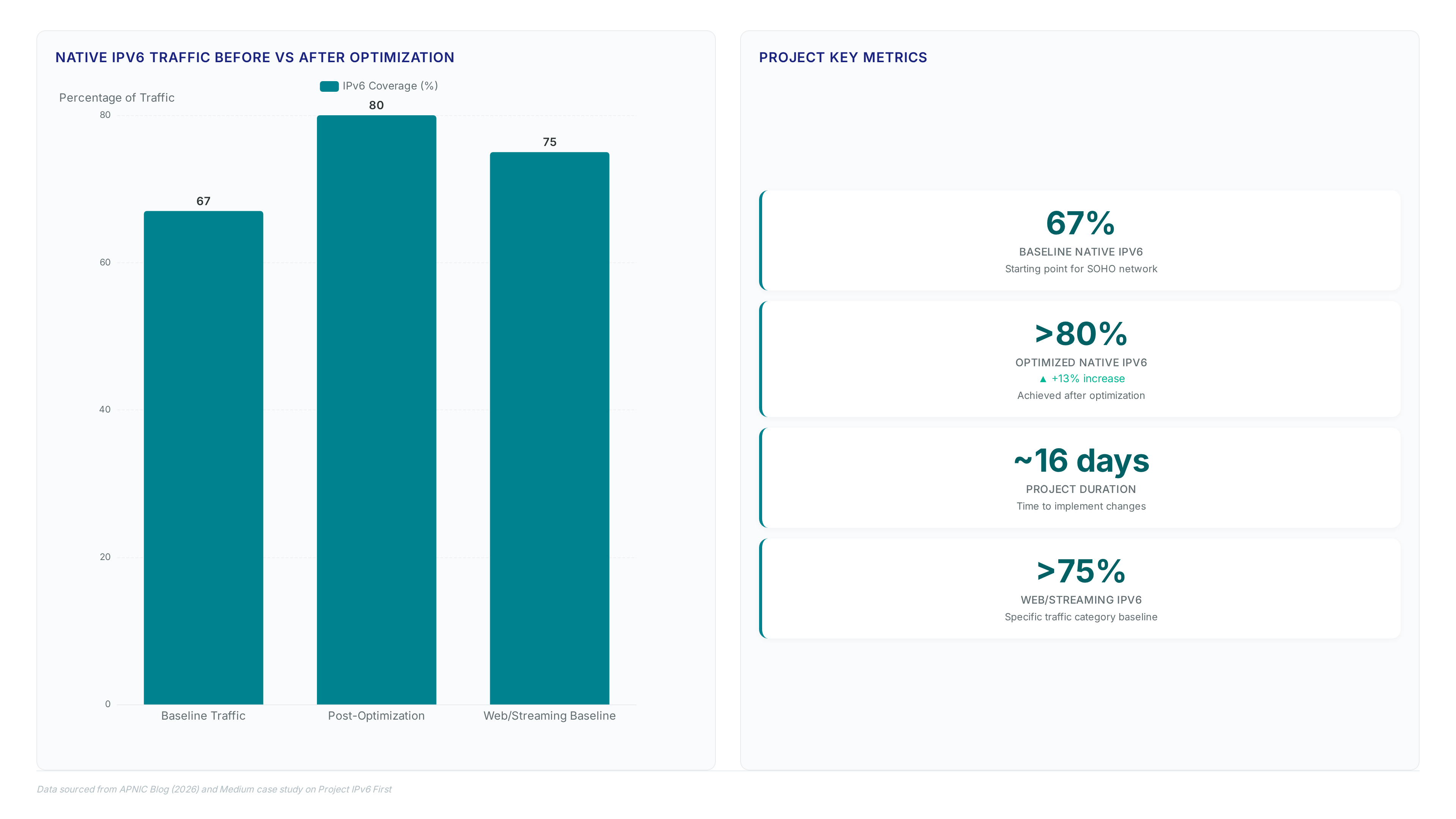
Naive scanning crashes on aliases. See how tweaking DNS timers pushed our home lab native traffic above 90% despite legacy IoT device clutter.
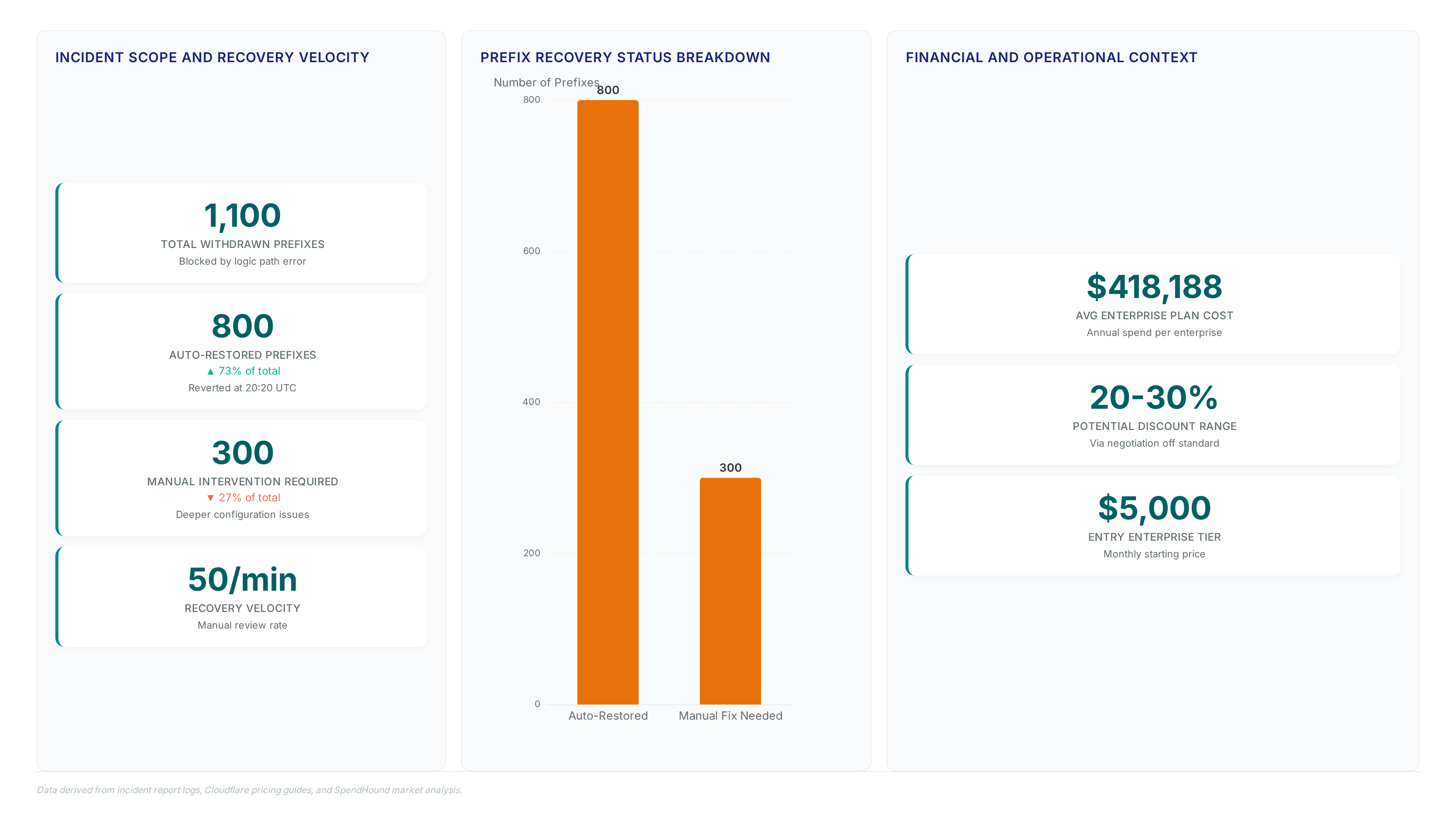
I analyze how a single bug withdrew 1,100 prefixes, causing a 6-hour outage that proves automated changes need human safeguards.
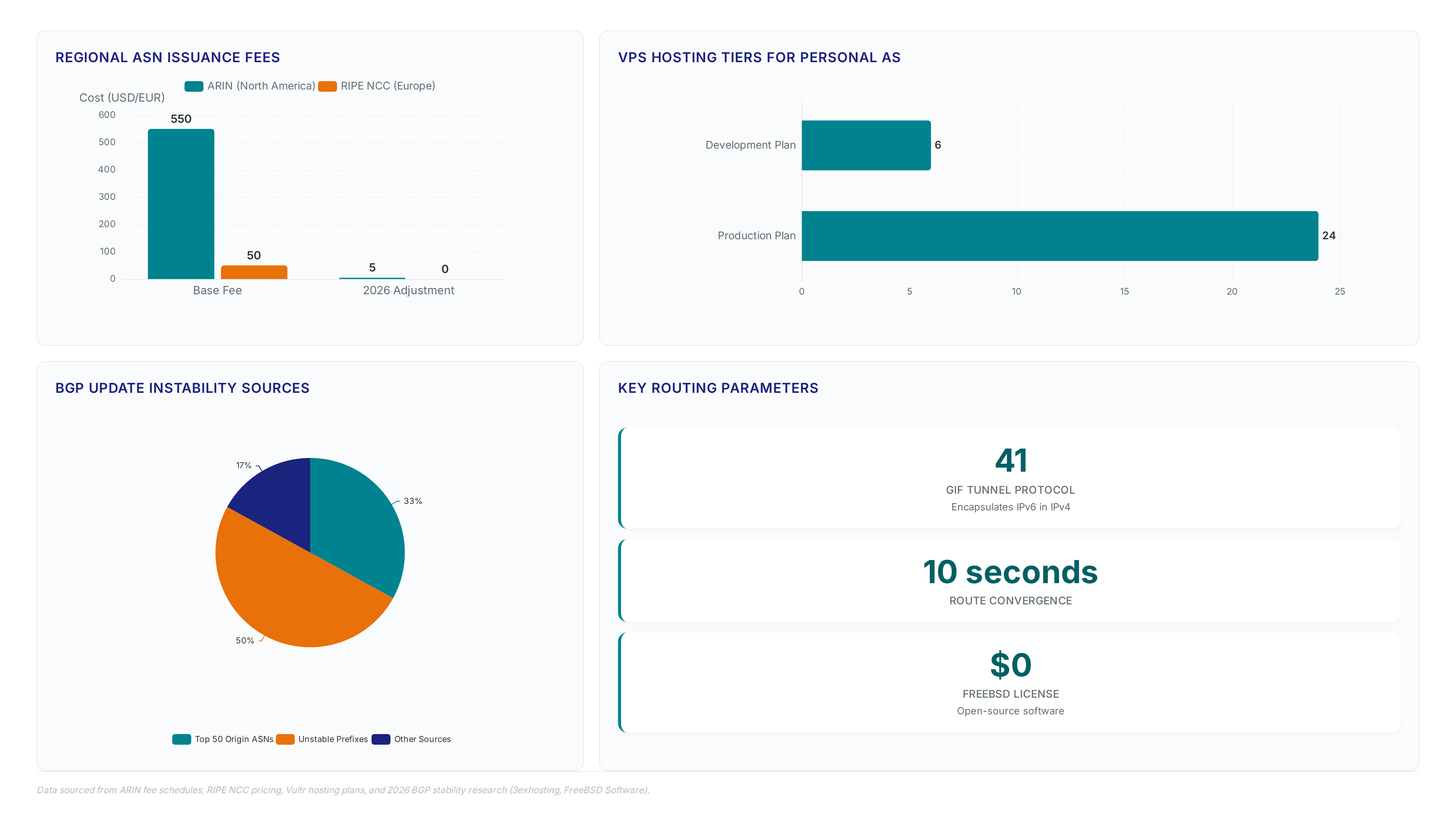
Join 80,000 active systems by running your own BGP. Learn to decouple your network identity from providers using FreeBSD and FRRouting.