IP Address Basics: How 32-Bit Math Powers Networks
Explore how 32-bit IPv4 structures define device identity and why the 4.3 billion address cap drives modern infrastructure scarcity today.

IPv4 transfer markets, BGP routing security, RPKI adoption, and ASN governance — analysis for network operators.
Explore how 32-bit IPv4 structures define device identity and why the 4.3 billion address cap drives modern infrastructure scarcity today.
LACNIC policy 2.21 mandates the original Spanish text overrides translations. Learn how this strict hierarchy impacts your regional IP address allocation...
Only four RIRs currently support moving IP addresses and ASNs across regional boundaries. Inter-RIR transfers enable the specific movement of IP...
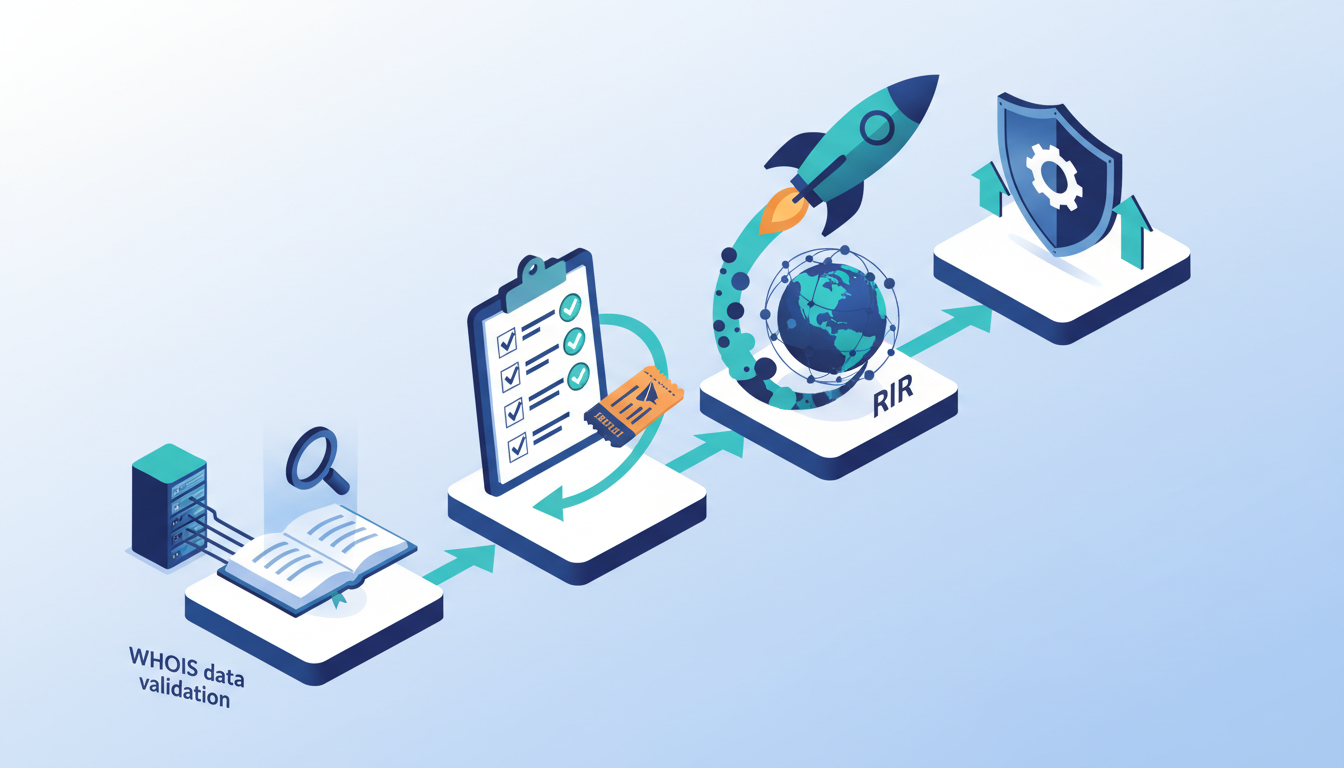
Exactly four registries support global IPv4 moves. Learn the specific fee structures and documentation needed to prevent transaction stalls.
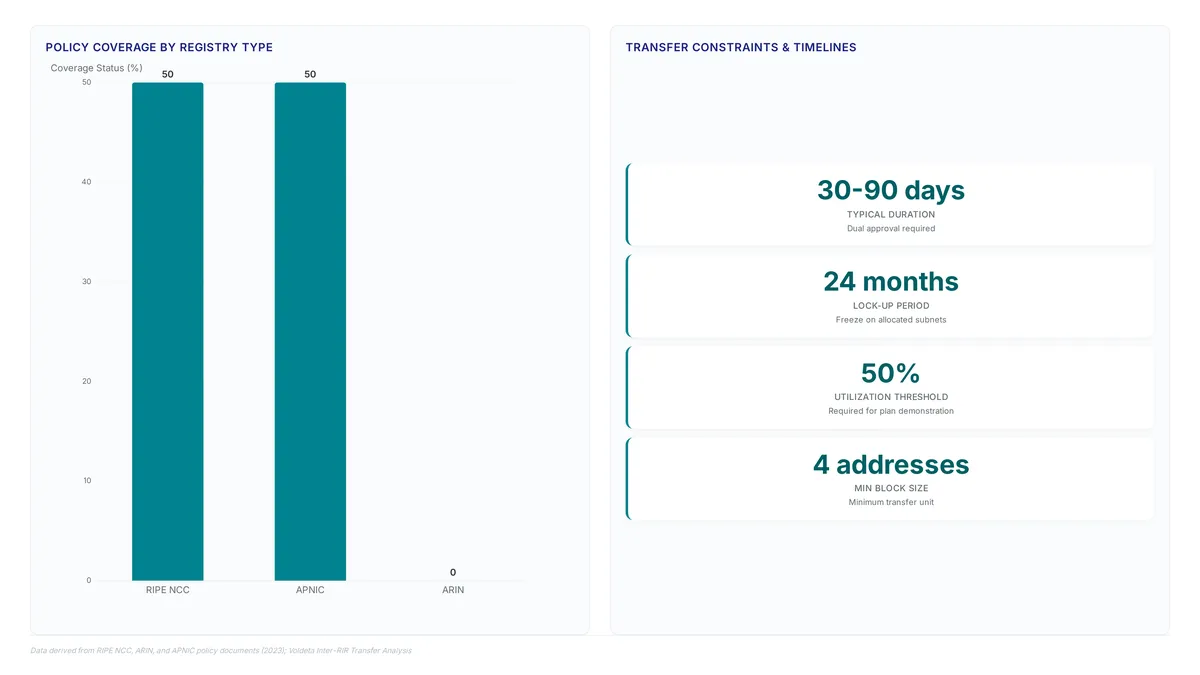
Only 4 regional registries enable interRIR transfers today. Learn the dual-consent rules and legacy status outcomes for global IPv4 moves.
Year-to-date figures for 2026 show 2,807,296 inbound IPv4 addresses moving into the RIPE NCC region.
InterRIR IPv4 transfers require dual registry consent, creating a mandatory 4 to 8 week window that internal moves simply do not face.
In 2026, RIPE saw 279 inbound vs 22 outbound transfers. Learn the dual-compliance rules needed to secure global IPv4 space today.
AT&T, T-Mobile, and Verizon have officially joined a cable-led force to stop network vandalism.
ICANN passed three resolutions on May 3, 2026. These changes shift governance details to charters, fixing delays in the five-year review cycle.
Federal agencies must secure high-value assets against quantum threats by December 31, 2030, or risk exposure to harvest-now-decrypt-later attacks.
Explore how five organizations manage global IP space, from APNIC's 26,067 members to AFRINIC's 2,492, defining strict regional boundaries.