IPv6 training shifts to physical labs for real skills
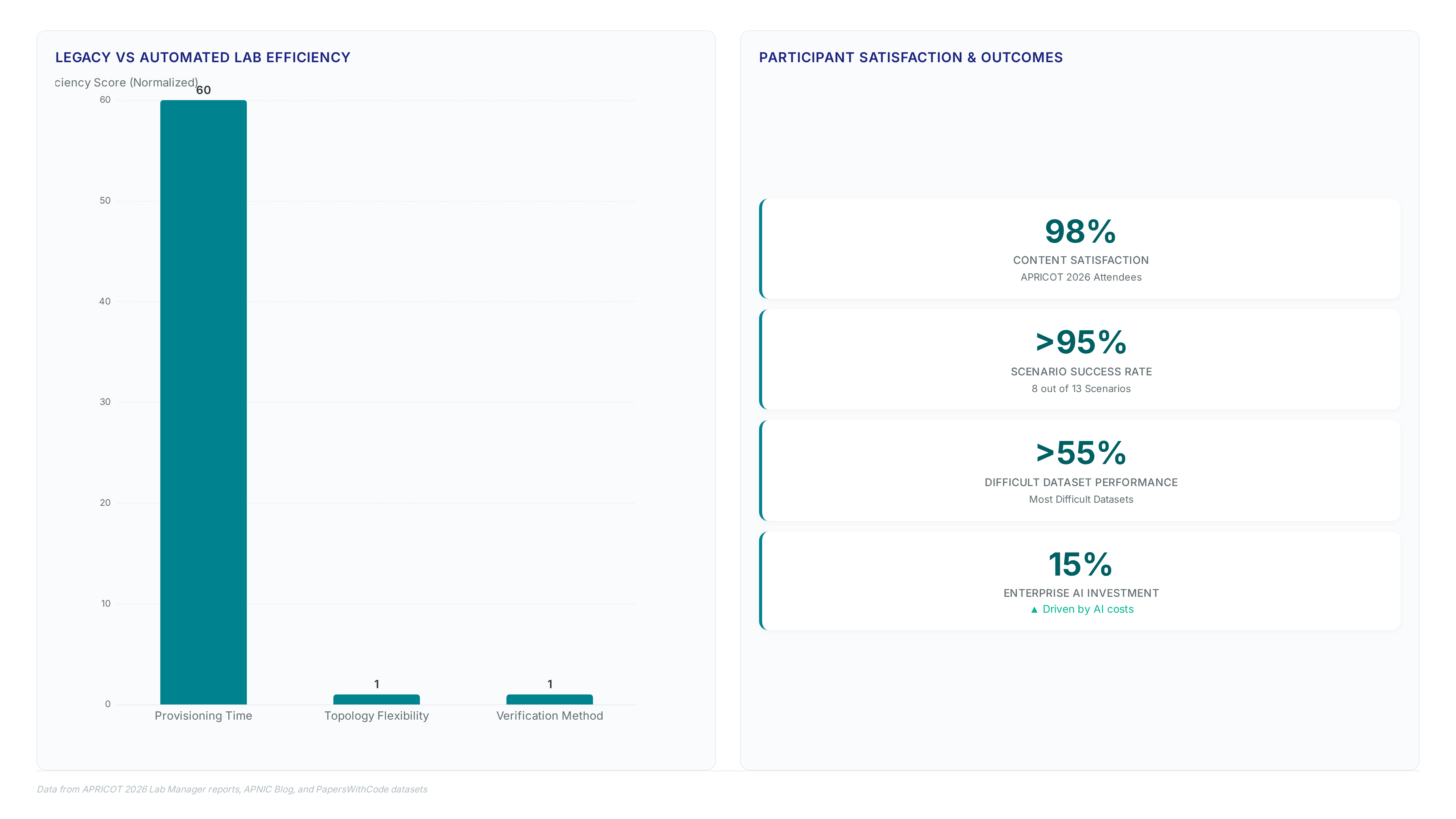
APNIC replaced cloud models with physical sites to cut egress fees, helping teams master native IPv6 before the 2027 modernization rush.

IPv4 transfer markets, BGP routing security, RPKI adoption, and ASN governance — analysis for network operators.
APNIC replaced cloud models with physical sites to cut egress fees, helping teams master native IPv6 before the 2027 modernization rush.
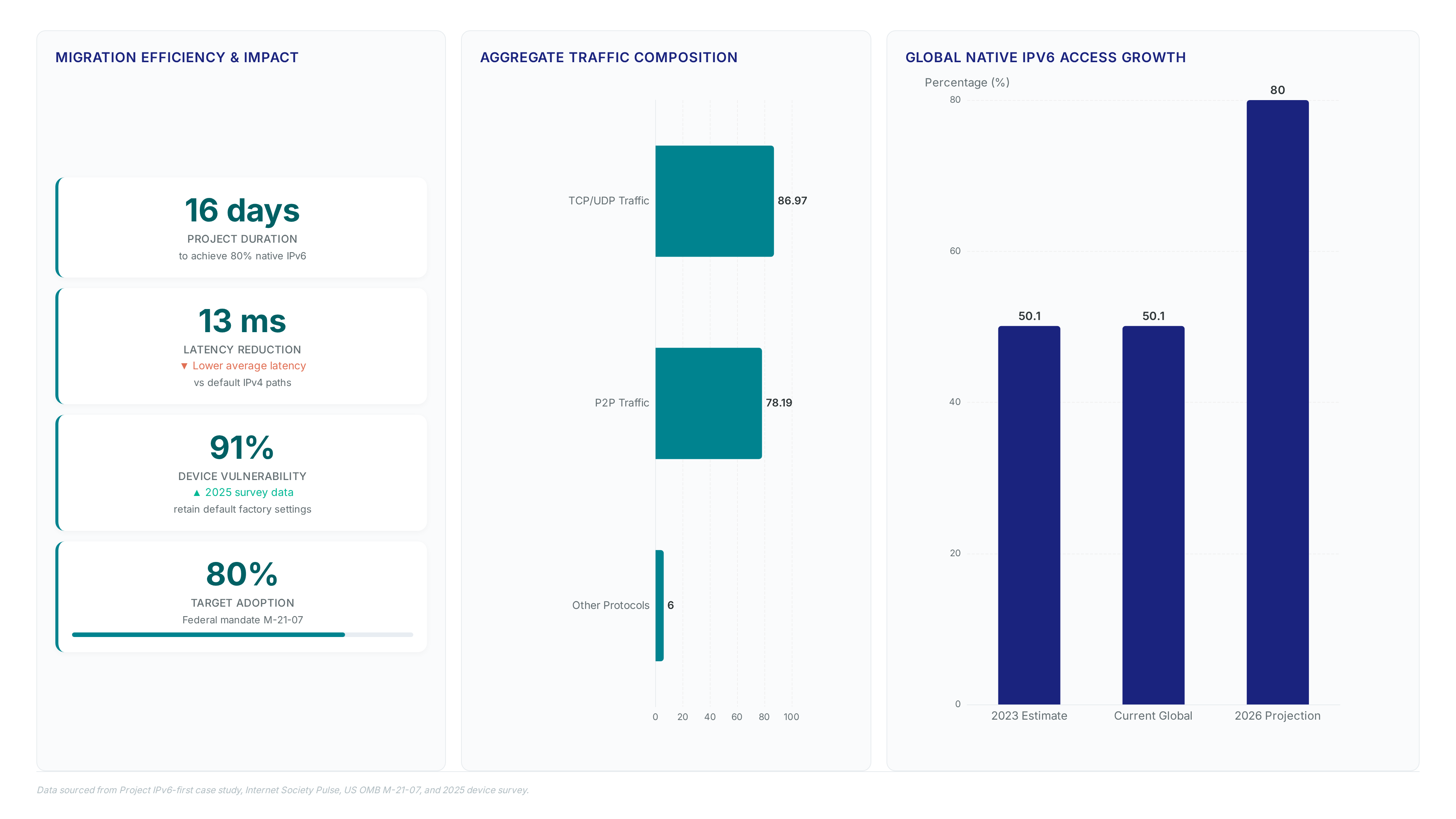
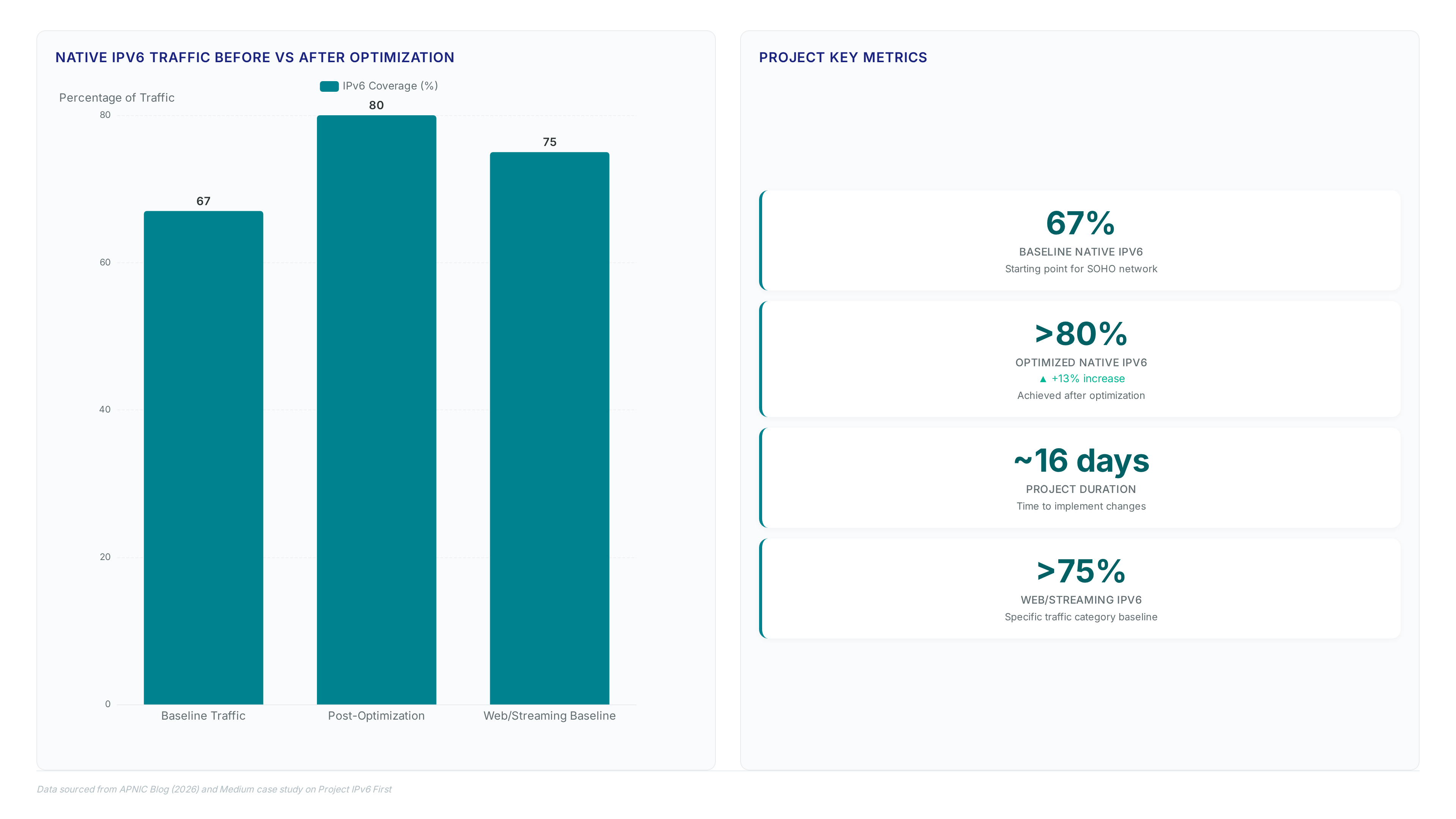
See how a single app binding change lifted native IPv6 from 67% to 79.2% in just 16 days by fixing specific fallbacks.
With native access at 50.10%, basic setup fails. Learn why advanced design skills are the new bottleneck for secure networks.
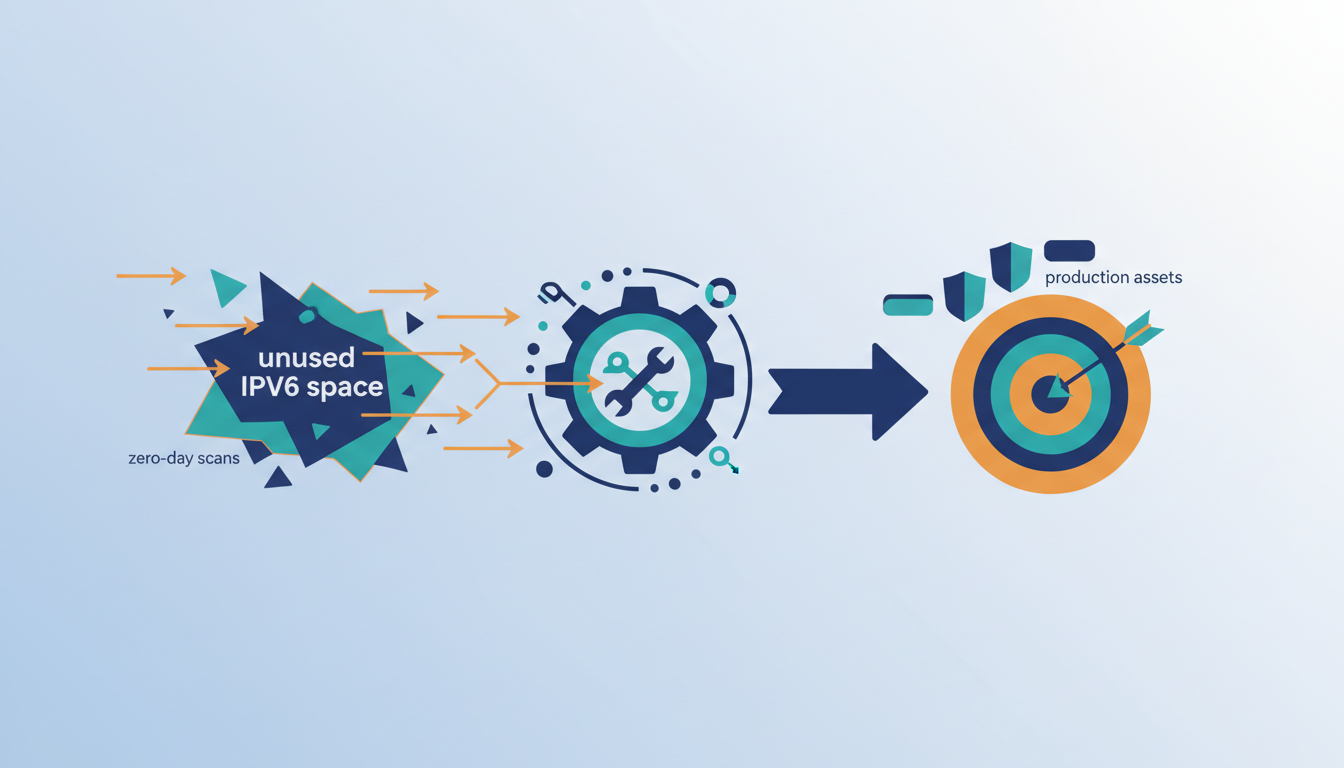
Scan traffic surged 100x in one year. I explain why passive listening is dead and how proactive telescopes catch modern attackers today.
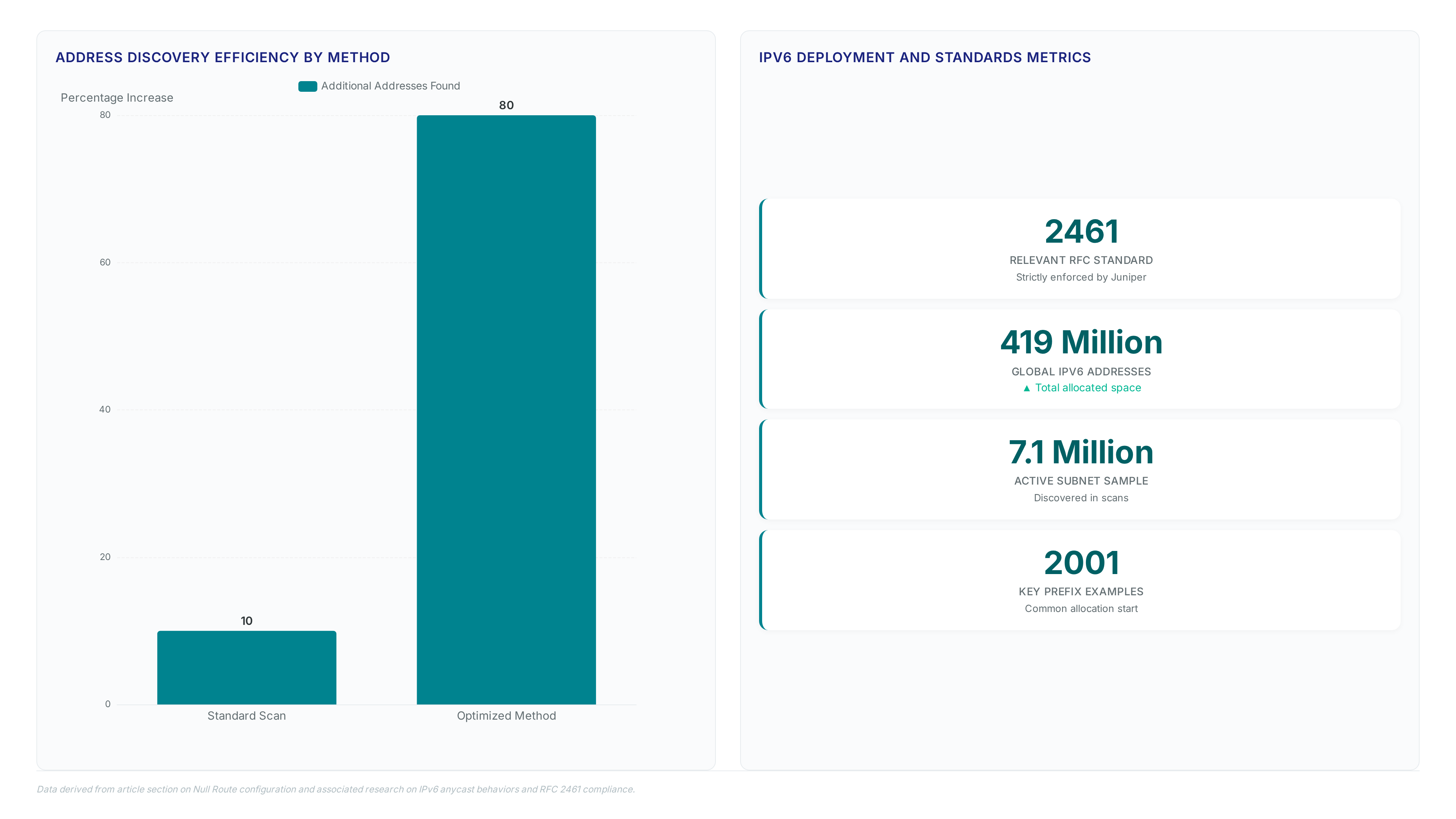
I analyzed how 4.19 million /64 subnets trigger routing loops. See why firmware bugs cause massive amplification and how to fix it now.
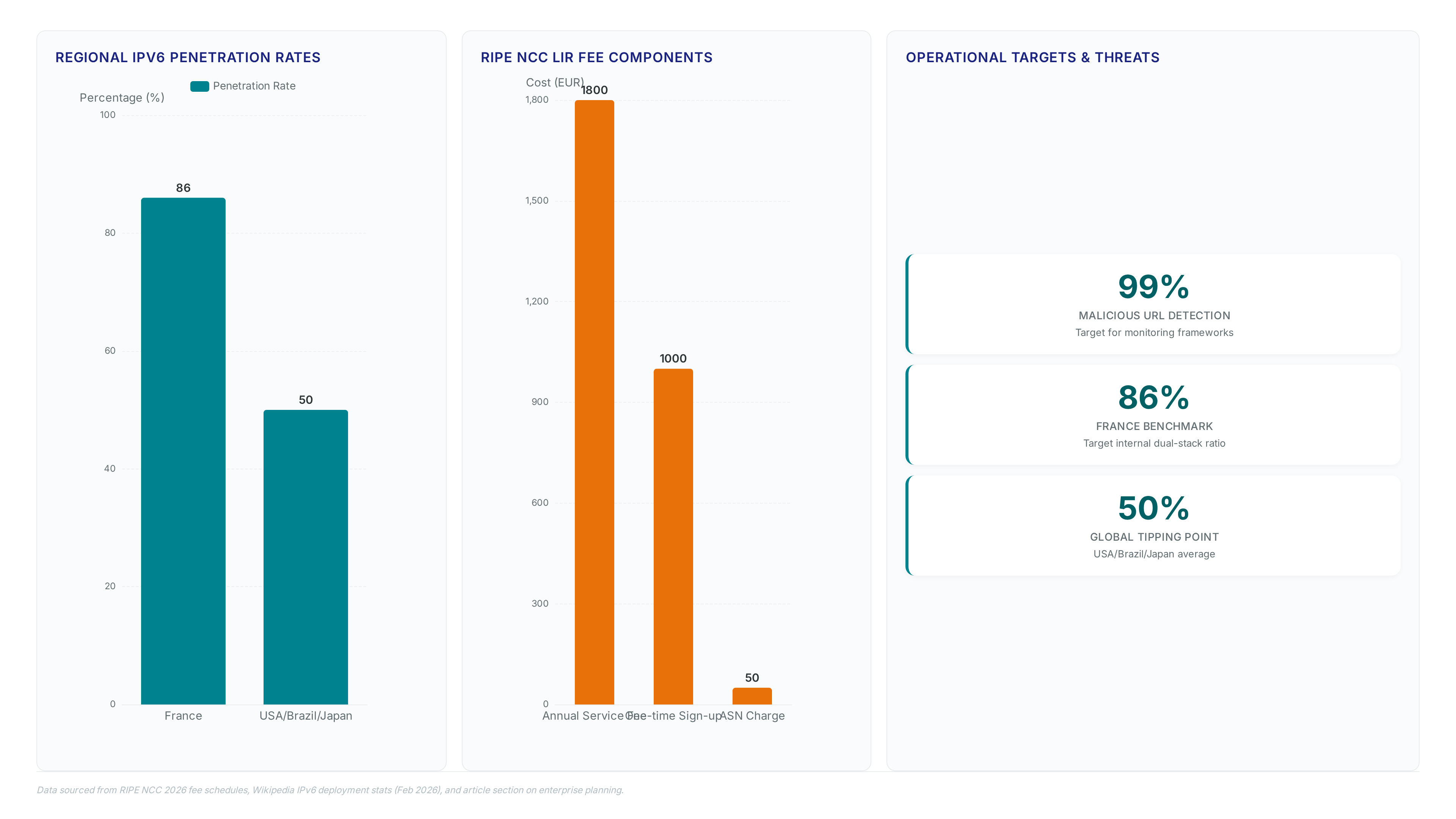
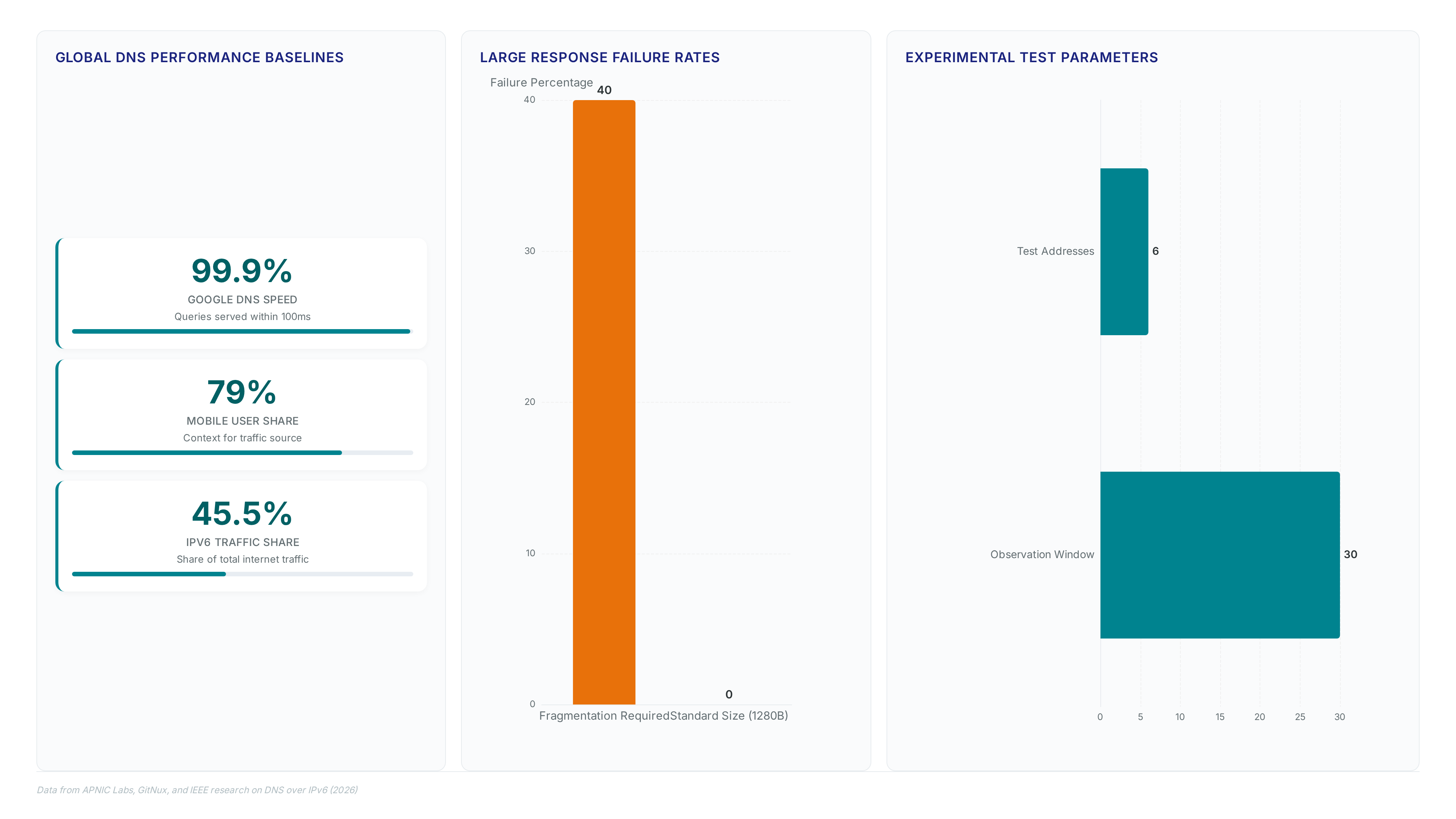
APNIC tests reveal a 40% failure rate in glueless DNS. We must pause before codifying fragile IPv6-only dependencies into binding RFCs.
Naive scanning crashes on aliases. See how tweaking DNS timers pushed our home lab native traffic above 90% despite legacy IoT device clutter.
With 50.10% of global traffic now on IPv6, ignoring unmanaged entry points is a governance failure. Learn to frame this as a board-level liability.
With a 40% failure rate on large payloads, IPv6 DNS shows why dualstack is vital for real user capability today.
Google hit 50.10% IPv6 adoption, but APNIC shows 42%. I explain why this 8-point gap matters for your network planning today.
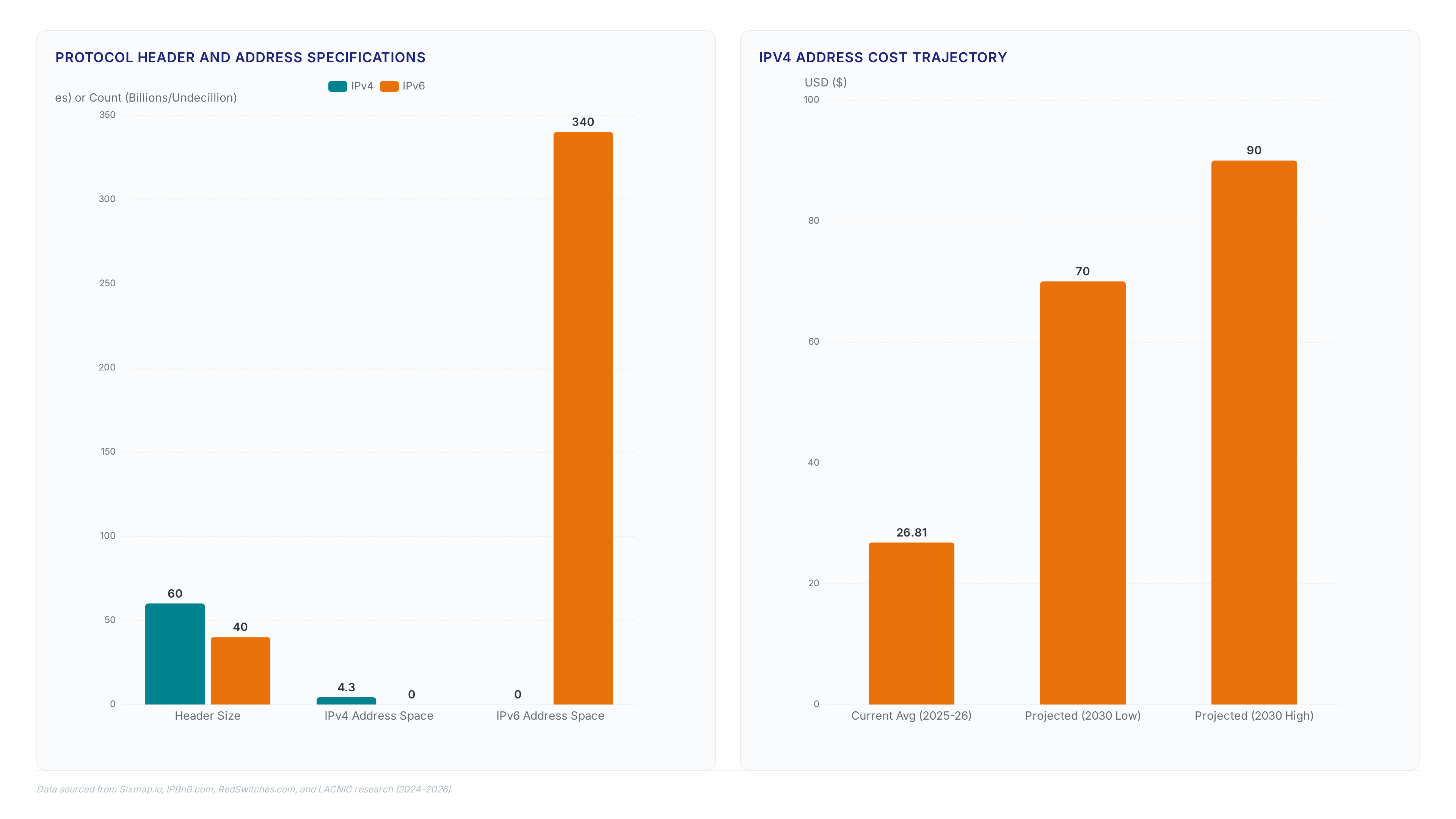
Discover why 1994 IETF mandates created IPv6 complexity. Learn why dual-stack remains vital as we approach 2026 infrastructure trends.
The 1994 Toronto decision rejected simple expansion, forcing dual stacks that double memory use and operational costs for networks today.