DDoS attacks hit 47M: Why perimeter defenses fail now
With 47.1 million incidents in 2025, legacy filters miss hypervolumetric floods. Learn why bandwidth saturation demands new IPv4 architecture strategies.

IPv4 transfer markets, BGP routing security, RPKI adoption, and ASN governance — analysis for network operators.
With 47.1 million incidents in 2025, legacy filters miss hypervolumetric floods. Learn why bandwidth saturation demands new IPv4 architecture strategies.
Only 4% of routes tag origins, yet new clustering methods achieve 93% recall for mapping physical handoff points without vendor docs.
With mobile traffic hitting 64%, rigid global governance frameworks are essential. I break down how new policies protect our shared resources.
A single code change on Jan 8, 2026, broke DNS because 40-year-old RFC ambiguity let clients assume a record order that never existed.
See why 95% of orgs lack network visibility. Learn real IPv6mostly tactics and automation strategies from Jakarta's top engineers.
Standard tools miss 7.6% of data. I show how regid in RIR statistics fixes reverse IP mapping for operators.
With 8M records at stake, the 15-member ARIN Council needs your voice before the 2026.1 manual locks in new rules.
MyAPNIC now supports RFC 9323, replacing fragile email chains with automated trust. Say goodbye to manual PDF reviews for good.
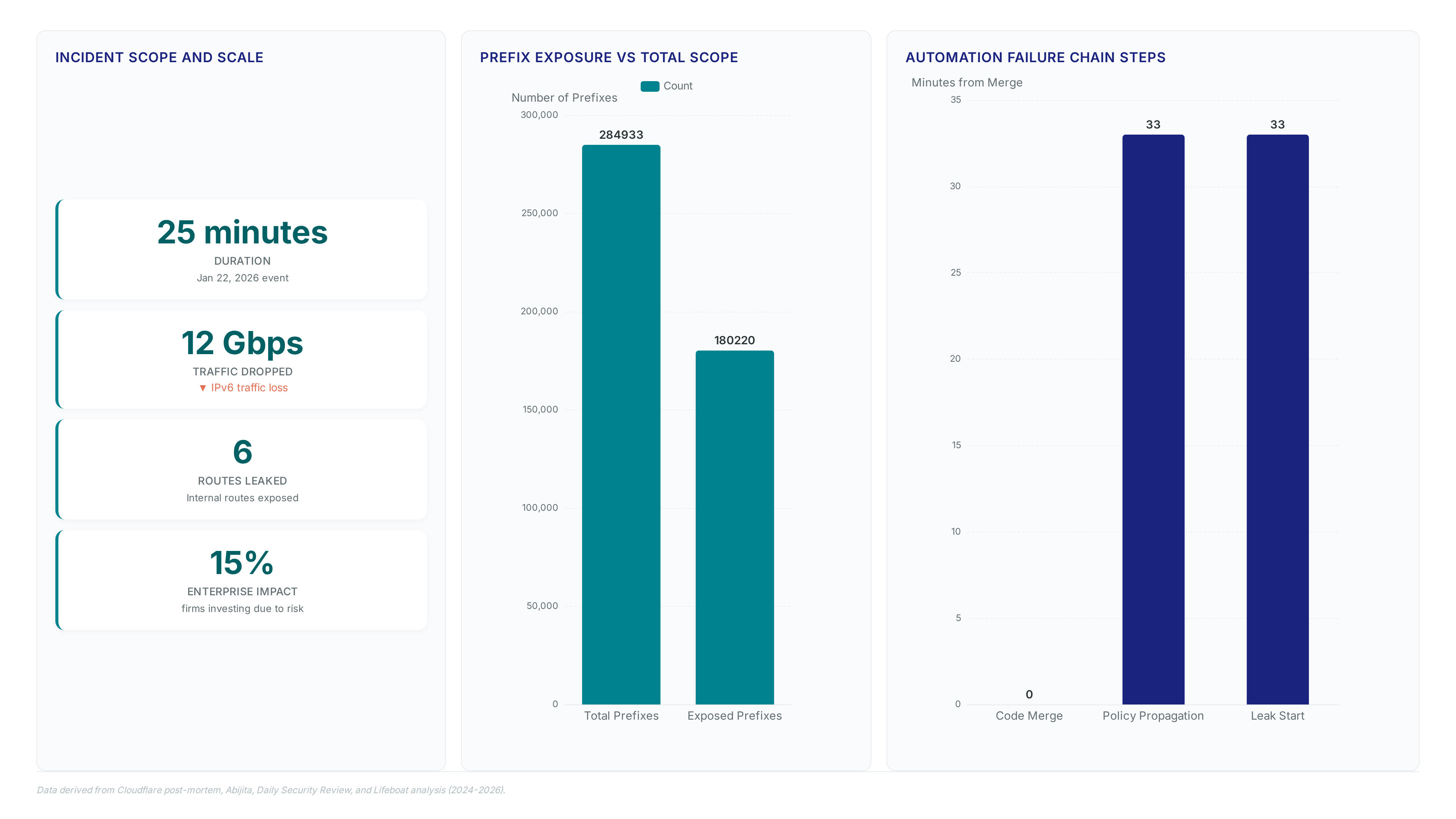
Cloudflare's 25-minute outage shows how automation errors cause route leaks. I break down the RFC7908 violation and how to fix it.
ARIN 57 meets in Louisville this April. With 74% of traffic now RPKI-secured, we analyze the gap between route counts and real safety.
ARIN cleared 149 requests in Jan 2026. I explain why the 388-day queue beats paying $90 per IP on the volatile private market.
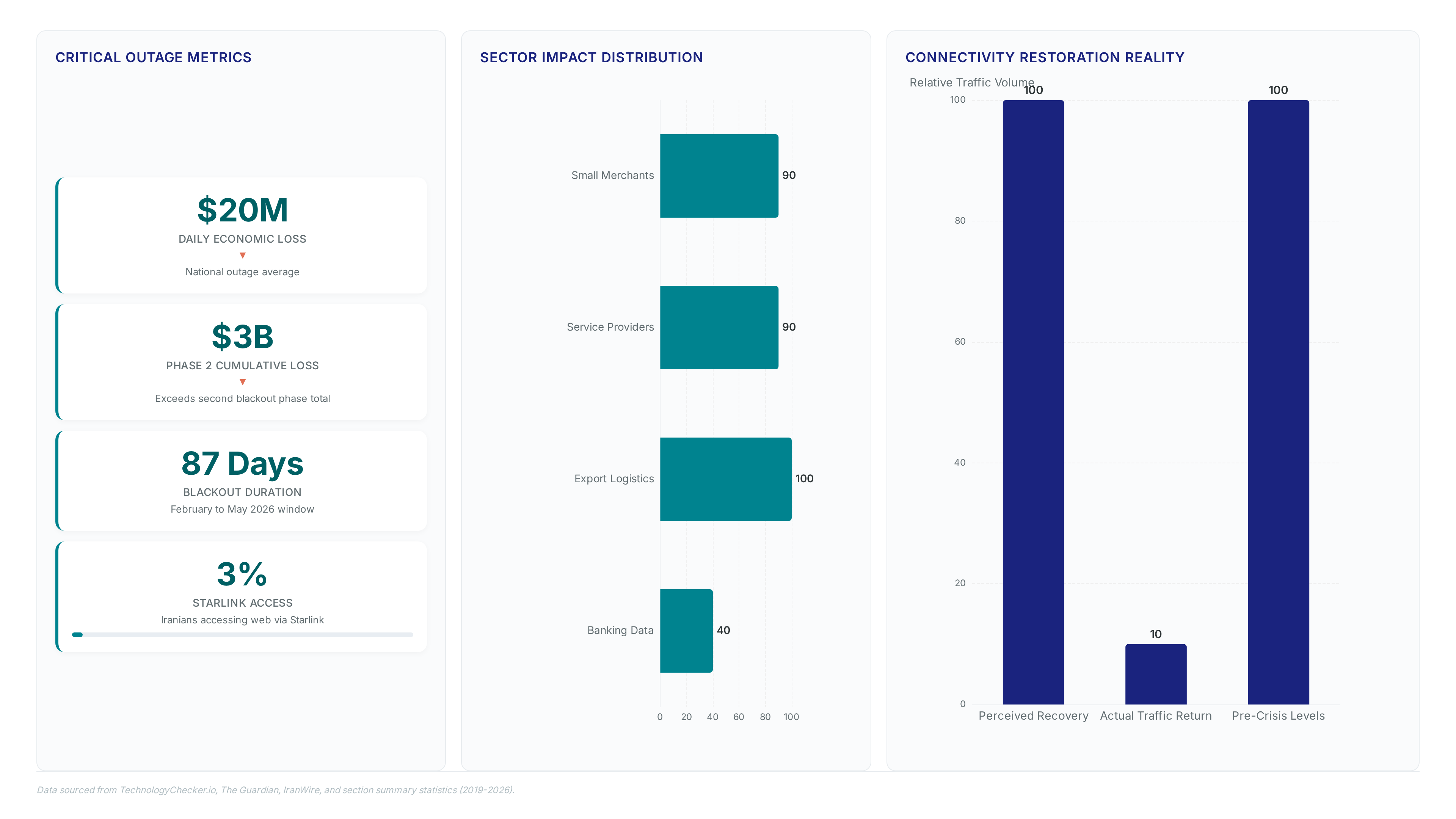
At 11:50 UTC, Iran withdrew 98.5% of IPv6 space. I analyze how this BGP strategy differs from past throttling and what it means for global routing.