IPv6 addresses won't fix your shortage today
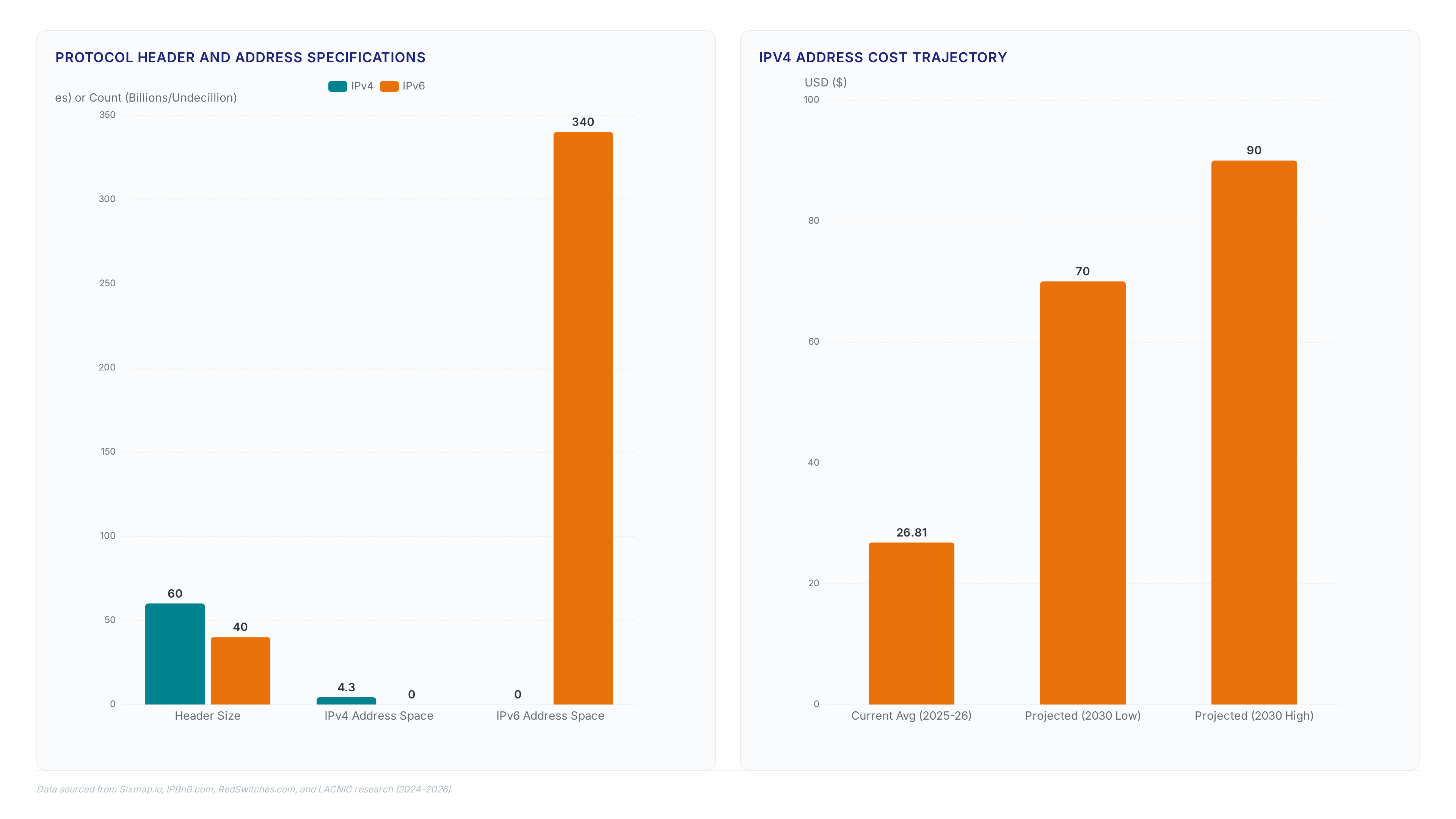
IPv6 delivers 340 undecillion addresses to solve the exhaustion of IPv4's 4 billion slots. This protocol serves as the mandatory evolution for global...

NIST SP 800-189 Rev. 1 cuts through the noise: prefix hijacking and route leaks are the primary engines of denial of service.
IPv4 offers exactly 4,294,967,296 unique addresses. That is the hard ceiling. The 32-bit architecture creates a finite pool that the industry can no...
The Border Gateway Protocol functions as an unauthenticated inter-Autonomous System routing protocol where neither destination nor route is verified...
BGP lacks native transport layers, exposing TCP sessions. Learn to enforce prefix limits and secure IPv4 blocks against RFC 1163 flaws.
BGP links hundreds of thousands of networks yet lacks inherent verification, leaving global data flow open to hijacks without strict validation.
BGP hijacking exploits trust flaws to redirect traffic globally in minutes, as seen when attackers stole over $160,000 in crypto assets.
With only 4.3 billion addresses possible, the 32-bit space is exhausted. Learn how secondary markets now drive global infrastructure deals safely.
Q1 2026 delivered a stark reminder: Qrator logged exactly 1 confirmed BGP hijack and 7 route leaks.
IP geolocation fails because 75% of IPv4 addresses change daily, leaving databases with stale records that break city-level accuracy for operators.
With human traffic under 10%, machines now drive the critical exhaustion of IPv4 addresses.
With IPv6 access hitting 48.8%, unmanaged dual-stack environments create blind spots. Learn why technical pleas fail and governance is the only fix.
Erik protocol indexes RPKI data by content hash for CDN-cacheable fetch. An InterLIR operator's take: real engineering, but transport was never the binding cons
With IPv6 traffic hitting 50.10%, the IPv8 proposal is an architectural dead end. We must optimize existing stacks, not chase vaporware.
Jamie Thain's IPv8 promises 3 billion addresses per ASN, but zero working implementations exist on off-the-shelf hardware today.
With IPv6 growth at just 5%, I explain why IPv8's telemetry claims don't yet justify leaving our stable IPv4 infrastructure behind.
IPv8 routing requires 192 cores to handle packet rates. Learn why this control-plane indirection adds latency instead of solving scarcity.
Thain's IPv8 draft merges 8 functions into one Zone Server, creating a single point of failure that ignores how 50.10% of users now access IPv6.
Global internet hit 74% penetration. Adding IPv8 now means replacing billions in legacy hardware that vendors abandoned years ago.
APNIC tests reveal a 40% failure rate in glueless DNS. We must pause before codifying fragile IPv6-only dependencies into binding RFCs.
Discover why 1994 IETF mandates created IPv6 complexity. Learn why dual-stack remains vital as we approach 2026 infrastructure trends.
The 1994 Toronto decision rejected simple expansion, forcing dual stacks that double memory use and operational costs for networks today.
A single code change on Jan 8, 2026, broke DNS because 40-year-old RFC ambiguity let clients assume a record order that never existed.