IPv4 management needs automated reputation control
IP scarcity drives the shift toward IP resource automation as businesses seek to monetize unused assets.

A Local Internet Registry (LIR) is the entity that holds the keys. Typically an ISP or a large enterprise, it receives IP allocations directly from a...
Legacy blocks from the 2003 ERX project need specific validation. Learn why standard APNIC workflows fail for these historical internet resources.
Secure Provider Independent space in as fast as 2 business days. InterLIR handles RIPE compliance, ROA creation, and rDNS so you focus on stability.
Only three regions authorize InterRIR transfers. Learn why the recipient must initiate the pull and how exact template data prevents rejection.
APNIC draws a hard line for moving IPv4 addresses and AS numbers no longer under active management.
RIPE mandates LIR status for transfers as free pools dried up. Learn why a /24 block is the smallest global routing unit today.
Over 50,000 RIPE Database objects show why experts handle compliance faster than internal teams managing complex IP resources today.
An IP resource audit aligns records within the strict 24-month window to prevent asset forfeiture and ensure network continuity for operators.
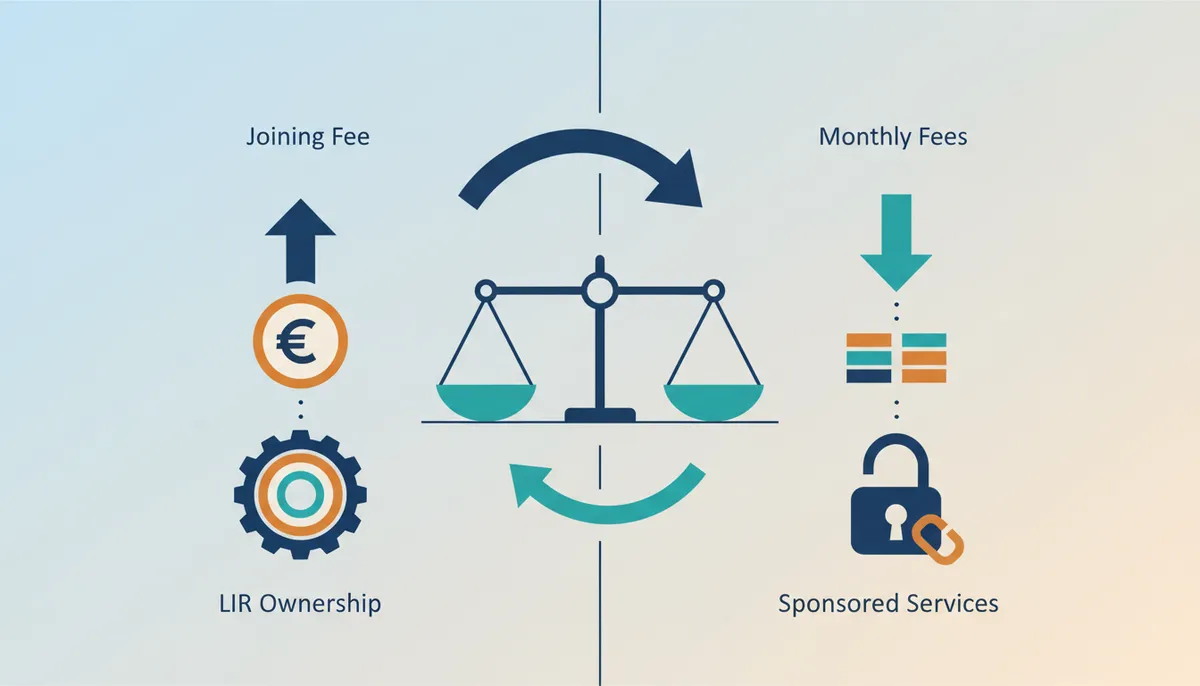
Five RIRs manage global resources with divergent costs like RIPE's €1,000 signup. InterLIR bypasses these fees to secure your IPv4 assets efficiently.
An LIR receives allocations directly from a Regional Internet Registry to sub-assign assets, ensuring routing independence for your network infrastructure.
Direct RIPE membership since 2015 defines the operational baseline for Virtuasys and its delivery of IP resources.
APNIC mandates a 5-year hold on 103/8 pool addresses before transfer. Learn how this rule blocks speculation and shapes current market liquidity.
Five RIRs manage global resources, yet fragmented records create risk. Learn to audit your IPv4 and IPv6 assets for true governance.
Obtaining a RIPE LIR account requires a fixed annual fee per the 2026 Charging Scheme. Think of LIR Services not as a luxury, but as a necessary...
The ARIN service area covers exactly 29 listed countries and territories, not just the US and Canada.
MCMC seeks feedback on CMA amendments by 10 July 2026 to centralize IP control under a new National Internet Registry framework.
Inter-RIR transfers take between 4 weeks and 10 months to complete depending on the registries involved.
With only 0.1811 /8s remaining in the pool as of June 2026, direct allocation from APNIC is effectively dead for most enterprises.
APNIC requires a detailed 24-month usage plan for new recipients. Learn the four specific transfer scenarios and how to validate legacy data correctly.
APNIC policy version 015 takes effect 20 February 2025, redefining IPv4 transfer rules and compliance for the Asia Pacific region.
Secure critical infrastructure with APNIC membership. Gain direct control over a /24 IPv4 block and bypass upstream provider restrictions today.
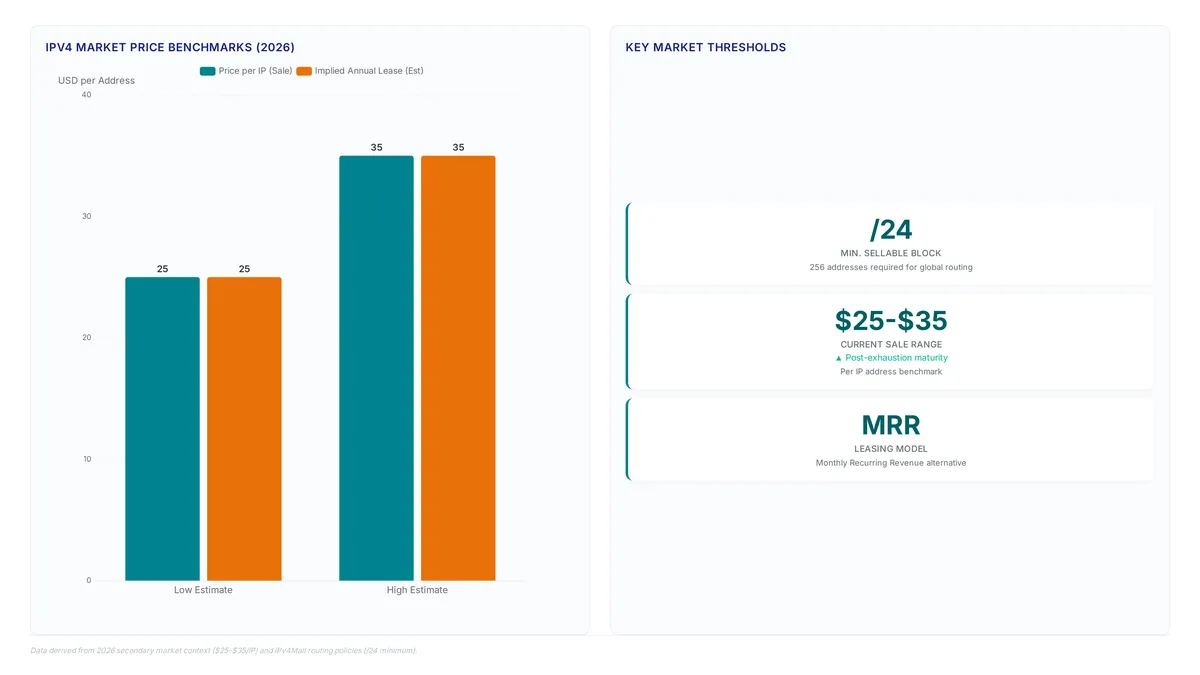
Small /24 subnets trade near $30 per IP. Learn RIPE NCC eligibility rules for allocated and independent resources to avoid costly policy violations.
Turn €1,800 annual fees into assets. Learn how direct RIPE NCC membership offers voting rights and training over simple IP allocation.
ARIN charges a fixed $500 annual fee while peers use cost recovery. See how five distinct registries create conflicting rules for your IP assets.
APNIC imposes a mandatory 5-year lockup on IPv4 transfers from the free pool, trapping capital and favoring legacy holders over new market entrants.
Avoid the €1,000 signup fee trap by understanding why PI blocks forbid suballocation, limiting your network's operational growth potential.