Strategy shifts: NRO enforces 71% ROA coverage
The new NRO strategy pushes ROA coverage from 29.9% to 71.0%. As a support lead, I see how this impacts daily routing ops.

The new NRO strategy pushes ROA coverage from 29.9% to 71.0%. As a support lead, I see how this impacts daily routing ops.

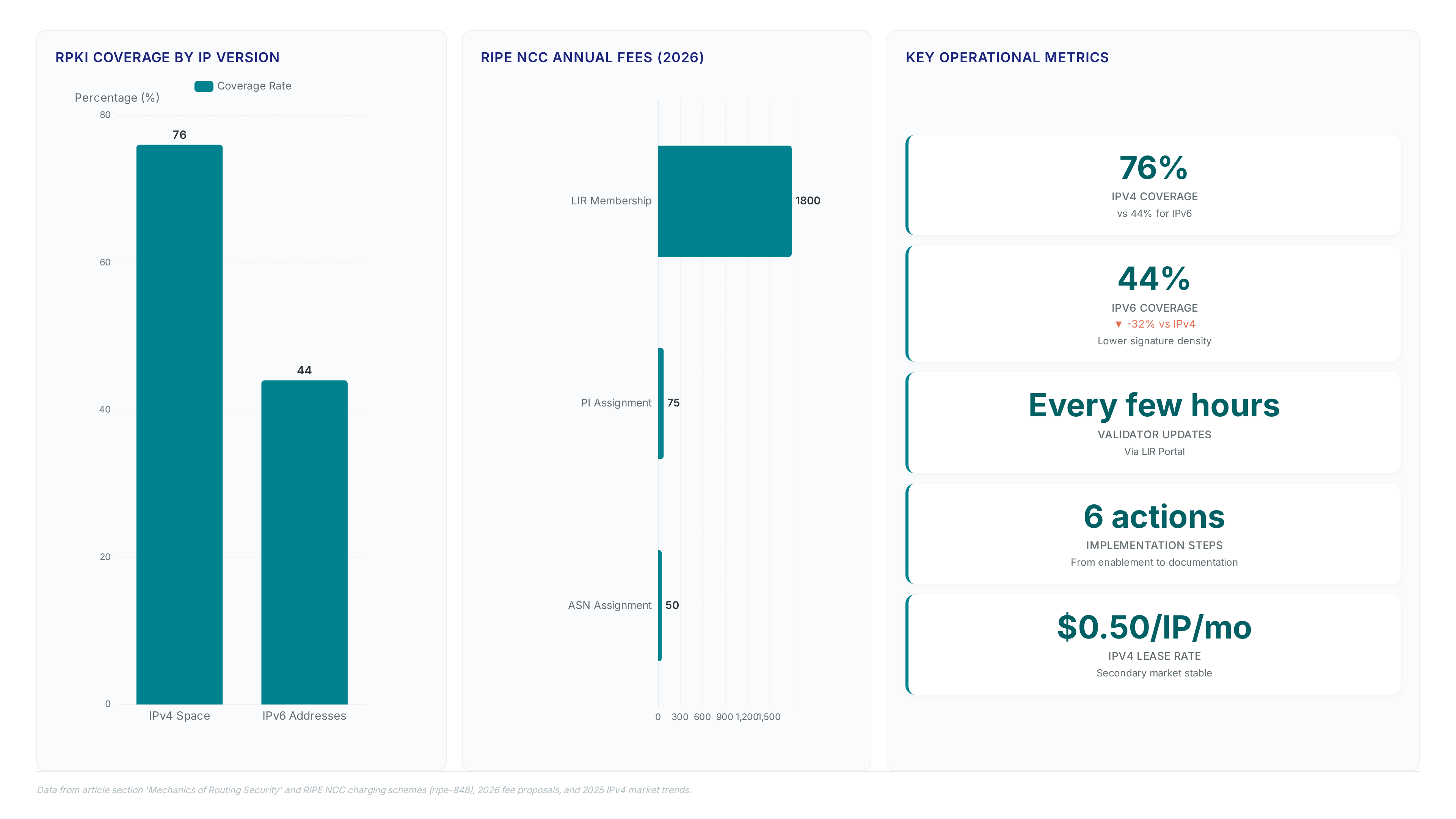
With 750 organizations waiting up to 536 days, IPv4 scarcity is here. See how RIPE NCC bottlenecks force reliance on the secondary market today.

After 3,049 votes, the new RIPE draft strategy shifts focus to measurable service levels. I analyze what this means for your IPv4 leasing plans.

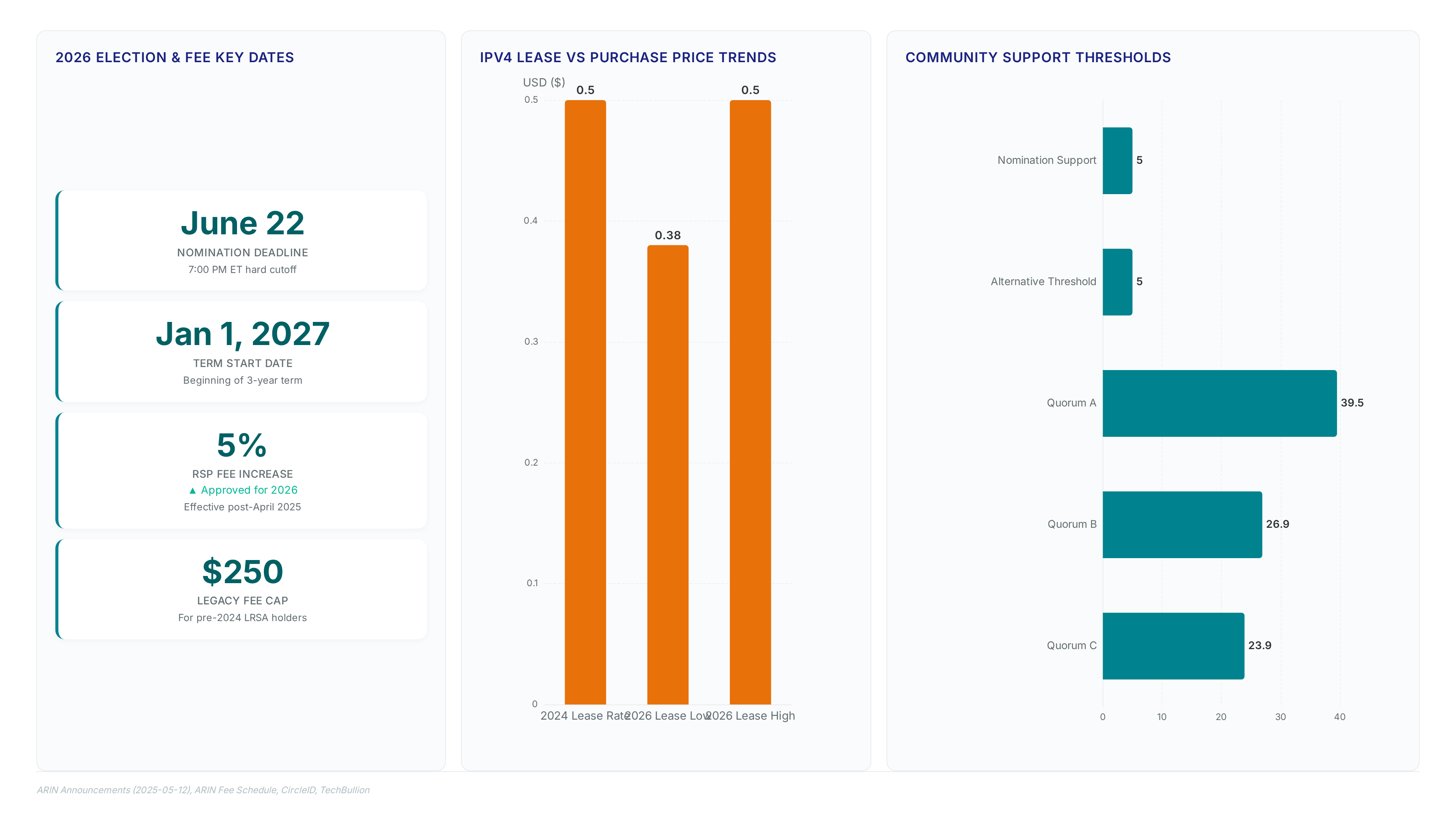
With 3,049 votes already cast, register by May 20 via the LIR Portal to influence the Executive Board and charging schemes before deadlines pass.

Seventeen new fellows join seven technical tracks to shape policy across 75 countries, ensuring skilled operators guide our shared infrastructure.

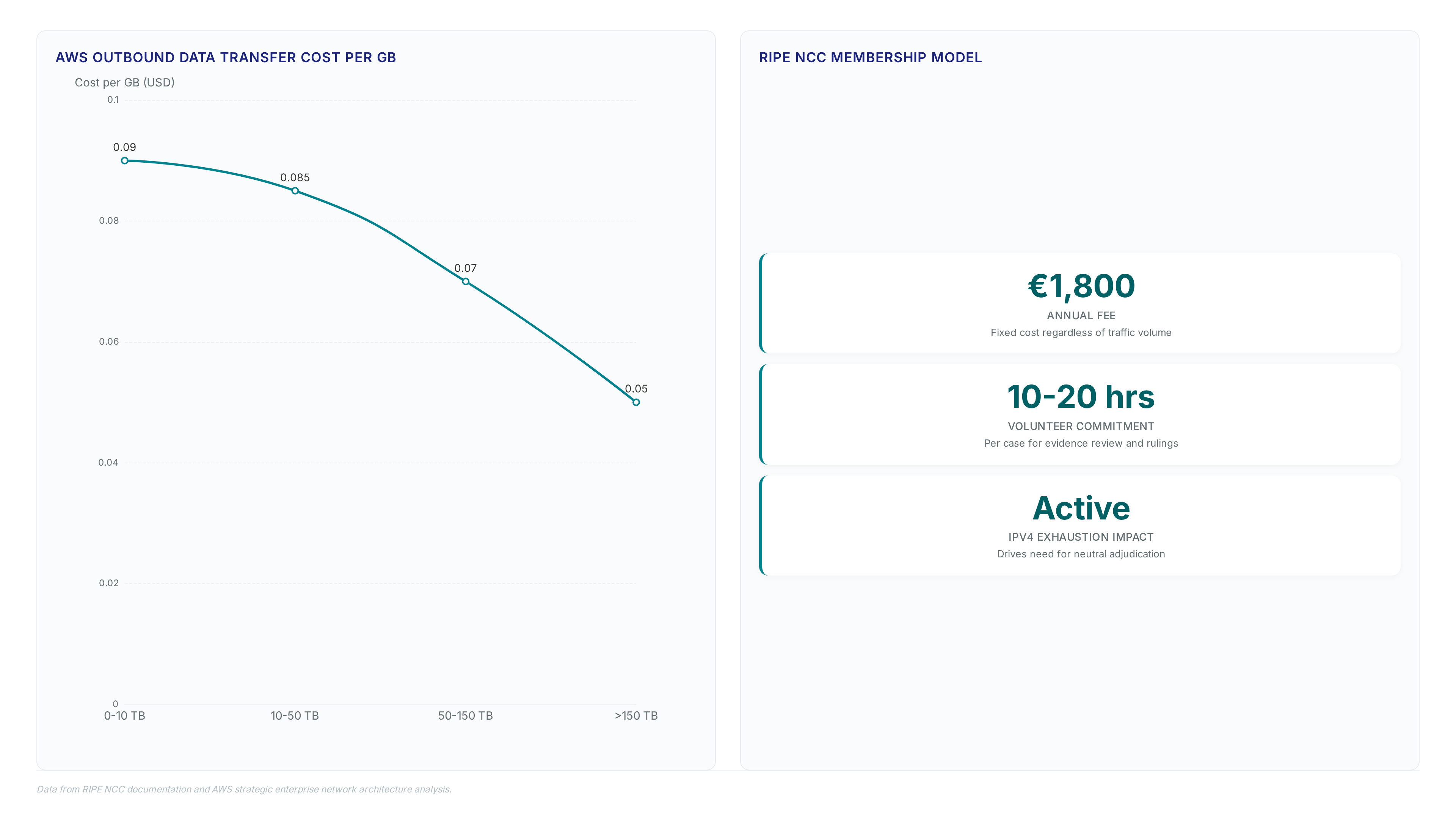
RIPE seeks volunteers by 6 March 2026 to resolve IP disputes. As IoT hits 21.9 billion devices, human arbiters remain essential for governance.

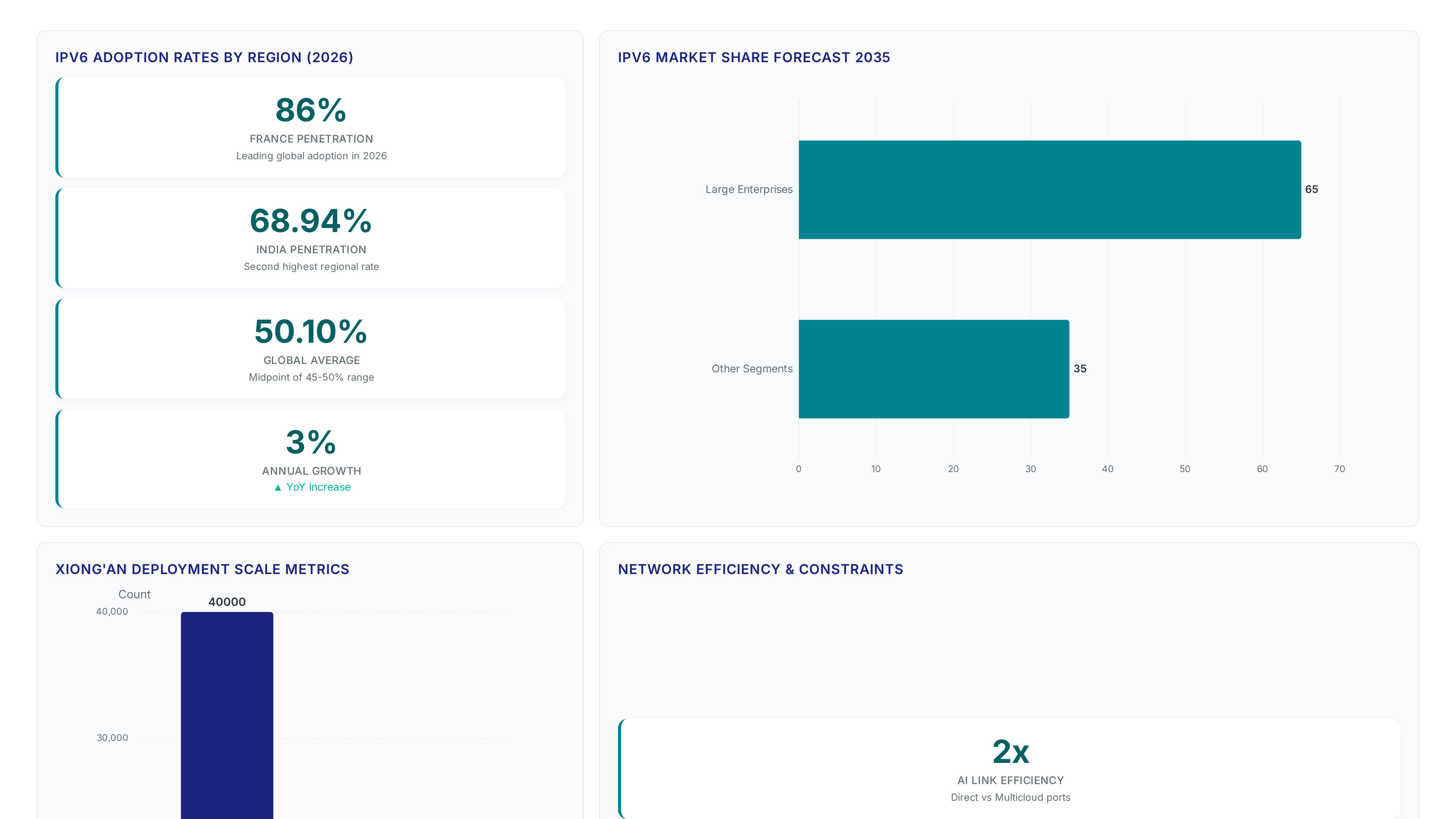
With 50.10% of global traffic now on IPv6, ignoring unmanaged entry points is a governance failure. Learn to frame this as a board-level liability.

See how APNIC's open process serves 56 diverse economies. Real operators bridge the gap between clean protocols and messy infrastructure realities.

The 2026 RIR Governance update replaces ICP2 but leaves open issues. Learn how this affects your IP strategy before final adoption.

APNIC and PITA updated their 2002 agreement to support 56 economies, focusing on real BGP training and local policy input for stability.

ARIN 57 starts April 20 with 15 council members filtering proposals. See how this impacts your IPv4 strategy and resource allocation today.

ARIN needs three volunteers by April 28 to guide policy. With IPv6 overtaking IPv4 by 2026, your governance role impacts costs.

Nikita breaks down ARIN's 8M records to show how 15 elected members shaped 2025 policy without the corporate spin.

Xiong'an earned the first city plaque on April 6, 2026. I analyze how this direct APNIC membership changes global routing policy.

With IPv4 still carrying 60% of global traffic, the ARIN Fellowship trains 15 experts yearly to manage critical number resources.

Don't miss the March 17 deadline for ARIN 57. The $199 Galt House rate expires then, risking your spot in critical IPv4 policy debates.

Join me in Jakarta for APRICOT 2026. We'll tackle Prop164 and prepare our networks for the 70% of enterprises adopting agentic AI soon.

The NRO NC reviewed feedback from five regional lists. With 15 volunteers debating, these governance ambiguities need fixing before adoption.

RIPE's new draft replaces ICP2 to manage 6 billion users. See how 15 volunteers refined global IPv4 governance standards in 2026.

With mobile traffic hitting 64%, rigid global governance frameworks are essential. I break down how new policies protect our shared resources.

ARIN 57 meets in Louisville this April. With 74% of traffic now RPKI-secured, we analyze the gap between route counts and real safety.

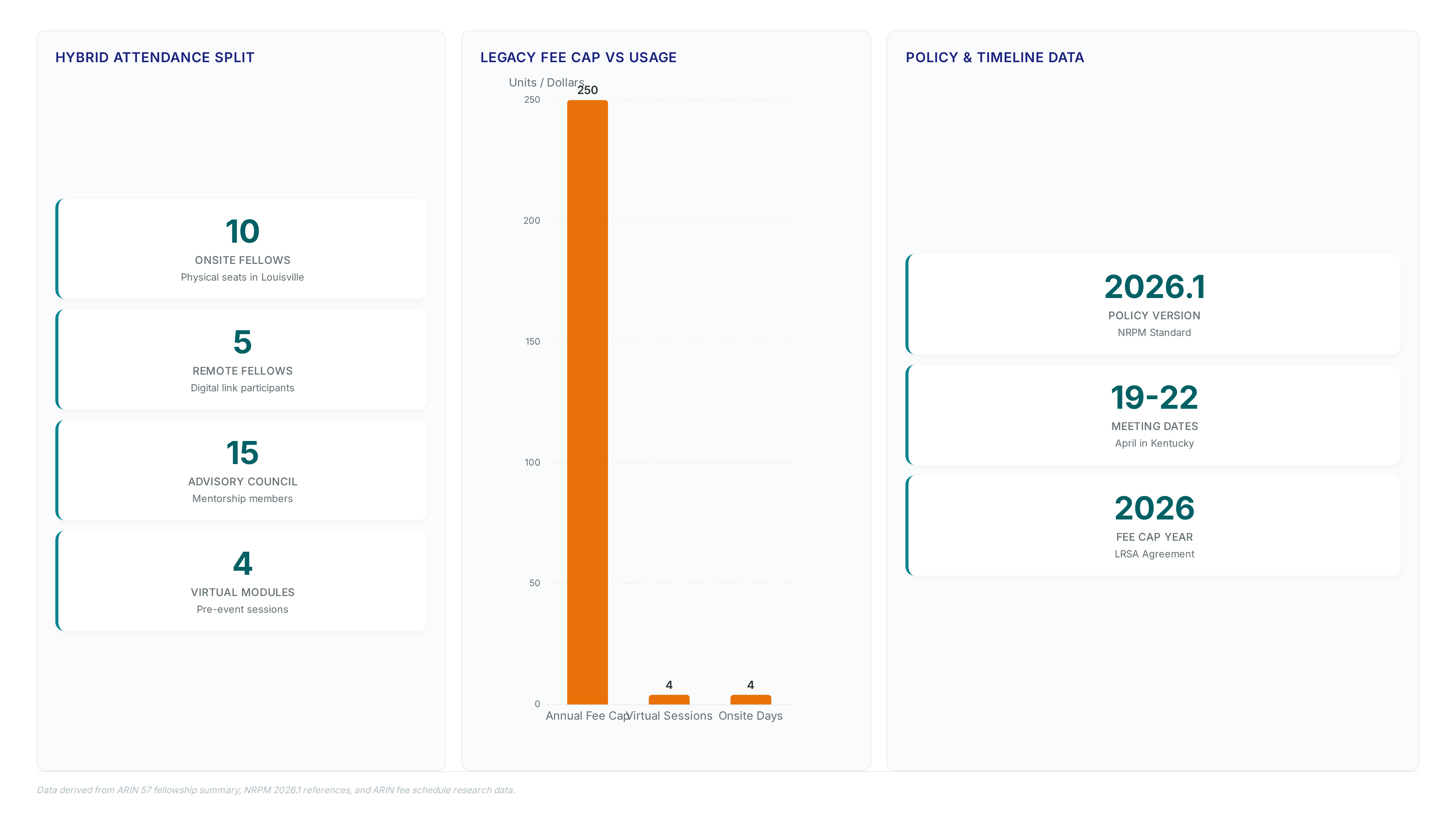
Only 10 individuals join the 2026 ARIN Fellowship. I break down the Jan 26 deadline and why generic applications fail every time.

Five individuals, including two former Fellows, now shape ARIN policy. Learn how the Jan 7 selection impacts your 2026 governance strategy.

I analyzed how ARIN allocated resources to 587 organizations in 2025 while capping fee hikes at 5% through 2030 for stability.