ARIN 57 Deadline: Secure Galt House by March 17
Don't miss the March 17 deadline for ARIN 57. The $199 Galt House rate expires then, risking your spot in critical IPv4 policy debates.

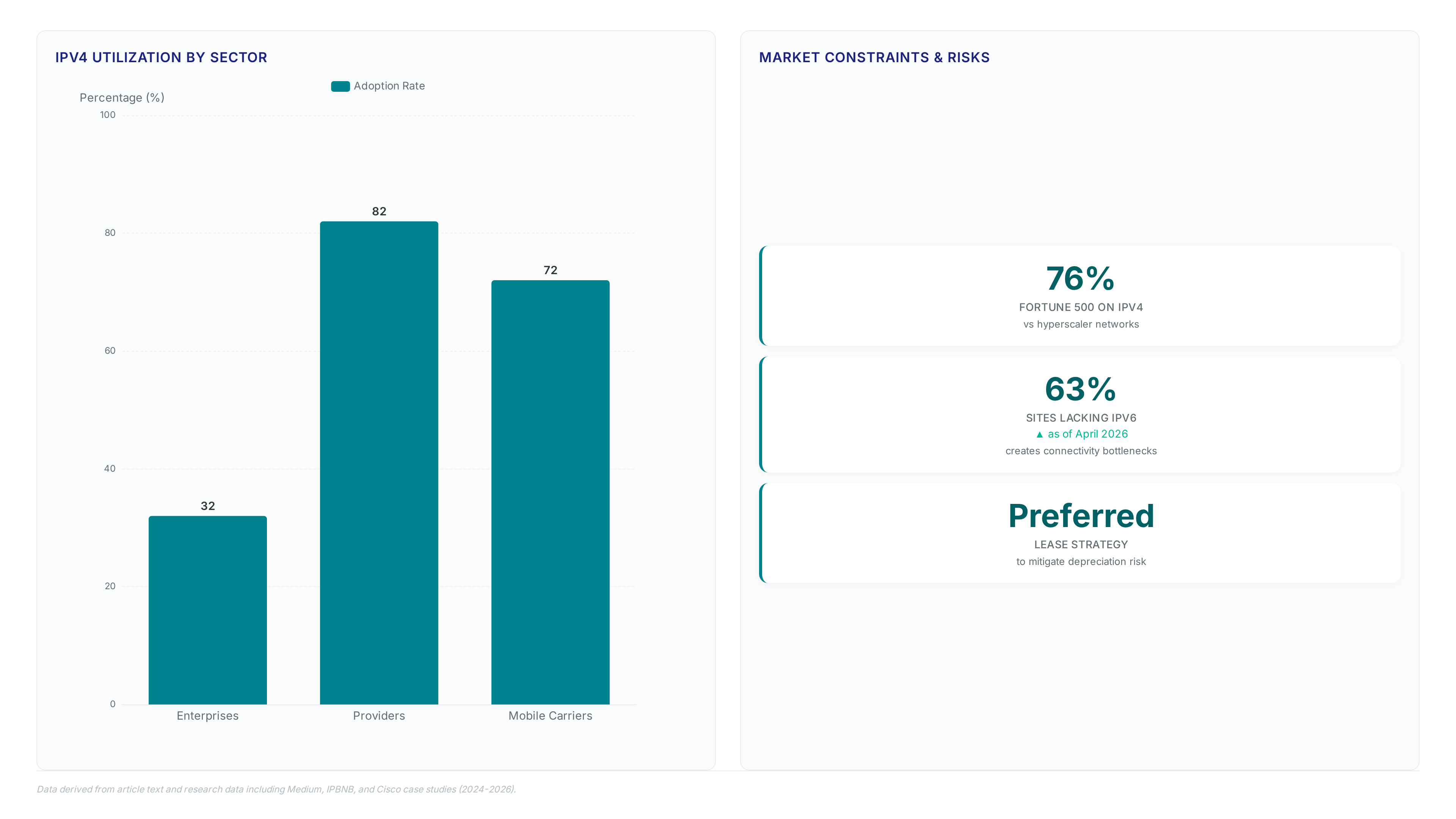
IPv4 transfer markets, BGP routing security, RPKI adoption, and ASN governance — analysis for network operators.
Don't miss the March 17 deadline for ARIN 57. The $199 Galt House rate expires then, risking your spot in critical IPv4 policy debates.
See how the 2026 NomCom vets candidates for three board seats managing 39.5% of global IPv4. A clear look at ARIN's election mechanics.
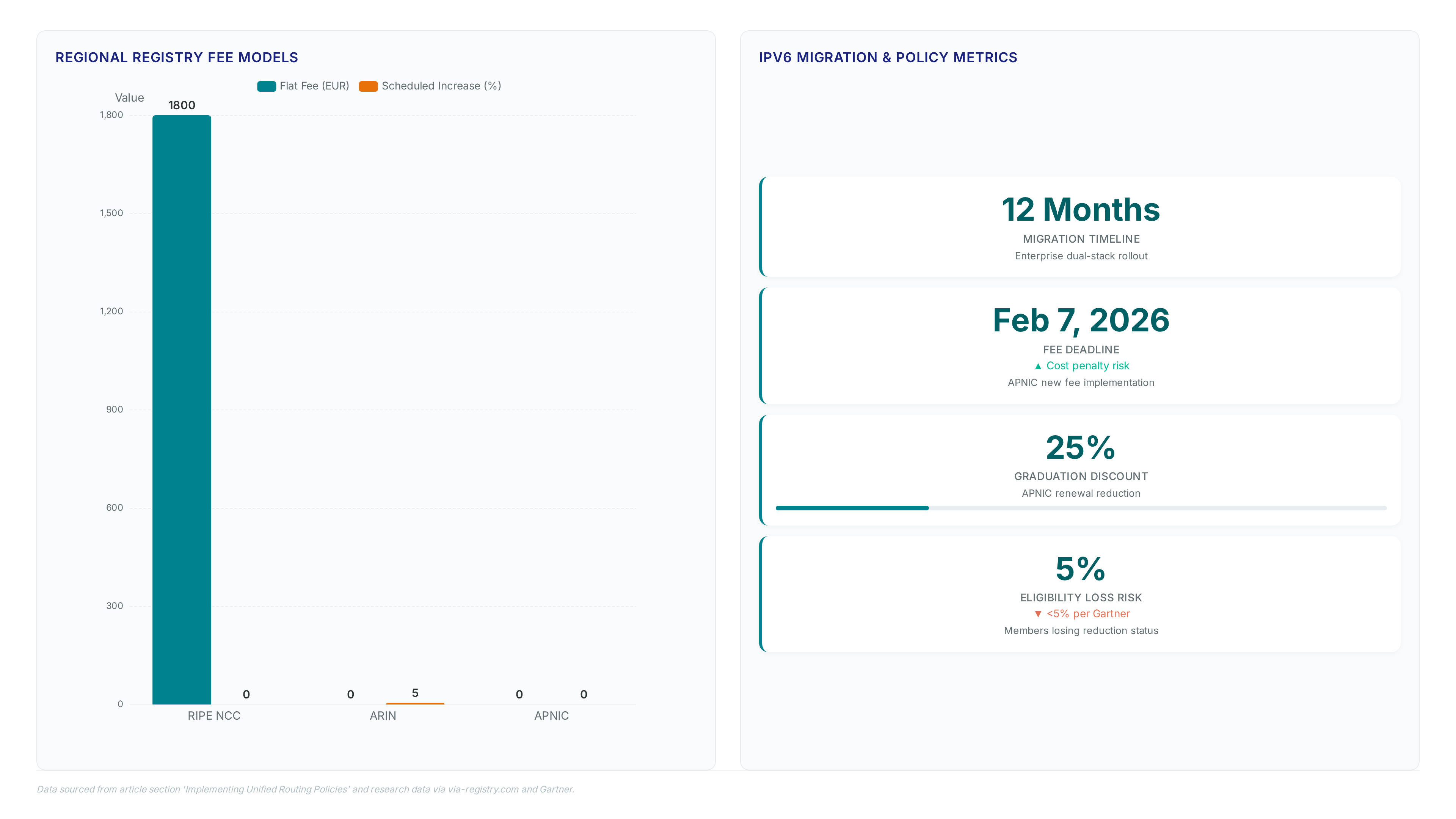
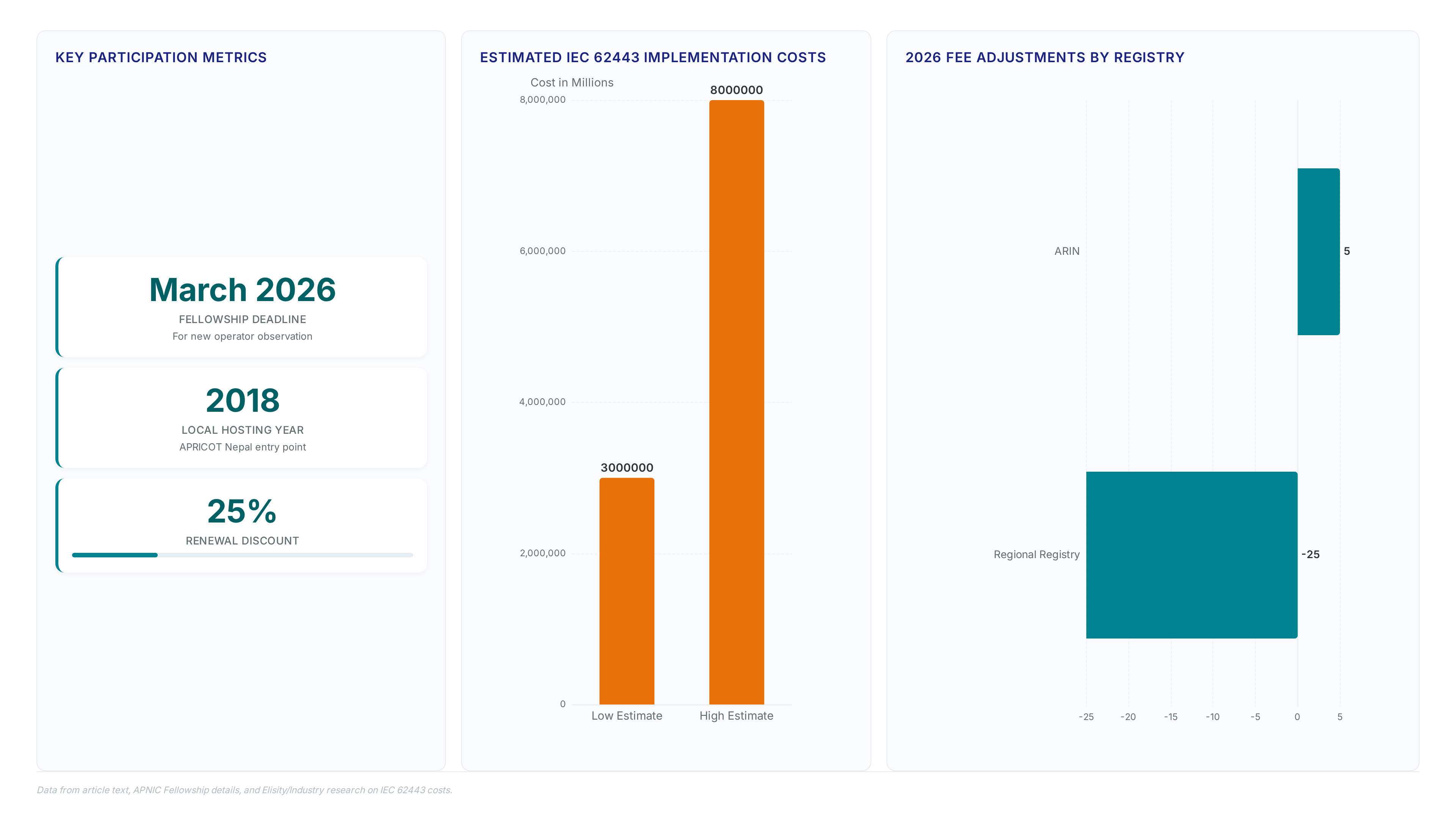
I analyzed how ARIN allocated resources to 587 organizations in 2025 while capping fee hikes at 5% through 2030 for stability.
See why 95% of orgs lack network visibility. Learn real IPv6mostly tactics and automation strategies from Jakarta's top engineers.
Join me in Jakarta for APRICOT 2026. We'll tackle Prop164 and prepare our networks for the 70% of enterprises adopting agentic AI soon.
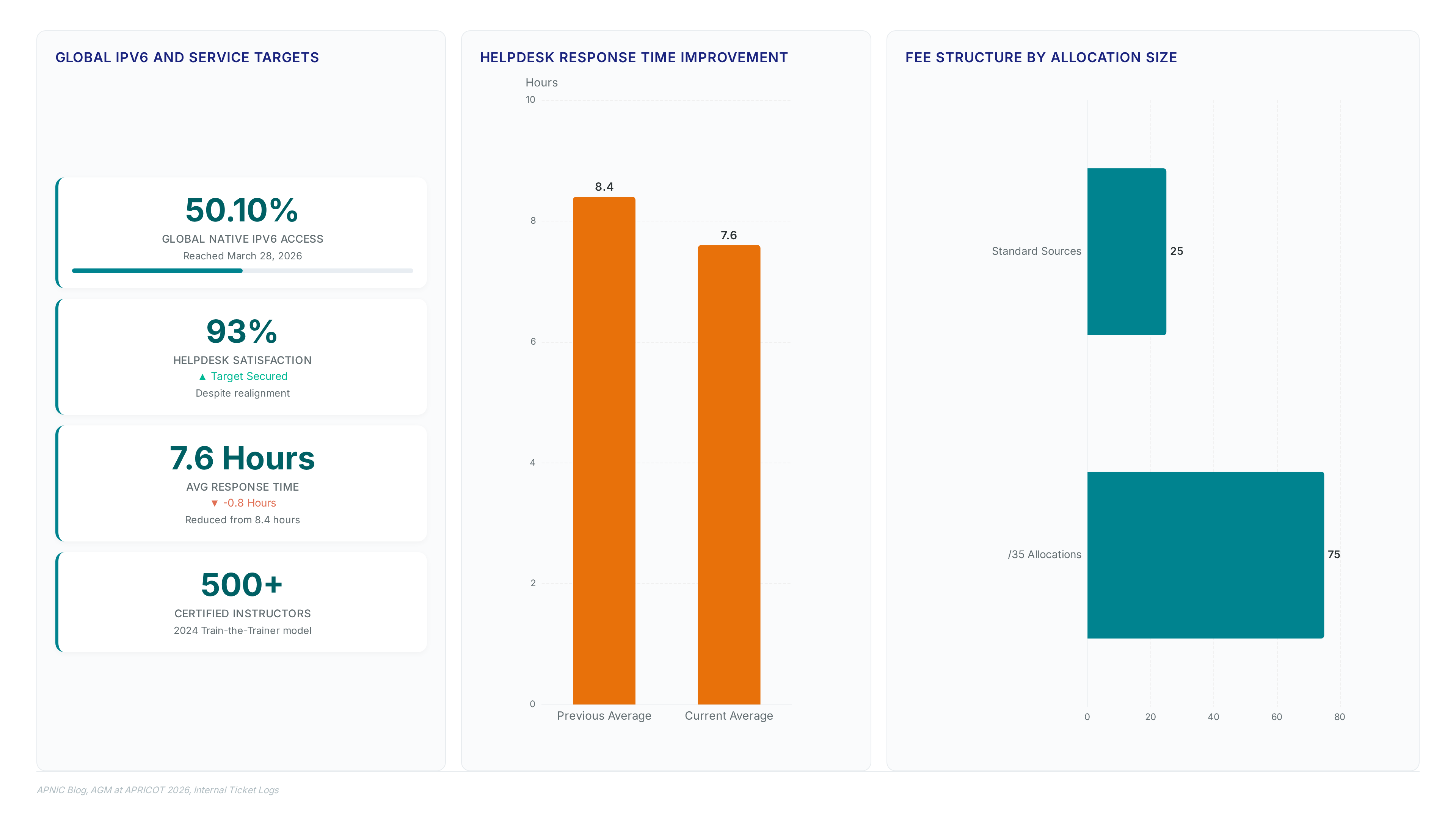
APNIC growth hit just 1.6% in 2025. I analyze how new security pillars and 7.6-hour support times impact your IPv4 strategy today.
See how Shaila Sharmin guides policy for 56 Asia-Pacific economies through community consensus, not distant bureaucratic mandates.
See how APNIC's open process serves 56 diverse economies. Real operators bridge the gap between clean protocols and messy infrastructure realities.
IPv4 prices hit $32 by 2026. See how APNIC's consensus model, not voting, shapes these operational costs for Asia Pacific networks.
At APNIC 61, chairs debated prop164. See why a /36 block might fracture routing tables for millions of users tomorrow.
APNIC targets 56 economies with sub-regional forums. I see this localized shift as vital for sustaining Pacific infrastructure without heavy travel.
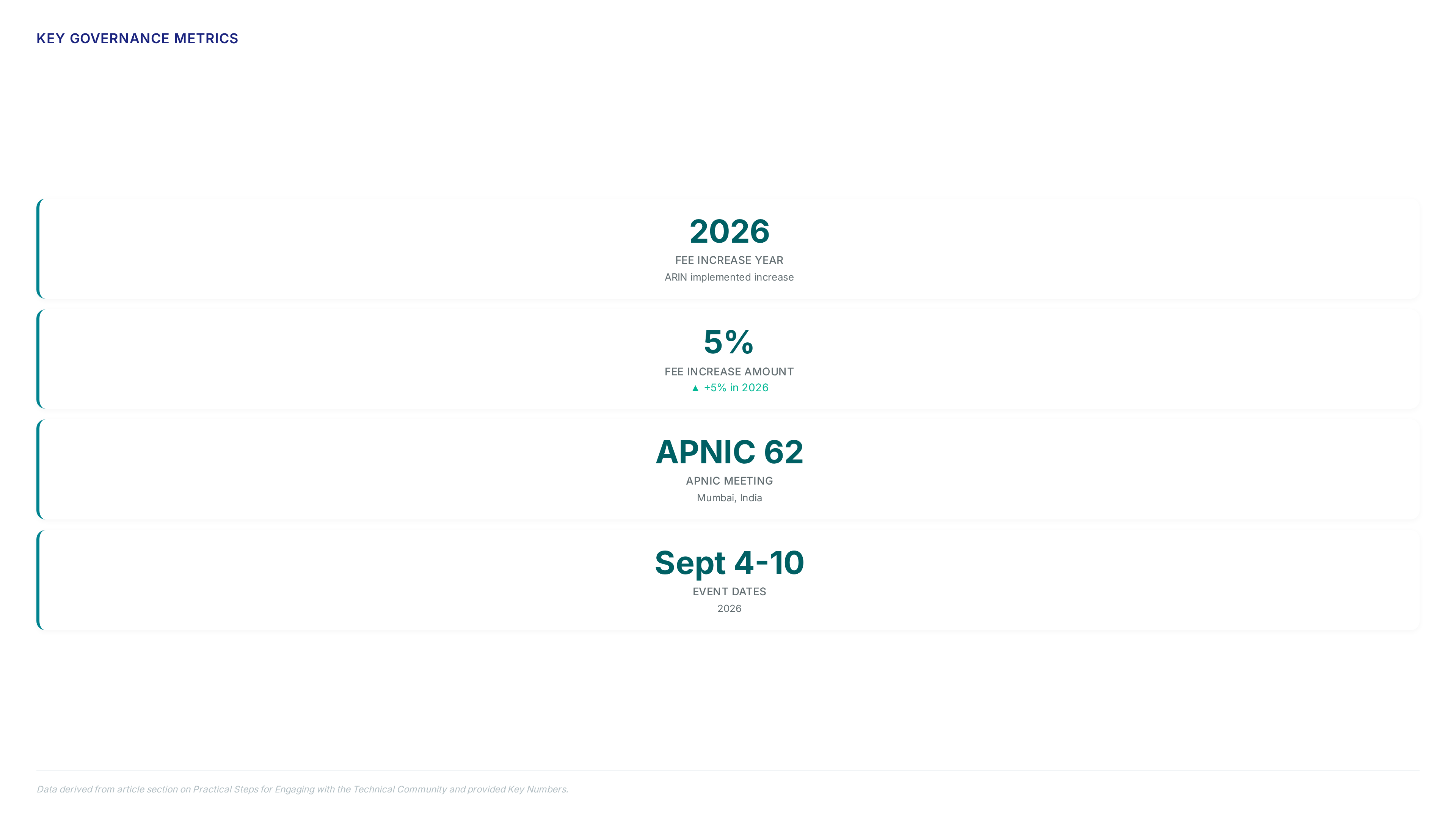
With 21 billion IoT connections coming by 2026, APNIC 62 in Mumbai forces operators to drop legacy manual processes for real automation.