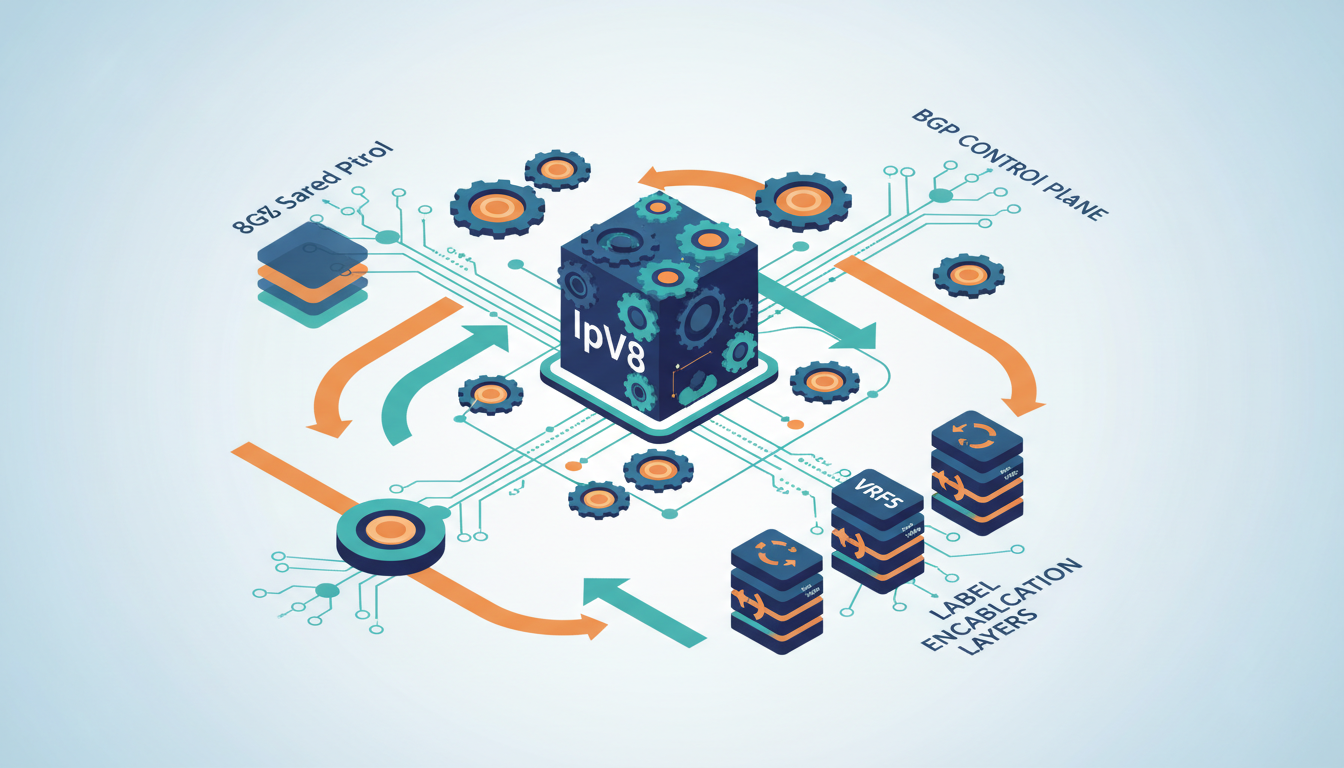
IPv6 addresses won't fix your shortage today
IPv6 delivers 340 undecillion addresses to solve the exhaustion of IPv4's 4 billion slots. This protocol serves as the mandatory evolution for global...

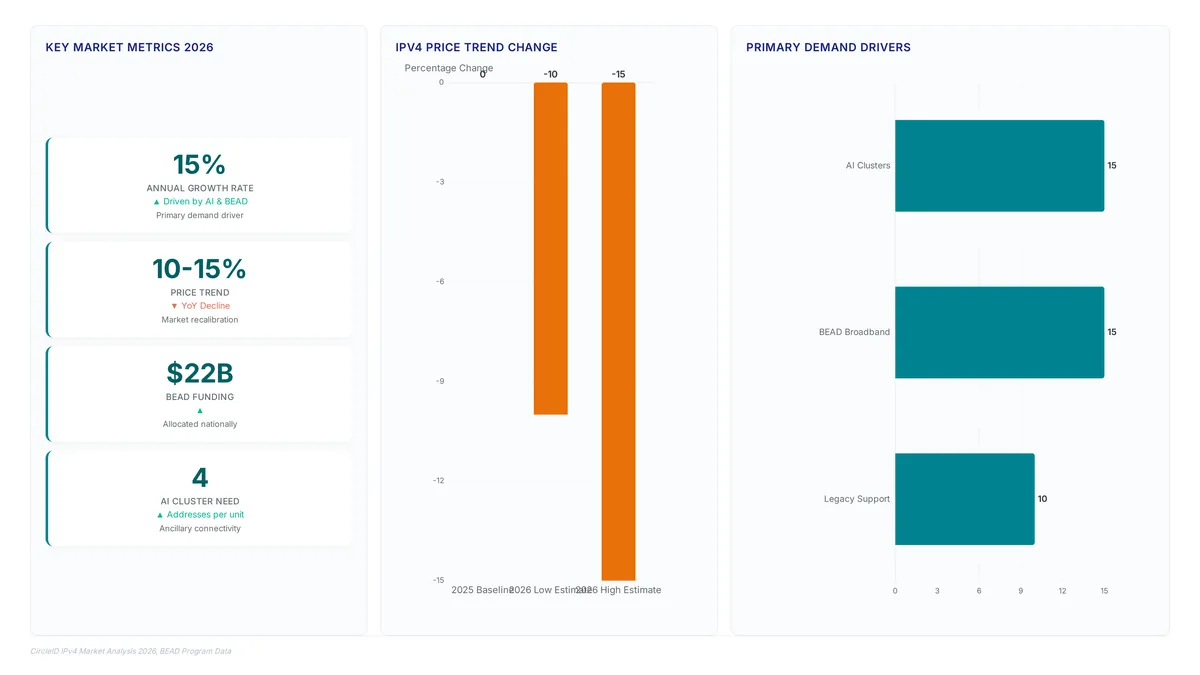
Over 3.36 million IPv4 addresses changed hands in Q1 2026 alone, proving the secondary market is the only viable supply chain left.
Managing over 50,000 IP addresses makes manual subnet math an obsolete liability. Discover how automated precision prevents configuration drift in large...
ARIN requires proving operational need for 24 months. InterLIR verifies blocks against 100+ blacklists to ensure your transfer clears RIR scrutiny.
IPv4 prices now range from €28 per address to €99 for blocks as supply exhaustion drives costs higher.
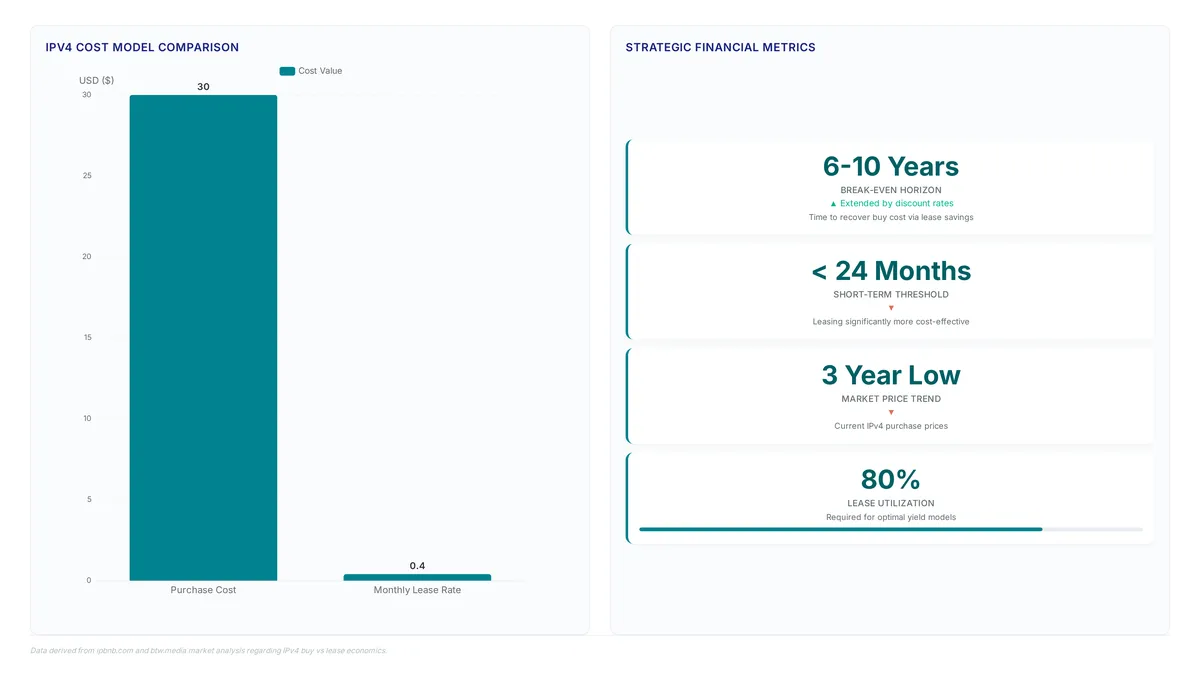
Lease rates hold at $0.40 per IP while purchase values for large blocks correct downward in 2026.
The weighted average price for IPv4 addresses reached $19.56 per IP in April 2026 based on 110 transactions.
Falling 2026 prices signal market maturity, not collapse. With only 18.6 million addresses left, secure transfers and compliance are now critical for success.
The global IPv4 pool shrunk 60% since 2015. Legacy blocks are no longer just infrastructure; they are critical capital.
The 32bit structure of IPv4 defines absolute scarcity. Discover how professional mediation ensures secure transfers and protects buyers from fraud in this...
Leasing IPv4 addresses cuts acquisition costs dramatically compared to buying outright.
Access over 1 million IPv4 addresses via a RIPE NCC–registered broker. Secure clean blocks with delivery guaranteed in under 24 hours globally.
The era of free IPv4 acquisition is dead. With only a limited number of unallocated addresses remaining globally, network operators face a binary...
IPv4 offers exactly 4,294,967,296 unique addresses. That is the hard ceiling. The 32-bit architecture creates a finite pool that the industry can no...
With 4,294,967,296 total addresses fixed, learn how APNIC transfers and leasing models help organizations secure IPv4 space legally.
ARIN enforces a 24-month need justification for transfers. InterLIR verifies seller authority and routing hygiene to secure your /24 block safely.
With small blocks reaching $45 per unit, InterLIR helps secure clean IPv4 assets before 2026 price corrections tighten the market further.
Start your LIR registration for €350.00 to own a /22 IPv4 block. Eliminate third-party dependency and manage your IP resources with full autonomy.
Skip registry delays with 258 subnets ready for immediate deployment. Get full BGP control and clean IPv4 space without the long wait.
Secure clean IPv4 blocks with full BGP routing. Access inventory from 256 to 2,048 IPs for immediate deployment without capital commitments.
Leasing IPv4 addresses lets networks scale instantly by accessing blocks as small as a /24 subnet containing 256 addresses.
Buying IPv4 addresses becomes cheaper than leasing after 36 to 48 months. Avoid indefinite rental fees and secure permanent asset ownership today.
Extreme scarcity defines the current IPv4 market. Learn how block sizes from /24 to /17 impact your acquisition strategy and final costs.
Deploy IPv4 resources within 48 hours to bypass scarcity. InterLIR provides compliant, fast leasing for immediate network expansion without asset risk.
Leasing rates for IPv4 addresses held between a low and high monthly rate per unit from June 2025 through May 2026 according to IPXO data.
Leasing a /24 block costs significantly less than the $15 to $26 per address required for outright purchase via ipbnb.com.
Recovered blocks enter a single queue; by July 7, 2023, the registry distributed 5,572 blocks to eligible members via this strict process.
APNIC mandates a 5-year hold on 103/8 pool addresses before transfer. Learn how this rule blocks speculation and shapes current market liquidity.
With only 4.3 billion addresses possible, leasing offers a practical path. Learn how to verify authentic blocks and structure secure rental deals today.
With only 3.9 million unallocated addresses remaining globally, the era of free IPv4 expansion is dead.
With 60% of addresses blacklisted, buying verified clean IPv4 blocks prevents delivery failures and protects your network reputation globally.
Map IP addresses to owners using 32-bit ASN data. Process bulk queries for up to 20,000 IPs to fix threat attribution gaps instantly.
APNIC enforces a mandatory five-year holding period before IPv4 addresses from the 103/8 free pool can be transferred due to merger or acquisition.
Scarcity has birthed a liquid secondary market for IPv4 blocks where unused sub-blocks are sold rather than allocated.
With RIPE NCC fees hitting EUR 1,800 in 2026 and only a /24 available, InterLIR offers immediate IPv4 access without the wait.
Idle IPv4 blocks are lost capital in this exhausted market. Learn to sell or lease surplus assets for immediate revenue without hidden fees.
APNIC identified 54 million unadvertised addresses. Learn why preapproval is vital before seeking an IPv4 source to avoid deal cancellation.
Recent data shows a weighted average of $19.56 per IP. Discover how to execute valid secondary market transfers and avoid costly routing failures now.
Since RIPE limits new allocations to a /22 block, many firms buy IPv4 space on the secondary market. Learn how verified brokers secure legal transfers.
Explore why the hard 32-bit ceiling of 4,294,967,296 addresses makes understanding legacy class structures vital for modern network planning.
With human traffic under 10%, machines now drive the critical exhaustion of IPv4 addresses.
Renting IPv4 addresses starts at just $0.42 per IP monthly via InterLIR, bypassing the capital exhaustion of permanent acquisition.
Only 3.9 million unallocated addresses remain. The IPv4 leasing market has shifted from an optional tactic to an operational imperative.
Stop ISP tracking by switching resolvers. Providers like Cloudflare delete logs in 25 hours, unlike ISPs that keep permanent records of your data.
With only 0.1811 /8s remaining in the pool as of June 2026, direct allocation from APNIC is effectively dead for most enterprises.
With only 4,294,967,296 IPv4 addresses, routing now maps names to endpoints. Learn how DNS controls traffic flow beyond basic forwarding.
The total theoretical capacity of IPv4 is exactly 4,294,967,296 addresses, a hard limit the RIPE NCC region has already hit.
Since September 14, 2012, RIPE enforces a strict 1,024 address limit per LIR. Navigate this regulatory cap to secure essential IPv4 resources today.
AWS charges $0.005 per hour, making an idle IP cost exactly $43.80 annually. Discover why treating addresses as infinite resources is over.
Zen Internet withdraws free IPv4 blocks after originating 500,000 addresses. Learn how the shift to leasing impacts your network budget and planning.
Early 2026 data confirms 3.7B IPv4 addresses remain allocated, yet zero are free. Explore how NAT and subnetting sustain global network operations today.
Over 20,000 organizations now operate as Local Internet Registries. Learn if your network needs direct RIPE NCC ownership today.
With only 4.3 billion unique addresses total, the IPv4 market demands agility. Leasing offers a flexible path around permanent scarcity.
Free IPv4 pools are gone. The secondary market is no longer a theoretical alternative; it is the only path forward for network expansion.
Buying IPv4 addresses in 2026 costs between $18 and $45 per IP, a spread driven by block size and region. Stop treating this as a simple utility bill.
AWS charges for public IPv4 by Dec 2025. I show how VPC Block Public Access secures your 5 IPv6 CIDR blocks without extra fees.
With only 34% of IPv6 space advertised, clinging to IPv4 Router IDs creates unnecessary phantom infrastructure and collision risks.
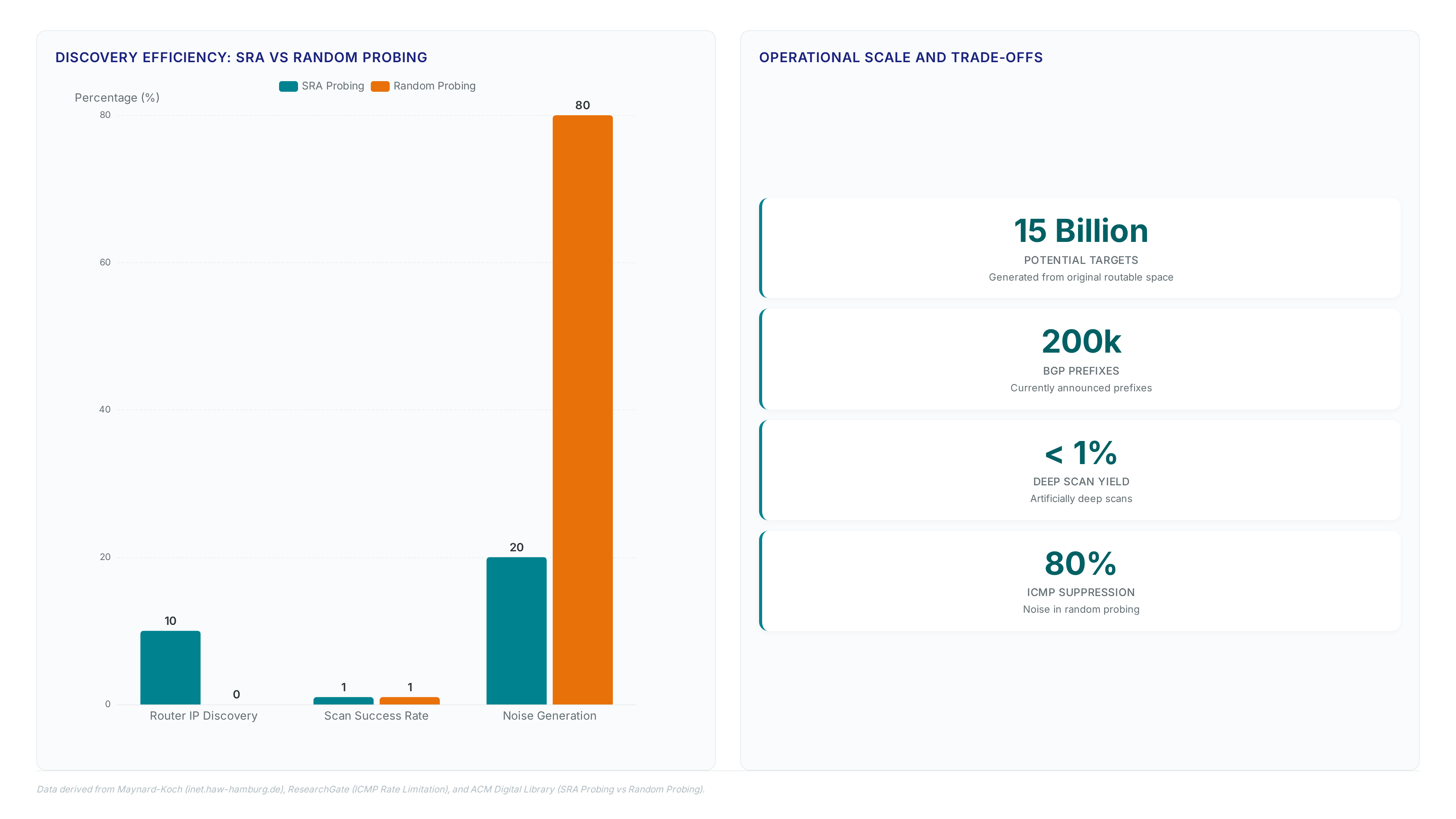
Subnet-Router Anycast probing finds 80% more IPv6 router addresses than direct targeting, but the 72M figure is a discovery yield, not a router census.
Jamie Thain's IPv8 draft targets 18 quintillion addresses, but critics warn it demands massive CPU upgrades like the AMD EPYC 9965.
461,596 redundant routes now clog the global table. See how rigid classful blocks caused this IPv4 exhaustion and why CIDR aggregation must return.