APNIC policy shifts: What 56 economies mean for you
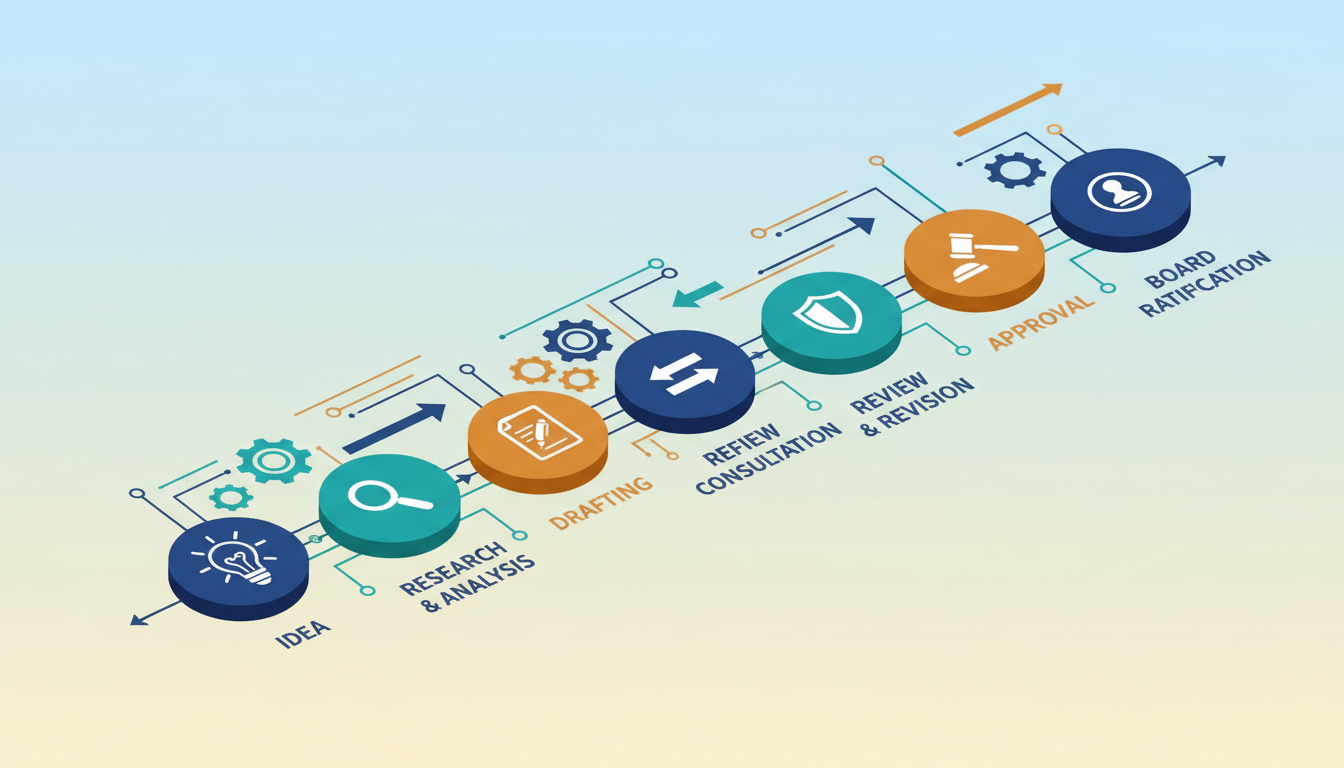
See how APNIC's open process serves 56 diverse economies. Real operators bridge the gap between clean protocols and messy infrastructure realities.

See how APNIC's open process serves 56 diverse economies. Real operators bridge the gap between clean protocols and messy infrastructure realities.

APNIC and PITA updated their 2002 agreement to support 56 economies, focusing on real BGP training and local policy input for stability.

ARIN 57 starts April 20 with 15 council members filtering proposals. See how this impacts your IPv4 strategy and resource allocation today.

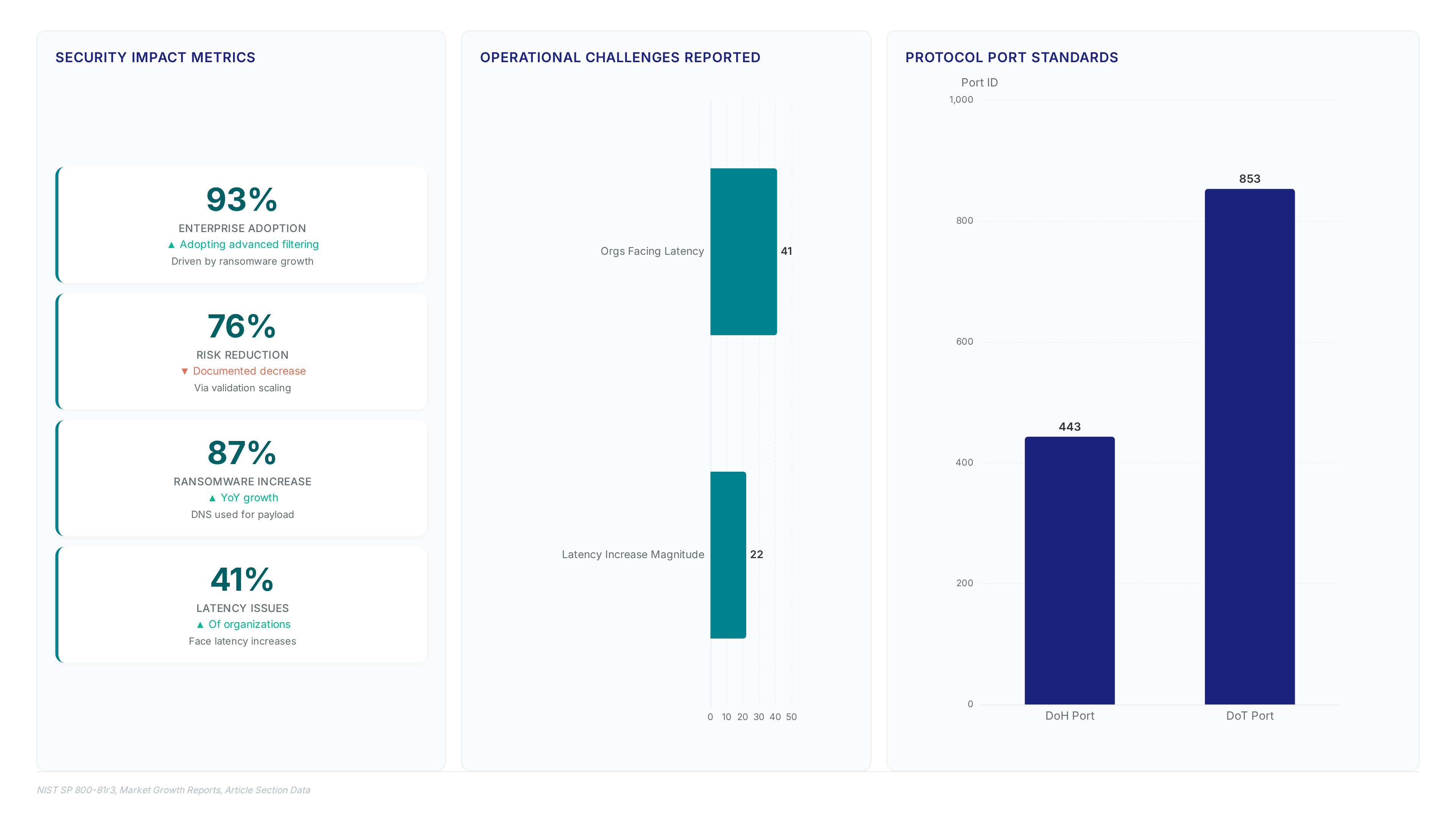
NIST's 2026 update treats DNS as active defense against an 87% ransomware surge. Learn to deploy Protective DNS and encrypt traffic today.

ARIN needs three volunteers by April 28 to guide policy. With IPv6 overtaking IPv4 by 2026, your governance role impacts costs.

Submarine cables carry 99% of traffic, yet Pacific islands lack carrier-neutral IXPs. We analyze how local policy prevents single points of failure.

Nikita breaks down ARIN's 8M records to show how 15 elected members shaped 2025 policy without the corporate spin.

IPv4 prices hit $32 by 2026. See how APNIC's consensus model, not voting, shapes these operational costs for Asia Pacific networks.

See how Shaila Sharmin guides policy for 56 Asia-Pacific economies through community consensus, not distant bureaucratic mandates.

Stop using 700 policy terms for single ASN matches. Switch to asset tree lookups to fix your BGP scaling collapse today.

Seven regional bodies now enforce routing integrity. With TWNIC reaching 98% IPv6 validity, I analyze how NIRs secure our infrastructure.

With IPv4 still carrying 60% of global traffic, the ARIN Fellowship trains 15 experts yearly to manage critical number resources.

NRPM 2026.1 went live on March 3, replacing the 2025 edition. Learn why section 8.5.1 changes mean strict new fees for your IP blocks.

Don't miss the March 17 deadline for ARIN 57. The $199 Galt House rate expires then, risking your spot in critical IPv4 policy debates.

Applications close 13 March 2026. I break down why the 5-month tech track beats passive training for real operational skills.

At APNIC 61, chairs debated prop164. See why a /36 block might fracture routing tables for millions of users tomorrow.

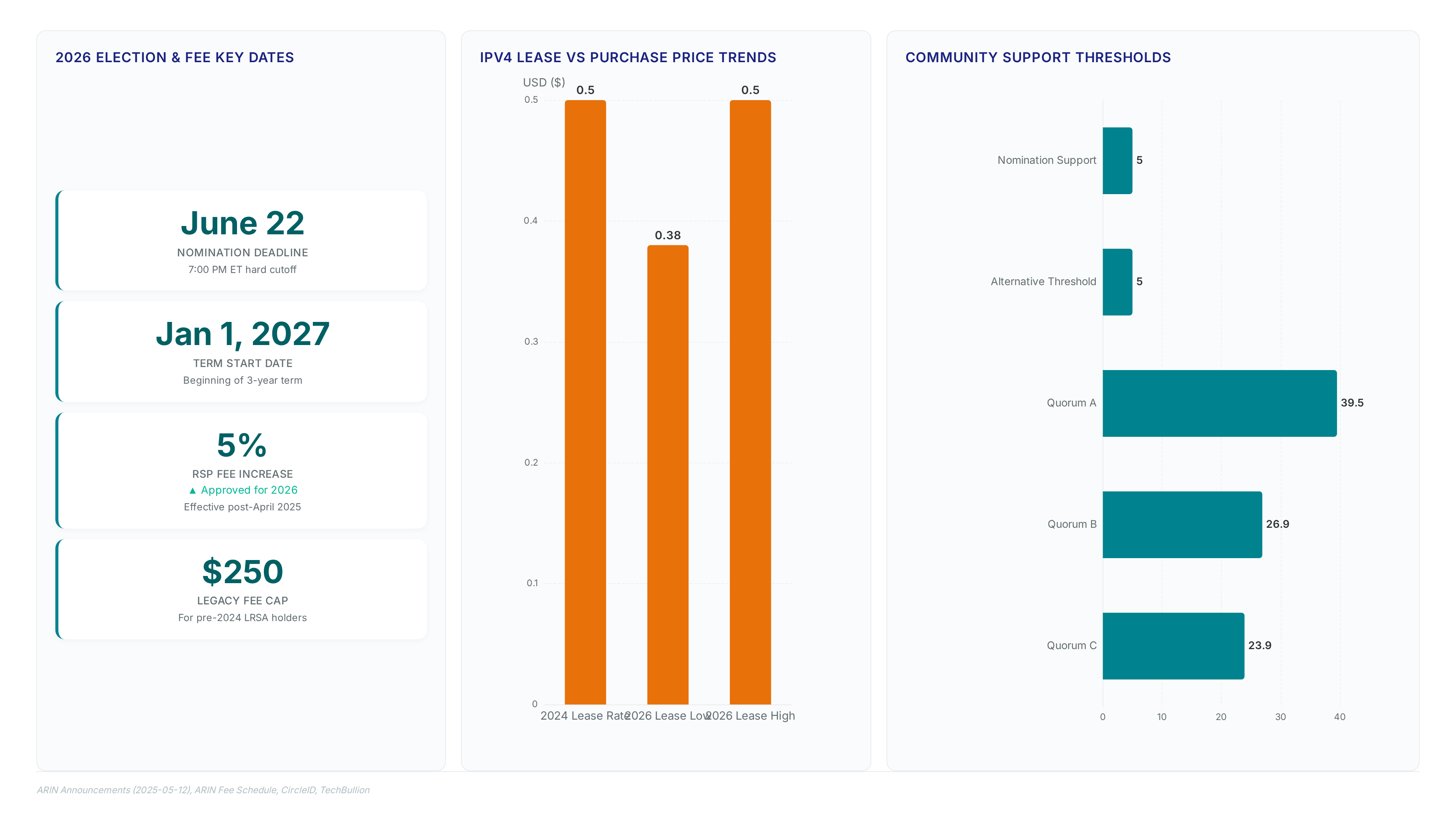
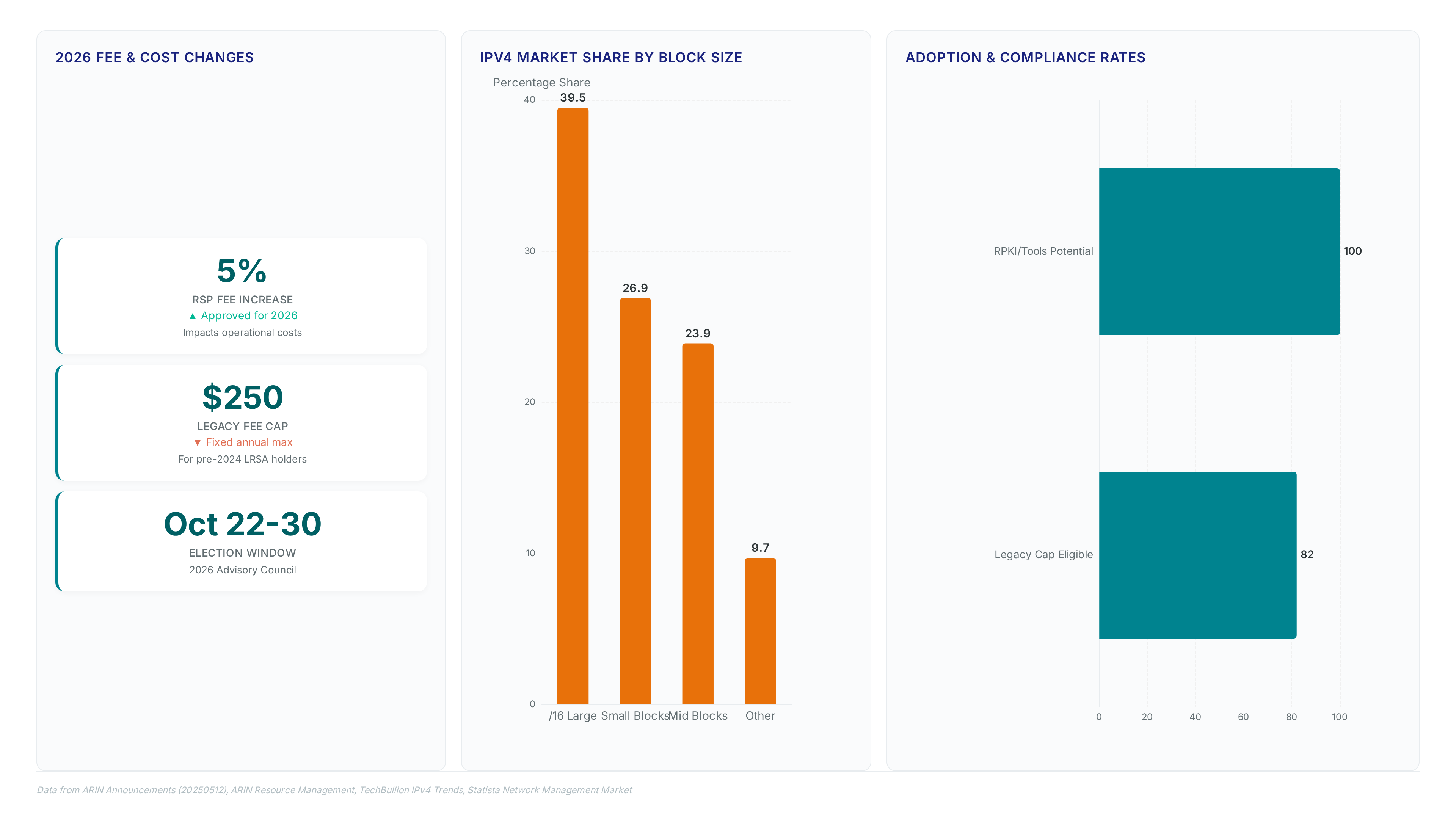
North America holds 39.5% of global IPv4. I break down ARIN 57 sponsorship tiers to show where your budget actually buys policy influence.

The NRO NC reviewed feedback from five regional lists. With 15 volunteers debating, these governance ambiguities need fixing before adoption.

With mobile traffic hitting 64%, rigid global governance frameworks are essential. I break down how new policies protect our shared resources.

With 8M records at stake, the 15-member ARIN Council needs your voice before the 2026.1 manual locks in new rules.

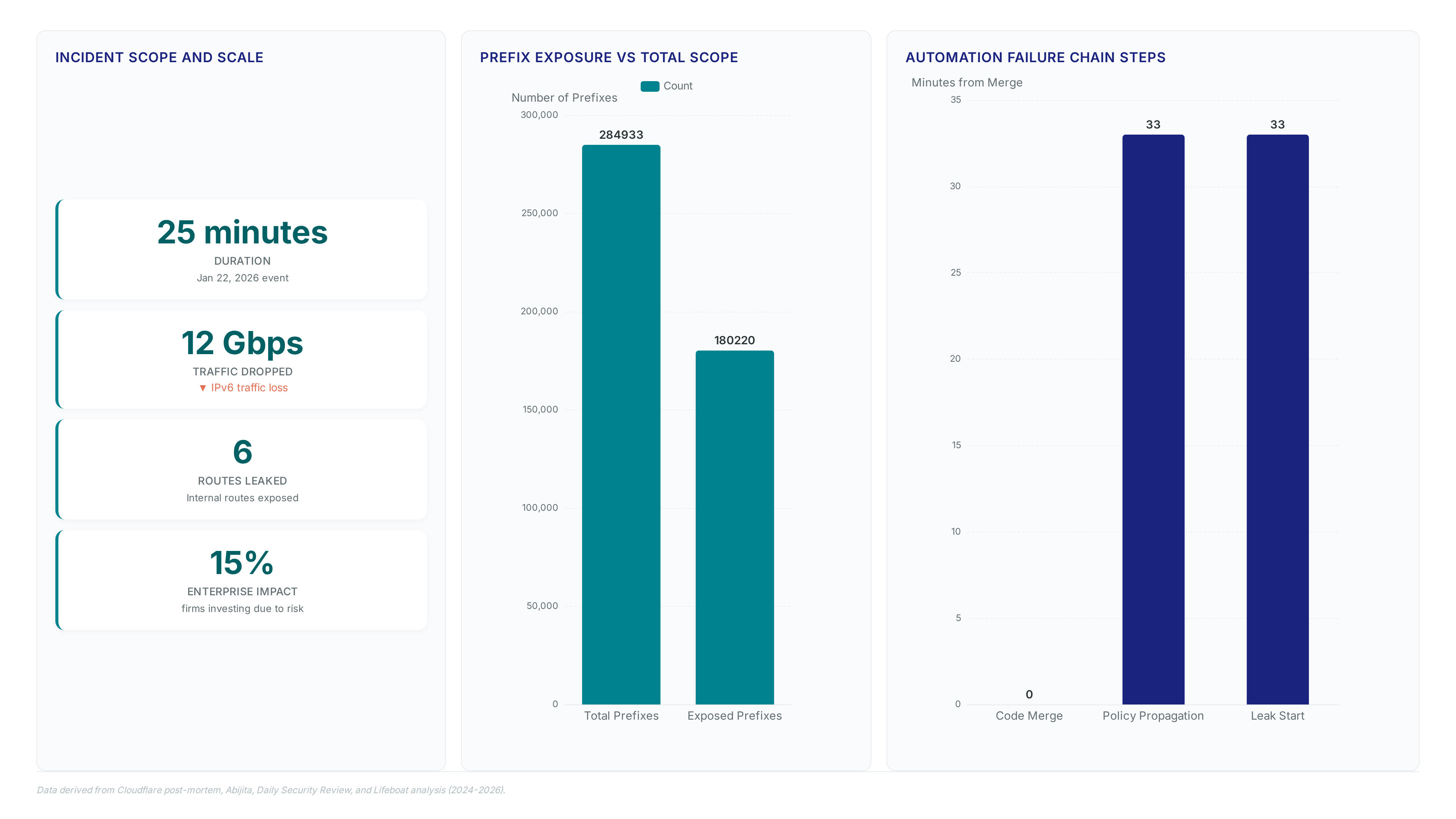
Cloudflare's 25-minute outage shows how automation errors cause route leaks. I break down the RFC7908 violation and how to fix it.

ARIN 57 meets in Louisville this April. With 74% of traffic now RPKI-secured, we analyze the gap between route counts and real safety.

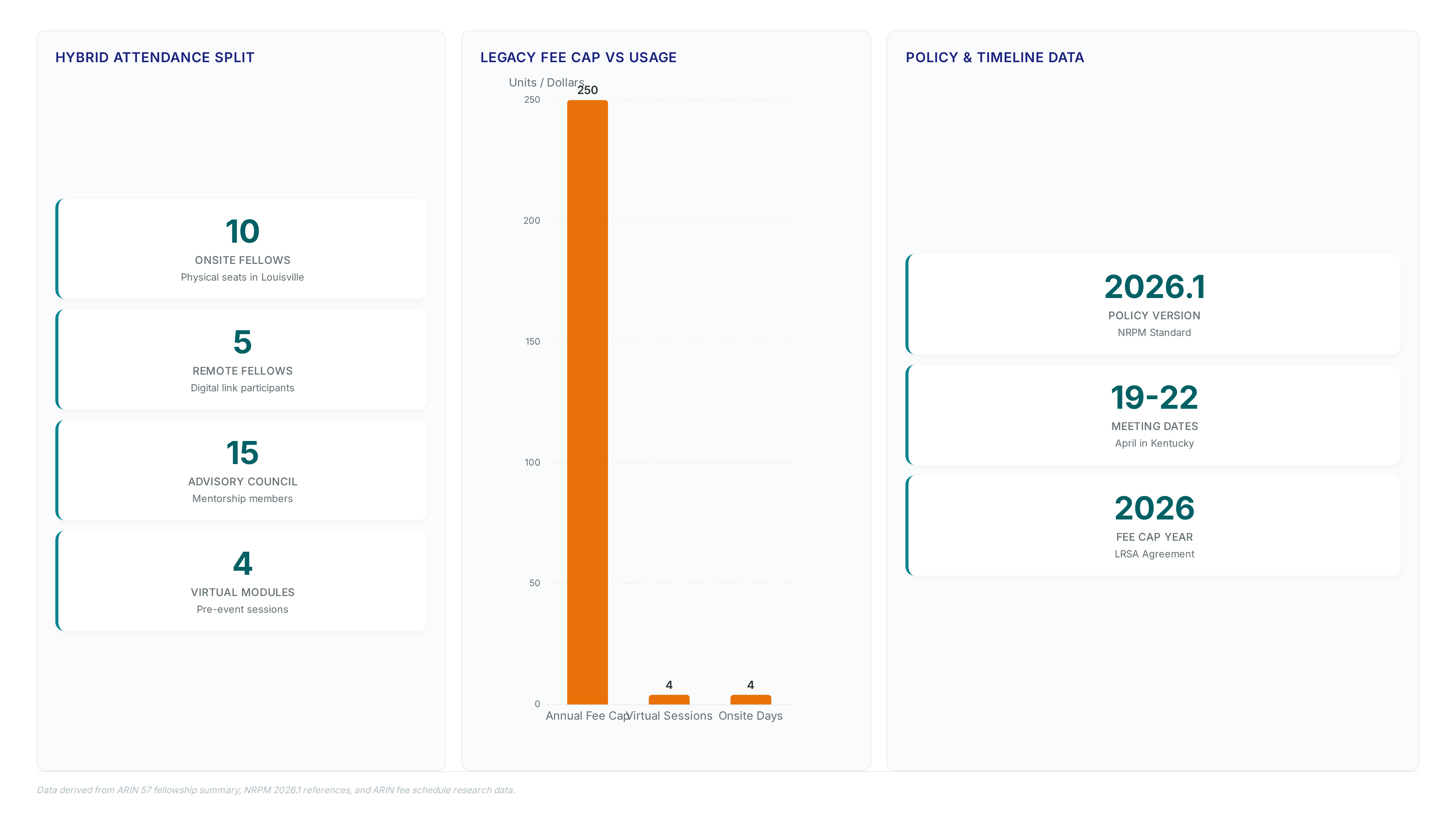
Only 10 individuals join the 2026 ARIN Fellowship. I break down the Jan 26 deadline and why generic applications fail every time.

Five individuals, including two former Fellows, now shape ARIN policy. Learn how the Jan 7 selection impacts your 2026 governance strategy.