
IPv4 Market Shift: Why Big Blocks Lose Value
Lease rates hold at $0.40 per IP while purchase values for large blocks correct downward in 2026.
 Alexander Timokhin
13 min read
Alexander Timokhin
13 min read

Lease rates hold at $0.40 per IP while purchase values for large blocks correct downward in 2026.
Alexander Timokhin
13 min read
Prices above a nominal threshold per address set the IPv4 market during past bidding wars, but that era has ended.
 Alexei Krylov
14 min read
Alexei Krylov
14 min read
Forty-eight views marked the launch of FastNetMon's new on-premises routing intelligence platform on 10 Jul 2026.
 Vladislava Shadrina
15 min read
Vladislava Shadrina
15 min read

The 2022 IPv4 market saw block transactions drop 28% while total addresses transferred surged 35%, per IPv4.Global data.
 Nikita Sinitsyn
12 min read
Nikita Sinitsyn
12 min read

A single Zayo misconfiguration triggered 50,000 reports in 30 minutes, proving global internet stability relies on precise BGP routing tables.
Nikita Sinitsyn
12 min read

RIPE 93 in Sofia targets IPv4 scarcity with 3,049 votes proving stakeholder engagement. Submit technical proposals by 14 August 2026.
 Evgeny Sevastyanov
13 min read
Evgeny Sevastyanov
13 min read

RIPE NCC General Meeting 2026 (Edinburgh, 20-22 May): why the 394-signature threshold makes it a ratification body, the held EUR 1,800 LIR fee, and what to do b
Vladislava Shadrina
10 min read
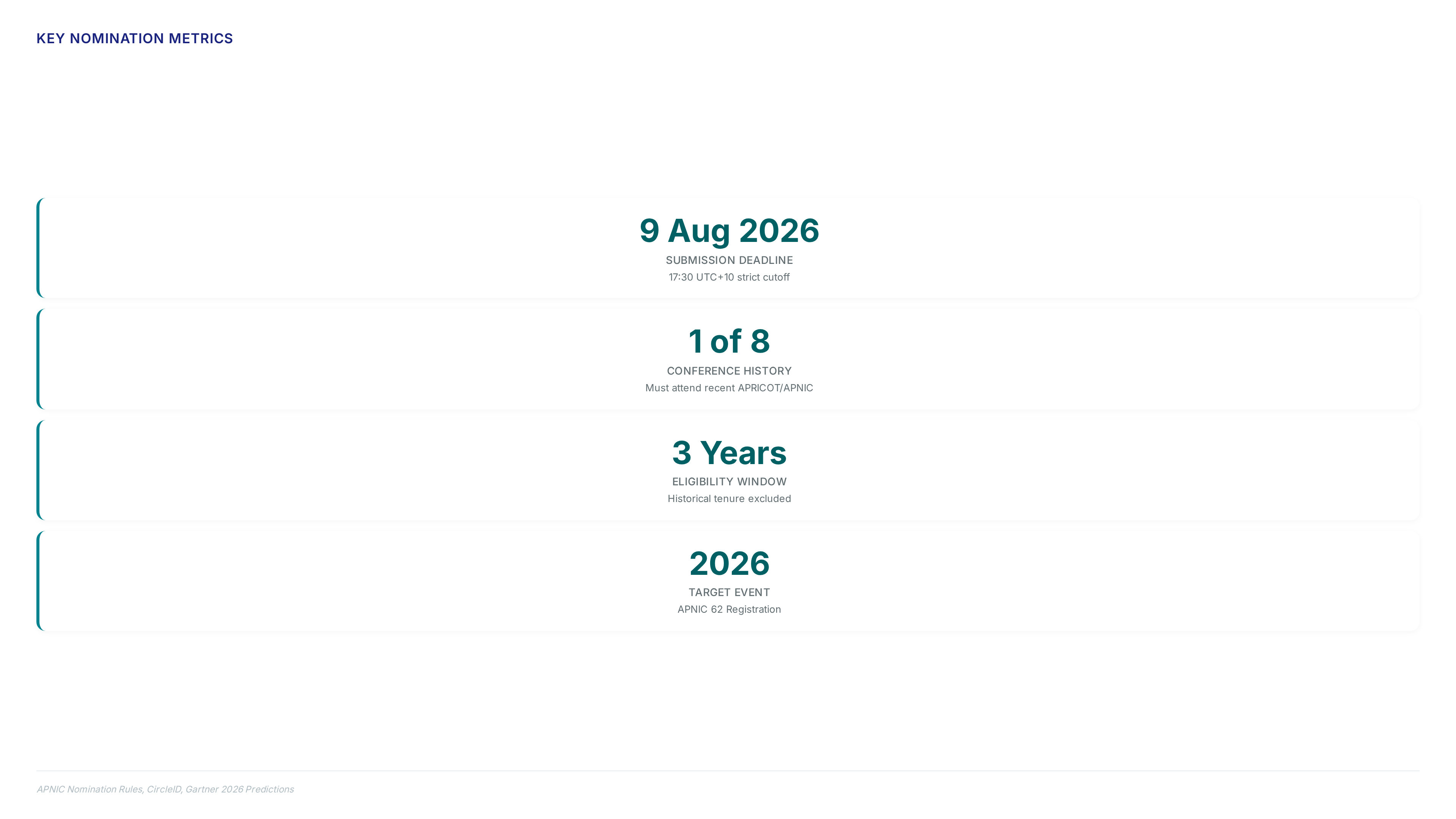
Nominations close 9 August 2026. I break down the strict attendance rules for the Asia Pacific seat and why this vote protects our routing security.
Evgeny Sevastyanov
15 min read

ARIN billing maintenance runs 8PM ET 1 May to 4PM ET 2 May 2026. What breaks, what keeps running, and how to verify the notice isn't a phishing copy.
Alexei Krylov
9 min read

Alan Barrett died one day after ICANN moved to defend AFRINIC. What his career reveals about the registry's single point of failure.
Alexei Krylov
11 min read

ARIN's Board approved a 5% RSP fee increase for 2027. It hits active registrants, not the $250 legacy cap. Here's what changes, and the one date that decides wh
Evgeny Sevastyanov
9 min read

ARIN 57 fee schedule for IPv4 holders: the $275 vs $250 gap, the IPv6 waiver deadline, transfer costs, and the Sept voting cutoff to act on.
Evgeny Sevastyanov
11 min read

RIPE NCC Annual Report 2025: an IPv4 operator's reading guide to the flat 1,800 EUR LIR fee, the 1,894 EUR Option A vote, and what the report won't tell you.
Alexander Timokhin
10 min read

The 2026 ARIN Community Grant funds noncommercial registry and IPv6 work, $1,000–$20,000, deadline 14 June 2026. Which projects actually win, and which category
Alexei Krylov
9 min read
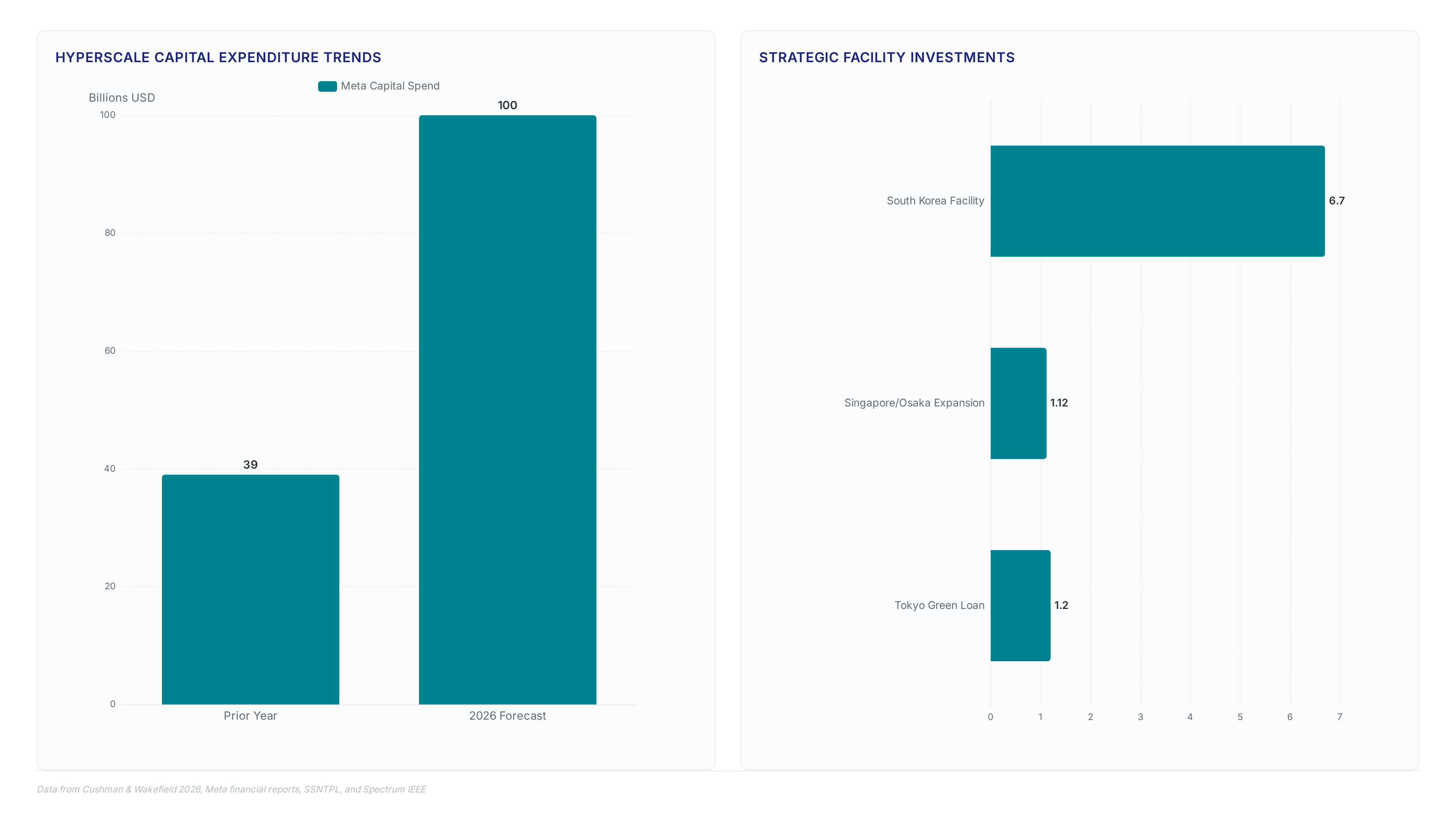
Asia's vacancy rate dropped to 10.9% as grids limit growth. I break down why AI demand is outpacing new builds in 2026.
Vladislava Shadrina
11 min read

Global ISP outages surged 92% in Q1 2026. See how CHINOG 13 uses peer data to harden Midwest infrastructure against cascading failures.
Alexei Krylov
12 min read
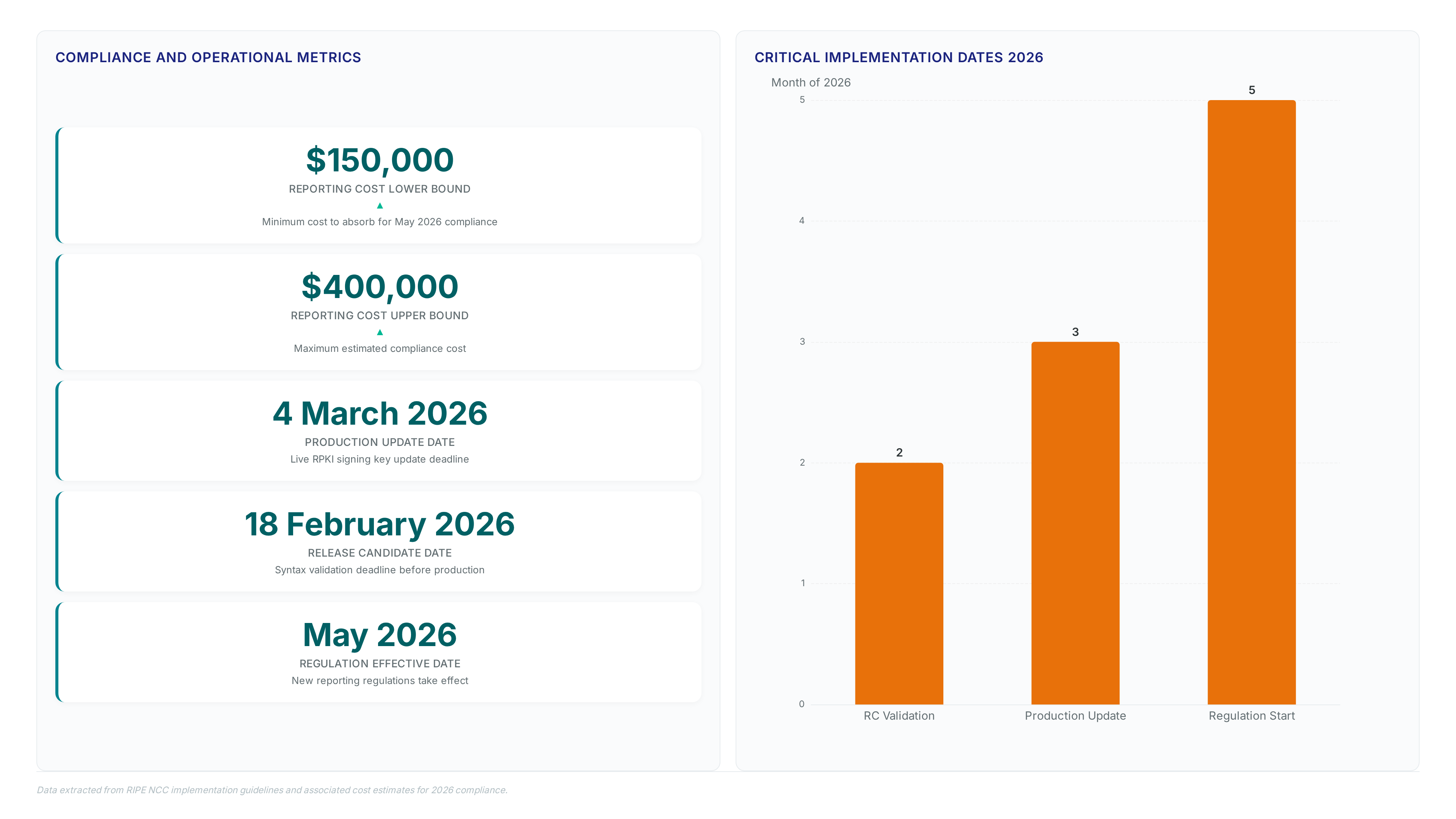
RIPE's Q2 2026 plan targets nine domains as power demand triples by 2030. Learn how to validate routes before the grid constrains growth.
Alexander Timokhin
11 min read

Seventeen new fellows join seven technical tracks to shape policy across 75 countries, ensuring skilled operators guide our shared infrastructure.
Evgeny Sevastyanov
14 min read
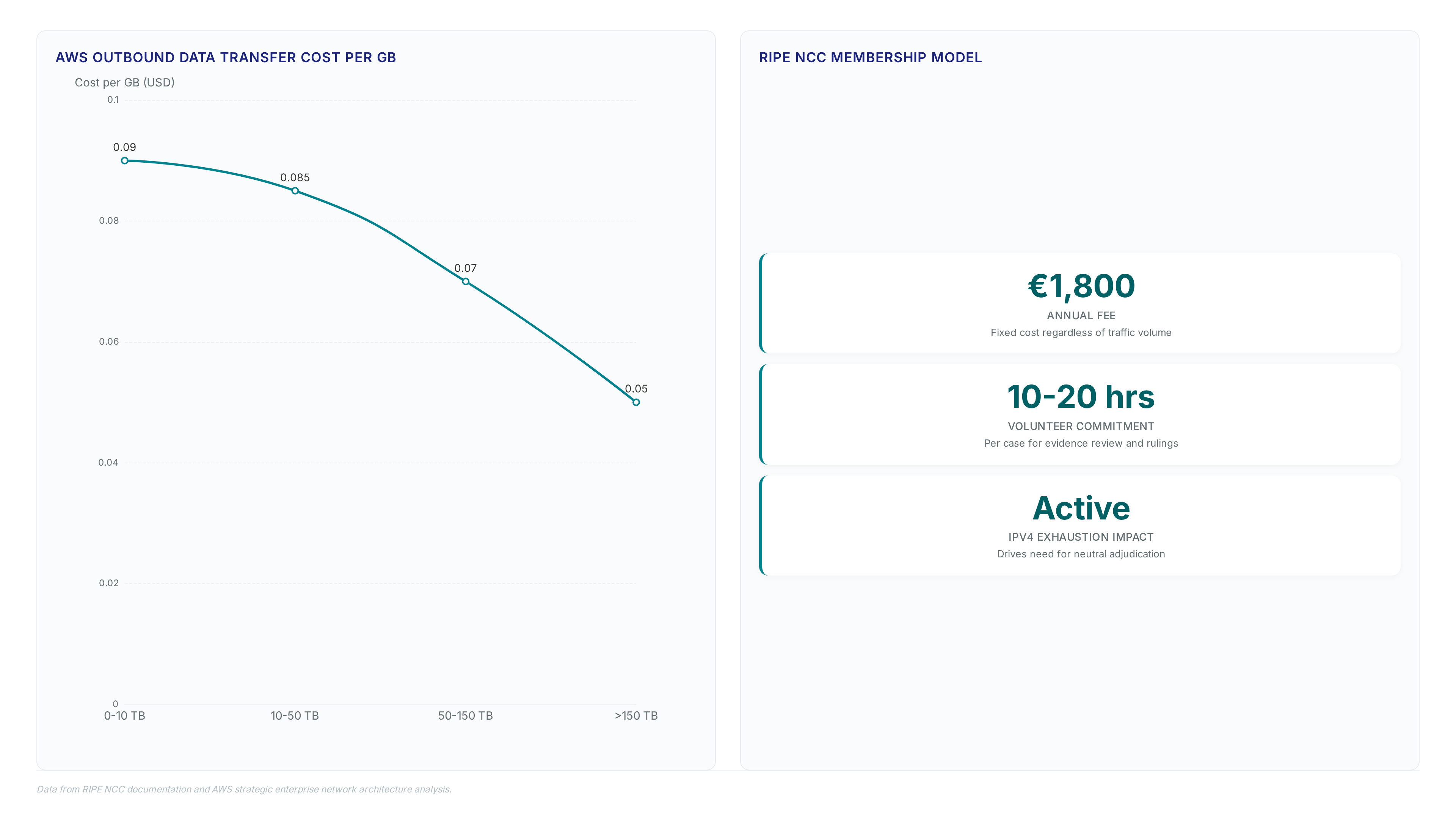
RIPE seeks volunteers by 6 March 2026 to resolve IP disputes. As IoT hits 21.9 billion devices, human arbiters remain essential for governance.
Evgeny Sevastyanov
13 min read
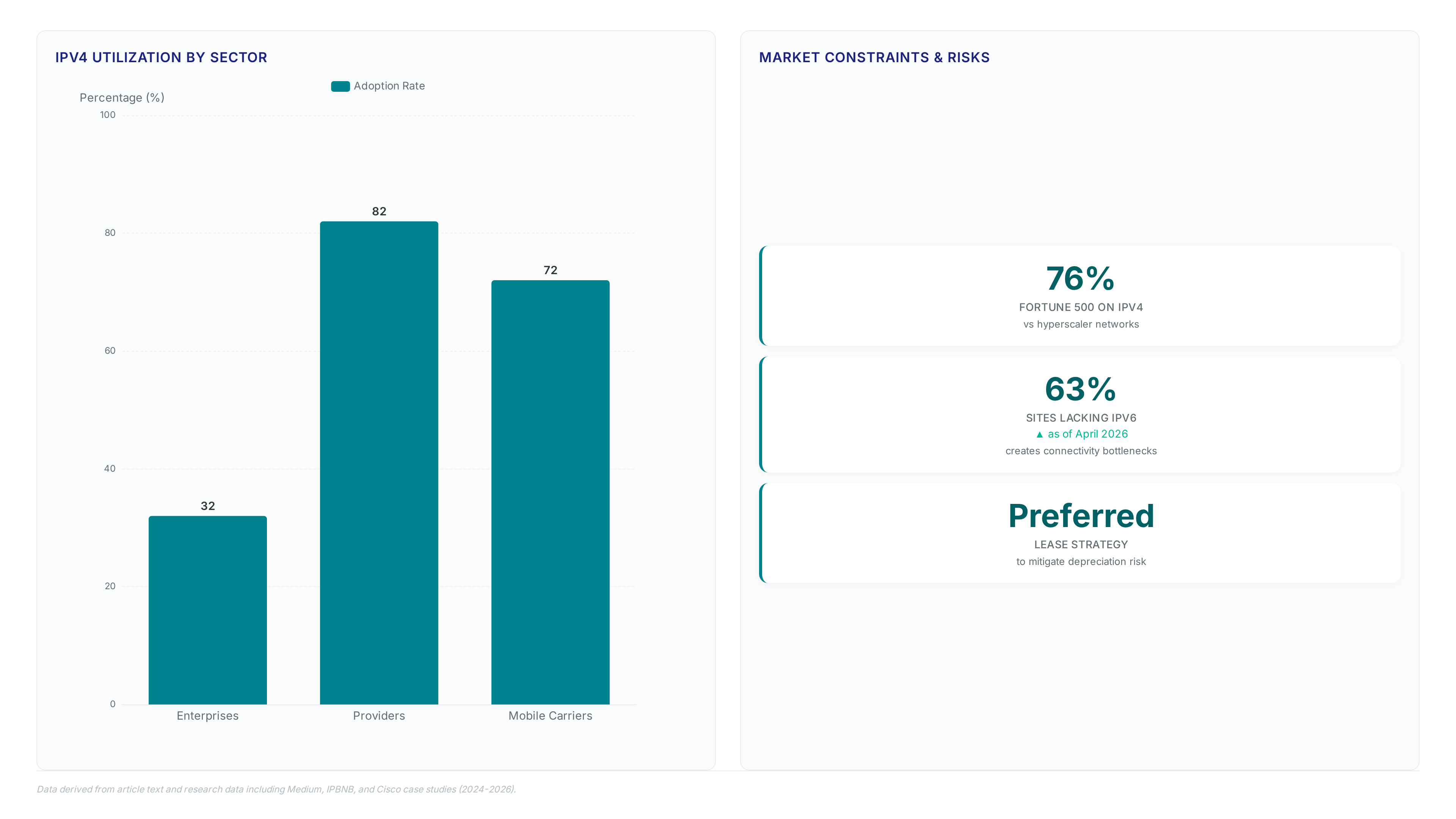
See how the 2026 NomCom vets candidates for three board seats managing 39.5% of global IPv4. A clear look at ARIN's election mechanics.
Nikita Sinitsyn
14 min read

With IPv6 traffic hitting 50.10%, the IPv8 proposal is an architectural dead end. We must optimize existing stacks, not chase vaporware.
Alexander Timokhin
13 min read

With IPv6 growth at just 5%, I explain why IPv8's telemetry claims don't yet justify leaving our stable IPv4 infrastructure behind.
Alexei Krylov
13 min read
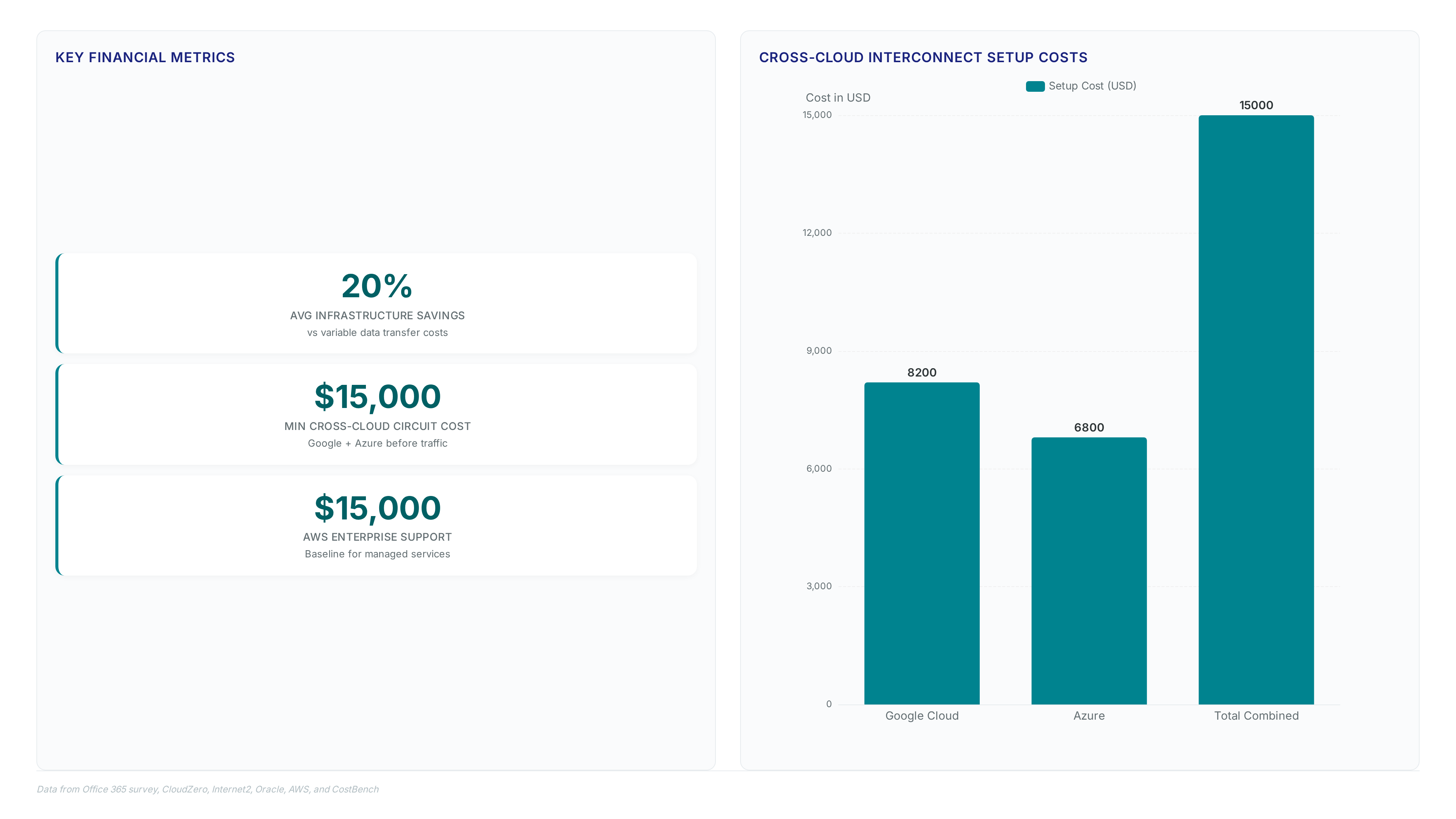
AWS Interconnect last mile launches April 15, 2026, turning weeks of manual coordination into instant clicks for your enterprise network.
Nikita Sinitsyn
13 min read

The March 3, 2026 update lets admins revoke public links with one click, ending passive detection for good.
Nikita Sinitsyn
9 min read
Move from experiment to production: learn why only 6% of firms scale AI and how new protocols solve payment and token gaps.
Nikita Sinitsyn
9 min read

State actors caused 219 incidents in Q1 2026. We analyze how 92% growth in outages shifts from glitches to tactical isolation.
Evgeny Sevastyanov
12 min read

I break down the RIPE 2026 proposal where the base fee stays at €1,800 but independent assignments rise to €75. See how Option A affects your LIR.
Nikita Sinitsyn
12 min read

IPv4 prices hit $32 by 2026. See how APNIC's consensus model, not voting, shapes these operational costs for Asia Pacific networks.
 Georgy Masterov
11 min read
Georgy Masterov
11 min read

ARIN filled 67 waiting list requests in April using 40 cleared blocks. Learn why verifying IP reputation is critical before you deploy.
Alexander Timokhin
14 min read

Six volunteers decide ARIN's 2026 funding. Learn how this panel reviews 8M records to ensure technical merit wins over political favors.
Alexei Krylov
13 min read

With native access at 50.10%, basic setup fails. Learn why advanced design skills are the new bottleneck for secure networks.
Vladislava Shadrina
13 min read
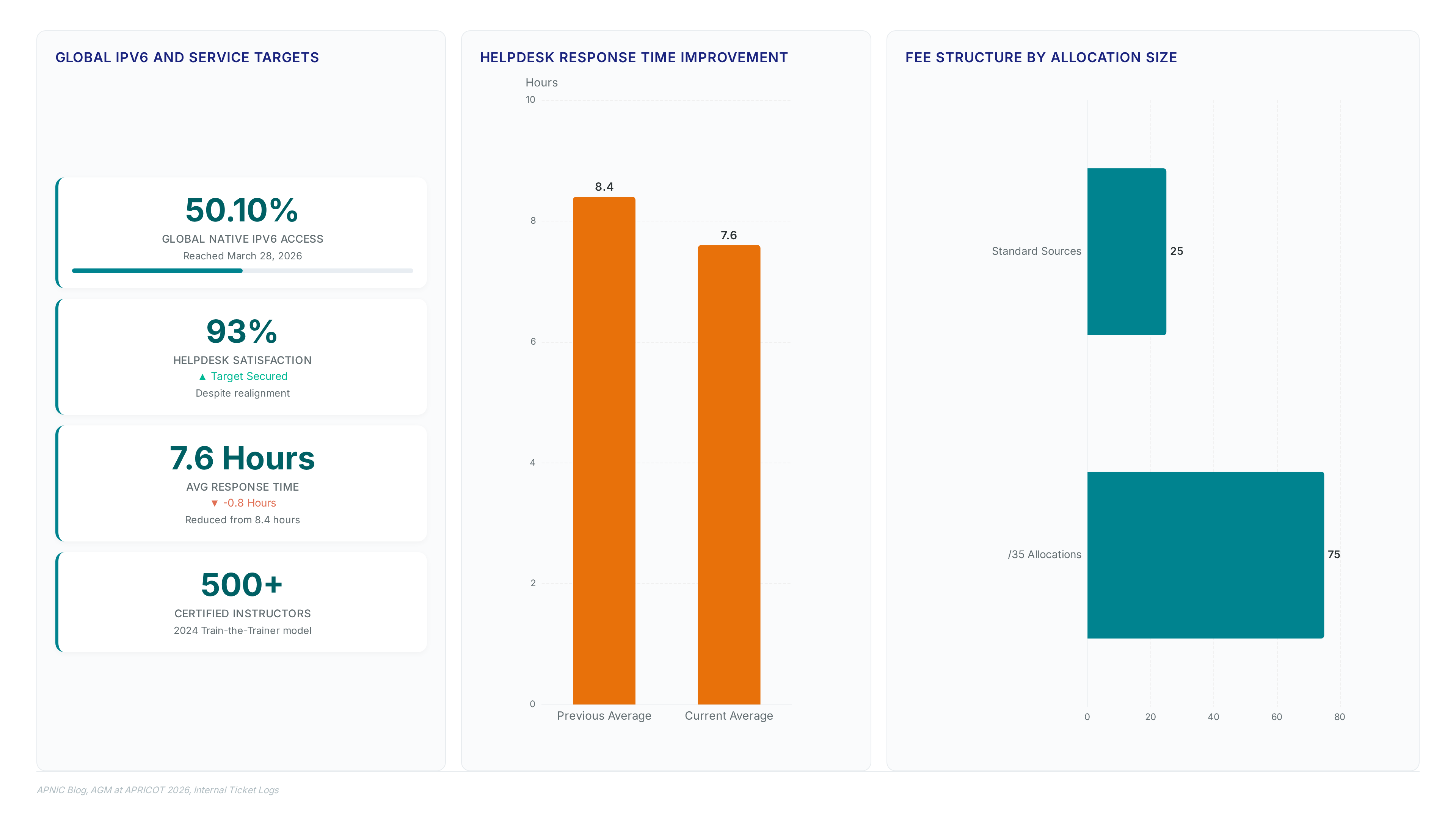
APNIC growth hit just 1.6% in 2025. I analyze how new security pillars and 7.6-hour support times impact your IPv4 strategy today.
Alexei Krylov
9 min read

I'm joining the APNIC 2026 Fellowship selection. Volunteers dedicate up to five hours to assess candidates for Mumbai.
Nikita Sinitsyn
13 min read
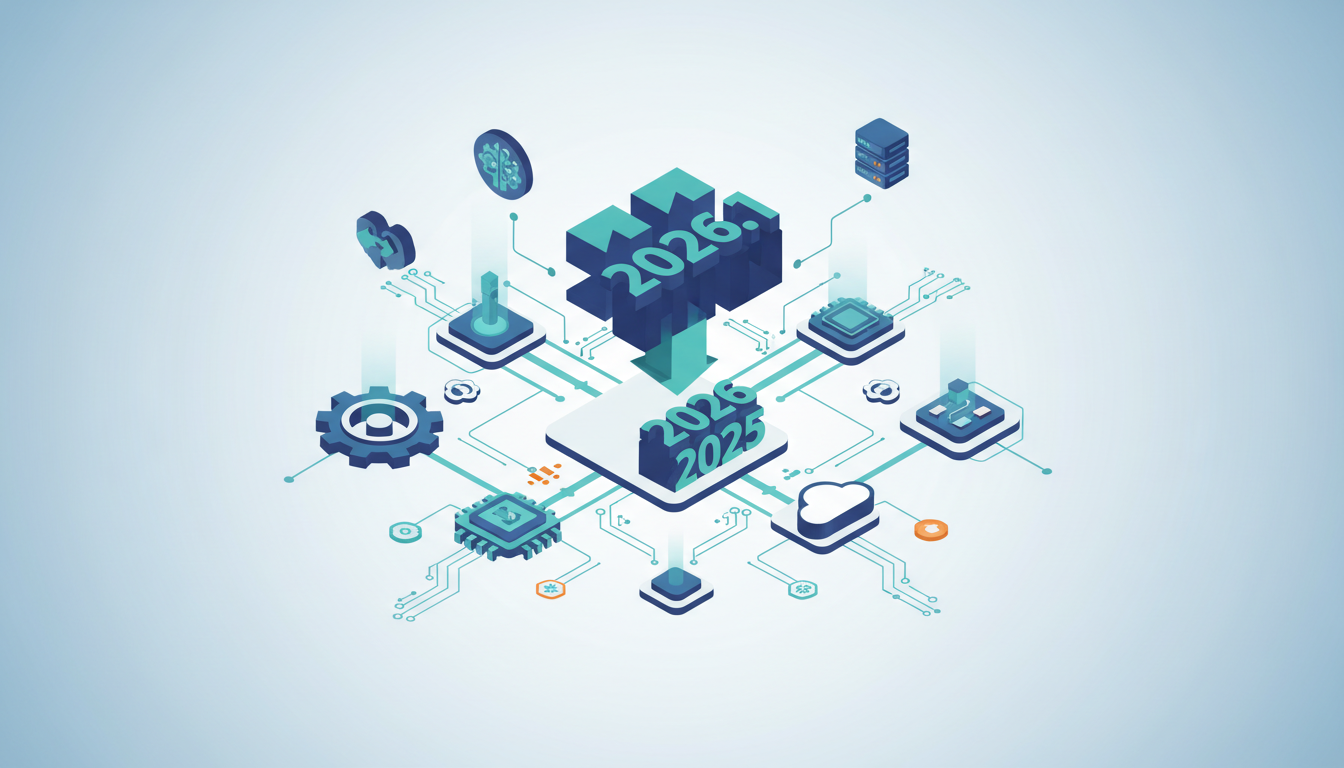
NRPM 2026.1 went live on March 3, replacing the 2025 edition. Learn why section 8.5.1 changes mean strict new fees for your IP blocks.
Vladislava Shadrina
13 min read

Applications close 13 March 2026. I break down why the 5-month tech track beats passive training for real operational skills.
Alexei Krylov
13 min read

Third-party breaches drive a massive share of incidents. Unauthenticated BGP routing remains a critical, undermanaged vulnerability you must fix.
Nikita Sinitsyn
15 min read

Nominations close April 29, 2026. We analyze how the fixed EUR 1,800 fee impacts strategic direction for the registry.
Evgeny Sevastyanov
13 min read
At APNIC 61, chairs debated prop164. See why a /36 block might fracture routing tables for millions of users tomorrow.
Vladislava Shadrina
12 min read
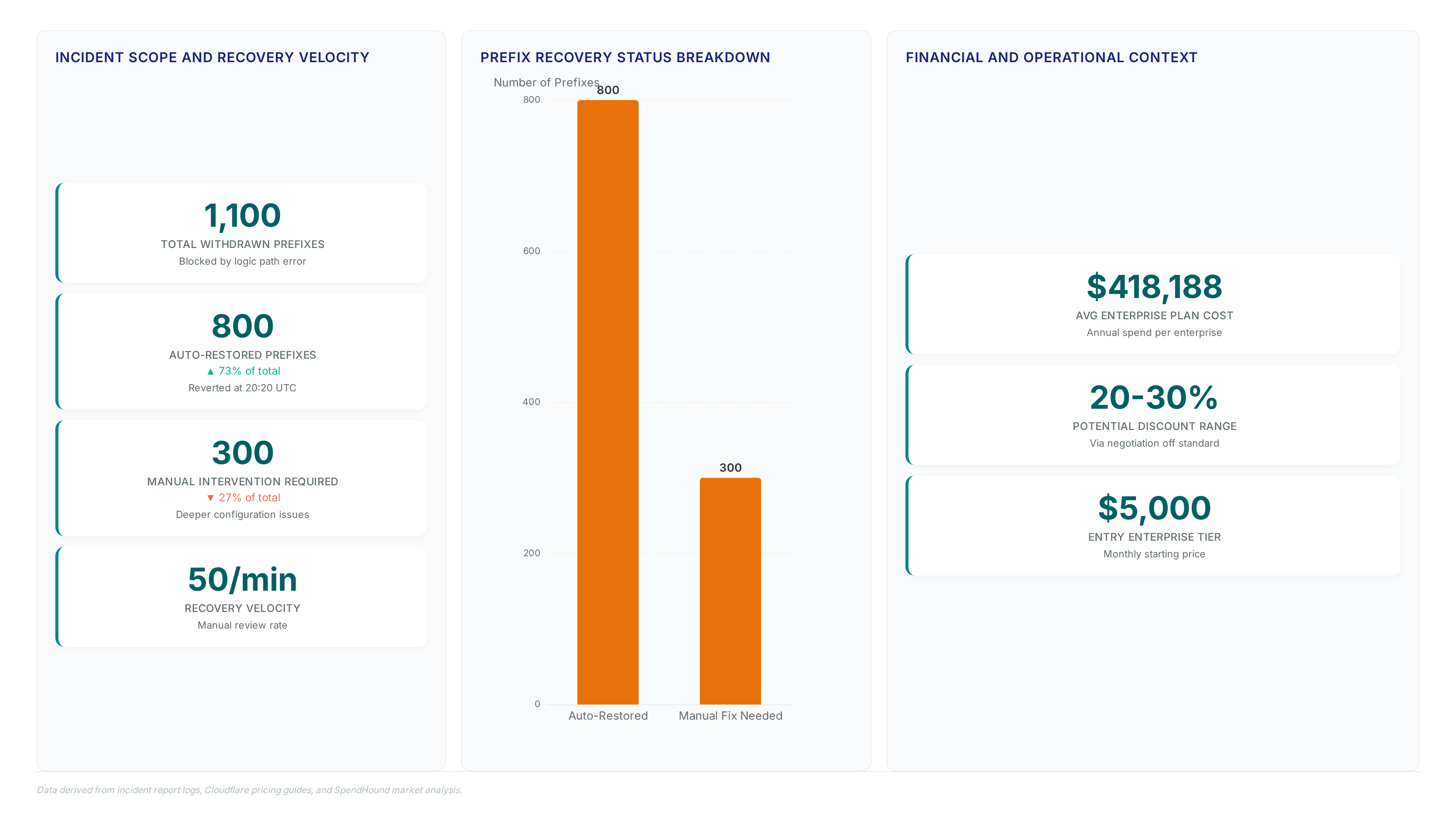
I analyze how a single bug withdrew 1,100 prefixes, causing a 6-hour outage that proves automated changes need human safeguards.
Vladislava Shadrina
11 min read

Join me in Jakarta for APRICOT 2026. We'll tackle Prop164 and prepare our networks for the 70% of enterprises adopting agentic AI soon.
Vladislava Shadrina
13 min read
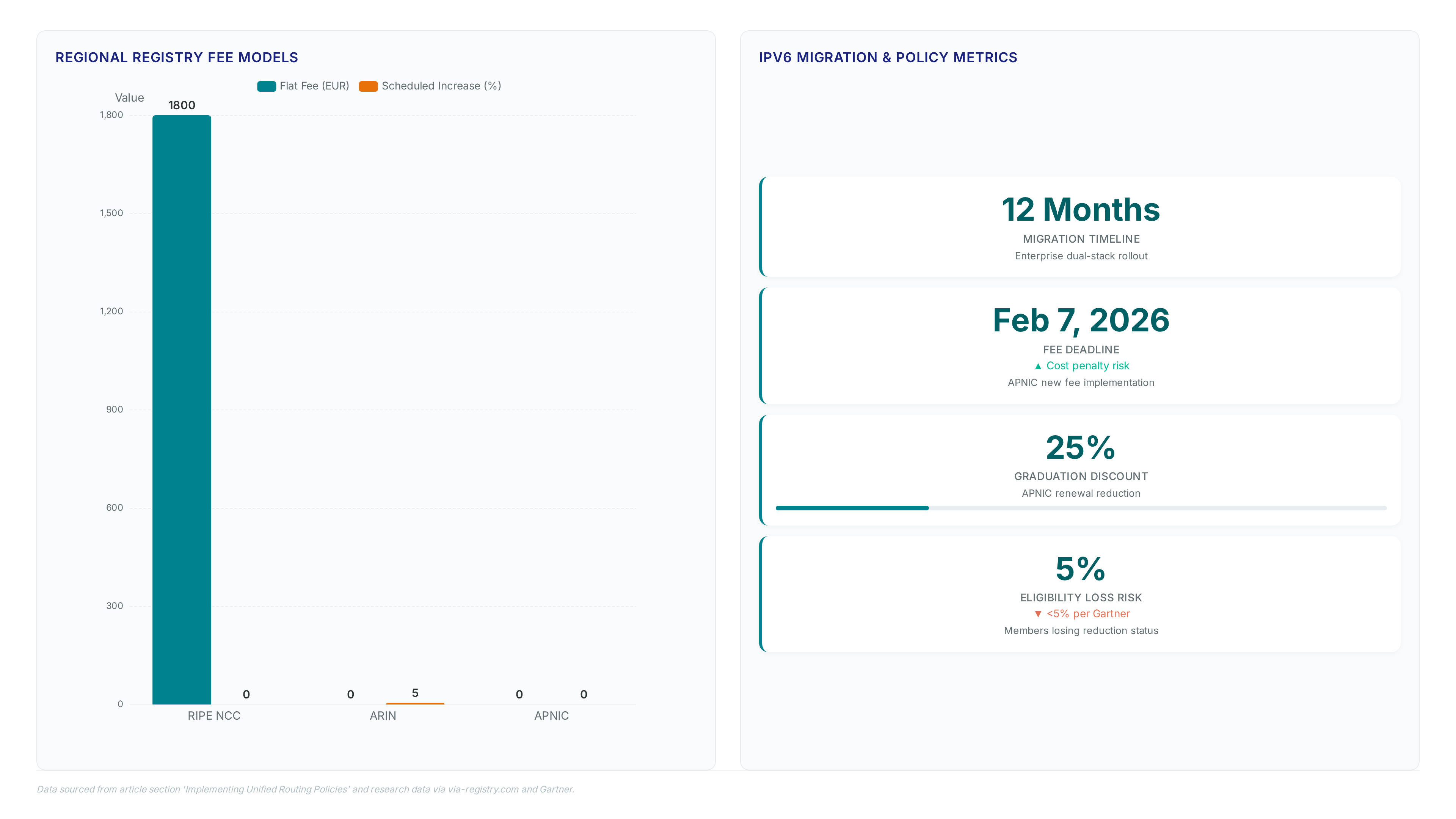
See why 95% of orgs lack network visibility. Learn real IPv6mostly tactics and automation strategies from Jakarta's top engineers.
Georgy Masterov
13 min read

ARIN cleared 149 requests in Jan 2026. I explain why the 388-day queue beats paying $90 per IP on the volatile private market.
Vladislava Shadrina
13 min read

Only 10 individuals join the 2026 ARIN Fellowship. I break down the Jan 26 deadline and why generic applications fail every time.
Nikita Sinitsyn
12 min read