IPv4 Announcement Costs: Why RPKI Matters in 2026
With IPv4 values hitting $15 per IP in 2026, missing RPKI records risks your entire investment. Learn how strict filtering impacts your network.

Transform idle IPv4 blocks into revenue with 24/7 monitoring. InterLIR's five-step plan secures asset reputation while enabling immediate liquidity.
Becoming an LIR involves an administrative fee and a rigid four-step process. Learn if direct RIPE NCC membership fits your BGP4 needs.
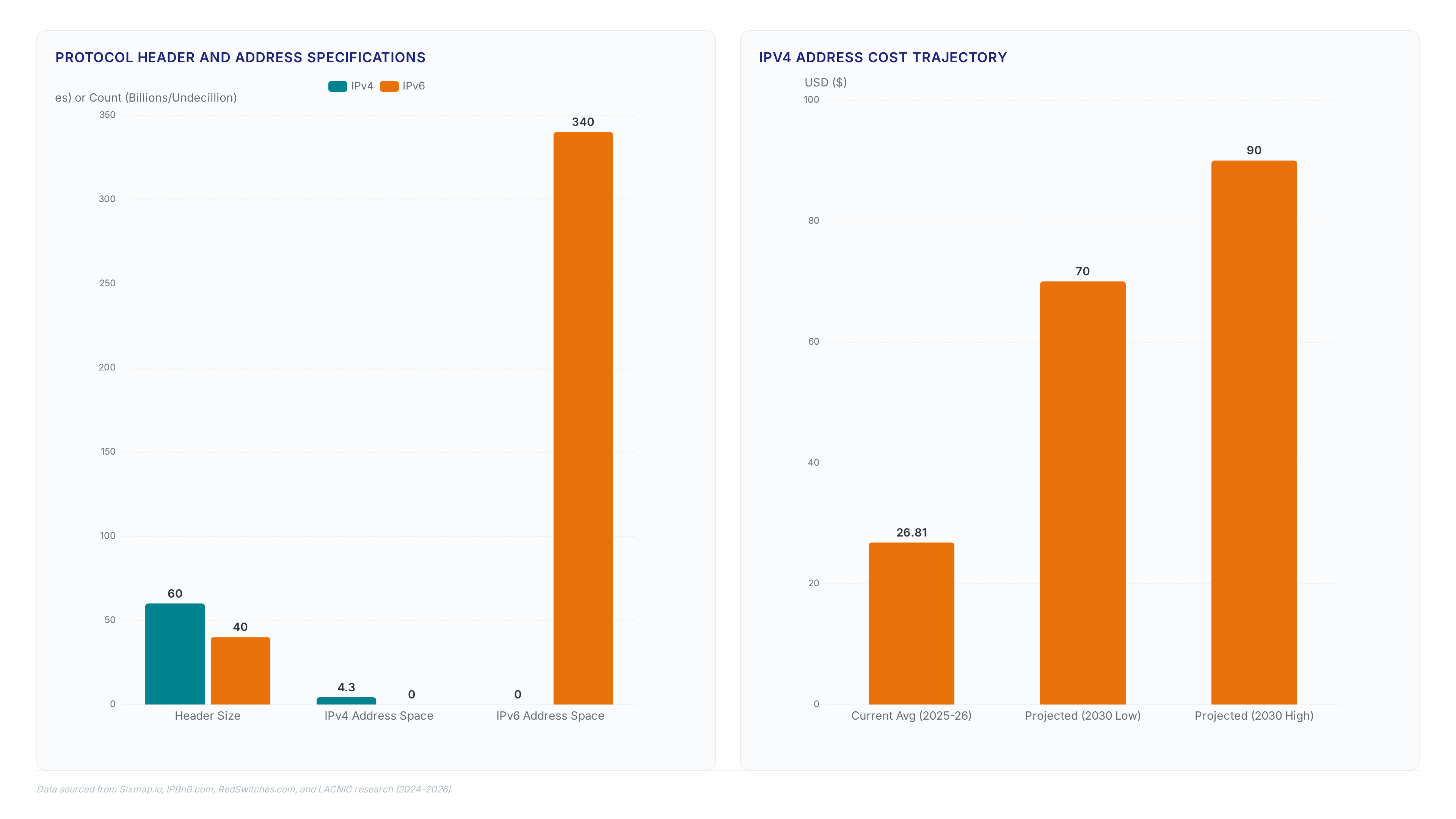
IPv6 delivers 340 undecillion addresses to solve the exhaustion of IPv4's 4 billion slots. This protocol serves as the mandatory evolution for global...
Leasing a /24 subnet from $300 delivers immediate scale without the capital drag of permanent acquisition.
The global IPv4 secondary market now exceeds billions of dollars annually. Address space functions as critical capital, not a mere utility.
Managing over 50,000 IP addresses makes manual subnet math an obsolete liability. Discover how automated precision prevents configuration drift in large...
InterRIR transfers demand strict policy compliance from both source and recipient registries to remain valid and avoid voided operations.
ARIN requires proving operational need for 24 months. InterLIR verifies blocks against 100+ blacklists to ensure your transfer clears RIR scrutiny.
The weighted average price for IPv4 addresses reached $19.56 per IP in April 2026 based on 110 transactions.
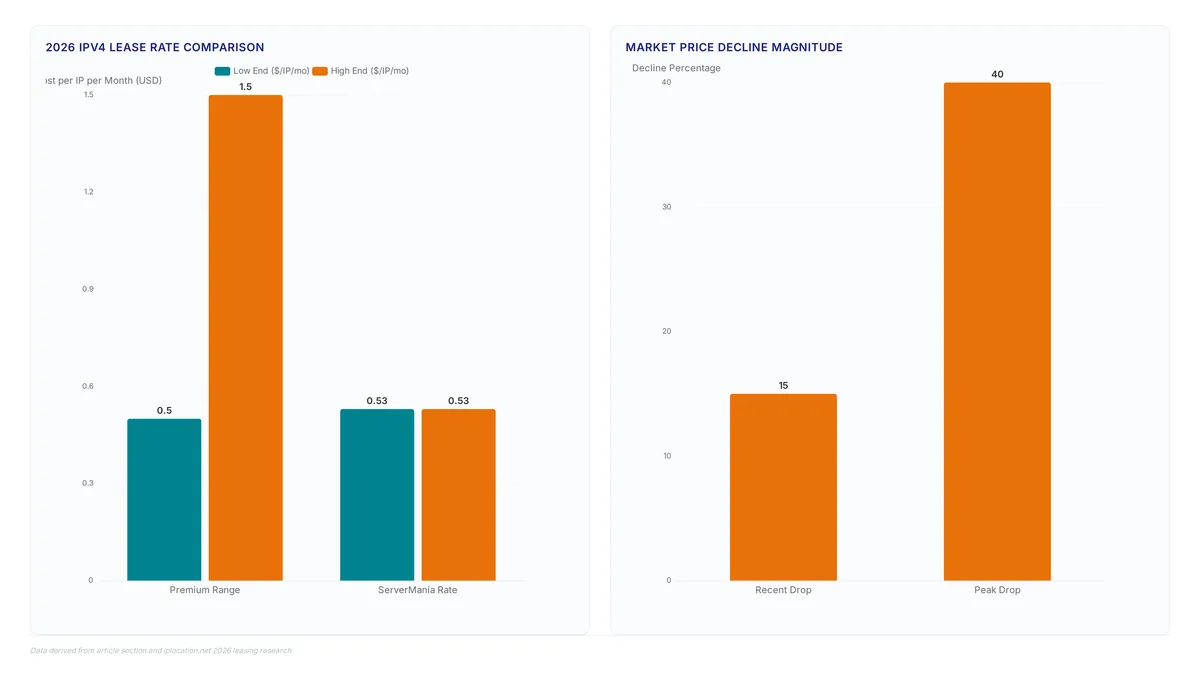
Leasing IPv4 addresses in 2026 costs between $0.50 and $1.50 per IP monthly, a rate that defines current infrastructure budgeting.
Since 2018, brokers have defined the IPv4 market. Learn how leasing replaces ownership to meet immediate cloud demands without RIR delays.
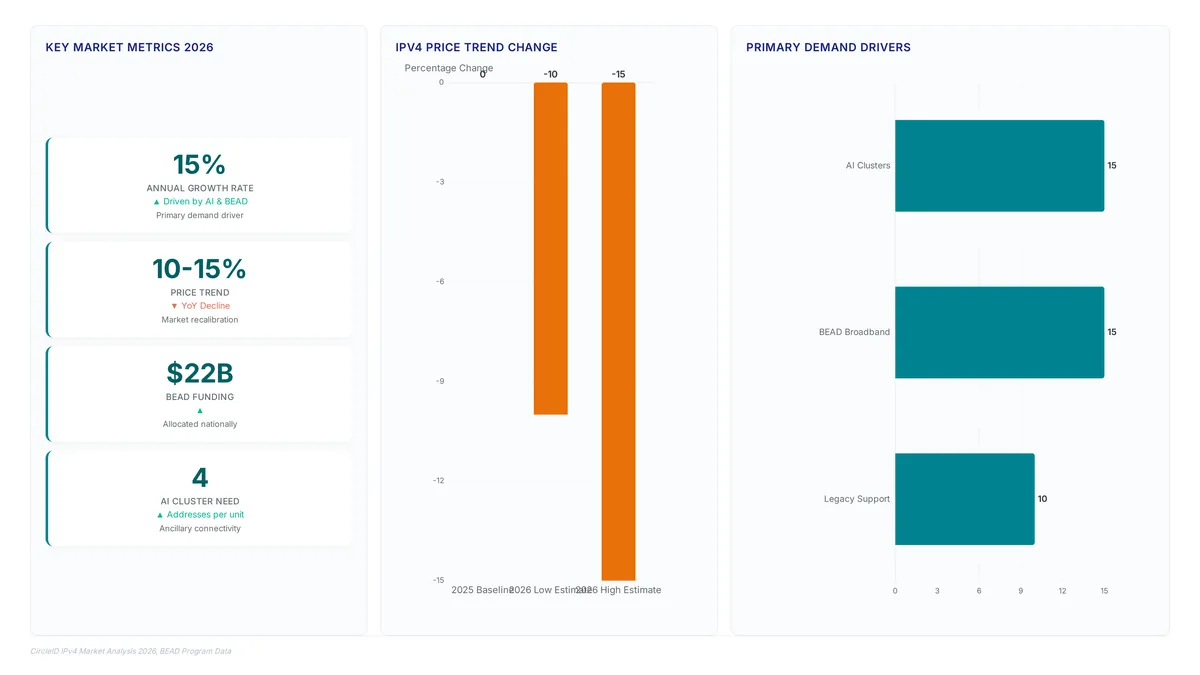
Falling 2026 prices signal market maturity, not collapse. With only 18.6 million addresses left, secure transfers and compliance are now critical for success.
Starting at a competitive price per IP address, InterLIR provides a set entry point for buyers in the current IPv4 marketplace.
In 2026, you secure registration rights, not ownership. Learn how this shift drives IPv4 block valuation and transfer rules today.
With the global IPv4 pool exhausted, unused blocks are now critical capital. Learn to navigate leasing or sales securely without fraud risks.
Secure IPv4 transfers in 2026 require strict due diligence to avoid contested space. Learn how InterLIR ensures legal compliance and clean title.
IP scarcity drives the shift toward IP resource automation as businesses seek to monetize unused assets.
Selling IPv4 addresses requires navigating complex RIR transfer processes to ensure legal ownership changes and maximum asset recovery.
The 32bit structure of IPv4 defines absolute scarcity. Discover how professional mediation ensures secure transfers and protects buyers from fraud in this...
Lease IPv4 blocks from /24 to /16 with terms from 1 month to 5 years. Maintain full routing control without capital expenditure.
Convert dormant IPv4 blocks into capital while navigating RIR transfer rules. InterLIR ensures secure, compliant sales for your unused network assets.
In 2026, blind trust in market availability is a liability. The operational reality for network infrastructure demands rigorous validation of IPv4...
RIPE NCC caps initial IPv4 allocations at exactly 1,024 addresses. InterLIR helps you manage these finite assets without bureaucratic rejection.
With over 2500 clients relying on IPv4Connect, the market for selling unused IP assets has reached an inflection point.
InterLIR GmbH delivers IPv4 blocks in under 24 hours to solve acute network availability crises.
Learn how accredited brokers use escrow mechanics to protect capital during complex IPv4 transfers and ensure legal title without revocation risks.
Skip the wait for a /22 block. InterLIR provides immediate IPv4 access without the administrative overhead of direct RIPE NCC membership.
Renting IPv6 /48 blocks costs $66.65 yearly, proving leasing bypasses traditional scarcity while offering immediate network deployment for servers.
Leasing a /24 block costs between $128 and $384 monthly, while specific providers like Host-telecom.com quote quarterly rates starting at 600.00 € for...
The era of free IPv4 acquisition is dead. With only a limited number of unallocated addresses remaining globally, network operators face a binary...
With pools shrinking from 44.8M to 18.6M, learn how InterLIR separates legal title from routing rights for secure IPv4 leasing.
Leasing rates define the current IPv4 address economy in 2026. Owners monetize surplus inventory through custom IPv4 lease terms while retaining full...
Skip 8-week procurement delays; deploy clean IPv4 blocks in 24 hours via automated BGP routing for immediate network scaling.
The IPv4 address market has shifted from bidding wars exceeding $50 per unit to a moderated system in 2026.
Organizations can acquire IPv4 addresses starting at a competitive rate per IP through InterLIR's marketplace, a baseline that defines current entry...
IPv4 offers exactly 4,294,967,296 unique addresses. That is the hard ceiling. The 32-bit architecture creates a finite pool that the industry can no...
One LIR held 21 allocations by manipulating accounts, proving RIPE proposal 2010-02 failed to ensure fair competition.
Microsoft paid $11.25 per address to Nortel in 2011, instantly creating a paid market for IPv4 assets.
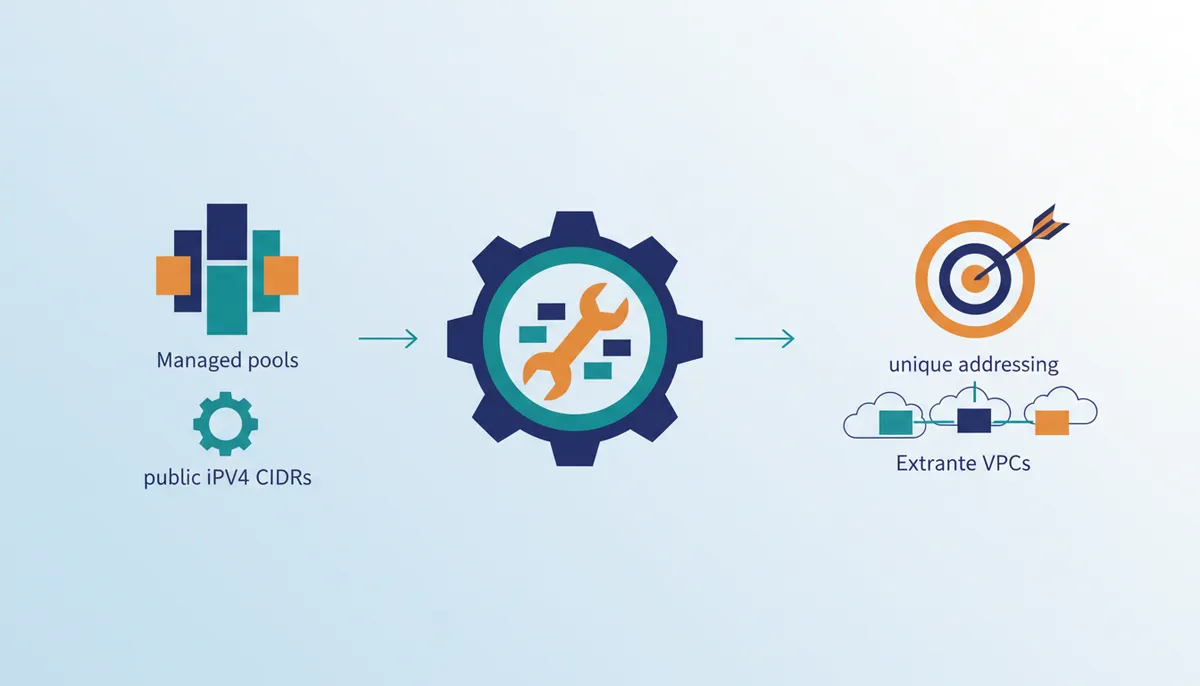
Overlapping RFC 1918 spaces break routing. Use public IPv4 blocks to bypass NAT limits and secure partner access without renumbering networks.
Over 1,300 Route Origin Authorizations mark the shift to independent servers. InterLIR helps you host your own RPKI infrastructure for full control.
ARIN enforces a 24-month need justification for transfers. InterLIR verifies seller authority and routing hygiene to secure your /24 block safely.
Five Regional Internet Registries govern global IPv4 scarcity. Learn how InterLIR automates compliance for complex IntraRIR and InterRIR transfers.
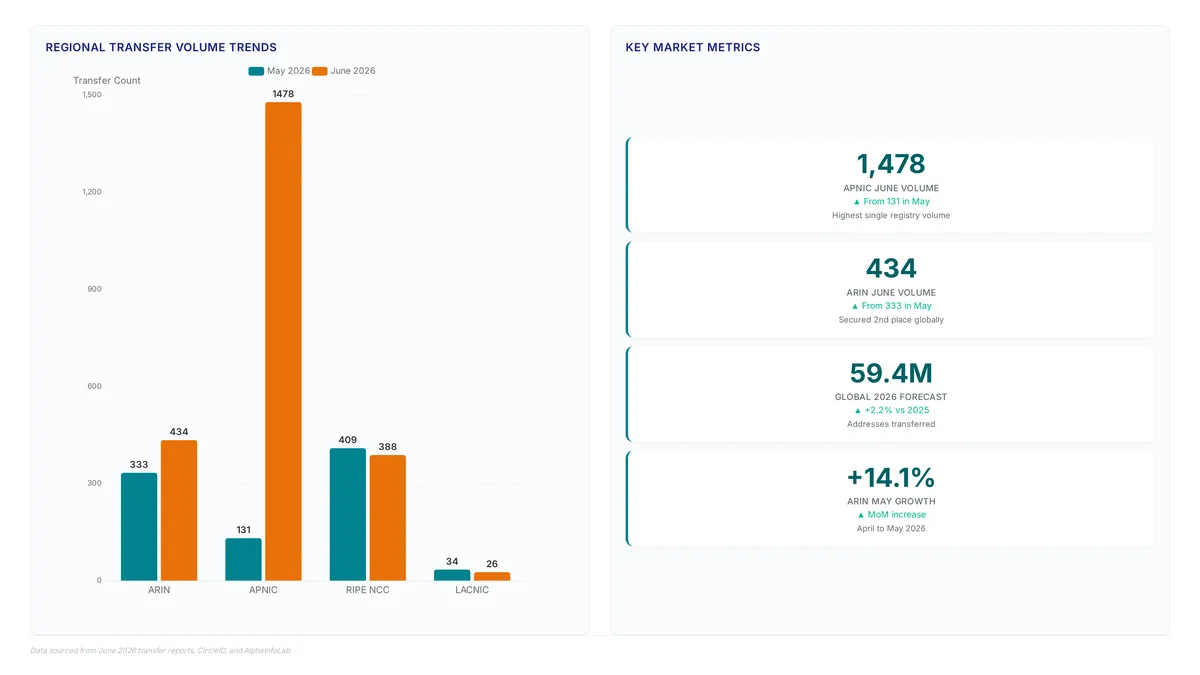
APNIC transfers surged from 131 in May to 1,478 in June, defining the liquidity shock of the 2026 IPv4 market.
With small blocks reaching $45 per unit, InterLIR helps secure clean IPv4 assets before 2026 price corrections tighten the market further.
Institutions get a /48 network but must prove need for more. Discover how local registry policies link address access to active network participation.
Leasing a single /24 IPv4 subnet starts around $150 monthly, a fraction of the capital required for permanent ownership.
With 713 Local Internet Registries stuck on the IPv4 Waiting List, the RIPE NCC confirms that address scarcity is now a hard operational constraint.
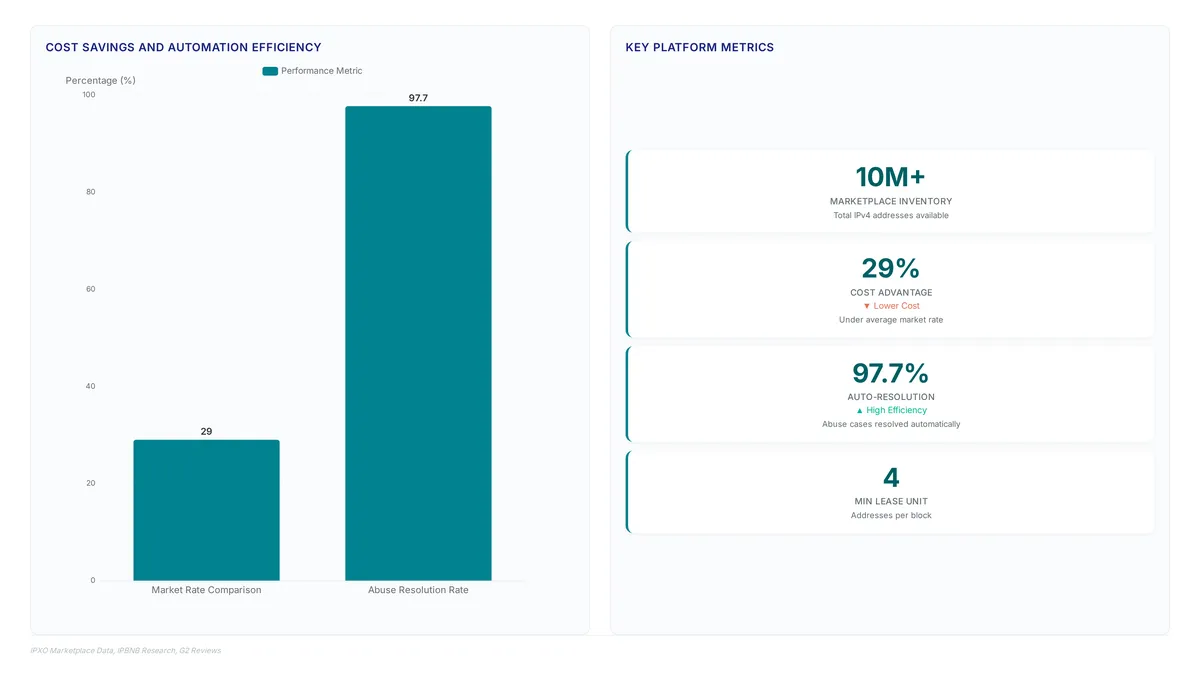
Leasing costs approximately less than average market rates according to IPXO data. The modern network strategy has shifted from capital-intensive...
Cut IPv4 transfer time to under 24 hours while maintaining strict registry compliance and preventing hijacking with verified ASN context.
Avoid dropped packets from bad IPv4 leasing. Learn the 4 steps to align RIR policies and ROA records for safe, global routing continuity.
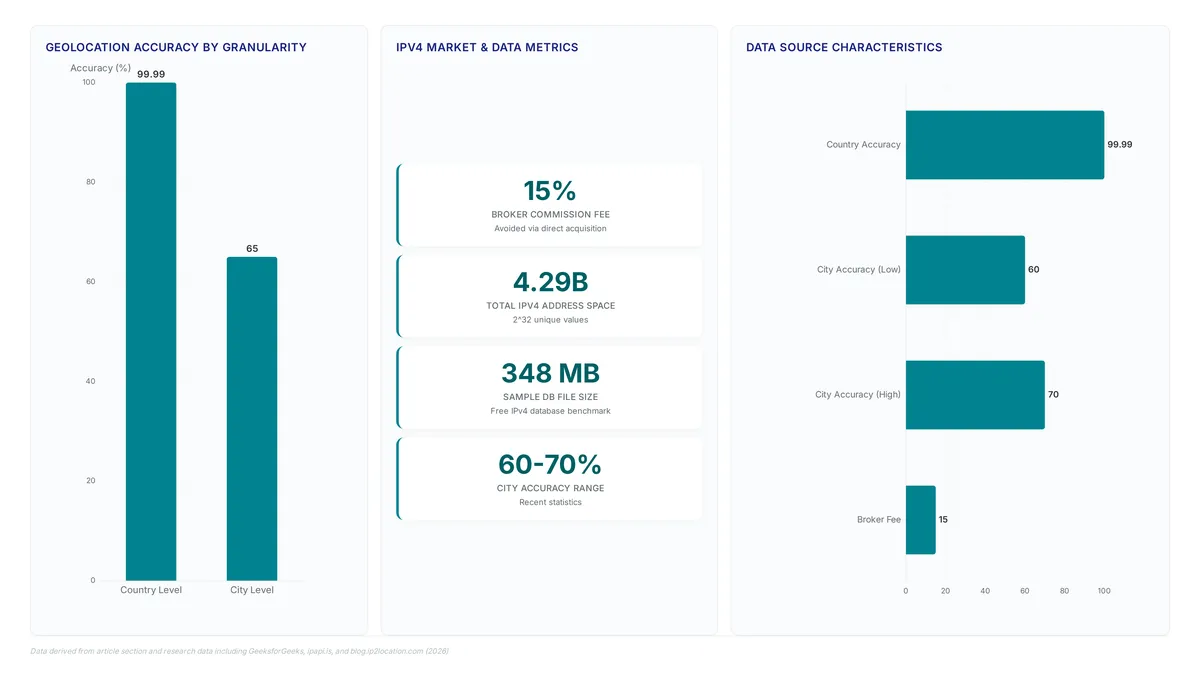
With 4.3 billion addresses as the hard global limit, dormant IPv4 blocks represent tangible capital. Learn to audit and monetize unused ranges today.
IPv4 transfers demand strict RIR coordination to avoid policy violations. Learn how i.LEASE manages the resource review process for secure transactions.
With only 4.3 billion addresses possible, leasing offers a practical path. Learn how to verify authentic blocks and structure secure rental deals today.
With only 4.3 billion addresses possible, the 32-bit space is exhausted. Learn how secondary markets now drive global infrastructure deals safely.
Explore how 32-bit IPv4 structures define device identity and why the 4.3 billion address cap drives modern infrastructure scarcity today.
LACNIC policy 2.21 mandates the original Spanish text overrides translations. Learn how this strict hierarchy impacts your regional IP address allocation...
With RIPE NCC fees hitting EUR 1,800 in 2026 and only a /24 available, InterLIR offers immediate IPv4 access without the wait.
Five distinct zones manage global IP policy under ICANN. Learn how strict governance impacts your network's access to finite IPv4 resources today.
A /24 IPv4 subnet delivers exactly 256 addresses, the smallest prefix accepted by global BGP routing without triggering filters that discard longer paths.
With only 4,294,967,296 unique IPv4 addresses available, global governance strictly controls allocation through regional registries rather than direct access.
APNIC identified 54 million unadvertised addresses. Learn why preapproval is vital before seeking an IPv4 source to avoid deal cancellation.
Secure IPv4 blocks with no-revocation guarantees for 36 to 60 month terms, ensuring stable BGP sessions without capital expenditure risks.
Since IANA's 2011 pool exhaustion, free IPv4 blocks are gone. Learn why leasing is the strategic fix for network expansion today.
Explore why the hard 32-bit ceiling of 4,294,967,296 addresses makes understanding legacy class structures vital for modern network planning.
IPv4's 32-bit design caps the global pool at exactly 4,294,967,296 addresses. Discover how this finite limit shapes modern network routing today.
With human traffic under 10%, machines now drive the critical exhaustion of IPv4 addresses.
The 2026 IPv4 market favors calculated private negotiation over auction frenzy. Learn how escrow services and RIR protocols secure your block transfer today.
IPv4 sale prices jumped from $6 to $60 as free pools vanished. See why addresses are now financial assets, not just utilities.
Over 33 million IPv4 addresses moved via leasing recently. Discover how automated platforms convert dormant blocks into recurring revenue streams.
Leasing IPv4 blocks grants access to inventory but confers zero permanent registration rights or network autonomy.
Renting IPv4 addresses starts at just $0.42 per IP monthly via InterLIR, bypassing the capital exhaustion of permanent acquisition.
Transform dormant inventory into revenue. With 4.3 billion addresses exhausted, learn how leasing surplus blocks creates yield without divesting control.
With over 820 million unused IPv4 addresses sitting idle while the global transfer pool shrank by nearly 60%, leasing has become the only viable...
Policy LAC-2019-01 broke the mold. Before 2019, moving IPv4 address blocks across regional borders usually required a corporate merger or acquisition.
Buying an IPv4 address in 2026 costs between $18 and $45 per IP, while leasing runs $0.30 to $0.50 monthly.
Paying $1.20 per IP instead of $50 defines the immediate financial logic behind modern IPv4 leasing strategies.
With 3,687,518,752 addresses delegated, APNIC's free pool is history. Discover how strict limits force operators toward leasing and secondary markets today.
Only 3.9 million unallocated addresses remain. The IPv4 leasing market has shifted from an optional tactic to an operational imperative.
Stop manual binary math. This tool instantly resolves subnet masks and calculates exactly 254 usable hosts for a standard /24 network block.
56,629 global IPv4 transactions have occurred since 2012, yet January 2026 saw APNIC transfers drop to just 88. Scarcity has shifted the battlefield.
Small /24 subnets trade near $30 per IP. Learn RIPE NCC eligibility rules for allocated and independent resources to avoid costly policy violations.
AWS charges $0.005 per hour, making an idle IP cost exactly $43.80 annually. Discover why treating addresses as infinite resources is over.
Discover why IPv4 purchasing breakeven stretches to 12 years with overhead, while leasing offers flexibility for under 24-month projects.
APNIC's 2010 policy shift created IPv4 liquidity by allowing transfers, establishing the /24 minimum block size still used today.
Leasing IPv4 addresses now averages $0.40 per IP, offering immediate relief from exhausted inventories.
The global IPv4 transfer pool shrank nearly 60% from 2015 to mid-2024, forcing ISPs to adopt leased address blocks.
Lease IPv4 blocks to bypass high upfront capital while maintaining legacy systems. Avoid the IPv4 poverty penalty with flexible monthly terms.
Zen Internet withdraws free IPv4 blocks after originating 500,000 addresses. Learn how the shift to leasing impacts your network budget and planning.
Five Regional Internet Registries manage global IP allocation, acting as the sole gatekeepers between IANA and the wider network infrastructure today.
Stop tying up $10,000 in idle assets. Leasing IPv4 blocks offers a flexible OpEx model, letting you scale networks without the heavy capital drag.
Early 2026 data confirms 3.7B IPv4 addresses remain allocated, yet zero are free. Explore how NAT and subnetting sustain global network operations today.
With few hundred thousand IPv4 addresses left, leasing offers speed. Learn how operators bypass ownership delays to scale proxy deployment effectively today.
Stop paying inflated broker fees for IPv4 blocks. With only 4,294,967,296 addresses total, InterLIR ensures clean title history and direct seller access.
With only 4.3 billion unique addresses total, the IPv4 market demands agility. Leasing offers a flexible path around permanent scarcity.
Buying a single IPv4 address currently costs between a nominal fee and $60, with most 2026 transactions settling near $45 per unit.
Convert idle inventory into liquid capital with InterLIR's automated leasing. Access clean IPv4 blocks delivered in under 24 hours.
With only 4,294,967,296 unique IPv4 addresses, treating them as mere utilities ignores critical market scarcity and economic reality.
ARIN requires 2,000 IPv6 addresses in 12 months for end-user justification. Learn how entity classification dictates your allocation path.
Over 56,000 transactions prove the market works, but missing Deed of Covenant details causes immediate rejection. Learn the exact steps to validate.
With only 34% of IPv6 space advertised, clinging to IPv4 Router IDs creates unnecessary phantom infrastructure and collision risks.
The APNIC 62 policy proposal call is open through 7 Aug 2026. What turns a submitted proposal into an adopted one, grounded, specific, defensible.
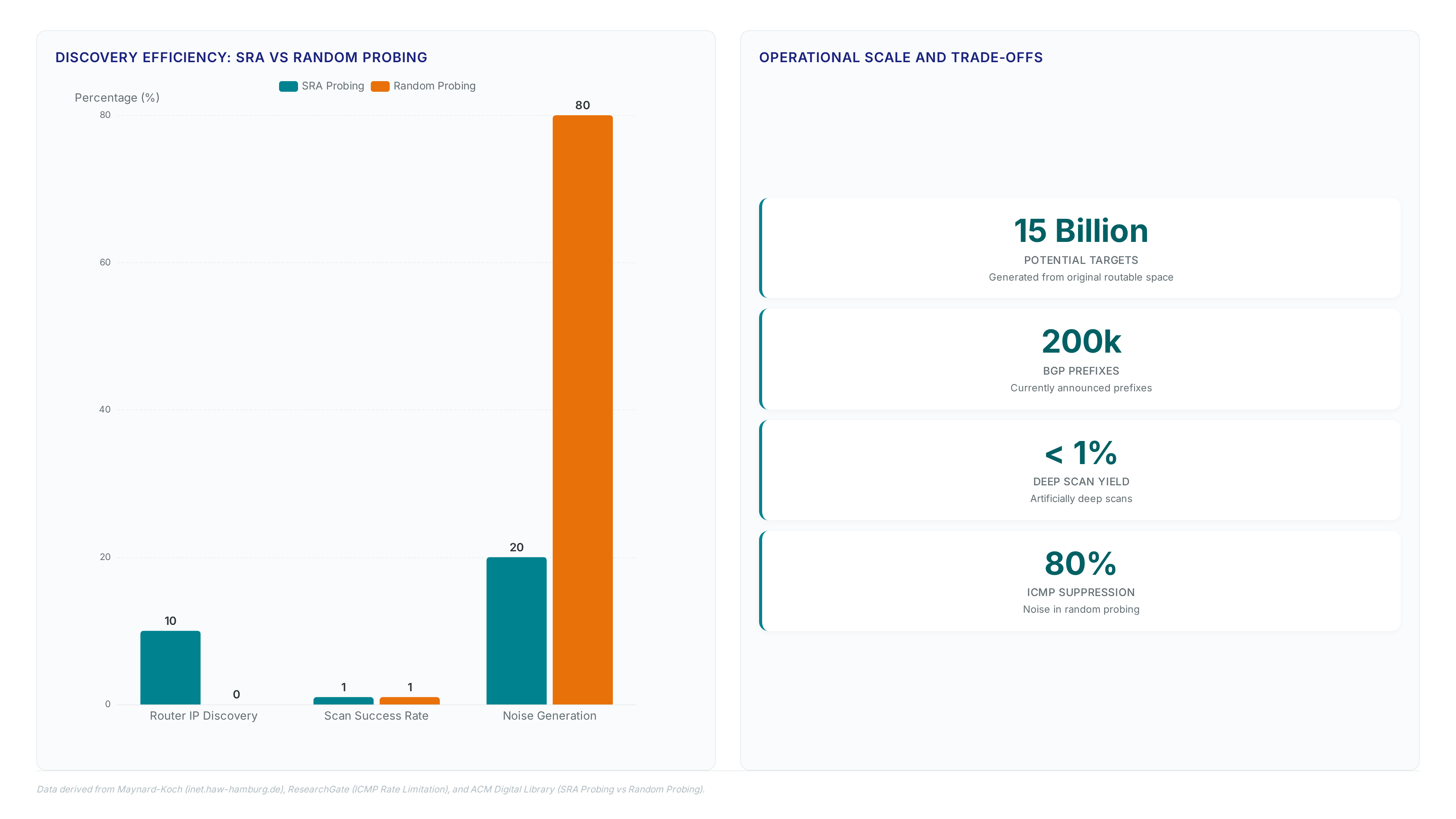
Subnet-Router Anycast probing finds 80% more IPv6 router addresses than direct targeting, but the 72M figure is a discovery yield, not a router census.
The IPv8 draft proposes 18.4 quintillion addresses, but its centralized Zone Server creates a single failure point operators can't ignore.
Don't trust IPv8 hype. Data from 2026 proves IPv6 handles mergers better, avoiding the 10x collision risks seen in fragmented legacy networks.
With 57% of traffic still on IPv4, IPv4x extends space without breaking routers. A pragmatic look at the 96-bit subspace solution.
Discover why 1994 IETF mandates created IPv6 complexity. Learn why dual-stack remains vital as we approach 2026 infrastructure trends.
The 1994 Toronto decision rejected simple expansion, forcing dual stacks that double memory use and operational costs for networks today.
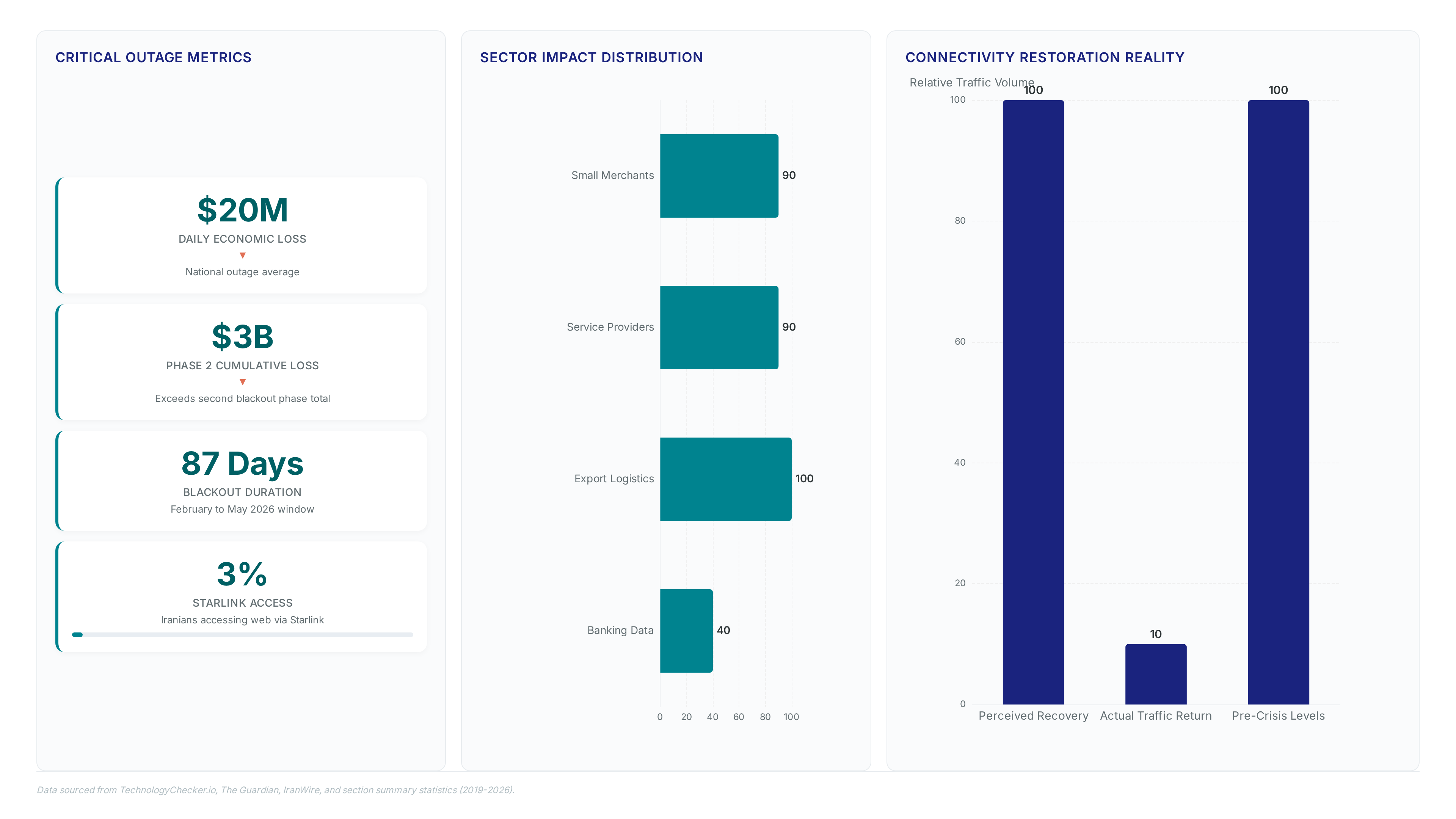
At 11:50 UTC, Iran withdrew 98.5% of IPv6 space. I analyze how this BGP strategy differs from past throttling and what it means for global routing.