RIPE644 Policy: Unifying Global IPv4 Markets
RIPE644 unites ARIN, RIPE, and APNIC markets, requiring 50% utilization within five years to secure global IPv4 assets efficiently.

Malaysia's June 2026 consultation targets a ghost. The proposal seeks to revive the National Internet Registry (NIR) model, ignoring that APNIC...
APNIC enforces a strict 30-day window for IPv4 transfers. Learn how InterLIR's automated brokerage prevents request voids and ensures policy compliance.
Legacy blocks from the 2003 ERX project need specific validation. Learn why standard APNIC workflows fail for these historical internet resources.
With 4,294,967,296 total addresses fixed, learn how APNIC transfers and leasing models help organizations secure IPv4 space legally.
APNIC draws a hard line for moving IPv4 addresses and AS numbers no longer under active management.
Prop095v003 restricts APNIC transfers to just 3 regions. InterLIR ensures your IPv4 moves comply with these strict bilateral mandates.
IRINN imposes fees on transferred IPv4 resources, while APNIC routes InterRIR requests across 56 economies. Learn the specific costs.
APNIC mandates a 5-year hold on 103/8 pool addresses before transfer. Learn how this rule blocks speculation and shapes current market liquidity.
Only four RIRs currently support moving IP addresses and ASNs across regional boundaries. Inter-RIR transfers enable the specific movement of IP...
Year-to-date figures for 2026 show 2,807,296 inbound IPv4 addresses moving into the RIPE NCC region.
Transfers of 103/8 free pool addresses face a mandatory five year lockout period according to APNIC transfer conditions.
APNIC enforces a mandatory five-year holding period before IPv4 addresses from the 103/8 free pool can be transferred due to merger or acquisition.
APNIC publishes only preapproved IPv4 requirements, creating a verified list rather than an open market for specific address needs.
APNIC Foundation allocated $12M across 34 economies. This MoU clarifies roles between the registry and charity to boost capacity building.
APNIC identified 54 million unadvertised addresses. Learn why preapproval is vital before seeking an IPv4 source to avoid deal cancellation.
With 3,687,518,752 addresses delegated, APNIC's free pool is history. Discover how strict limits force operators toward leasing and secondary markets today.
56,629 global IPv4 transactions have occurred since 2012, yet January 2026 saw APNIC transfers drop to just 88. Scarcity has shifted the battlefield.
Secure critical infrastructure with APNIC membership. Gain direct control over a /24 IPv4 block and bypass upstream provider restrictions today.
With only 0.1811 /8s remaining in the pool as of June 2026, direct allocation from APNIC is effectively dead for most enterprises.
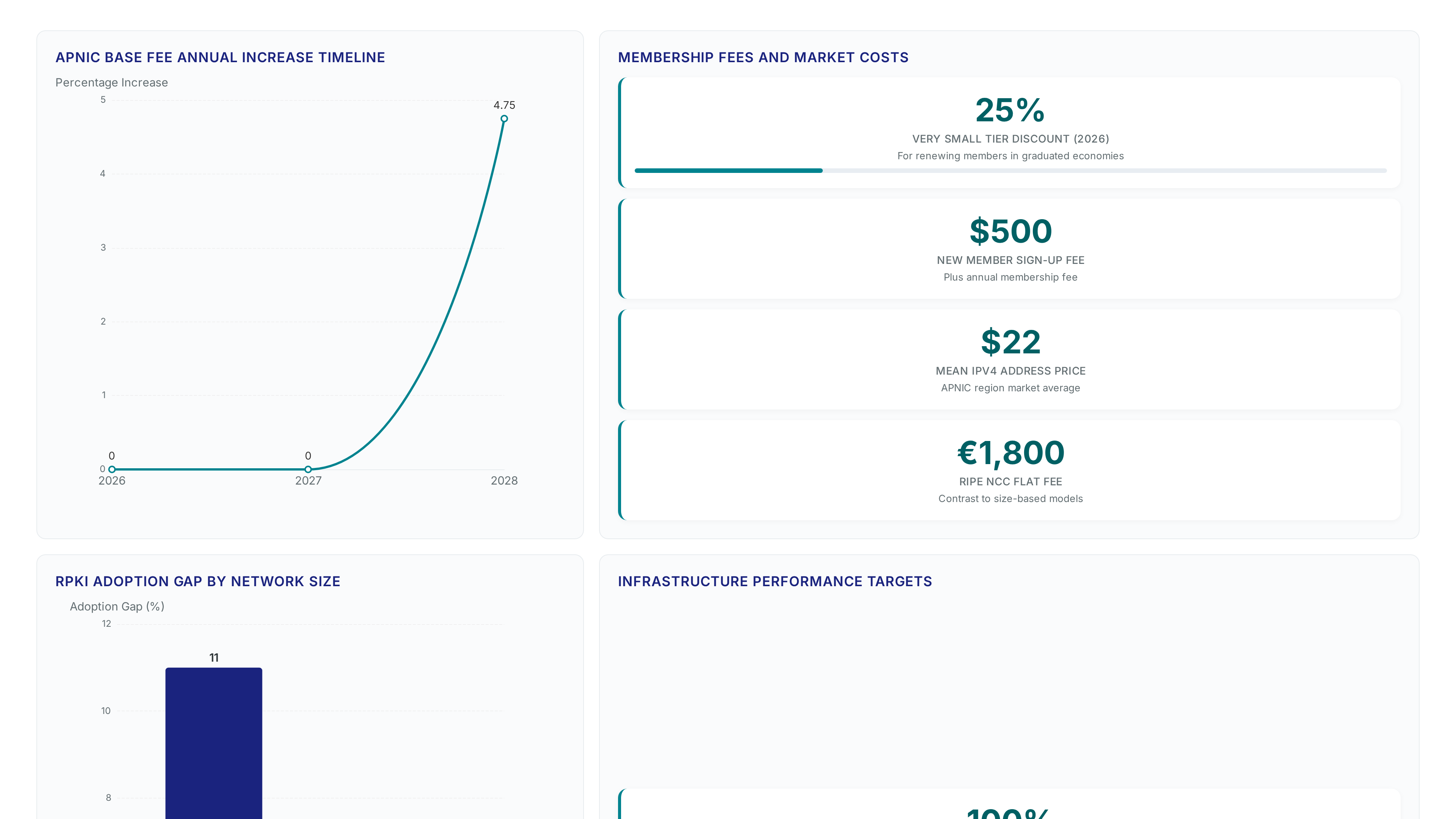
ARIN charges a fixed $500 annual fee while peers use cost recovery. See how five distinct registries create conflicting rules for your IP assets.
APNIC's 2010 policy shift created IPv4 liquidity by allowing transfers, establishing the /24 minimum block size still used today.
APNIC policy version 015 takes effect 20 February 2025, redefining IPv4 transfer rules and compliance for the Asia Pacific region.
APNIC's Q1 2026 report shows 99.99% uptime despite IPv4 scarcity. Learn how governance adapts as the pool shrinks to 0.18 /8.
The 2026 APNIC Fellowship requires an 18-month commitment. Learn why technical merit alone fails without clear operational justification in policy drafts.
APNIC imposes a mandatory 5-year lockup on IPv4 transfers from the free pool, trapping capital and favoring legacy holders over new market entrants.
APNIC requires a detailed 24-month usage plan for new recipients. Learn the four specific transfer scenarios and how to validate legacy data correctly.
Over 56,000 transactions prove the market works, but missing Deed of Covenant details causes immediate rejection. Learn the exact steps to validate.
The APNIC 62 policy proposal call is open through 7 Aug 2026. What turns a submitted proposal into an adopted one, grounded, specific, defensible.
APNIC's Hangzhou RPKI mirror with NNIX cuts validation latency for Chinese operators, but a faster fetch of a 'not found' verdict protects nothing until ROAs ar
See how APNIC's open process serves 56 diverse economies. Real operators bridge the gap between clean protocols and messy infrastructure realities.
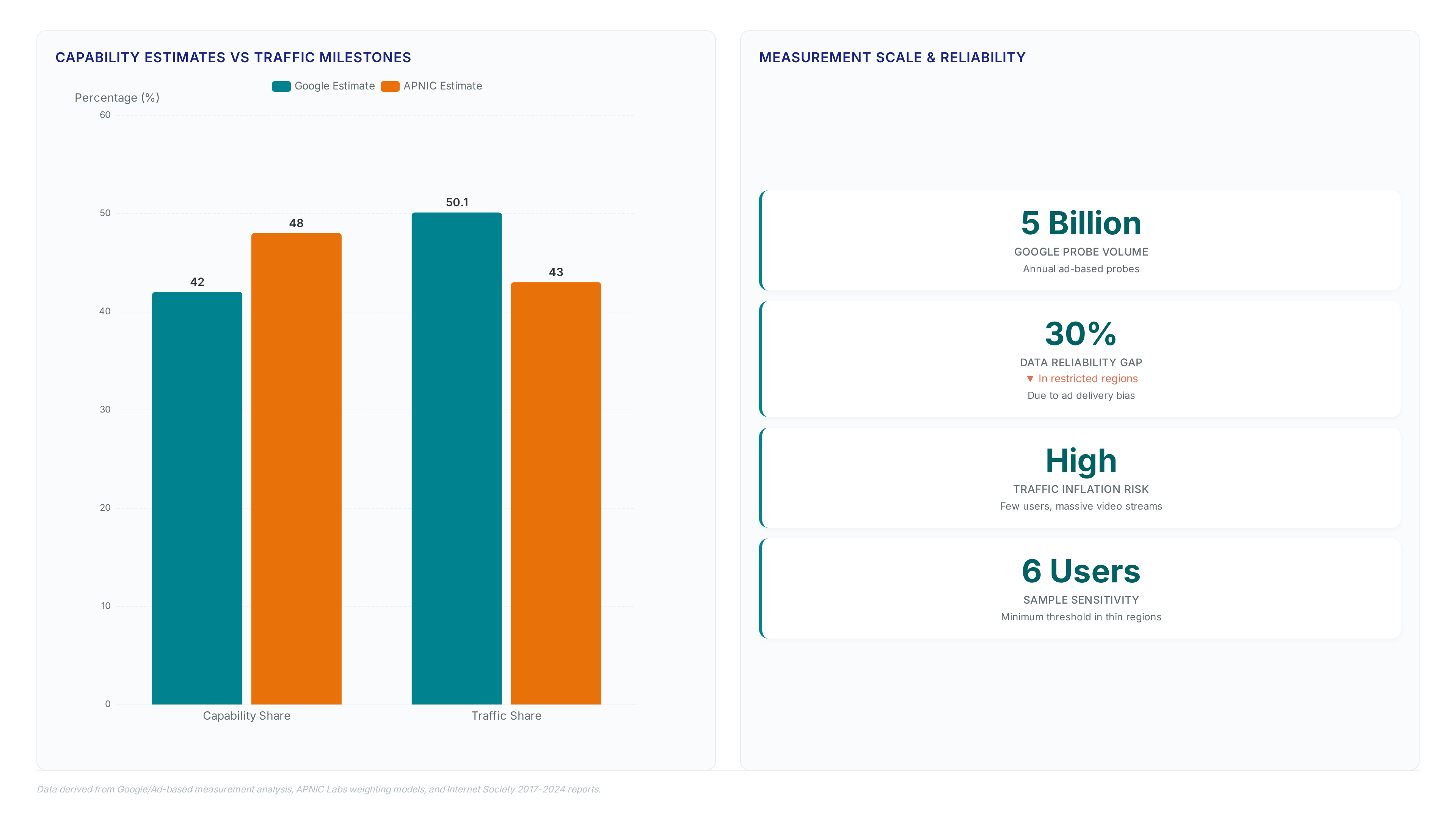
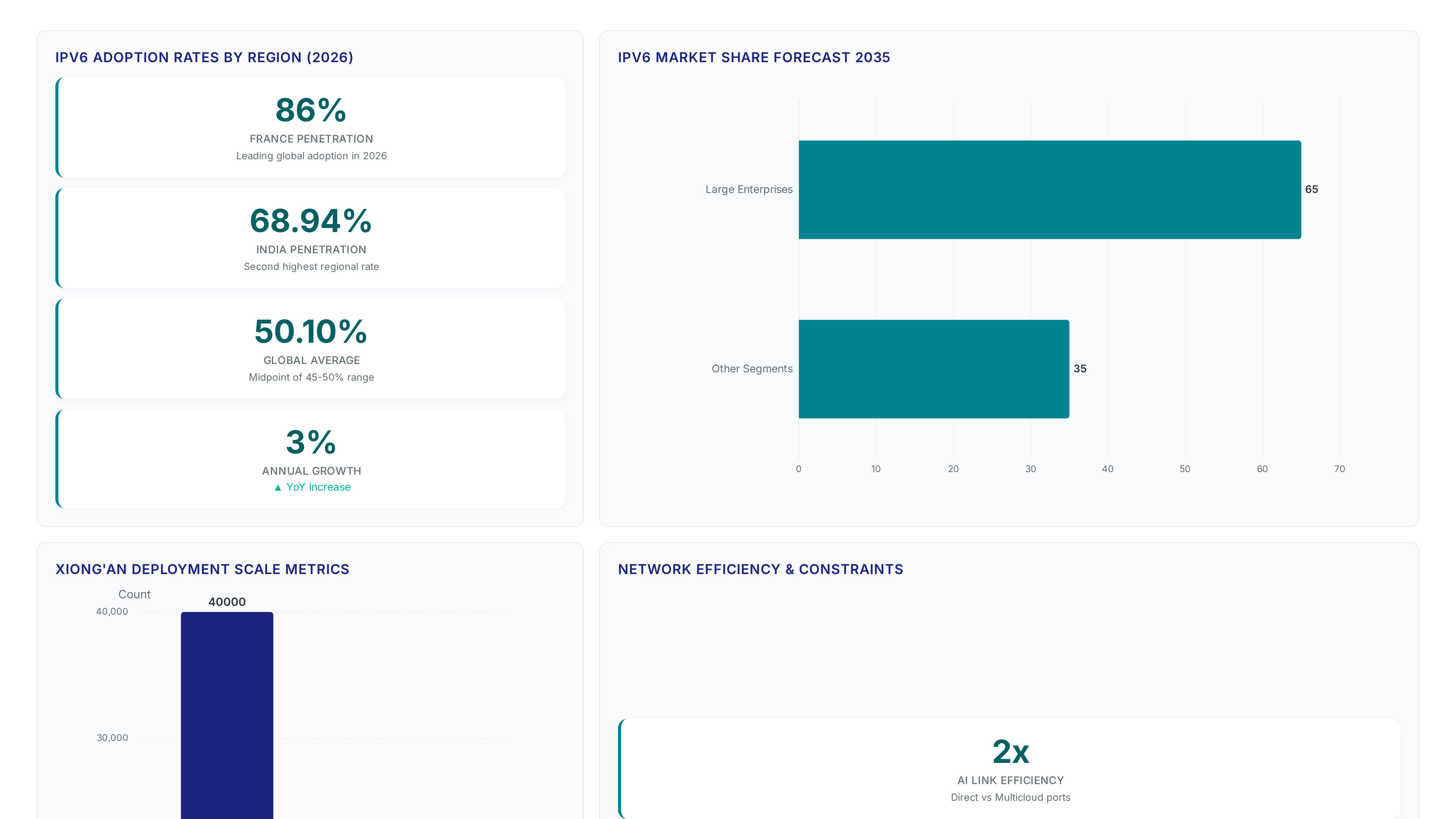
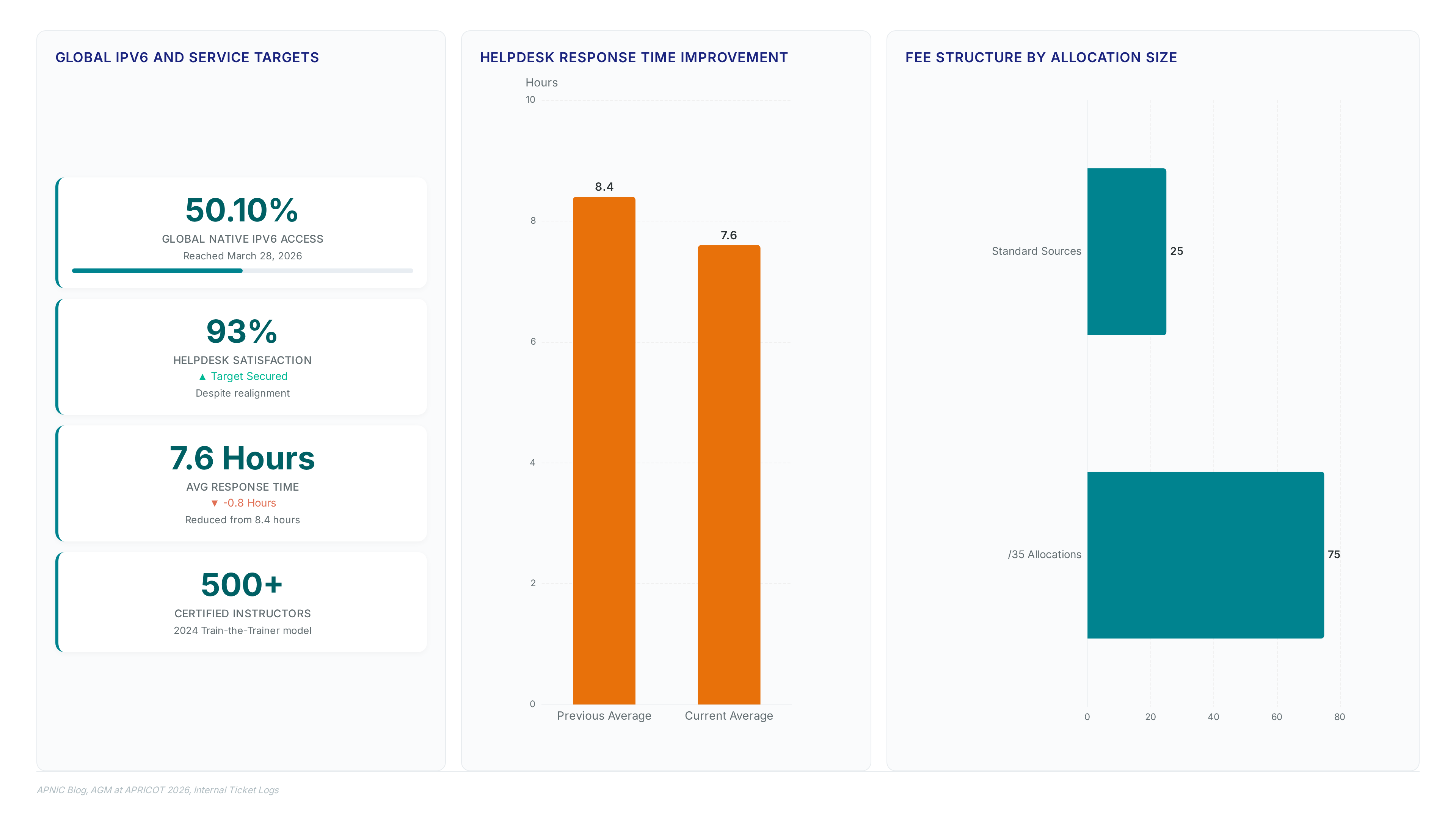
Google hit 50.10% IPv6 adoption, but APNIC shows 42%. I explain why this 8-point gap matters for your network planning today.
APNIC and PITA updated their 2002 agreement to support 56 economies, focusing on real BGP training and local policy input for stability.
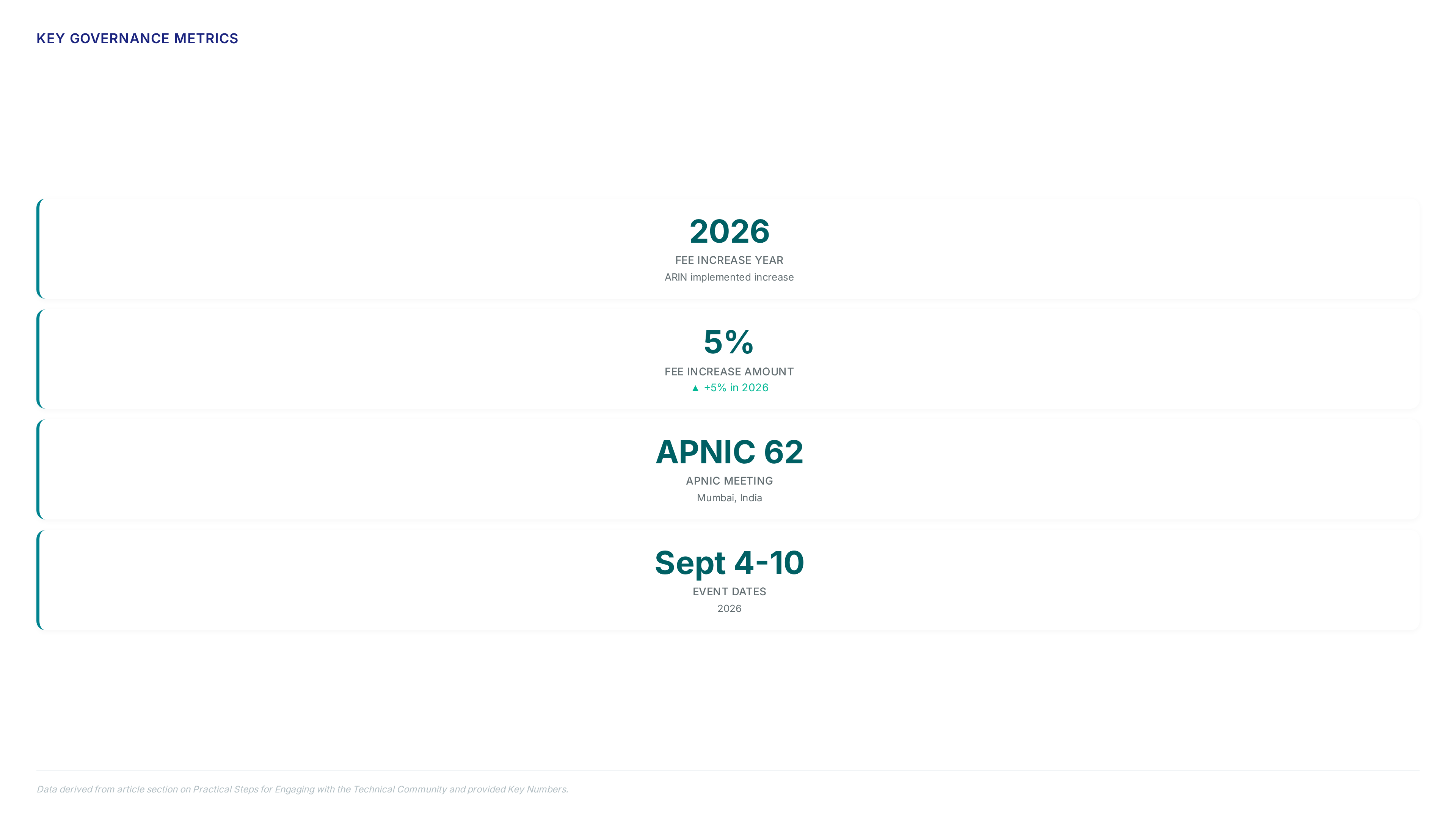
With 21 billion IoT connections coming by 2026, APNIC 62 in Mumbai forces operators to drop legacy manual processes for real automation.
APNIC targets 56 economies with sub-regional forums. I see this localized shift as vital for sustaining Pacific infrastructure without heavy travel.
IPv4 prices hit $32 by 2026. See how APNIC's consensus model, not voting, shapes these operational costs for Asia Pacific networks.
Xiong'an earned the first city plaque on April 6, 2026. I analyze how this direct APNIC membership changes global routing policy.
APNIC growth hit just 1.6% in 2025. I analyze how new security pillars and 7.6-hour support times impact your IPv4 strategy today.
East Asia IPv4 valid routes hit only 31.0%. I analyze why regional averages mask critical security failures and ASN mismatches.
See how Shaila Sharmin guides policy for 56 Asia-Pacific economies through community consensus, not distant bureaucratic mandates.
APNIC replaced cloud models with physical sites to cut egress fees, helping teams master native IPv6 before the 2027 modernization rush.
Seven regional bodies now enforce routing integrity. With TWNIC reaching 98% IPv6 validity, I analyze how NIRs secure our infrastructure.
APNIC tests reveal a 40% failure rate in glueless DNS. We must pause before codifying fragile IPv6-only dependencies into binding RFCs.
I'm joining the APNIC 2026 Fellowship selection. Volunteers dedicate up to five hours to assess candidates for Mumbai.
Applications close 13 March 2026. I break down why the 5-month tech track beats passive training for real operational skills.
At APNIC 61, chairs debated prop164. See why a /36 block might fracture routing tables for millions of users tomorrow.