Capacity data sources prevent deployment failures
Prevent deployment failures by verifying assigned versus approved capacity. Learn how explicit GB units clarify the 11 GB usage example for precise planning.

Over 3.36 million IPv4 addresses changed hands in Q1 2026 alone, proving the secondary market is the only viable supply chain left.
Launched July 10th, 2026, Netomics keeps routing data on-premises. InterLIR supports this sovereignty with secure IPv4 resources for your network.
Pavel Odintsov notes engineers fragment workflows across multiple public tools. Self-hosted platforms consolidate live routing data, RPKI validation
With roughly 80,000 active ASNs defining the routing table, clean BGP paths are vital. InterLIR ensures secure IPv4 resources with verified reputation.
Leasing a /24 block costs between $128 and $384 monthly, making IPv4 address access an operational expense rather than a capital asset.
Netomics launched July 10, 2026, to end third-party BGP reliance. Keep routing intelligence on-premises for total data sovereignty.
Only 6.5% of users have Route Origin Validation. InterLIR helps secure your IPv4 assets against hijacks by optimizing prefix ownership and routing policies.
With only 6.5% of users protected, learn to validate origins and block invalid routes before a hijack compromises your clean IPv4 reputation.
RPKI replaces blind trust with cryptographic proof to stop route spoofing dead. Learn how operators validate BGP announcements against trusted ledgers.
Forty-eight views marked the launch of FastNetMon's new on-premises routing intelligence platform on 10 Jul 2026.
BGP links hundreds of thousands of networks yet lacks inherent verification, leaving global data flow open to hijacks without strict validation.
Thousands of routes remain RPKI invalid as of May 2026, proving legacy trust models cannot secure global BGP against hijacking.
Manage your global IP assets through the LIR Portal. Learn how a single mismatched attribute can stall an allocation and how to fix it.
Explore how 32-bit IPv4 structures define device identity and why the 4.3 billion address cap drives modern infrastructure scarcity today.
Q1 2026 delivered a stark reminder: Qrator logged exactly 1 confirmed BGP hijack and 7 route leaks.
Map IP addresses to owners using 32-bit ASN data. Process bulk queries for up to 20,000 IPs to fix threat attribution gaps instantly.
Cloudflare extended CASB support to the Claude Compliance API on 21 May 2026, enabling agentless monitoring directly in the dashboard.
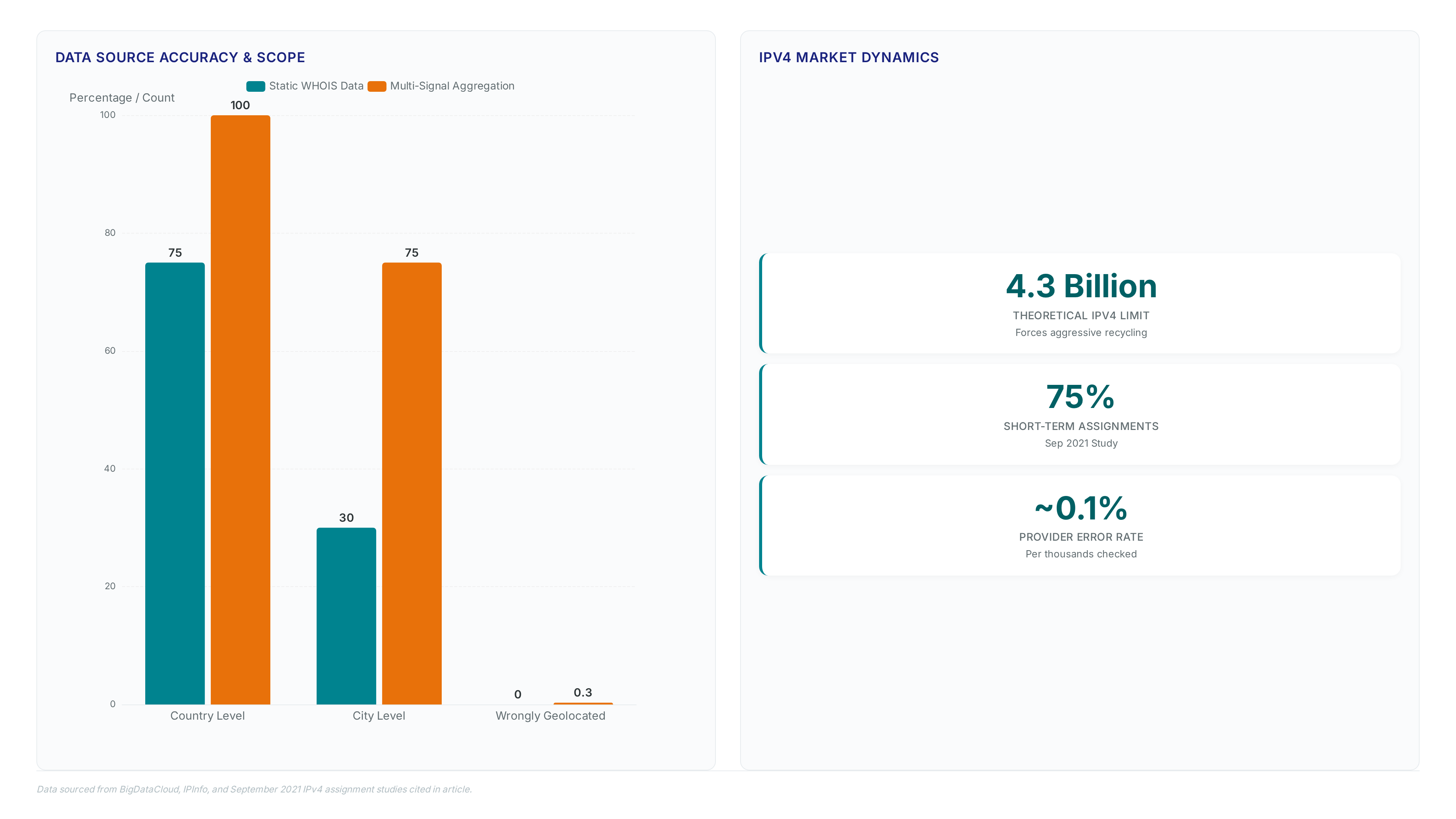
IP geolocation fails because 75% of IPv4 addresses change daily, leaving databases with stale records that break city-level accuracy for operators.
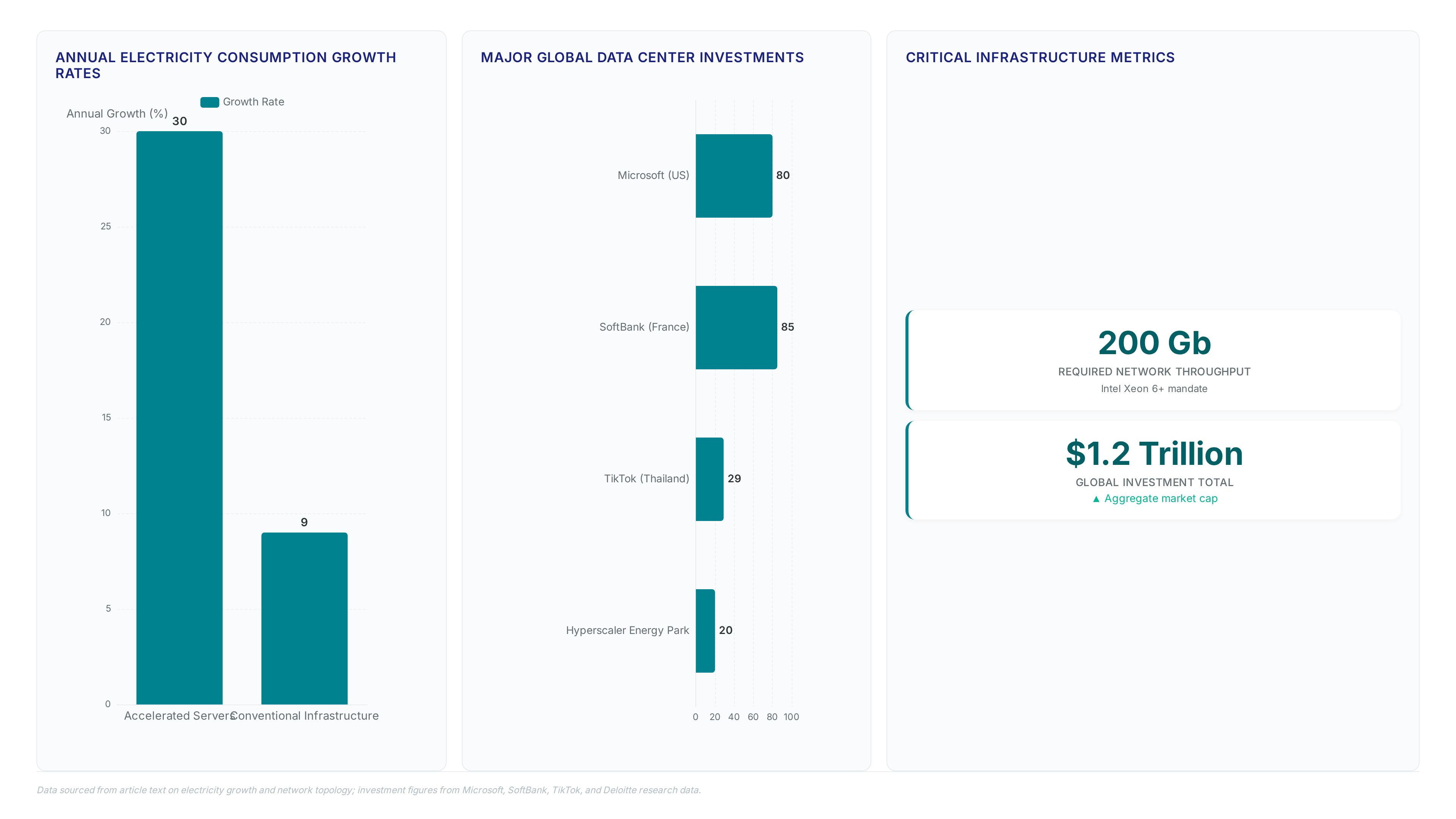
Global data centre spending hits $450 billion by 2026 as AI demands lossless networks. Discover why RoCEv2 traffic fails without physical redesigns.
Demand outpaces supply with a 20% rise in inquiries. Learn how managed brokers screen geodiverse blocks to guarantee clean routing.
Map traffic paths using ASN data to spot hijacks. Link IPs to operators across 16-bit and 32-bit ranges for precise firewall rules.
Over 68 million BGP announcements lack validation. Learn how RPKI ROV filters unknown routes to prevent hijacks and secure global routing tables today.
Stop ISP tracking by switching resolvers. Providers like Cloudflare delete logs in 25 hours, unlike ISPs that keep permanent records of your data.
AI cuts manual routing errors and speeds response by validating ownership against RIPE data before forwarding abuse reports to owners.
AWS Sign-In enforces network restrictions on console access starting 24 Jun 2026. Administrators can now define resource-based policies that block...
Iran's internet traffic fell to 1% of normal levels, revealing how partial restoration mechanics leave rural areas disconnected while favoring Tehran.
On May 5, 2026, a DNSSEC signature error at DENIC caused mass SERVFAIL outages, proving how fragile validation chains can be.
Outdated registry data causes 30% of geolocation errors by listing old owners instead of actual server locations, creating blind spots for security teams.
RIPE 93 in Sofia targets IPv4 scarcity with 3,049 votes proving stakeholder engagement. Submit technical proposals by 14 August 2026.
Early 2026 data confirms 3.7B IPv4 addresses remain allocated, yet zero are free. Explore how NAT and subnetting sustain global network operations today.
Stop static filtering failures. Learn how RPKI validation secures the route chain against hijacks, referencing the June 17, 2026 outage.
Stop storing 1.44TB daily. rpkispool uses CCR to compress 40GB of RPKI data down to just 216MB for feasible long-term archiving.
City-level accuracy for mobile IPs drops to 65%. We confuse registered economy data with physical deployment, creating critical mapping errors.
Cyclone Gabrielle exposed how unstructured data hides shared risks. Learn why the Open Fibre Data Standard is critical for 2027 resilience planning.
RIPE's new reg-nr attribute publishes verified company registration numbers, but it's partial by design. How to read the reg-nr field without over-trusting regi
Erik protocol indexes RPKI data by content hash for CDN-cacheable fetch. An InterLIR operator's take: real engineering, but transport was never the binding cons
AI workloads will hit 50% of traffic by 2027. Your current IPv4 setup likely cannot handle this network supercycle without upgrades.
Asia's vacancy rate dropped to 10.9% as grids limit growth. I break down why AI demand is outpacing new builds in 2026.
Proton honored 8,313 legal requests in 2025. See how US infrastructure undermines Swiss privacy claims for millions of users today.
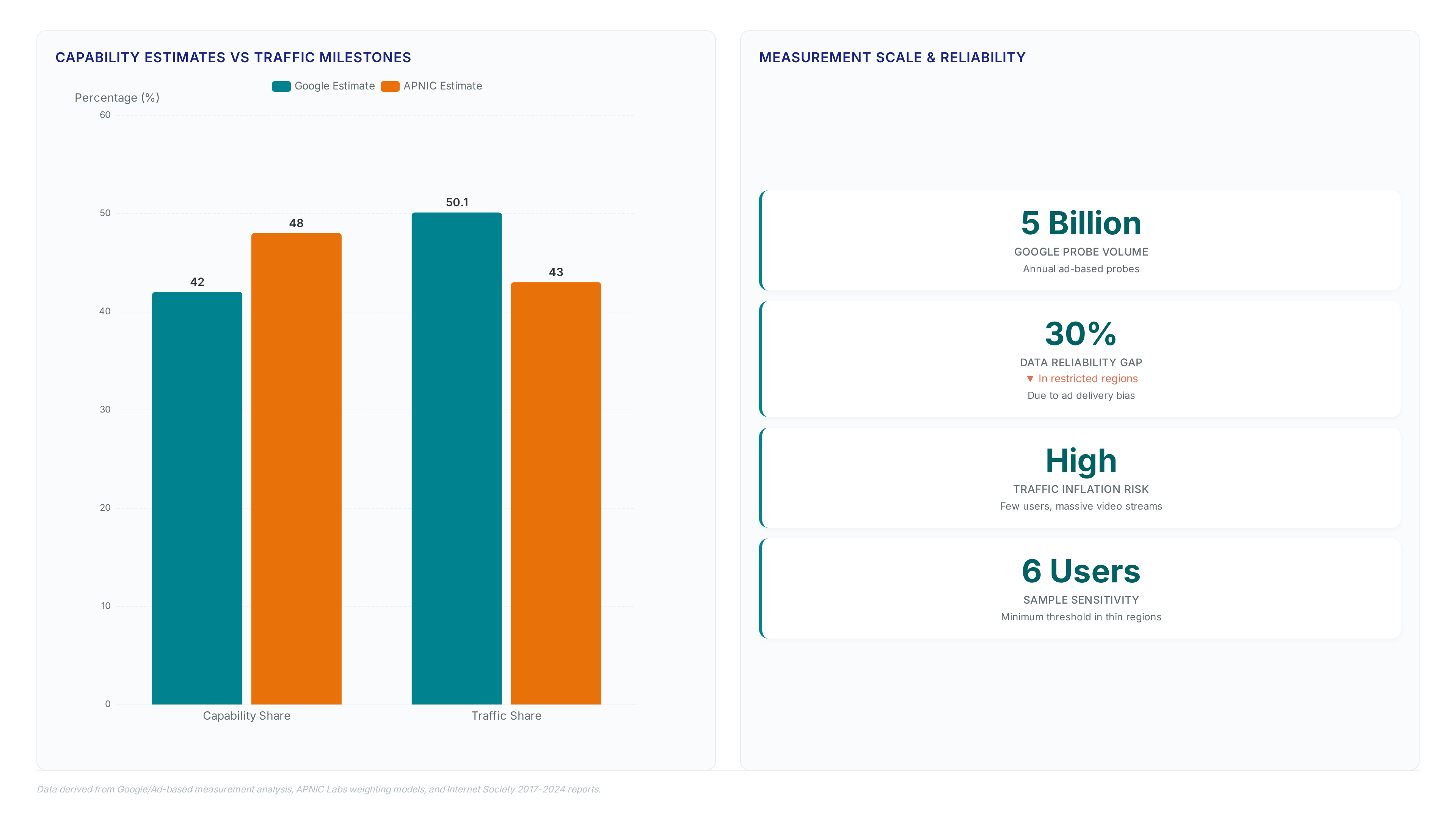
Google hit 50.10% IPv6 adoption, but APNIC shows 42%. I explain why this 8-point gap matters for your network planning today.
New data reveals only 2% of ASes use BGP-based scrubbing. Most networks remain dangerously exposed to attacks despite marketed claims.
One peer generated 2.93 billion updates in a day. Learn how to filter this BGP noise and restore clarity to your routing analysis.
63.8% of networks lack strict validation. See how route servers miss hijacks when ASSET lists override cryptographic proof.
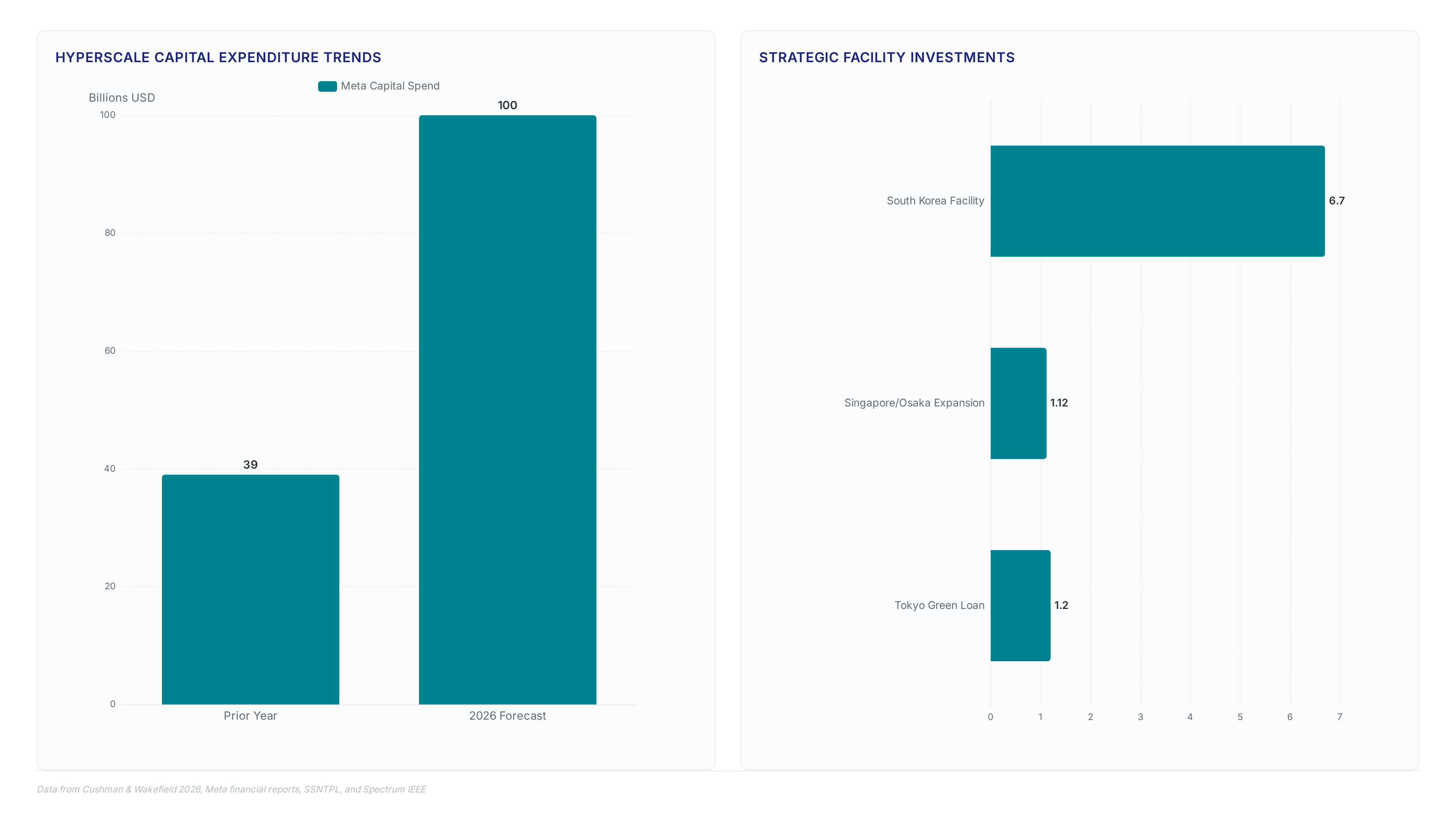
Goldman Sachs sees a 165% power surge by 2030. We must ask if these hyperscale assets truly serve the public or just hoard resources.
See how 13,421 active probes map 4,000 ASNs. Real data reveals topology gaps that theoretical models often miss in global routing.
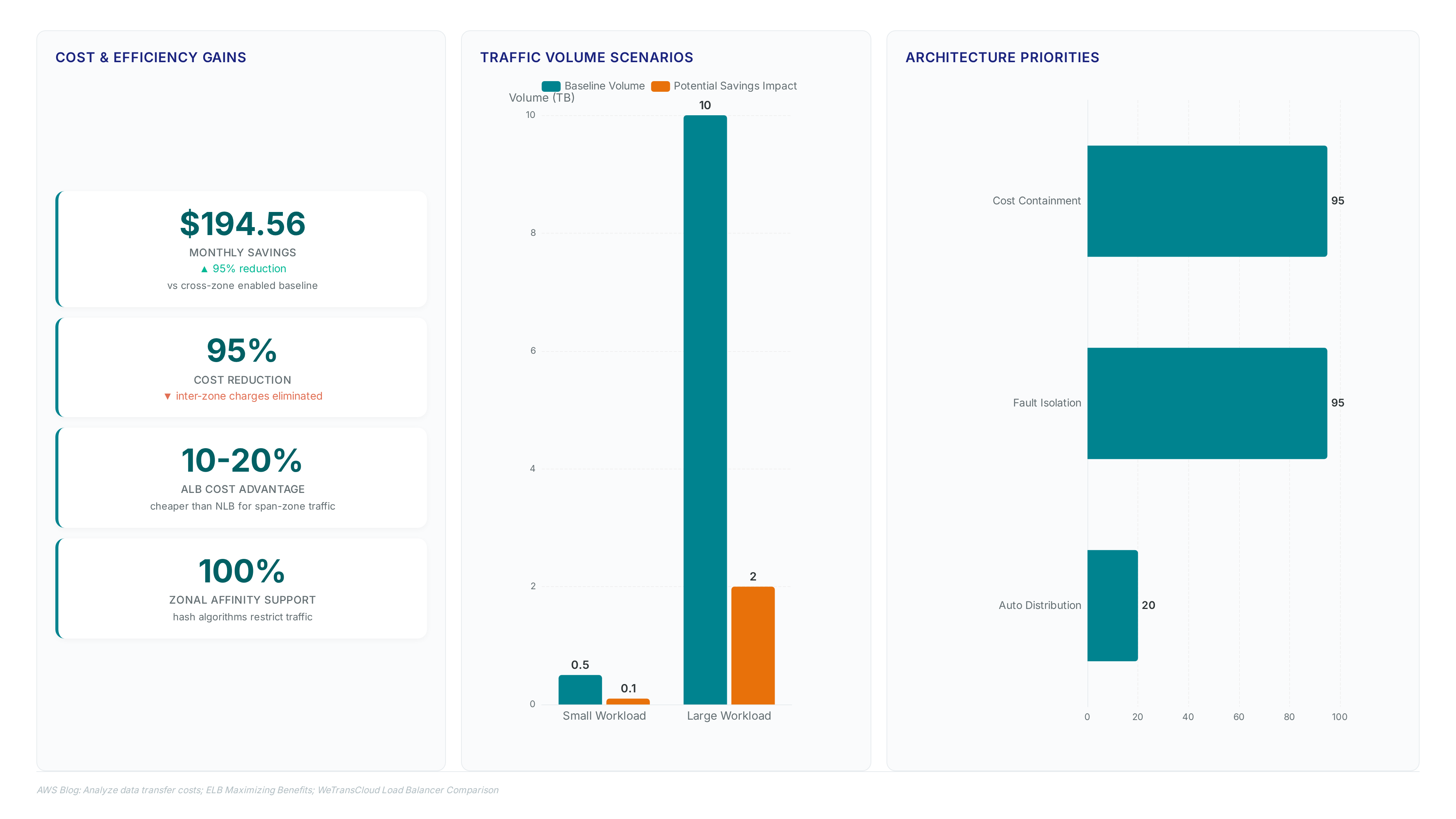
Cross-zone traffic hits $0.04 per GB. Learn how zonal affinity cuts your AWS NLB bill by 95% today.
With 57% of traffic still on IPv4, IPv4x extends space without breaking routers. A pragmatic look at the 96-bit subspace solution.
Build a compliant VPC with private subnets in 3 zones. Keep data off the public internet while integrating private sources securely.
See how LexisNexis removed manual router instances to support 15 percent of enterprises shifting to private AI deployments by 2026.
The global routing table nears 1 million routes. See why physical hardware limits now threaten core network stability without strict aggregation.
Attackers stash 2,000 characters of Base64 code in DNS TXT records to execute malware entirely in memory, leaving zero disk artifacts.
Stop guessing where traffic goes. DNS logs show 60% of resolutions are external, costing you money. Get real visibility today.
Sparkle enforced active path validation on Feb 3, 2026. Stop relying on unsigned IRR lists for your blackhole requests today.
95% of orgs lack visibility. Active path verification stops local fixes from causing global blackhole outages today.
With IPv6 hitting 50.10%, agentic AI manages networks. I explain why archiving operational exhaust is vital before history fades.
Client support hit 60% in two years, yet origin servers lag. See how hybrid handshakes close this critical security gap today.
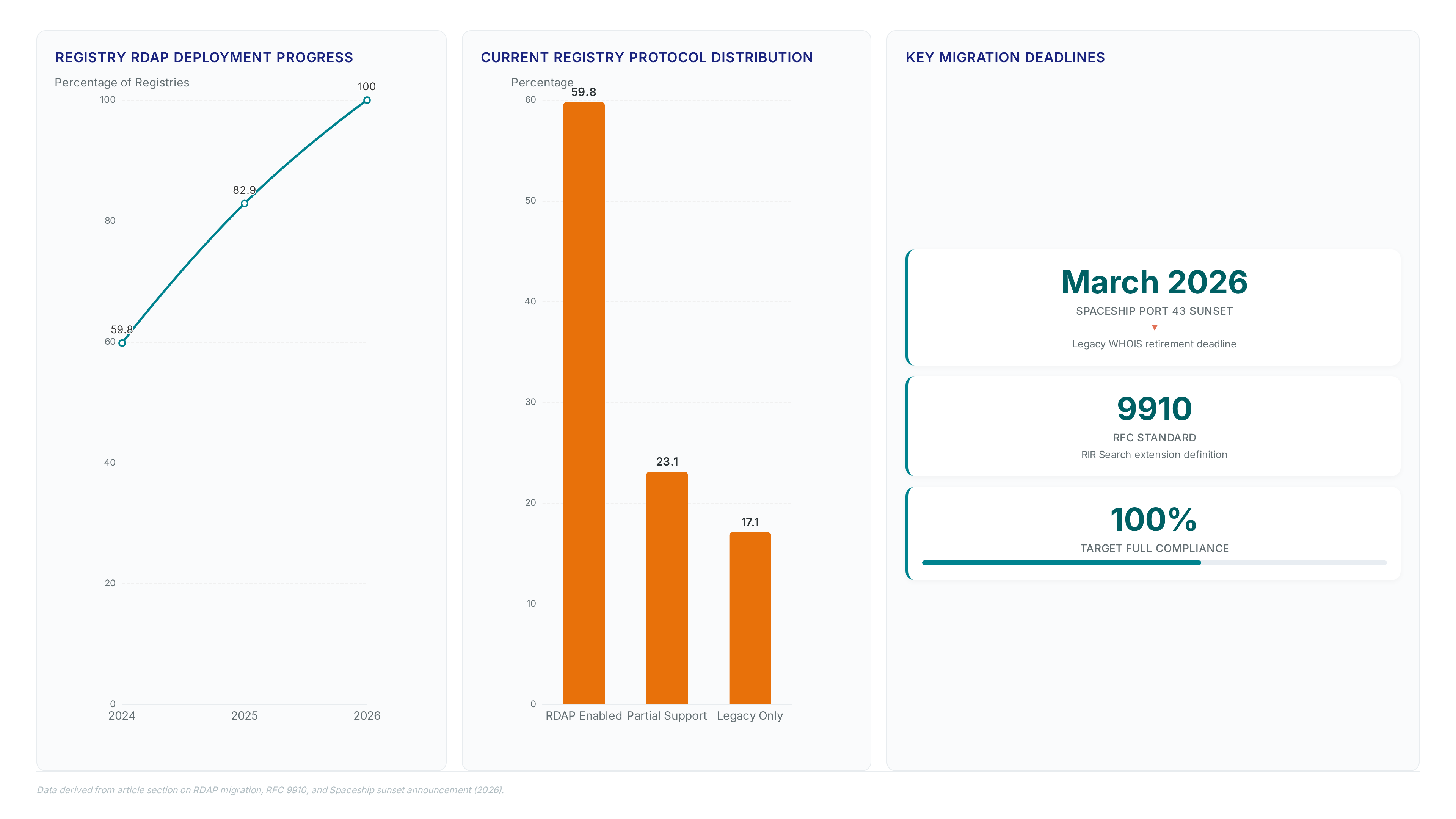
With 374 gTLDs killing WHOIS by September 2025, I break down the urgent shift to RDAP and JSON for reliable registration data access.
With 229.4 million users online, Indonesia's 2025 data reveals why remote islands still lack reliable connectivity despite huge budgets.
A single malformed update crashed Cisco IOS XR. Stop relying on static filters; use predictive intelligence to score origin risks before 2026.