Network supercycle demands new IP strategies now
AI workloads will hit 50% of traffic by 2027. Your current IPv4 setup likely cannot handle this network supercycle without upgrades.

AI workloads will hit 50% of traffic by 2027. Your current IPv4 setup likely cannot handle this network supercycle without upgrades.

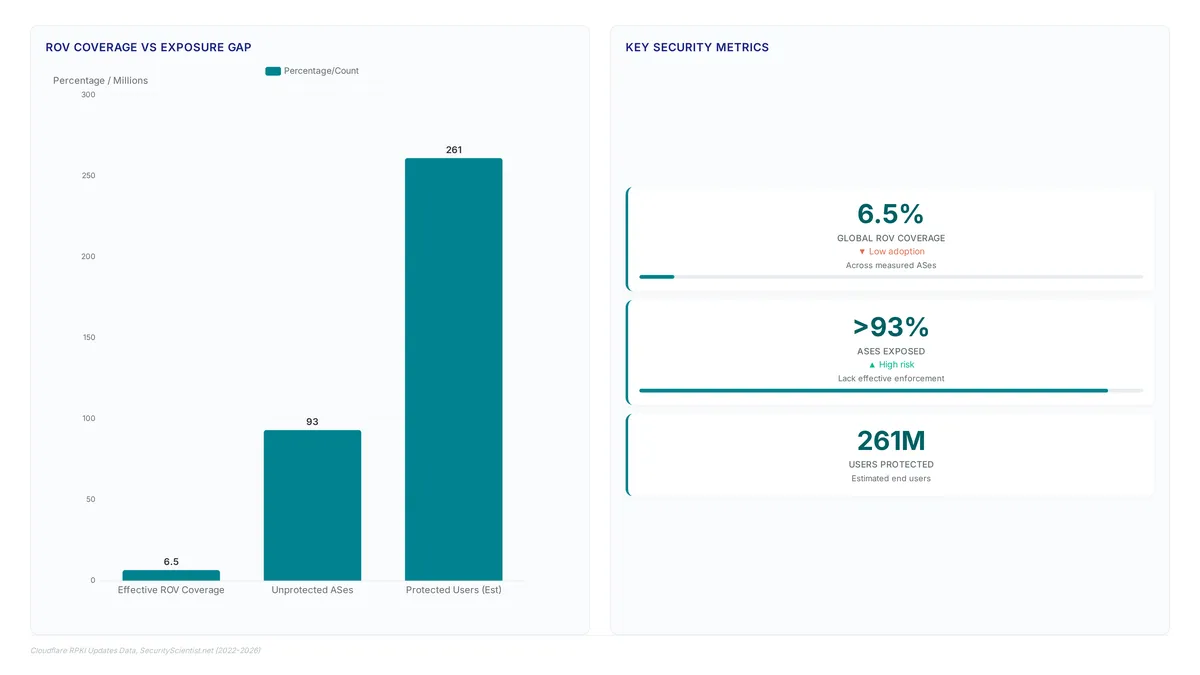
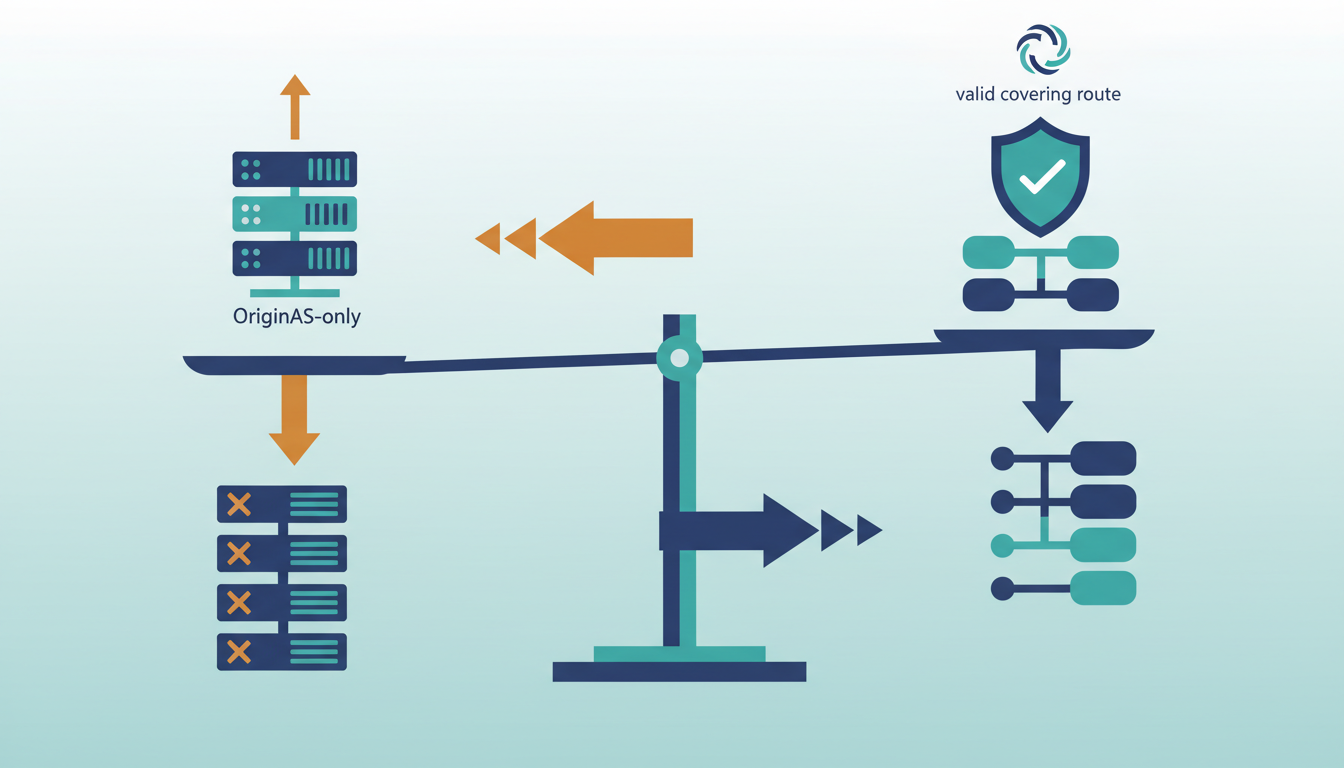
With RPKI valid traffic at 62.5%, legacy IRR fails. Learn how active path verification stops middle ASNs from causing global outages.

Stop manual NAT hacks. Our stateful tracking resolves 10.0.1.0/24 conflicts automatically, ensuring return traffic hits the right origin every time.

With 50.10% of global traffic now on IPv6, ignoring unmanaged entry points is a governance failure. Learn to frame this as a board-level liability.

With IPv6 traffic hitting 50.10%, the IPv8 proposal is an architectural dead end. We must optimize existing stacks, not chase vaporware.

Shorter paths do not equal safer paths. Learn why 75% of enterprises risk security by trusting hop counts over cryptographic proofs.

State actors caused 219 incidents in Q1 2026. We analyze how 92% growth in outages shifts from glitches to tactical isolation.

New data reveals only 2% of ASes use BGP-based scrubbing. Most networks remain dangerously exposed to attacks despite marketed claims.

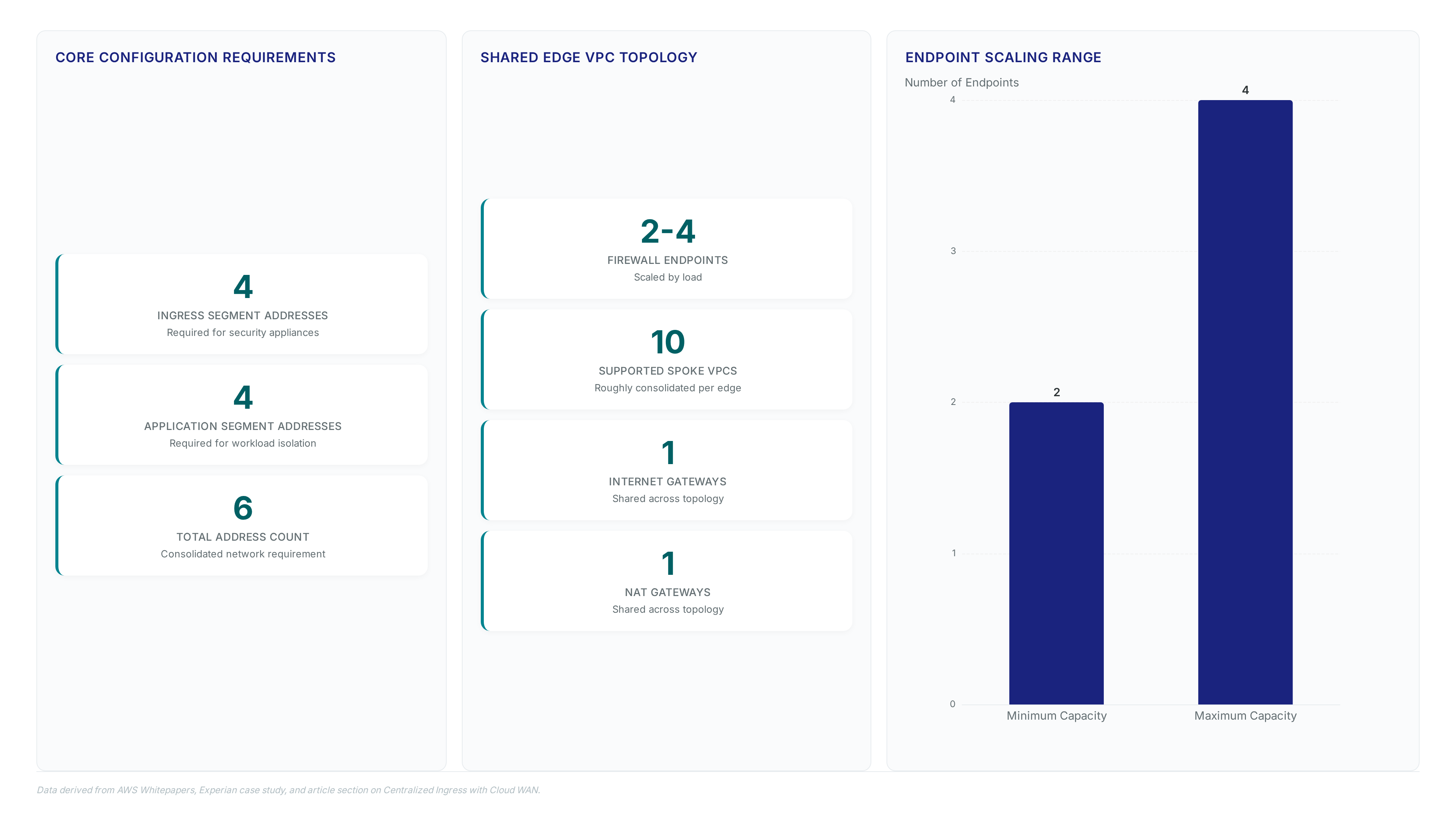
Stop managing dozens of disjointed stacks. Centralize inspection in 1 VPC to cut costs and fix policy drift across your global network today.

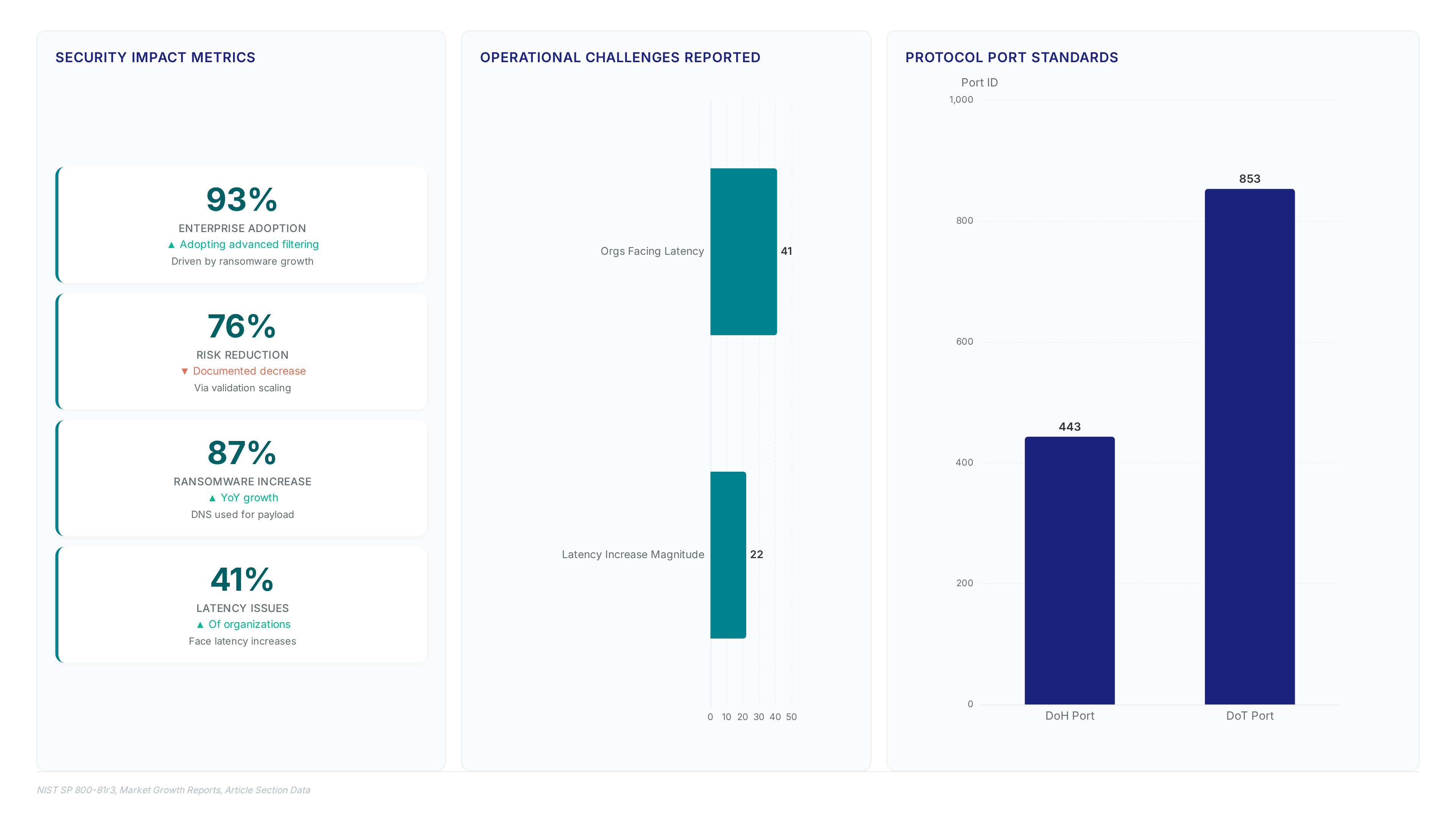
NIST's 2026 update treats DNS as active defense against an 87% ransomware surge. Learn to deploy Protective DNS and encrypt traffic today.

Submarine cables carry 99% of traffic, yet Pacific islands lack carrier-neutral IXPs. We analyze how local policy prevents single points of failure.

Stop the 5-minute scaling lag that crashes platforms. We use tagged automation to lock capacity before traffic spikes hit your ALB.

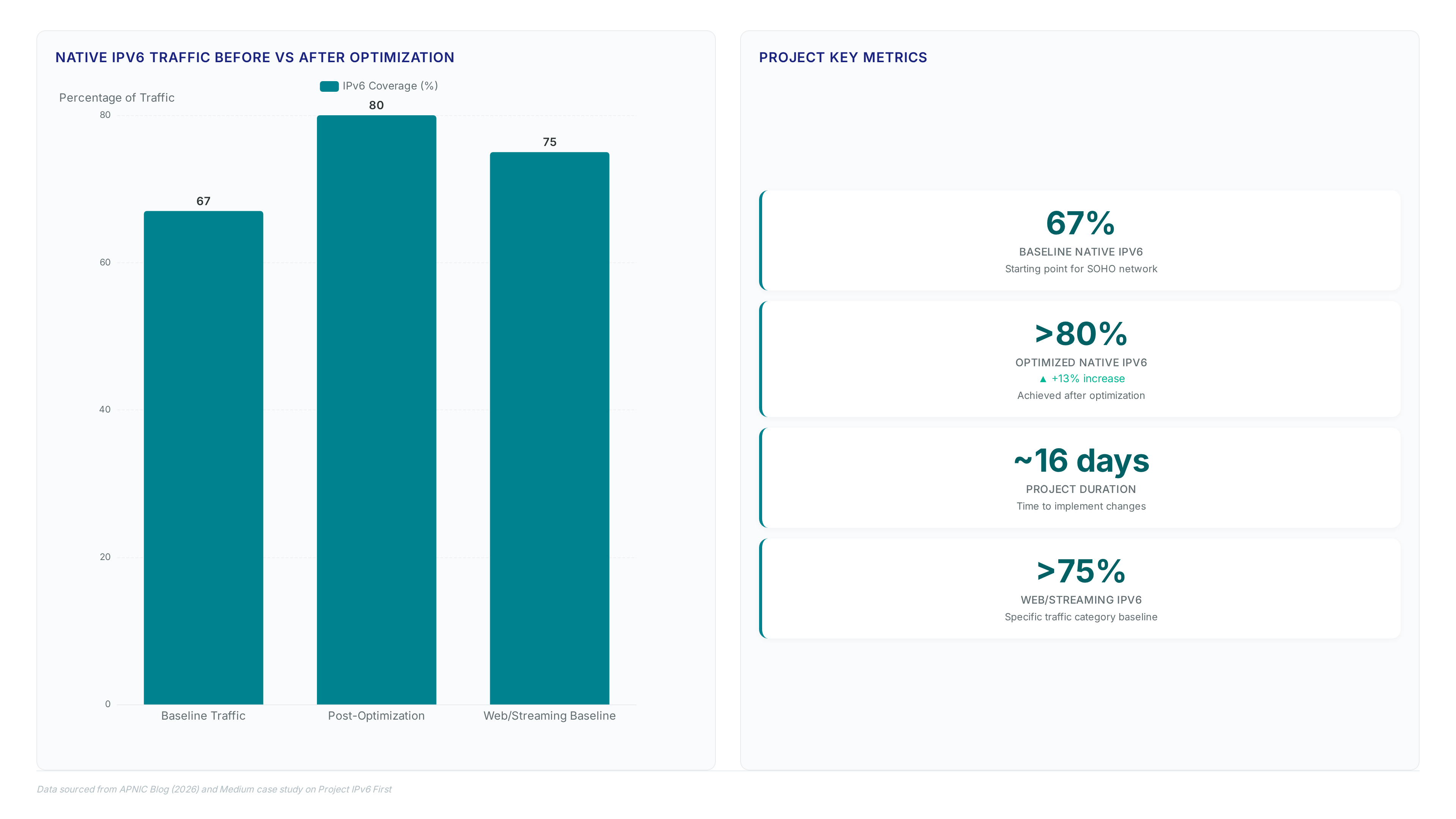
See how a single app binding change lifted native IPv6 from 67% to 79.2% in just 16 days by fixing specific fallbacks.

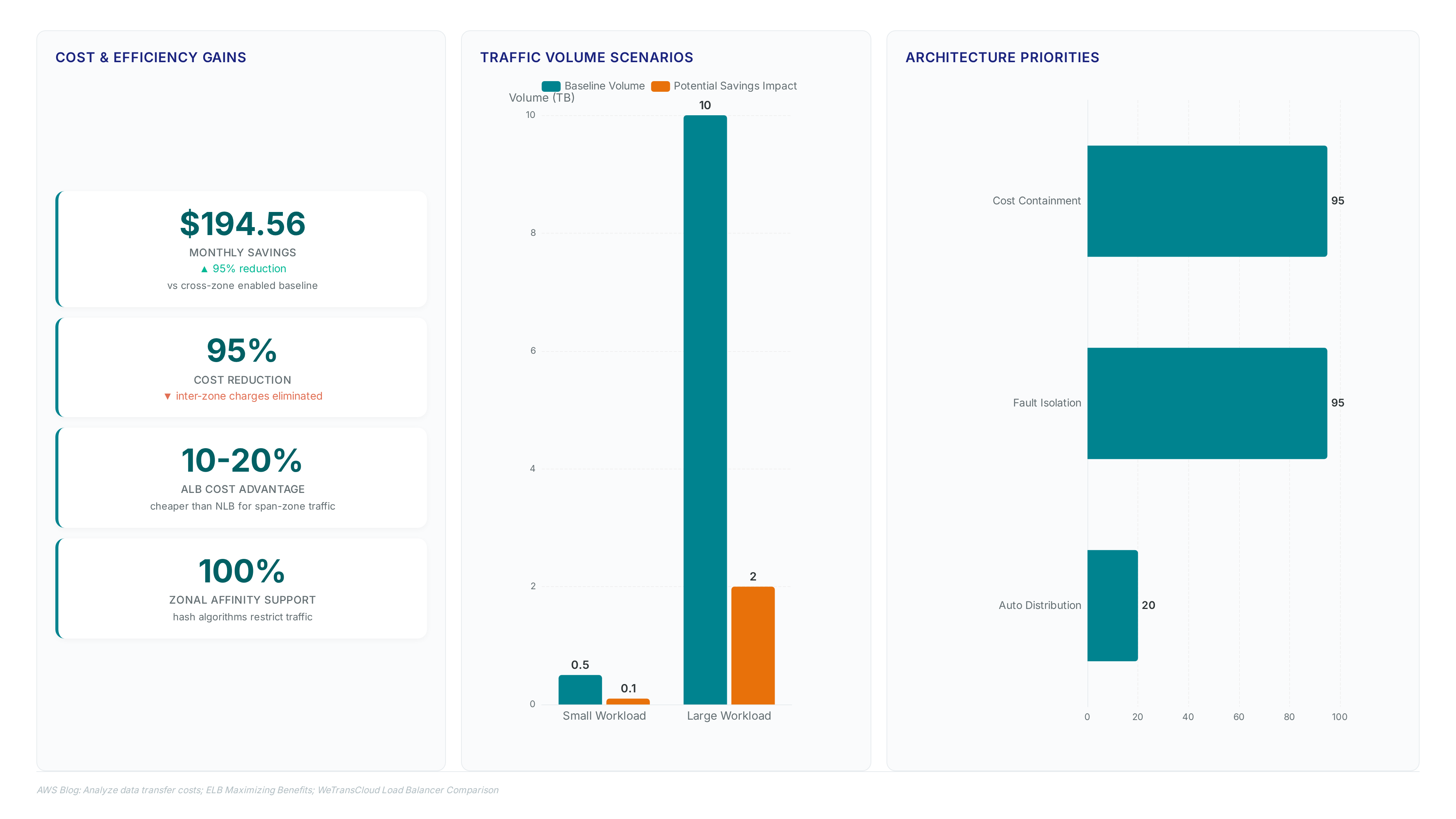
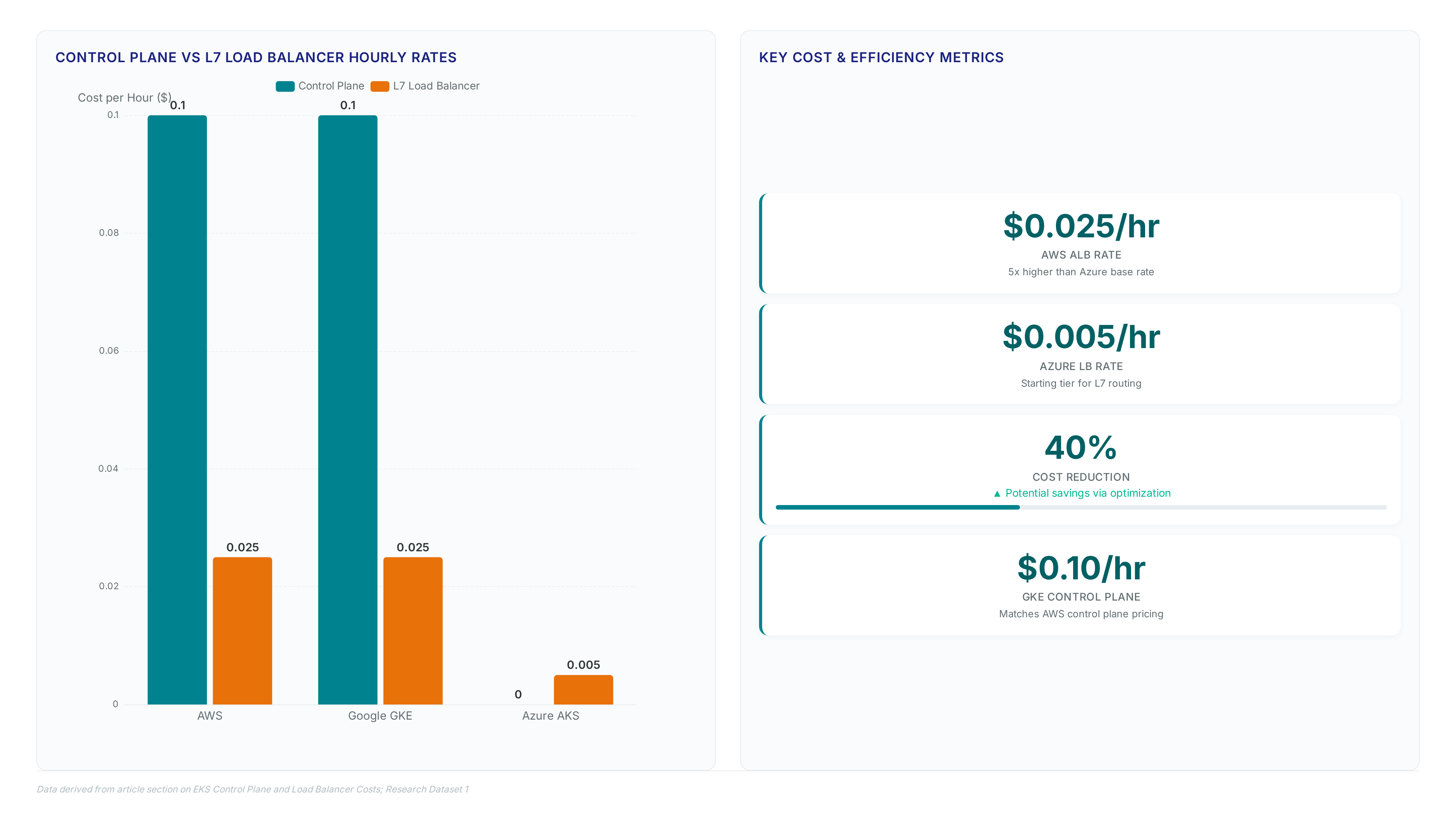
Cross-zone traffic hits $0.04 per GB. Learn how zonal affinity cuts your AWS NLB bill by 95% today.

I cut operational friction by embedding global routing in YAML. With AI hitting 58% of clusters, this declarative shift is essential.

IPv8 breaks legacy silicon, forcing upgrades that current multi-billion-dollar SONiC deployments cannot support without major risk.

Ingress NGINX retires in March 2026. Shift to Gateway API now to unify your ALB and VPC Lattice traffic with one rule.

Naive scanning crashes on aliases. See how tweaking DNS timers pushed our home lab native traffic above 90% despite legacy IoT device clutter.

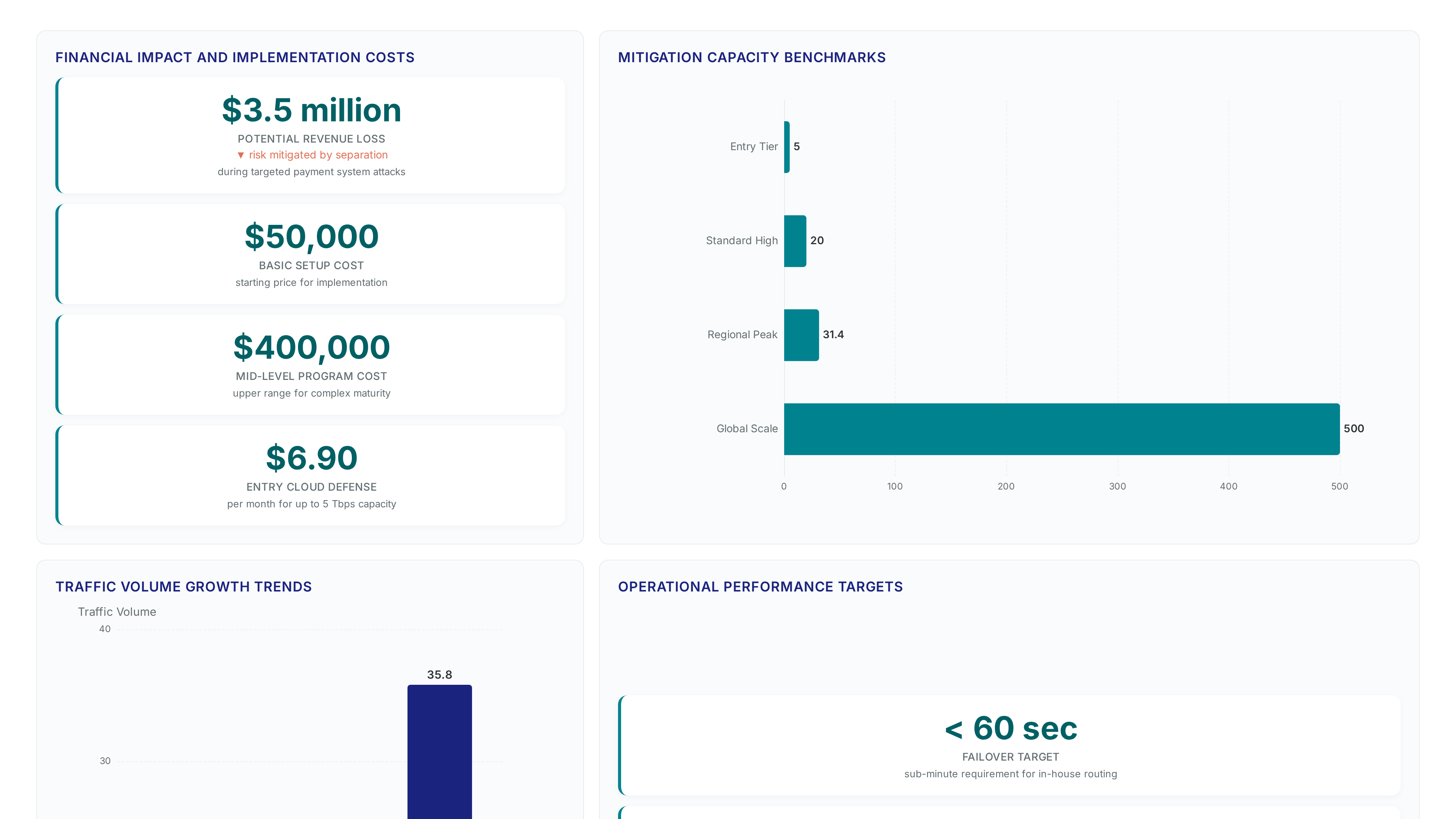
Attacks hit 31.4 Tbps in 2025. Keep your BGP keys to steer traffic when providers fail, ensuring you never lose control.

Cloudflare now holds 500 Tbps capacity, absorbing massive 31.4 Tbps attacks without slowing legitimate traffic or requiring manual intervention.

Sparkle enforced active path validation on Feb 3, 2026. Stop relying on unsigned IRR lists for your blackhole requests today.

With 74% of traffic on RPKI routes, skipping BLACKHOLE tags creates critical risks. Learn why strict validation stops more-specific hijacks today.

Third-party breaches drive a massive share of incidents. Unauthenticated BGP routing remains a critical, undermanaged vulnerability you must fix.

ASPA records surged 539% in 2025, yet route coverage lags. Learn why fragmenting ROAs slows validation and hurts your network security today.

Scan traffic surged 100x in one year. I explain why passive listening is dead and how proactive telescopes catch modern attackers today.

ARIN 57 meets in Louisville this April. With 74% of traffic now RPKI-secured, we analyze the gap between route counts and real safety.

At 11:50 UTC, Iran withdrew 98.5% of IPv6 space. I analyze how this BGP strategy differs from past throttling and what it means for global routing.

Cut public IP exposure with zero added cost. By 2026, private origins become mandatory for zero-trust security architectures.

Since April 2025, AWS charges $0.01 per GB for cross-AZ peering. I show how new billing codes expose these once-hidden network costs.