IPv6 addresses won't fix your shortage today
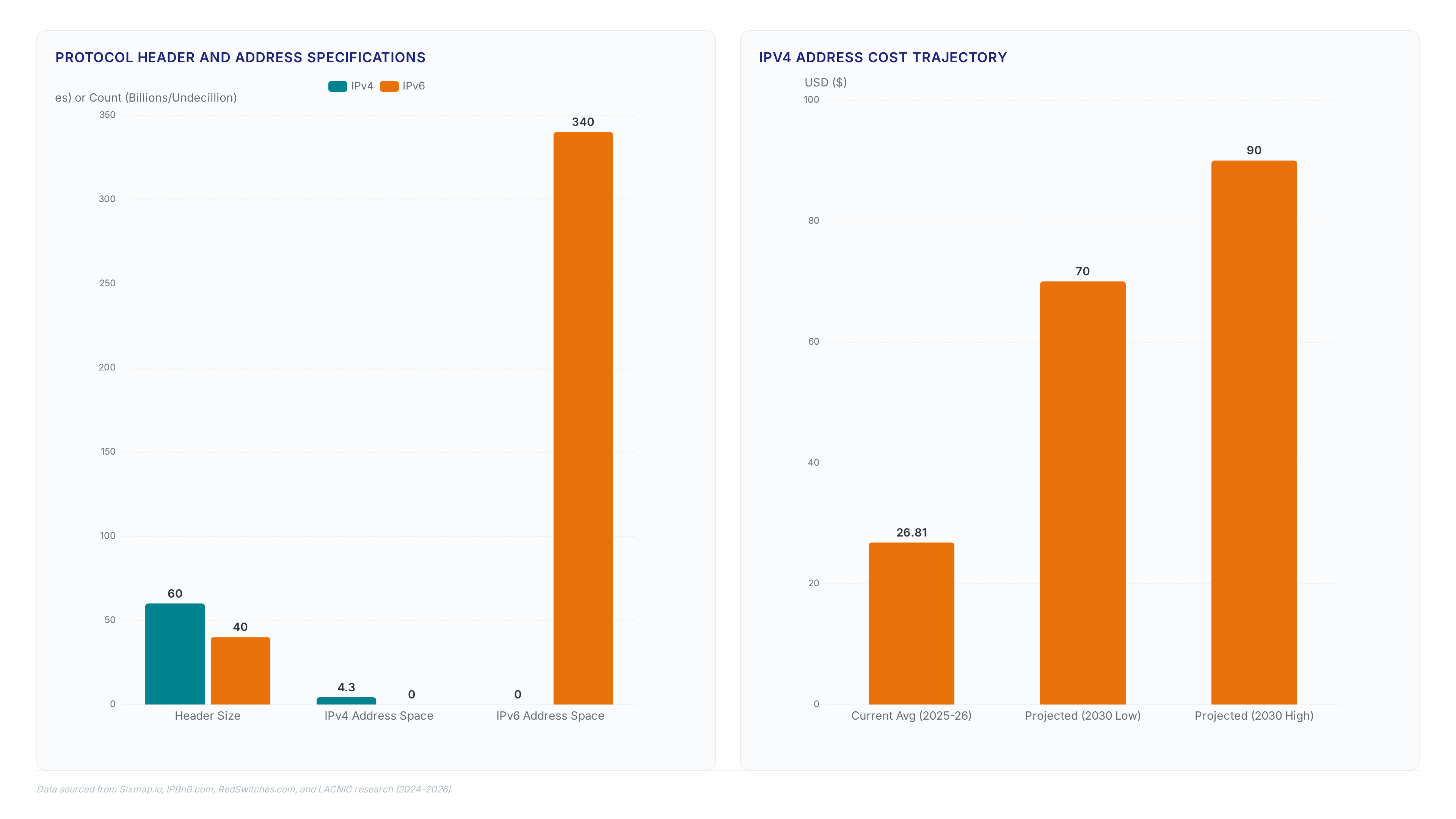
IPv6 delivers 340 undecillion addresses to solve the exhaustion of IPv4's 4 billion slots. This protocol serves as the mandatory evolution for global...

Skip the €1,800 annual fee and weeks of waiting. InterLIR delivers independent IPv6 space and ASN sponsorship in just 2 business days.
Secure your organization's name in the registry with a direct ASN and /44 bundle for exactly 100€ annually, eliminating third-party dependency.
Avoid returning Provider Independent addresses when contracts lapse. Learn how sponsorship retains ownership while stabilizing costs at 240€ yearly.
Renting IPv6 /48 blocks costs $66.65 yearly, proving leasing bypasses traditional scarcity while offering immediate network deployment for servers.
Five RIRs manage global resources, yet fragmented records create risk. Learn to audit your IPv4 and IPv6 assets for true governance.
With small blocks reaching $45 per unit, InterLIR helps secure clean IPv4 assets before 2026 price corrections tighten the market further.
A RIPE NCC block triggers a mandatory 3-month deal. InterLIR prevents resource forfeiture by managing your LIR status and AS6723 coordination effectively.
Bakker IT charges a modest €75 annual fee for ASN services, offering a streamlined local registry path without direct RIPE NCC membership overhead.
With 713 Local Internet Registries stuck on the IPv4 Waiting List, the RIPE NCC confirms that address scarcity is now a hard operational constraint.
Global IPv6 availability hovers around 40%. That leaves a massive gap. Organizations lease IPv4 blocks to bypass permanent acquisition costs while...
ARIN's IPv4 Free Pool officially depleted on 24 September 2015. The registry still processes limited requests, but the rules have changed...
APNIC policy version 015 takes effect 20 February 2025, redefining IPv4 transfer rules and compliance for the Asia Pacific region.
AWS charges for public IPv4 by Dec 2025. I show how VPC Block Public Access secures your 5 IPv6 CIDR blocks without extra fees.
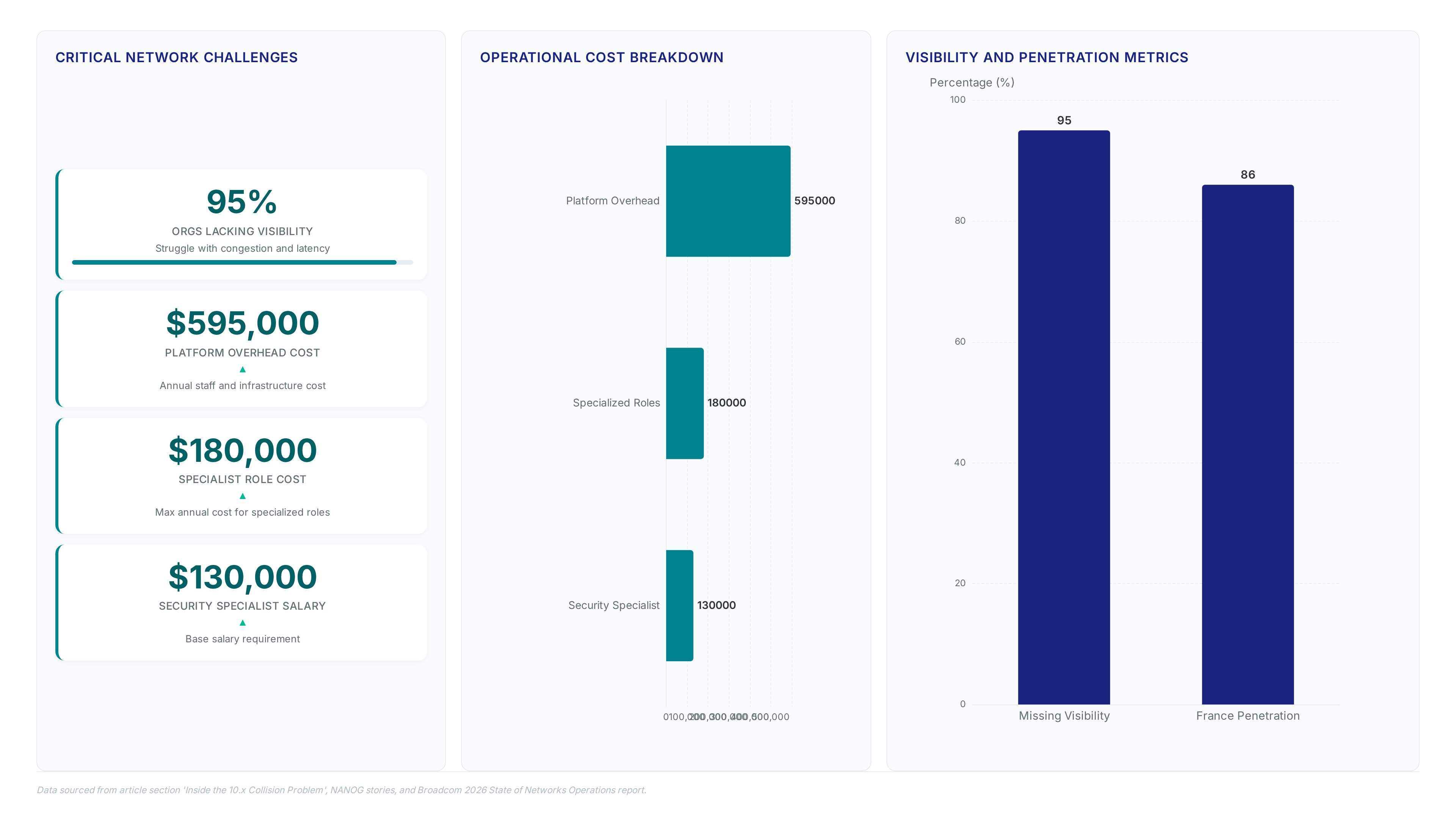
With IPv6 access hitting 48.8%, unmanaged dual-stack environments create blind spots. Learn why technical pleas fail and governance is the only fix.
With only 34% of IPv6 space advertised, clinging to IPv4 Router IDs creates unnecessary phantom infrastructure and collision risks.
The 2026 ARIN Community Grant funds noncommercial registry and IPv6 work, $1,000–$20,000, deadline 14 June 2026. Which projects actually win, and which category
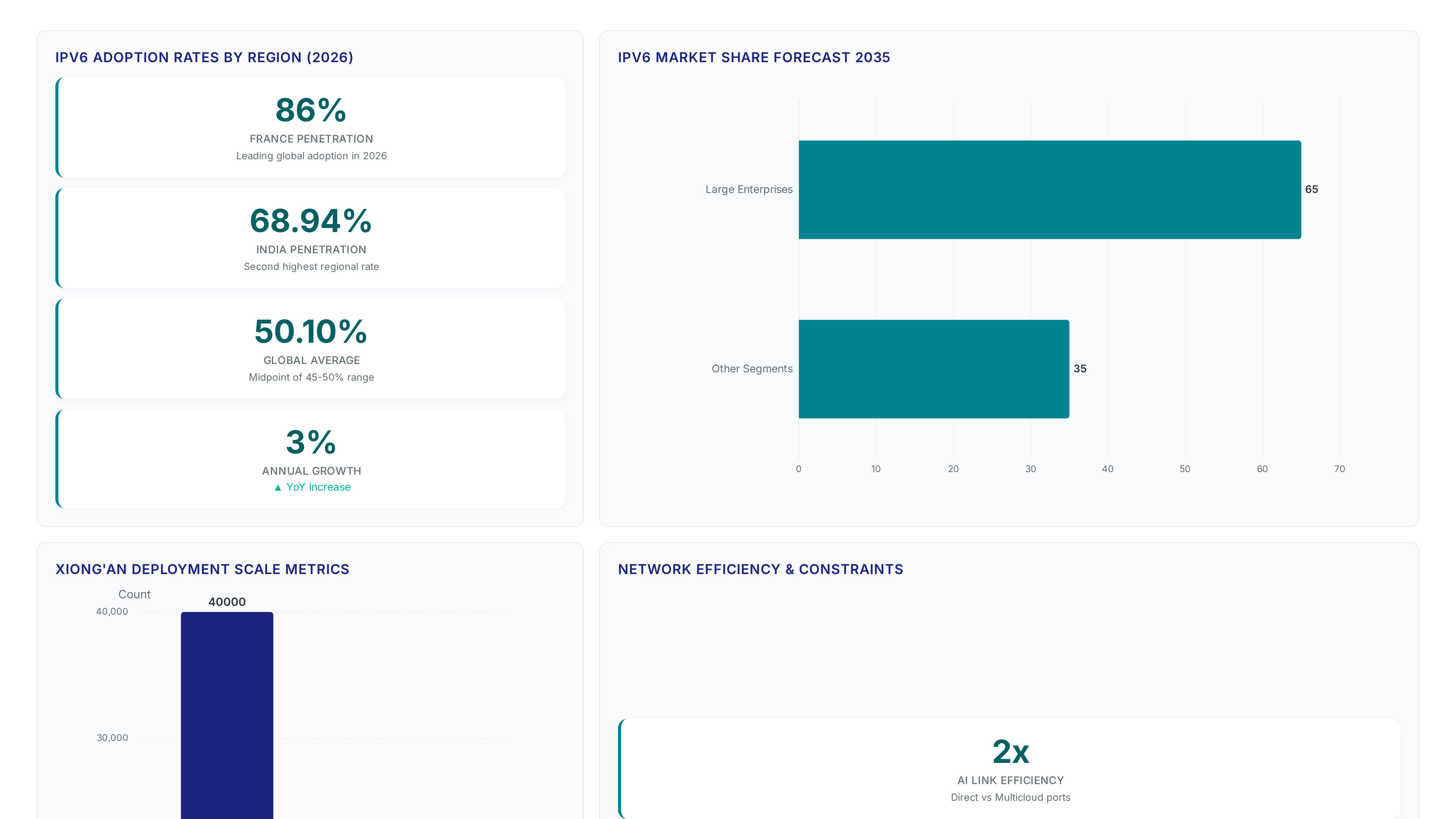
With IPv6 traffic hitting 50.10%, the IPv8 proposal is an architectural dead end. We must optimize existing stacks, not chase vaporware.
With IPv6 growth at just 5%, I explain why IPv8's telemetry claims don't yet justify leaving our stable IPv4 infrastructure behind.
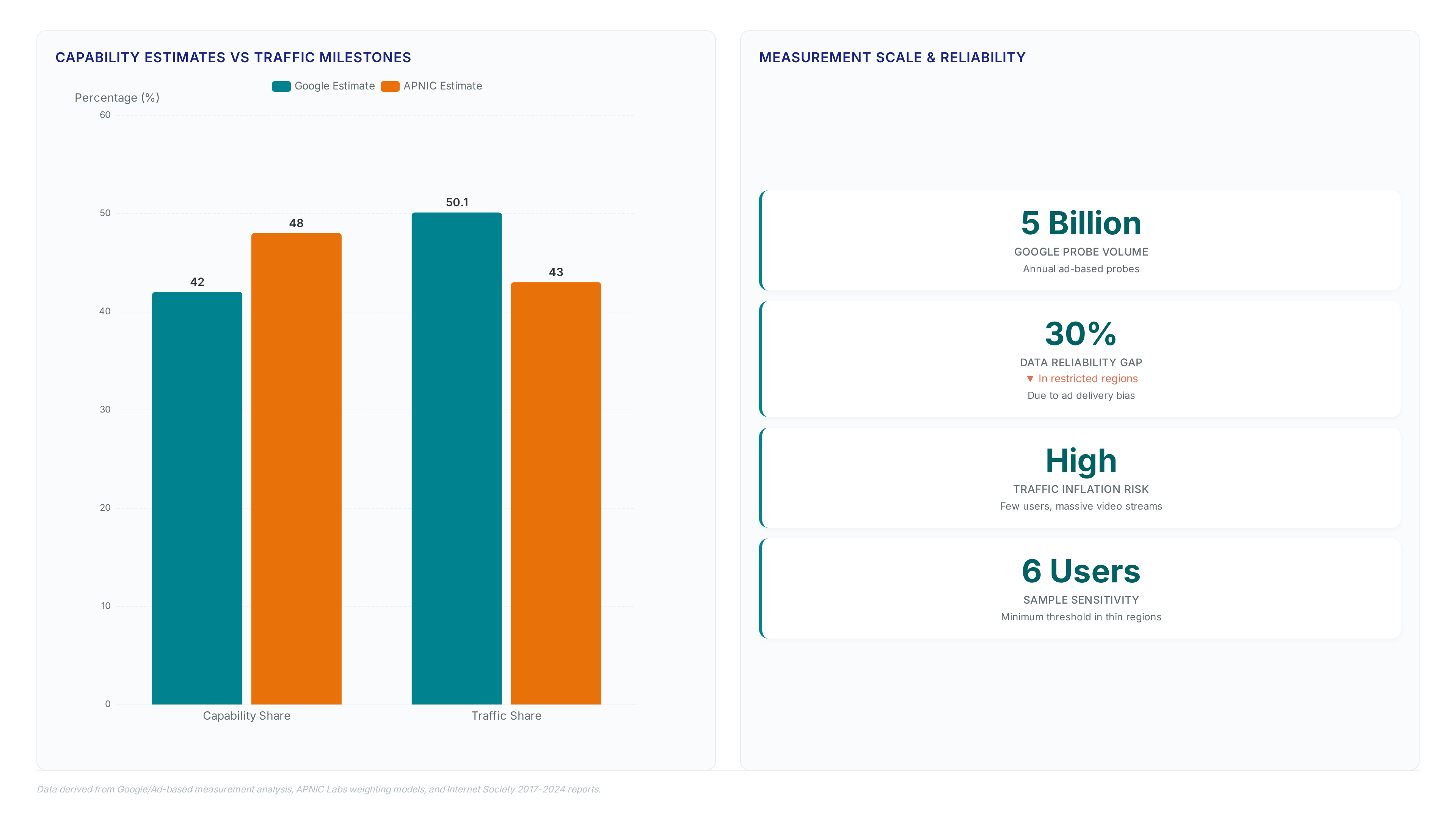
Google hit 50.10% IPv6 adoption, but APNIC shows 42%. I explain why this 8-point gap matters for your network planning today.
Stop flying blind with 80% native IPv6 traffic. Akvorado delivers enterprise visibility using just 8GB RAM, no expensive licenses needed.
Xiong'an earned the first city plaque on April 6, 2026. I analyze how this direct APNIC membership changes global routing policy.
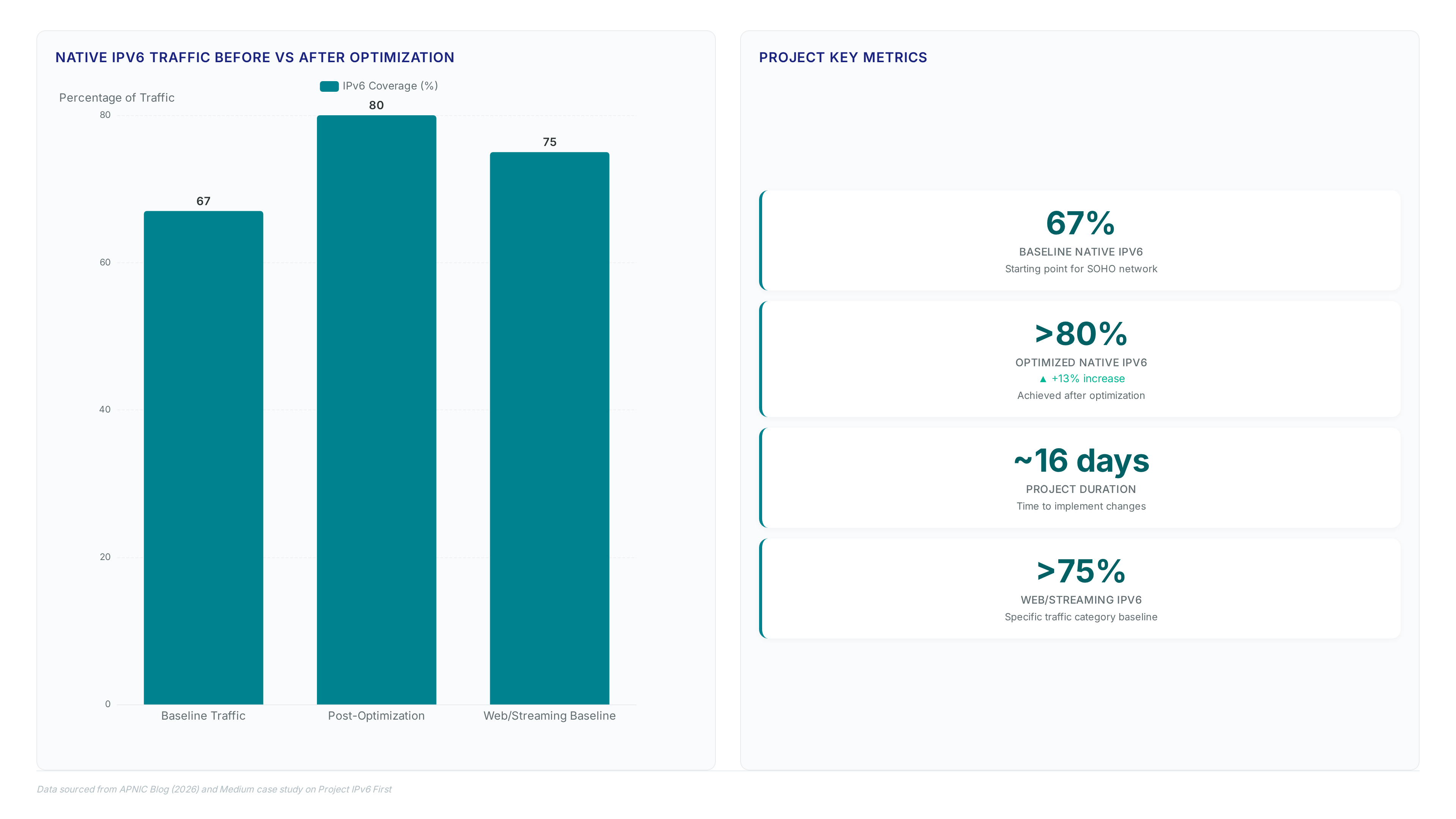
See how a single app binding change lifted native IPv6 from 67% to 79.2% in just 16 days by fixing specific fallbacks.
Global internet hit 74% penetration. Adding IPv8 now means replacing billions in legacy hardware that vendors abandoned years ago.
The IPv8 draft proposes 18.4 quintillion addresses, but its centralized Zone Server creates a single failure point operators can't ignore.
Don't trust IPv8 hype. Data from 2026 proves IPv6 handles mergers better, avoiding the 10x collision risks seen in fragmented legacy networks.
Jamie Thain proposes repurposing 127.x to solve 10.x overlaps, offering a fix while global IPv6 sits at 50.10% usage in 2026.
With native access at 50.10%, basic setup fails. Learn why advanced design skills are the new bottleneck for secure networks.
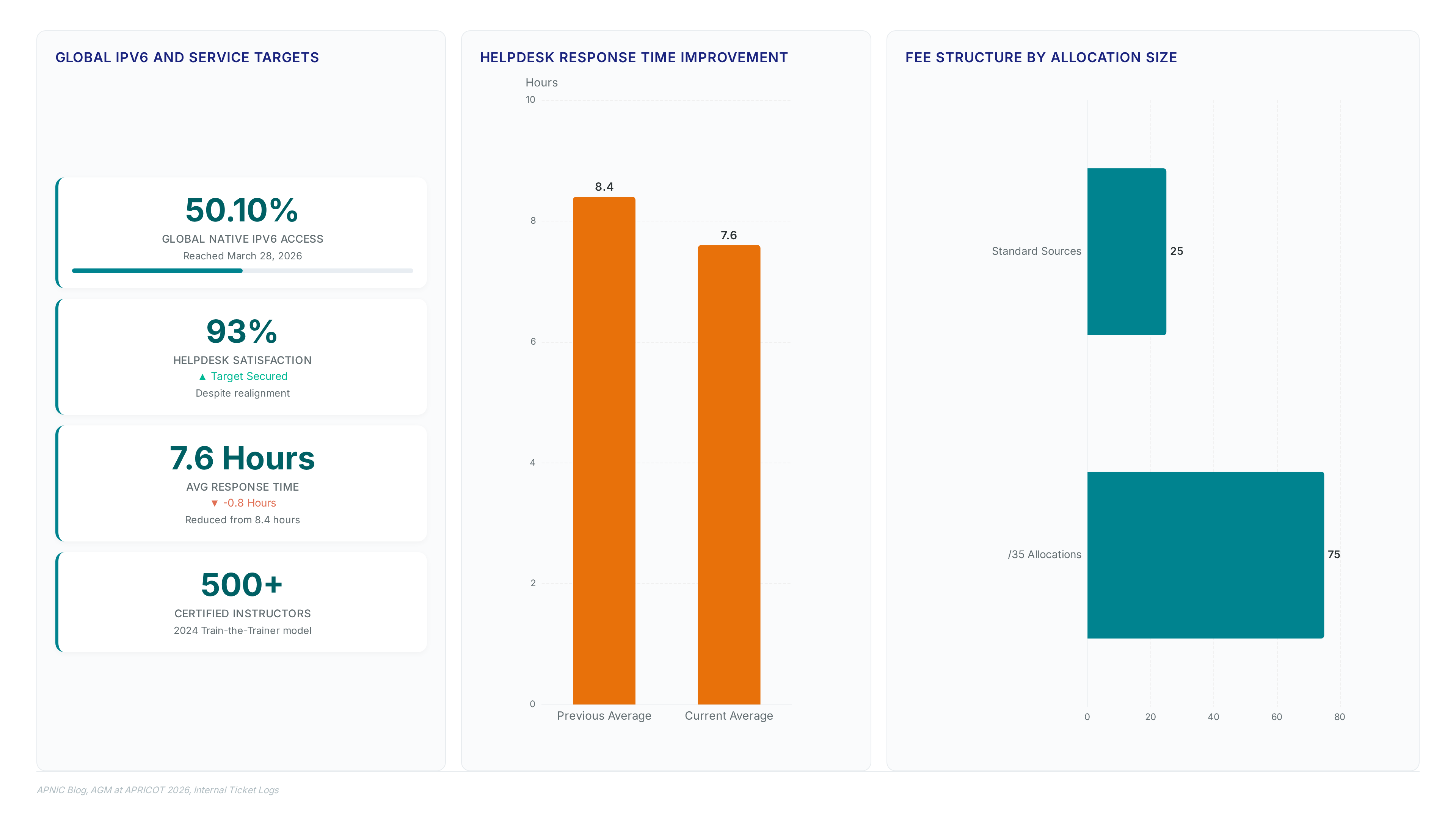
APNIC growth hit just 1.6% in 2025. I analyze how new security pillars and 7.6-hour support times impact your IPv4 strategy today.
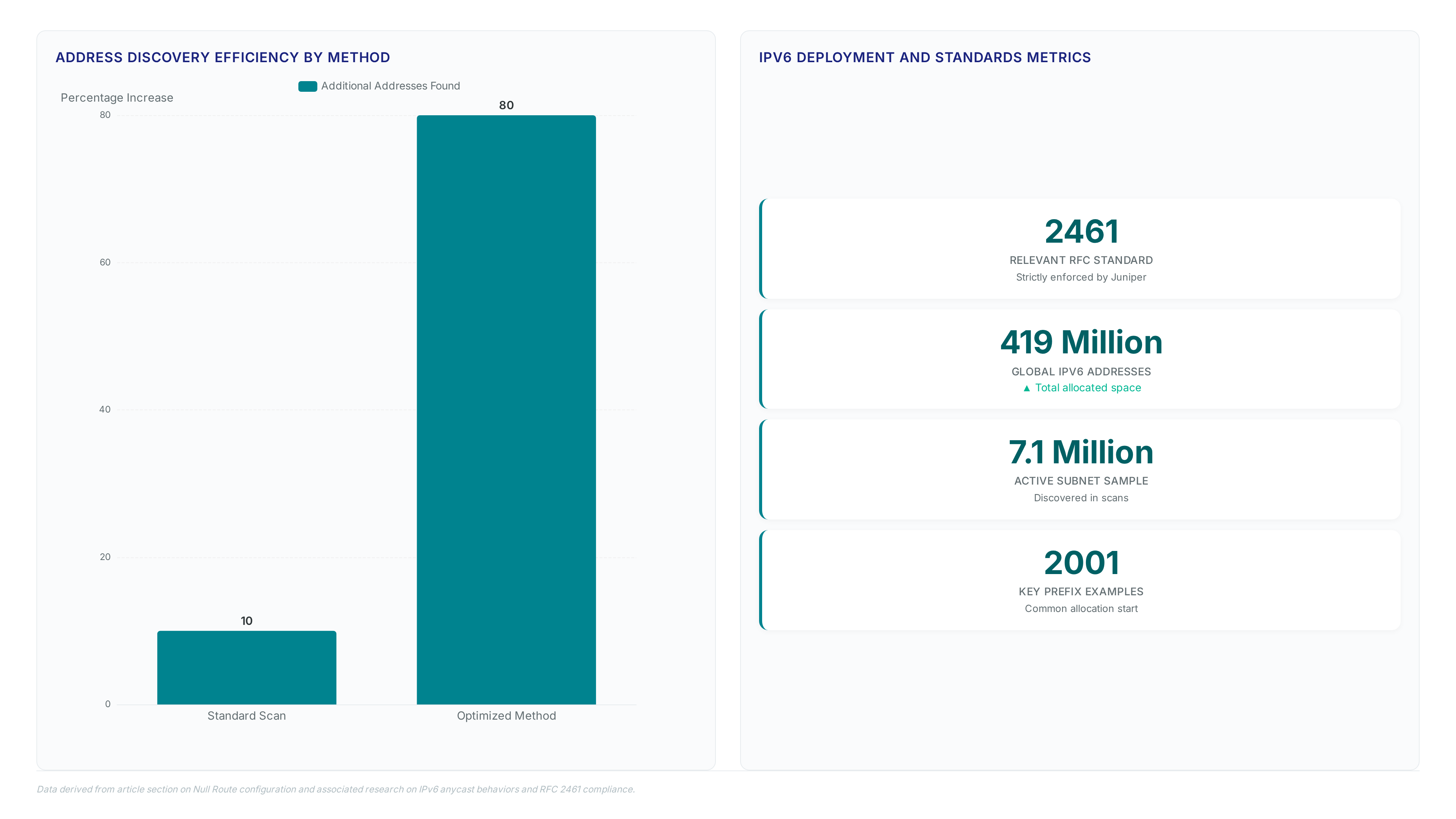
I analyzed how 4.19 million /64 subnets trigger routing loops. See why firmware bugs cause massive amplification and how to fix it now.
APNIC replaced cloud models with physical sites to cut egress fees, helping teams master native IPv6 before the 2027 modernization rush.
Naive scanning crashes on aliases. See how tweaking DNS timers pushed our home lab native traffic above 90% despite legacy IoT device clutter.
Seven regional bodies now enforce routing integrity. With TWNIC reaching 98% IPv6 validity, I analyze how NIRs secure our infrastructure.
APNIC tests reveal a 40% failure rate in glueless DNS. We must pause before codifying fragile IPv6-only dependencies into binding RFCs.
With a 40% failure rate on large payloads, IPv6 DNS shows why dualstack is vital for real user capability today.
At APNIC 61, chairs debated prop164. See why a /36 block might fracture routing tables for millions of users tomorrow.
Discover why 1994 IETF mandates created IPv6 complexity. Learn why dual-stack remains vital as we approach 2026 infrastructure trends.
The 1994 Toronto decision rejected simple expansion, forcing dual stacks that double memory use and operational costs for networks today.
North America holds 39.5% of global IPv4. I break down ARIN 57 sponsorship tiers to show where your budget actually buys policy influence.
With 8M records at stake, the 15-member ARIN Council needs your voice before the 2026.1 manual locks in new rules.
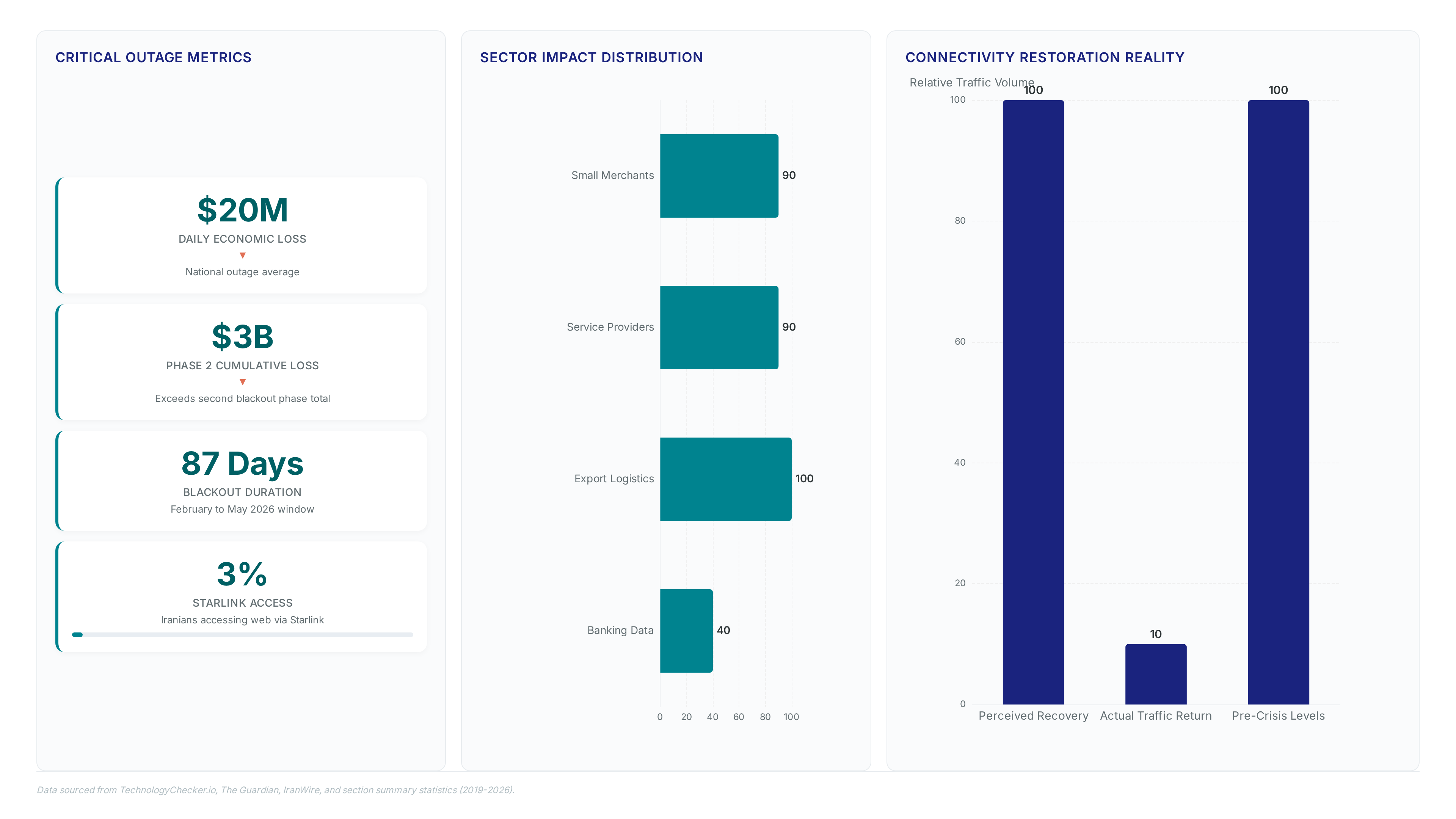
At 11:50 UTC, Iran withdrew 98.5% of IPv6 space. I analyze how this BGP strategy differs from past throttling and what it means for global routing.