SEE 14 Engineers: Stop IPv6 Growth Flatlining
SEE 14 in Belgrade tackles the 2–3% IPv6 growth stall. Join engineers April 21–22 to fix routing gaps before obsolescence hits.

SEE 14 in Belgrade tackles the 2–3% IPv6 growth stall. Join engineers April 21–22 to fix routing gaps before obsolescence hits.

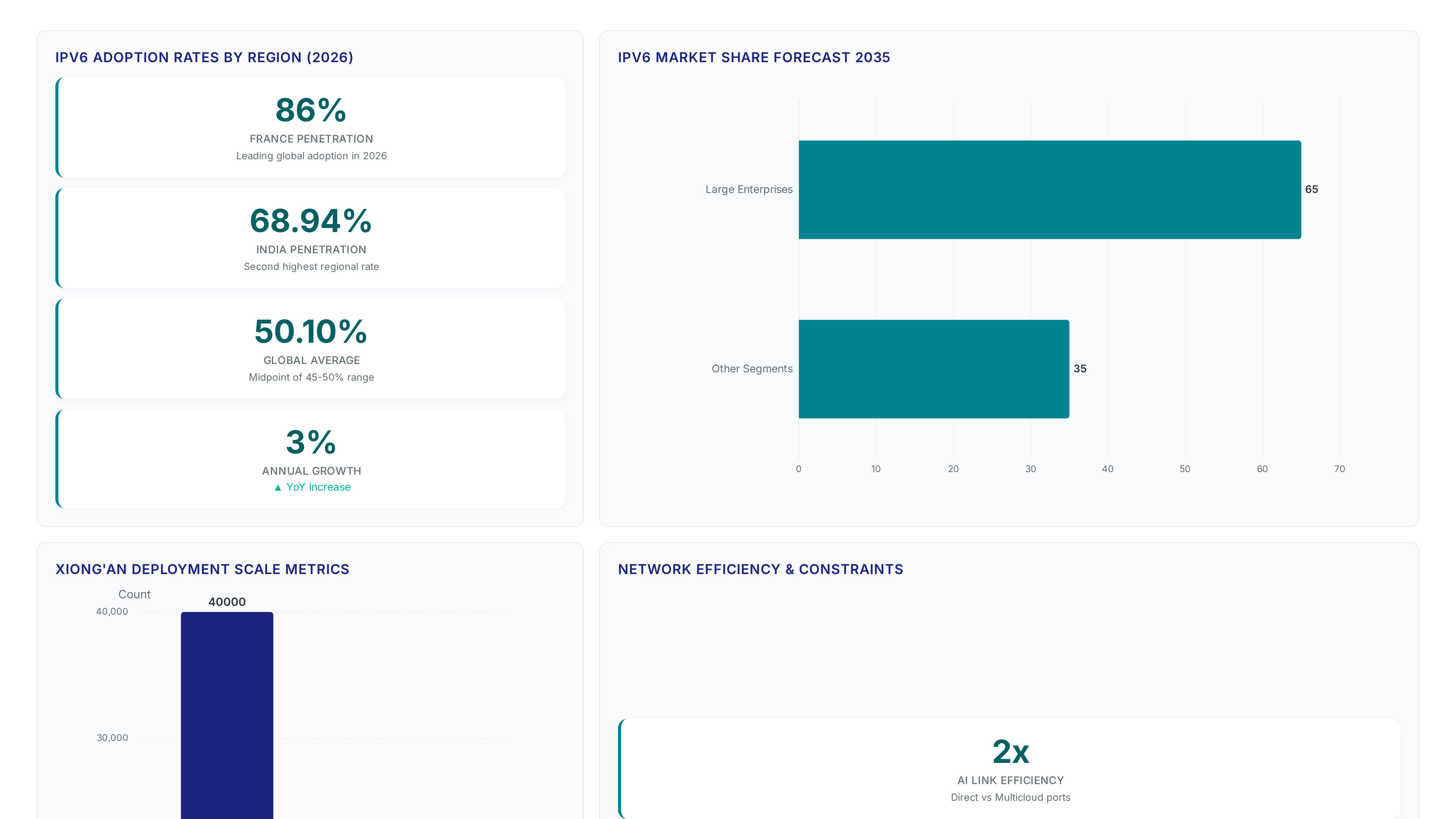
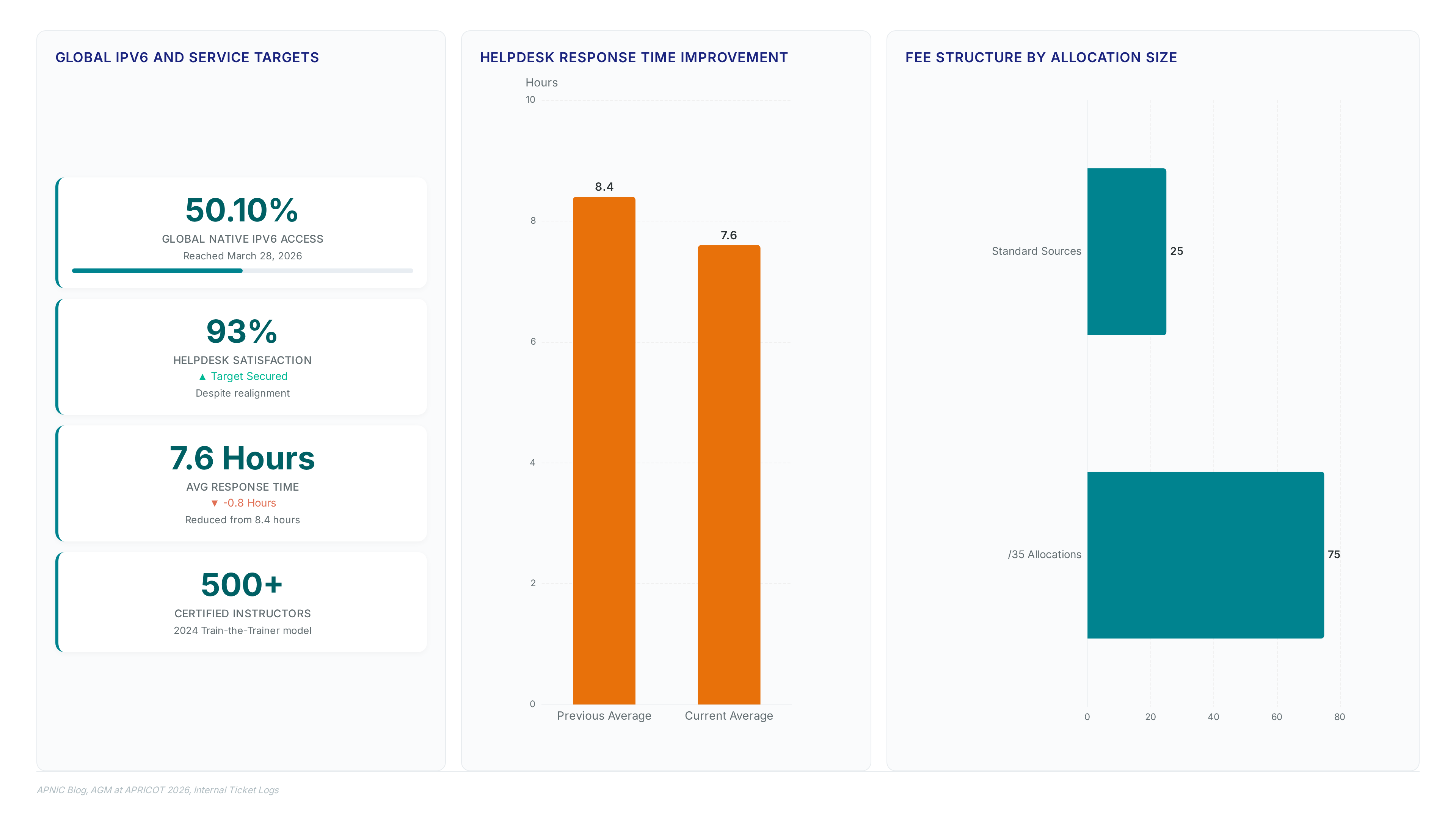
With 50.10% of global traffic now on IPv6, ignoring unmanaged entry points is a governance failure. Learn to frame this as a board-level liability.

With IPv6 traffic hitting 50.10%, the IPv8 proposal is an architectural dead end. We must optimize existing stacks, not chase vaporware.

With IPv6 growth at just 5%, I explain why IPv8's telemetry claims don't yet justify leaving our stable IPv4 infrastructure behind.

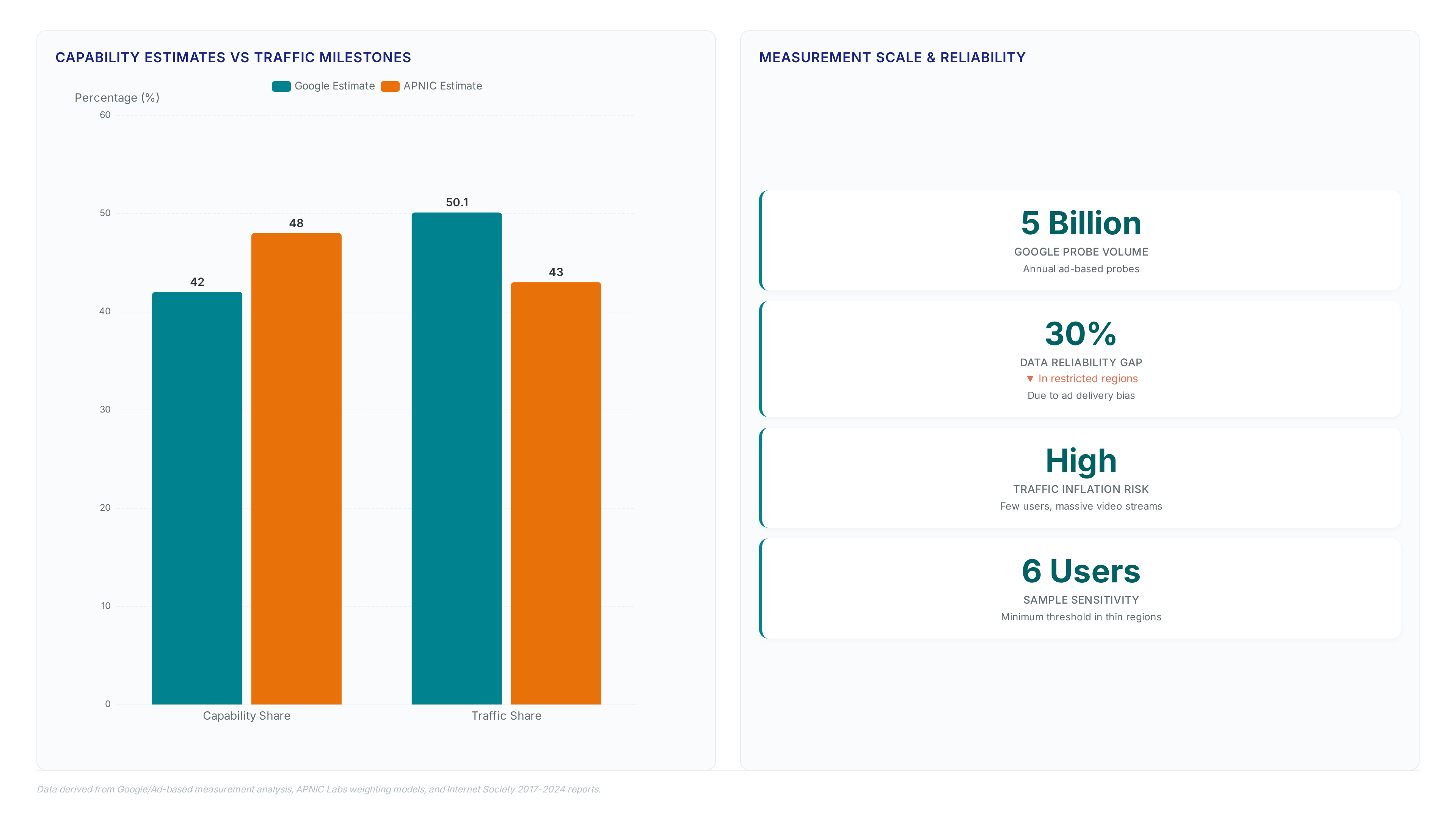
Google hit 50.10% IPv6 adoption, but APNIC shows 42%. I explain why this 8-point gap matters for your network planning today.

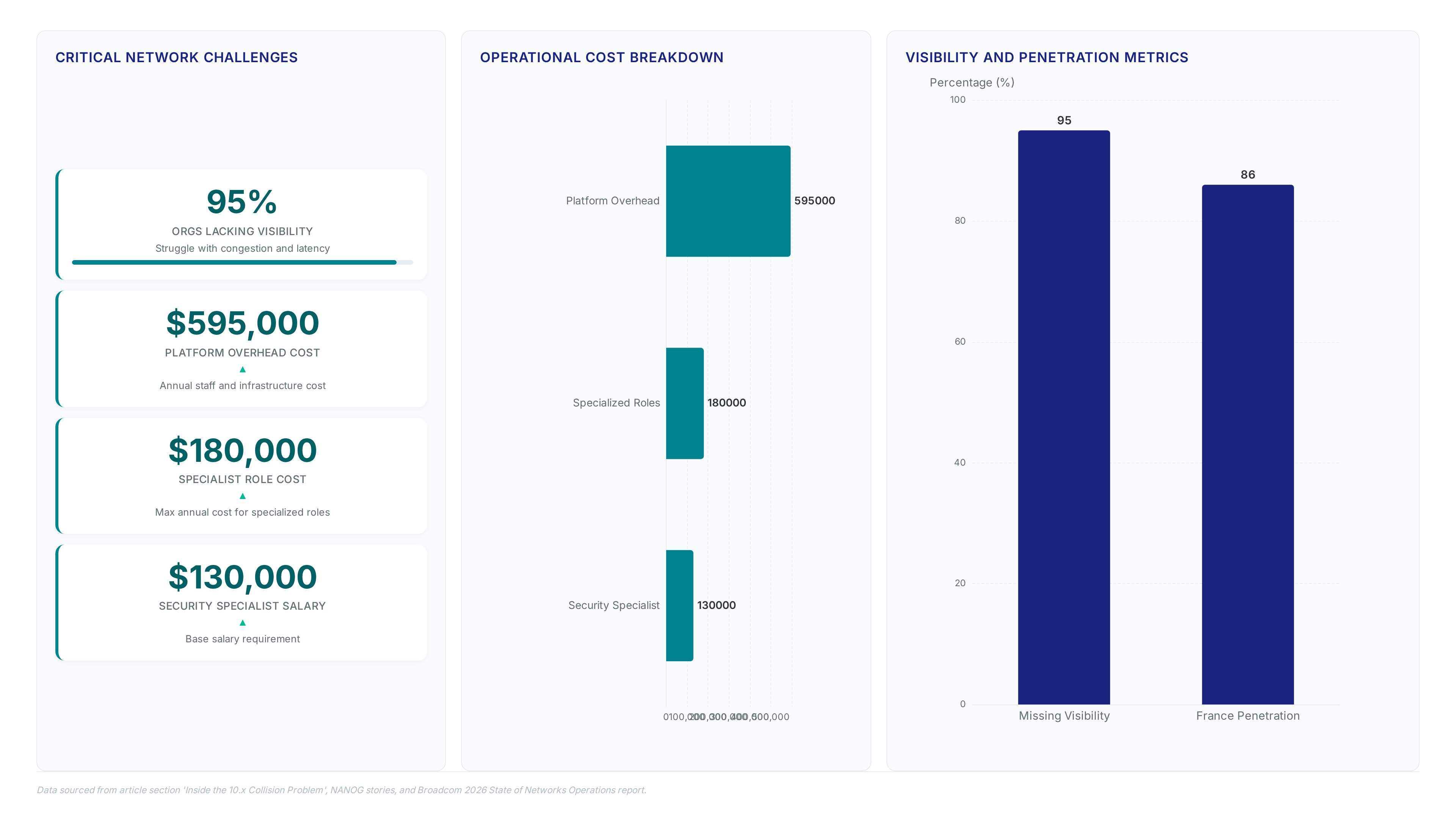
Stop flying blind with 80% native IPv6 traffic. Akvorado delivers enterprise visibility using just 8GB RAM, no expensive licenses needed.

Xiong'an earned the first city plaque on April 6, 2026. I analyze how this direct APNIC membership changes global routing policy.

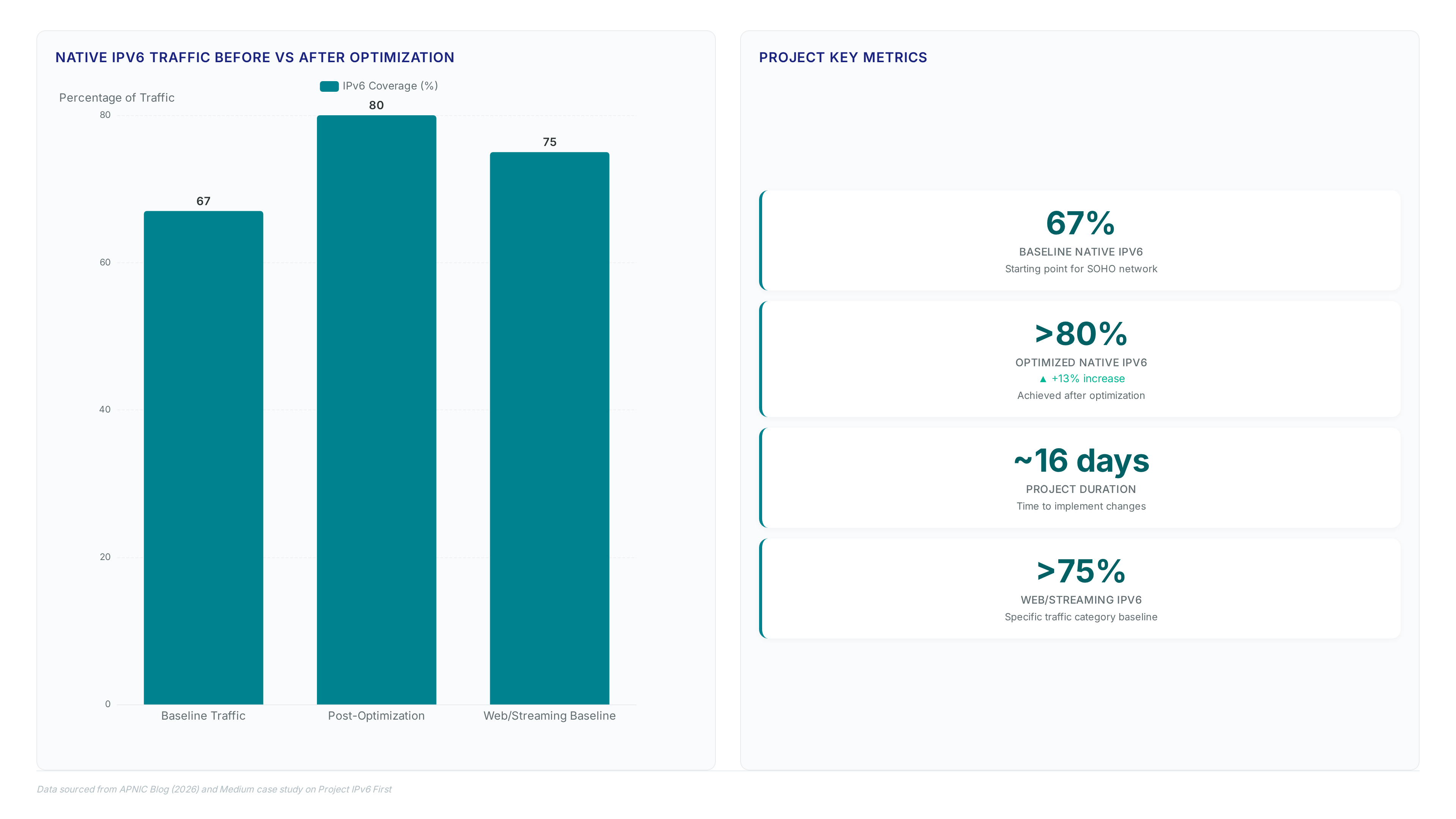
See how a single app binding change lifted native IPv6 from 67% to 79.2% in just 16 days by fixing specific fallbacks.

Global internet hit 74% penetration. Adding IPv8 now means replacing billions in legacy hardware that vendors abandoned years ago.

The IPv8 draft proposes 18.4 quintillion addresses, but its centralized Zone Server creates a single failure point operators can't ignore.

Don't trust IPv8 hype. Data from 2026 proves IPv6 handles mergers better, avoiding the 10x collision risks seen in fragmented legacy networks.

Jamie Thain proposes repurposing 127.x to solve 10.x overlaps, offering a fix while global IPv6 sits at 50.10% usage in 2026.

With native access at 50.10%, basic setup fails. Learn why advanced design skills are the new bottleneck for secure networks.

APNIC growth hit just 1.6% in 2025. I analyze how new security pillars and 7.6-hour support times impact your IPv4 strategy today.

I analyzed how 4.19 million /64 subnets trigger routing loops. See why firmware bugs cause massive amplification and how to fix it now.

APNIC replaced cloud models with physical sites to cut egress fees, helping teams master native IPv6 before the 2027 modernization rush.

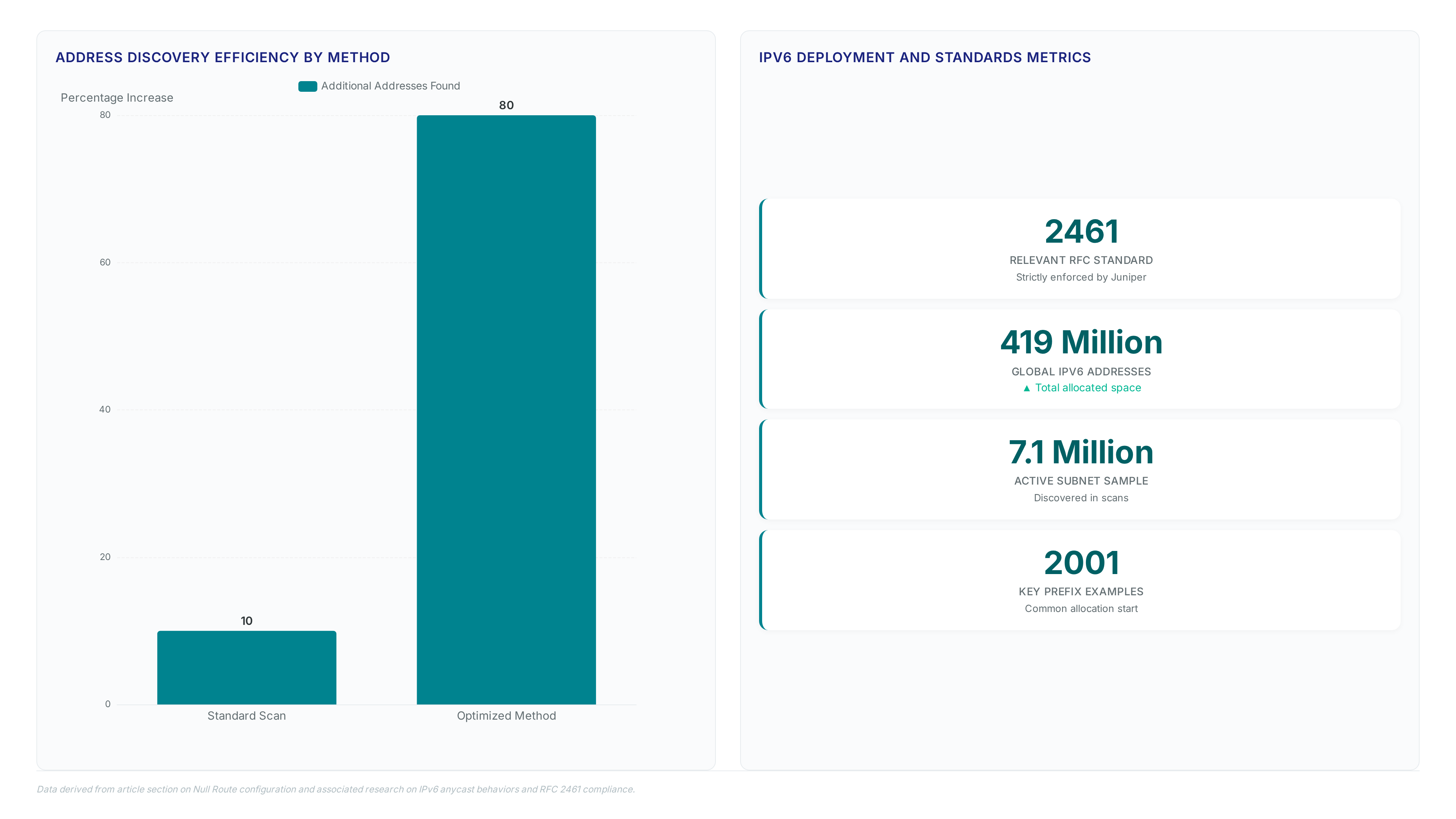
Naive scanning crashes on aliases. See how tweaking DNS timers pushed our home lab native traffic above 90% despite legacy IoT device clutter.

Seven regional bodies now enforce routing integrity. With TWNIC reaching 98% IPv6 validity, I analyze how NIRs secure our infrastructure.

APNIC tests reveal a 40% failure rate in glueless DNS. We must pause before codifying fragile IPv6-only dependencies into binding RFCs.

With a 40% failure rate on large payloads, IPv6 DNS shows why dualstack is vital for real user capability today.

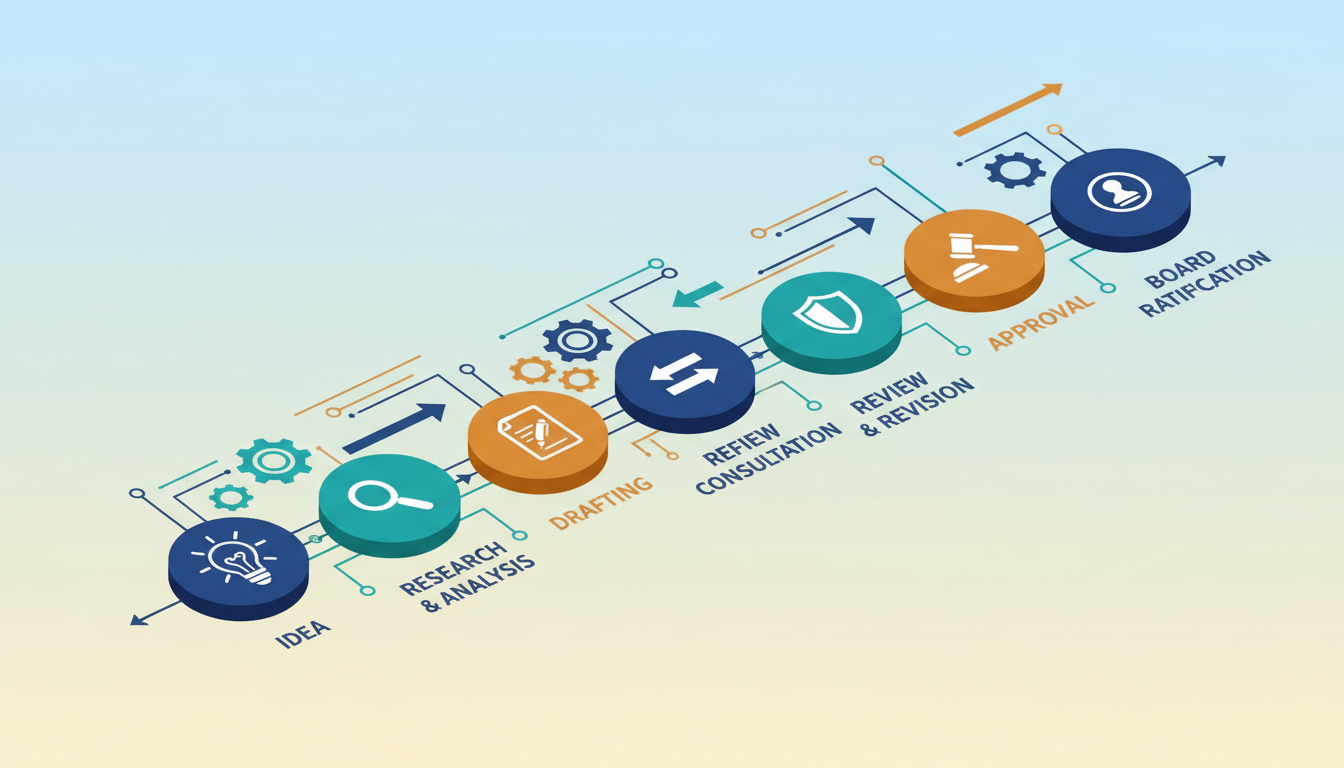
At APNIC 61, chairs debated prop164. See why a /36 block might fracture routing tables for millions of users tomorrow.

Scan traffic surged 100x in one year. I explain why passive listening is dead and how proactive telescopes catch modern attackers today.

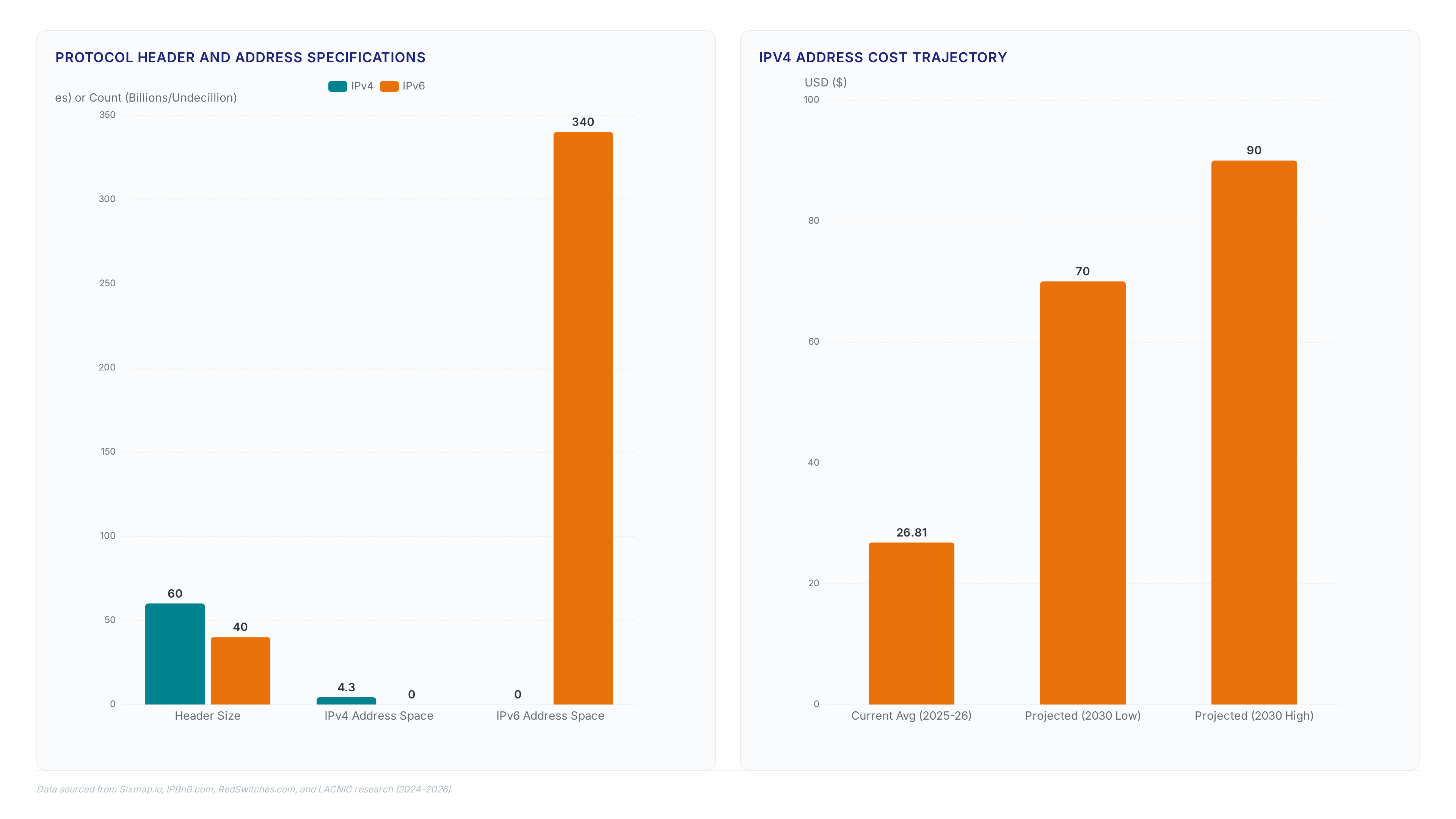
Discover why 1994 IETF mandates created IPv6 complexity. Learn why dual-stack remains vital as we approach 2026 infrastructure trends.

The 1994 Toronto decision rejected simple expansion, forcing dual stacks that double memory use and operational costs for networks today.

North America holds 39.5% of global IPv4. I break down ARIN 57 sponsorship tiers to show where your budget actually buys policy influence.

With 8M records at stake, the 15-member ARIN Council needs your voice before the 2026.1 manual locks in new rules.

With global IPv6 access at 50.10%, our team analyzes the Feb 12 ARIN workshop. Learn practical RPKI steps to secure your routing today.

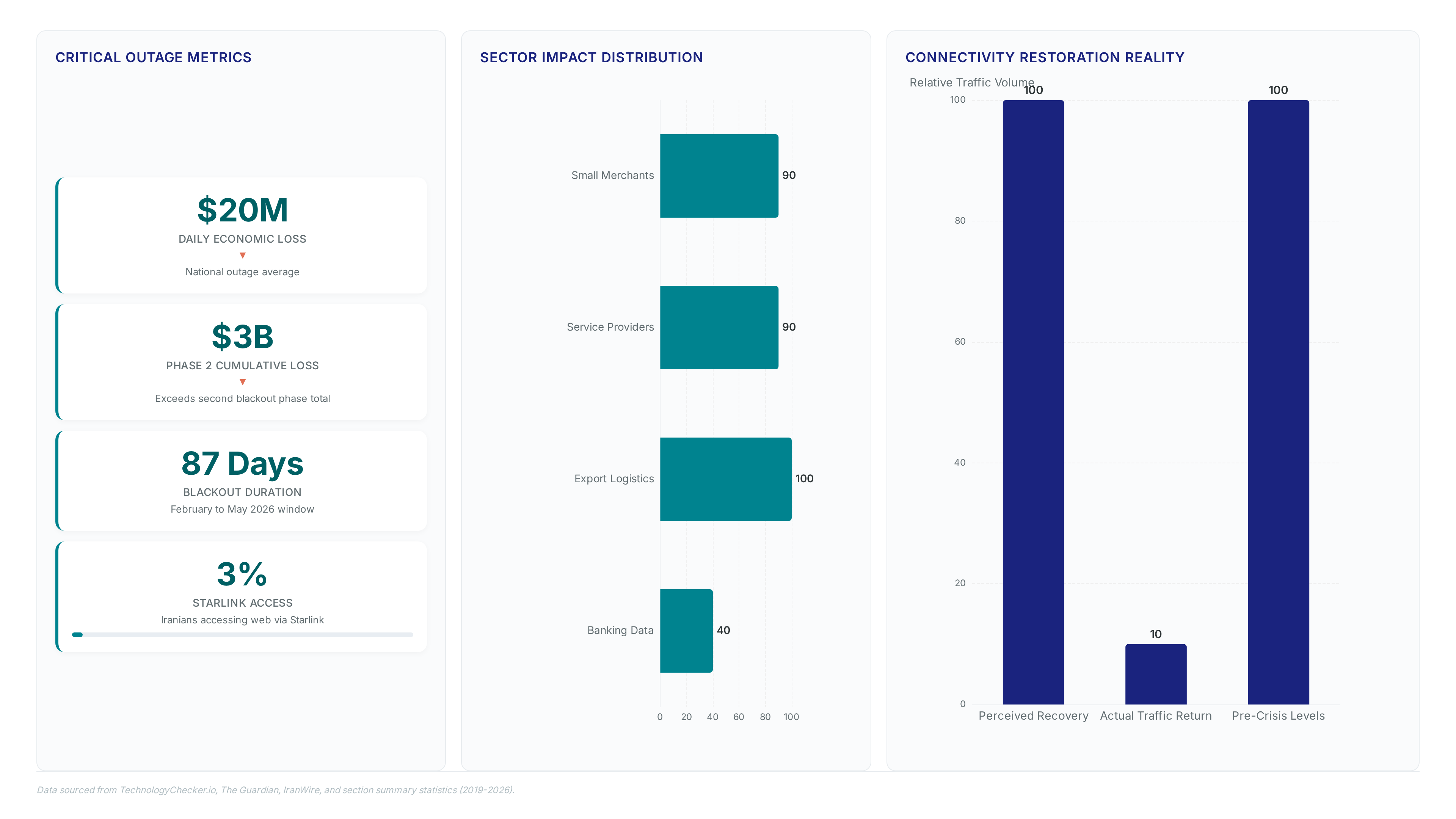
At 11:50 UTC, Iran withdrew 98.5% of IPv6 space. I analyze how this BGP strategy differs from past throttling and what it means for global routing.