Strategy shifts: NRO enforces 71% ROA coverage
The new NRO strategy pushes ROA coverage from 29.9% to 71.0%. As a support lead, I see how this impacts daily routing ops.

The new NRO strategy pushes ROA coverage from 29.9% to 71.0%. As a support lead, I see how this impacts daily routing ops.

With 773 LIRs stuck on the RIPE waiting list, free allocation is over. I analyze the shift to market transfers and rising costs.

Global ISP outages surged 92% in Q1 2026. See how CHINOG 13 uses peer data to harden Midwest infrastructure against cascading failures.

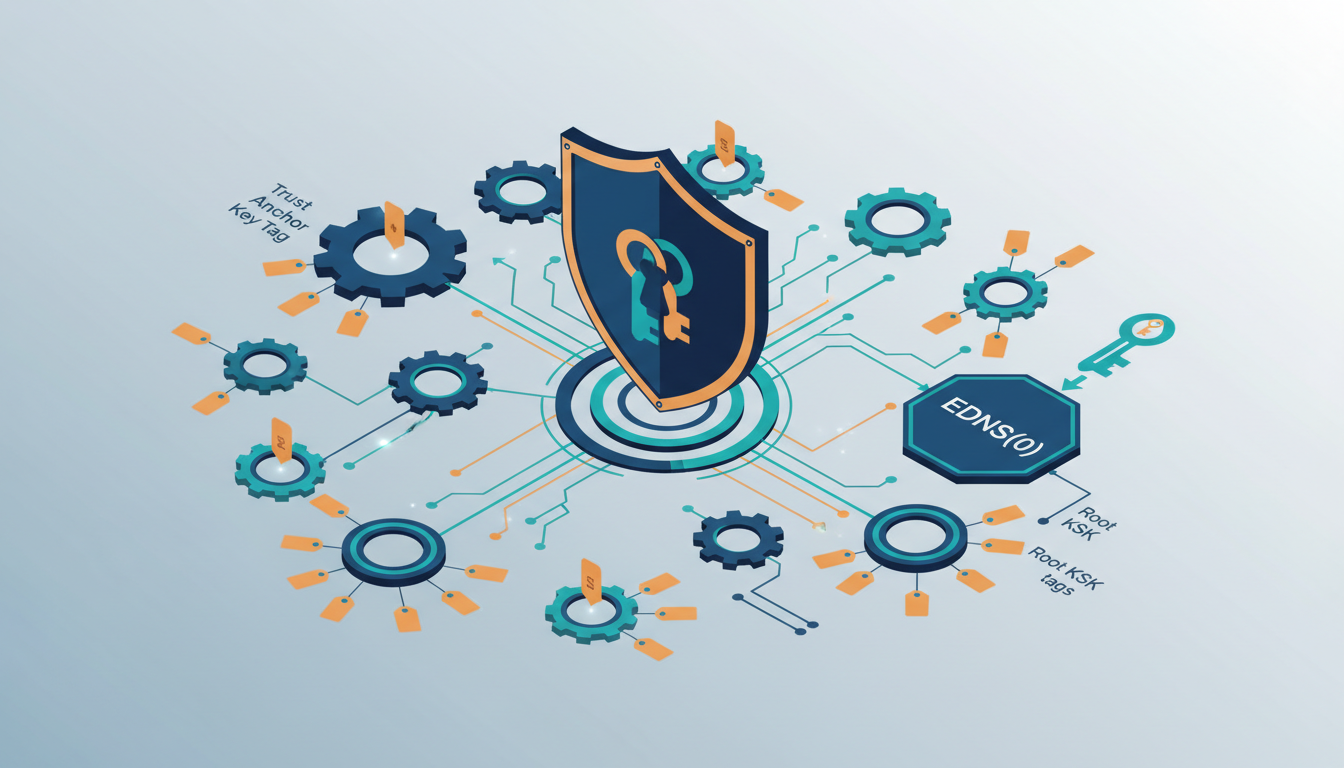
Root KSKs have survived eight years, but NIST warns keys over five years face quantum risks. Learn why rotation is urgent.

The 2026 RIR Governance update replaces ICP2 but leaves open issues. Learn how this affects your IP strategy before final adoption.

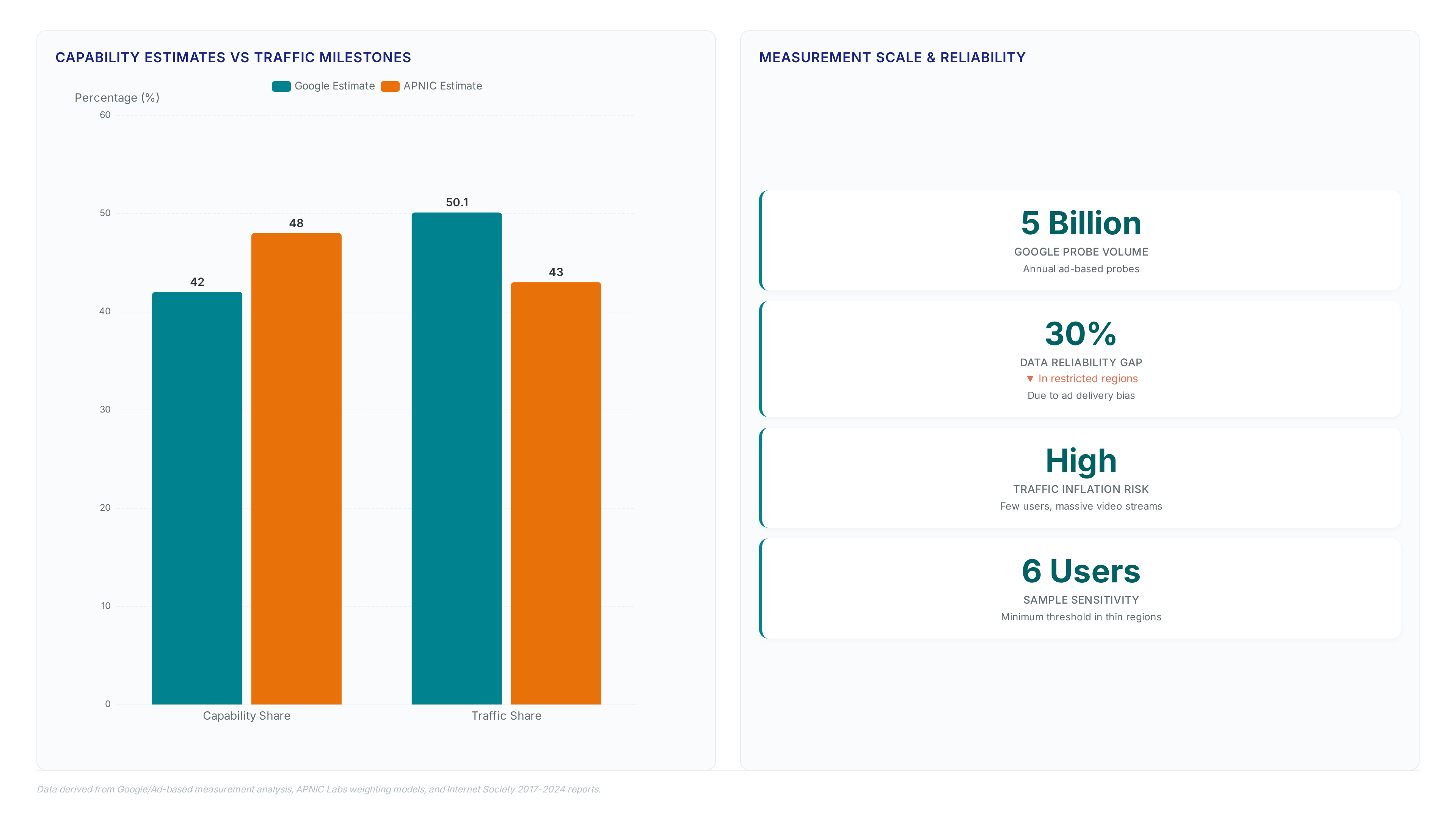
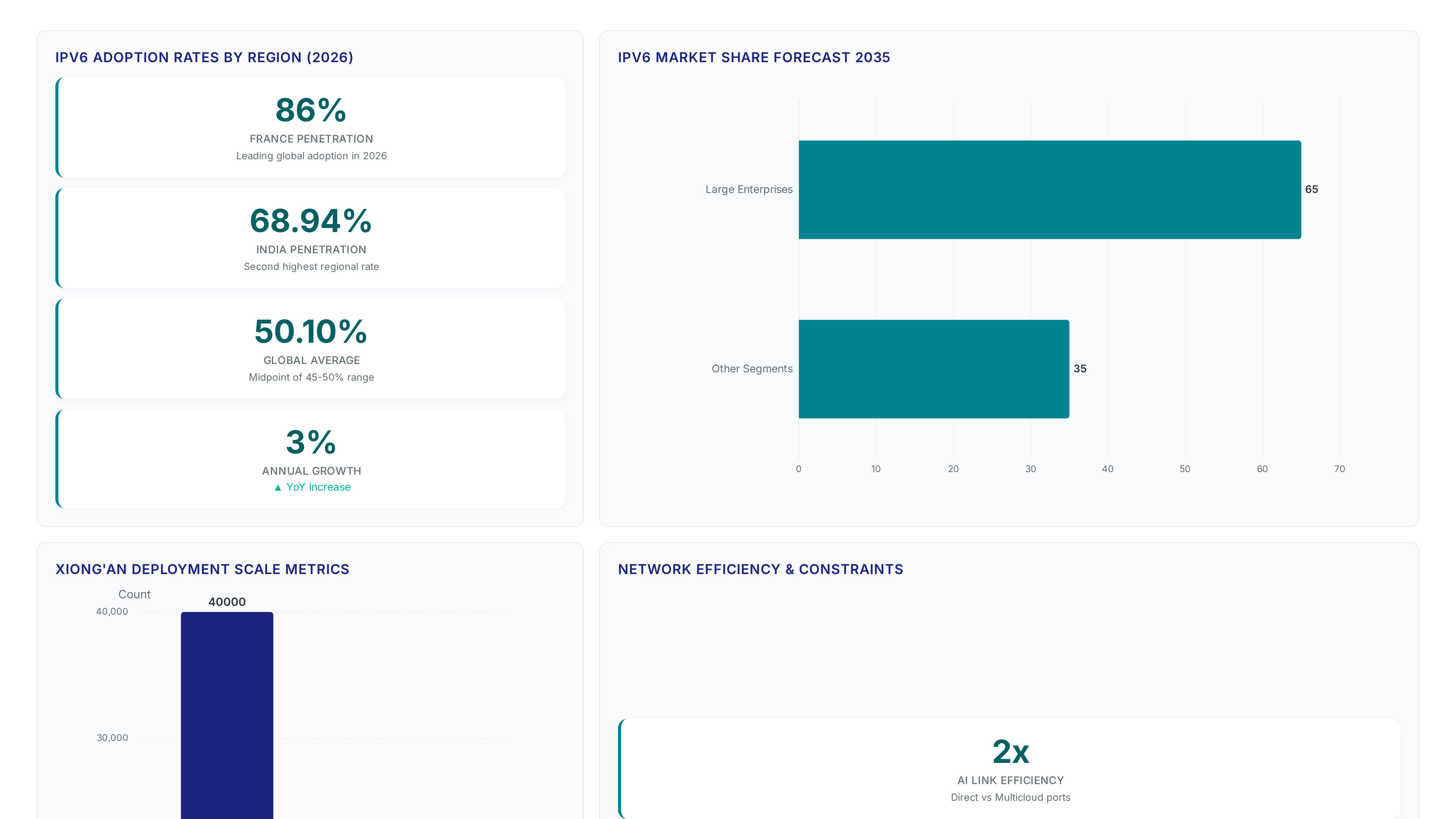
Google hit 50.10% IPv6 adoption, but APNIC shows 42%. I explain why this 8-point gap matters for your network planning today.

State actors caused 219 incidents in Q1 2026. We analyze how 92% growth in outages shifts from glitches to tactical isolation.

Video eats 82% of bandwidth, yet Akamai steering breaks when open DNS hides client locations. Learn why hybrid models are now essential.

Xiong'an earned the first city plaque on April 6, 2026. I analyze how this direct APNIC membership changes global routing policy.

I cut operational friction by embedding global routing in YAML. With AI hitting 58% of clusters, this declarative shift is essential.

See how LexisNexis removed manual router instances to support 15 percent of enterprises shifting to private AI deployments by 2026.

APNIC replaced cloud models with physical sites to cut egress fees, helping teams master native IPv6 before the 2027 modernization rush.

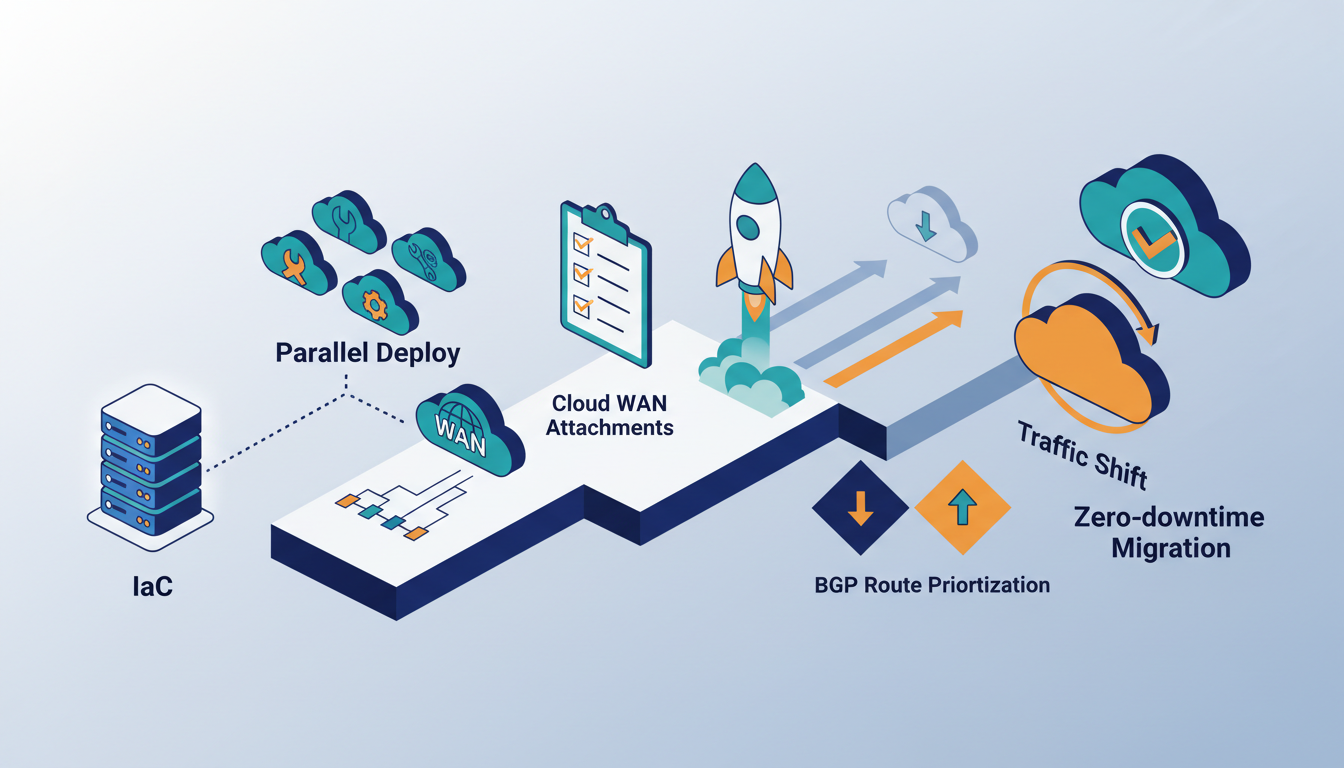
See how Betsson cut latency by 100 ms and costs 15% by swapping complex mesh topologies for managed Cloud WAN architecture.

Legacy collectors cover less than 2% of global ASes. See how 5,000 vantage points expose routing leaks that traditional tools miss completely.

Litigation has frozen resource allocation for years. With only 30 million addresses, AFRINIC's legal crisis hurts 56 African nations.

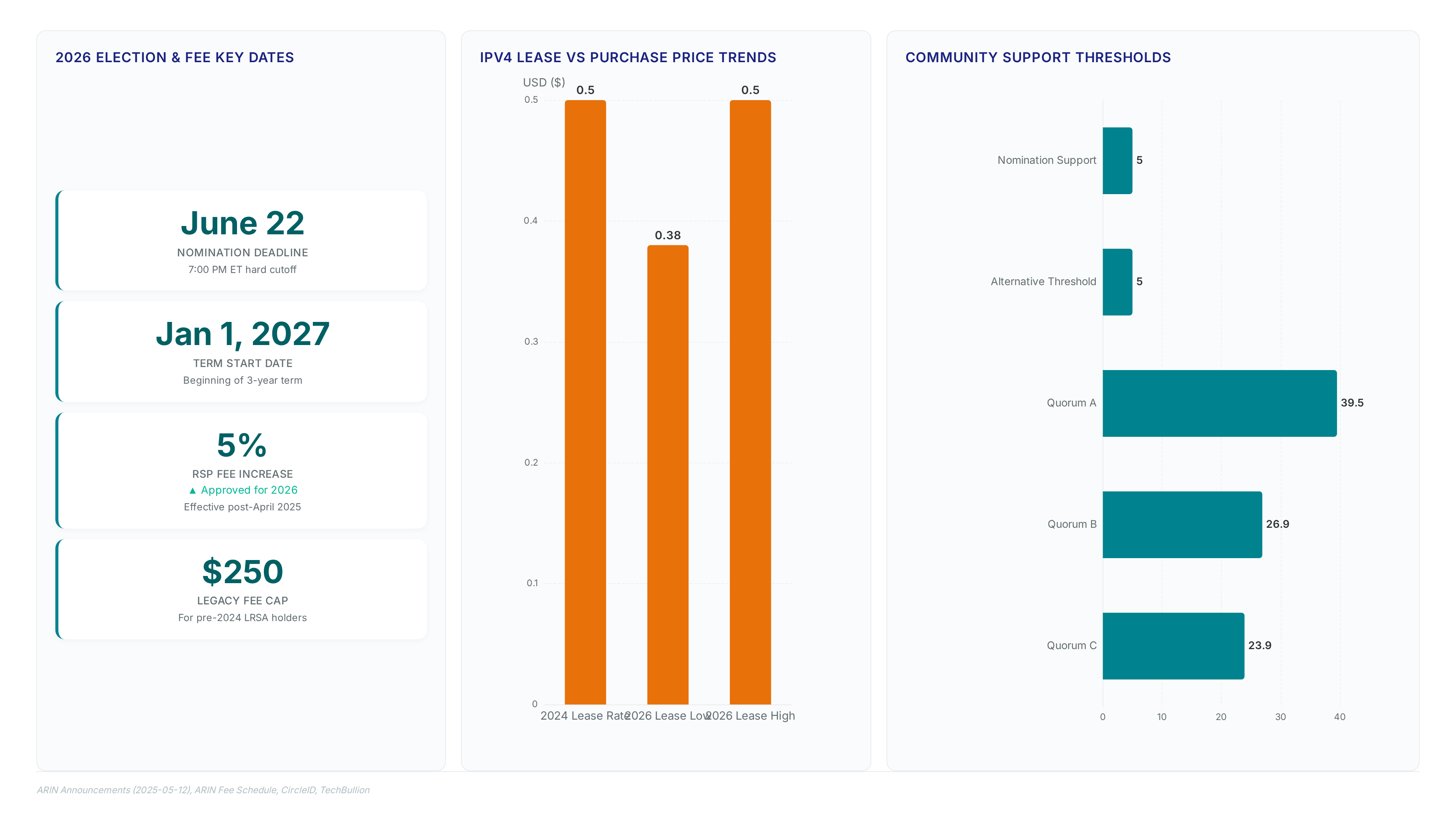
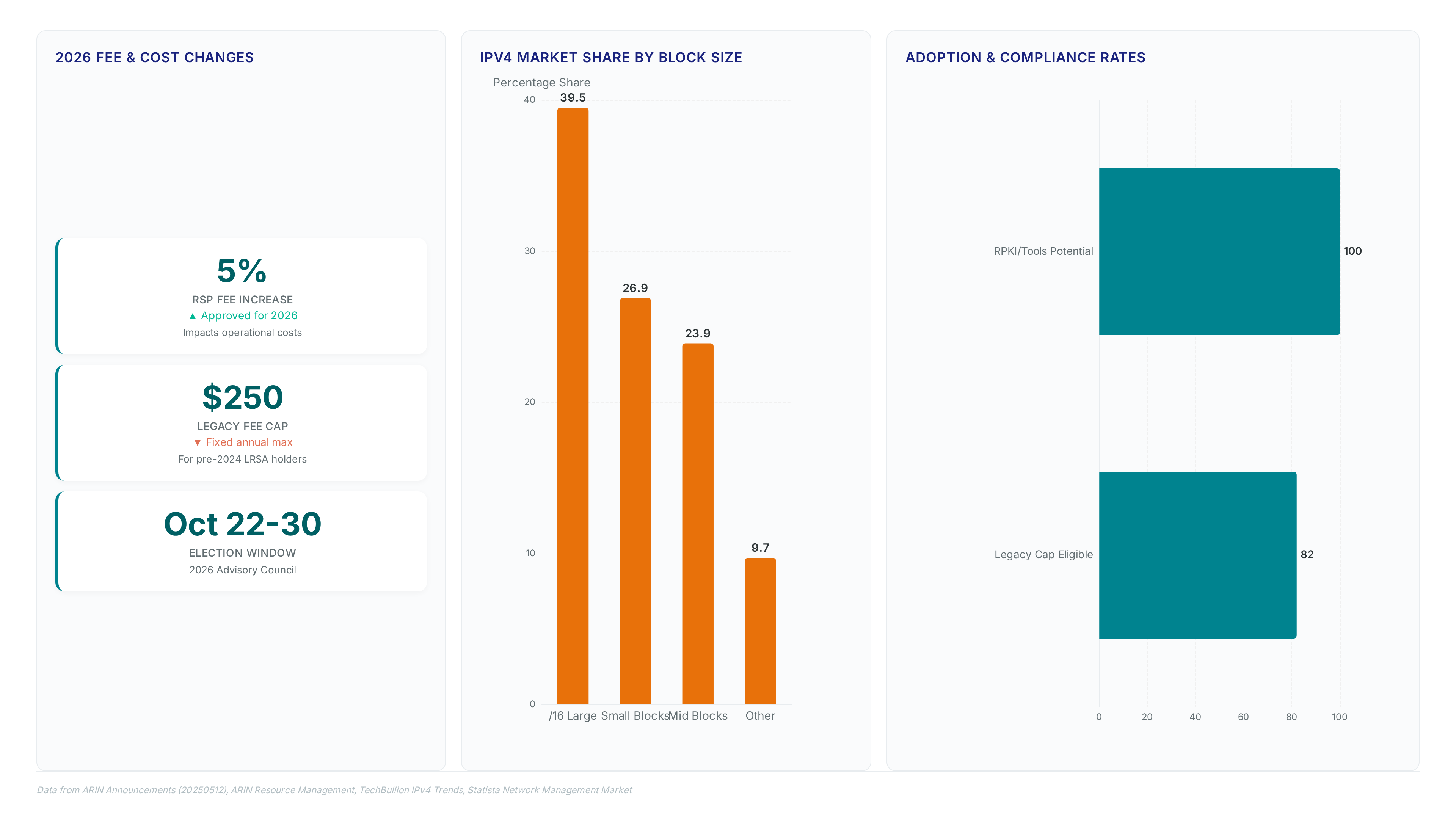
North America holds 39.5% of global IPv4. I break down ARIN 57 sponsorship tiers to show where your budget actually buys policy influence.

I cut IP-to-ASN lookup time to under 100ms by ditching rigid zone files for flexible, database-driven DNS queries that skip octet reversal.

The NRO NC reviewed feedback from five regional lists. With 15 volunteers debating, these governance ambiguities need fixing before adoption.

The IPv4 table added 53,000 entries in 2025. I break down what this 6% surge means for your router memory and planning.

RIPE's new draft replaces ICP2 to manage 6 billion users. See how 15 volunteers refined global IPv4 governance standards in 2026.

With mobile traffic hitting 64%, rigid global governance frameworks are essential. I break down how new policies protect our shared resources.

ARIN 57 meets in Louisville this April. With 74% of traffic now RPKI-secured, we analyze the gap between route counts and real safety.

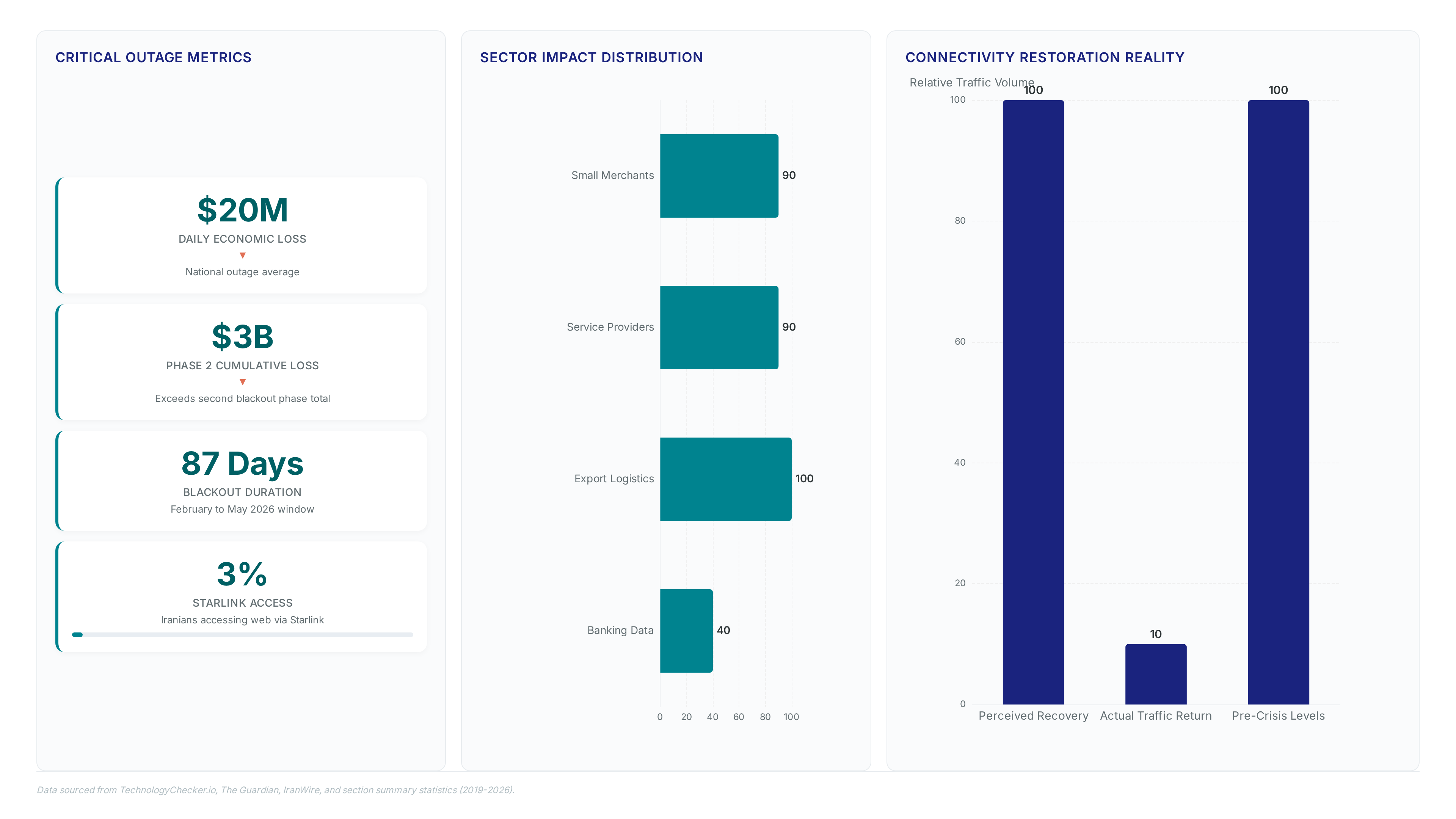
At 11:50 UTC, Iran withdrew 98.5% of IPv6 space. I analyze how this BGP strategy differs from past throttling and what it means for global routing.