Public ASN Needs: Stop Private Number Stripping
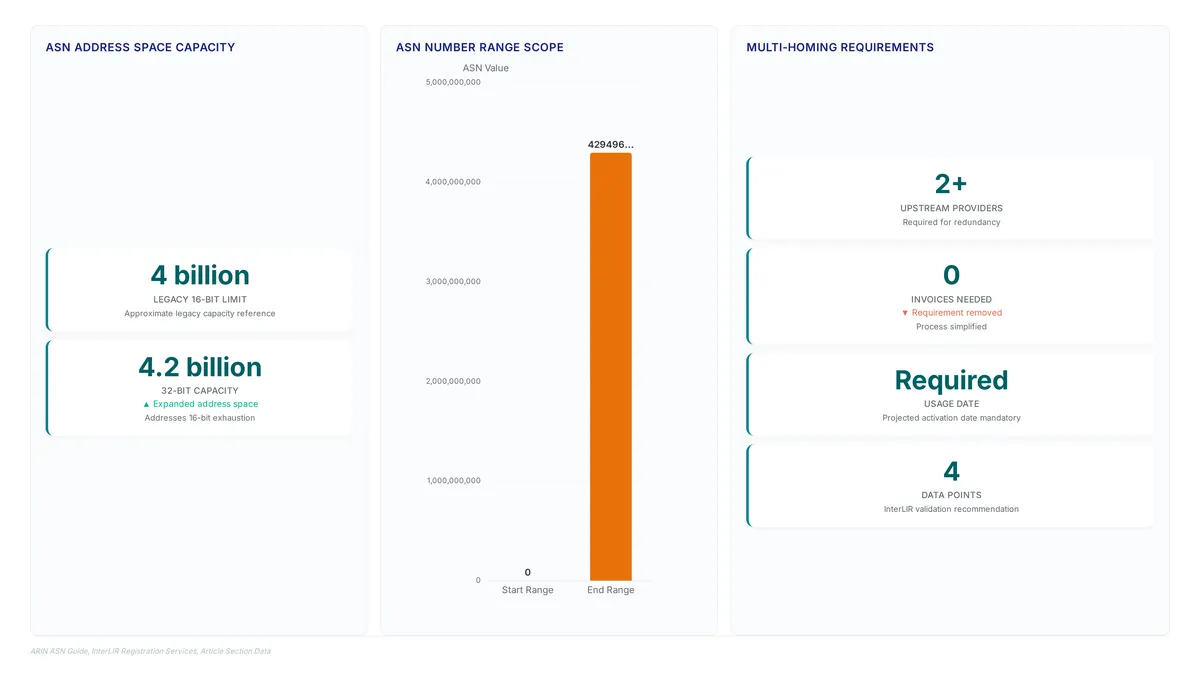
Without a public ASN, ISPs strip private numbers, erasing your path. Learn how 4-byte ASNs up to 4,294,967,294 secure global routing.

Avoid reseller ambiguity with direct LIR access. Secure clean IPv4 resources and manage global allocations without the 77 CHF AS fee confusion.
LIRs manage finite IPv4 space with strict /21 minimums. InterLIR optimizes your existing resources without immediate direct RIR membership needs.
IPv6 delivers 340 undecillion addresses to solve the exhaustion of IPv4's 4 billion slots. This protocol serves as the mandatory evolution for global...
RPKI replaces blind faith with cryptographic proof across five regional roots. Learn how this 2011 shift secures global IP allocation chains today.
Five regional bodies now manage IP space after the original IANA list collapsed under scale. Learn how this 1992 shift supports modern networks.
In 2026, you secure registration rights, not ownership. Learn how this shift drives IPv4 block valuation and transfer rules today.
The $60 per IP ceiling reached in 2021 proves that waiting for free allocations is a financial liability.
BGP routes propagate globally in minutes, enabling massive disruption. InterLIR provides verified IPv4 blocks to secure your network infrastructure.
With roughly 80,000 active ASNs defining the routing table, clean BGP paths are vital. InterLIR ensures secure IPv4 resources with verified reputation.
Explore the 16-bit range limits where 64,512 marks private use. Learn how EBGP splithorizon prevents loops in global routing tables.
Access over 1 million IPv4 addresses via a RIPE NCC–registered broker. Secure clean blocks with delivery guaranteed in under 24 hours globally.
Organizations can acquire IPv4 addresses starting at a competitive rate per IP through InterLIR's marketplace, a baseline that defines current entry...
Encrypted DNS flows remain 77, 86% identifiable despite payload encryption. Yet AWS Cloud WAN operators face architectural mandates that demand...
With 4,294,967,296 total addresses fixed, learn how APNIC transfers and leasing models help organizations secure IPv4 space legally.
Learn how 4,294,967,296 identifiers solve routing exhaustion. Discover criteria for public ASNs and effective global data exchange strategies.
With only 34% of networks using ROAs, max length errors cause invalid routes. InterLIR audits your IP resources to prevent these costly BGP outages.
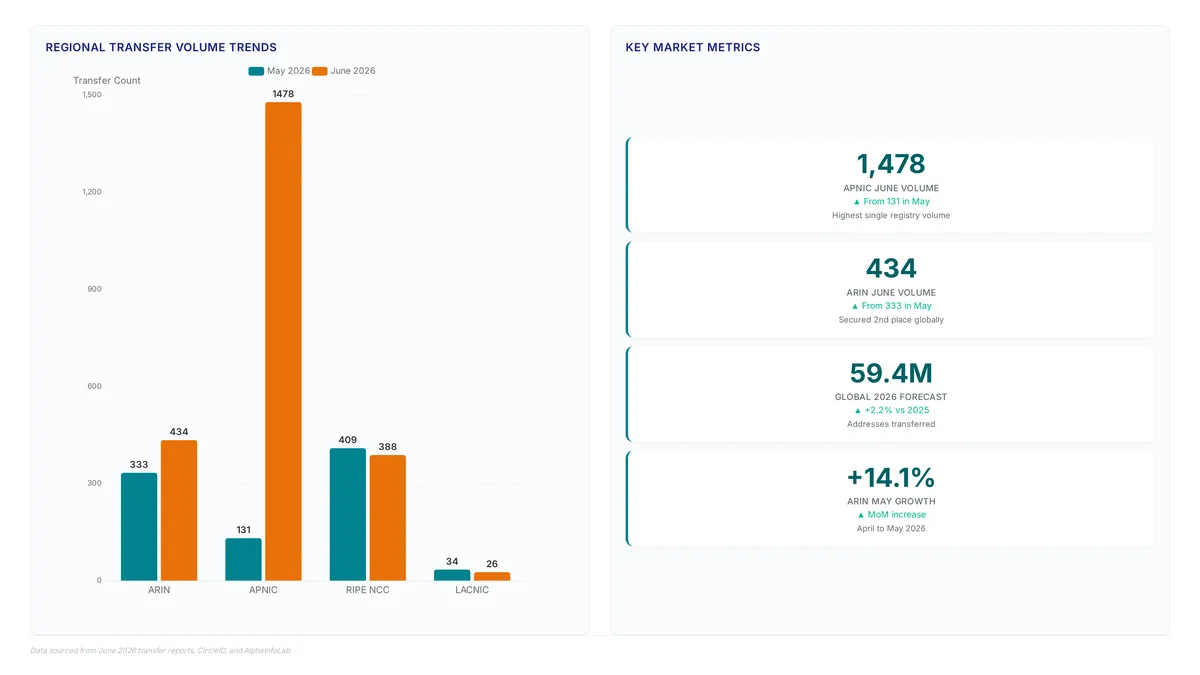
APNIC transfers surged from 131 in May to 1,478 in June, defining the liquidity shock of the 2026 IPv4 market.
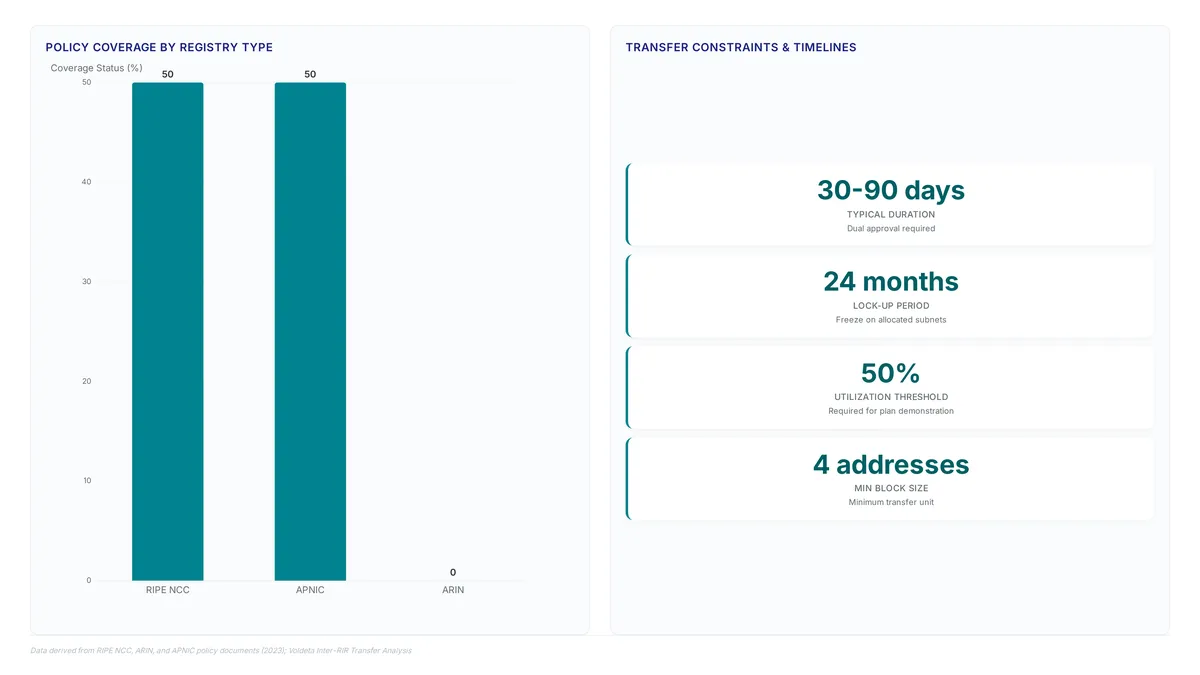
RIRs enforce strict rules like ARIN's 12-month lock on new resources. Learn how these policies shape global IPv4 transfers in 2026.
The 2022 IPv4 market saw block transactions drop 28% while total addresses transferred surged 35%, per IPv4.Global data.
With only 80,000 active ASNs globally, understanding these unique identifiers is critical for attributing threats and securing BGP routing tables today.
With over 4 billion identifiers now active, precise ASN management prevents routing leaks. InterLIR ensures your network traffic reaches its destination.
Africa holds only 2.2% of global ASNs, limiting network visibility. Learn how securing independent routing identities boosts enterprise control and investment.
Discover how the 1992 shift ended centralized NIC control, creating the five-body hierarchy that manages global IP policy and allocation today.
Five RIRs manage global resources with divergent costs like RIPE's €1,000 signup. InterLIR bypasses these fees to secure your IPv4 assets efficiently.
Five Regional Internet Registries manage global IP allocation. Direct registry data offers the only verifiable path for accurate security analysis.
Five Regional Internet Registries coordinate global IP allocation to prevent routing chaos. Learn how this hierarchy secures unique address distribution.
Five Regional Internet Registries currently manage the world's IP addresses, a structure solidified since the first entity launched in 1992.
Explore how 1,023 private identifiers support internal routing before global translation in complex anycast network architectures.
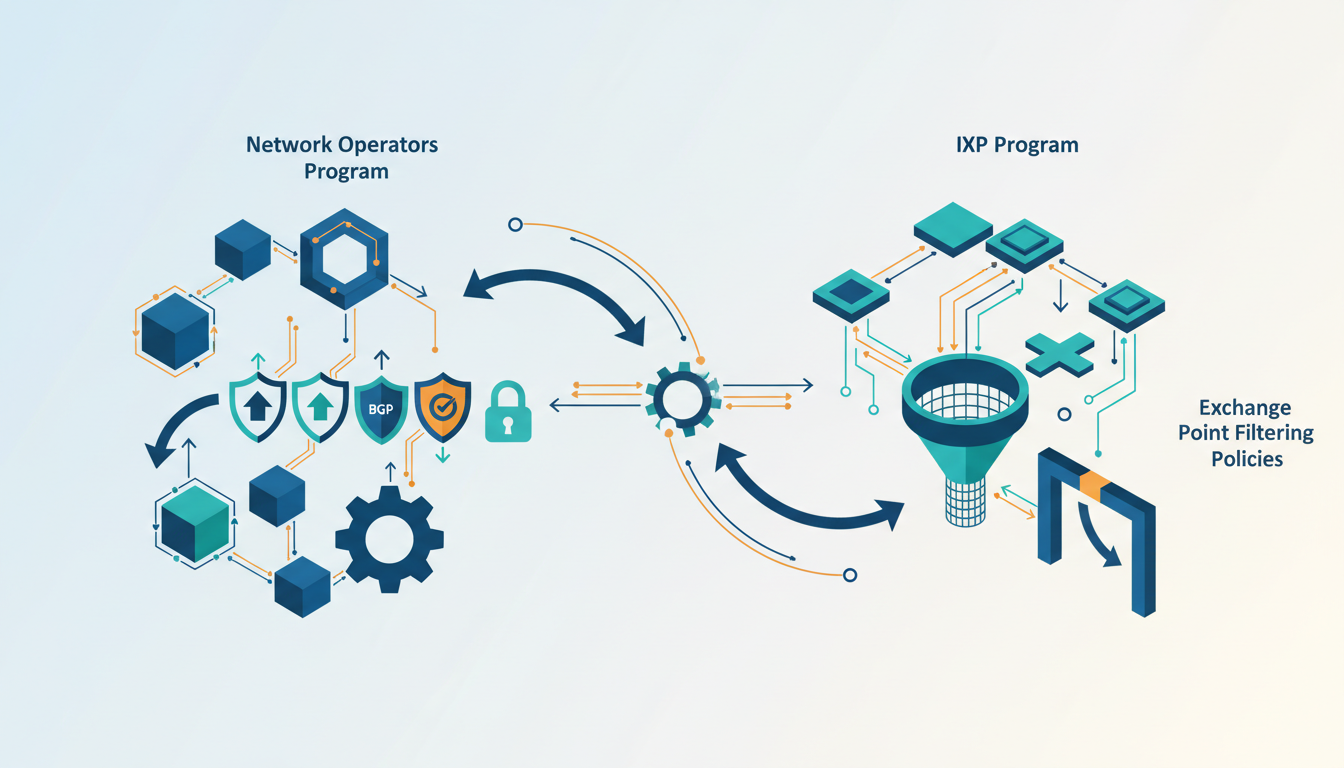
Over 20 experts are currently rewriting the rules for the Network Operators Program under a new charter.
With only 4.3 billion addresses possible, the 32-bit space is exhausted. Learn how secondary markets now drive global infrastructure deals safely.
LACNIC policy 2.21 mandates the original Spanish text overrides translations. Learn how this strict hierarchy impacts your regional IP address allocation...
Exactly four registries support global IPv4 moves. Learn the specific fee structures and documentation needed to prevent transaction stalls.
Explore how five organizations manage global IP space, from APNIC's 26,067 members to AFRINIC's 2,492, defining strict regional boundaries.
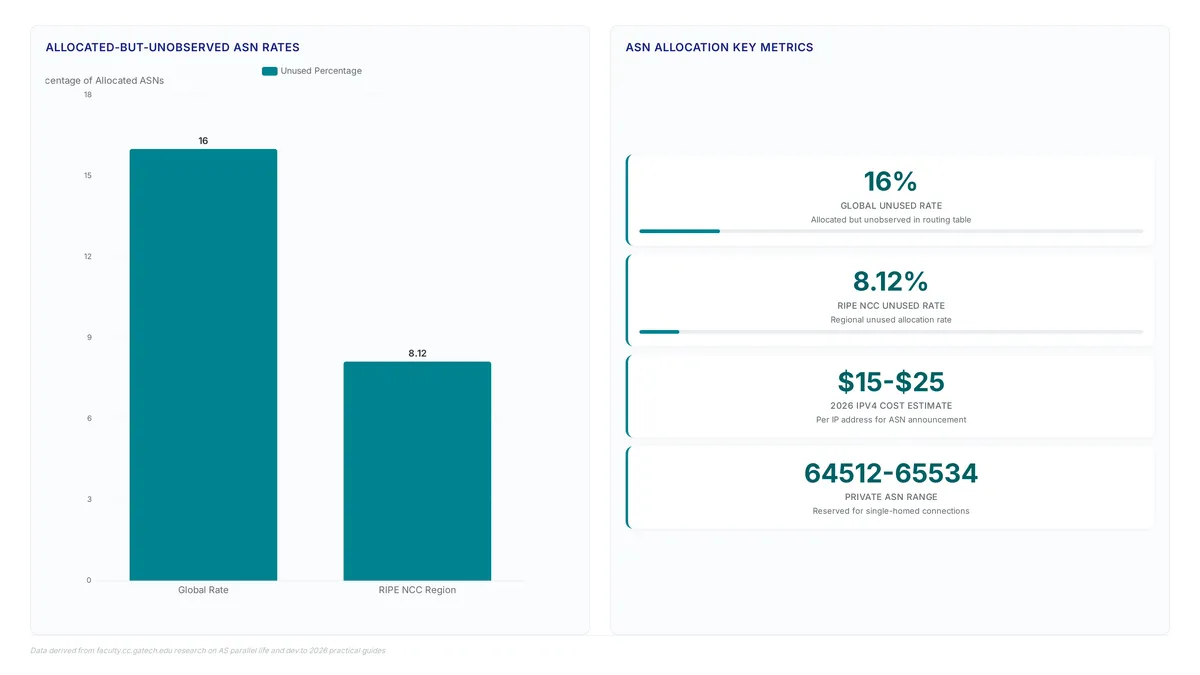
With roughly 80,000 ASNs globally, approval hinges on legal compliance and EU sanctions screening, not just technical gear or router config.
Discover how AS15169 and AS13335 act as unique fingerprints for global routing, enforcing single policies across vast CIDR blocks.
Learn how 80,000 active systems shape global routing and why the shift from 2byte formats matters for your network infrastructure today.
Secure your network identity by aligning with one of the 5 regional registries. InterLIR optimizes IPv4 redistribution within these strict mandates.
Over 105,000 ASNs now route traffic globally, a far cry from the 1989 sketch on "three ketchup-stained napkins" that started it all.
Map IP addresses to owners using 32-bit ASN data. Process bulk queries for up to 20,000 IPs to fix threat attribution gaps instantly.
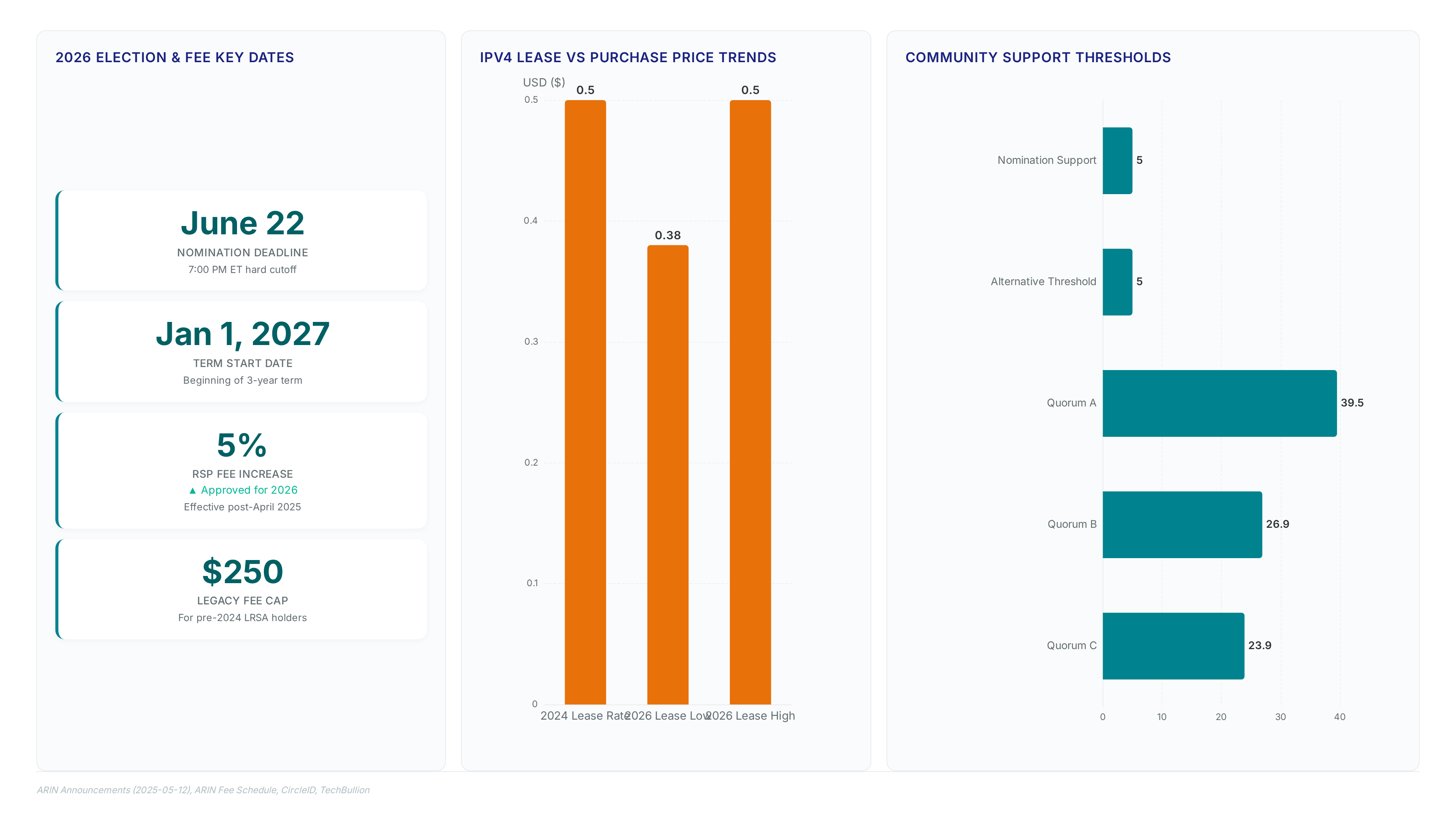
With IPv4 still handling the majority of traffic, your vote matters. Learn how 3 open Board seats shape policy before the June 22 deadline.
The ARIN service area covers exactly 29 listed countries and territories, not just the US and Canada.
ARIN 2026 elections: self-nominations close 7:00 PM ET 22 June. Which body sets your fee and transfer rules, and how a holder should read the slate.
On June 16, 2026, a misconfiguration by Reliance Communications disrupted global Telegram access. InterLIR audits IP resources to prevent such routing failures.
Five distinct zones manage global IP policy under ICANN. Learn how strict governance impacts your network's access to finite IPv4 resources today.
With only 4,294,967,296 unique IPv4 addresses available, global governance strictly controls allocation through regional registries rather than direct access.
Move IPv4 addresses across the five regional registries. Learn the strict LIR rules and justified need required for a legal InterRIR transfer today.
IPv4's 32-bit design caps the global pool at exactly 4,294,967,296 addresses. Discover how this finite limit shapes modern network routing today.
A single Zayo misconfiguration triggered 50,000 reports in 30 minutes, proving global internet stability relies on precise BGP routing tables.
With over 820 million unused IPv4 addresses sitting idle while the global transfer pool shrank by nearly 60%, leasing has become the only viable...
Map traffic paths using ASN data to spot hijacks. Link IPs to operators across 16-bit and 32-bit ranges for precise firewall rules.
ARIN manages about 100 /8s, yet cross-border deals stall on policy. Learn how strict chain of custody rules shape the global IPv4 market today.
APNIC's 2010 policy shift created IPv4 liquidity by allowing transfers, establishing the /24 minimum block size still used today.
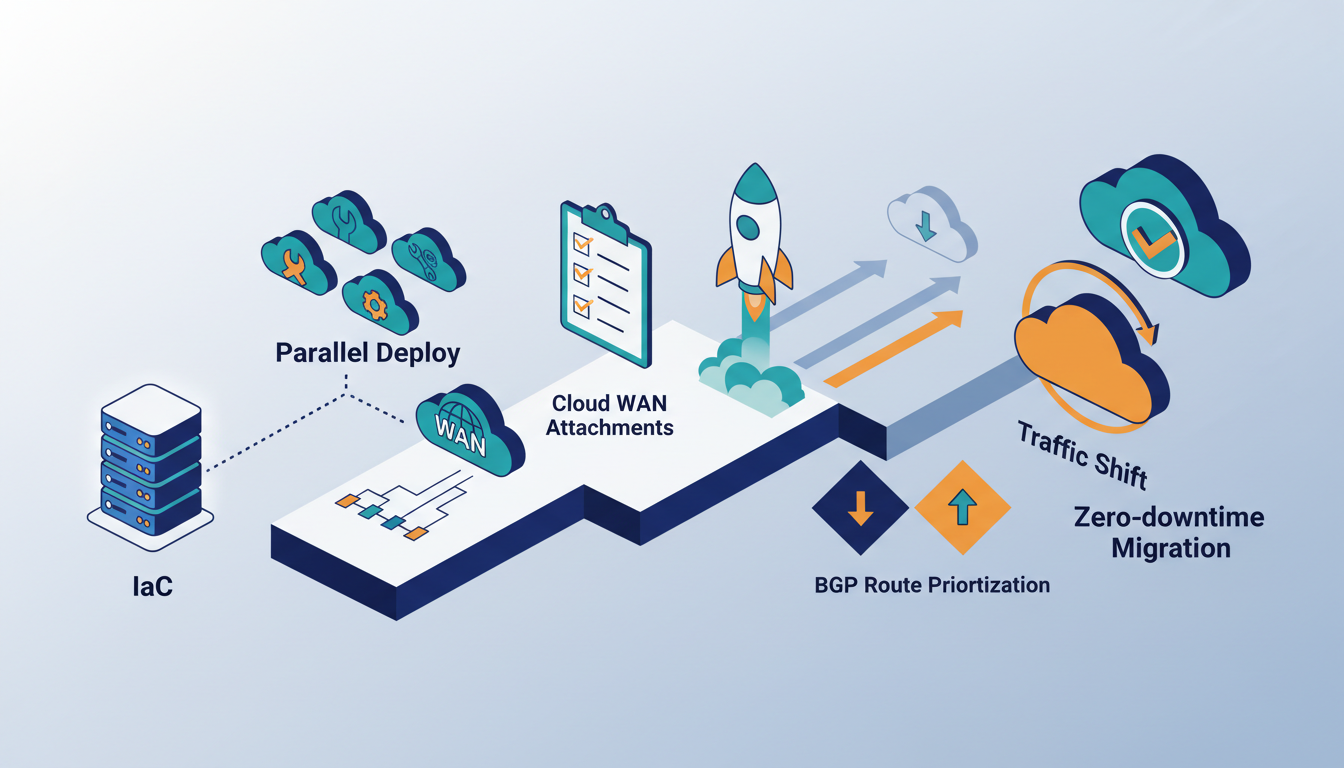
Execute a six-phase migration to AWS Cloud WAN using Terraform. This guide details how to unify global networks without disrupting production traffic.
Early 2026 data confirms 3.7B IPv4 addresses remain allocated, yet zero are free. Explore how NAT and subnetting sustain global network operations today.
Over 105,000 ASNs now power the global internet. Learn how routing policies evolved from 16bit limits to manage complex network boundaries today.
Learn why 80,000 active ASNs prove the need for unique network IDs. Discover how this identifier enables independent routing policies and peering.
Misusing the 1,023 reserved identifiers pollutes global routing tables. InterLIR provides the expertise to manage private ranges without legacy risks.
With only 4.3 billion unique addresses total, the IPv4 market demands agility. Leasing offers a flexible path around permanent scarcity.
Navigate InterRIR transfers across 5 global regions. Learn how LIR fee tiers and strict needs-based validation impact your IPv4 acquisition strategy.
Five regional registries govern global IPv4 blocks, verifying each LIR before allocation to prevent routing conflicts and ensure network stability.
The global routing table hit a hard ceiling long ago. With 89,497 recorded entries as of January 4, 2026, the Autonomous System Number pool reflects a...
The May 2026 report locks in 5 regional roles. I break down how this rigid framework impacts your IPv4 assets before approval.
The May 8, 2026 update locks down the RIR Governance Document. I break down the 5 distinct mailing lists shaping these critical global policy shifts.
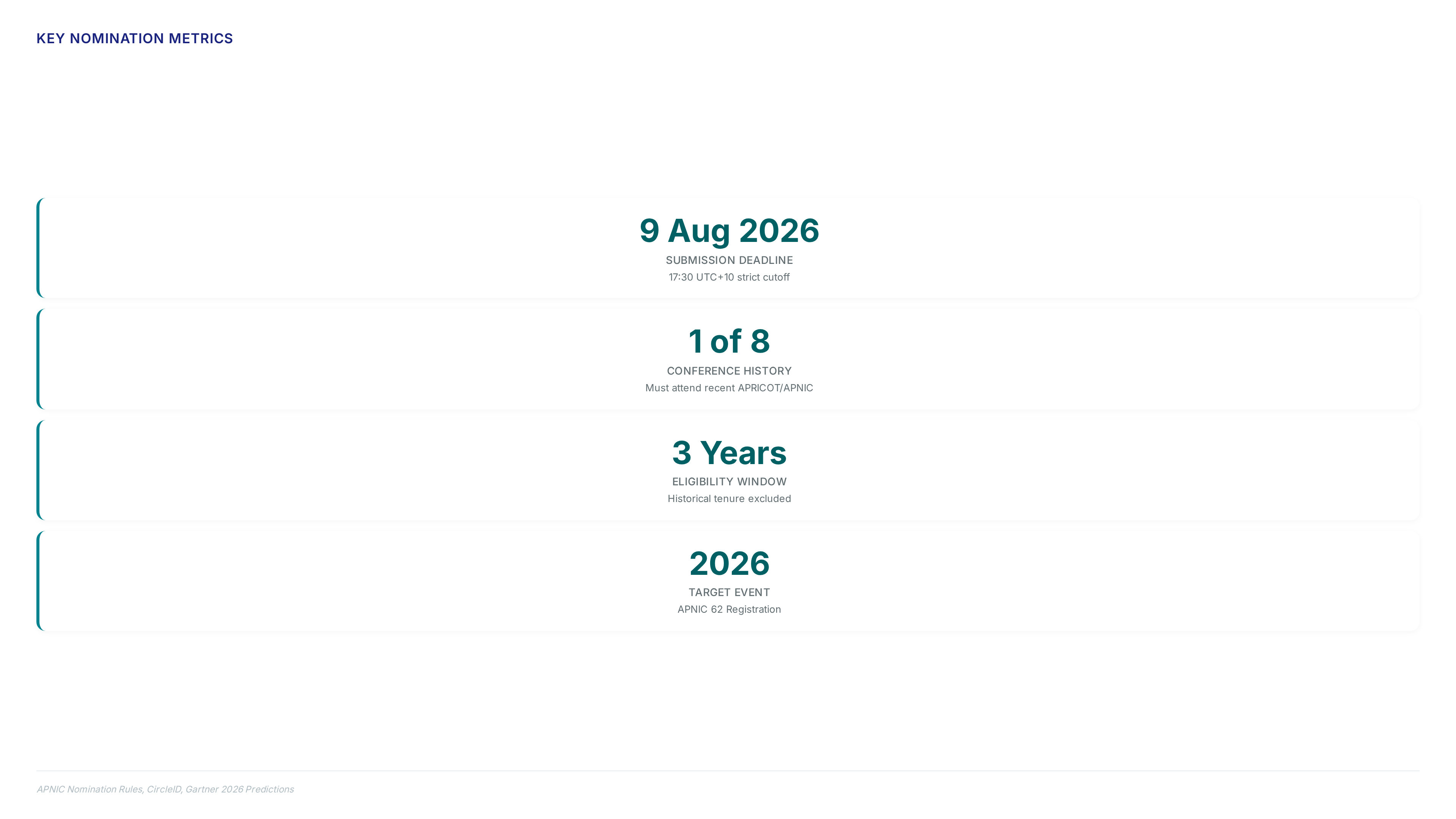
Nominations close 9 August 2026. I break down the strict attendance rules for the Asia Pacific seat and why this vote protects our routing security.
The ARIN 57 Meeting Report is an archive, not a to-do list. An IPv4 support specialist reads it for the four dated deadlines that actually touch your address bu
The NRO Strategy 2026-28 reads like a coverage win (71% leased-prefix ROA), but the real story is in the security pillar: registries are spending the next three
With 773 LIRs stuck on the RIPE waiting list, free allocation is over. I analyze the shift to market transfers and rising costs.
Global ISP outages surged 92% in Q1 2026. See how CHINOG 13 uses peer data to harden Midwest infrastructure against cascading failures.
Root KSKs have survived eight years, but NIST warns keys over five years face quantum risks. Learn why rotation is urgent.
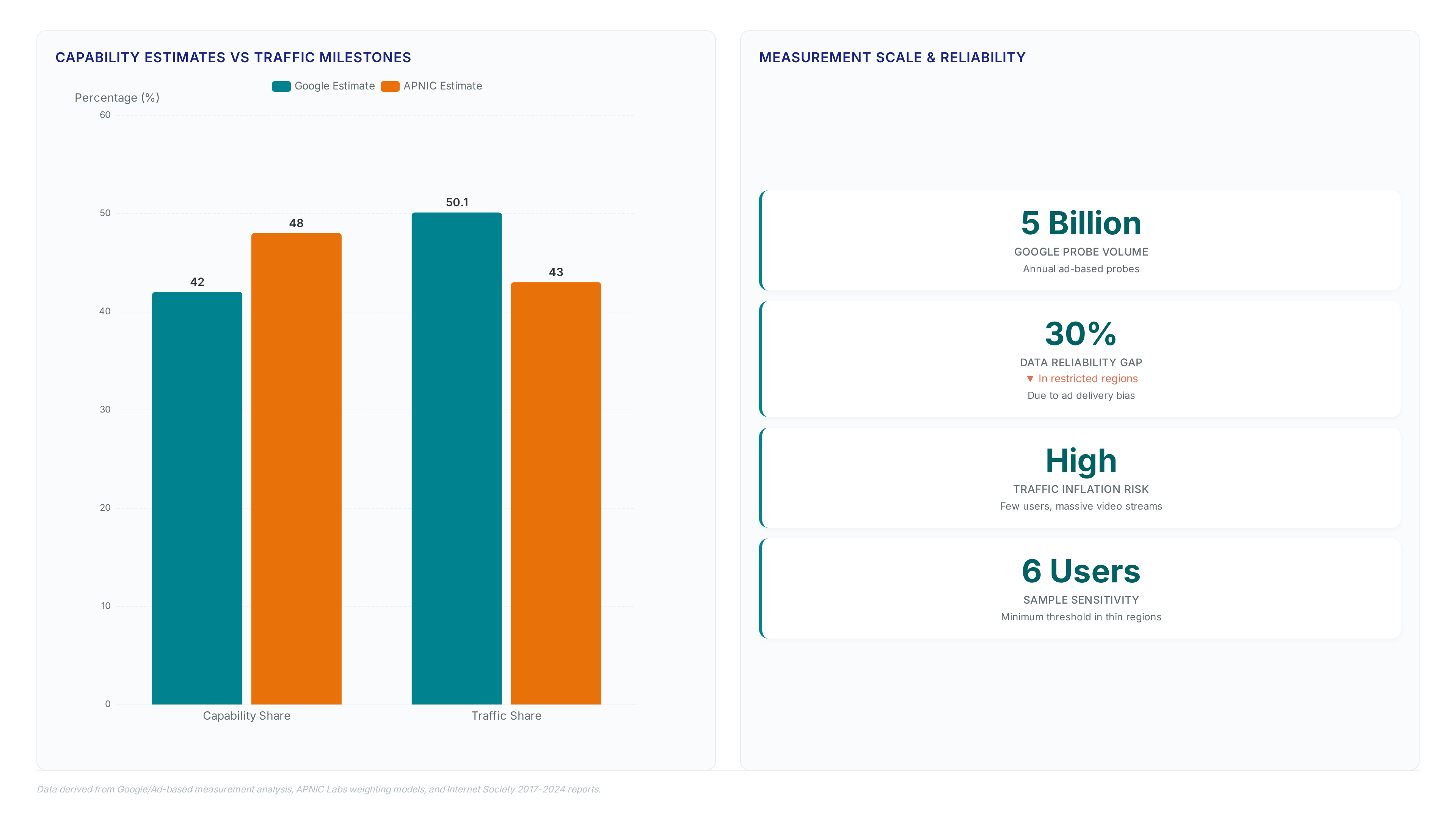
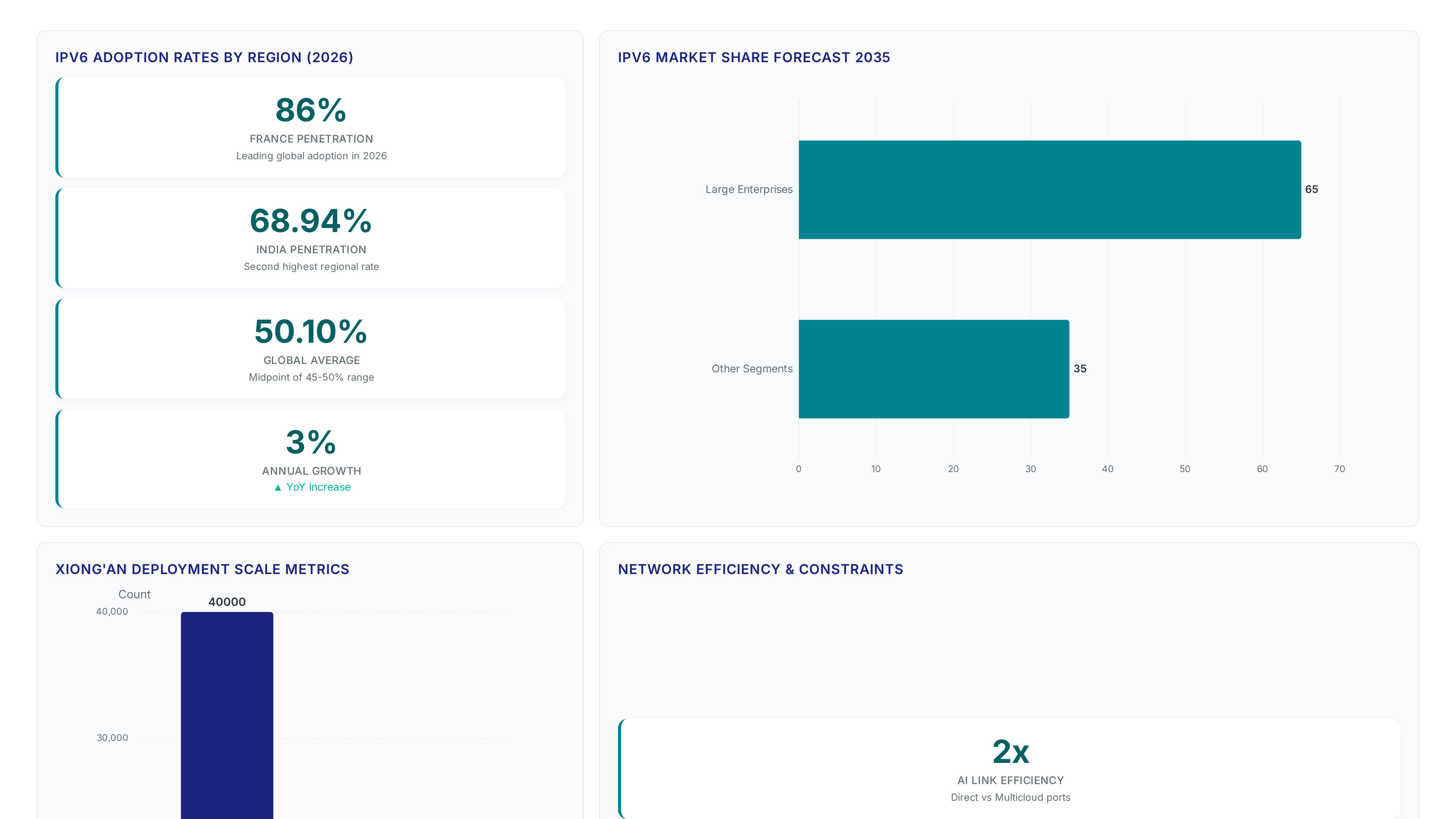
Google hit 50.10% IPv6 adoption, but APNIC shows 42%. I explain why this 8-point gap matters for your network planning today.
State actors caused 219 incidents in Q1 2026. We analyze how 92% growth in outages shifts from glitches to tactical isolation.
Video eats 82% of bandwidth, yet Akamai steering breaks when open DNS hides client locations. Learn why hybrid models are now essential.
Xiong'an earned the first city plaque on April 6, 2026. I analyze how this direct APNIC membership changes global routing policy.
I cut operational friction by embedding global routing in YAML. With AI hitting 58% of clusters, this declarative shift is essential.
See how LexisNexis removed manual router instances to support 15 percent of enterprises shifting to private AI deployments by 2026.
APNIC replaced cloud models with physical sites to cut egress fees, helping teams master native IPv6 before the 2027 modernization rush.
See how Betsson cut latency by 100 ms and costs 15% by swapping complex mesh topologies for managed Cloud WAN architecture.
Legacy collectors cover less than 2% of global ASes. See how 5,000 vantage points expose routing leaks that traditional tools miss completely.
Litigation has frozen resource allocation for years. With only 30 million addresses, AFRINIC's legal crisis hurts 56 African nations.
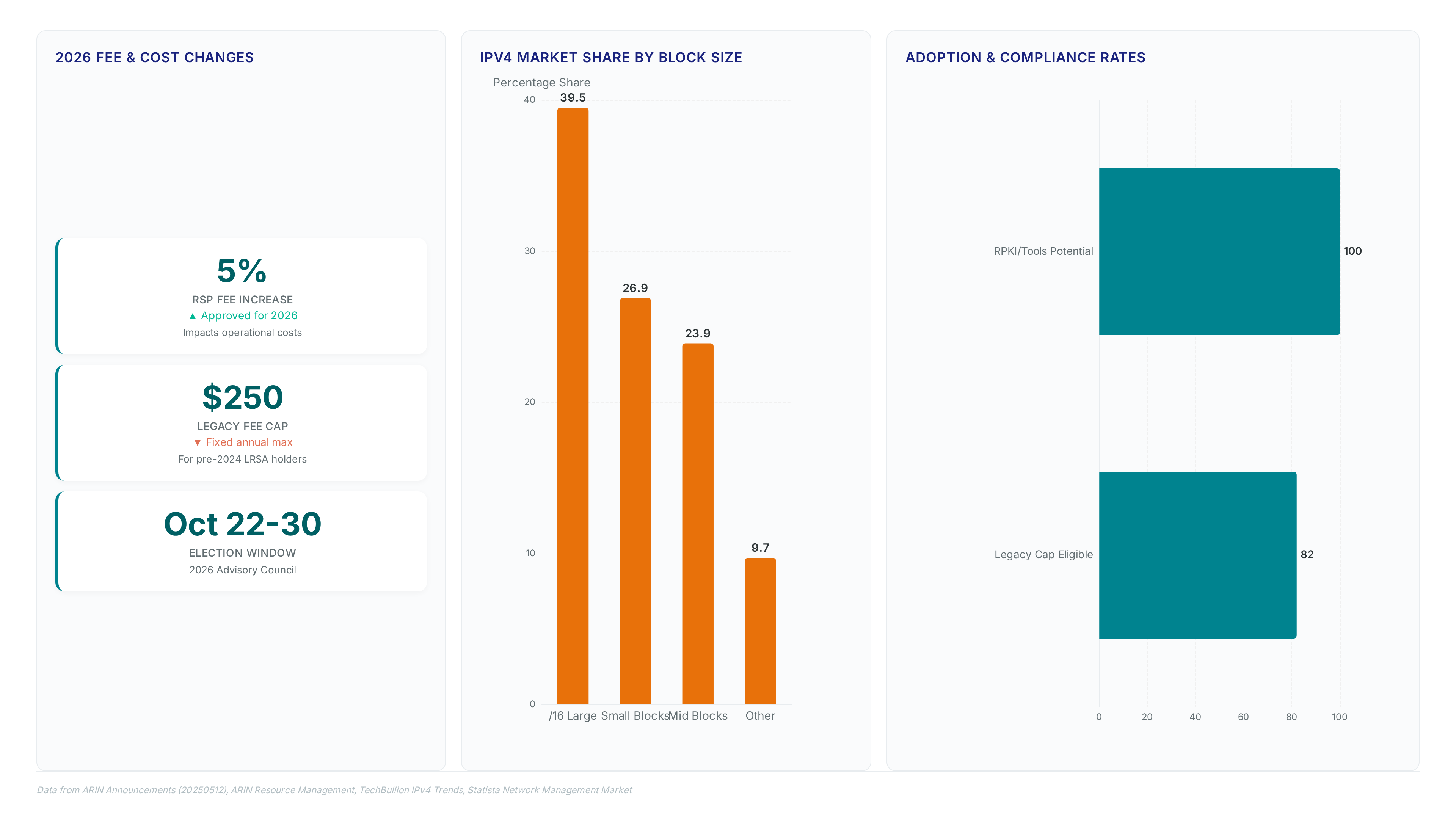
North America holds 39.5% of global IPv4. I break down ARIN 57 sponsorship tiers to show where your budget actually buys policy influence.
The NRO NC reviewed feedback from five regional lists. With 15 volunteers debating, these governance ambiguities need fixing before adoption.
With mobile traffic hitting 64%, rigid global governance frameworks are essential. I break down how new policies protect our shared resources.
ARIN 57 meets in Louisville this April. With 74% of traffic now RPKI-secured, we analyze the gap between route counts and real safety.
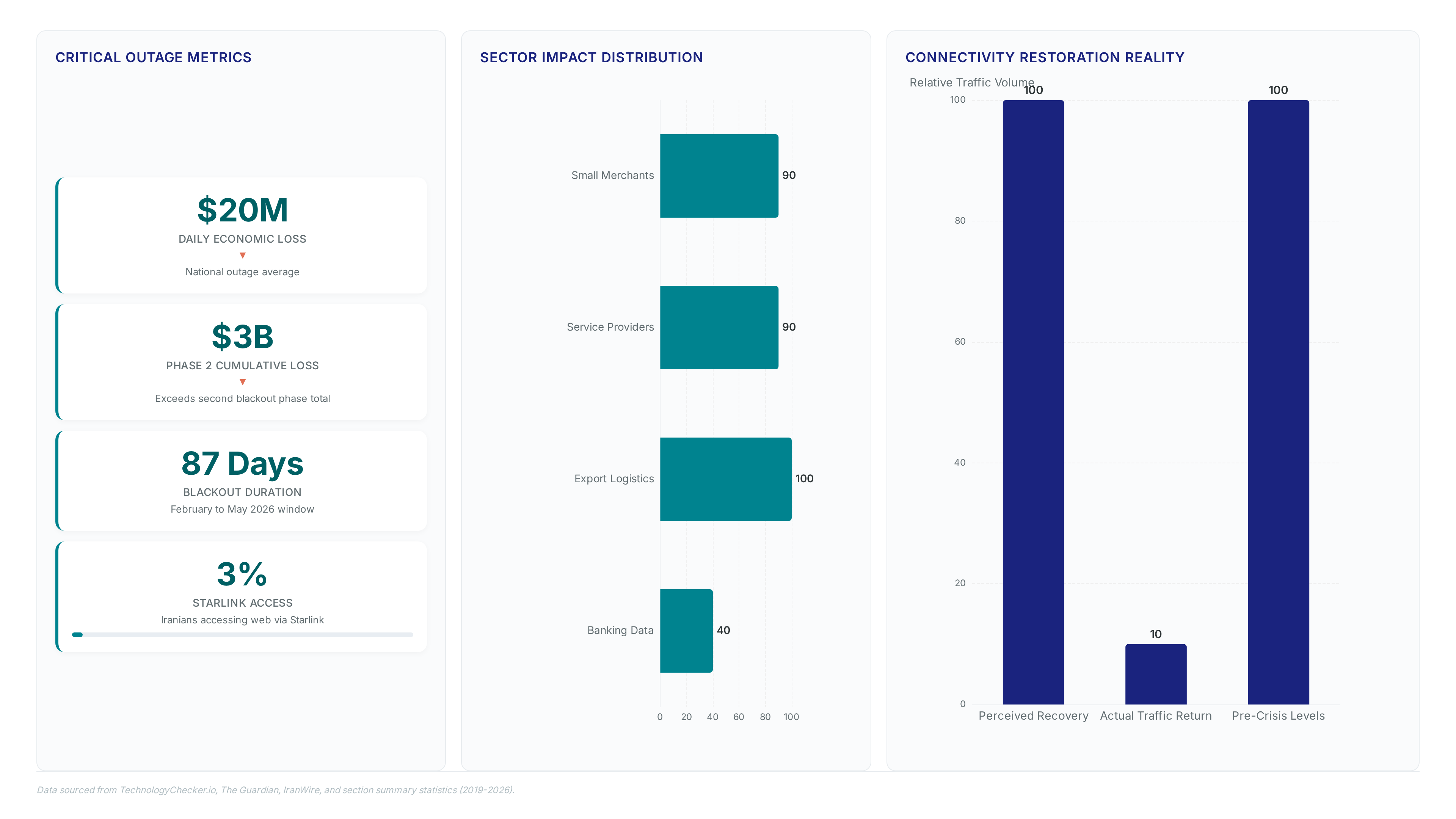
At 11:50 UTC, Iran withdrew 98.5% of IPv6 space. I analyze how this BGP strategy differs from past throttling and what it means for global routing.