RIPE NCC delays: 750 orgs wait 536 days
With 750 organizations waiting up to 536 days, IPv4 scarcity is here. See how RIPE NCC bottlenecks force reliance on the secondary market today.

With 750 organizations waiting up to 536 days, IPv4 scarcity is here. See how RIPE NCC bottlenecks force reliance on the secondary market today.

Facing a 503-day wait for IPv4? Our market analysis shows how leasing bypasses the queue while securing clean routing integrity.

See how 76% of IPv4 space now uses RPKI to stop hijacks. I break down the new RIPEstat tools you need today.

With 773 LIRs stuck on the RIPE waiting list, free allocation is over. I analyze the shift to market transfers and rising costs.

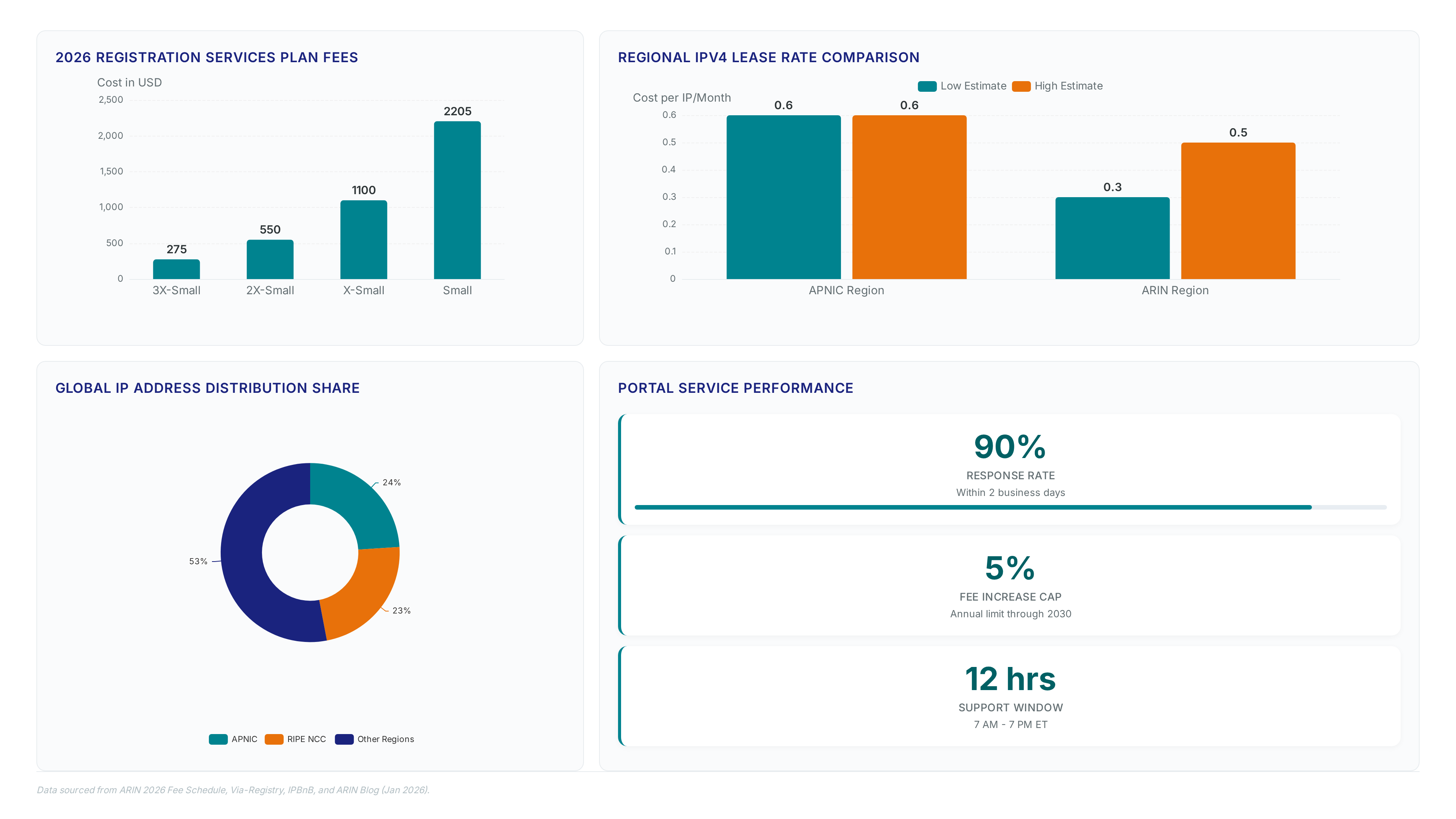
With 50.10% of global traffic now on IPv6, ignoring unmanaged entry points is a governance failure. Learn to frame this as a board-level liability.

Ryan Hamel ended the IPv8 debate on May 4, 2026. We analyze why doubling BGP state tables creates unsustainable overhead for modern networks.

Jamie Thain's IPv8 promises 3 billion addresses per ASN, but zero working implementations exist on off-the-shelf hardware today.

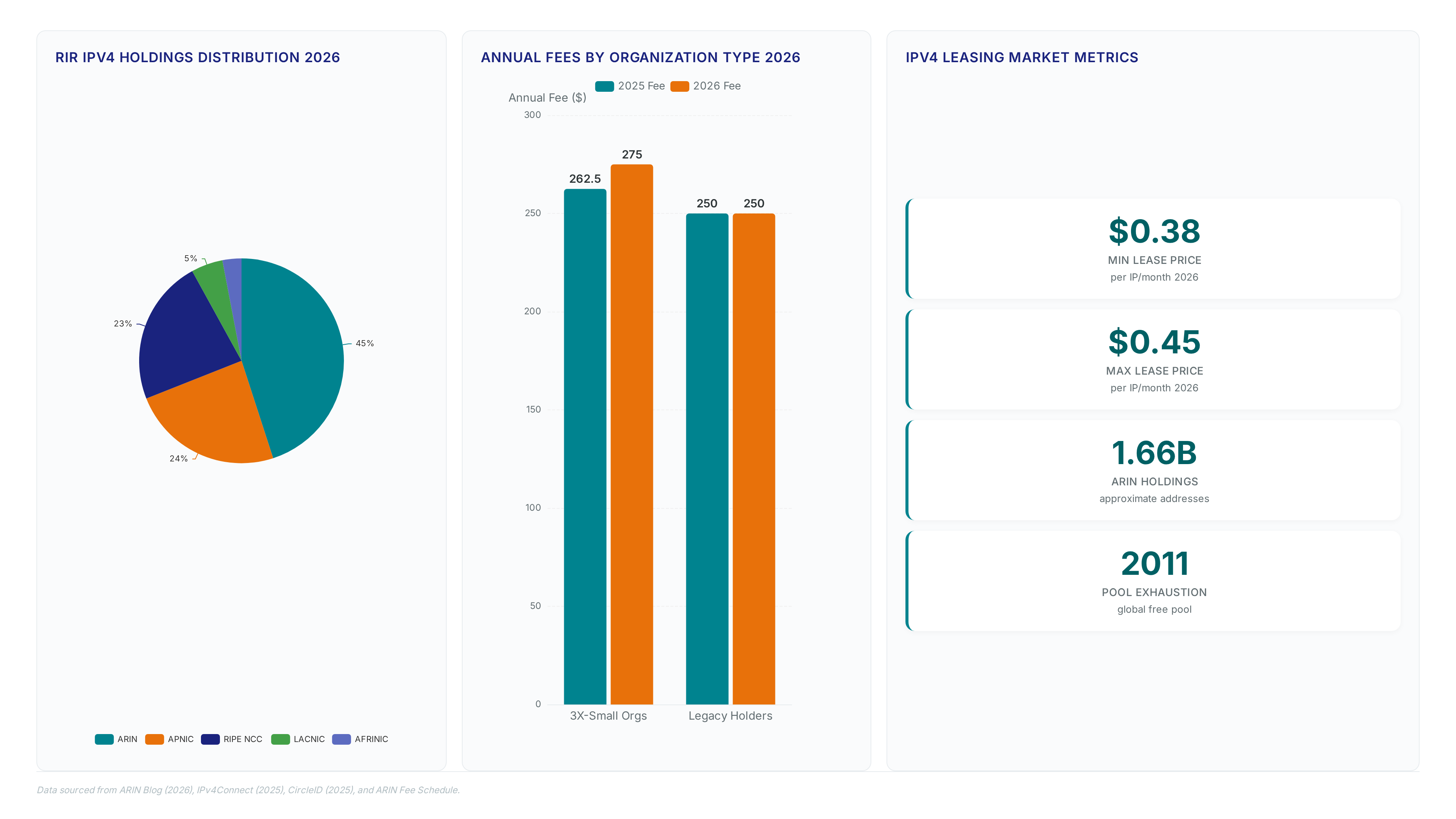
Real enterprise IPv6 sits at 12%. With IPv4 leasing at $0.38, the 2045 sunset date makes economic sense for now.

IPv8 routing requires 192 cores to handle packet rates. Learn why this control-plane indirection adds latency instead of solving scarcity.

With 841 LIRs stuck on the RIPE waitlist, free IPv4 allocation is gone. I explain why tactical leasing is your only path forward today.

RIPE's 2025 reports show 20,000 members facing IPv4 scarcity. Lease prices hit $22 monthly. See how governance handles this fiscal tension.

See how a single app binding change lifted native IPv6 from 67% to 79.2% in just 16 days by fixing specific fallbacks.

ARIN filled 67 waiting list requests in April using 40 cleared blocks. Learn why verifying IP reputation is critical before you deploy.

IPv8 breaks legacy silicon, forcing upgrades that current multi-billion-dollar SONiC deployments cannot support without major risk.

With 57% of traffic still on IPv4, IPv4x extends space without breaking routers. A pragmatic look at the 96-bit subspace solution.

Jamie Thain proposes repurposing 127.x to solve 10.x overlaps, offering a fix while global IPv6 sits at 50.10% usage in 2026.

ARIN's new 365-day ROA log targets routing hijacks. With 32% of global IPv4 here, secure your reassignments before reputation risks rise.

With fewer than 5 LIRs left and a 477-day wait, direct allocation is gone. I explain why transfers are your only real option now.

Cloudflare's ASPA rollout targets the gap where 53% of IPv4 prefixes remain unchecked, securing paths beyond origin validation.

Litigation has frozen resource allocation for years. With only 30 million addresses, AFRINIC's legal crisis hurts 56 African nations.

The 1994 Toronto decision rejected simple expansion, forcing dual stacks that double memory use and operational costs for networks today.

North America holds 39.5% of global IPv4. I break down ARIN 57 sponsorship tiers to show where your budget actually buys policy influence.

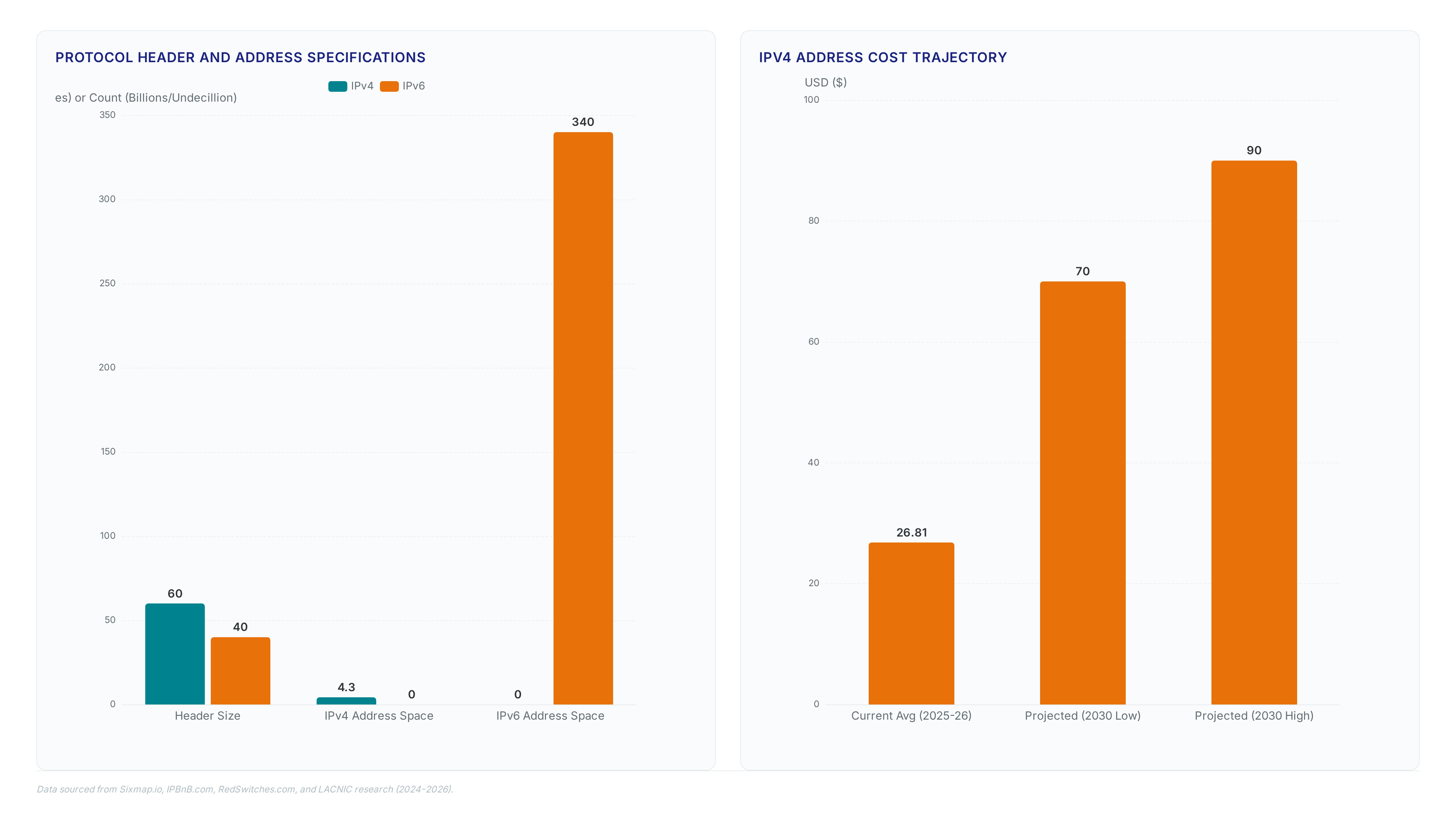
ARIN cleared 149 requests in Jan 2026. I explain why the 388-day queue beats paying $90 per IP on the volatile private market.