Optical demand surge: Why copper fails AI clusters
Ciena's backlog hit $7.7 billion as optical demand surges. I analyze why copper can no longer support modern AI training clusters.
CEO
CEO of InterLIR. Network industry leadership with focus on IPv4/IPv6 allocation policy, ASN governance, and LIR operations across European RIPE region.
External Profile
Ciena's backlog hit $7.7 billion as optical demand surges. I analyze why copper can no longer support modern AI training clusters.

AI workloads will hit 50% of traffic by 2027. Your current IPv4 setup likely cannot handle this network supercycle without upgrades.

The 2025 RIPE report shows IPv6 growth slowed to 7%. As CEO, I see this confirming IPv4's critical role for another decade.

The new regnr attribute resolves identity ambiguity for 2.6M objects. Learn how this April 2026 update prevents legal disputes over your IP resources.

RIPE's Q2 2026 plan targets nine domains as power demand triples by 2030. Learn how to validate routes before the grid constrains growth.

Stop manual NAT hacks. Our stateful tracking resolves 10.0.1.0/24 conflicts automatically, ensuring return traffic hits the right origin every time.

See how unified strategies cut unplanned downtime by 61%. Manual CLI is too risky for modern AI-driven workloads.

Ryan Hamel ended the IPv8 debate on May 4, 2026. We analyze why doubling BGP state tables creates unsustainable overhead for modern networks.

Jamie Thain's IPv8 draft targets 18 quintillion addresses, but critics warn it demands massive CPU upgrades like the AMD EPYC 9965.

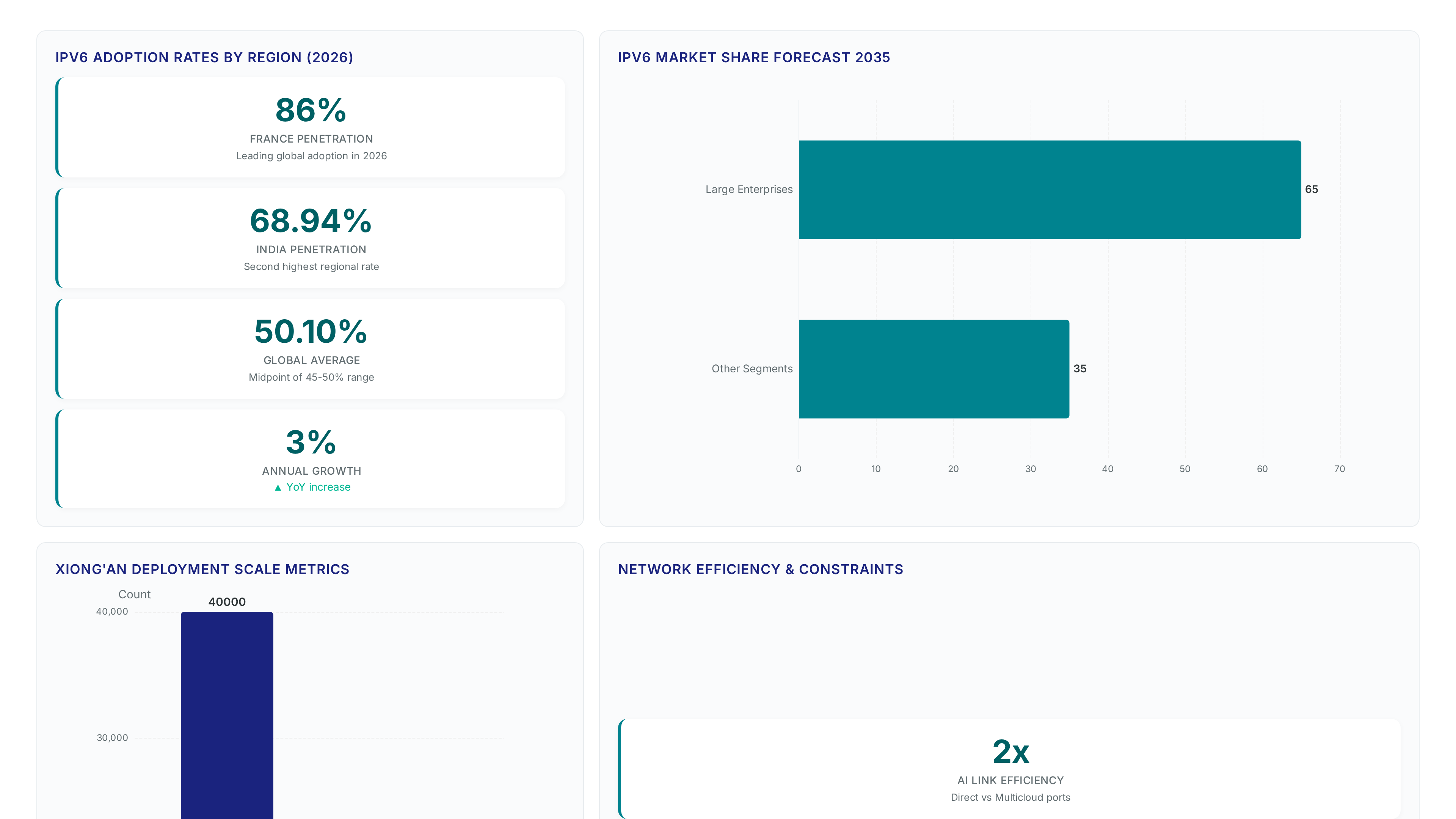
With IPv6 traffic hitting 50.10%, the IPv8 proposal is an architectural dead end. We must optimize existing stacks, not chase vaporware.

Google hit 50.10% IPv6 adoption, but APNIC shows 42%. I explain why this 8-point gap matters for your network planning today.

APNIC and PITA updated their 2002 agreement to support 56 economies, focusing on real BGP training and local policy input for stability.

AWS launched this native attachment on 24 Apr 2026 to eliminate SNAT, letting security teams map logs to specific users without extra hops.

Our audit shows 50% of neoclouds miss H100 bandwidth needs. Don't let poor networking turn your AI investment into a liability.

With 21 billion IoT connections coming by 2026, APNIC 62 in Mumbai forces operators to drop legacy manual processes for real automation.

NIST's 2026 update treats DNS as active defense against an 87% ransomware surge. Learn to deploy Protective DNS and encrypt traffic today.

APNIC targets 56 economies with sub-regional forums. I see this localized shift as vital for sustaining Pacific infrastructure without heavy travel.

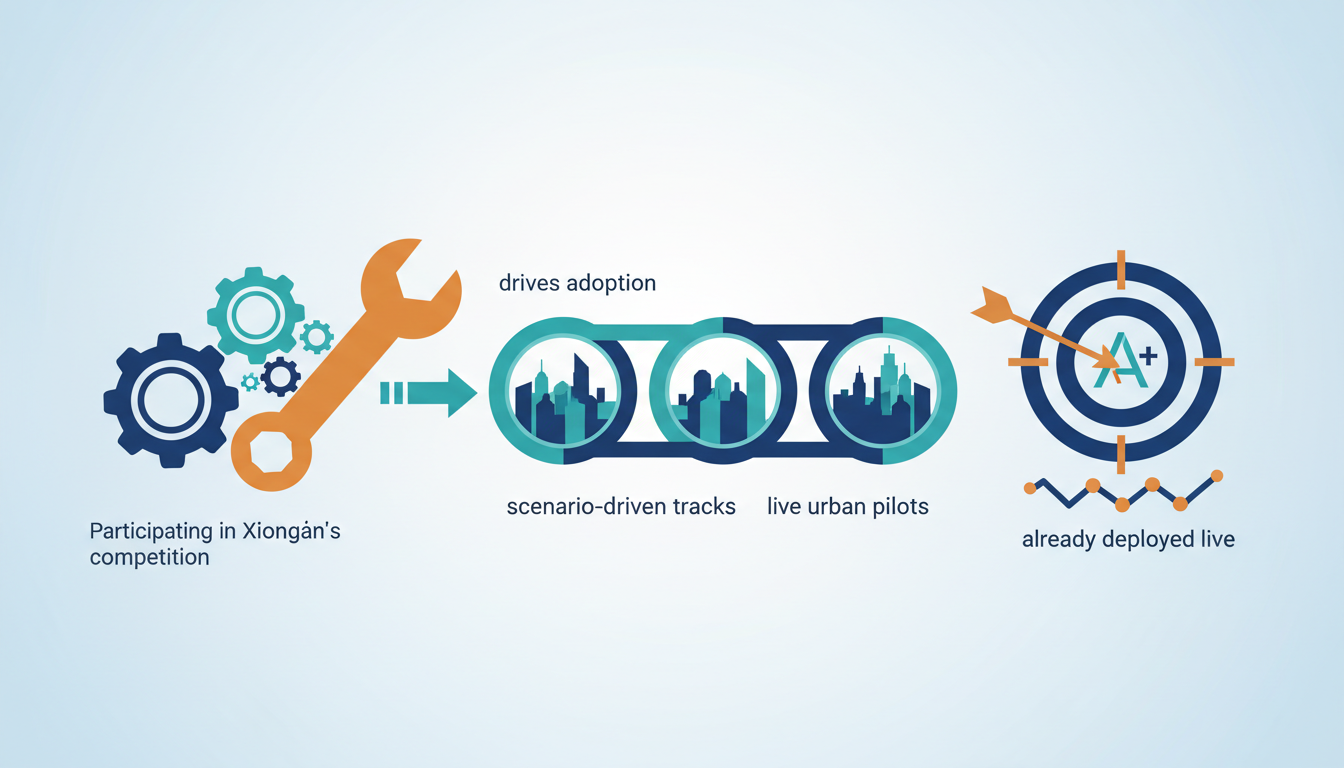
Xiong'an earned the first city plaque on April 6, 2026. I analyze how this direct APNIC membership changes global routing policy.

ARIN filled 67 waiting list requests in April using 40 cleared blocks. Learn why verifying IP reputation is critical before you deploy.

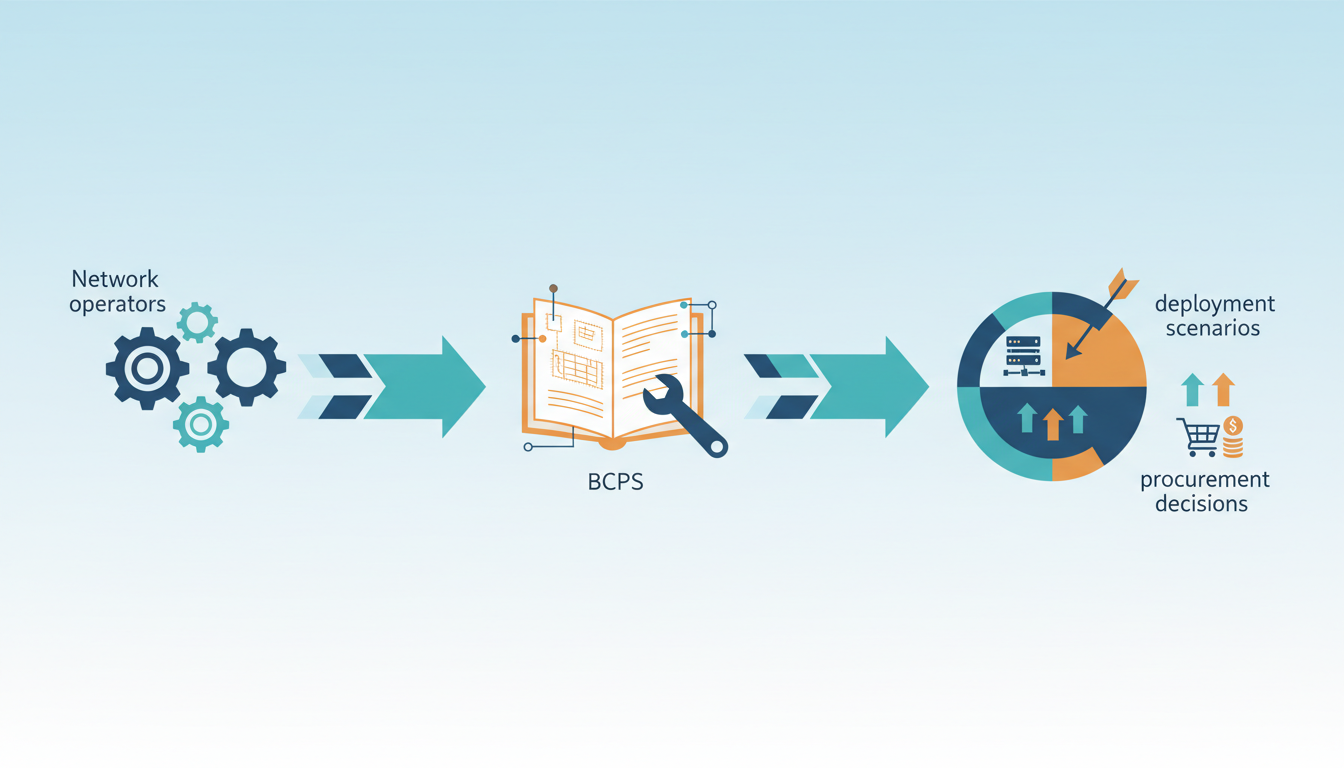
With 245 BCP entries by 2026, IETF docs now advocate unproven behaviors. Learn why this shift costs your firm substantial money per minute.

China Telecom sees a tenfold surge as 60,000 new cloud activations prove traffic metrics are dead for modern AI agents.
Ingress NGINX retires in March 2026. Shift to Gateway API now to unify your ALB and VPC Lattice traffic with one rule.

See how LexisNexis removed manual router instances to support 15 percent of enterprises shifting to private AI deployments by 2026.

AWS removed the $0.01 API tax on March 30, 2026. Native metrics now track BGP session health without custom Lambda code.

Shift to Amazon EVS for 46% savings, but master BGP peering first. I break down the underlay risks you cannot ignore in production.

See how 300 vantage points expose blind spots legacy archives miss. We move beyond theory to actionable three-month BGP analytics for engineers.

With 48.18% of invalid prefixes failing length checks, SCION routing replaces broken trust with cryptographic path validation for real security.

See how Betsson cut latency by 100 ms and costs 15% by swapping complex mesh topologies for managed Cloud WAN architecture.

ARIN's 12-hour outage on March 28 discards RPKI updates instead of queuing them. Learn why waiting until 7:00 PM ET is your only safe option.

Attacks hit 31.4 Tbps in 2025. Keep your BGP keys to steer traffic when providers fail, ensuring you never lose control.

Running 20,000 eBGP sessions with legacy IRR filters creates blind spots. See why ASsets fail at scale and how RPKI fixes route leaks.

Silent ICMP drops crash throughput to 576 bytes. Learn how active probing fixes these PMTUD black holes in encrypted networks today.

APNIC tests reveal a 40% failure rate in glueless DNS. We must pause before codifying fragile IPv6-only dependencies into binding RFCs.

Win full access to RIPE 92 in Edinburgh by submitting original technical stories before the 3 April cutoff, bypassing standard fees.

ASPA records surged 539% in 2025, yet route coverage lags. Learn why fragmenting ROAs slows validation and hurts your network security today.

Scan traffic surged 100x in one year. I explain why passive listening is dead and how proactive telescopes catch modern attackers today.

North America holds 39.5% of global IPv4. I break down ARIN 57 sponsorship tiers to show where your budget actually buys policy influence.

Only 4% of routes tag origins, yet new clustering methods achieve 93% recall for mapping physical handoff points without vendor docs.

With mobile traffic hitting 64%, rigid global governance frameworks are essential. I break down how new policies protect our shared resources.

Bangladesh's internet hit 75% penetration. At bdNOG 20, engineers skipped theory to fix real BGP hijacks via specific ROA creation labs.

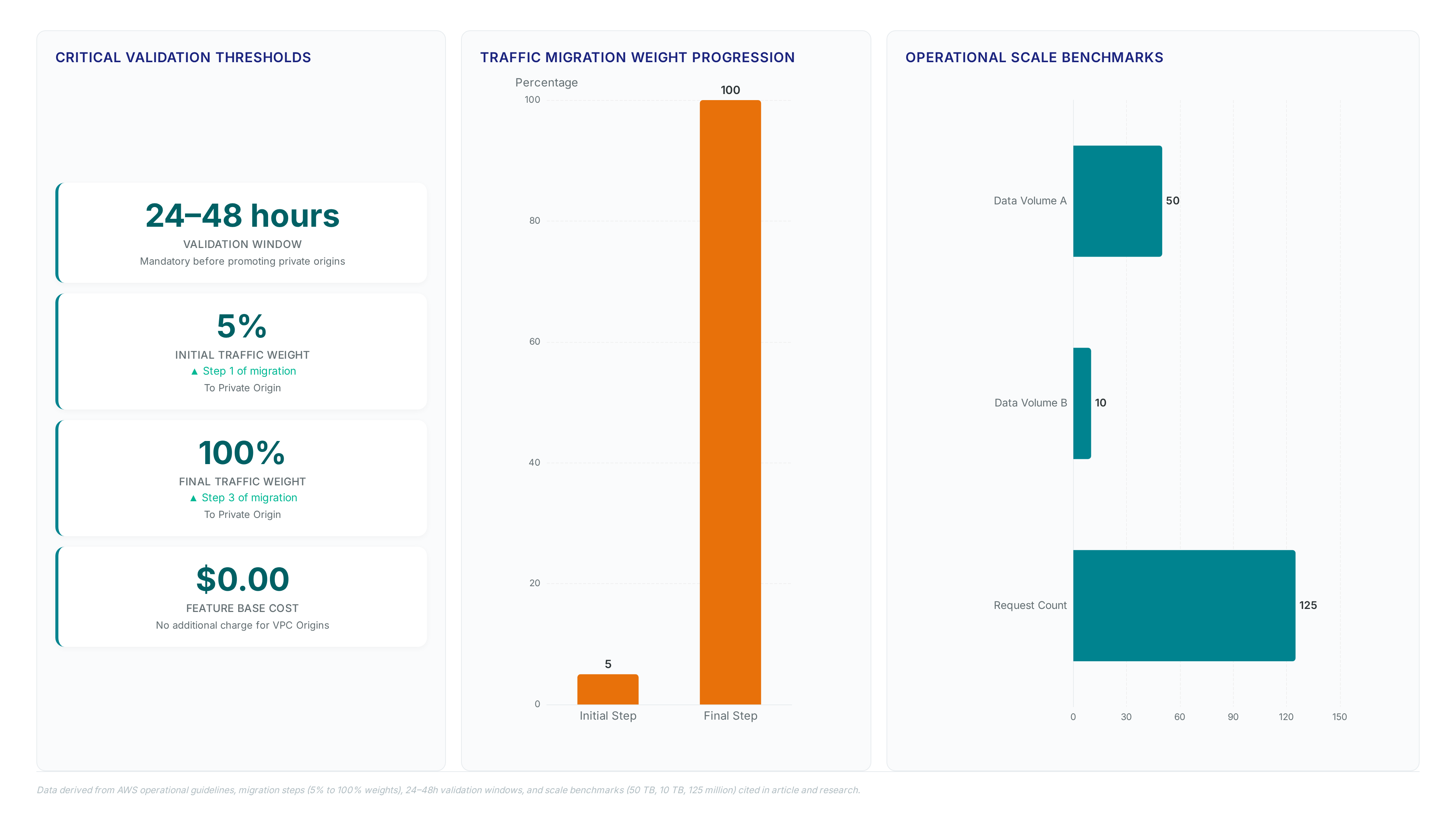
Cut public IP exposure with zero added cost. By 2026, private origins become mandatory for zero-trust security architectures.