Speed Isn't Everything: Encrypted DNS Latency Facts
Encrypted DNS adds latency when routing fails. Cloudflare logs data for 25 hours, proving privacy needs more than just speed tests to work well.
Support Team Leader
Support Team Leader at InterLIR. Hands-on experience with BGP routing operations, RPKI deployment, and network infrastructure troubleshooting for ISP and enterprise networks.
External Profile
Encrypted DNS adds latency when routing fails. Cloudflare logs data for 25 hours, proving privacy needs more than just speed tests to work well.
IPv4 addresses now trade at the price of gold. This market reality forces an immediate shift to dual-stack architecture.
Transform idle IPv4 blocks into revenue with 24/7 monitoring. InterLIR's five-step plan secures asset reputation while enabling immediate liquidity.
Avoid reseller ambiguity with direct LIR access. Secure clean IPv4 resources and manage global allocations without the 77 CHF AS fee confusion.
Secure IPv4 transfers across 70+ countries using escrow protection. Avoid direct deal risks with verified broker mediation for safe asset acquisition.
Over 3.36 million IPv4 addresses changed hands in Q1 2026 alone, proving the secondary market is the only viable supply chain left.
RFC 6483 defines 3 validation states to filter bad routes. InterLIR ensures clean BGP objects for secure IPv4 infrastructure.
Huntress tracked 81 million login attempts exploiting legacy OAuth ROPC flows to bypass MFA. Learn why disabling these paths is critical.
RPKI replaces blind faith with cryptographic proof across five regional roots. Learn how this 2011 shift secures global IP allocation chains today.
BGP routes propagate globally within minutes, leaving little time for manual fixes. Learn why automated RPKI validation is now mandatory for stability.
Five regional bodies now manage IP space after the original IANA list collapsed under scale. Learn how this 1992 shift supports modern networks.
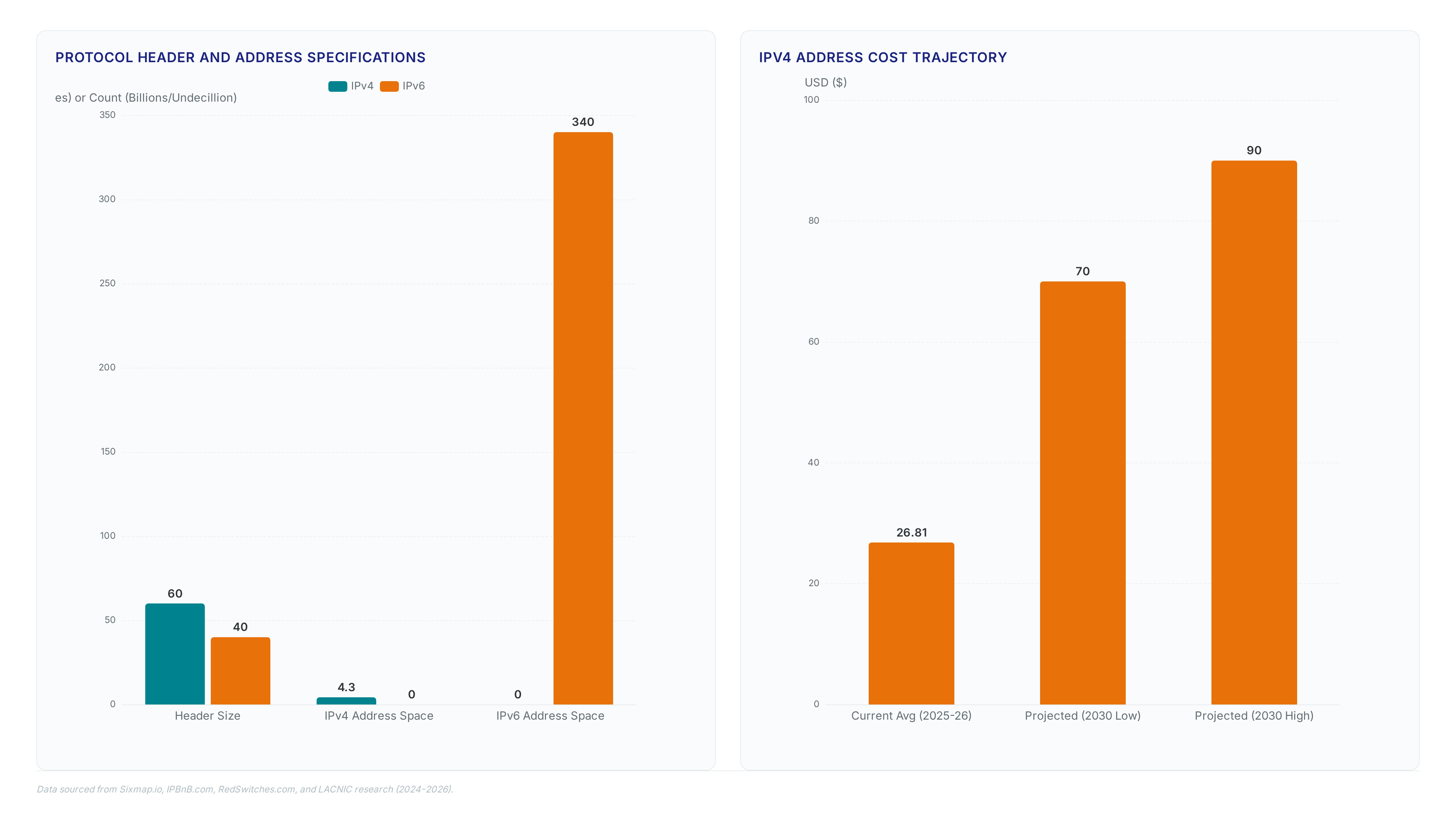
Leasing IPv4 addresses in 2026 costs between $0.50 and $1.50 per IP monthly, a rate that defines current infrastructure budgeting.
Stop manual crypto renewals by using the RIPE NCC web interface to secure your BGP route origins without local software deployment.
Secure your organization's name in the registry with a direct ASN and /44 bundle for exactly 100€ annually, eliminating third-party dependency.
BGP routes propagate globally in minutes, enabling massive disruption. InterLIR provides verified IPv4 blocks to secure your network infrastructure.
Cut international traffic costs by 30–50% and secure permanent routing identity. InterLIR provides the clean IPv4 blocks needed for direct peering.
IP scarcity drives the shift toward IP resource automation as businesses seek to monetize unused assets.
Lease IPv4 blocks from /24 to /16 with terms from 1 month to 5 years. Maintain full routing control without capital expenditure.
Convert dormant IPv4 blocks into capital while navigating RIR transfer rules. InterLIR ensures secure, compliant sales for your unused network assets.
Pavel Odintsov notes engineers fragment workflows across multiple public tools. Self-hosted platforms consolidate live routing data, RPKI validation
Renting IPv4 addresses costs between $0.40 and a modest amount per IP monthly, making it the logical choice for temporary network expansion.
Renting a /24 block costs $77–$90 monthly. InterLIR provides compliant IPv4 leasing to reduce capital expenditure while managing RIPE database entries.
With roughly 80,000 active ASNs defining the routing table, clean BGP paths are vital. InterLIR ensures secure IPv4 resources with verified reputation.
The 2008 Pakistan Telecom incident proved BGP trust gaps allow silent traffic diversion via unverified prefix announcements in minutes.
Avoid the 180-day IPv4 waitlist by securing direct RIPE NCC membership. Learn to manage AS numbers and database objects without the administrative burden.
Five Regional Internet Registries sit between IANA and your network. That gap is where Local Internet Registries (LIRs) operate.
Leasing rates define the current IPv4 address economy in 2026. Owners monetize surplus inventory through custom IPv4 lease terms while retaining full...
Market data shows IPv4 lease rates hovered around $0.40 to a comparable rate per IP monthly through 2025, making purchasing obsolete for many.
With the global IPv4 transfer pool shrinking nearly 60% since 2015, leasing has become the only scalable strategy for modern network expansion.
Organizations can acquire IPv4 addresses starting at a competitive rate per IP through InterLIR's marketplace, a baseline that defines current entry...
Legacy blocks from the 2003 ERX project need specific validation. Learn why standard APNIC workflows fail for these historical internet resources.
A perfect 5.0 rating across 32 reviews defines the current standard for trusted IPv4 leasing platforms.
Manual recovery from IP exhaustion takes hours, but automated workflows respond in minutes to keep applications running during traffic spikes.
Netomics launched July 10, 2026, to end third-party BGP reliance. Keep routing intelligence on-premises for total data sovereignty.
Overlapping RFC 1918 spaces break routing. Use public IPv4 blocks to bypass NAT limits and secure partner access without renumbering networks.
Cut upfront costs by shifting from asset acquisition to operational flexibility. InterLIR ensures RPKI validity for your leased IPv4 blocks today.
Resource Public Key Infrastructure (RPKI) stops BGP routing from guessing. It lets IP block holders cryptographically authorize specific AS numbers to...
RPKI replaces blind trust with cryptographic proof to stop route spoofing dead. Learn how operators validate BGP announcements against trusted ledgers.
Stop route leaks by implementing the RFC6480 framework. Learn how X.509 certificates create a binary validity state to secure your BGP announcements.
Misconfigured ROA maxLength values create severe vulnerabilities when specific prefixes lack BGP announcements, inviting subprefix hijacks.
Over 1,300 Route Origin Authorizations mark the shift to independent servers. InterLIR helps you host your own RPKI infrastructure for full control.
With roughly 80,000 ASNs globally, learn when your network needs a unique ID for BGP. InterLIR provides clean IP resources and expert LIR support.
Deploy BGP multihoming with provider-independent /24 IPv4 space to ensure 99.99% uptime for critical SaaS platforms and ecommerce sites.
BGP lacks native transport layers, exposing TCP sessions. Learn to enforce prefix limits and secure IPv4 blocks against RFC 1163 flaws.
A single malicious announcement disrupted Google for an hour in 2018. Secure your network integrity with verified IPv4 allocations from InterLIR.
Avoid the €1,000 signup fee trap by understanding why PI blocks forbid suballocation, limiting your network's operational growth potential.
InterLIR manages dual-policy compliance checks for both RIRs, eliminating the rejection risks found in standard forms during complex transfers.
Thousands of routes remain RPKI invalid as of May 2026, proving legacy trust models cannot secure global BGP against hijacking.
Prevent forged origins by aligning ROA maxLength values with BGP announcements, replacing trust-based filtering with cryptographic proofs today.
Over 60% of IPv4 routes now use RPKI. Learn to configure Junos OS routers to validate prefixes and block accidental leaks today.
With 60% of routes covered, the remaining 40% face accidental misorigination risks. Learn how strict ROA policies enforce cryptographic validity.
A DNS record set to 86400 seconds forces a full day of stale data. Learn how reducing TTL before maintenance ensures immediate global propagation.
Explore how 1,023 private identifiers support internal routing before global translation in complex anycast network architectures.
IRINN imposes fees on transferred IPv4 resources, while APNIC routes InterRIR requests across 56 economies. Learn the specific costs.
Over 20 experts are currently rewriting the rules for the Network Operators Program under a new charter.
Learn why hourly cloud providers cannot serve as upstream references and how the €60 annual fee impacts your ASN strategy in Europe.
An LIR receives allocations directly from a Regional Internet Registry to sub-assign assets, ensuring routing independence for your network infrastructure.
APNIC transfers fail without recipient acknowledgment within 30 days. Learn how preapproval validates needs for 24 months to prevent expiration.
A tenfold surge from $6 to $60 defines the recent valuation trajectory for individual IPv4 addresses.
Direct RIPE membership since 2015 defines the operational baseline for Virtuasys and its delivery of IP resources.
City accuracy drops to 50–80% without action. Learn why global routing lags 2–8 weeks and how to force sync your IPv4 records today.
With 4.3 billion addresses as the hard global limit, dormant IPv4 blocks represent tangible capital. Learn to audit and monetize unused ranges today.
With only 4.3 billion addresses possible, the 32-bit space is exhausted. Learn how secondary markets now drive global infrastructure deals safely.
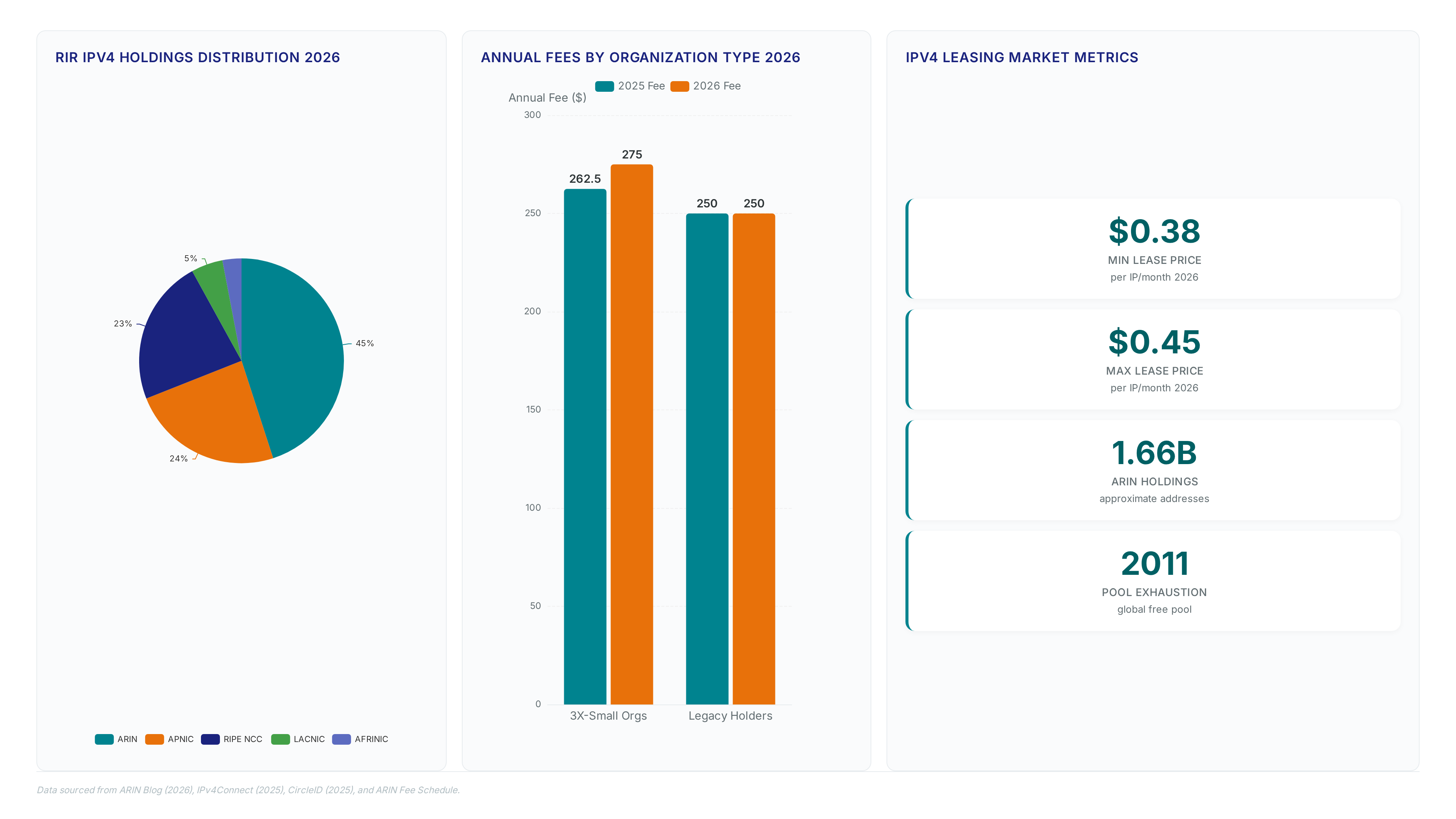
With only 3.9 million unallocated addresses remaining globally, the era of free IPv4 expansion is dead.
Exactly four registries support global IPv4 moves. Learn the specific fee structures and documentation needed to prevent transaction stalls.
With 167 disruptions in 28 countries during 2024, treating the internet as critical infrastructure offers stronger physical security than human rights...
Cut DNS incident recovery from 3060 minutes to under 3 by replacing manual console clicks with automated, type-safe infrastructure code.
Discover how AS15169 and AS13335 act as unique fingerprints for global routing, enforcing single policies across vast CIDR blocks.
Learn how 80,000 active systems shape global routing and why the shift from 2byte formats matters for your network infrastructure today.
Two ARIN Grant Selection Committee seats are open with the deadline extended to 1 May 2026. What the role demands and whether you should apply.
The ARIN service area covers exactly 29 listed countries and territories, not just the US and Canada.
Transfers of 103/8 free pool addresses face a mandatory five year lockout period according to APNIC transfer conditions.
India dropped the proposed 20% local sourcing mandate for satellite ground infrastructure, easing entry but leaving spectrum pricing unresolved.
With only 12 carriers fully compliant and supply chains strained, network modernization faces hard delays. InterLIR stabilizes routing via IPv4 optimization.
Scarcity has birthed a liquid secondary market for IPv4 blocks where unused sub-blocks are sold rather than allocated.
RPKI deployment scrutiny intensified in September 2024 as the industry evaluates adoption rates against persistent BGP vulnerabilities.
Wire 3 commits $53 million for 53,000 locations, yet complex federal funding rules often delay actual lastmile fiber construction timelines.
Germany's SMS traffic fell to 2.9 billion in 2025. As legacy frameworks fracture, InterLIR provides the IPv4 routing intelligence needed to stabilize networks.
Huawei holds 40% of Europe's market as rivals face sales drops. InterLIR ensures your network stays stable by redistributing unused IPv4 blocks today.
With only 4,294,967,296 unique IPv4 addresses available, global governance strictly controls allocation through regional registries rather than direct access.
MCMC seeks feedback on CMA amendments by 10 July 2026 to centralize IP control under a new National Internet Registry framework.
Secure IPv4 blocks with no-revocation guarantees for 36 to 60 month terms, ensuring stable BGP sessions without capital expenditure risks.
The default TCP idle timeout on Nitro V6 instances dropped from 432,000 seconds to just 350 seconds (June 2025).
The 2026 IPv4 market favors calculated private negotiation over auction frenzy. Learn how escrow services and RIR protocols secure your block transfer today.
Transform dormant inventory into revenue. With 4.3 billion addresses exhausted, learn how leasing surplus blocks creates yield without divesting control.
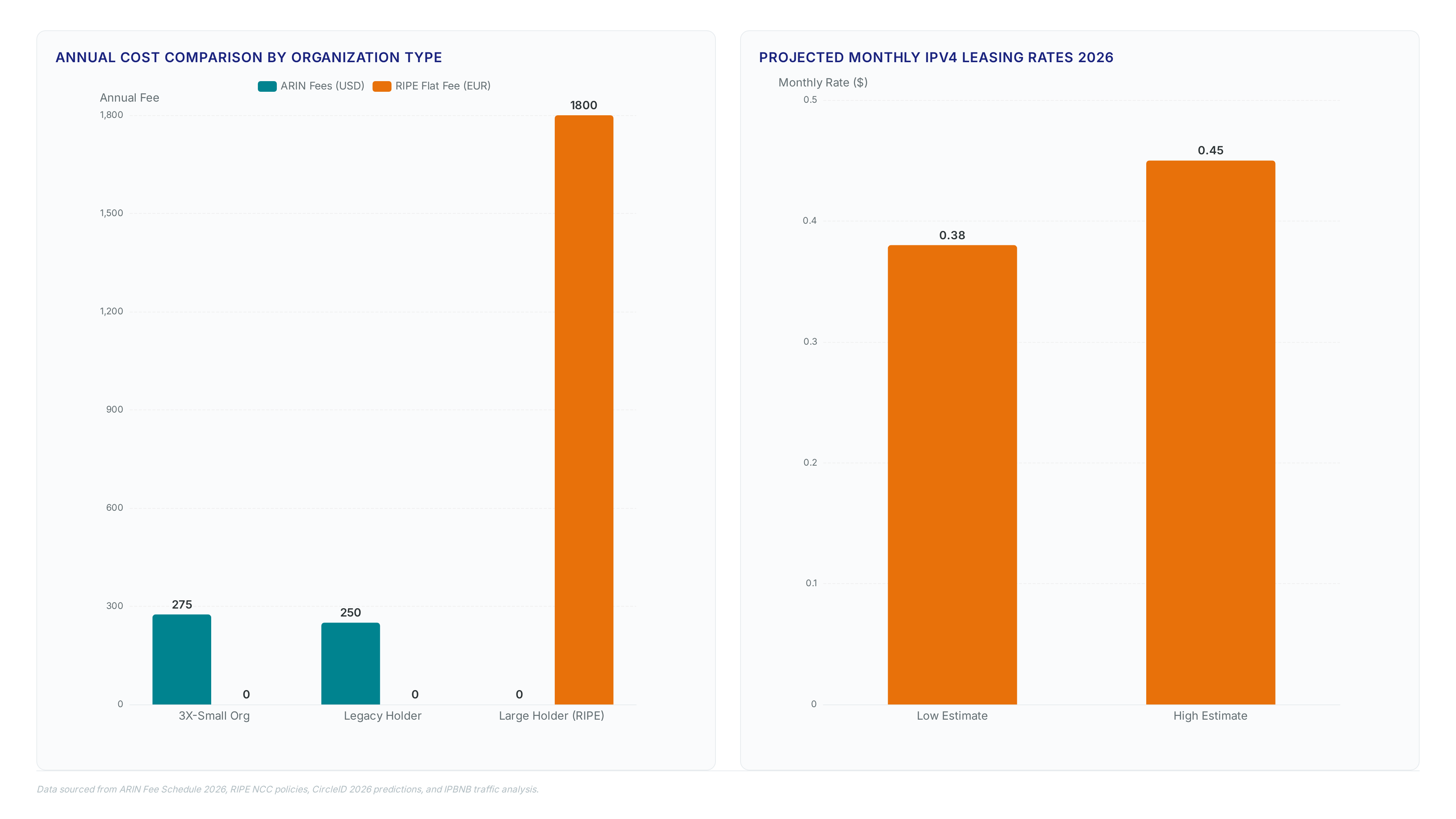
Turn €1,800 annual fees into assets. Learn how direct RIPE NCC membership offers voting rights and training over simple IP allocation.
A CISA probe of 121 networks proves static IP ranges fail. Learn how governed identity frameworks protect routing trust and customer retention.
Stop manual binary math. This tool instantly resolves subnet masks and calculates exactly 254 usable hosts for a standard /24 network block.
With only 4,294,967,296 IPv4 addresses, routing now maps names to endpoints. Learn how DNS controls traffic flow beyond basic forwarding.
The total theoretical capacity of IPv4 is exactly 4,294,967,296 addresses, a hard limit the RIPE NCC region has already hit.
Since September 14, 2012, RIPE enforces a strict 1,024 address limit per LIR. Navigate this regulatory cap to secure essential IPv4 resources today.
AWS charges $0.005 per hour, making an idle IP cost exactly $43.80 annually. Discover why treating addresses as infinite resources is over.
APNIC policy version 015 takes effect 20 February 2025, redefining IPv4 transfer rules and compliance for the Asia Pacific region.
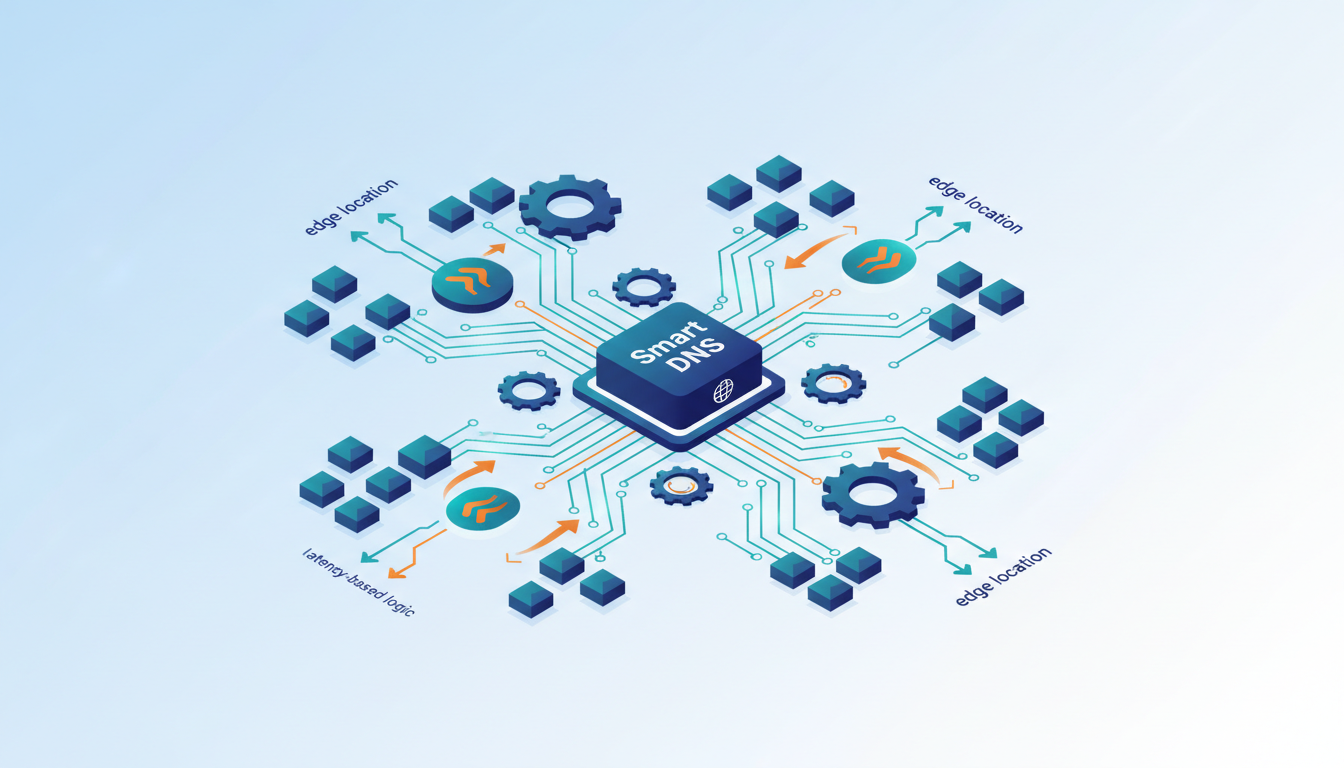
Modern managed DNS providers are dropping per-request query fees while layering latency-based routing, DNSSEC, and CDN integration on a single anycast edge.
Skip GRE overhead to hit 100 Gbps throughput. Learn why 50% of SDWAN deployments now favor this tunnelless model for strict isolation.
BGP accepts advertised routes by default without verifying the owner, creating a critical security gap that RPKI solves.
Over 375,000 ROAs exist with zero enforcement. Learn to configure routers to drop Invalid routes and secure BGP announcements today.
Learn why BGP requires one distinct routing policy per system across 4,294,967,296 available numbers to avoid global table bloat.
RIPE 93 in Sofia targets IPv4 scarcity with 3,049 votes proving stakeholder engagement. Submit technical proposals by 14 August 2026.
Learn why 80,000 active ASNs prove the need for unique network IDs. Discover how this identifier enables independent routing policies and peering.
The ARIN Grant Selection Committee enters year eight having funded over 25 projects. See how strict criteria drive technical improvements and outreach.
The 2026 APNIC Fellowship requires an 18-month commitment. Learn why technical merit alone fails without clear operational justification in policy drafts.
RIPE NCC's April 2026 update: 841 LIRs queued, 503-day waits, 1.79M IPv4 transferred. Why an LIR account is now a standing cost, not a resource tap, and how to
Misusing the 1,023 reserved identifiers pollutes global routing tables. InterLIR provides the expertise to manage private ranges without legacy risks.
Convert idle inventory into liquid capital with InterLIR's automated leasing. Access clean IPv4 blocks delivered in under 24 hours.
The global routing table hit a hard ceiling long ago. With 89,497 recorded entries as of January 4, 2026, the Autonomous System Number pool reflects a...
ARIN requires 2,000 IPv6 addresses in 12 months for end-user justification. Learn how entity classification dictates your allocation path.
City-level accuracy for mobile IPs drops to 65%. We confuse registered economy data with physical deployment, creating critical mapping errors.
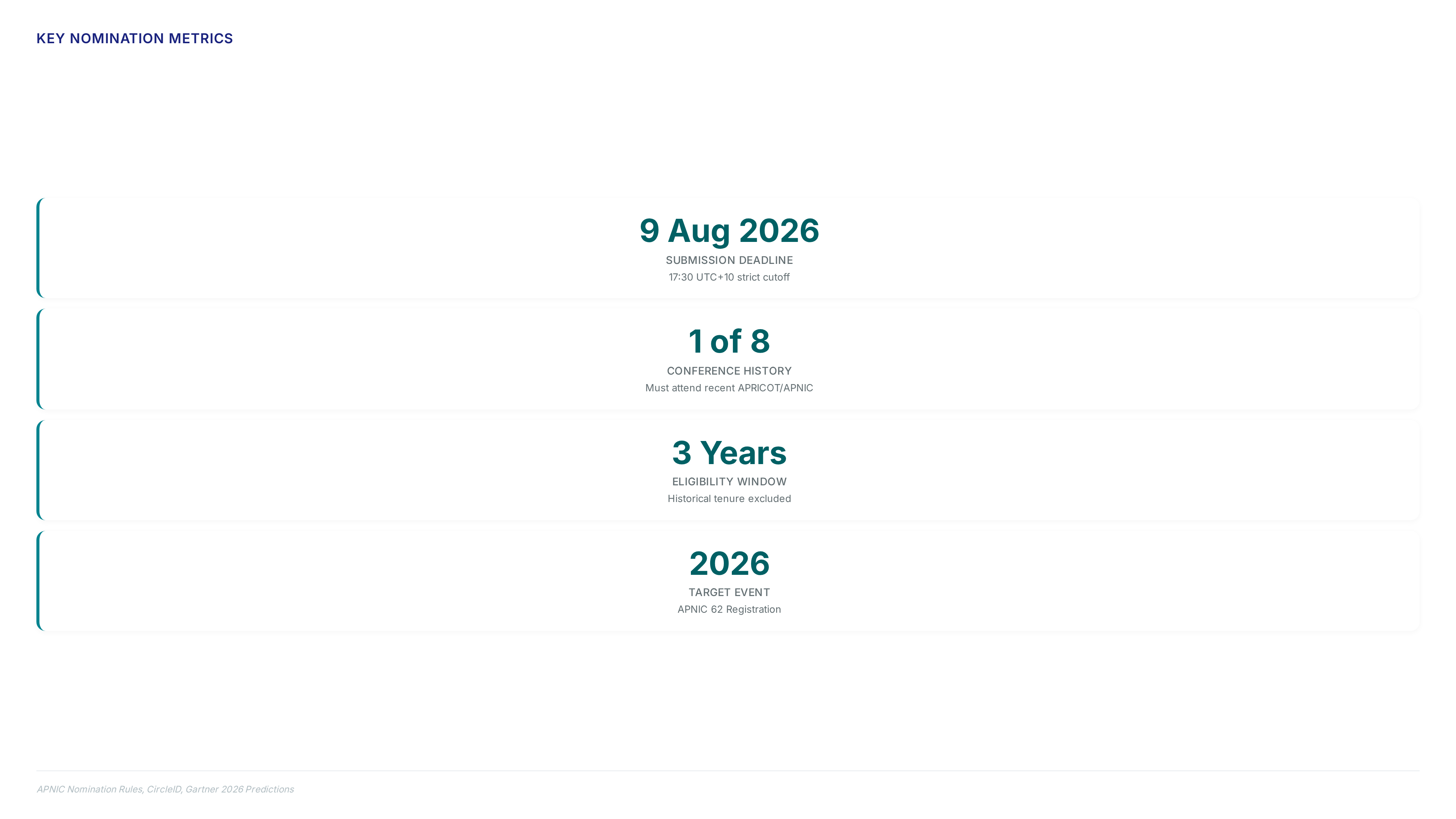
Nominations close 9 August 2026. I break down the strict attendance rules for the Asia Pacific seat and why this vote protects our routing security.
Ephemeral leaks are short-lived BGP convergence artifacts, not attacks. How to triage Cloudflare Radar leak alerts and why RPKI alone won't fix them.
ARIN's Board approved a 5% RSP fee increase for 2027. It hits active registrants, not the $250 legacy cap. Here's what changes, and the one date that decides wh
ARIN 57 fee schedule for IPv4 holders: the $275 vs $250 gap, the IPv6 waiver deadline, transfer costs, and the Sept voting cutoff to act on.
Erik protocol indexes RPKI data by content hash for CDN-cacheable fetch. An InterLIR operator's take: real engineering, but transport was never the binding cons
The NRO Strategy 2026-28 reads like a coverage win (71% leased-prefix ROA), but the real story is in the security pillar: registries are spending the next three
Facing a 503-day wait for IPv4? Our market analysis shows how leasing bypasses the queue while securing clean routing integrity.
Cross-zone traffic hits $0.04 per GB. Learn how zonal affinity cuts your AWS NLB bill by 95% today.
SEE 14 in Belgrade tackles the 2–3% IPv6 growth stall. Join engineers April 21–22 to fix routing gaps before obsolescence hits.
Seven members lost resources in Q1 2026. Learn how RIPE's new transparency report changes compliance for legacy holders across 75 countries.
Secure your routes with strict originASonly checks. PAM 2024 research shows IXP servers stay vulnerable without proper ROV ordering.
With ASPA Customer ASIDs up 539%, we see a real shift from origin checks to path security, though fragmented signing strains the system.
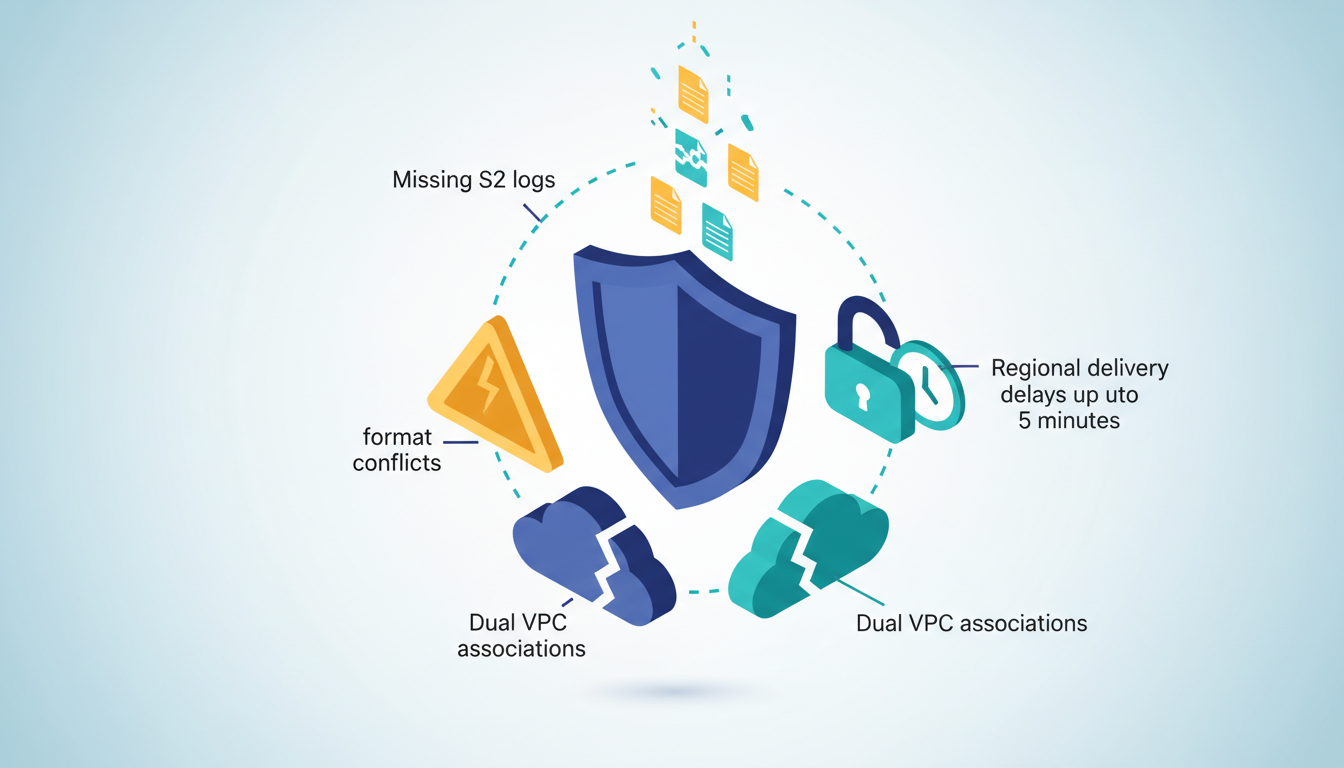
Share DNS configs across 10,000 accounts instantly. Route 53 Profiles eliminate manual gaps and ensure consistent audit trails for every VPC.
The 2026 RIR Governance update replaces ICP2 but leaves open issues. Learn how this affects your IP strategy before final adoption.
Nominations close April 29, 2026. We analyze how the fixed EUR 1,800 fee impacts strategic direction for the registry.
Seventeen new fellows join seven technical tracks to shape policy across 75 countries, ensuring skilled operators guide our shared infrastructure.
RIPE seeks volunteers by 6 March 2026 to resolve IP disputes. As IoT hits 21.9 billion devices, human arbiters remain essential for governance.
RIPE's 2025 reports show 20,000 members facing IPv4 scarcity. Lease prices hit $22 monthly. See how governance handles this fiscal tension.
Open-source malware detections surged 73% in 2025. We swap fragile signatures for deterministic hash validation to secure the supply chain.
Cut MTTR by 75% using service-managed gateways. Connect your AWS DevOps agent to private VPC resources without public IPs or extra encryption.
A single malformed update crashed Cisco IOS XR. Stop relying on static filters; use predictive intelligence to score origin risks before 2026.
Shorter paths do not equal safer paths. Learn why 75% of enterprises risk security by trusting hop counts over cryptographic proofs.
Naive scanning crashes on aliases. See how tweaking DNS timers pushed our home lab native traffic above 90% despite legacy IoT device clutter.
With 50.10% of global traffic now on IPv6, ignoring unmanaged entry points is a governance failure. Learn to frame this as a board-level liability.
The 1994 Toronto decision rejected simple expansion, forcing dual stacks that double memory use and operational costs for networks today.
Real enterprise IPv6 sits at 12%. With IPv4 leasing at $0.38, the 2045 sunset date makes economic sense for now.
Jamie Thain proposes repurposing 127.x to solve 10.x overlaps, offering a fix while global IPv6 sits at 50.10% usage in 2026.
State actors caused 219 incidents in Q1 2026. We analyze how 92% growth in outages shifts from glitches to tactical isolation.
AWS Interconnect launched April 29, 2026, cutting provisioning time from weeks to minutes by removing manual colocation steps entirely.
The NRO NC reviewed feedback from five regional lists. With 15 volunteers debating, these governance ambiguities need fixing before adoption.
Despite 250k devices removed, transparent forwarders remain a stagnant threat, enabling attacks up to 320 Mb by bypassing standard limits.
Stop manual tunnel management. Flexible BGP supports 140,000 packets per second and automatic failover for resilient AWS networks.
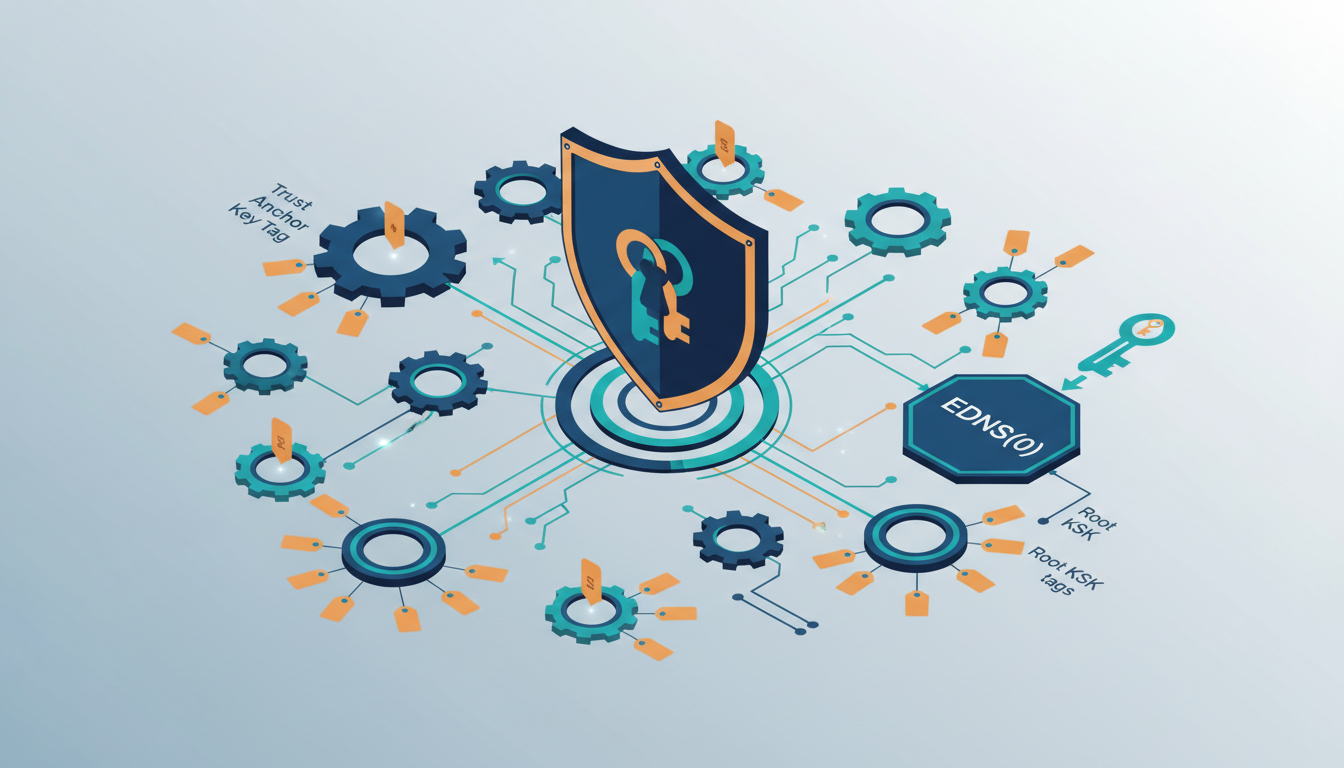
Root KSKs have survived eight years, but NIST warns keys over five years face quantum risks. Learn why rotation is urgent.
New data reveals only 2% of ASes use BGP-based scrubbing. Most networks remain dangerously exposed to attacks despite marketed claims.
461,596 redundant routes now clog the global table. See how rigid classful blocks caused this IPv4 exhaustion and why CIDR aggregation must return.
Stop the 5-minute scaling lag that crashes platforms. We use tagged automation to lock capacity before traffic spikes hit your ALB.
Legacy collectors cover less than 2% of global ASes. See how 5,000 vantage points expose routing leaks that traditional tools miss completely.
In 2025, forged documents bypassed crypto checks. With only 38% of IPv4 prefixes enforcing validation, identity fraud now drives route hijacking.
Stop hitting 1.25 Gbps ceilings. Learn how Large Bandwidth Tunnels deliver 5 Gbps capacity for modern architectural needs.
Cloudflare's ASPA rollout targets the gap where 53% of IPv4 prefixes remain unchecked, securing paths beyond origin validation.
ARIN needs three volunteers by April 28 to guide policy. With IPv6 overtaking IPv4 by 2026, your governance role impacts costs.
ARIN 57 starts April 20 with 15 council members filtering proposals. See how this impacts your IPv4 strategy and resource allocation today.
Build a compliant VPC with private subnets in 3 zones. Keep data off the public internet while integrating private sources securely.
Litigation has frozen resource allocation for years. With only 30 million addresses, AFRINIC's legal crisis hurts 56 African nations.
Seventeen new fellows join seven technical tracks to shape policy across 75 countries, ensuring skilled operators guide our shared infrastructure.
RIPE seeks volunteers by 6 March 2026 to resolve IP disputes. As IoT hits 21.9 billion devices, human arbiters remain essential for governance.
Stop manual tunnel management. Flexible BGP supports 140,000 packets per second and automatic failover for resilient AWS networks.
Root KSKs have survived eight years, but NIST warns keys over five years face quantum risks. Learn why rotation is urgent.
Real enterprise IPv6 sits at 12%. With IPv4 leasing at $0.38, the 2045 sunset date makes economic sense for now.
Shorter paths do not equal safer paths. Learn why 75% of enterprises risk security by trusting hop counts over cryptographic proofs.
AWS Interconnect launched April 29, 2026, cutting provisioning time from weeks to minutes by removing manual colocation steps entirely.
461,596 redundant routes now clog the global table. See how rigid classful blocks caused this IPv4 exhaustion and why CIDR aggregation must return.
State actors caused 219 incidents in Q1 2026. We analyze how 92% growth in outages shifts from glitches to tactical isolation.
New data reveals only 2% of ASes use BGP-based scrubbing. Most networks remain dangerously exposed to attacks despite marketed claims.
63.8% of networks lack strict validation. See how route servers miss hijacks when ASSET lists override cryptographic proof.
ARIN needs three volunteers by April 28 to guide policy. With IPv6 overtaking IPv4 by 2026, your governance role impacts costs.
Stop the 5-minute scaling lag that crashes platforms. We use tagged automation to lock capacity before traffic spikes hit your ALB.
Cross-zone traffic hits $0.04 per GB. Learn how zonal affinity cuts your AWS NLB bill by 95% today.
Jamie Thain proposes repurposing 127.x to solve 10.x overlaps, offering a fix while global IPv6 sits at 50.10% usage in 2026.
Build a compliant VPC with private subnets in 3 zones. Keep data off the public internet while integrating private sources securely.
In 2025, forged documents bypassed crypto checks. With only 38% of IPv4 prefixes enforcing validation, identity fraud now drives route hijacking.
Naive scanning crashes on aliases. See how tweaking DNS timers pushed our home lab native traffic above 90% despite legacy IoT device clutter.
Cloudflare's ASPA rollout targets the gap where 53% of IPv4 prefixes remain unchecked, securing paths beyond origin validation.
Legacy collectors cover less than 2% of global ASes. See how 5,000 vantage points expose routing leaks that traditional tools miss completely.
Litigation has frozen resource allocation for years. With only 30 million addresses, AFRINIC's legal crisis hurts 56 African nations.
Secure your routes with strict originASonly checks. PAM 2024 research shows IXP servers stay vulnerable without proper ROV ordering.
Open-source malware detections surged 73% in 2025. We swap fragile signatures for deterministic hash validation to secure the supply chain.
Cut MTTR by 75% using service-managed gateways. Connect your AWS DevOps agent to private VPC resources without public IPs or extra encryption.
Nominations close April 29, 2026. We analyze how the fixed EUR 1,800 fee impacts strategic direction for the registry.
With ASPA Customer ASIDs up 539%, we see a real shift from origin checks to path security, though fragmented signing strains the system.
The 1994 Toronto decision rejected simple expansion, forcing dual stacks that double memory use and operational costs for networks today.
Despite 250k devices removed, transparent forwarders remain a stagnant threat, enabling attacks up to 320 Mb by bypassing standard limits.
The NRO NC reviewed feedback from five regional lists. With 15 volunteers debating, these governance ambiguities need fixing before adoption.
A single malformed update crashed Cisco IOS XR. Stop relying on static filters; use predictive intelligence to score origin risks before 2026.
Share DNS configs across 10,000 accounts instantly. Route 53 Profiles eliminate manual gaps and ensure consistent audit trails for every VPC.