Route hijacking risks: Why BGP trust is broken
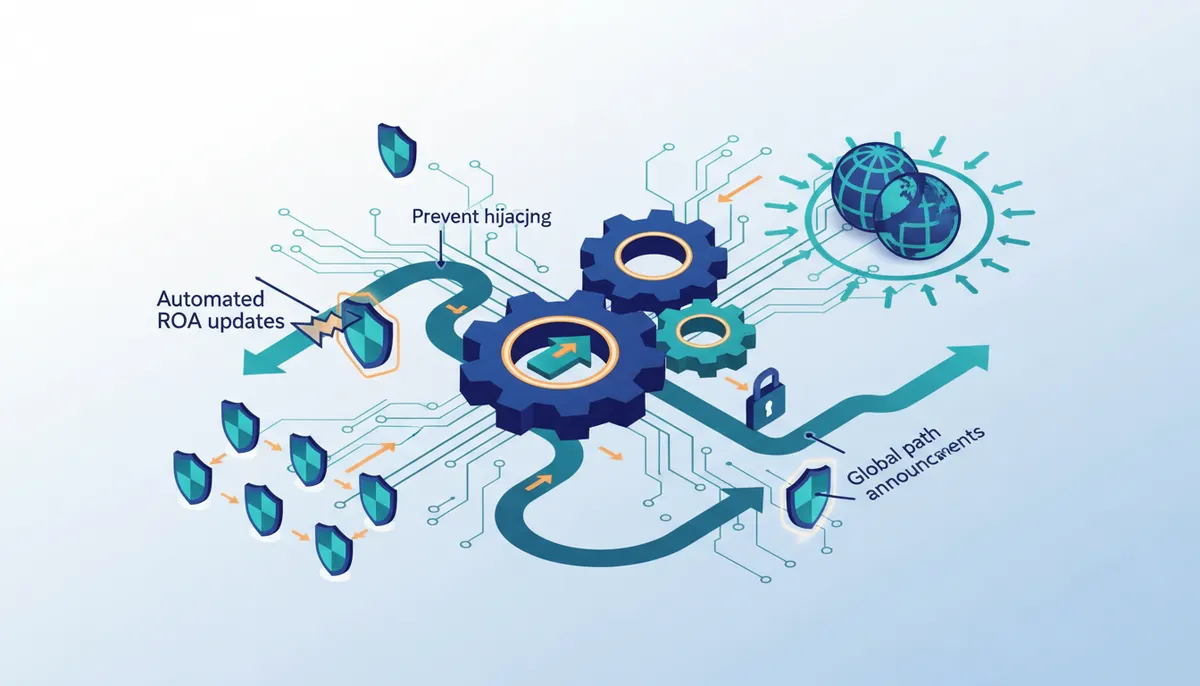
BGP lacks built-in authentication, letting bad actors hijack routes instantly. Learn why validation is critical for network stability today.

LACNIC mandates IPv4 announcements within 3 months. InterLIR secures your operational identity against revocation and routing instability today.
The 32bit structure of IPv4 defines absolute scarcity. Discover how professional mediation ensures secure transfers and protects buyers from fraud in this...
Lease IPv4 blocks from /24 to /16 with terms from 1 month to 5 years. Maintain full routing control without capital expenditure.
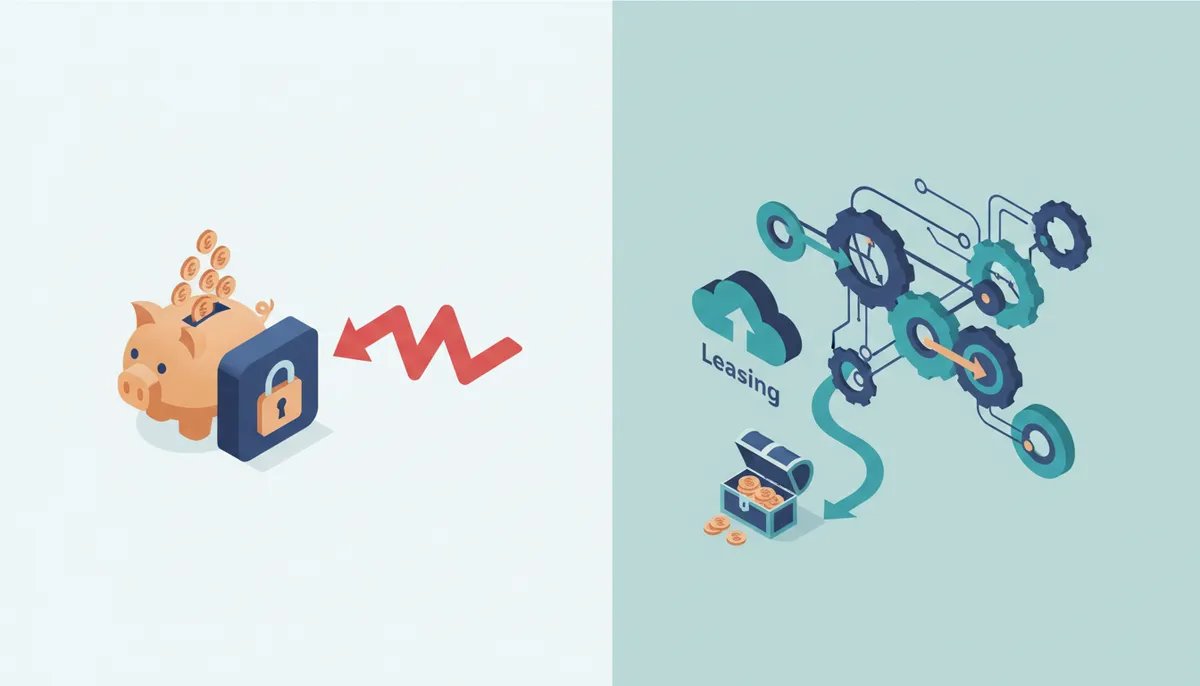
IPv4 scarcity forces a binary choice: buy at peak valuations or lease to preserve capital. The market has decisively shifted toward IP address leasing...
APNIC enforces a strict 30-day window for IPv4 transfers. Learn how InterLIR's automated brokerage prevents request voids and ensures policy compliance.
Convert dormant IPv4 blocks into capital while navigating RIR transfer rules. InterLIR ensures secure, compliant sales for your unused network assets.
In 2026, blind trust in market availability is a liability. The operational reality for network infrastructure demands rigorous validation of IPv4...
Achieve 99.998% uptime by owning your ASN. InterLIR supplies the clean IPv4 blocks needed to build redundant, sovereign network paths.
Avoid returning Provider Independent addresses when contracts lapse. Learn how sponsorship retains ownership while stabilizing costs at 240€ yearly.
Renting a /24 block costs $77–$90 monthly. InterLIR provides compliant IPv4 leasing to reduce capital expenditure while managing RIPE database entries.
With over 2500 clients relying on IPv4Connect, the market for selling unused IP assets has reached an inflection point.
With roughly 80,000 active ASNs defining the routing table, clean BGP paths are vital. InterLIR ensures secure IPv4 resources with verified reputation.
Learn how accredited brokers use escrow mechanics to protect capital during complex IPv4 transfers and ensure legal title without revocation risks.
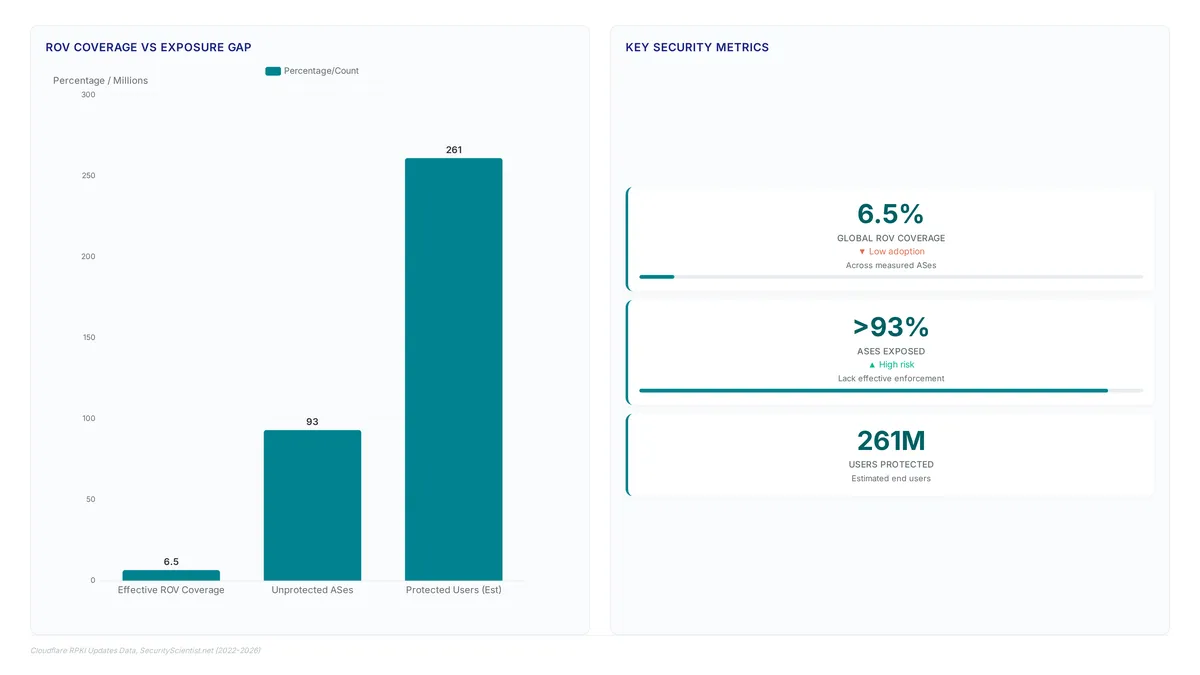
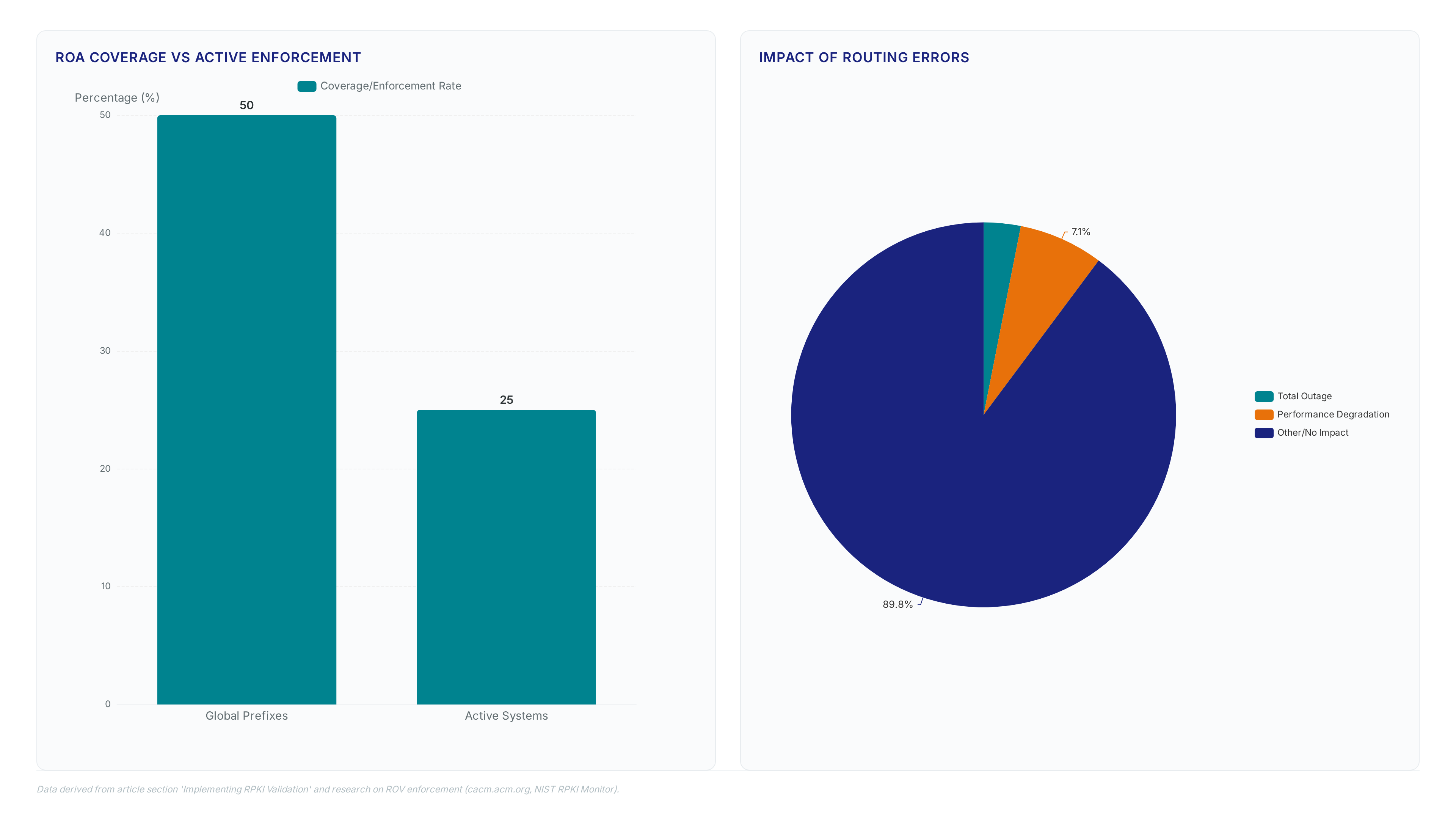
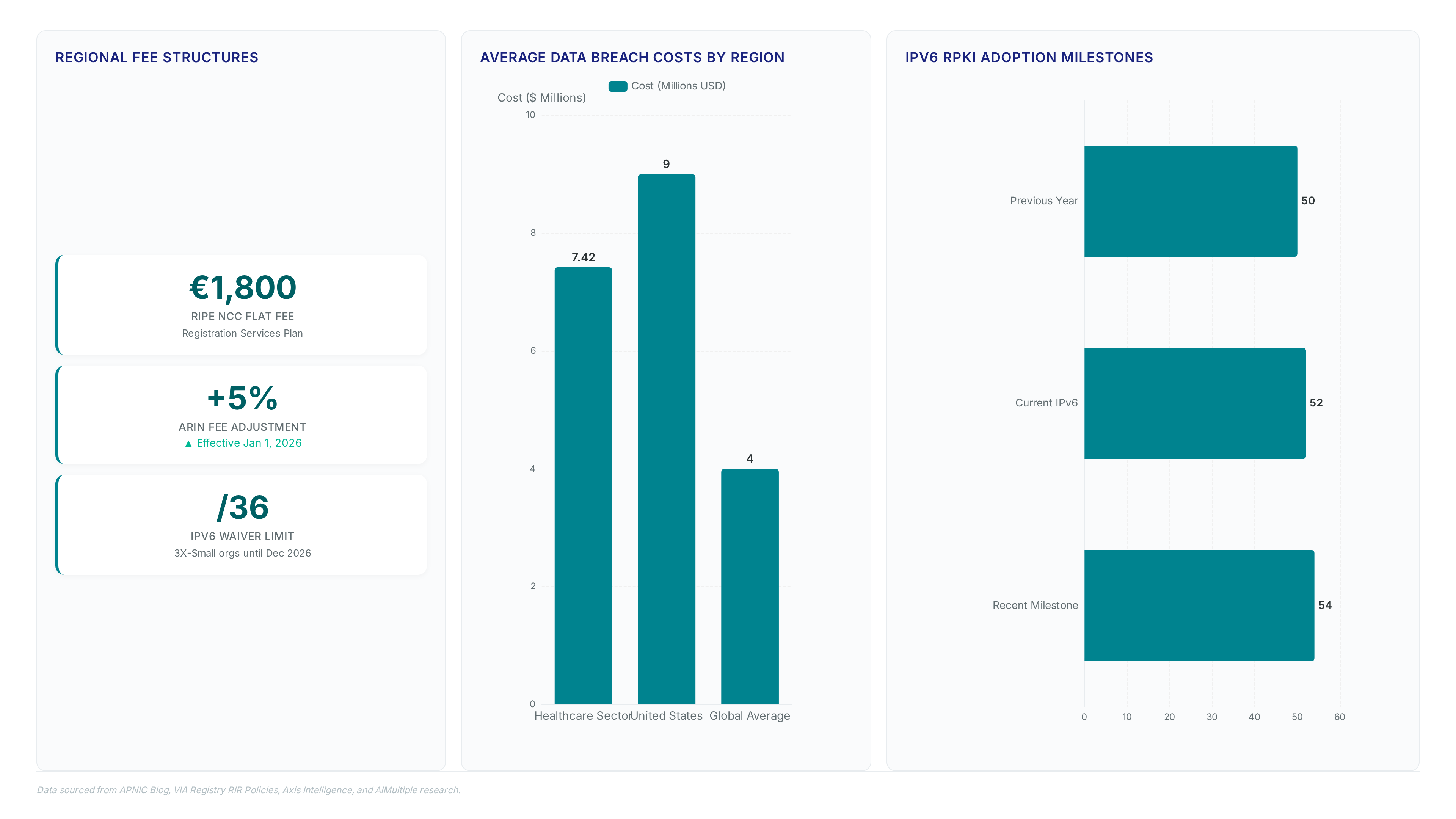
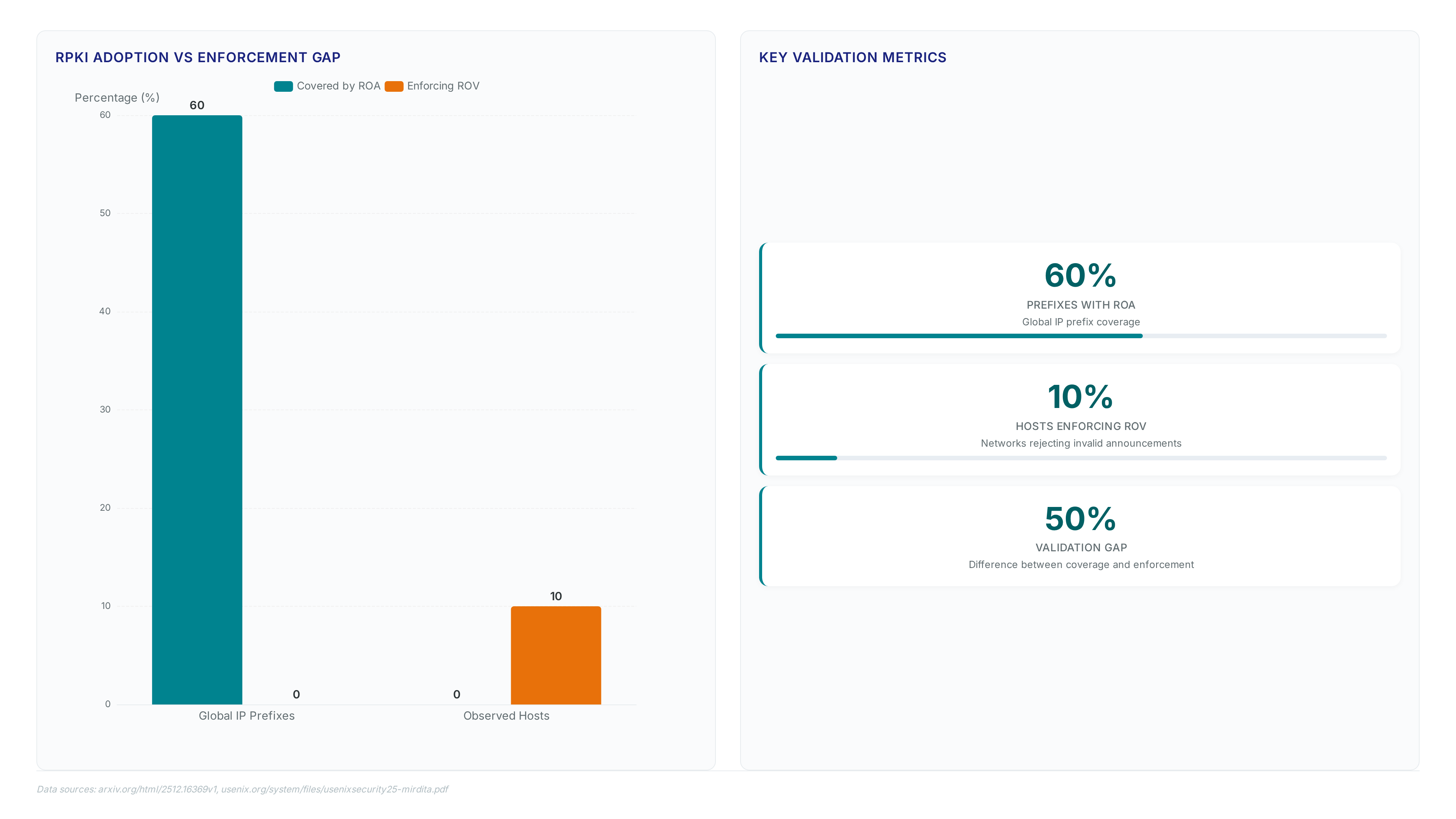
A significant majority of global IP prefixes now possess cryptographic attestation, proving that ROA adoption has reached a critical majority.
Avoid the 180-day IPv4 waitlist by securing direct RIPE NCC membership. Learn to manage AS numbers and database objects without the administrative burden.
Five Regional Internet Registries sit between IANA and your network. That gap is where Local Internet Registries (LIRs) operate.
A Local Internet Registry (LIR) is the entity that holds the keys. Typically an ISP or a large enterprise, it receives IP allocations directly from a...
Skip the wait for a /22 block. InterLIR provides immediate IPv4 access without the administrative overhead of direct RIPE NCC membership.
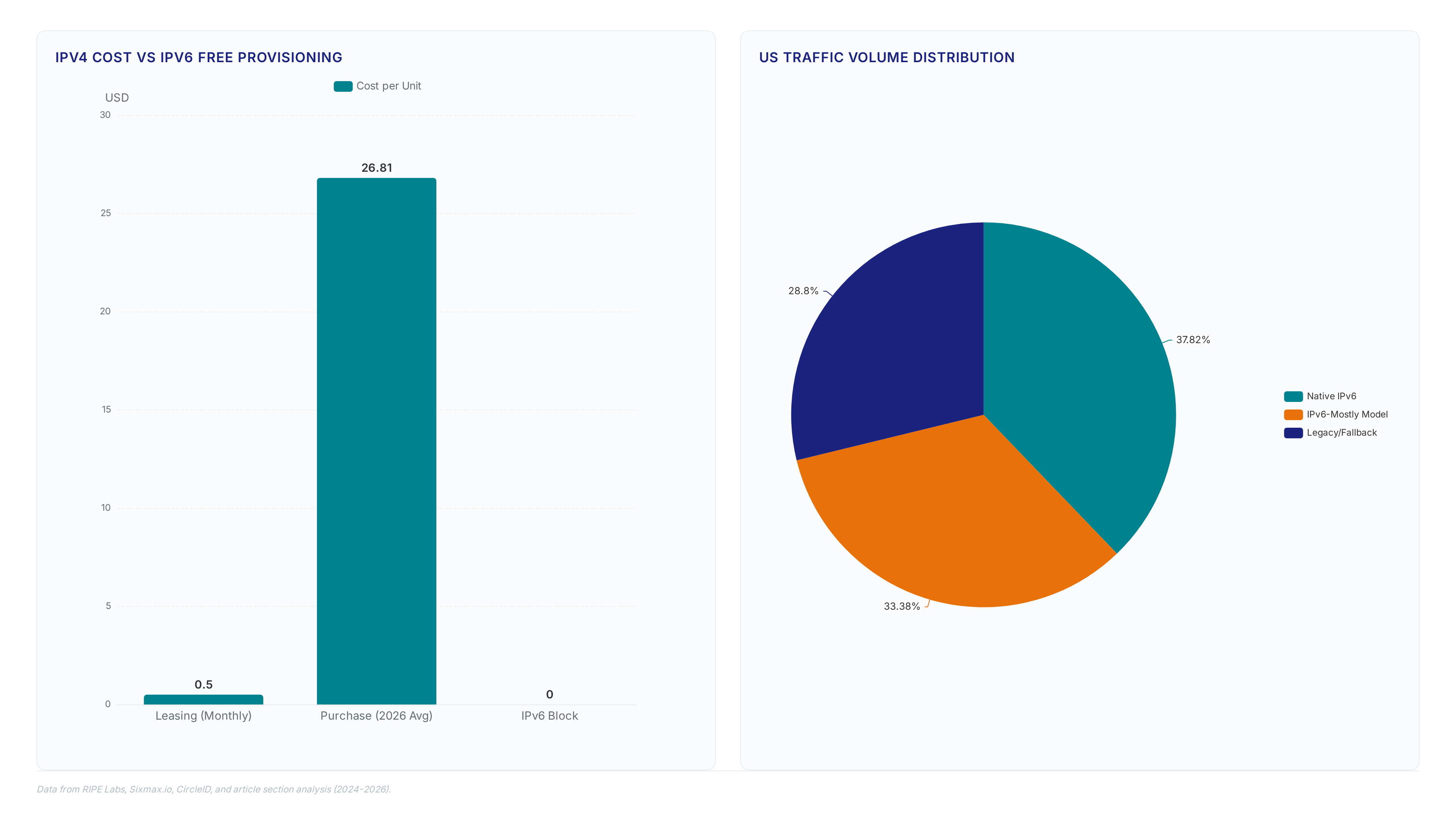
Renting IPv6 /48 blocks costs $66.65 yearly, proving leasing bypasses traditional scarcity while offering immediate network deployment for servers.
Leasing a /24 block costs between $128 and $384 monthly, while specific providers like Host-telecom.com quote quarterly rates starting at 600.00 € for...
A standard /24 block now commands a market price between $16 and $25 per IP according to InterLIR data.
Leasing IPv4 addresses cuts acquisition costs dramatically compared to buying outright.
Access over 1 million IPv4 addresses via a RIPE NCC–registered broker. Secure clean blocks with delivery guaranteed in under 24 hours globally.
The era of free IPv4 acquisition is dead. With only a limited number of unallocated addresses remaining globally, network operators face a binary...
IPv4 leasing now serves over 75 industries, turning idle assets into liquid capital while enforcing strict BGP routing security for operators.
With pools shrinking from 44.8M to 18.6M, learn how InterLIR separates legal title from routing rights for secure IPv4 leasing.
Leasing rates define the current IPv4 address economy in 2026. Owners monetize surplus inventory through custom IPv4 lease terms while retaining full...
Market data shows IPv4 lease rates hovered around $0.40 to a comparable rate per IP monthly through 2025, making purchasing obsolete for many.
Leasing a /24 block costs between $128 and $384 monthly, making IPv4 address access an operational expense rather than a capital asset.
With the global IPv4 transfer pool shrinking nearly 60% since 2015, leasing has become the only scalable strategy for modern network expansion.
Leasing a /24 block can start as low as $150 per month. That single figure dismantles the old instinct to hoard IP space.
Skip 8-week procurement delays; deploy clean IPv4 blocks in 24 hours via automated BGP routing for immediate network scaling.
Leasing a /24 IPv4 subnet starts from $169/month when bundled with infrastructure or $256/month for standalone blocks according to current provider...
The IPv4 address market has shifted from bidding wars exceeding $50 per unit to a moderated system in 2026.
Prices above a nominal threshold per address set the IPv4 market during past bidding wars, but that era has ended.
Organizations can acquire IPv4 addresses starting at a competitive rate per IP through InterLIR's marketplace, a baseline that defines current entry...
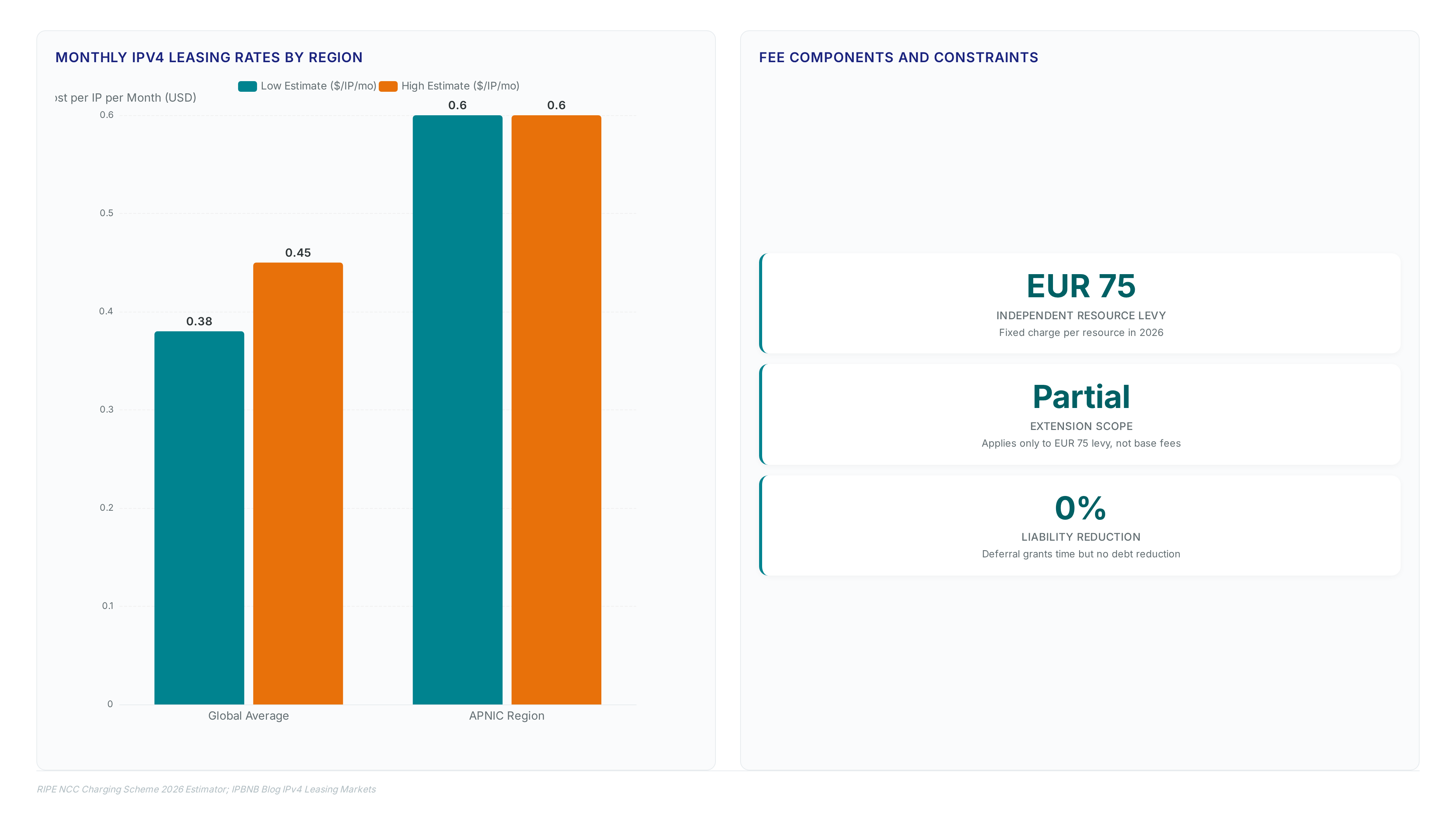
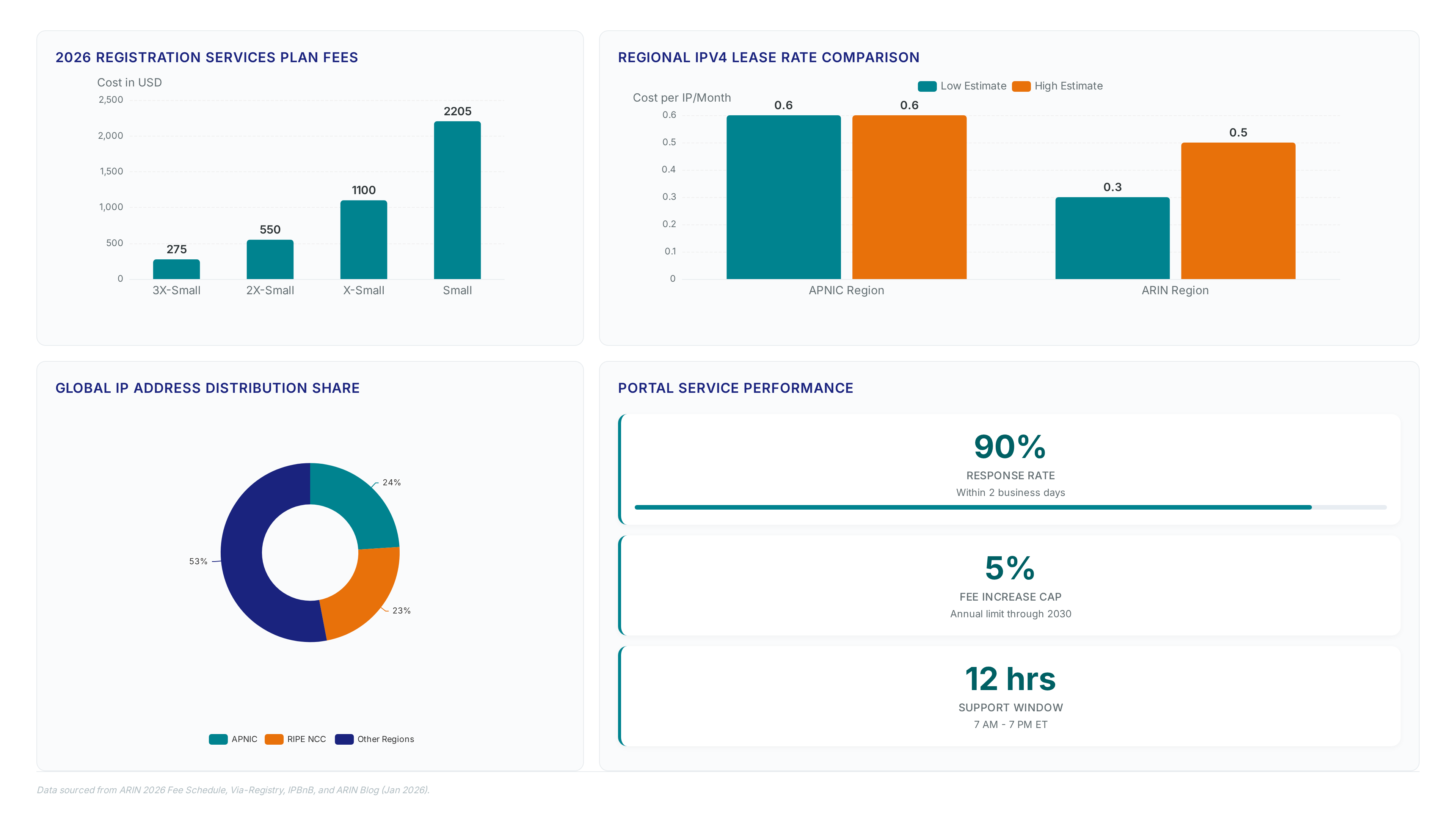
APNIC lease rates now reach $0.60 per IP monthly. Discover how regional supply constraints and block quality impact your network budget today.
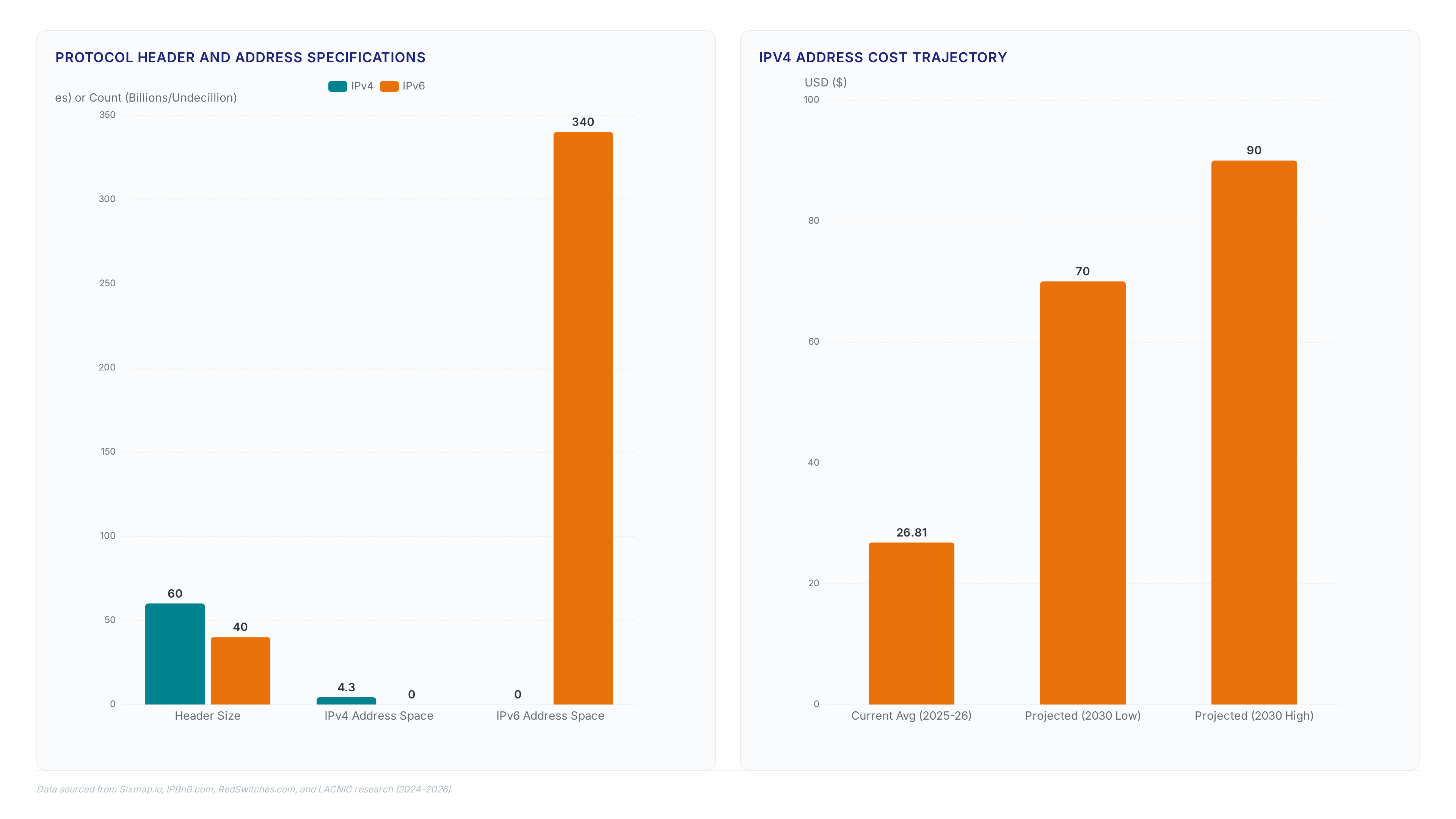
IPv4 offers exactly 4,294,967,296 unique addresses. That is the hard ceiling. The 32-bit architecture creates a finite pool that the industry can no...
Legacy blocks from the 2003 ERX project need specific validation. Learn why standard APNIC workflows fail for these historical internet resources.
Encrypted DNS flows remain 77, 86% identifiable despite payload encryption. Yet AWS Cloud WAN operators face architectural mandates that demand...
A perfect 5.0 rating across 32 reviews defines the current standard for trusted IPv4 leasing platforms.
With 80,000 active systems globally, choosing the right autonomous system number matters. See how private and public formats define your routing boundaries.
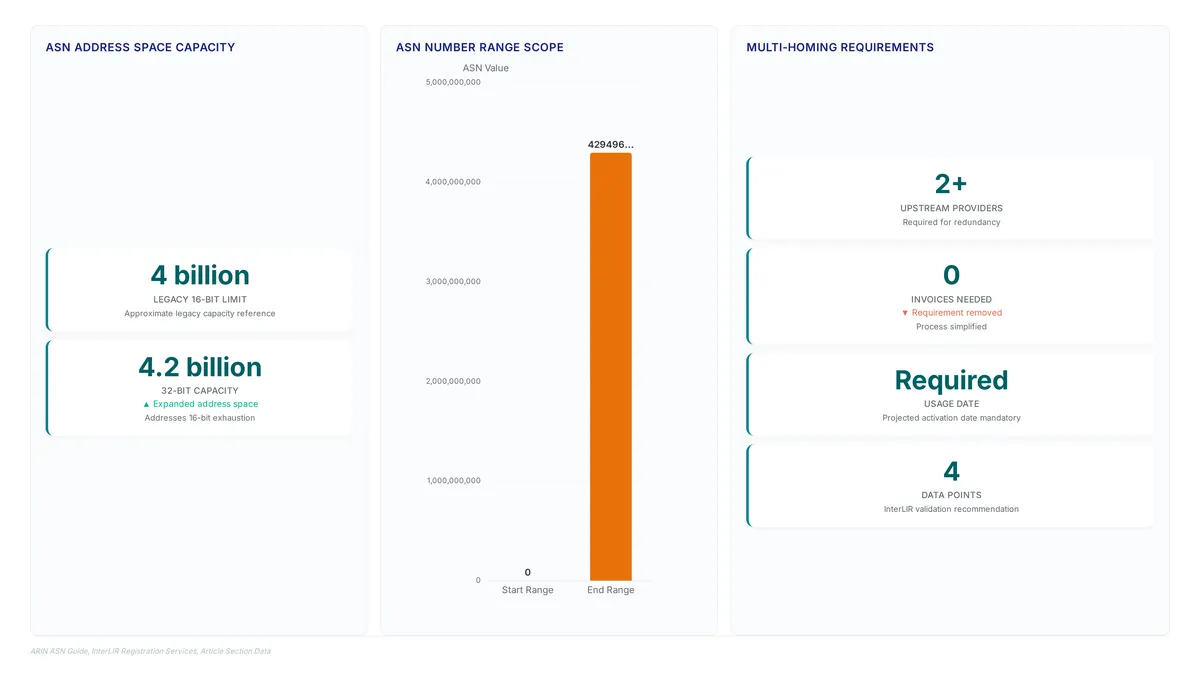
Learn how the shift from 65,534 legacy IDs to billions of 32bit options changes capacity planning for modern network architects today.
Manual recovery from IP exhaustion takes hours, but automated workflows respond in minutes to keep applications running during traffic spikes.
Securing an ASN requires verified contracts with two ISPs and a $500 fee. InterLIR helps optimize your IPv4 holdings for these architectures.
With 4,294,967,296 total addresses fixed, learn how APNIC transfers and leasing models help organizations secure IPv4 space legally.
Secure Provider Independent space in as fast as 2 business days. InterLIR handles RIPE compliance, ROA creation, and rDNS so you focus on stability.
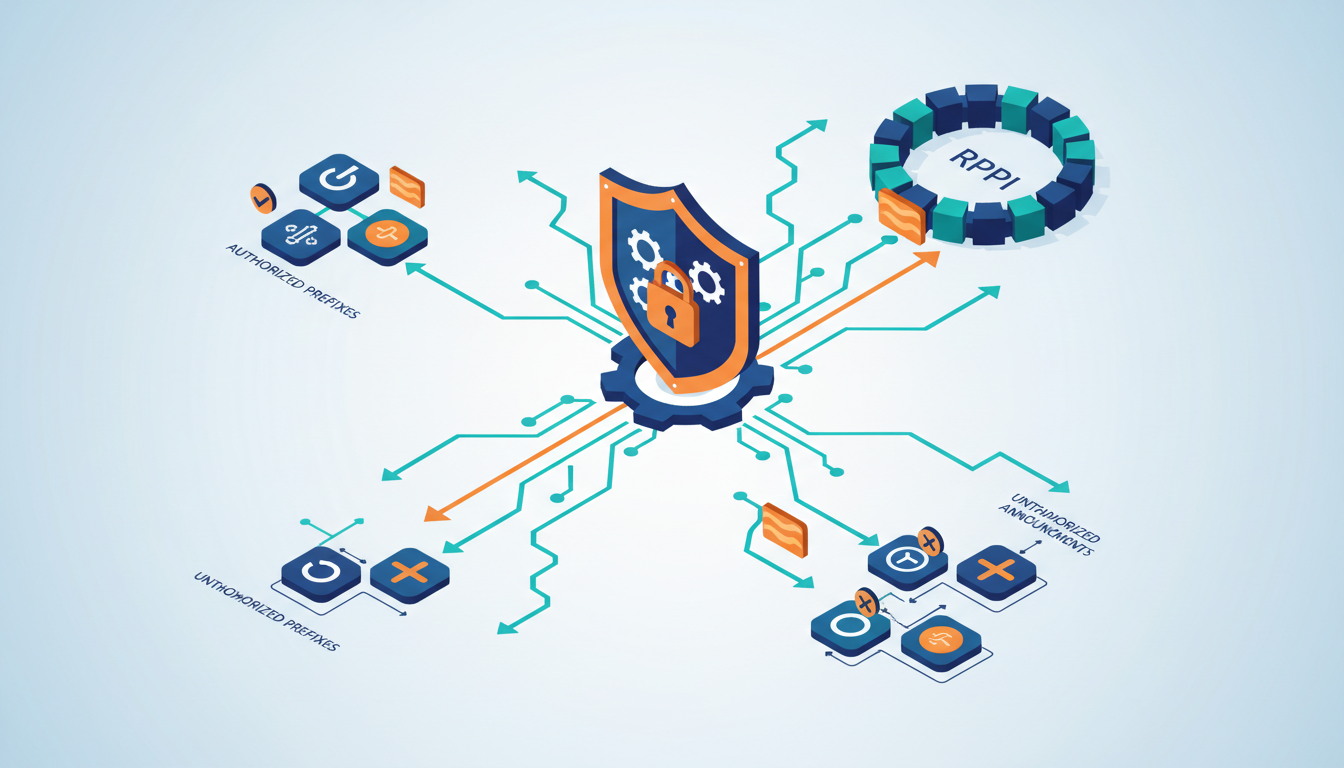
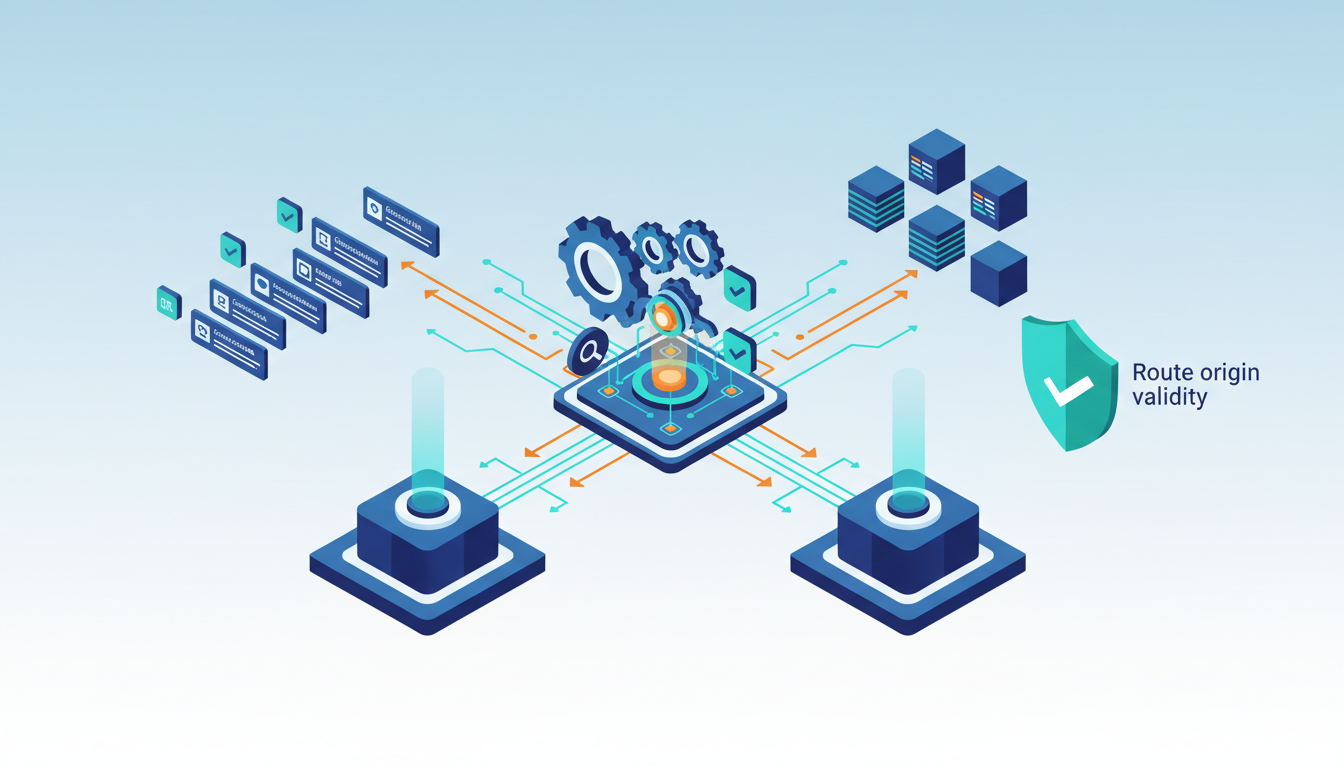
RPKI uses cryptographic certificates to bind IP prefixes, stopping hijacks before they spread across global networks in 2026.
Africa holds just 2.2% of global ASNs, forcing banks to rely on upstream operators. InterLIR helps enterprises secure direct routing identity.
Avoid contaminated history from shared pools. InterLIR provides dedicated IPv4 leases with clean BGP routes and full control for stable growth.
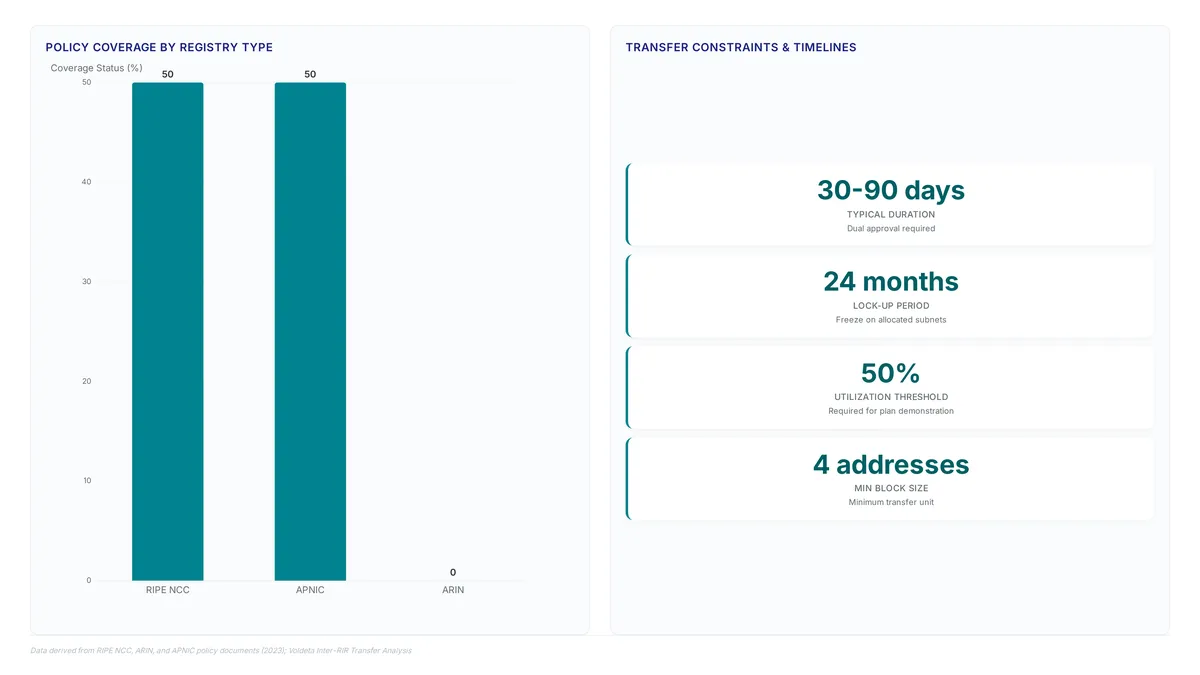
Only three regions authorize InterRIR transfers. Learn why the recipient must initiate the pull and how exact template data prevents rejection.
Cut upfront costs by shifting from asset acquisition to operational flexibility. InterLIR ensures RPKI validity for your leased IPv4 blocks today.
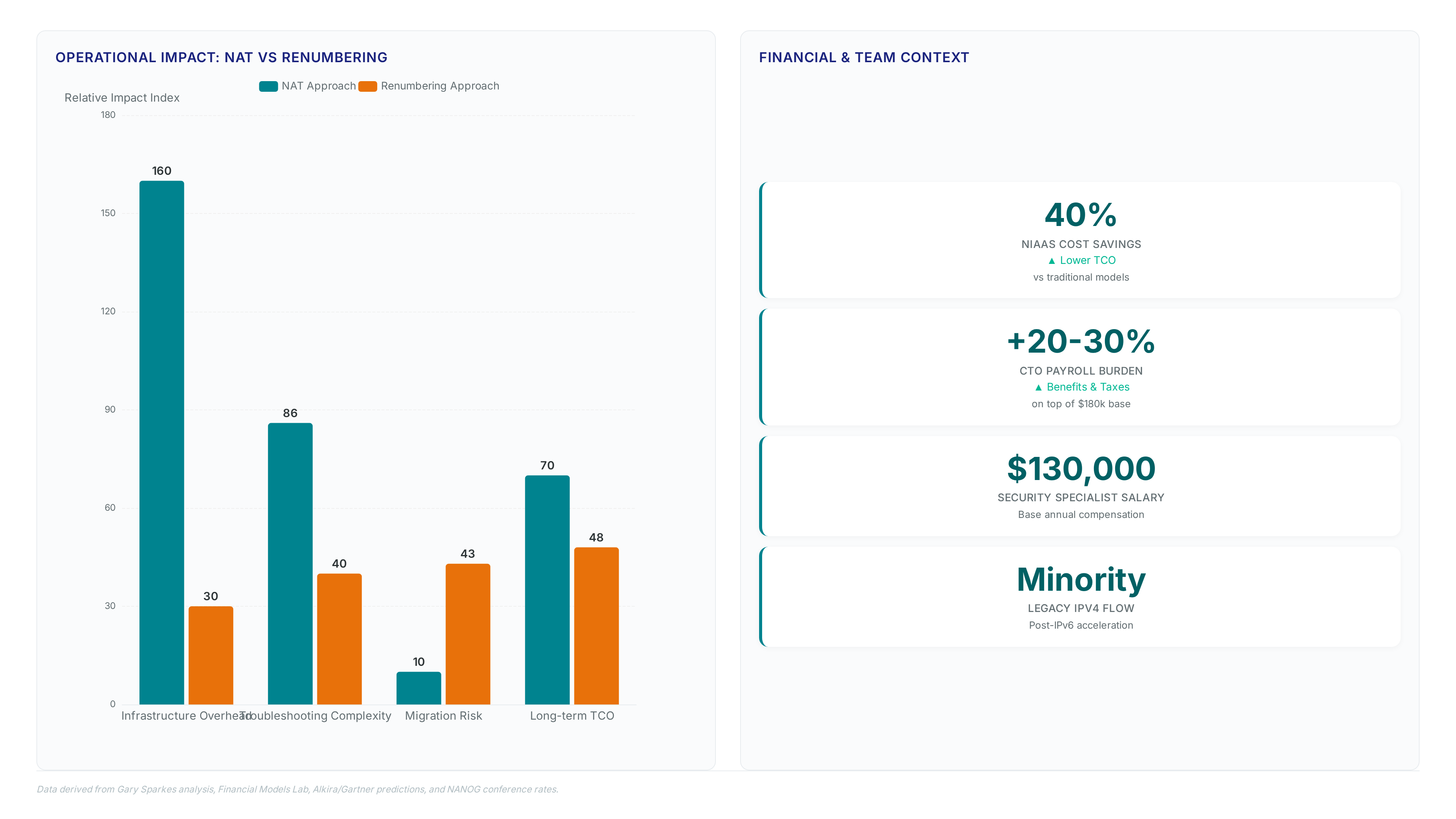
Overlapping RFC 1918 spaces break routing. Use public IPv4 blocks to bypass NAT limits and secure partner access without renumbering networks.
AFRINIC charges a one-time allocation fee based on IPv4 block size, unlike flat-rate regions. Learn how this variable structure impacts your budget.
Resource Public Key Infrastructure (RPKI) stops BGP routing from guessing. It lets IP block holders cryptographically authorize specific AS numbers to...
A single error in bulk updates can rewrite hundreds of PTR records, causing immediate reputation damage. Learn why controlled workflows matter.
With small blocks reaching $45 per unit, InterLIR helps secure clean IPv4 assets before 2026 price corrections tighten the market further.
RIRs enforce strict rules like ARIN's 12-month lock on new resources. Learn how these policies shape global IPv4 transfers in 2026.
APNIC draws a hard line for moving IPv4 addresses and AS numbers no longer under active management.
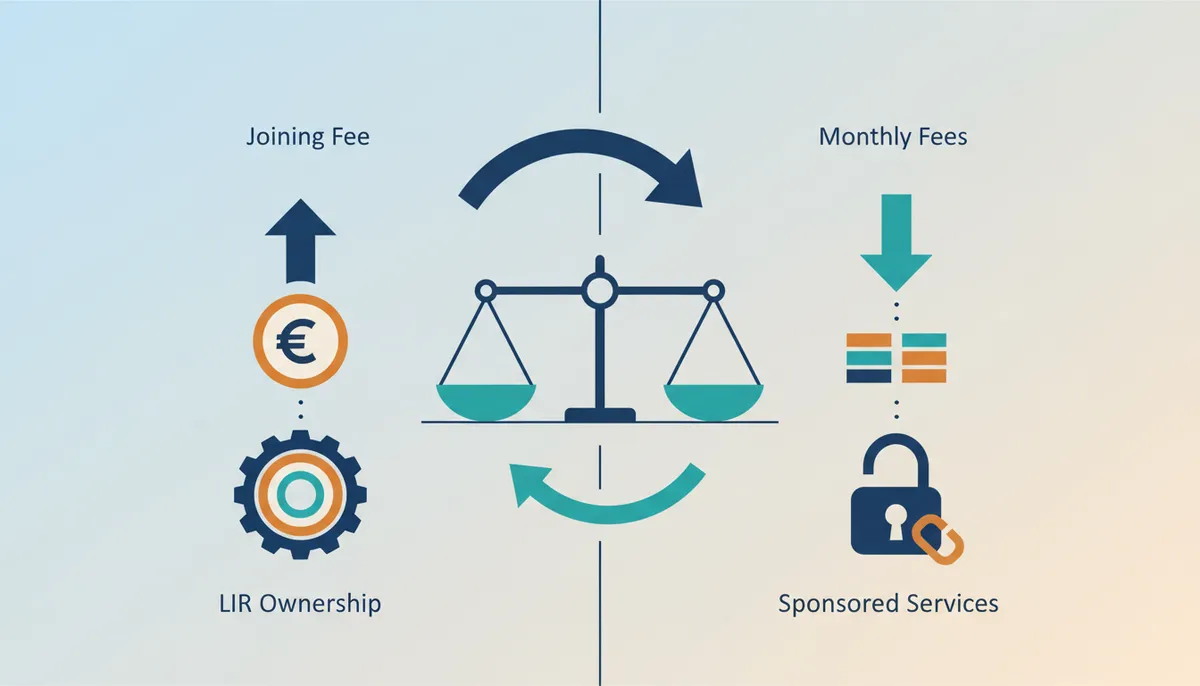
Start your LIR registration for €350.00 to own a /22 IPv4 block. Eliminate third-party dependency and manage your IP resources with full autonomy.
BGP lacks native transport layers, exposing TCP sessions. Learn to enforce prefix limits and secure IPv4 blocks against RFC 1163 flaws.
With over 4 billion identifiers now active, precise ASN management prevents routing leaks. InterLIR ensures your network traffic reaches its destination.
Over 1,300 Route Origin Authorizations mark the shift to independent servers. InterLIR helps you host your own RPKI infrastructure for full control.
InterLIR manages dual-policy compliance checks for both RIRs, eliminating the rejection risks found in standard forms during complex transfers.
IPv4 addresses drawn from the 103/8 free pool carry a mandatory five-year transfer restriction following delegation, according to APNIC data.
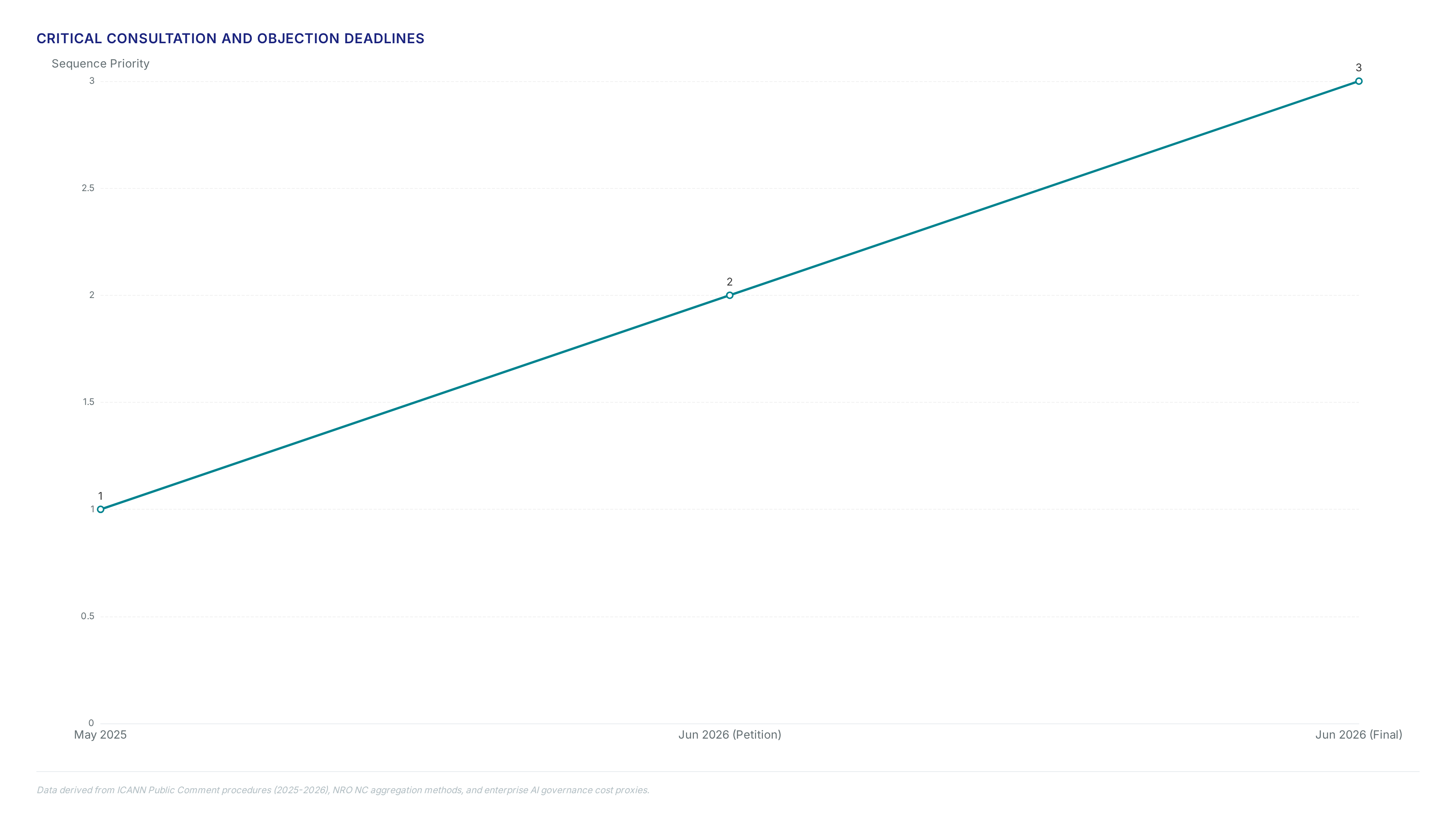
The ASO drew zero RIR input on the ICANN Section 27.6 rejection petition. Why that silence is a quorum signal, not consent, and how to triage the next one.
Direct RIPE NCC membership demands a substantial fee. InterLIR's sponsoring LIR services bypass this cost while ensuring full BGP routing compliance.
Thousands of routes remain RPKI invalid as of May 2026, proving legacy trust models cannot secure global BGP against hijacking.
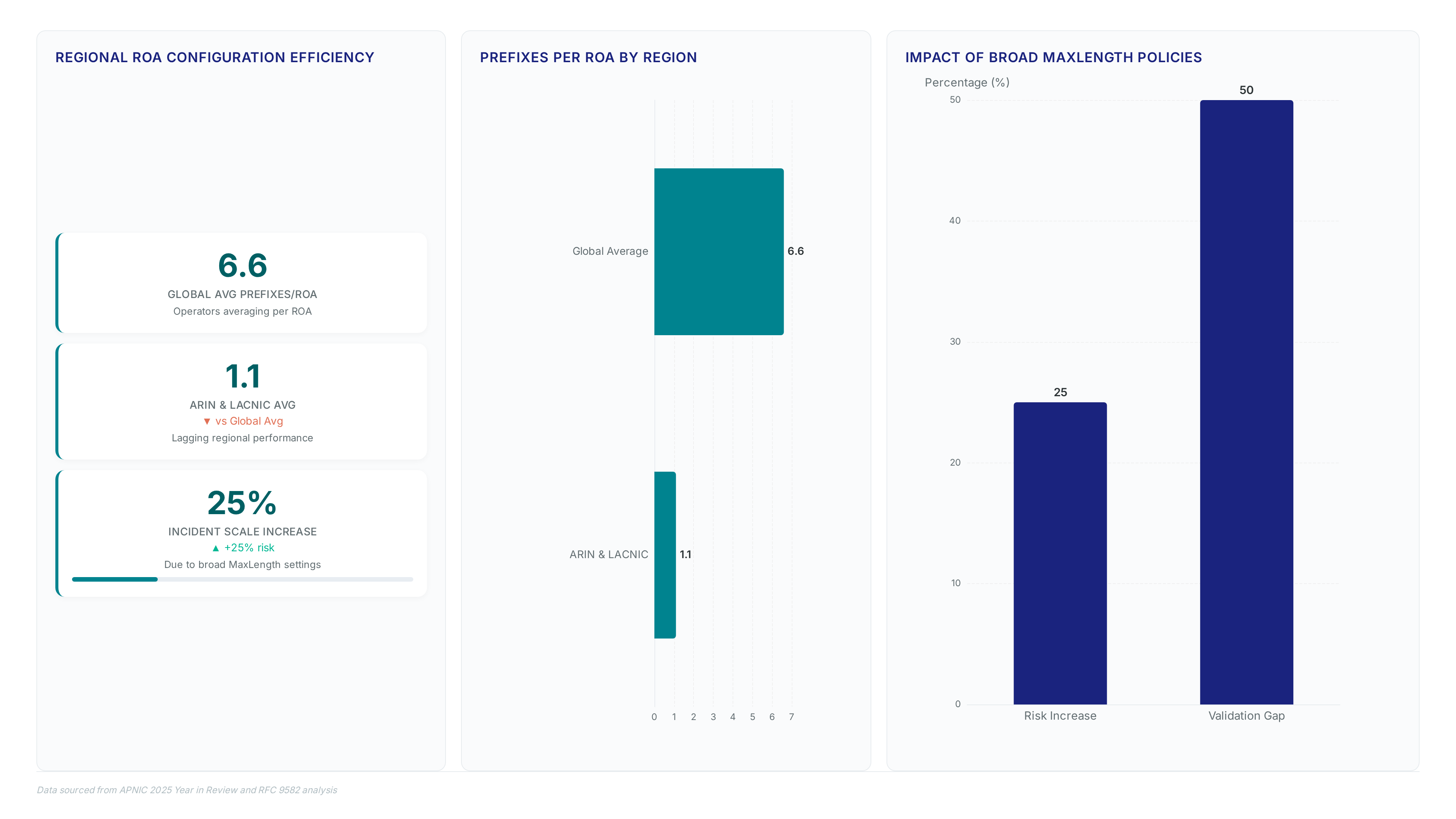
Prevent forged origins by aligning ROA maxLength values with BGP announcements, replacing trust-based filtering with cryptographic proofs today.
Over 375,000 valid ROA objects now secure the global routing table, replacing fragile honor systems with cryptographic proof for every prefix.
Over 375,000 Route Origin Authorizations exist, yet zero valid router certificates were published by June 2026, leaving BGP security incomplete.
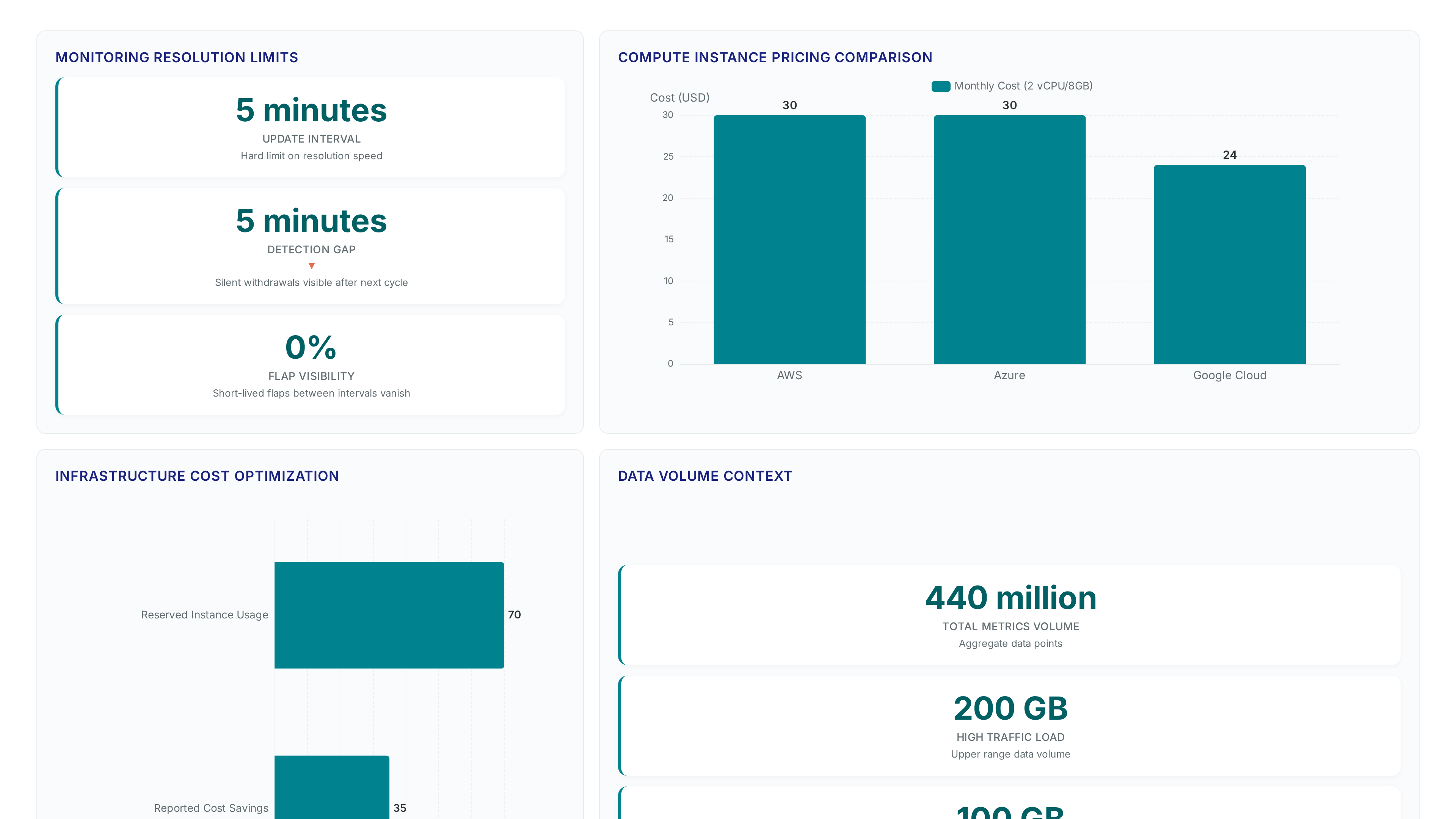
RPKI syncs every 10 minutes to validate BGP origins against signed records, yet single unsecured paths remain vulnerable to hijacking risks.
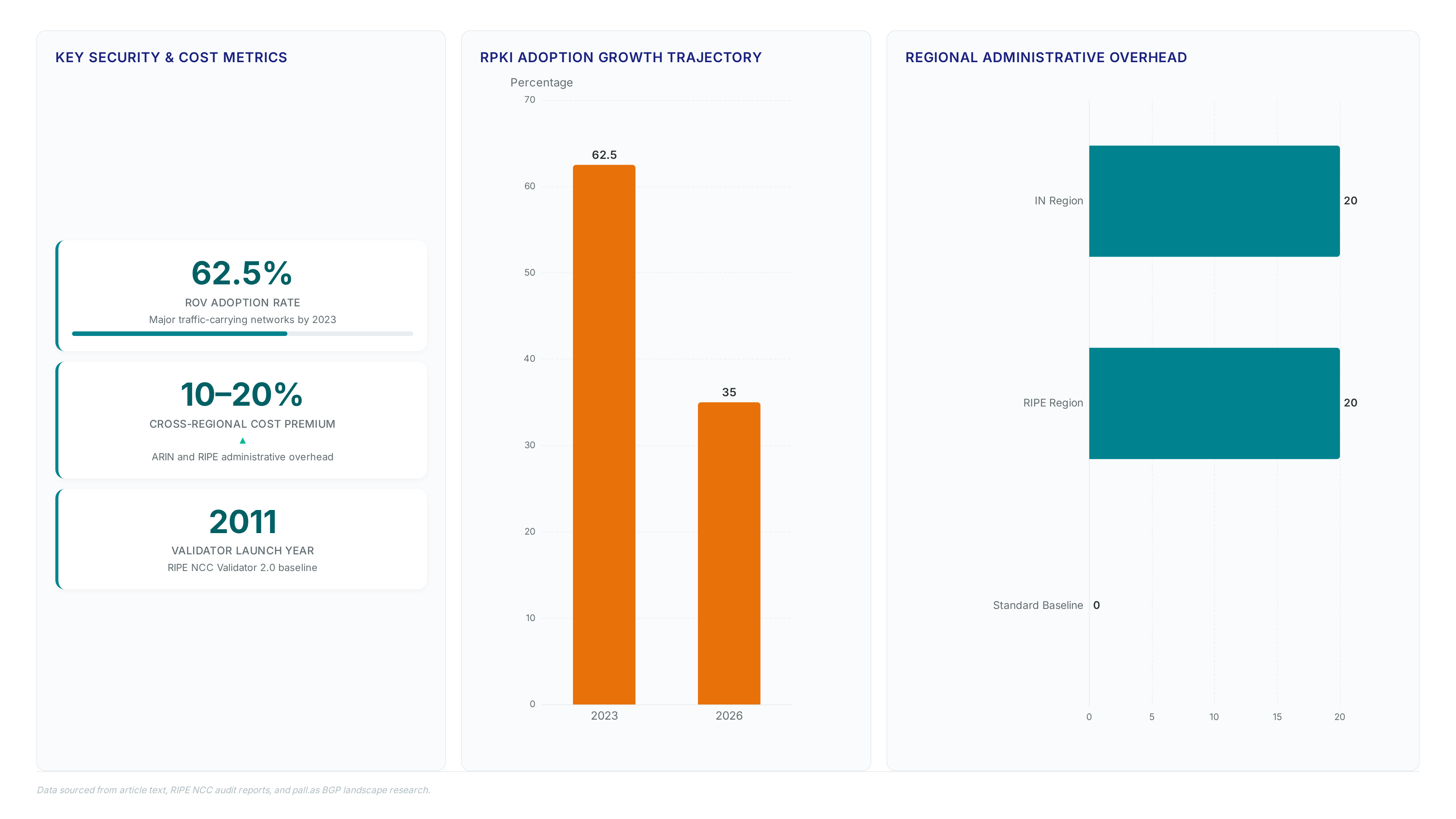
Over 60% of IPv4 routes now use RPKI. Learn to configure Junos OS routers to validate prefixes and block accidental leaks today.
X.509 certificates anchor RFC 6480 to prove IP ownership. Learn how strict validation stops origin spoofing without causing outages.
Africa holds only 2.2% of global ASNs, limiting network visibility. Learn how securing independent routing identities boosts enterprise control and investment.
Stop blind acceptance of ASNs. Learn to enforce RFC 6480 standards and filter invalid routes using cryptographic signed objects in minutes.
RIPE mandates LIR status for transfers as free pools dried up. Learn why a /24 block is the smallest global routing unit today.
With IPv4 Connect reporting that 3,000+ companies now trust their marketplace, acquiring RIPE IPv4 addresses has shifted from a bureaucratic hurdle to...
Over 50,000 RIPE Database objects show why experts handle compliance faster than internal teams managing complex IP resources today.
A RIPE NCC block triggers a mandatory 3-month deal. InterLIR prevents resource forfeiture by managing your LIR status and AS6723 coordination effectively.
An IP resource audit aligns records within the strict 24-month window to prevent asset forfeiture and ensure network continuity for operators.
Discover how the 1992 shift ended centralized NIC control, creating the five-body hierarchy that manages global IP policy and allocation today.
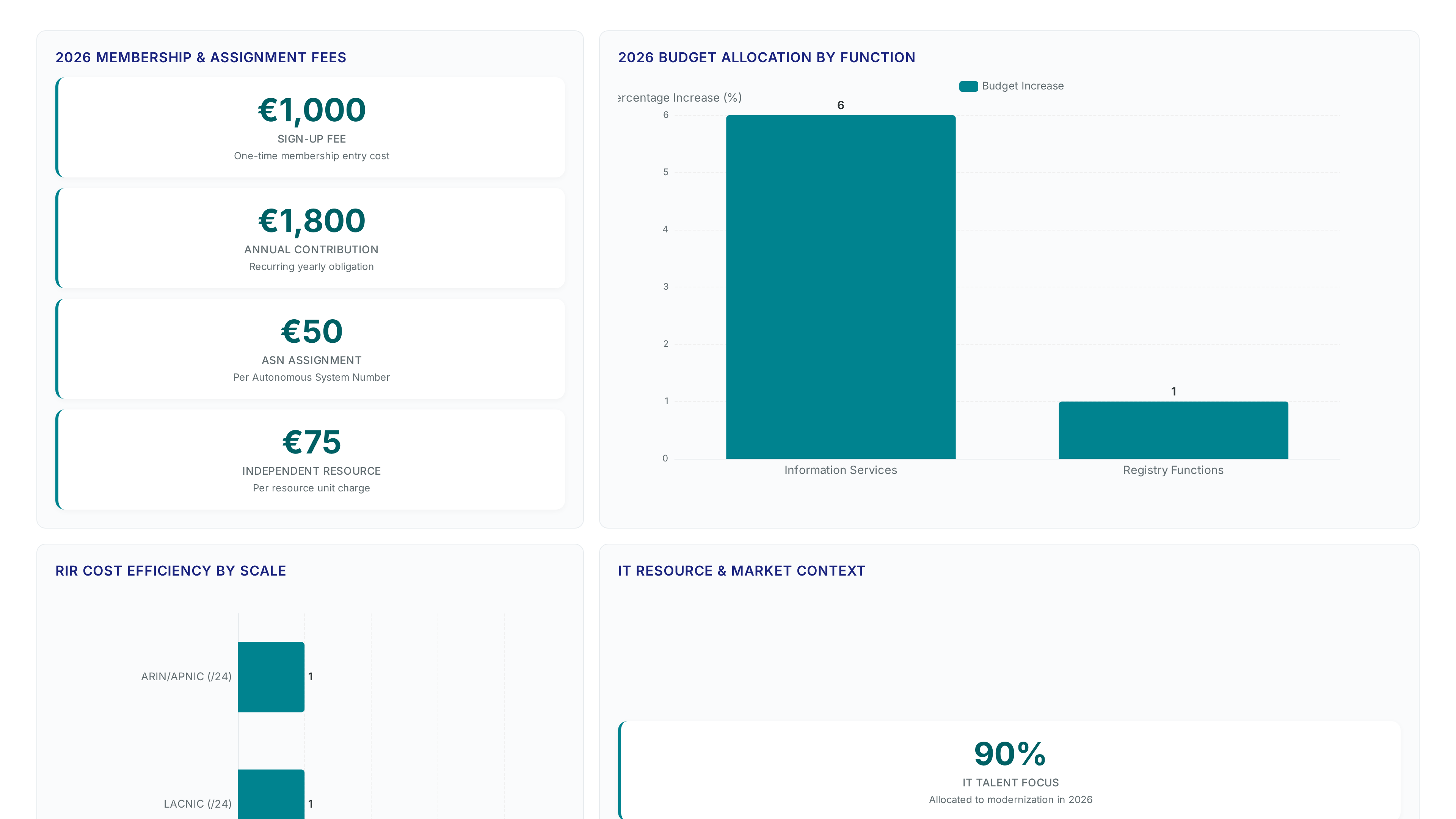
Five RIRs manage global resources with divergent costs like RIPE's €1,000 signup. InterLIR bypasses these fees to secure your IPv4 assets efficiently.
Five Regional Internet Registries manage global IP allocation. Direct registry data offers the only verifiable path for accurate security analysis.
Five Regional Internet Registries coordinate global IP allocation to prevent routing chaos. Learn how this hierarchy secures unique address distribution.
Five Regional Internet Registries currently manage the world's IP addresses, a structure solidified since the first entity launched in 1992.
A DNS record set to 86400 seconds forces a full day of stale data. Learn how reducing TTL before maintenance ensures immediate global propagation.
Explore how 1,023 private identifiers support internal routing before global translation in complex anycast network architectures.
Manage your global IP assets through the LIR Portal. Learn how a single mismatched attribute can stall an allocation and how to fix it.
See how the 2021 Cloud Innovation case shows custody mutating into ownership without explicit legal transfer or clear policy boundaries.
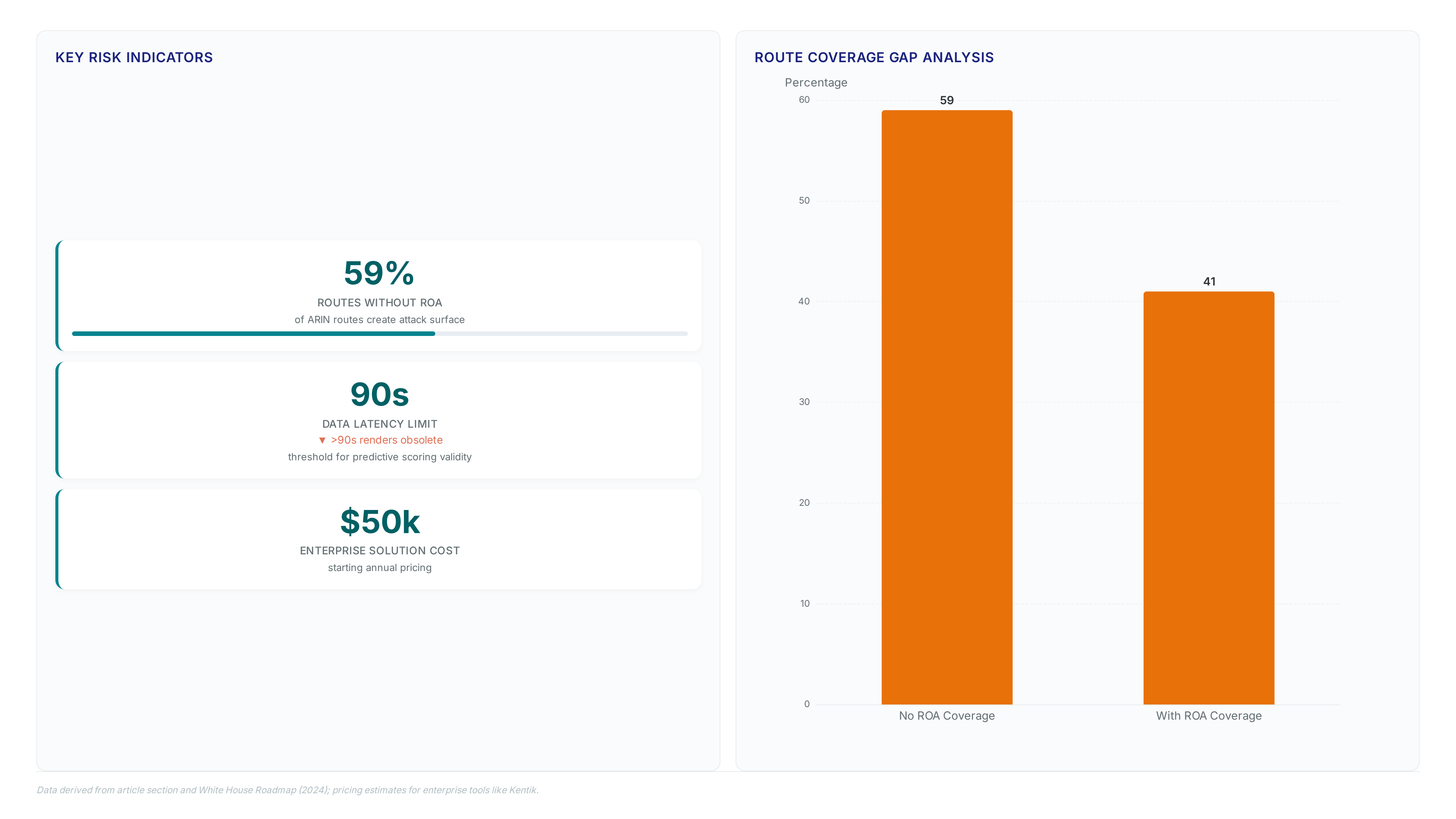
Over 60% of global IPv4 routes now have ROA coverage. Learn how cryptographic proofs help operators block invalid paths before they spread.
IRINN imposes fees on transferred IPv4 resources, while APNIC routes InterRIR requests across 56 economies. Learn the specific costs.
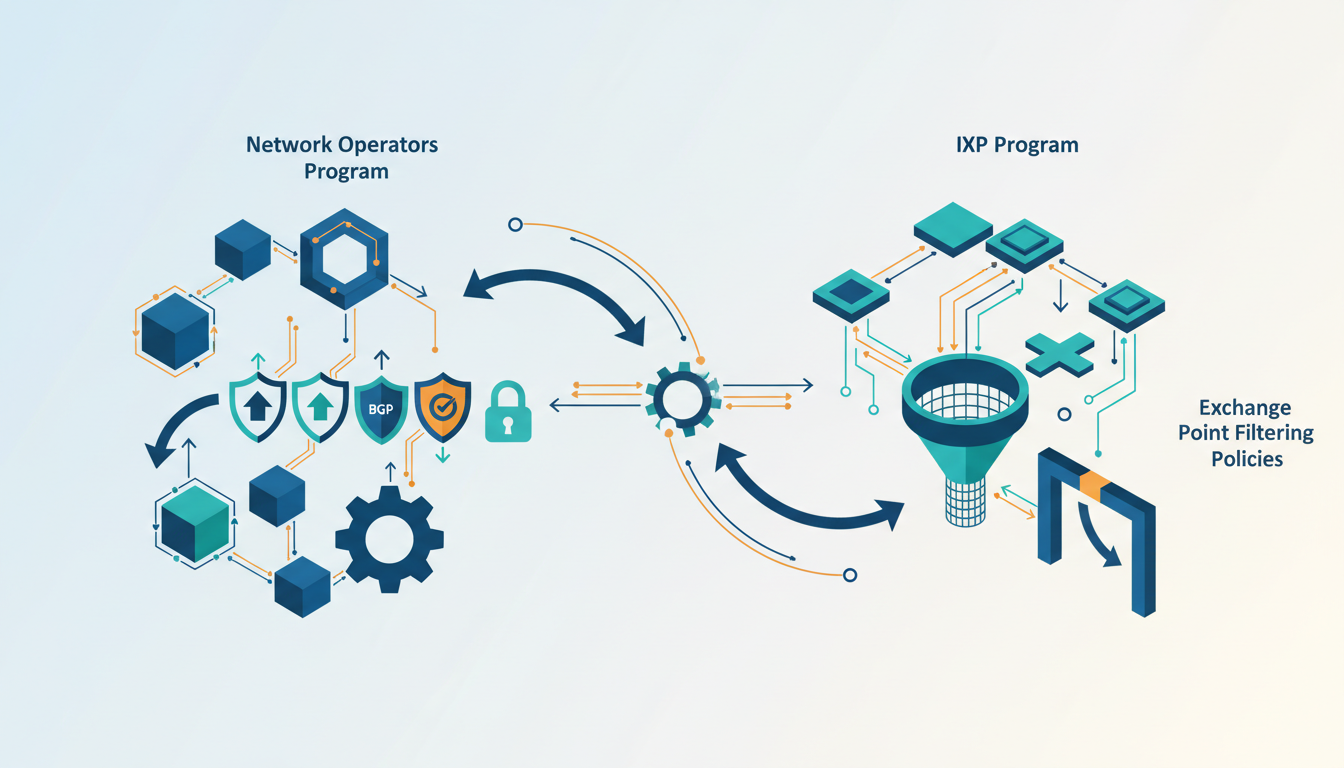
Over 20 experts are currently rewriting the rules for the Network Operators Program under a new charter.
Access all five Regional Internet Registries via one interface. Managed LIR services let you lease blocks without direct RIR membership fees.
Institutions get a /48 network but must prove need for more. Discover how local registry policies link address access to active network participation.
Learn why hourly cloud providers cannot serve as upstream references and how the €60 annual fee impacts your ASN strategy in Europe.
Bakker IT charges a modest €75 annual fee for ASN services, offering a streamlined local registry path without direct RIPE NCC membership overhead.
An LIR receives allocations directly from a Regional Internet Registry to sub-assign assets, ensuring routing independence for your network infrastructure.
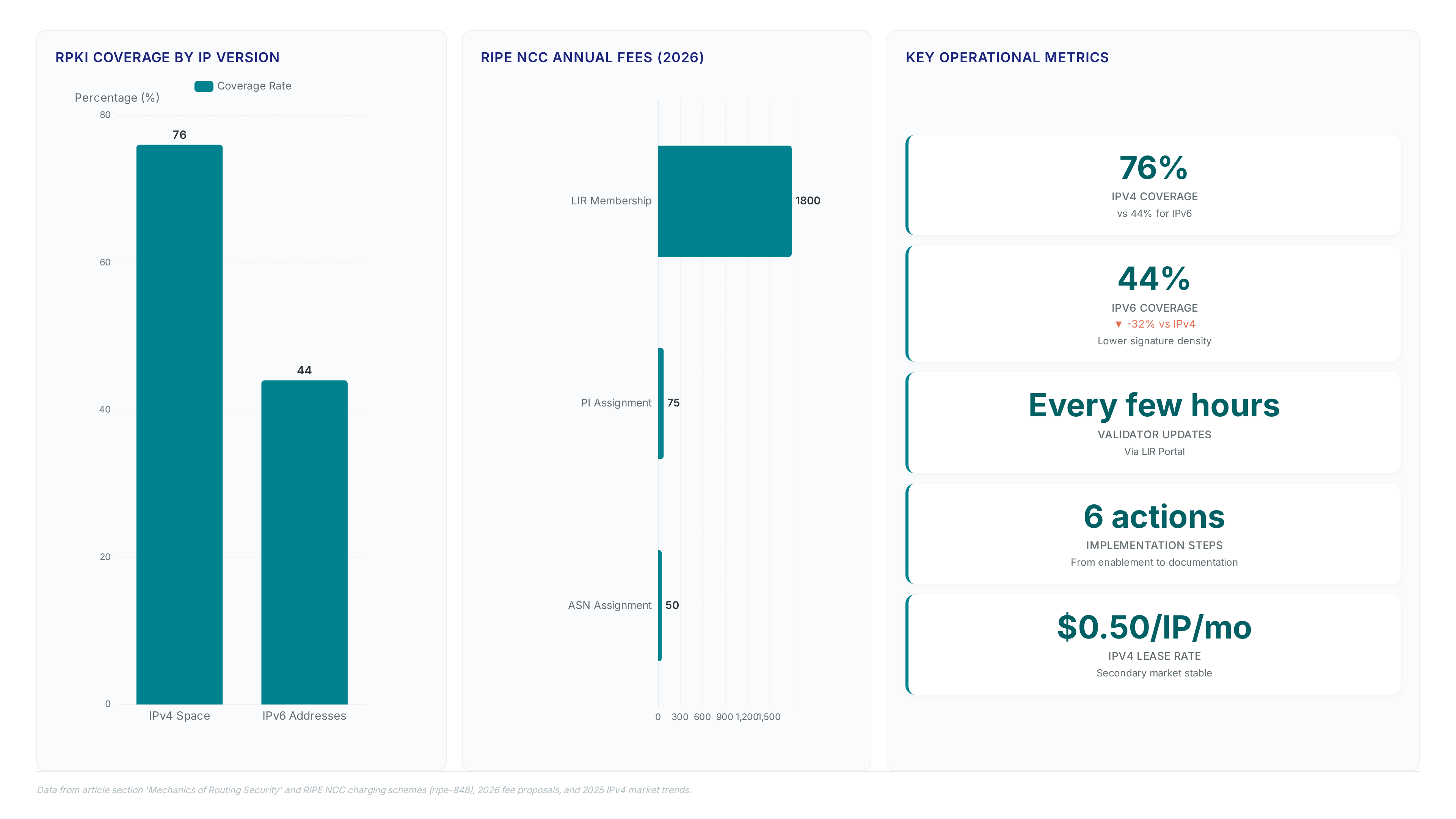
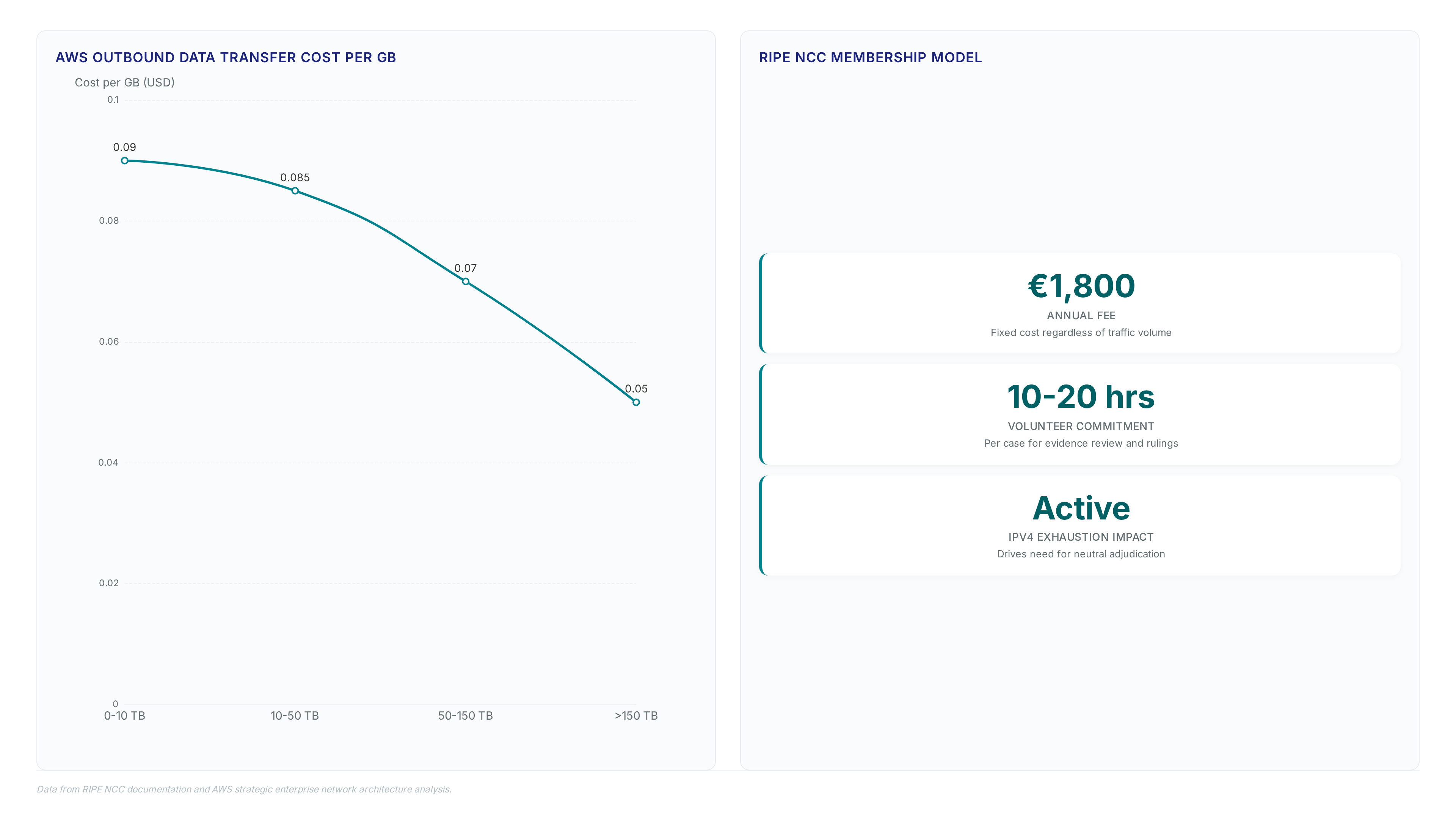
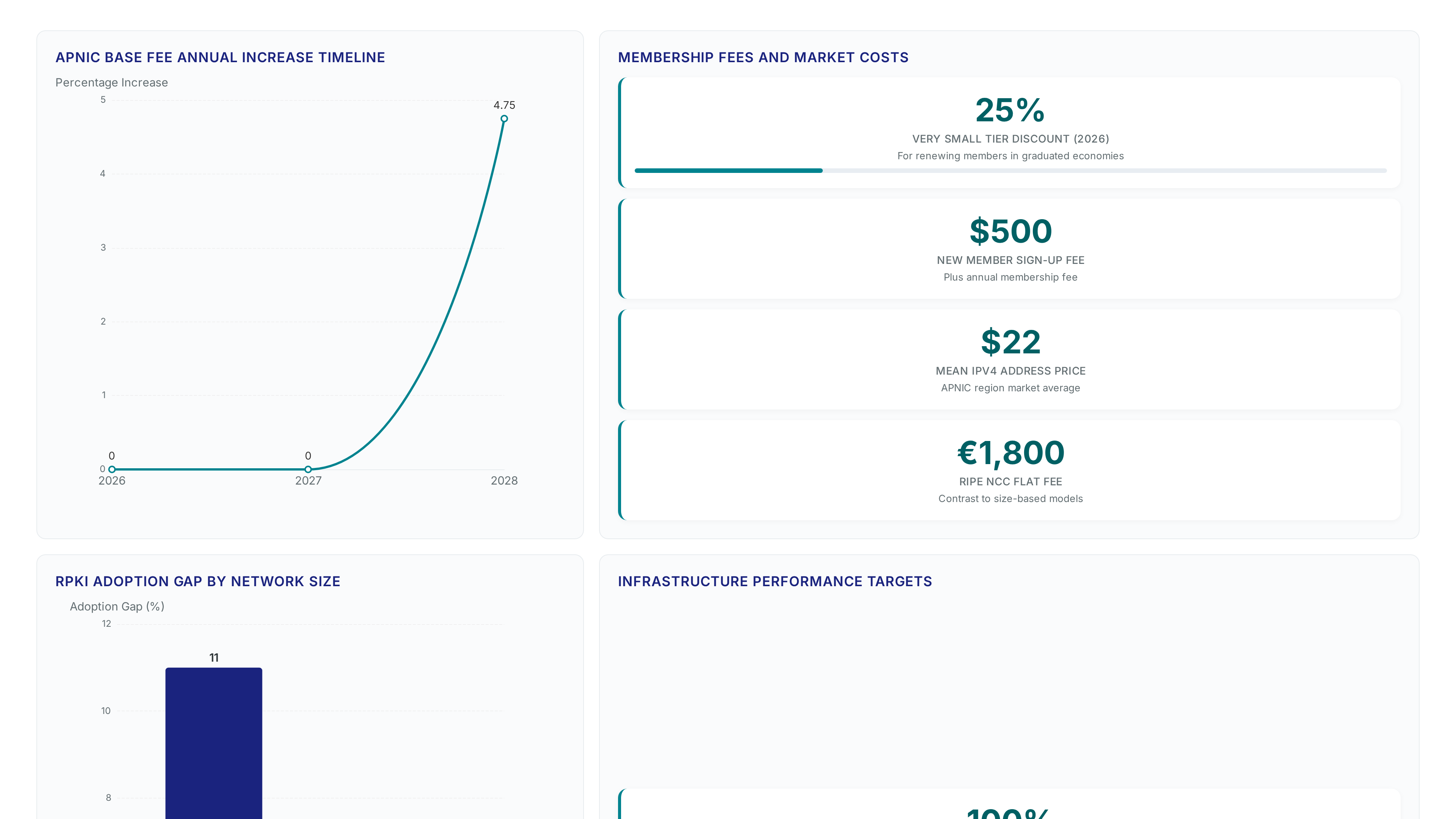
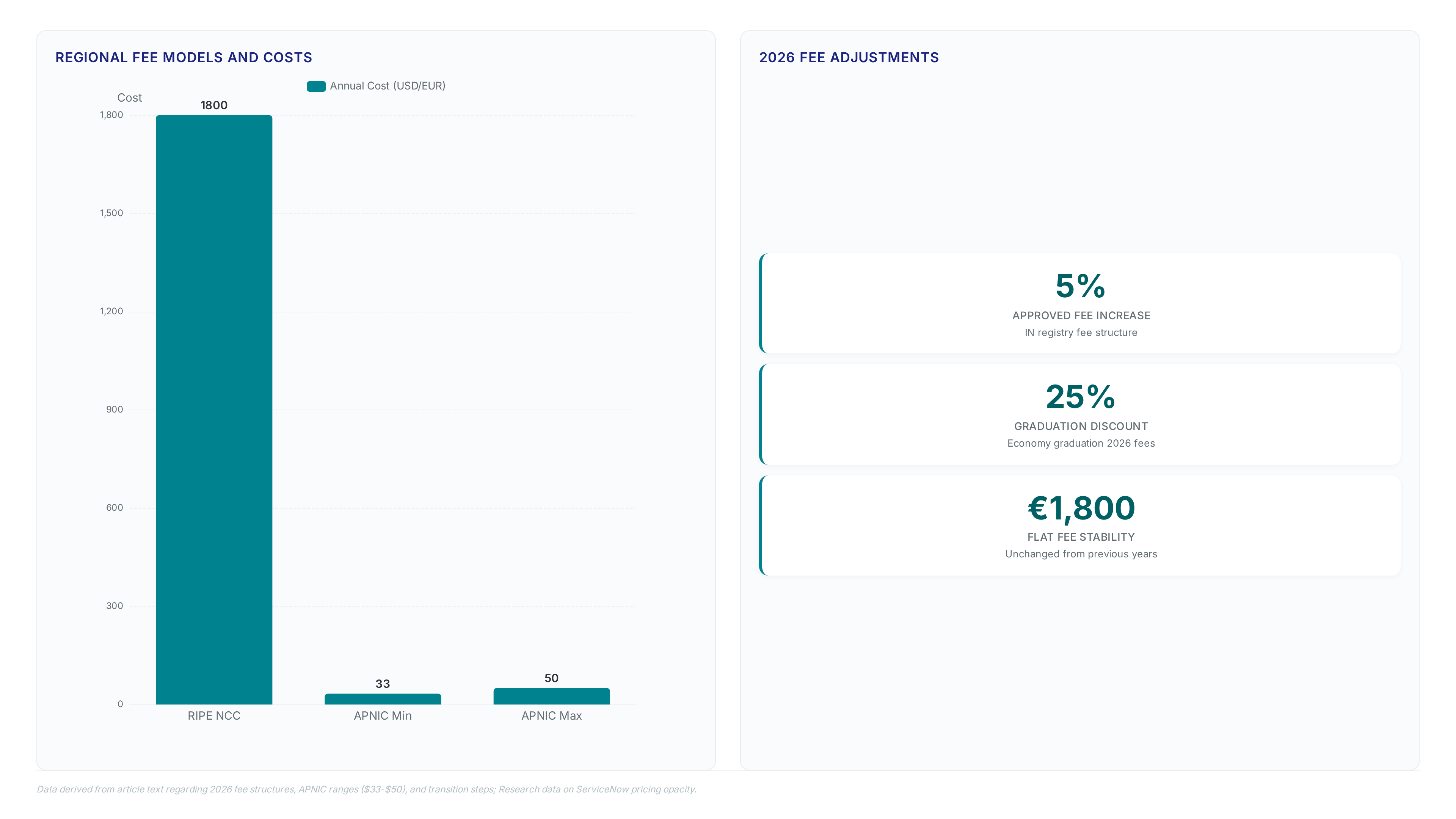
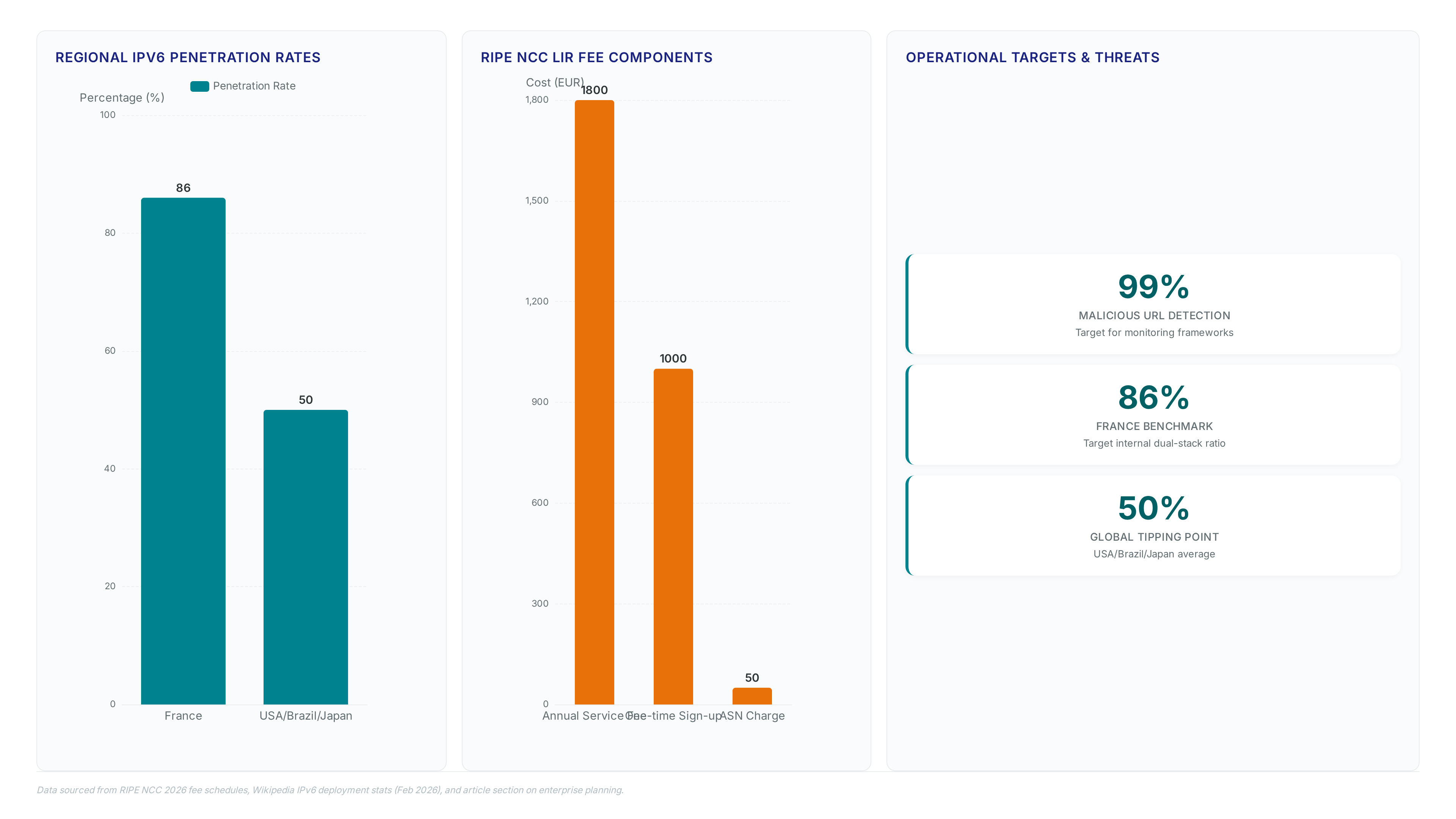
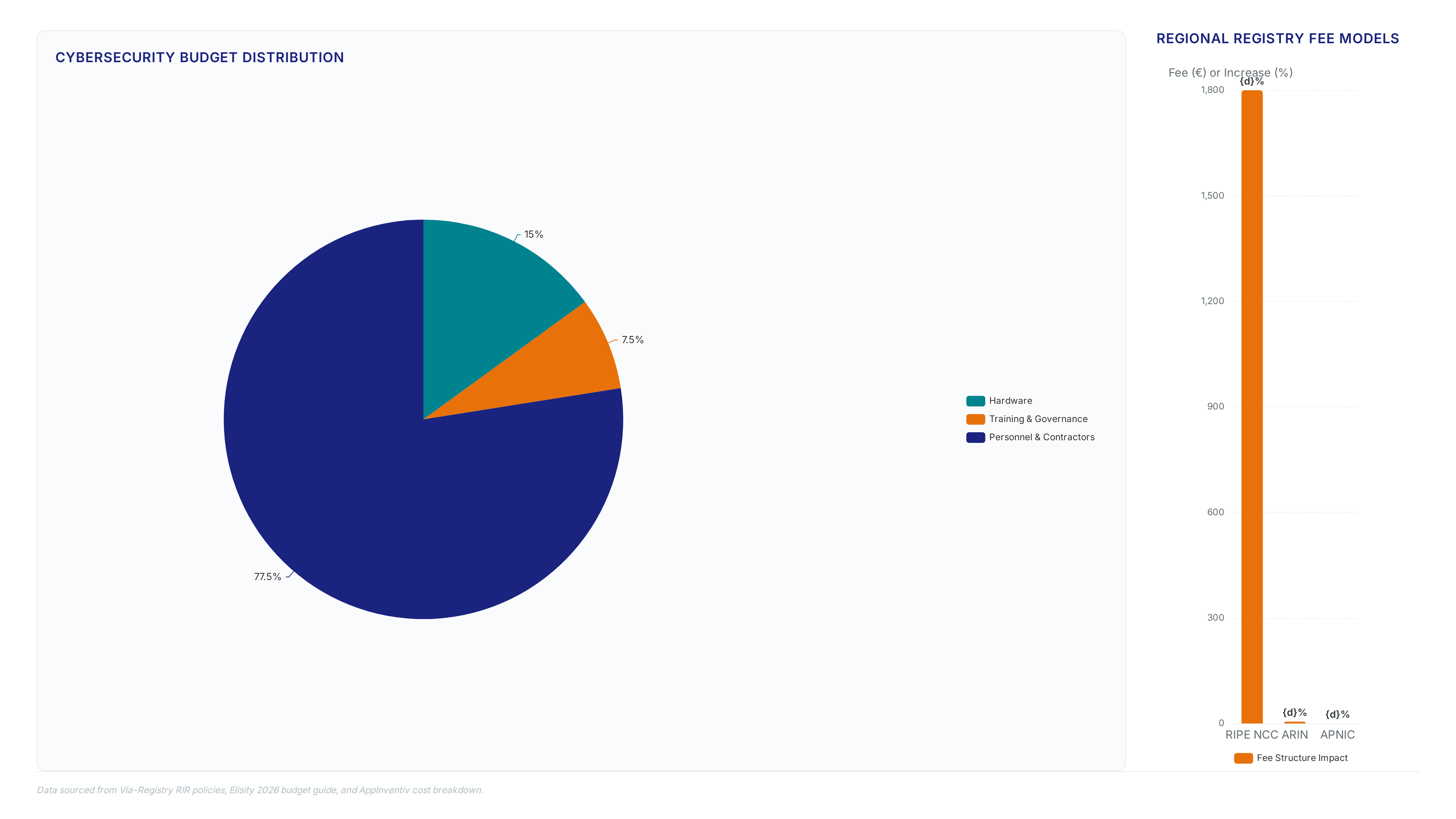
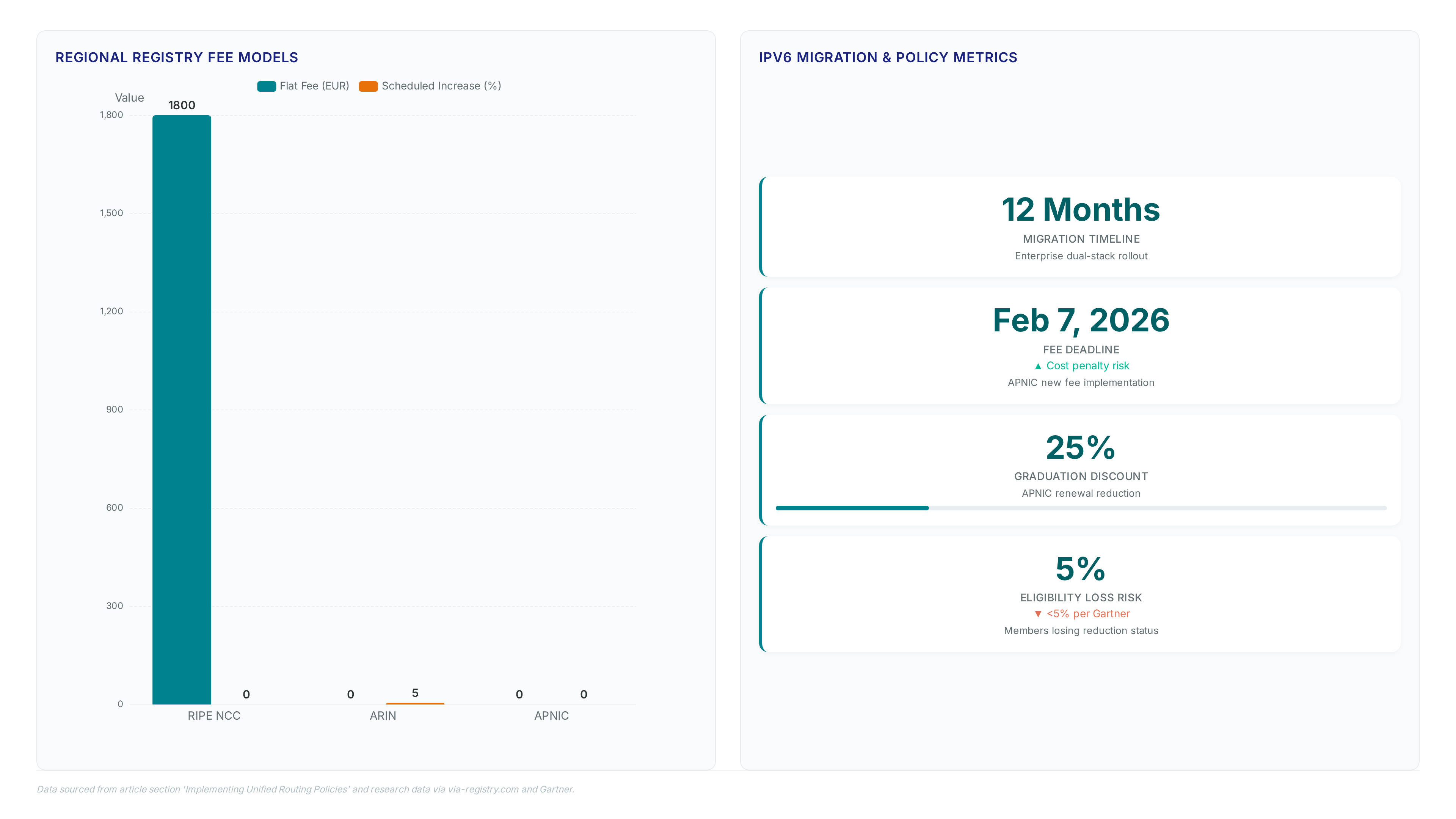
The €1,800 base annual fee for a RIPE NCC LIR account defines the high cost of direct membership in 2026.
Prevent unauthorized transfers with a valid Letter of Authorization. Learn why carriers act within days despite holding a 60-day window to submit exchanges.
Leasing a single /24 IPv4 subnet starts around $150 monthly, a fraction of the capital required for permanent ownership.
Skip registry delays with 258 subnets ready for immediate deployment. Get full BGP control and clean IPv4 space without the long wait.
Purchase prices hitting $35, 60 per IP make leasing IPv4 blocks at $0.30, 0.50 monthly the only viable scaling strategy for US and EU providers in...
Secure clean IPv4 blocks with full BGP routing. Access inventory from 256 to 2,048 IPs for immediate deployment without capital commitments.
Leasing IPv4 addresses lets networks scale instantly by accessing blocks as small as a /24 subnet containing 256 addresses.
APNIC transfers fail without recipient acknowledgment within 30 days. Learn how preapproval validates needs for 24 months to prevent expiration.
LACNIC charges exactly USD 200.00 for its one-year IPv4 listing. Learn how Policy 2.3.2.18 separates admin validation from commercial deals.
A tenfold surge from $6 to $60 defines the recent valuation trajectory for individual IPv4 addresses.
With 713 Local Internet Registries stuck on the IPv4 Waiting List, the RIPE NCC confirms that address scarcity is now a hard operational constraint.
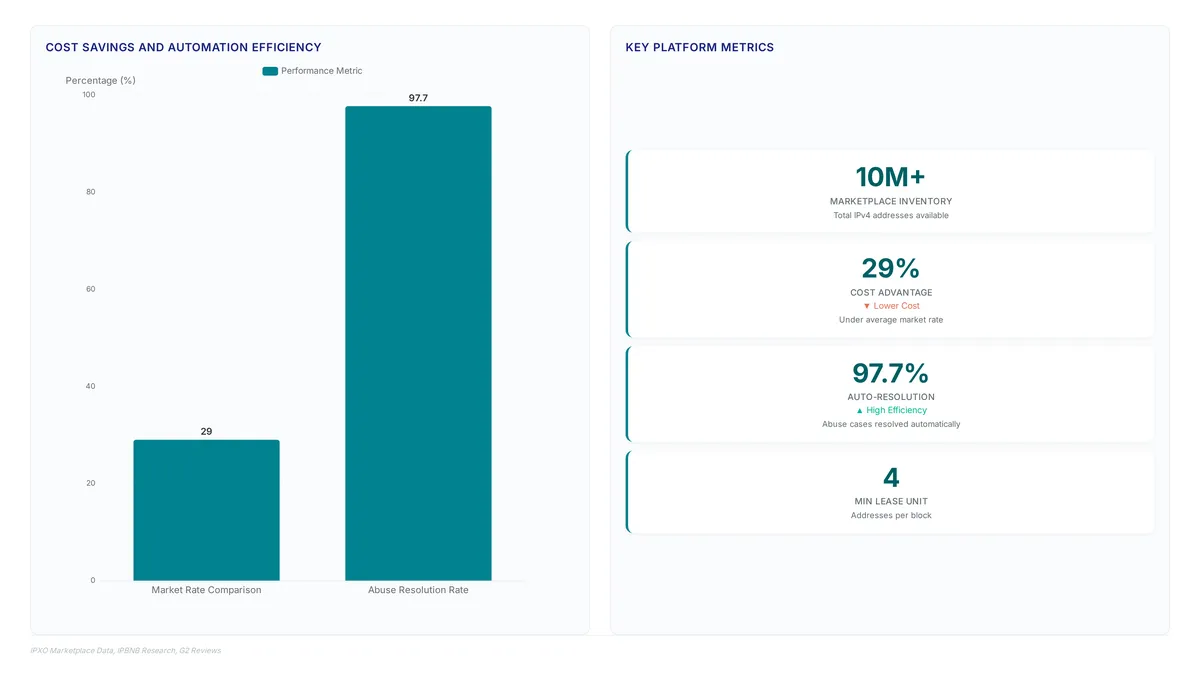
Leasing costs approximately less than average market rates according to IPXO data. The modern network strategy has shifted from capital-intensive...
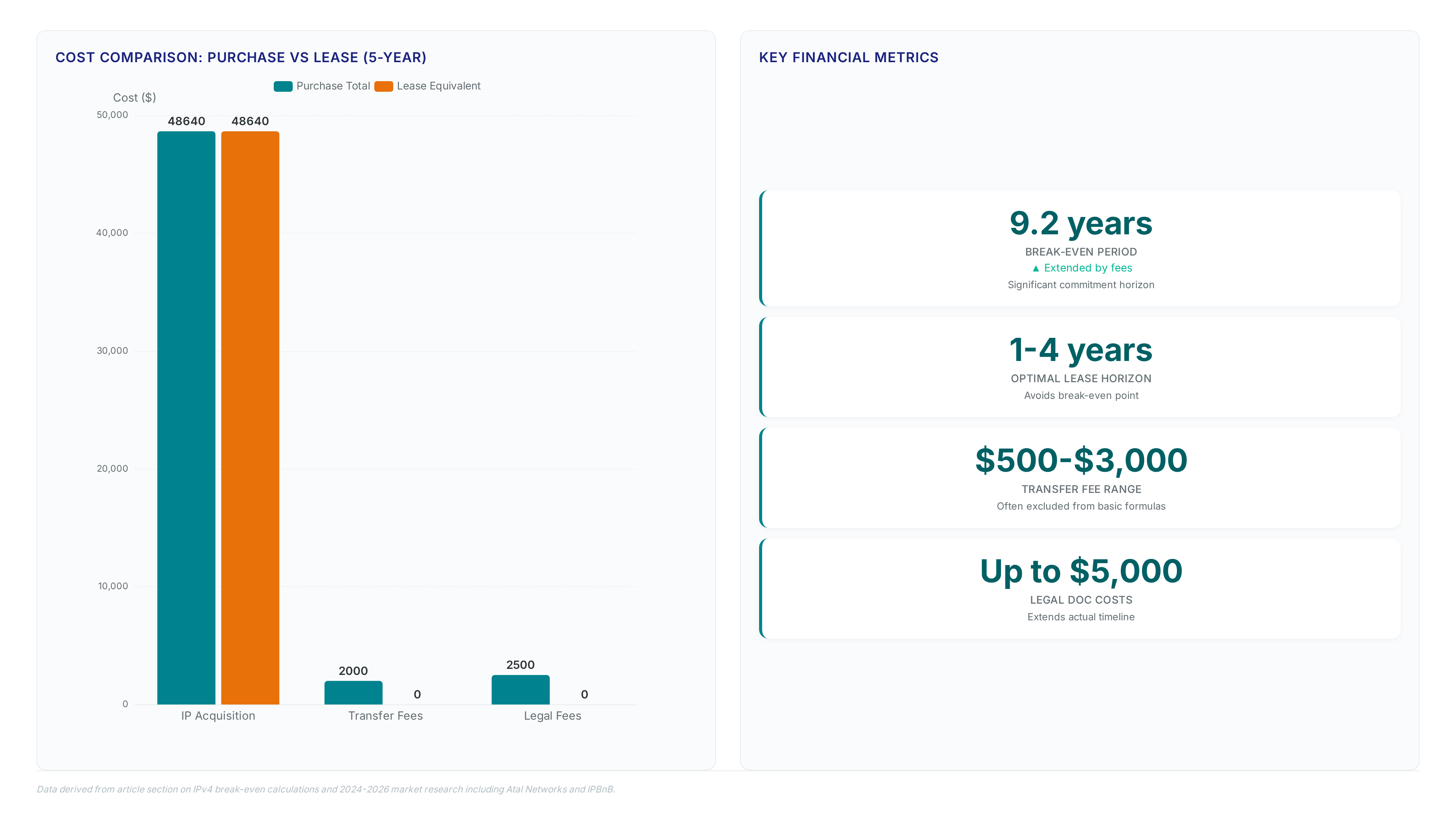
Buying IPv4 addresses becomes cheaper than leasing after 36 to 48 months. Avoid indefinite rental fees and secure permanent asset ownership today.
Direct RIPE membership since 2015 defines the operational baseline for Virtuasys and its delivery of IP resources.
Cut IPv4 transfer time to under 24 hours while maintaining strict registry compliance and preventing hijacking with verified ASN context.
Extreme scarcity defines the current IPv4 market. Learn how block sizes from /24 to /17 impact your acquisition strategy and final costs.
Navigate the 2026 IPv4 market with a strict 5-step workflow. InterLIR ensures clean blocks and full RIR compliance for secure transfers.
Unlock over 10,000,000 IPv4 addresses in global pools. Transform dormant blocks into recurring revenue while keeping full ownership control.
Deploy IPv4 resources within 48 hours to bypass scarcity. InterLIR provides compliant, fast leasing for immediate network expansion without asset risk.
Global IPv6 availability hovers around 40%. That leaves a massive gap. Organizations lease IPv4 blocks to bypass permanent acquisition costs while...
Avoid dropped packets from bad IPv4 leasing. Learn the 4 steps to align RIR policies and ROA records for safe, global routing continuity.
Leasing rates for IPv4 addresses held between a low and high monthly rate per unit from June 2025 through May 2026 according to IPXO data.
City accuracy drops to 50–80% without action. Learn why global routing lags 2–8 weeks and how to force sync your IPv4 records today.
With 4.3 billion addresses as the hard global limit, dormant IPv4 blocks represent tangible capital. Learn to audit and monetize unused ranges today.
Leasing a /24 block costs significantly less than the $15 to $26 per address required for outright purchase via ipbnb.com.
Recovered blocks enter a single queue; by July 7, 2023, the registry distributed 5,572 blocks to eligible members via this strict process.
IPv4 transfers demand strict RIR coordination to avoid policy violations. Learn how i.LEASE manages the resource review process for secure transactions.
APNIC mandates a 5-year hold on 103/8 pool addresses before transfer. Learn how this rule blocks speculation and shapes current market liquidity.
With only 4.3 billion addresses possible, leasing offers a practical path. Learn how to verify authentic blocks and structure secure rental deals today.
With only 4.3 billion addresses possible, the 32-bit space is exhausted. Learn how secondary markets now drive global infrastructure deals safely.
With only 3.9 million unallocated addresses remaining globally, the era of free IPv4 expansion is dead.
Explore how 32-bit IPv4 structures define device identity and why the 4.3 billion address cap drives modern infrastructure scarcity today.
LACNIC policy 2.21 mandates the original Spanish text overrides translations. Learn how this strict hierarchy impacts your regional IP address allocation...
Only four RIRs currently support moving IP addresses and ASNs across regional boundaries. Inter-RIR transfers enable the specific movement of IP...
Exactly four registries support global IPv4 moves. Learn the specific fee structures and documentation needed to prevent transaction stalls.
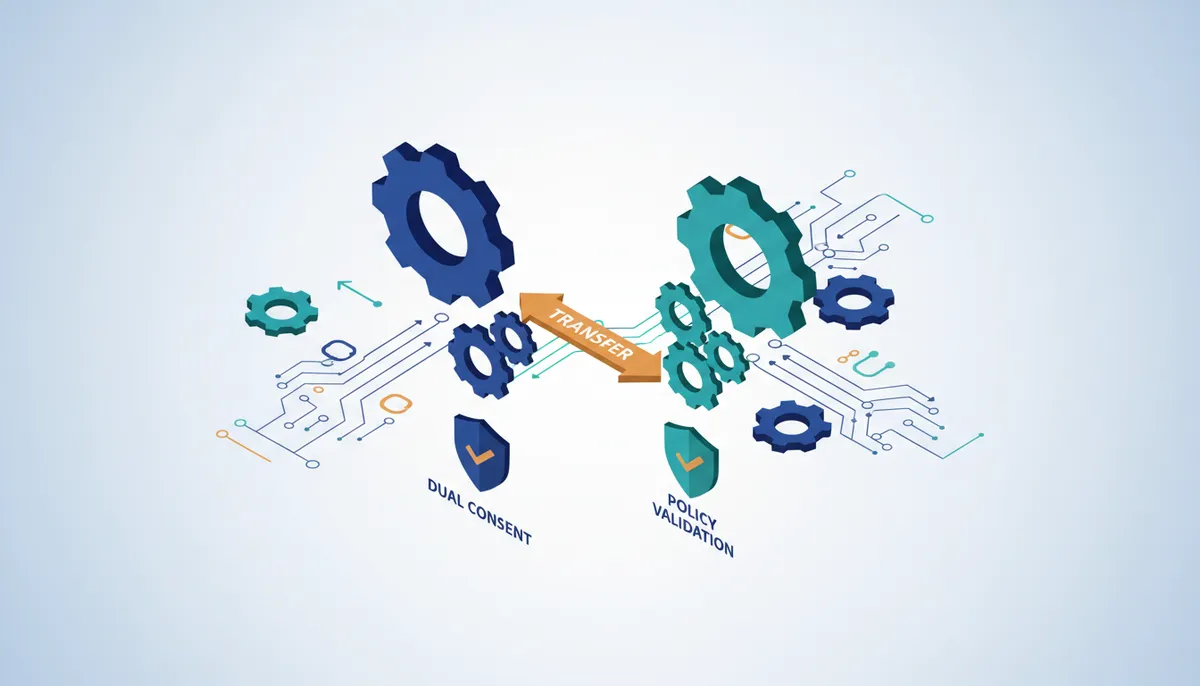
Only 4 regional registries enable interRIR transfers today. Learn the dual-consent rules and legacy status outcomes for global IPv4 moves.
Year-to-date figures for 2026 show 2,807,296 inbound IPv4 addresses moving into the RIPE NCC region.
InterRIR IPv4 transfers require dual registry consent, creating a mandatory 4 to 8 week window that internal moves simply do not face.
In 2026, RIPE saw 279 inbound vs 22 outbound transfers. Learn the dual-compliance rules needed to secure global IPv4 space today.
Five RIRs manage global resources, yet fragmented records create risk. Learn to audit your IPv4 and IPv6 assets for true governance.
AT&T, T-Mobile, and Verizon have officially joined a cable-led force to stop network vandalism.
ICANN passed three resolutions on May 3, 2026. These changes shift governance details to charters, fixing delays in the five-year review cycle.
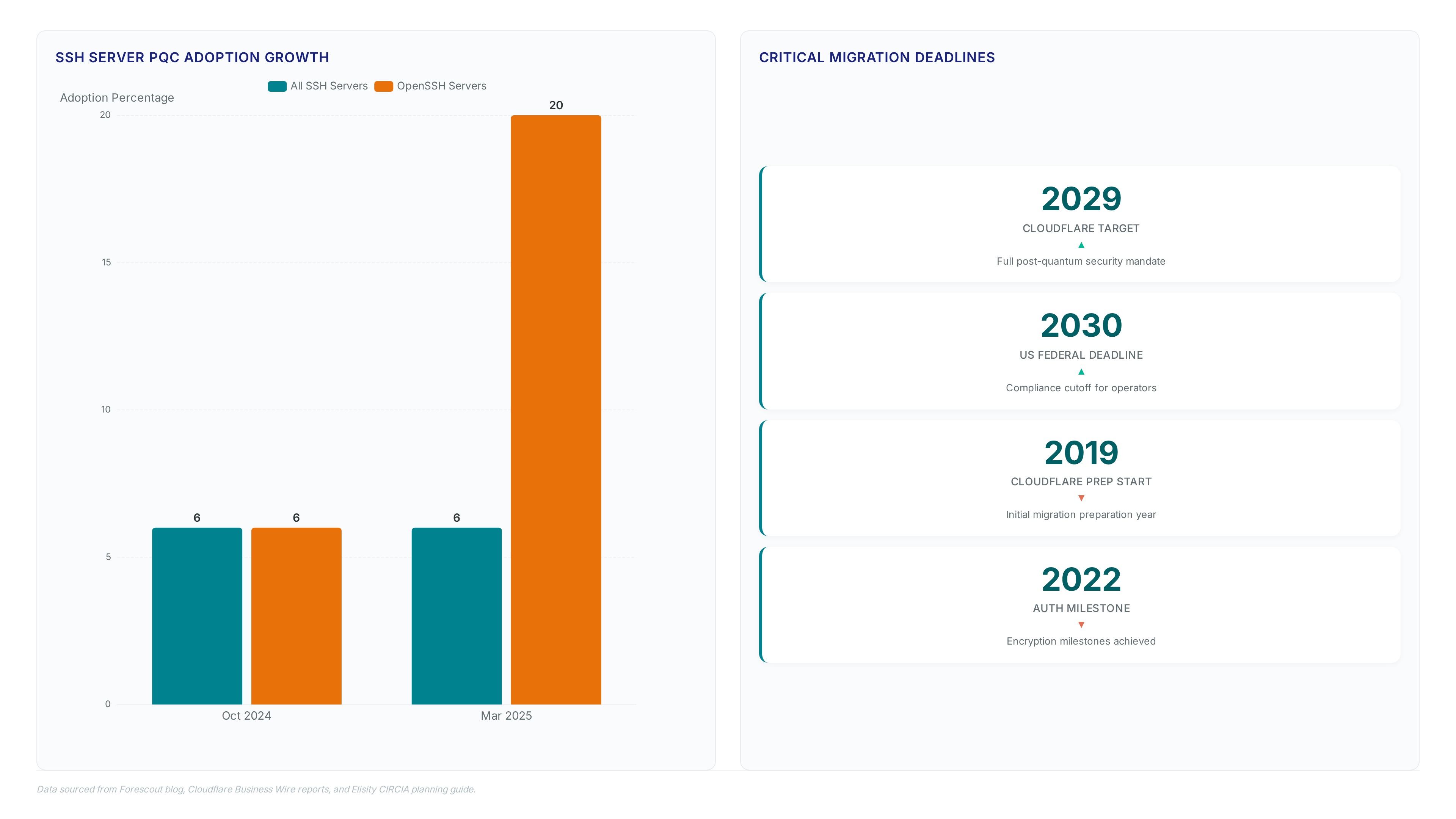
Federal agencies must secure high-value assets against quantum threats by December 31, 2030, or risk exposure to harvest-now-decrypt-later attacks.
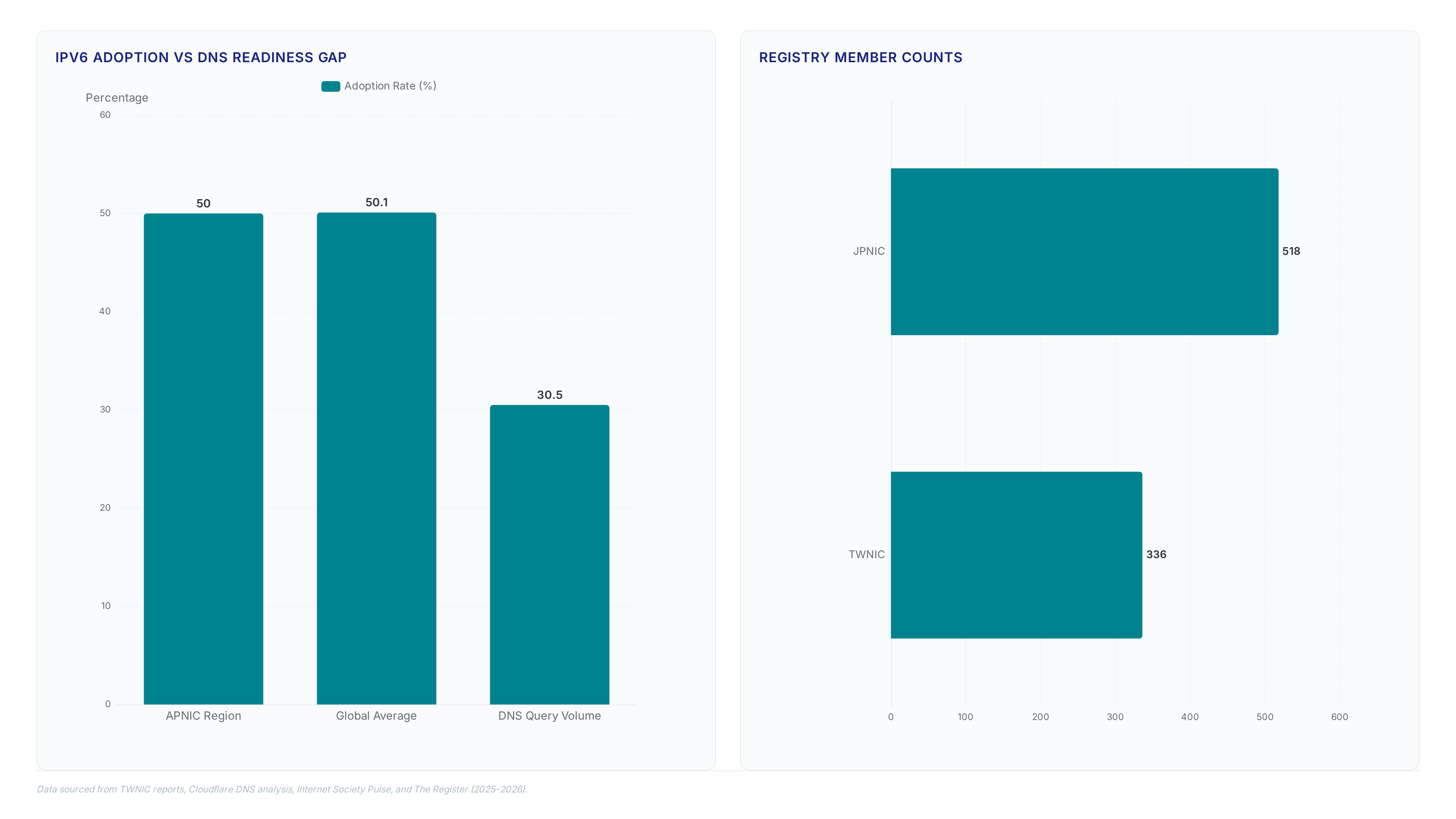
Explore how five organizations manage global IP space, from APNIC's 26,067 members to AFRINIC's 2,492, defining strict regional boundaries.
Stop unencrypted text on port 53. This guide shows how Cloudflare logs vanish in 25 hours and how to configure Windows 11 for real privacy.
Obtaining a RIPE LIR account requires a fixed annual fee per the 2026 Charging Scheme. Think of LIR Services not as a luxury, but as a necessary...
Learn how identity verification drives setup across five global RIRs and why moving from hosted models demands strict XML file management.
With 167 disruptions in 28 countries during 2024, treating the internet as critical infrastructure offers stronger physical security than human rights...
With 60% of addresses blacklisted, buying verified clean IPv4 blocks prevents delivery failures and protects your network reputation globally.
Q1 2026 delivered a stark reminder: Qrator logged exactly 1 confirmed BGP hijack and 7 route leaks.
Cut DNS incident recovery from 3060 minutes to under 3 by replacing manual console clicks with automated, type-safe infrastructure code.
With roughly 80,000 ASNs globally, approval hinges on legal compliance and EU sanctions screening, not just technical gear or router config.
Discover how AS15169 and AS13335 act as unique fingerprints for global routing, enforcing single policies across vast CIDR blocks.
Learn how 80,000 active systems shape global routing and why the shift from 2byte formats matters for your network infrastructure today.
European groups propose blocking entire networks via ASN tags, a move that could disrupt billions of devices by targeting shared hosting infrastructure.
Skip the €1,000 signup fee for direct LIR status. InterLIR simplifies ASN sponsorship, handling Idenfy validation and RIPE compliance for you.
Secure your network identity by aligning with one of the 5 regional registries. InterLIR optimizes IPv4 redistribution within these strict mandates.
Over 105,000 ASNs now route traffic globally, a far cry from the 1989 sketch on "three ketchup-stained napkins" that started it all.
Map IP addresses to owners using 32-bit ASN data. Process bulk queries for up to 20,000 IPs to fix threat attribution gaps instantly.
Reveal network ownership and routing data instantly. Learn how AS15169 identifies entities for precise traffic management and cybersecurity analysis.
ARIN requires a /24 block minimum for end-users with two ASNs. Learn why strict technical justification and legal entity status are now mandatory.
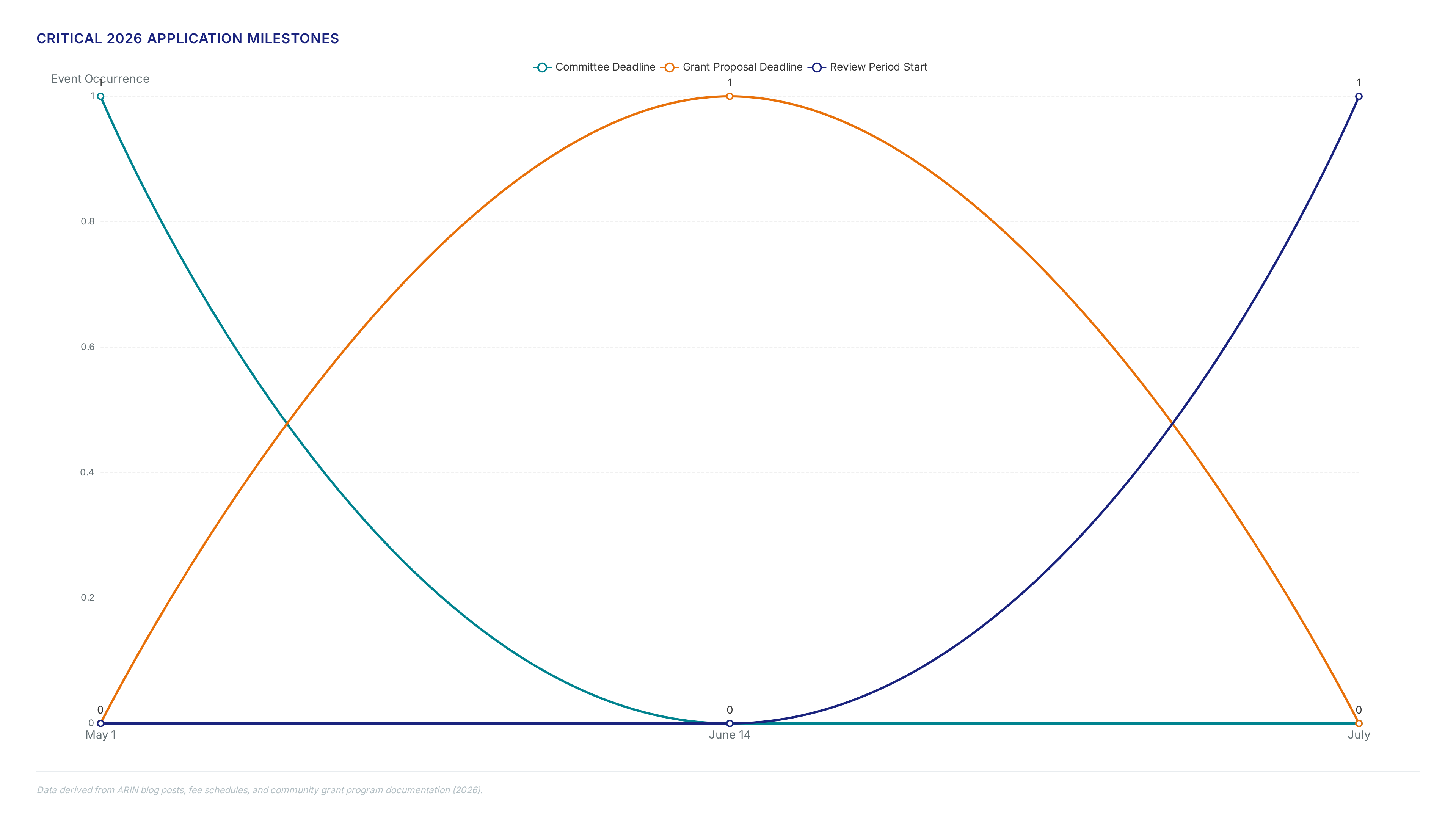
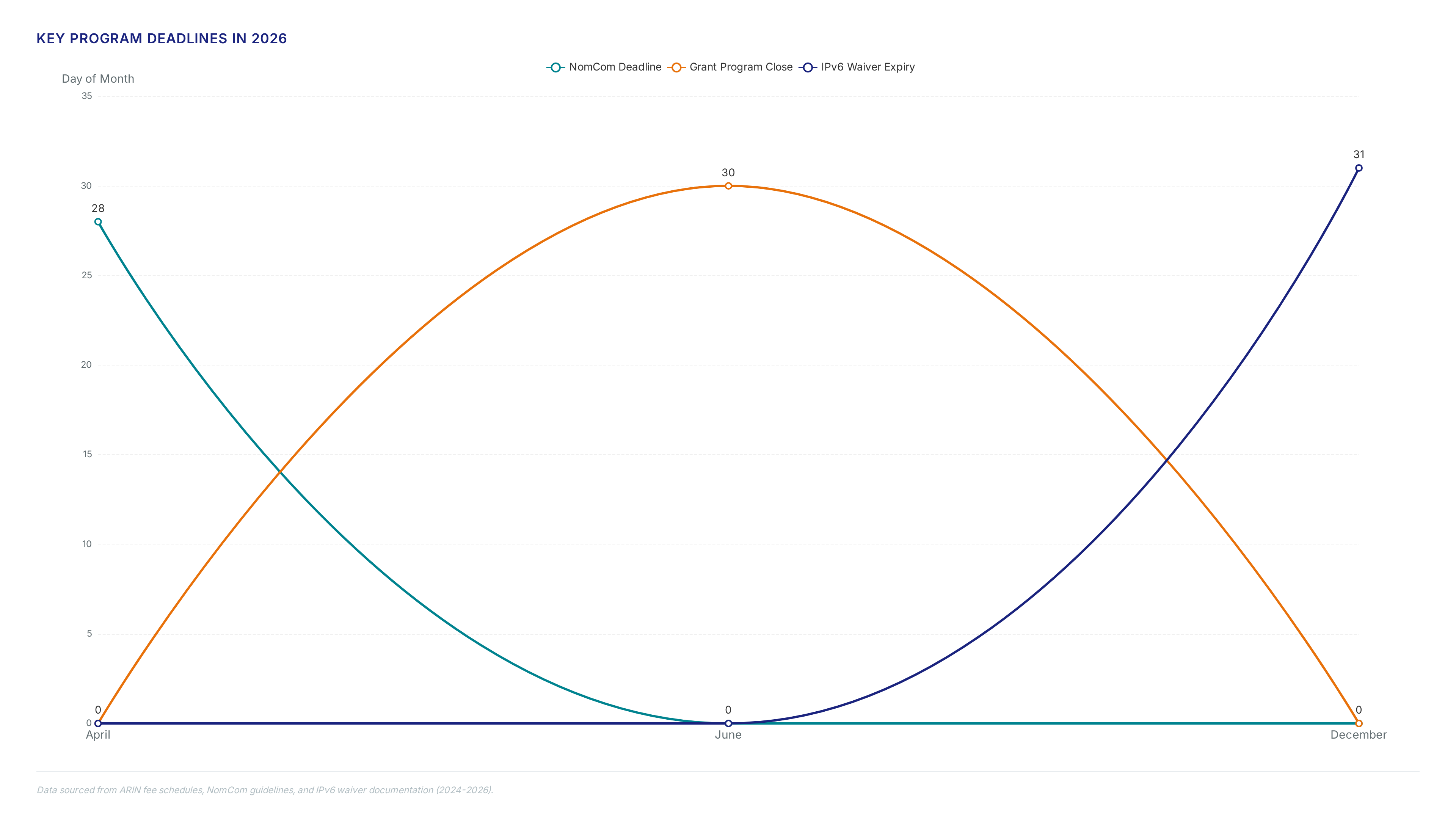
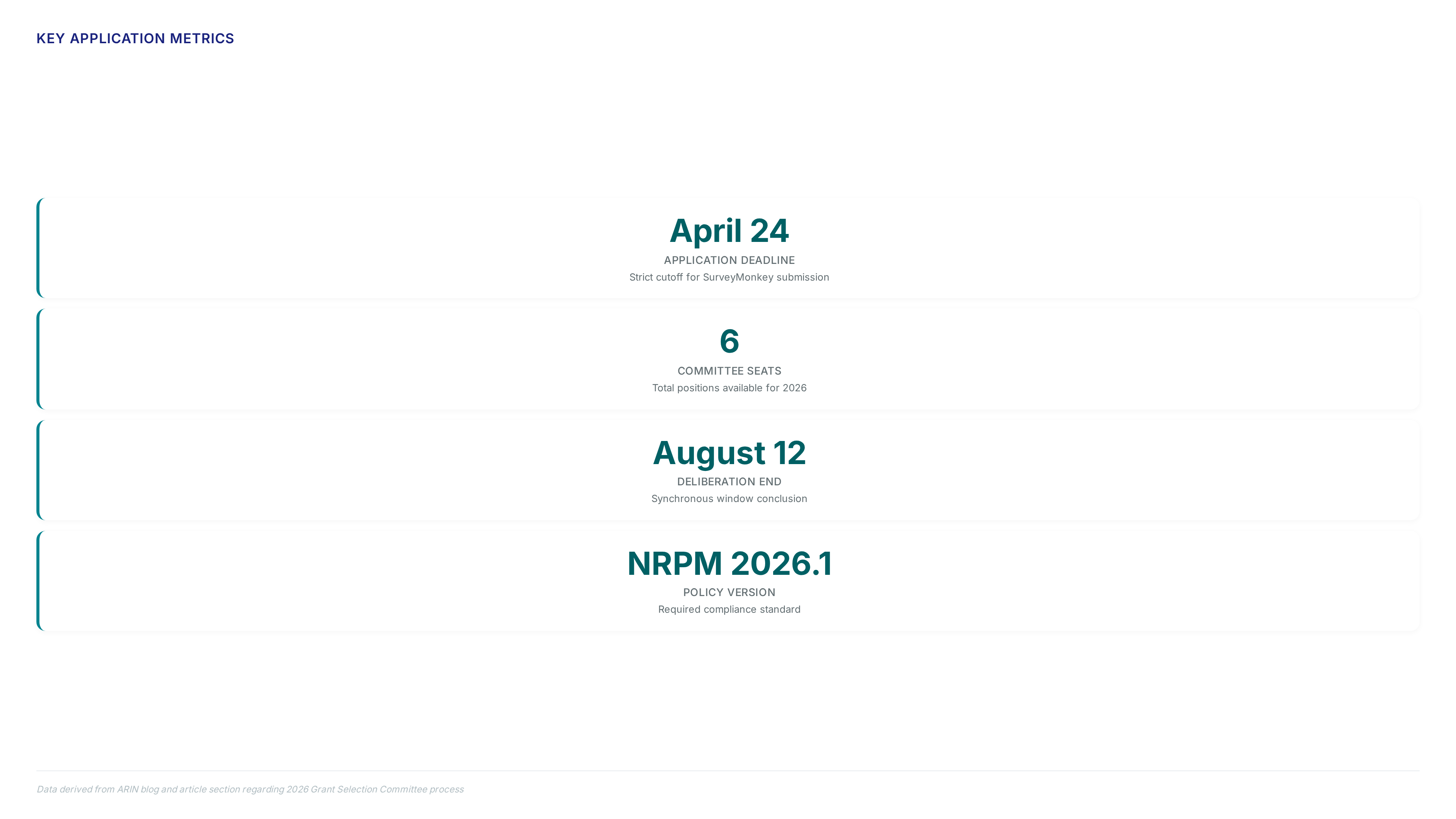
Two ARIN Grant Selection Committee seats are open with the deadline extended to 1 May 2026. What the role demands and whether you should apply.
With IPv4 still handling the majority of traffic, your vote matters. Learn how 3 open Board seats shape policy before the June 22 deadline.
The ARIN service area covers exactly 29 listed countries and territories, not just the US and Canada.
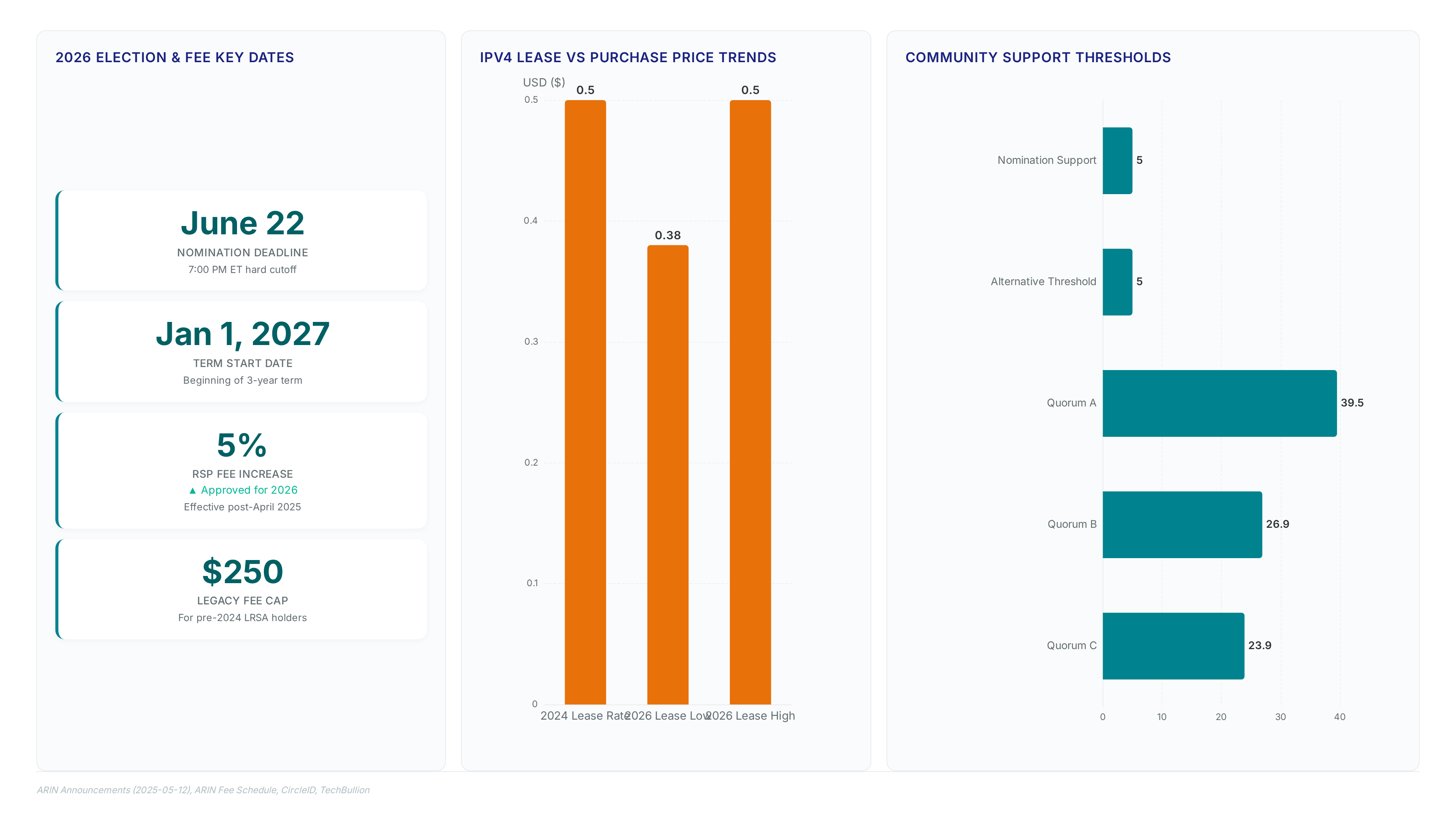
ARIN 2026 elections: self-nominations close 7:00 PM ET 22 June. Which body sets your fee and transfer rules, and how a holder should read the slate.
Transfers of 103/8 free pool addresses face a mandatory five year lockout period according to APNIC transfer conditions.
APNIC enforces a mandatory five-year holding period before IPv4 addresses from the 103/8 free pool can be transferred due to merger or acquisition.
APNIC publishes only preapproved IPv4 requirements, creating a verified list rather than an open market for specific address needs.
RIPE's May 2026 update shows 841 LIRs waiting 536 days and IPv6 ROA coverage at 44%. Why the waiting list is a supply signal, not a queue, and what to do instea
Pavel Odintsov notes engineers fragment workflows across multiple public tools. Self-hosted platforms consolidate live routing data, RPKI validation
India dropped the proposed 20% local sourcing mandate for satellite ground infrastructure, easing entry but leaving spectrum pricing unresolved.
Netomics launched July 10, 2026, to end third-party BGP reliance. Keep routing intelligence on-premises for total data sovereignty.
Forty-eight views marked the launch of FastNetMon's new on-premises routing intelligence platform on 10 Jul 2026.
Germany's SMS traffic fell to 2.9 billion in 2025. As legacy frameworks fracture, InterLIR provides the IPv4 routing intelligence needed to stabilize networks.
Unused IPv4 blocks generate zero revenue. Learn how the 24-month RIPE NCC hold impacts your strategy and how InterLIR secures payouts.
APNIC allocations now max out at 512 addresses. Leasing offers the flexible capacity proxy companies need to scale without permanent ownership.
Scarcity has birthed a liquid secondary market for IPv4 blocks where unused sub-blocks are sold rather than allocated.
Discover why 2026 buyers prefer fixed-price IPv4 deals over volatile auctions. Learn ARIN and RIPE validation steps for secure, clean block transfers.
Stop burning cash on bad IP blocks. Validate geolocation and routing before signing any lease to avoid the 2019 RIPE NCC scarcity risks.
Analyze how a Romanian hosting account uses LIR status and AS19624 to secure IP ownership, distinct from generic cloud rentals.
With 75% of U.S. private 5G networks on CBRS, this shared spectrum framework proves vital for rural broadband and industrial connectivity.
A /24 IPv4 subnet delivers exactly 256 addresses, the smallest prefix accepted by global BGP routing without triggering filters that discard longer paths.
With human traffic under 10%, machines now drive the critical exhaustion of IPv4 addresses.
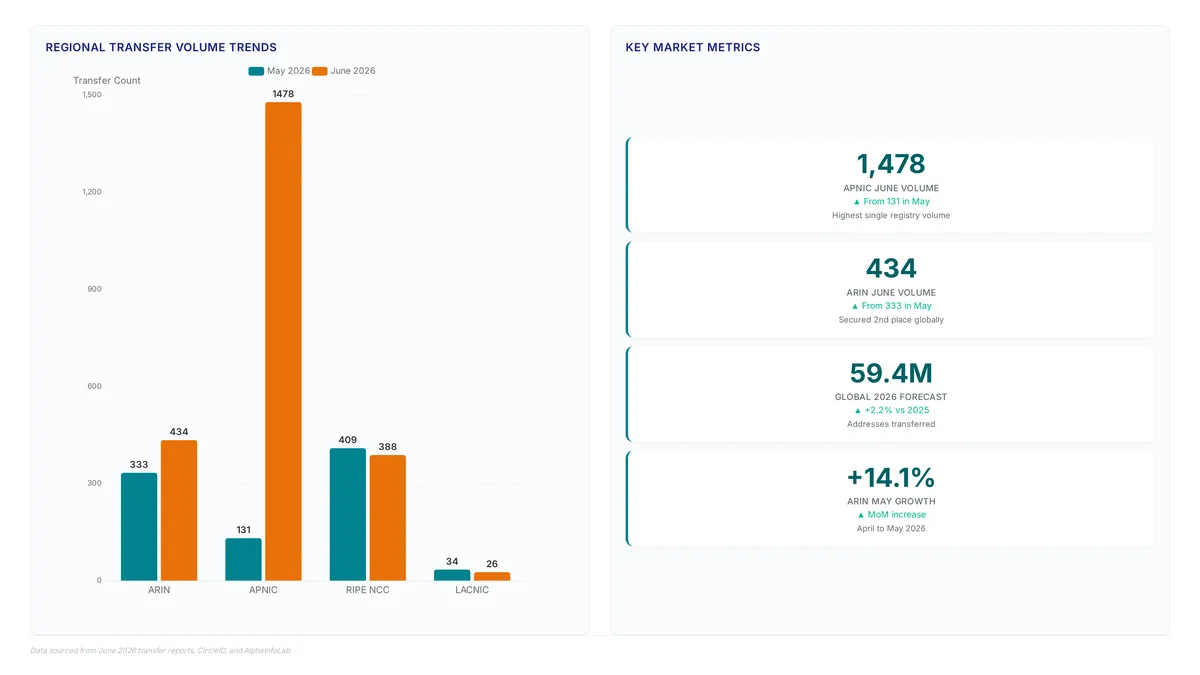
APNIC transfers surged from 131 in May to 1,478 in June, defining the liquidity shock of the 2026 IPv4 market.
A 20% rise in IPv4 leasing shows operators moving to anonymous cloud setups with strict Fair Usage Policies for data privacy.
A CISA probe of 121 networks proves static IP ranges fail. Learn how governed identity frameworks protect routing trust and customer retention.
Demand outpaces supply with a 20% rise in inquiries. Learn how managed brokers screen geodiverse blocks to guarantee clean routing.
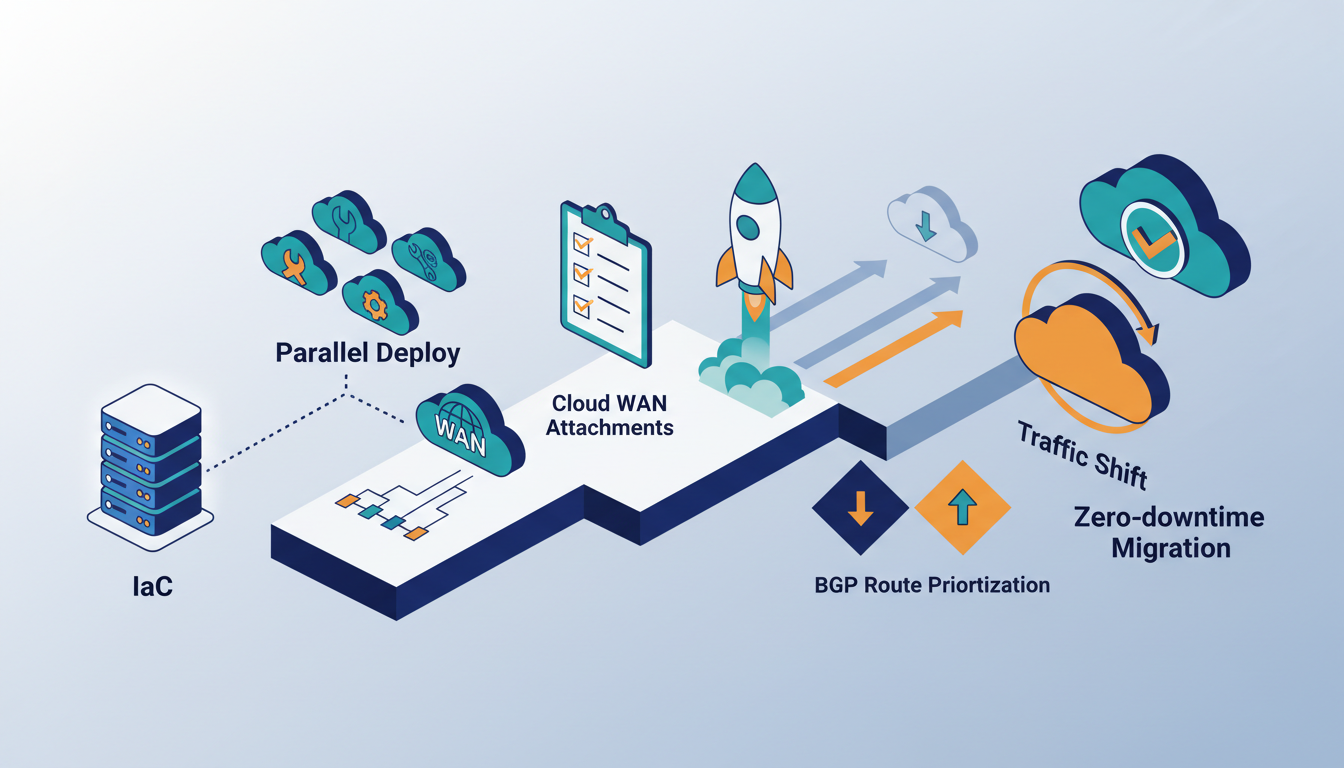
Execute a six-phase migration to AWS Cloud WAN using Terraform. This guide details how to unify global networks without disrupting production traffic.
Zen Internet withdraws free IPv4 blocks after originating 500,000 addresses. Learn how the shift to leasing impacts your network budget and planning.
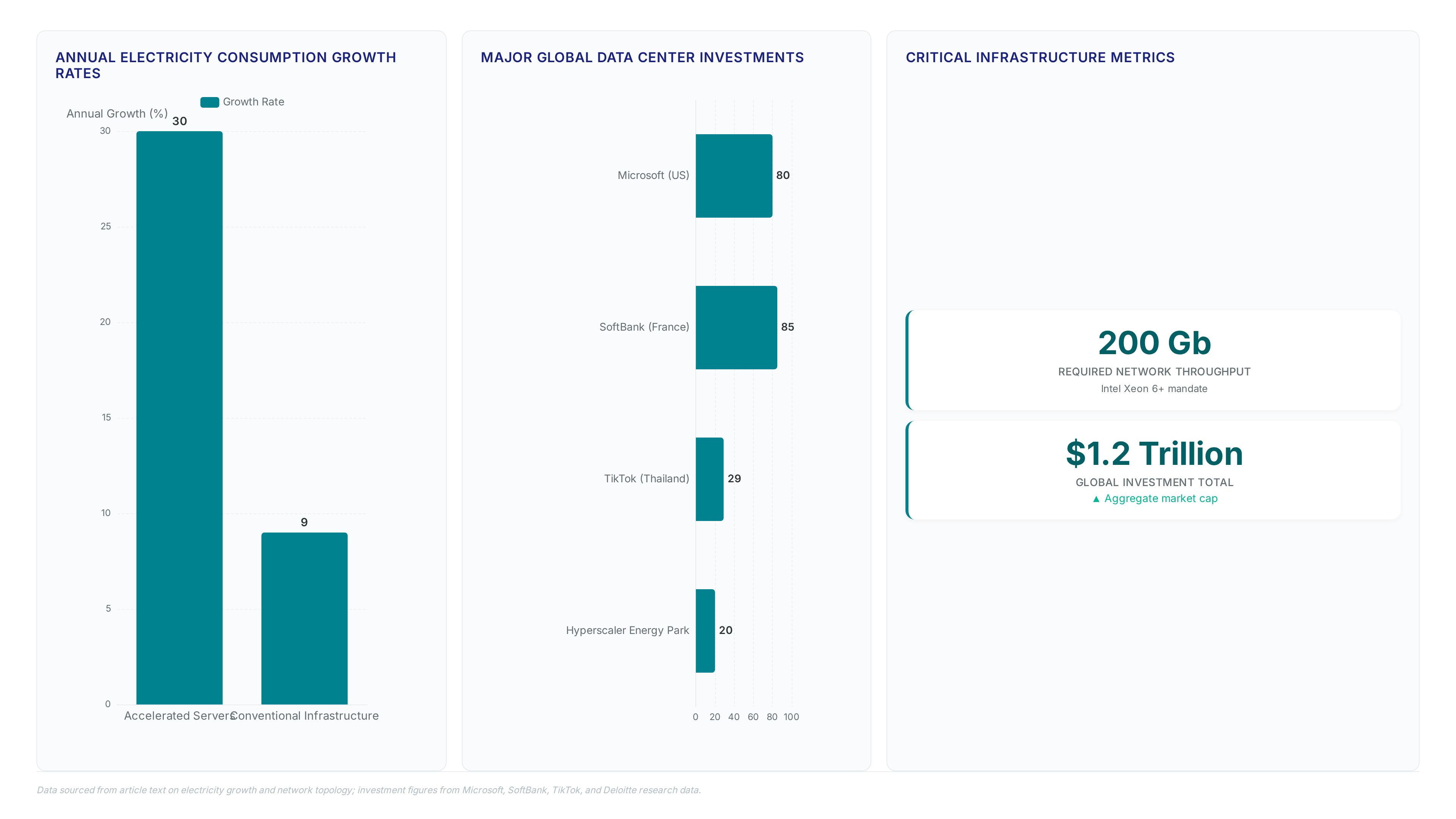
Global data centre spending hits $450 billion by 2026 as AI demands lossless networks. Discover why RoCEv2 traffic fails without physical redesigns.
Stop manual binary math. This tool instantly resolves subnet masks and calculates exactly 254 usable hosts for a standard /24 network block.
AI cuts manual routing errors and speeds response by validating ownership against RIPE data before forwarding abuse reports to owners.
RIPE NCC's April 2026 update: 841 LIRs queued, 503-day waits, 1.79M IPv4 transferred. Why an LIR account is now a standing cost, not a resource tap, and how to
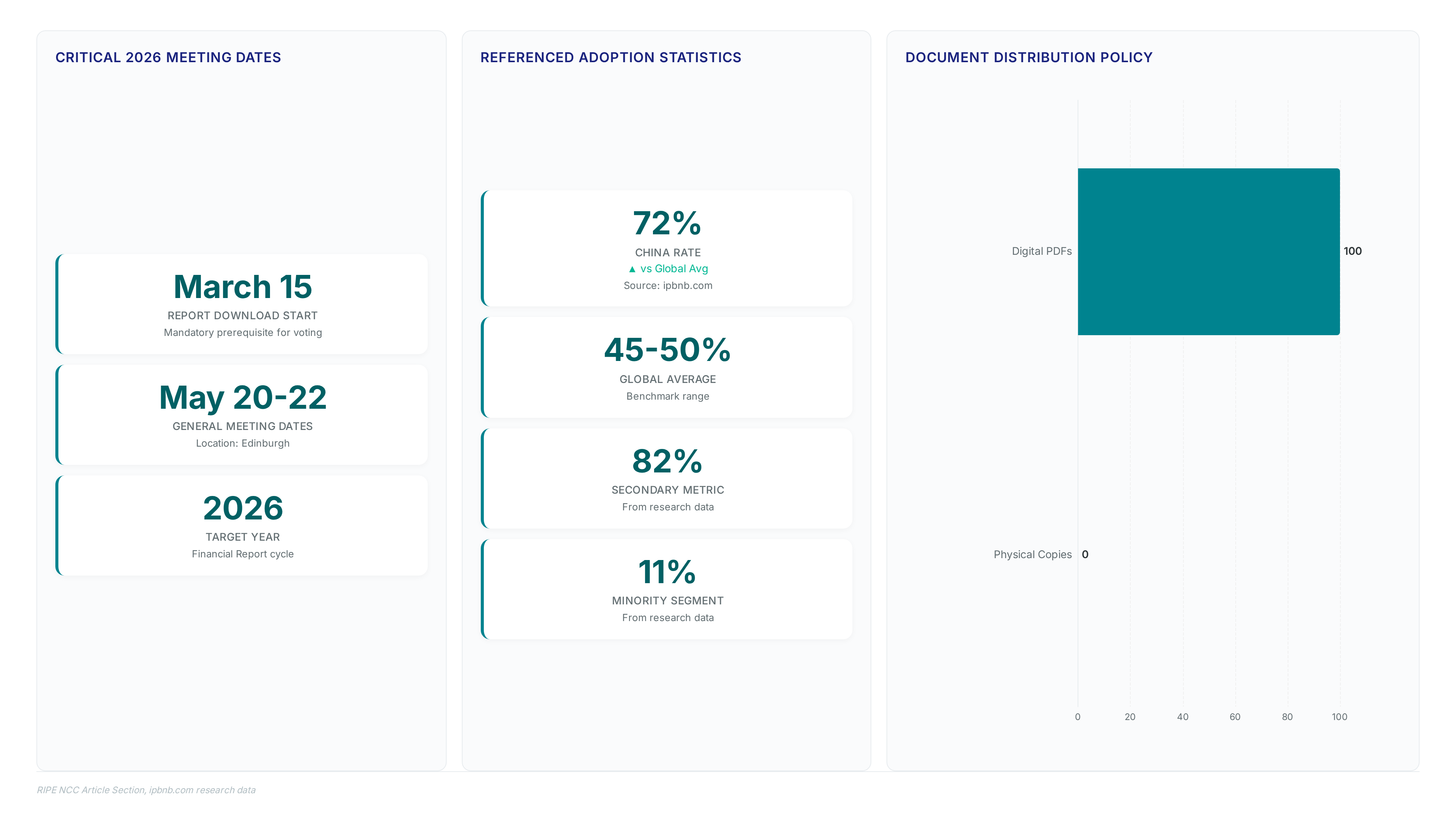
RIPE NCC General Meeting 2026 (Edinburgh, 20-22 May): why the 394-signature threshold makes it a ratification body, the held EUR 1,800 LIR fee, and what to do b
Akamai leads with 79.0 Tbps of deployed capacity, proving public peering remains vital for regional traffic distribution and cache efficiency today.
MCMC seeks feedback on CMA amendments by 10 July 2026 to centralize IP control under a new National Internet Registry framework.
With only 4,294,967,296 IPv4 addresses, routing now maps names to endpoints. Learn how DNS controls traffic flow beyond basic forwarding.
On June 16, 2026, a misconfiguration by Reliance Communications disrupted global Telegram access. InterLIR audits IP resources to prevent such routing failures.
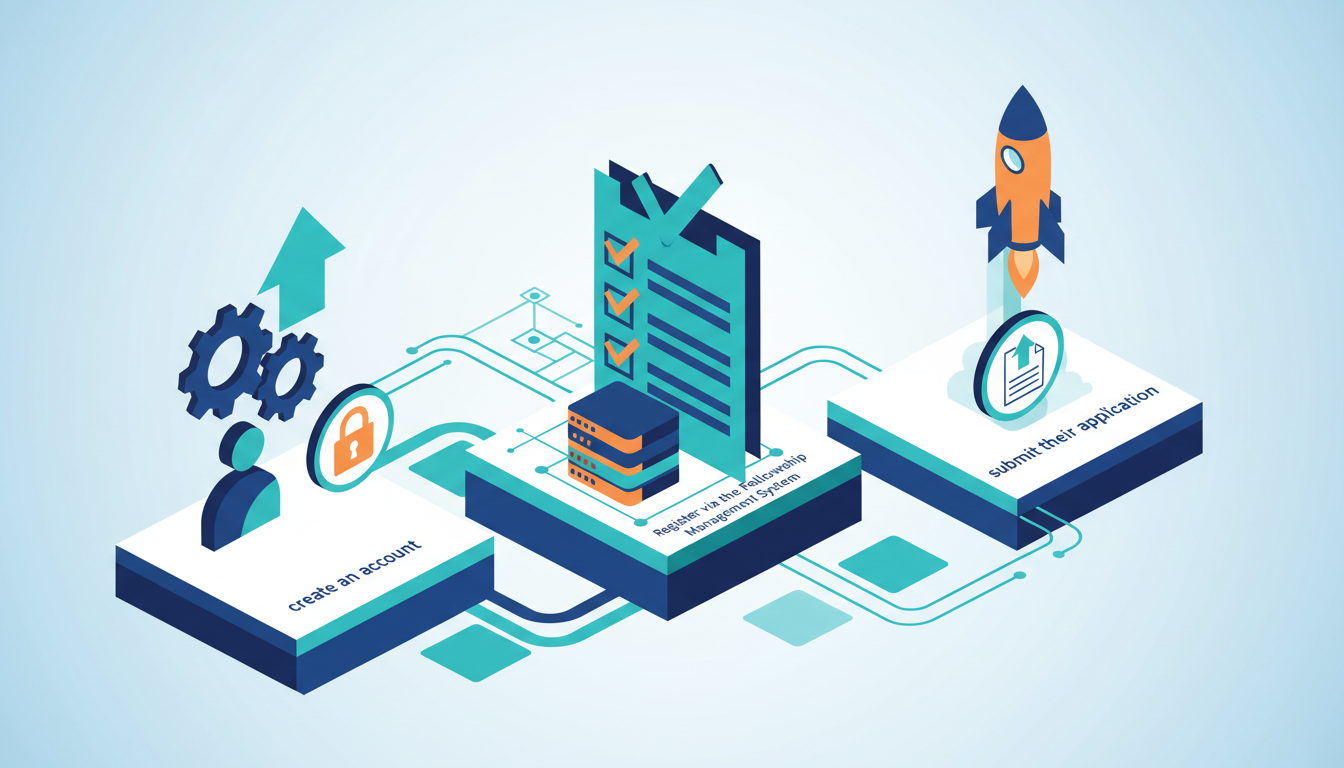
The 2026 APNIC Fellowship requires an 18-month commitment. Learn why technical merit alone fails without clear operational justification in policy drafts.
I analyze how stuck routes persist 90 minutes after withdrawal, blinding networks to real topology changes and risking traffic loss.
With the global pool depleted since 2011, leasing IPv4 blocks offers a flexible operational expense model for modern network scaling needs.
With only 4,294,967,296 unique IPv4 addresses, treating them as mere utilities ignores critical market scarcity and economic reality.
Huawei holds 40% of Europe's market as rivals face sales drops. InterLIR ensures your network stays stable by redistributing unused IPv4 blocks today.
Modern managed DNS providers are dropping per-request query fees while layering latency-based routing, DNSSEC, and CDN integration on a single anycast edge.
Stop ISP tracking by switching resolvers. Providers like Cloudflare delete logs in 25 hours, unlike ISPs that keep permanent records of your data.
Market data shows $600 buys dual EPYC Rome, 256GB RAM, and 1.5Gbps unmetered bandwidth in Southeast Asia. Learn the exact specs needed.
AWS Sign-In enforces network restrictions on console access starting 24 Jun 2026. Administrators can now define resource-based policies that block...
A single /24 block can cost $10,000 or more to buy outright, making ownership prohibitive for many firms.
The ARIN Grant Selection Committee enters year eight having funded over 25 projects. See how strict criteria drive technical improvements and outreach.
APNIC Foundation allocated $12M across 34 economies. This MoU clarifies roles between the registry and charity to boost capacity building.
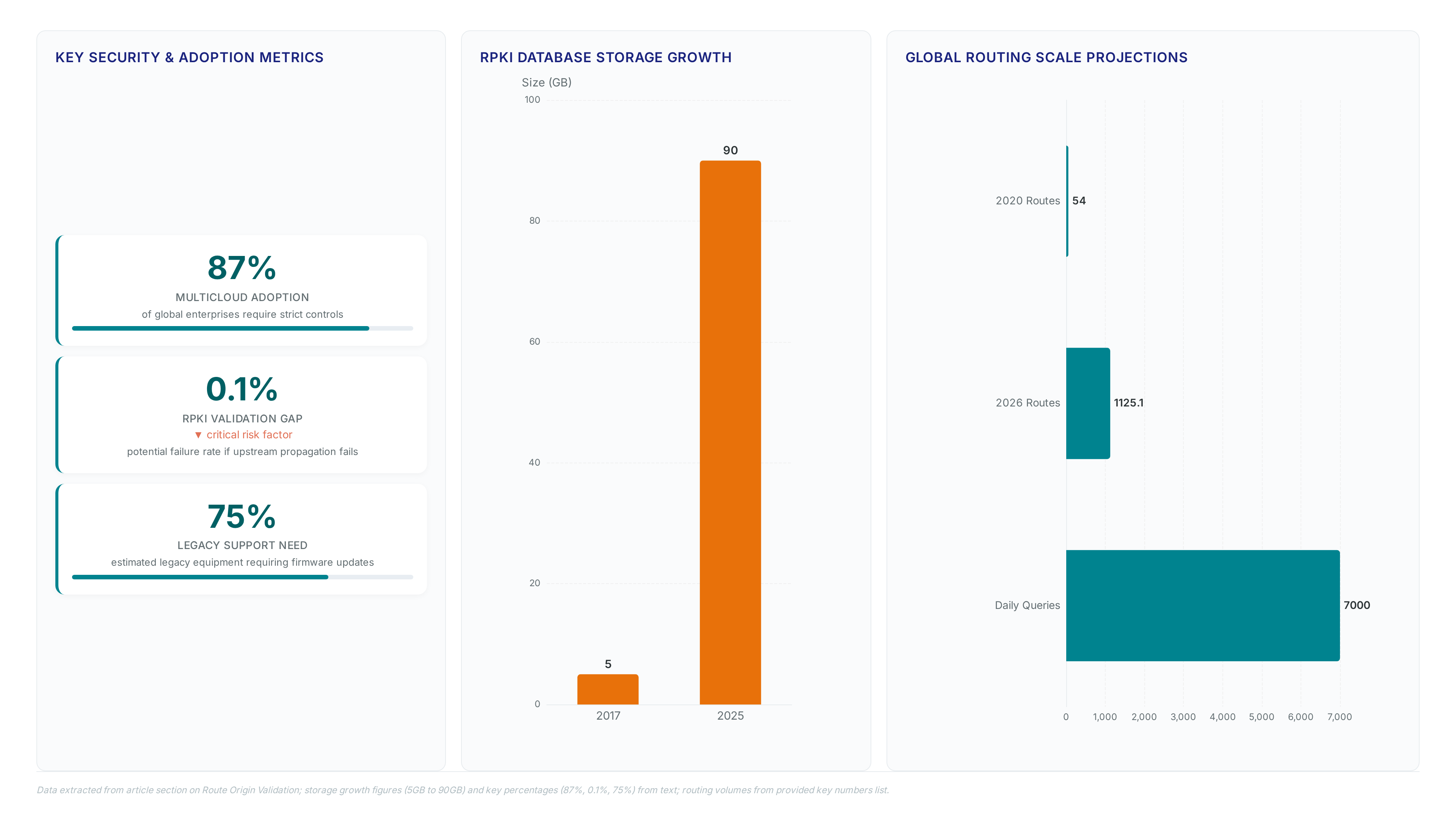
With only one-third of routes signed globally, technical fixes like RPKI stall without addressing organizational inertia and skills gaps.
A single Zayo misconfiguration triggered 50,000 reports in 30 minutes, proving global internet stability relies on precise BGP routing tables.
With 56% of RPKI validators flawed, blind trust in routing defense is risky. InterLIR ensures clean BGP and secure IPv4 resources for your network.
With few hundred thousand IPv4 addresses left, leasing offers speed. Learn how operators bypass ownership delays to scale proxy deployment effectively today.
IPv4 sale prices jumped from $6 to $60 as free pools vanished. See why addresses are now financial assets, not just utilities.
Vultr accepts LoA for BGP full tables while others enforce RPKI. Learn how to route legacy space via RADb entries without cryptographic validation.
RIPE NCC targets a 2028 exit from US hyperscalers, investing millions to secure core internet resources through sovereign greenfield deployment.
Renting a VPS solves CGNAT blocking where Cloudflare Tunnel fails for UDP traffic on non-web ports.
APNIC's Q1 2026 report shows 99.99% uptime despite IPv4 scarcity. Learn how governance adapts as the pool shrinks to 0.18 /8.
With only 12 carriers fully compliant and supply chains strained, network modernization faces hard delays. InterLIR stabilizes routing via IPv4 optimization.
Stop static filtering failures. Learn how RPKI validation secures the route chain against hijacks, referencing the June 17, 2026 outage.
Data shows a 57% duplicate query rate in some regions. Learn why aggressive resolver retries waste server resources and how to reduce the strain.
The AWS3 auction hit $3.1B, clearing FCC triggers and sparing EchoStar penalties while freeing spectrum for real 5G network deployment.
Cloudflare made DMARC Management generally available on 16 Jun 2026 to enforce email security without manual XML parsing.
Scaling scan throughput from 10 to 100 per second required reengineering the event streaming pipeline to eliminate head-of-line blocking.
With only 34% of IPv6 space advertised, clinging to IPv4 Router IDs creates unnecessary phantom infrastructure and collision risks.
The APNIC 62 policy proposal call is open through 7 Aug 2026. What turns a submitted proposal into an adopted one, grounded, specific, defensible.
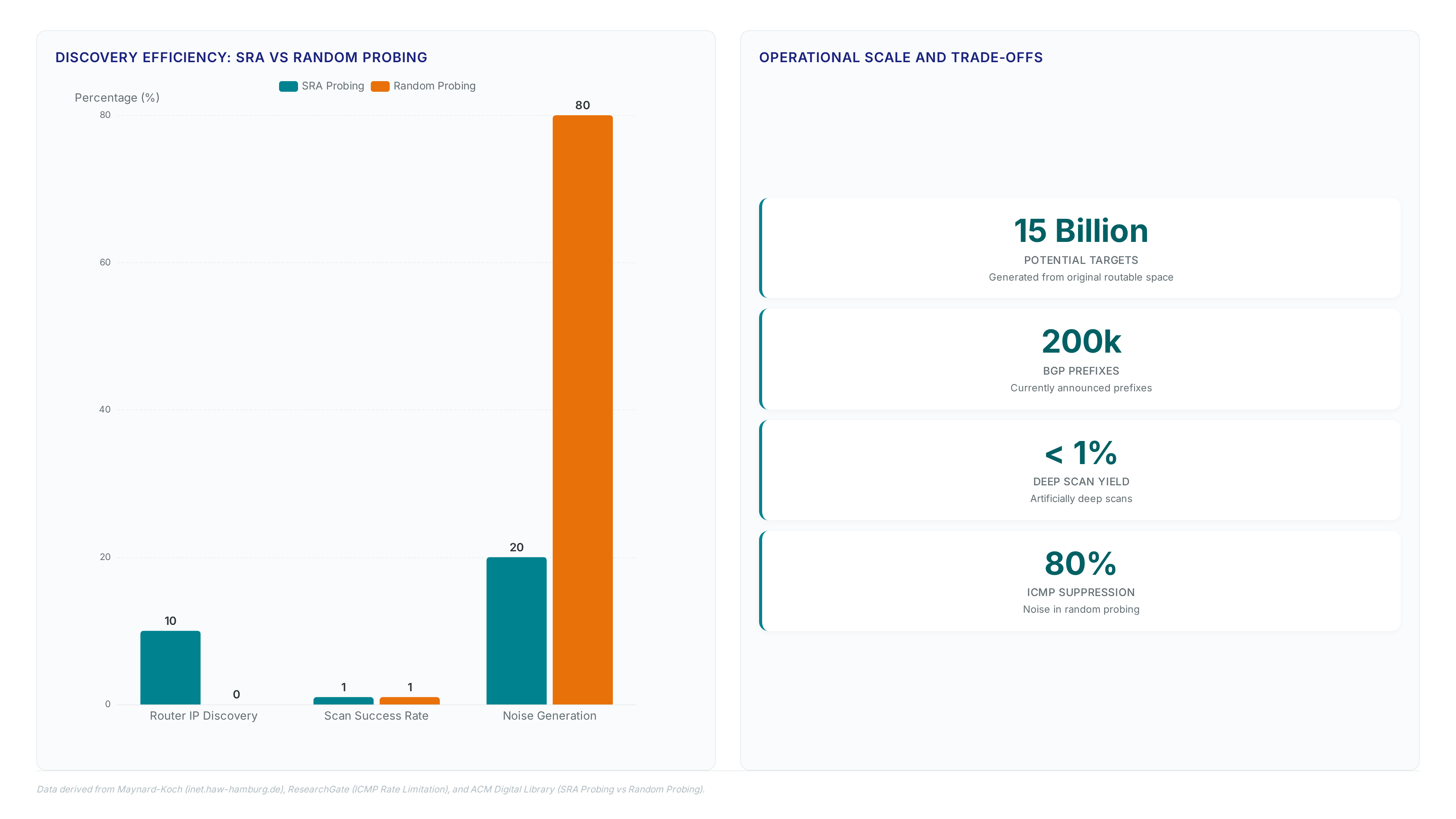
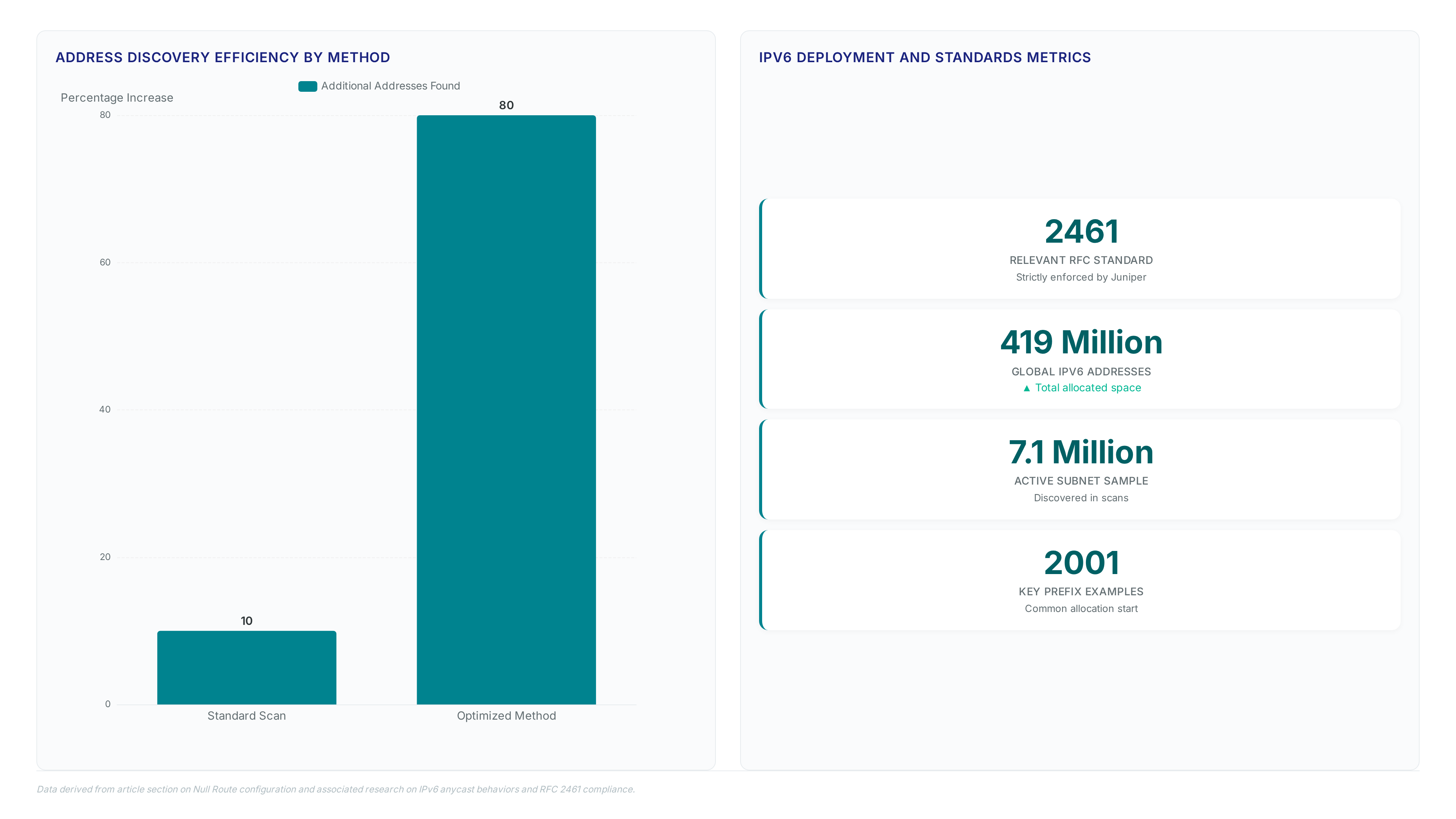
Subnet-Router Anycast probing finds 80% more IPv6 router addresses than direct targeting, but the 72M figure is a discovery yield, not a router census.
Stop paying $0.045 per GB for NAT data processing. Learn how resource gateways resolve overlapping IPs without extra load balancers.
The NRO Strategy 2026-28 reads like a coverage win (71% leased-prefix ROA), but the real story is in the security pillar: registries are spending the next three
Facing a 503-day wait for IPv4? Our market analysis shows how leasing bypasses the queue while securing clean routing integrity.
Erik protocol indexes RPKI data by content hash for CDN-cacheable fetch. An InterLIR operator's take: real engineering, but transport was never the binding cons
Map traffic paths using ASN data to spot hijacks. Link IPs to operators across 16-bit and 32-bit ranges for precise firewall rules.
Skip GRE overhead to hit 100 Gbps throughput. Learn why 50% of SDWAN deployments now favor this tunnelless model for strict isolation.
Cut WAN expenses by up to a significant portion using SDWAN virtual appliances to eliminate AWS backhaul traffic and simplify hybrid cloud routing.
The RIPE NCC Academy makes training free but gates certification behind €1,800 LIR membership. A practical guide to pricing the platform before you build a lear
By Q4 2026, general availability brings private origin services, allowing WAF rules on internal APIs without inbound firewall exceptions.
ARIN enforces a 24-month need justification for transfers. InterLIR verifies seller authority and routing hygiene to secure your /24 block safely.
With only 80,000 active ASNs globally, understanding these unique identifiers is critical for attributing threats and securing BGP routing tables today.
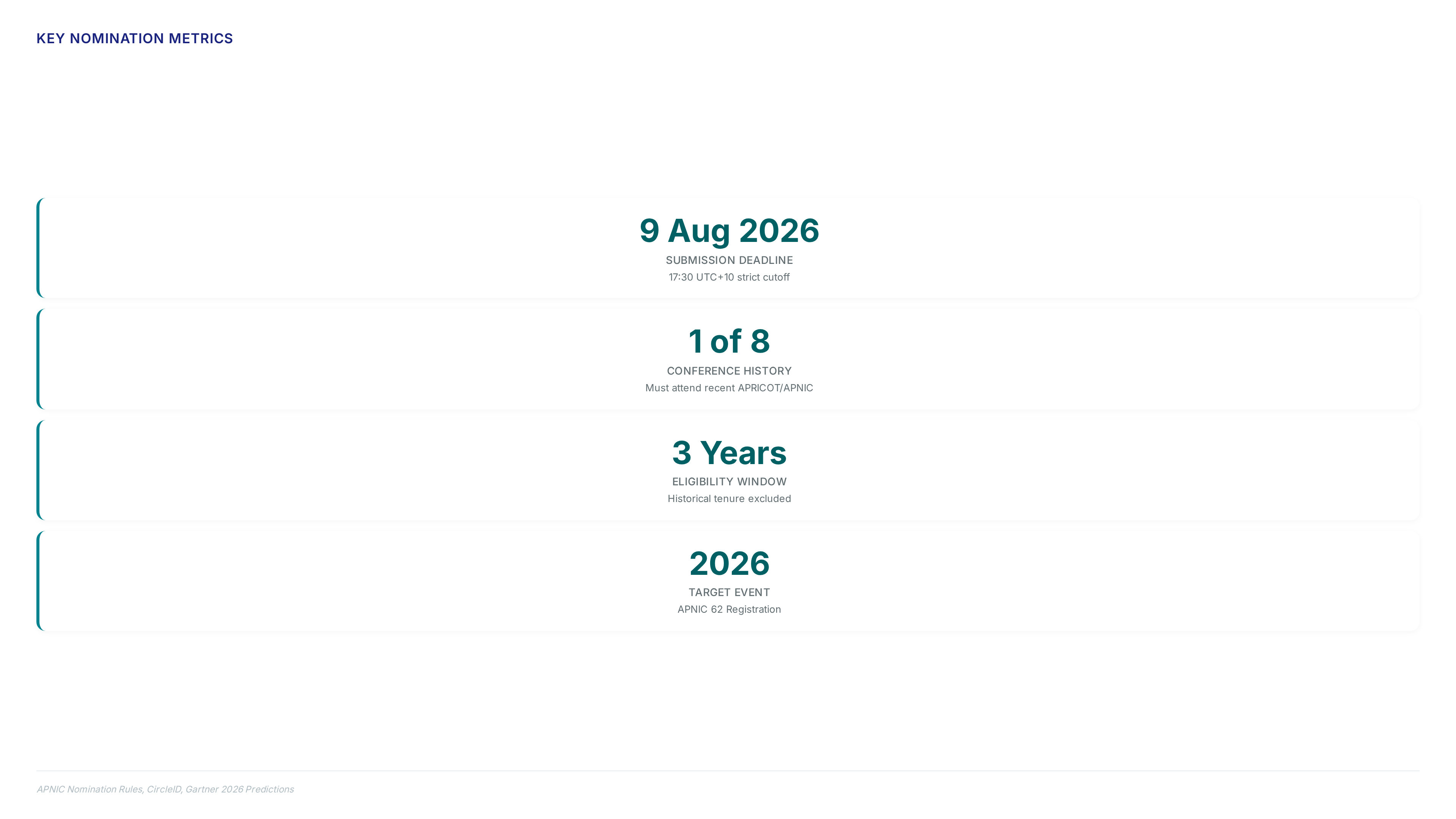
Nominations close 9 August 2026. I break down the strict attendance rules for the Asia Pacific seat and why this vote protects our routing security.
The updated RIPE NCC Strategy 2027-2031 draft adds an SLO appendix and key metrics. Why the appendix, not the six focus areas, is the part members can hold the
The May 2026 report locks in 5 regional roles. I break down how this rigid framework impacts your IPv4 assets before approval.
A 502 error on an AWS Application Load Balancer often persists even when Amazon EC2 instances pass status checks.
RIPE 93 in Sofia targets IPv4 scarcity with 3,049 votes proving stakeholder engagement. Submit technical proposals by 14 August 2026.
SK Telecom joins 150 partners in Project Glasswing to deploy offensive AI, yet clean BGP and verified IP reputation remain the bedrock of secure infrastructure.
Wire 3 commits $53 million for 53,000 locations, yet complex federal funding rules often delay actual lastmile fiber construction timelines.
See how 76% of IPv4 space now uses RPKI to stop hijacks. I break down the new RIPEstat tools you need today.
With 3,049 votes already cast, register by May 20 via the LIR Portal to influence the Executive Board and charging schemes before deadlines pass.
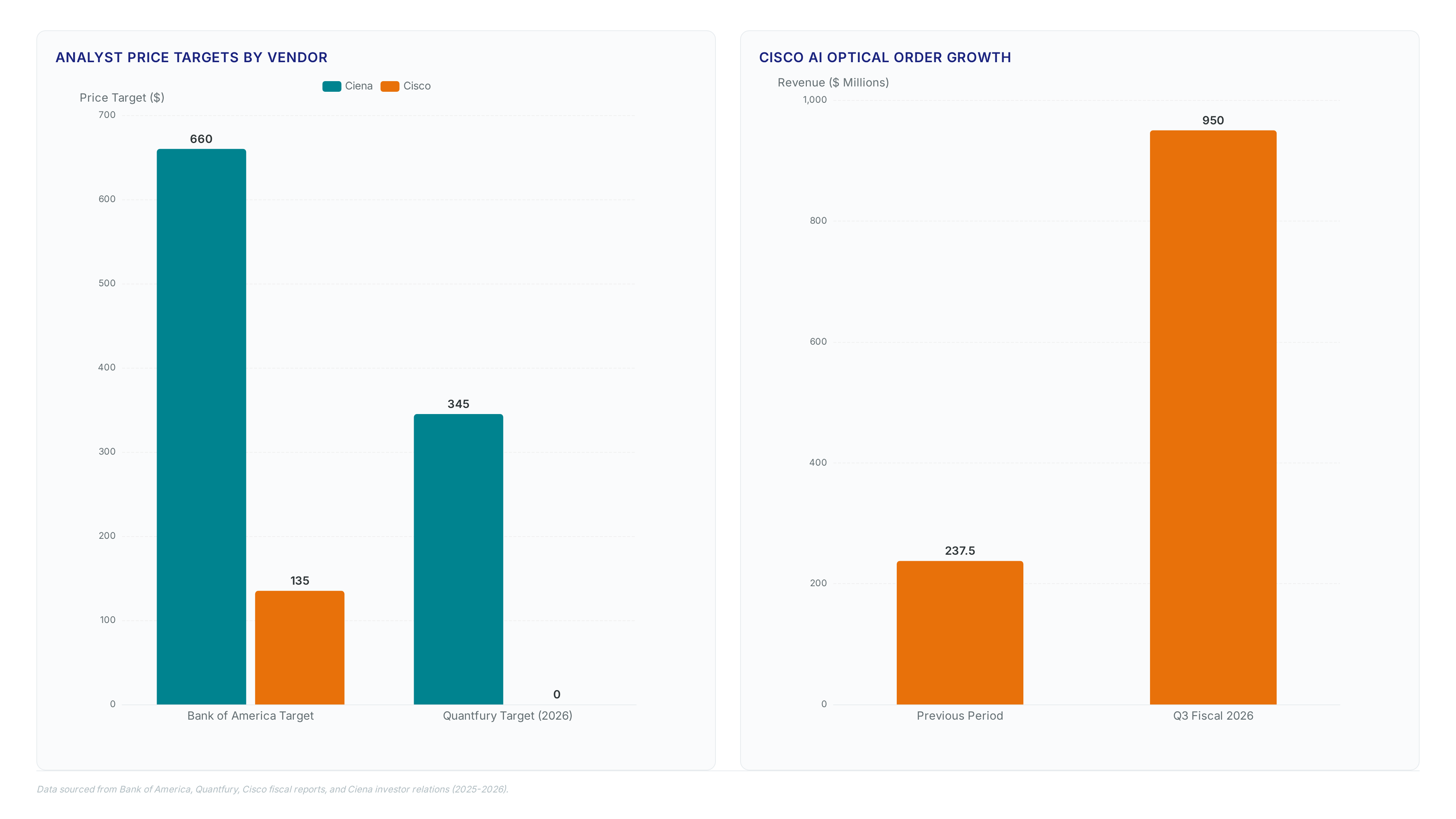
Ciena's backlog hit $7.7 billion as optical demand surges. I analyze why copper can no longer support modern AI training clusters.
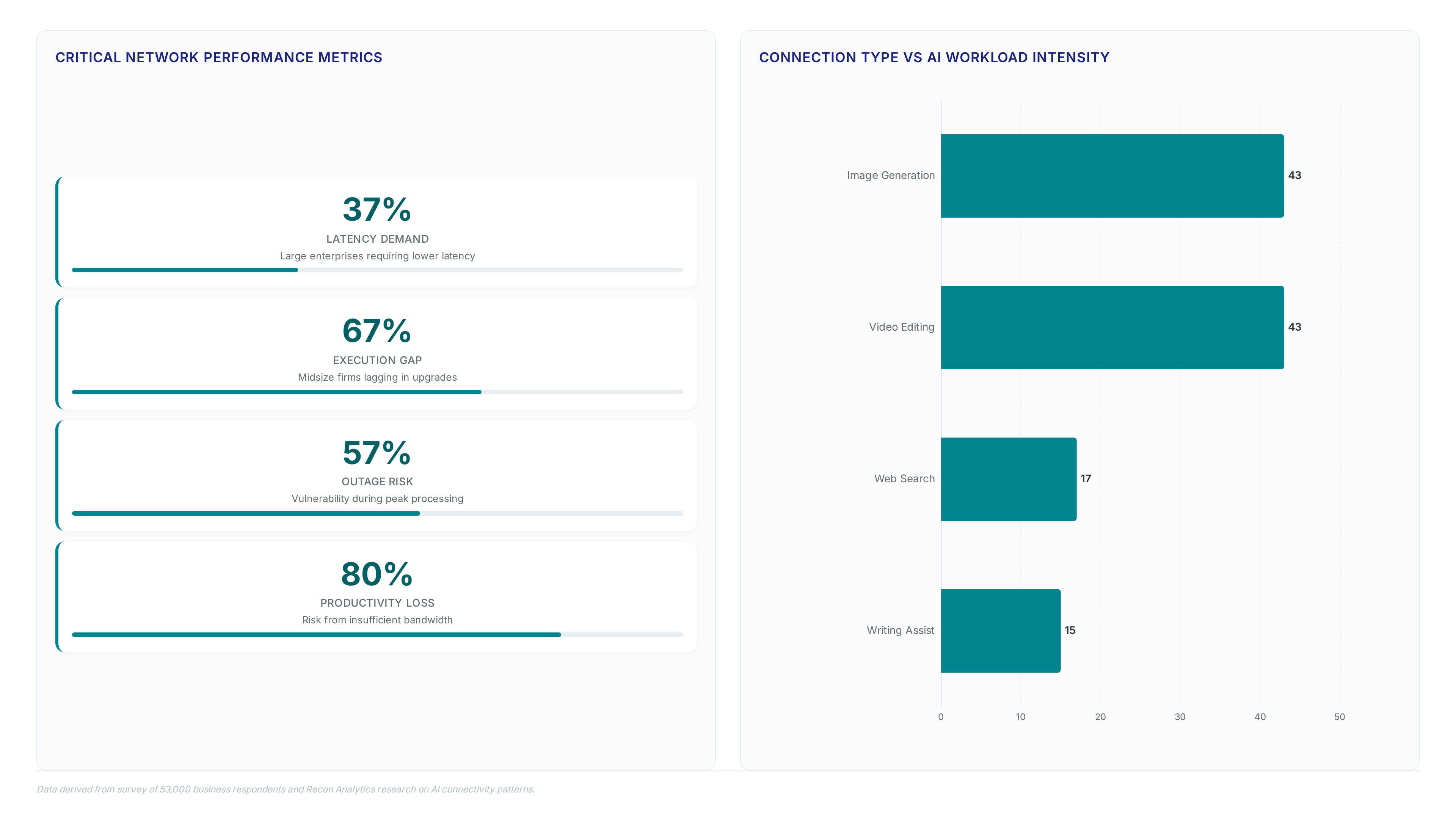
AI workloads will hit 50% of traffic by 2027. Your current IPv4 setup likely cannot handle this network supercycle without upgrades.
With 773 LIRs stuck on the RIPE waiting list, free allocation is over. I analyze the shift to market transfers and rising costs.
With only 4.3 billion unique addresses total, the IPv4 market demands agility. Leasing offers a flexible path around permanent scarcity.
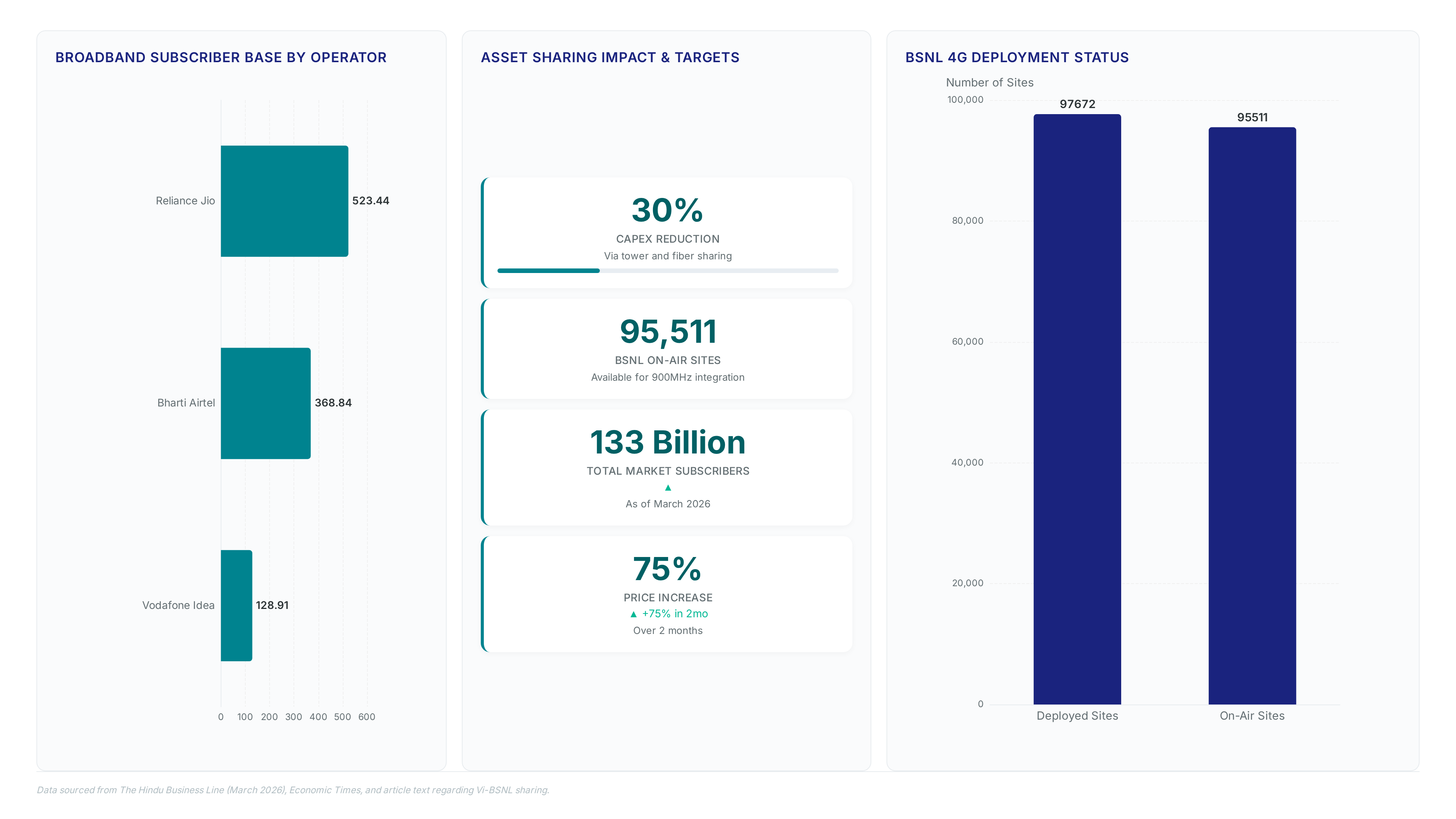
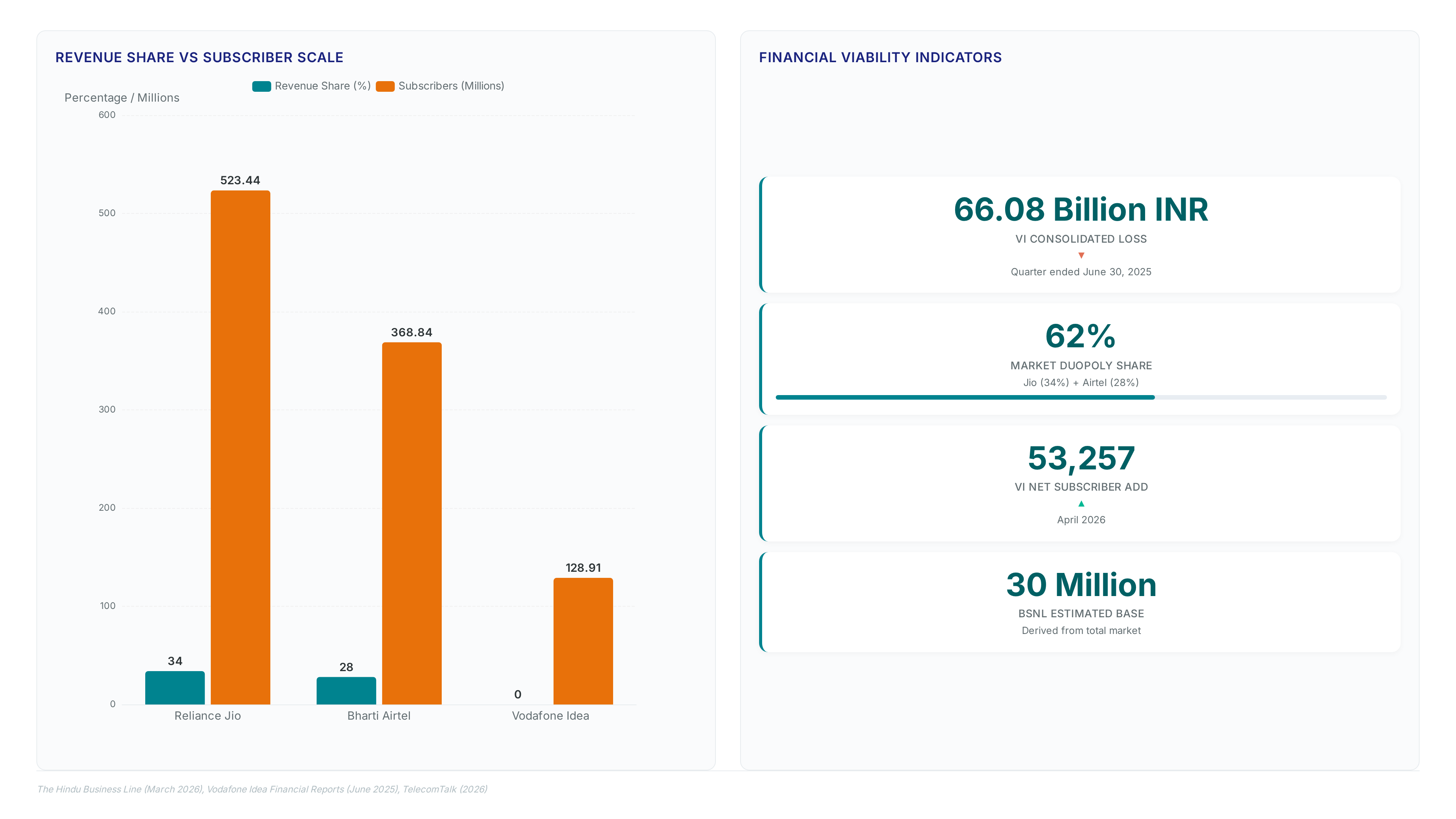
With 95,511 BSNL sites live, active sharing merges public and private assets to stop a telecom duopoly in India.
Learn how new condition keys restrict access by VPC ID and firewall priority to prevent teams from breaking DNS configurations.
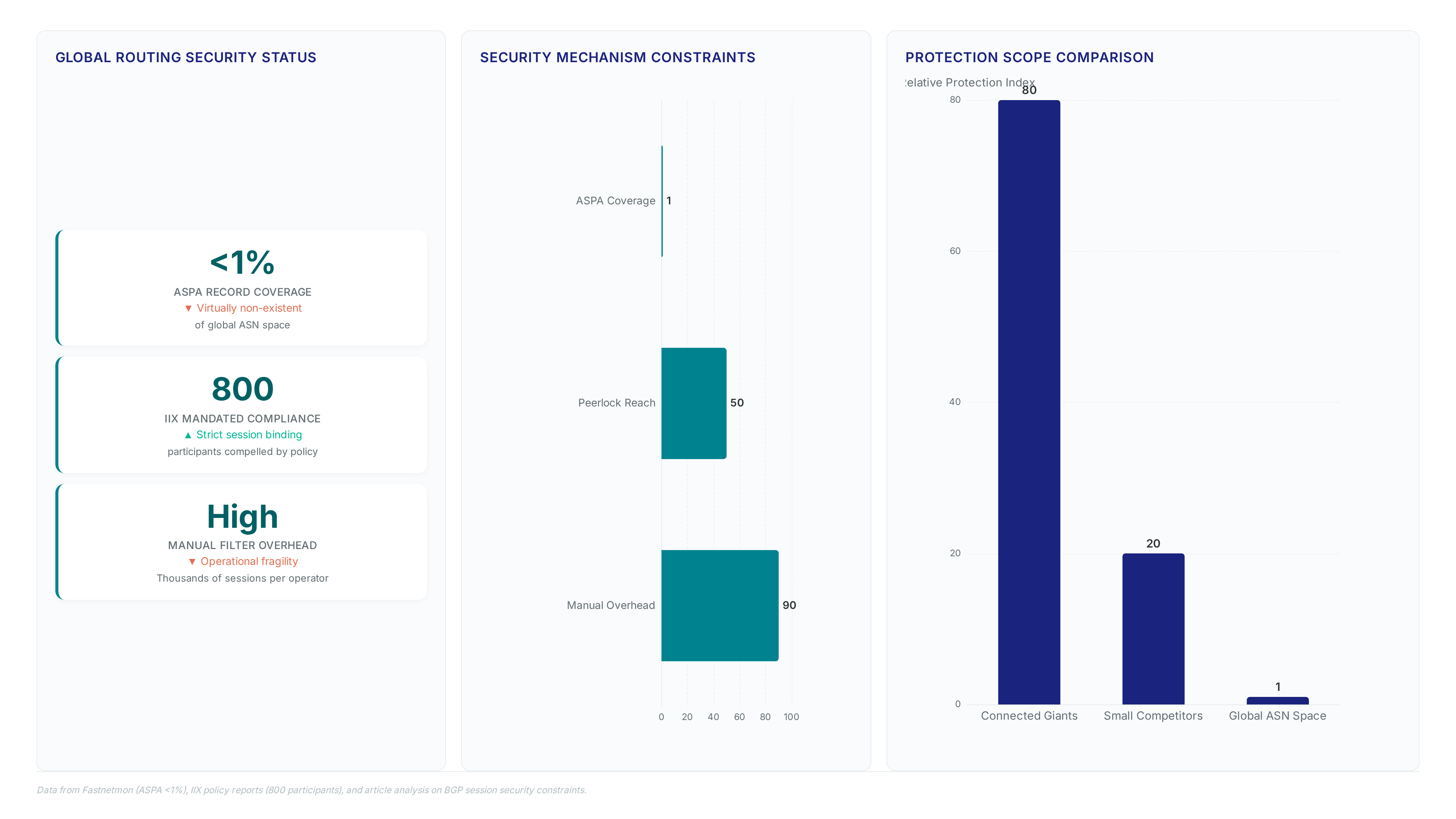
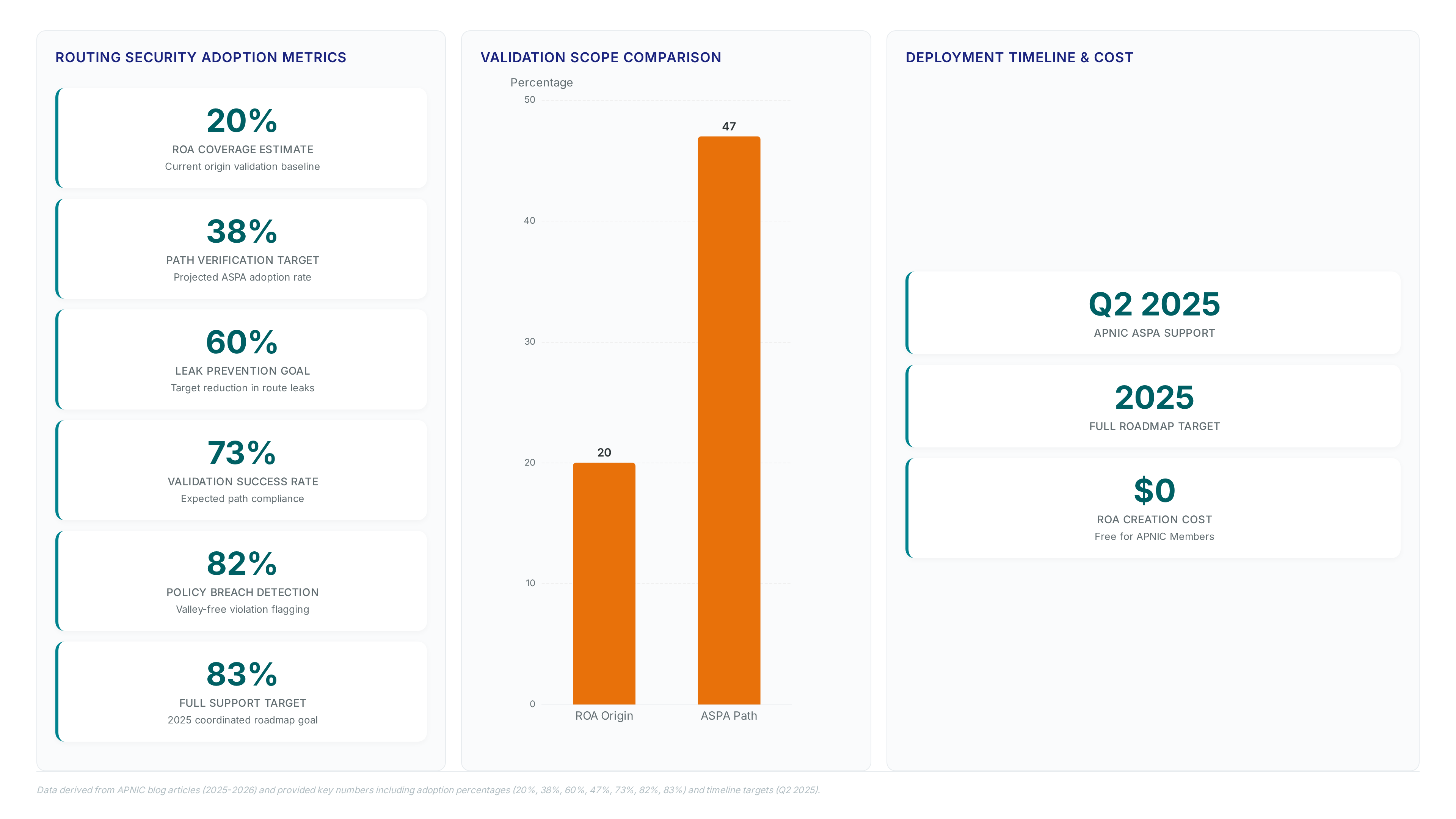
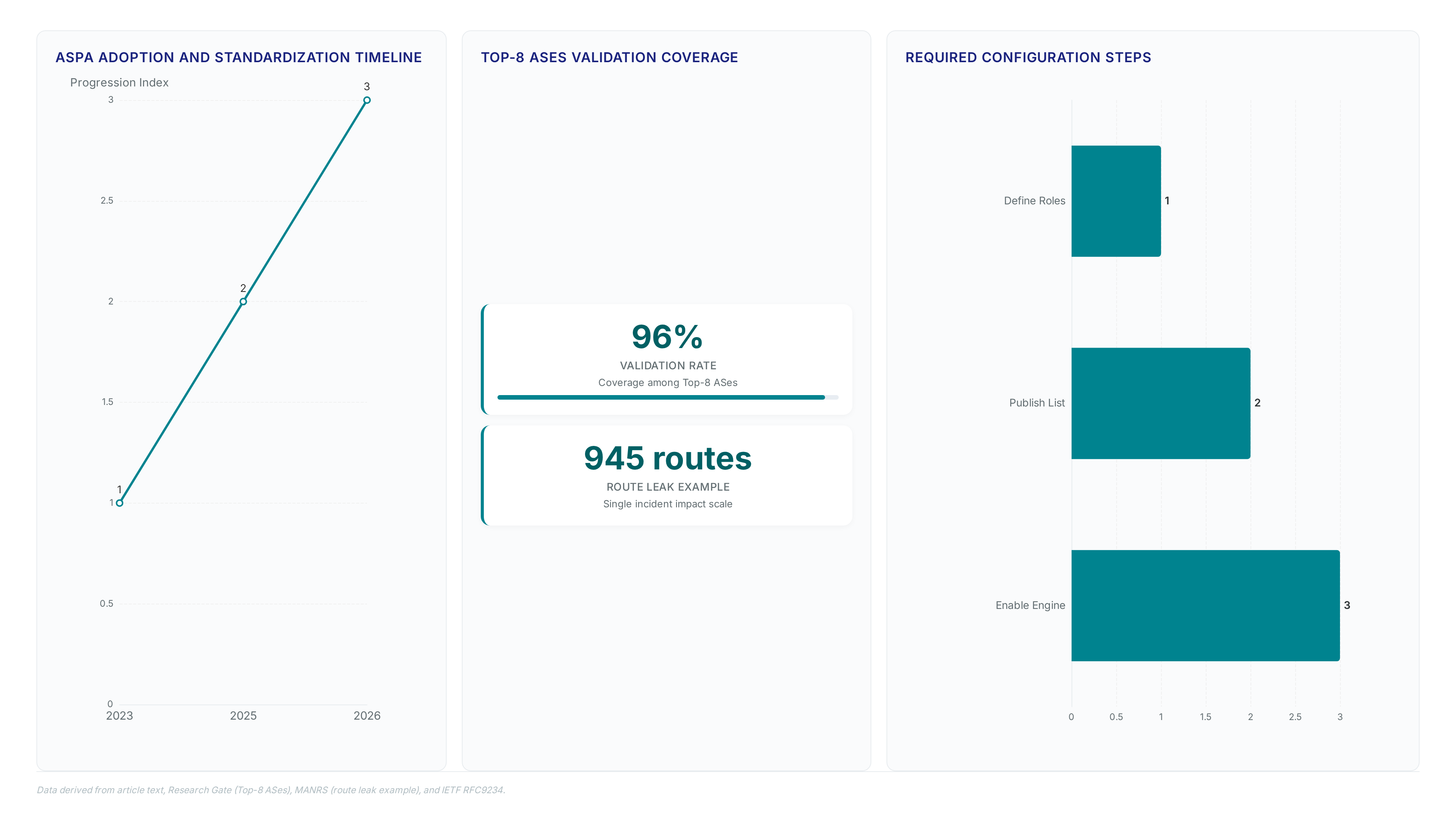
With 65% of firms using AI, BGP leaks cost more. We weigh PeerLock's speed against ASPA's universal safety for your network.
Lease IPv4 blocks to bypass high upfront capital while maintaining legacy systems. Avoid the IPv4 poverty penalty with flexible monthly terms.
Asia's vacancy rate dropped to 10.9% as grids limit growth. I break down why AI demand is outpacing new builds in 2026.
I break down 4 private connectivity patterns to secure your Amazon Bedrock AgentCore targets without public internet exposure.
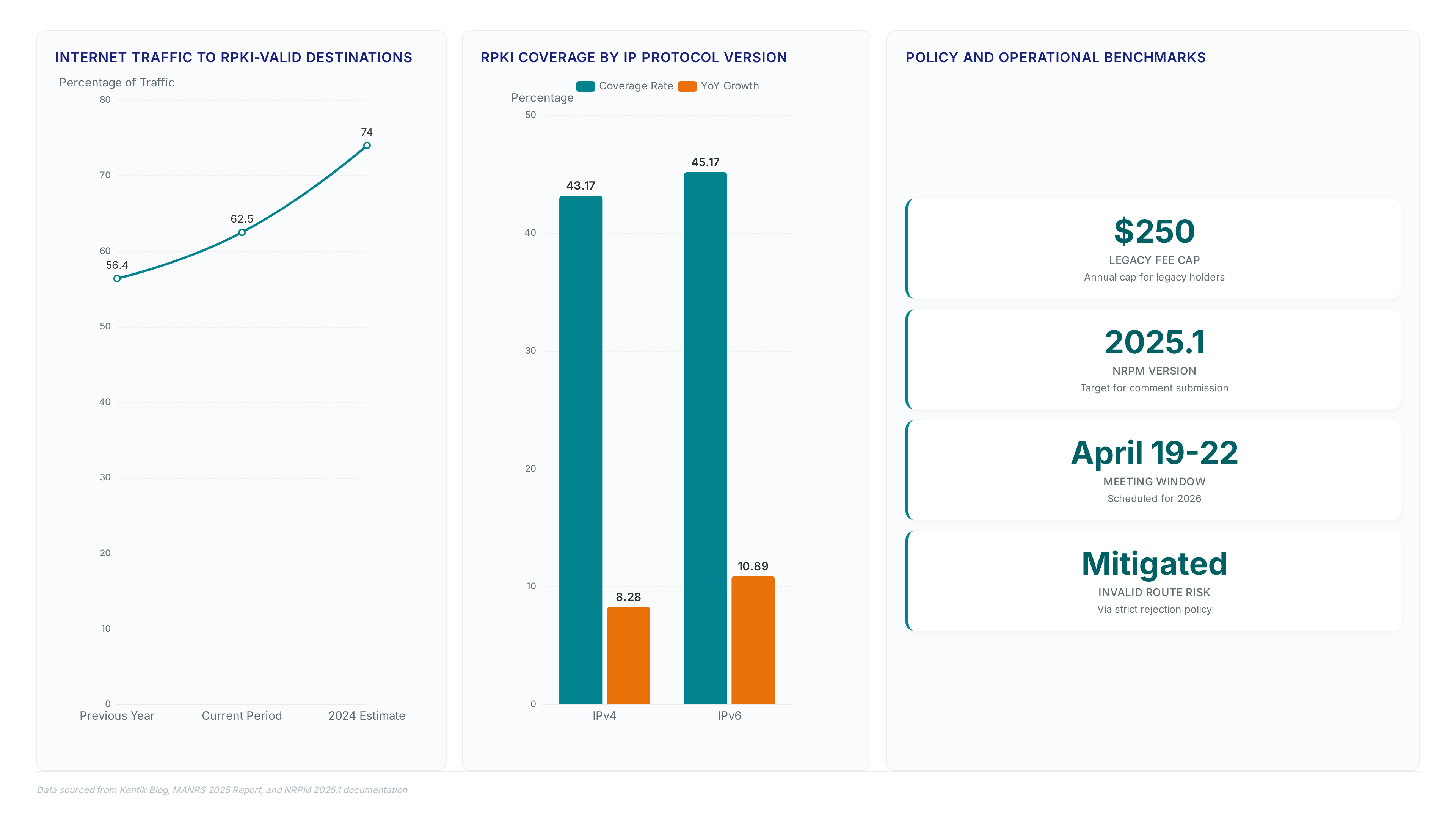
With RPKI valid traffic at 62.5%, legacy IRR fails. Learn how active path verification stops middle ASNs from causing global outages.
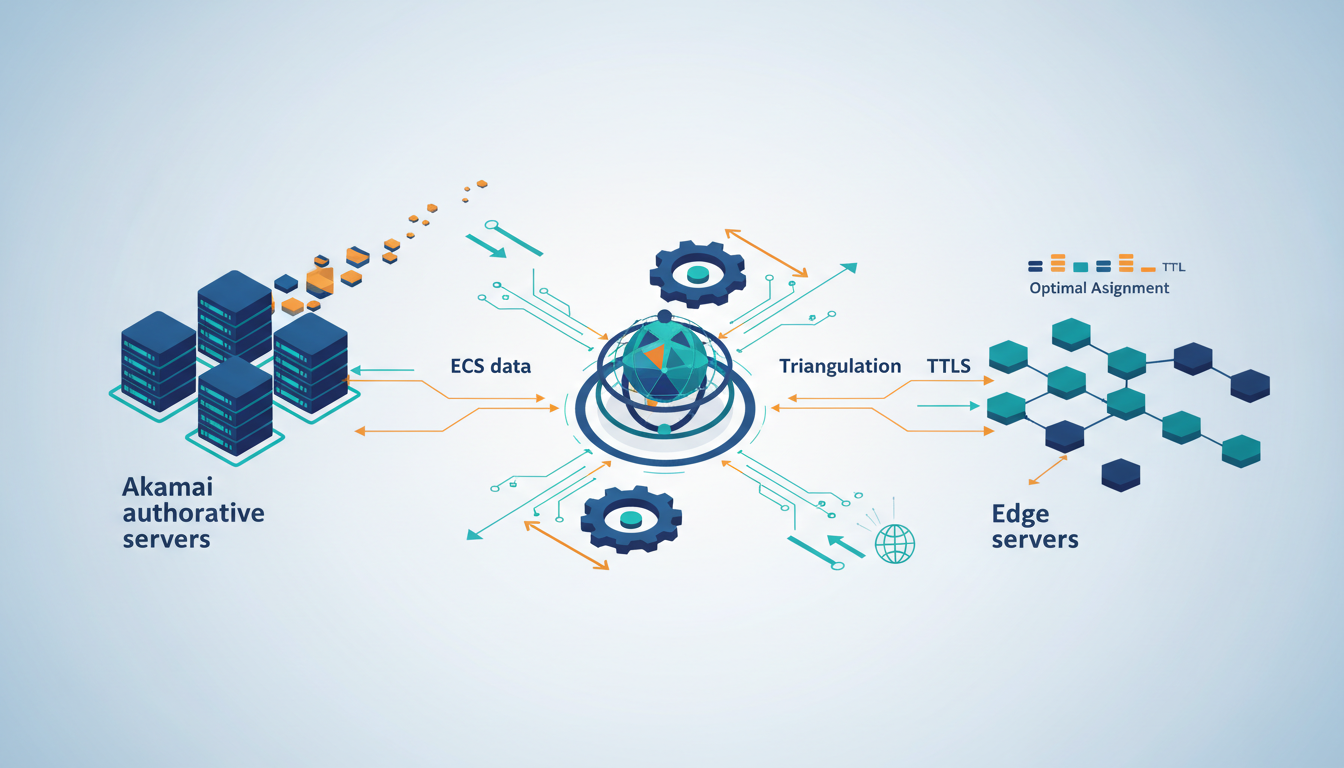
Akamai moves 15% of global traffic, yet DNS steering fails when users query open resolvers like 1.1.1.1 instead of local ISP servers.
SEE 14 in Belgrade tackles the 2–3% IPv6 growth stall. Join engineers April 21–22 to fix routing gaps before obsolescence hits.
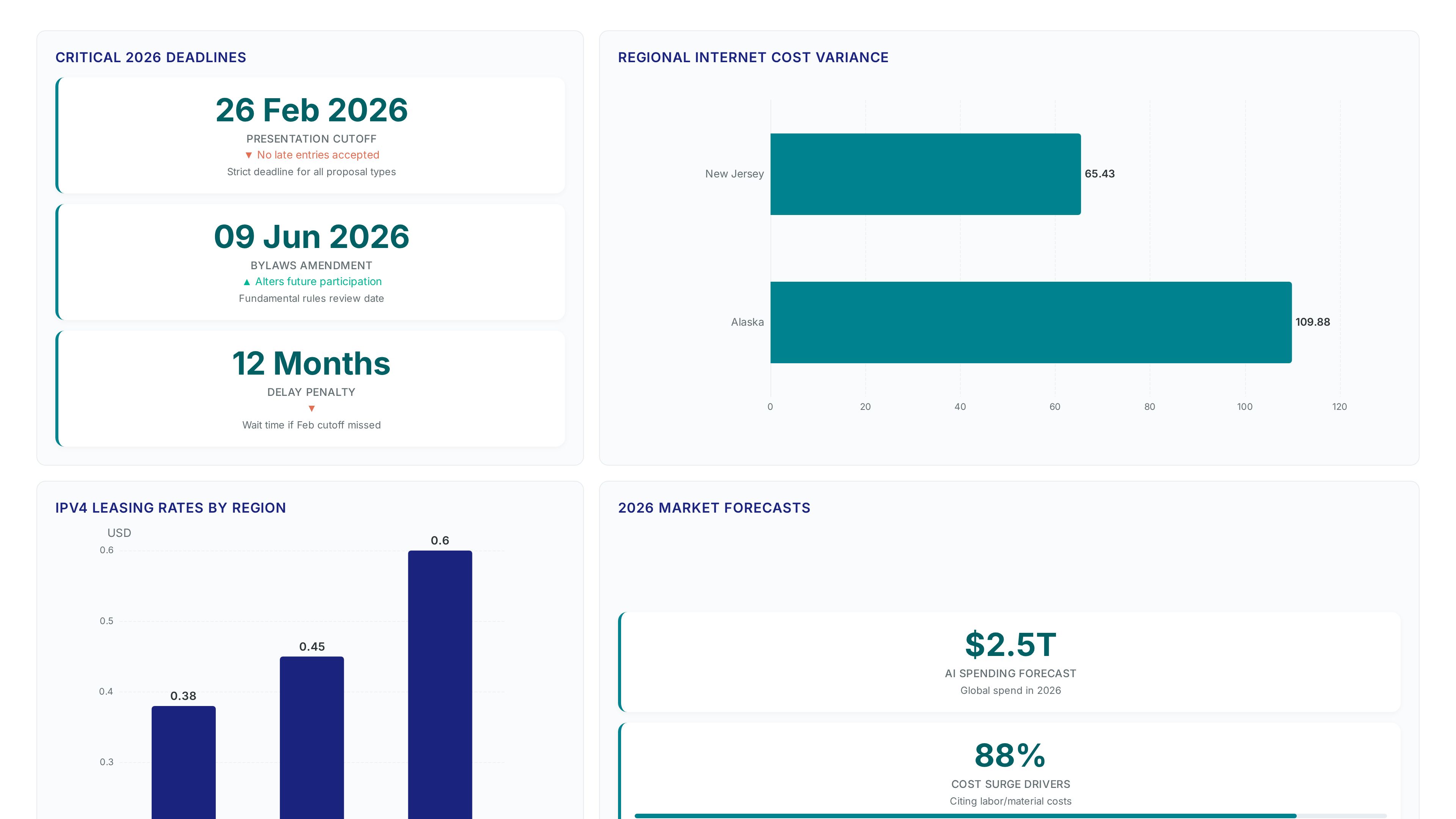
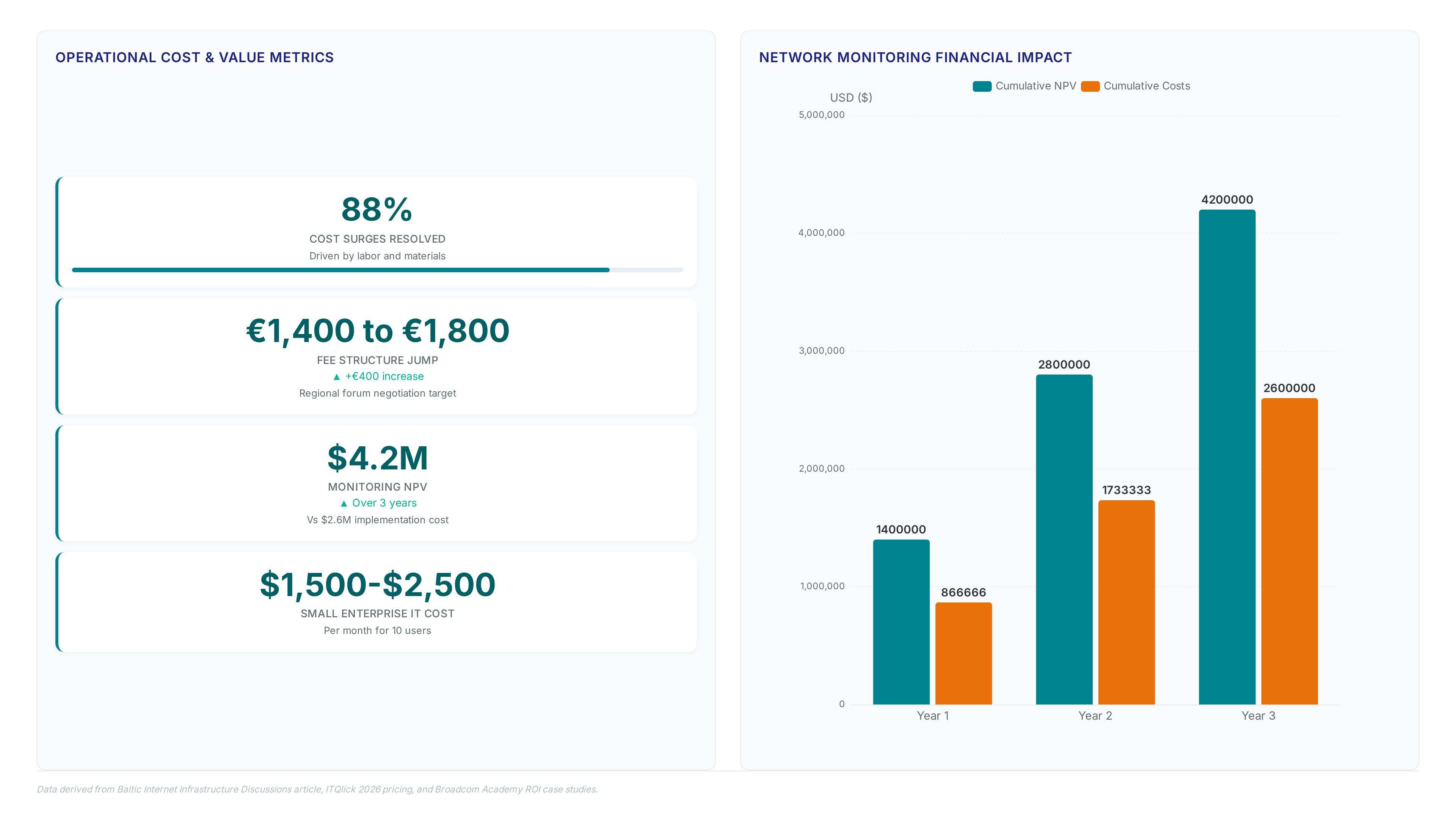
With 88% expecting cost surges, RIPE offers payment extensions to keep Middle East operators online during active conflict and cash flow issues.
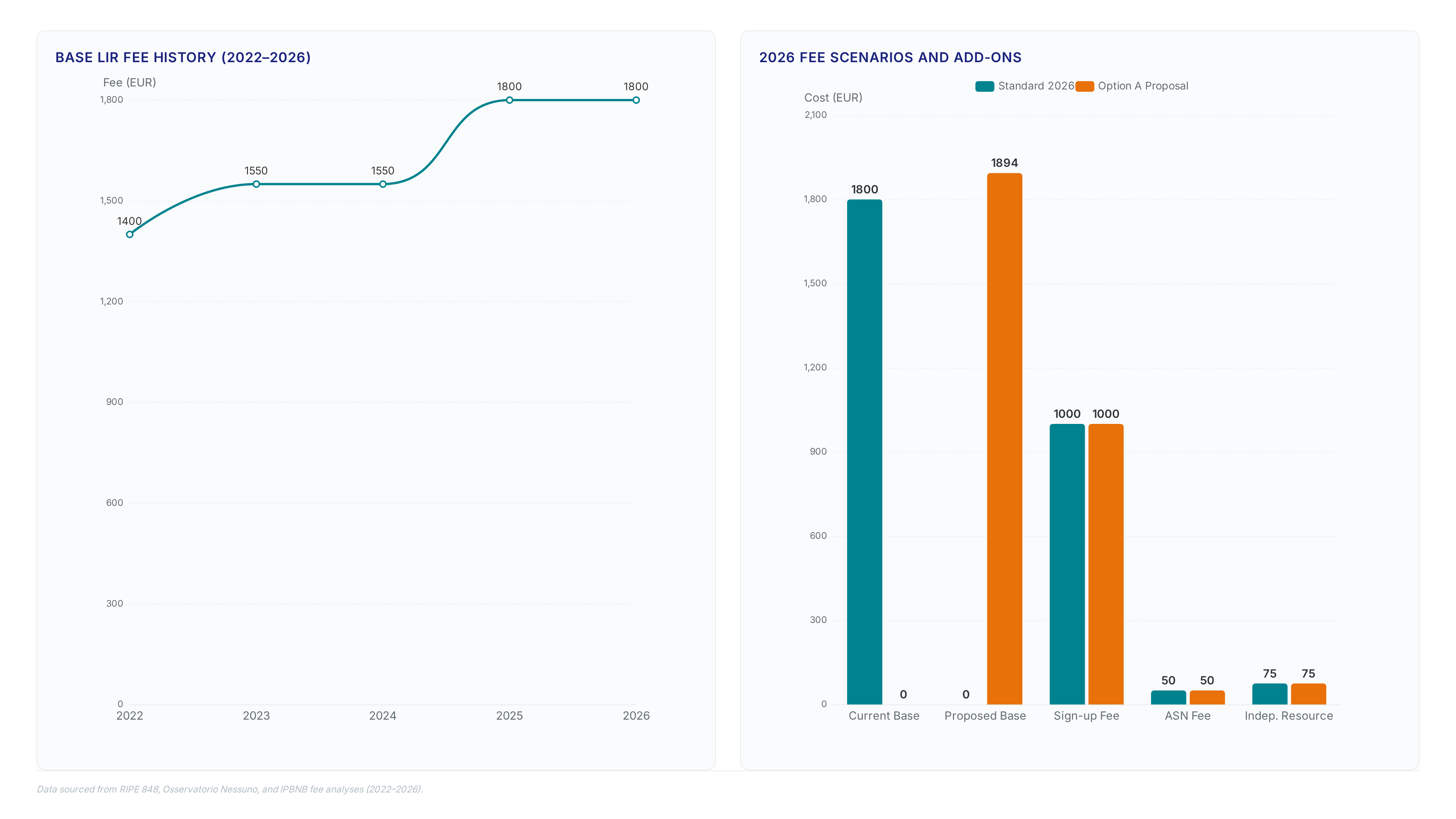
RIPE NCC Annual Report 2025: an IPv4 operator's reading guide to the flat 1,800 EUR LIR fee, the 1,894 EUR Option A vote, and what the report won't tell you.
With only 6% of SSH servers quantum-safe, the 2029 deadline for postquantum crypto is critical for your network security today.
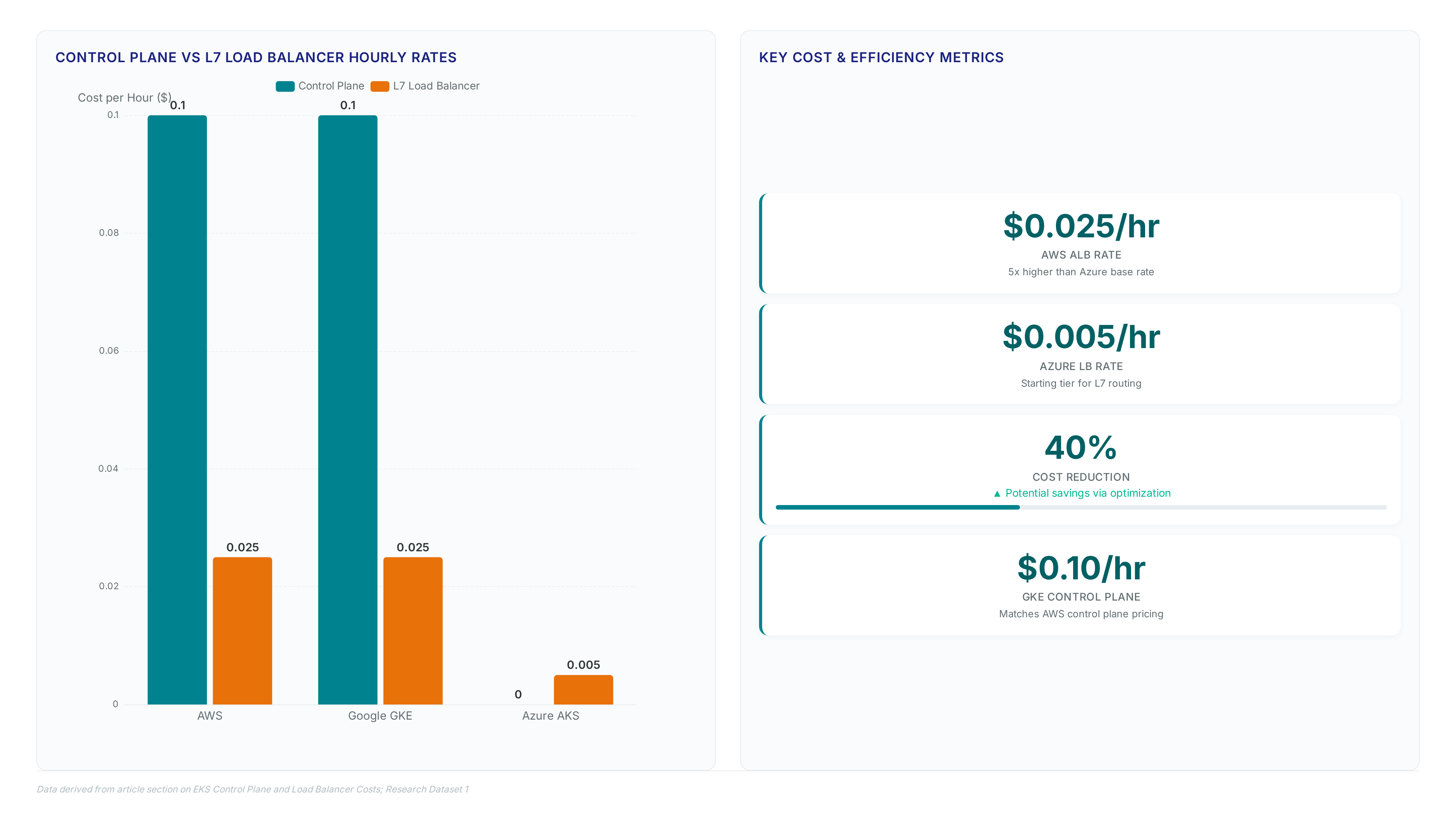
AWS charges $0.005 per hour, making an idle IP cost exactly $43.80 annually. Discover why treating addresses as infinite resources is over.
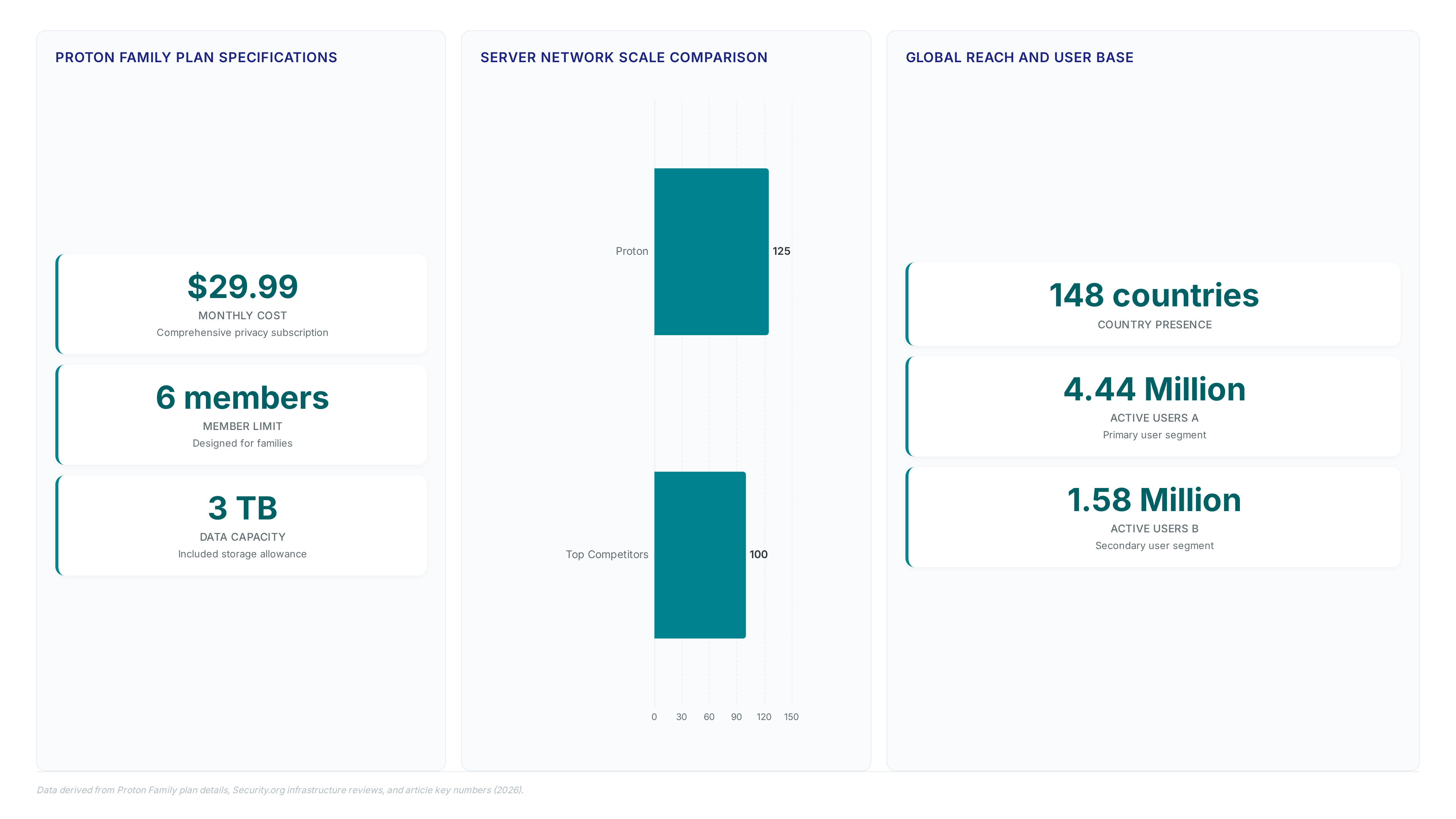
Proton honored 8,313 legal requests in 2025. See how US infrastructure undermines Swiss privacy claims for millions of users today.
Recent data shows a weighted average of $19.56 per IP. Discover how to execute valid secondary market transfers and avoid costly routing failures now.
Explore how the original 16-bit format offers exactly 65,536 unique IDs and why strict RFC1930 compliance prevents critical routing conflicts today.
Alan Barrett died one day after ICANN moved to defend AFRINIC. What his career reveals about the registry's single point of failure.
AFRINIC is the last RIR with free IPv4, and an institution in legal crisis. Why operators must price registry risk before sourcing from Barrett's pool.
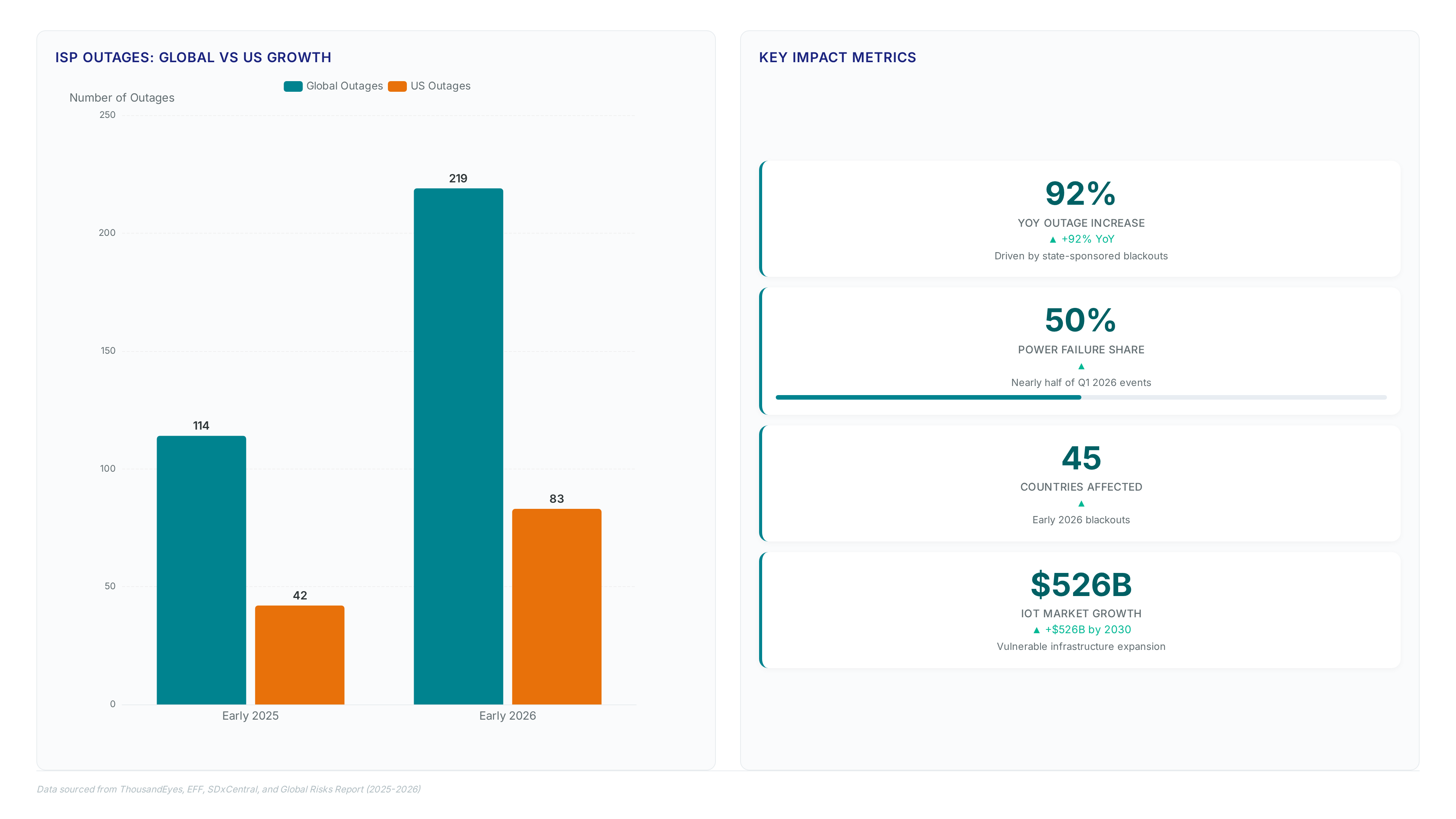
Global ISP outages surged 92% in Q1 2026. See how CHINOG 13 uses peer data to harden Midwest infrastructure against cascading failures.
The new regnr attribute resolves identity ambiguity for 2.6M objects. Learn how this April 2026 update prevents legal disputes over your IP resources.
RADIUS 1.1 fixes BlastRADIUS by moving integrity into a TLS tunnel. Why operators should secure servers before the edge, and verify Message-Authenticator.
ARIN retired email recovery and added passkeys in May 2026. Why a single-admin ARIN Online account is now an operational liability, and the fix.
See how 11 route leaks since December caused a 12-hour outage. Learn why weak export policies, not spies, break BGP stability today.
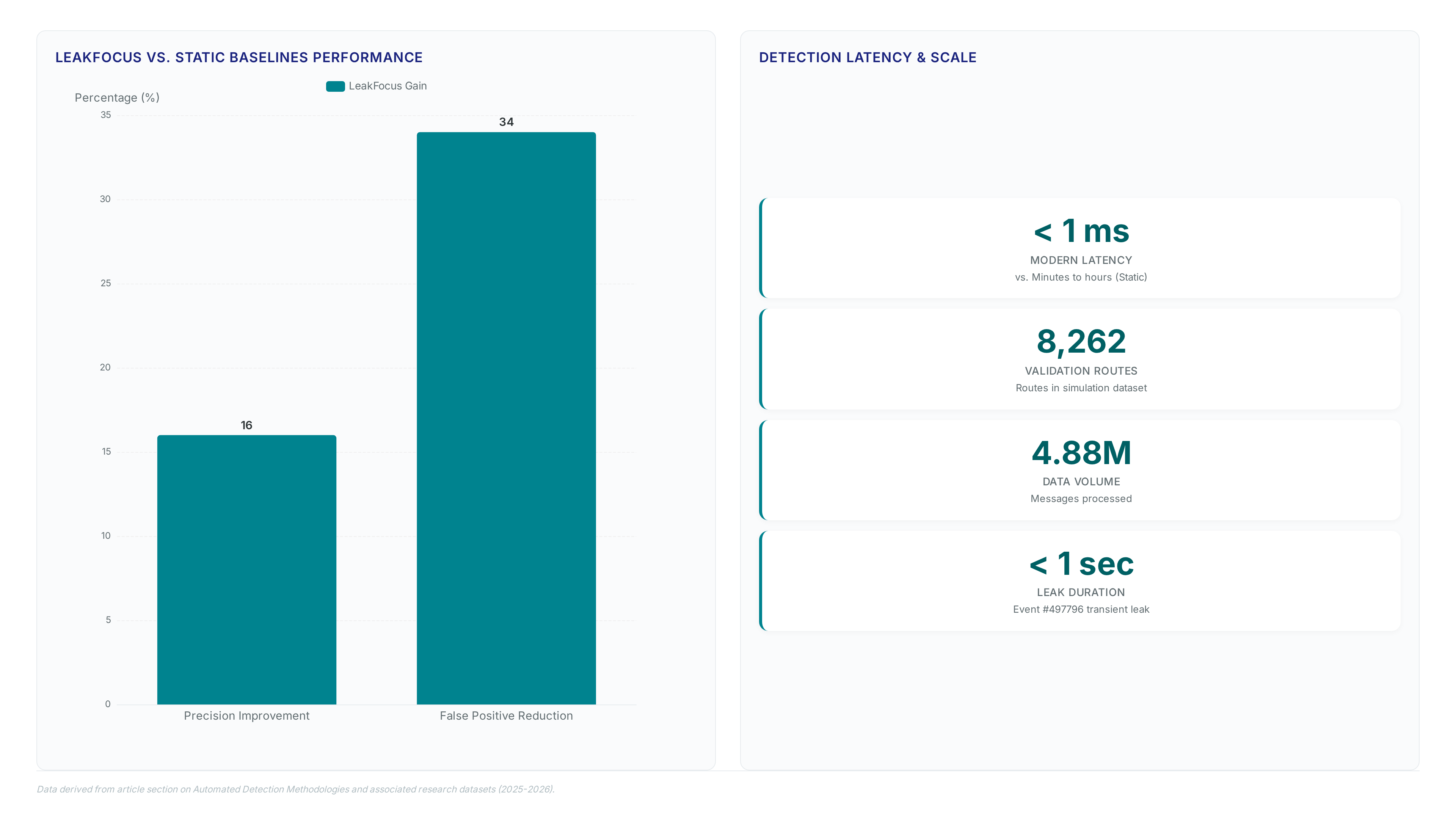
Ephemeral leaks are short-lived BGP convergence artifacts, not attacks. How to triage Cloudflare Radar leak alerts and why RPKI alone won't fix them.
RIPE's Q2 2026 plan targets nine domains as power demand triples by 2030. Learn how to validate routes before the grid constrains growth.
Seventeen new fellows join seven technical tracks to shape policy across 75 countries, ensuring skilled operators guide our shared infrastructure.
RIPE seeks volunteers by 6 March 2026 to resolve IP disputes. As IoT hits 21.9 billion devices, human arbiters remain essential for governance.
City-level accuracy for mobile IPs drops to 65%. We confuse registered economy data with physical deployment, creating critical mapping errors.
Bidding wars are out. IPv4 operators now demand fixed-price models to lock in procurement costs and kill speculation.
Cyclone Gabrielle exposed how unstructured data hides shared risks. Learn why the Open Fibre Data Standard is critical for 2027 resilience planning.
Cloudflare extended CASB support to the Claude Compliance API on 21 May 2026, enabling agentless monitoring directly in the dashboard.
RIPE's new reg-nr attribute publishes verified company registration numbers, but it's partial by design. How to read the reg-nr field without over-trusting regi
DNS attacks cost nearly $1M per incident. See how encrypted transport and session reuse stop eavesdropping before it hits your bottom line.
Indonesia generates 30% of global DDoS traffic. I analyze how Memcached's 51,200x amplification and weak BCP 38 enforcement keep networks vulnerable.
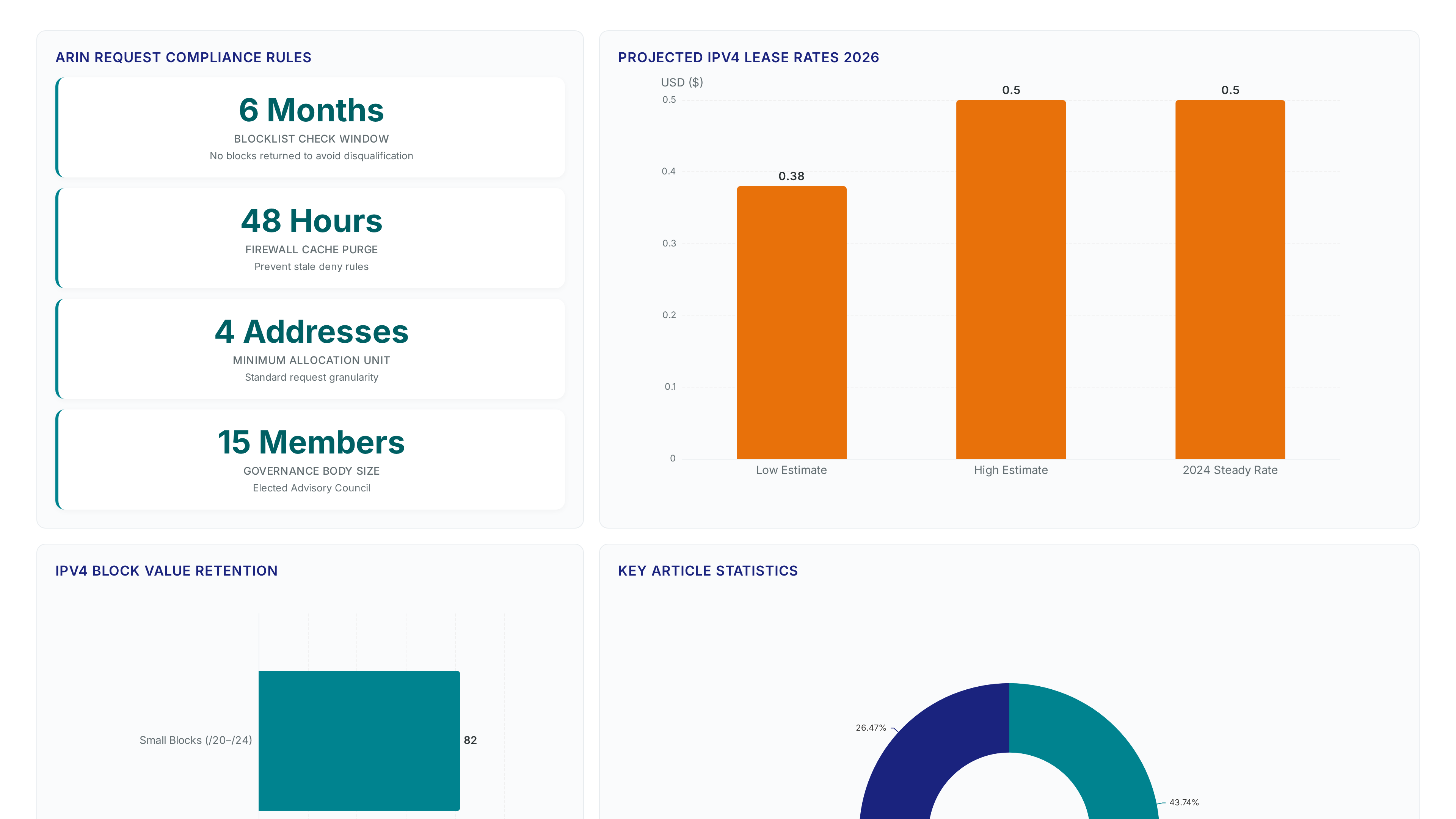
Leasing IPv4 addresses now averages $0.40 per IP, offering immediate relief from exhausted inventories.
Stop manual NAT hacks. Our stateful tracking resolves 10.0.1.0/24 conflicts automatically, ensuring return traffic hits the right origin every time.
See how 71.0% of high-risk prefixes now get RPKI coverage. Local mirrors in Hangzhou cut latency for Chinese ISPs today.
APNIC's Hangzhou RPKI mirror with NNIX cuts validation latency for Chinese operators, but a faster fetch of a 'not found' verdict protects nothing until ROAs ar
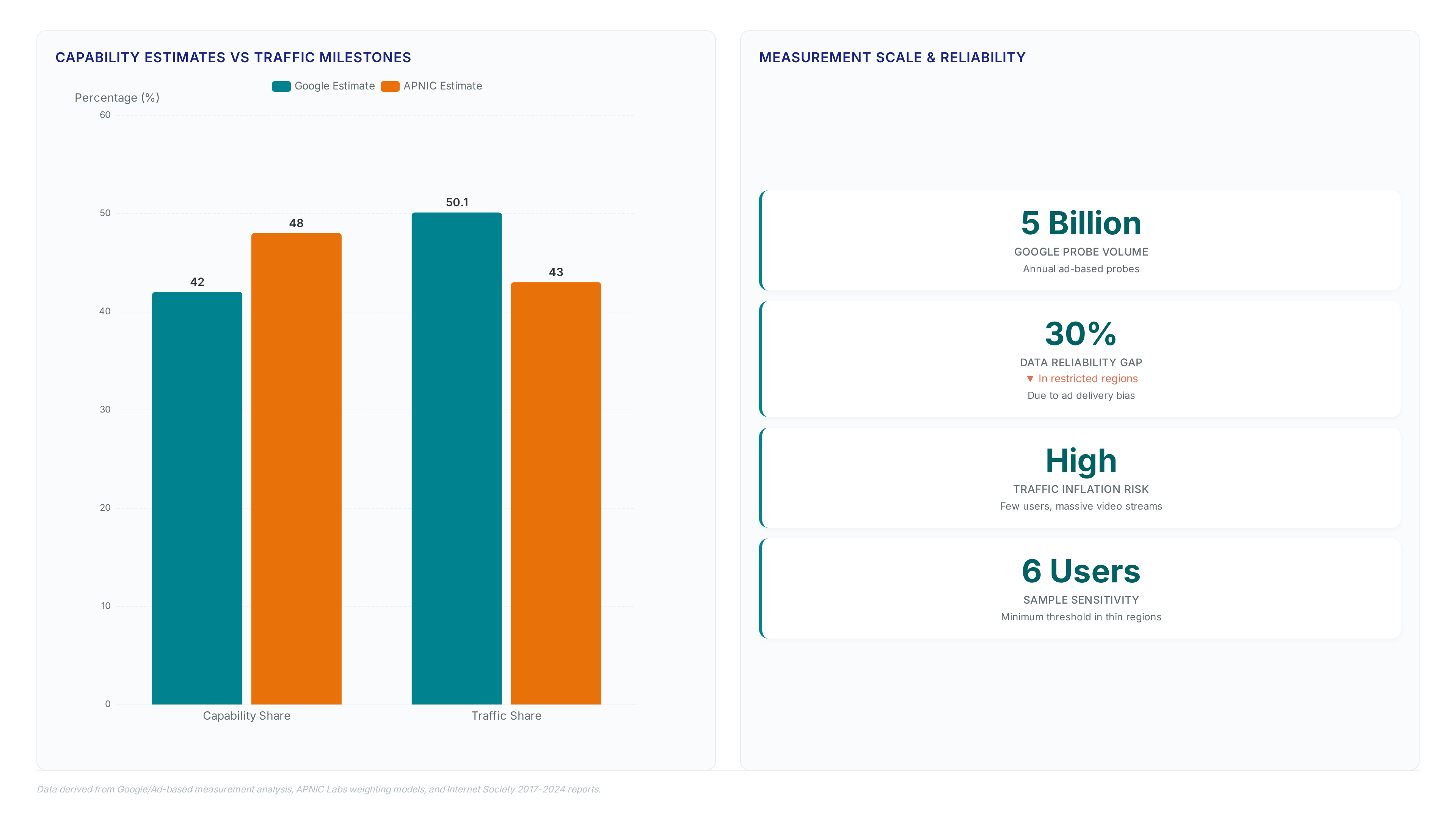
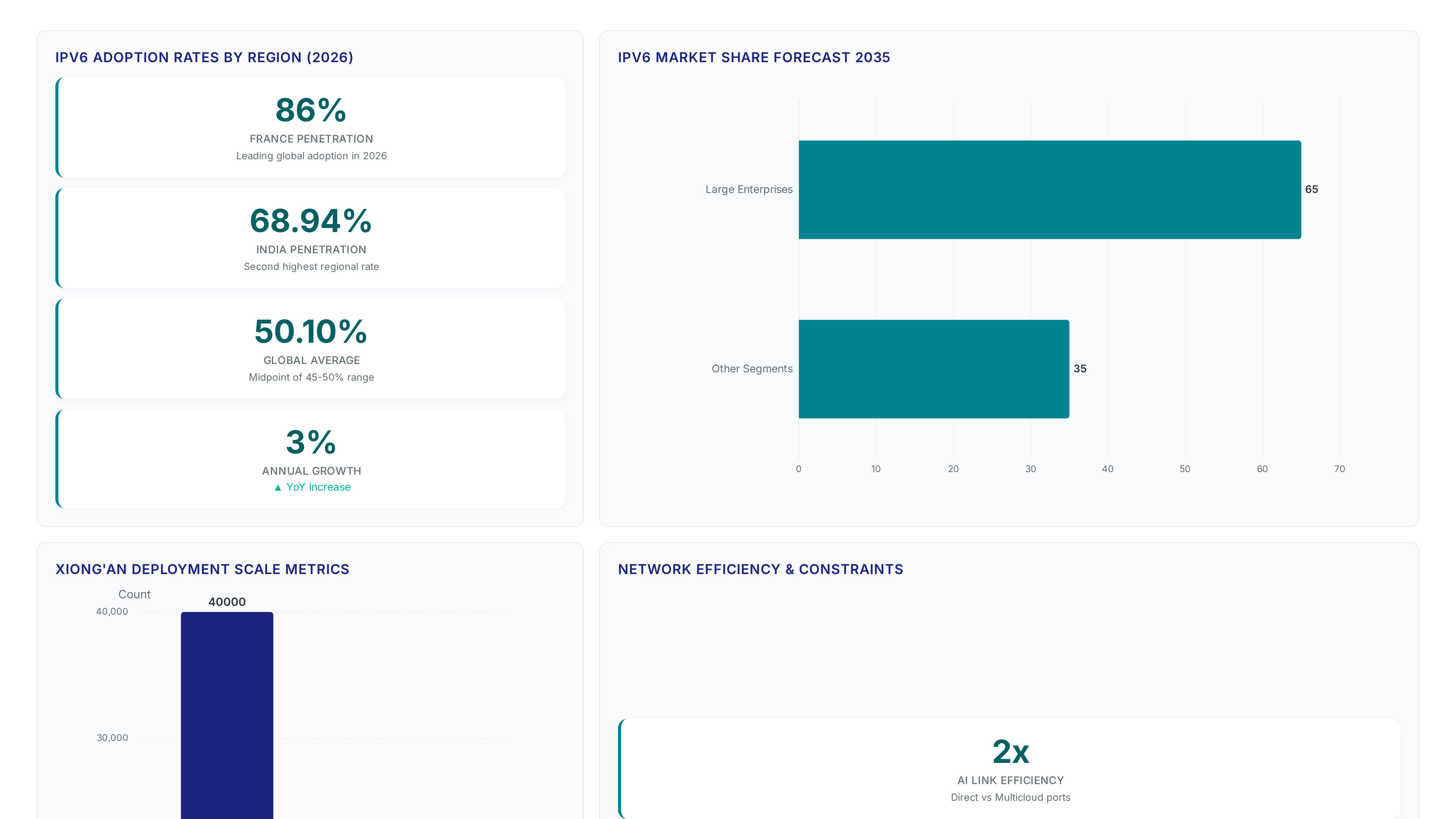
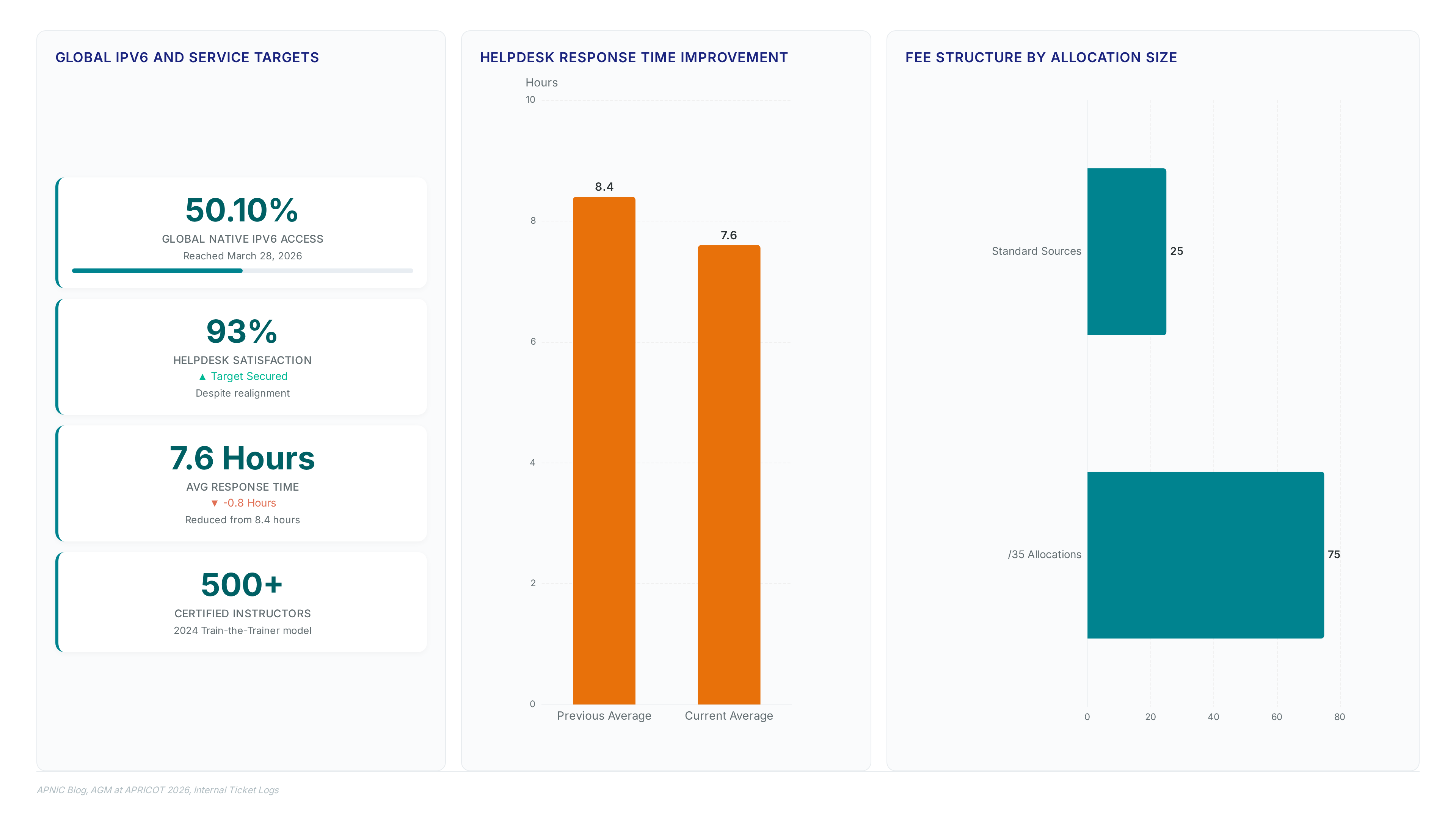
With 50.10% of global traffic now on IPv6, ignoring unmanaged entry points is a governance failure. Learn to frame this as a board-level liability.
With IPv6 access hitting 48.8%, unmanaged dual-stack environments create blind spots. Learn why technical pleas fail and governance is the only fix.
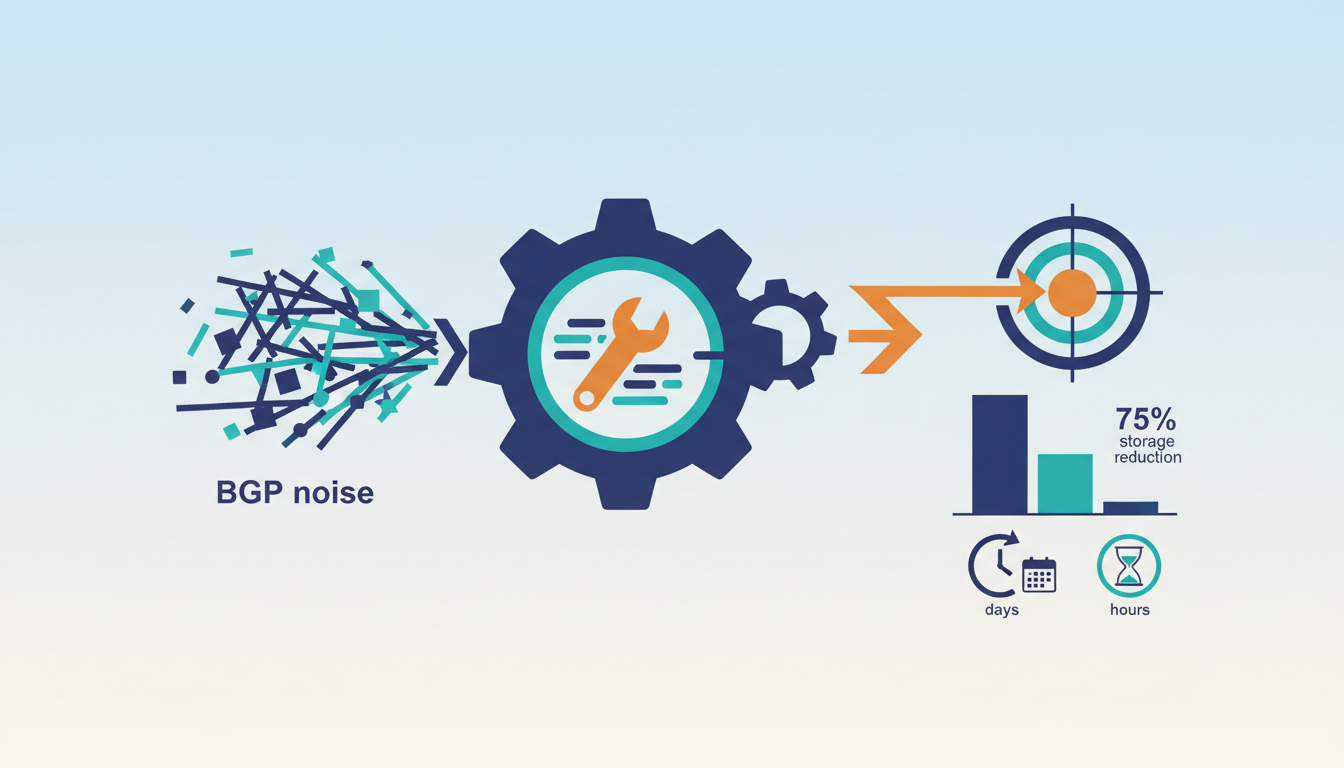
Stop storing 1.44TB daily. rpkispool uses CCR to compress 40GB of RPKI data down to just 216MB for feasible long-term archiving.
See how rpkispool cuts RPKI storage from 1.44TB daily to just 62.86GB using smart deduplication for better validation.
See how unified strategies cut unplanned downtime by 61%. Manual CLI is too risky for modern AI-driven workloads.
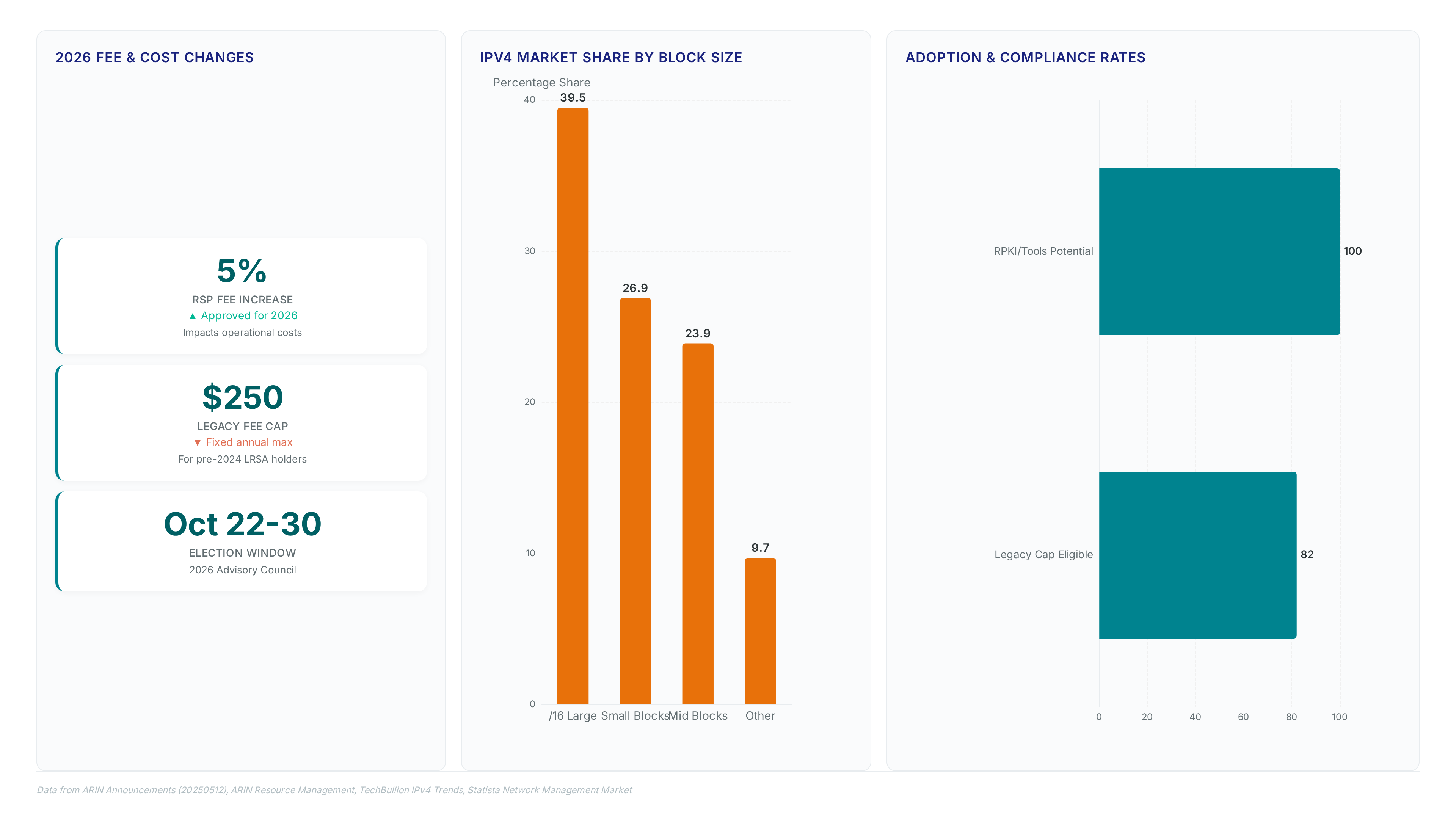
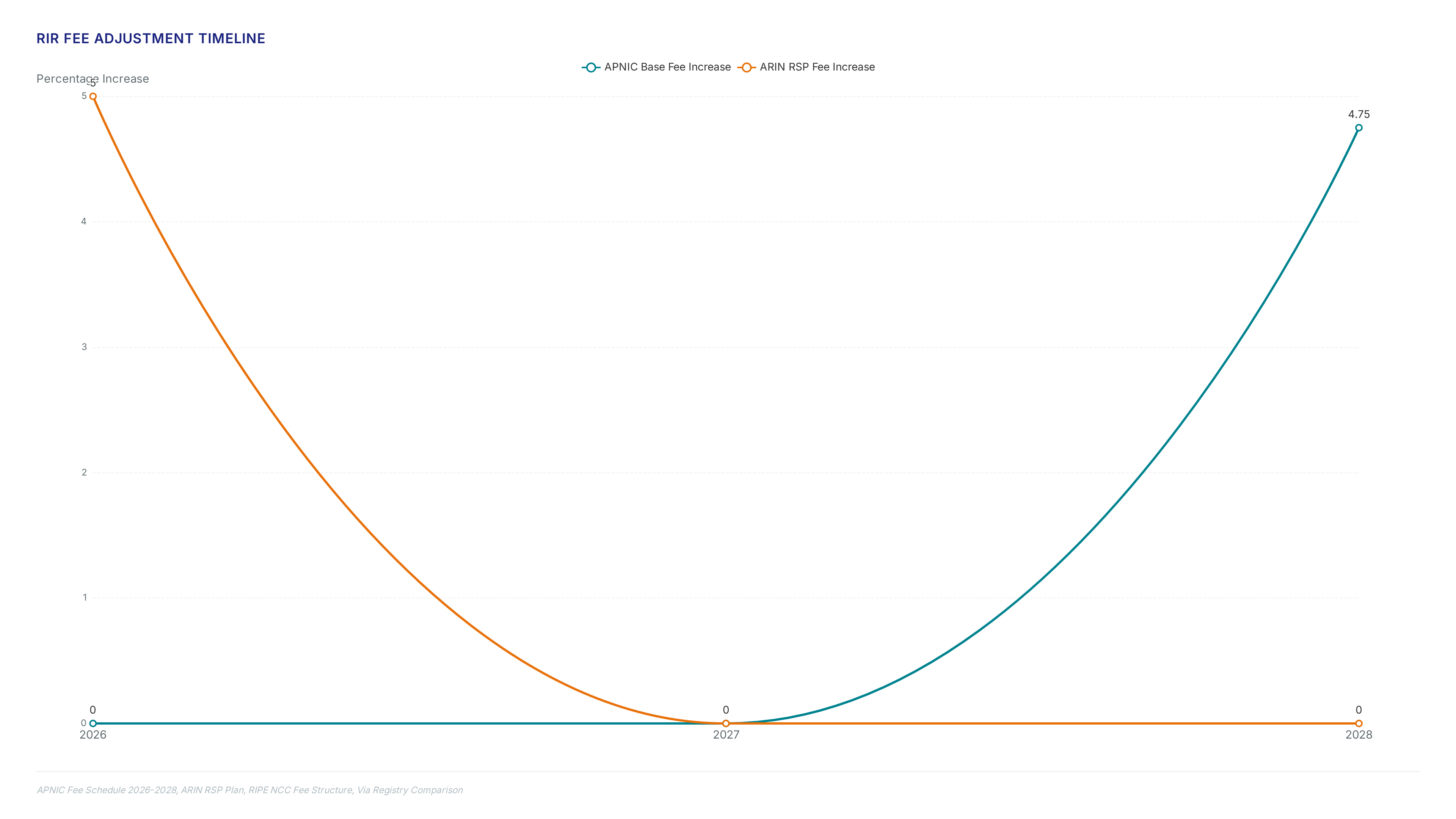
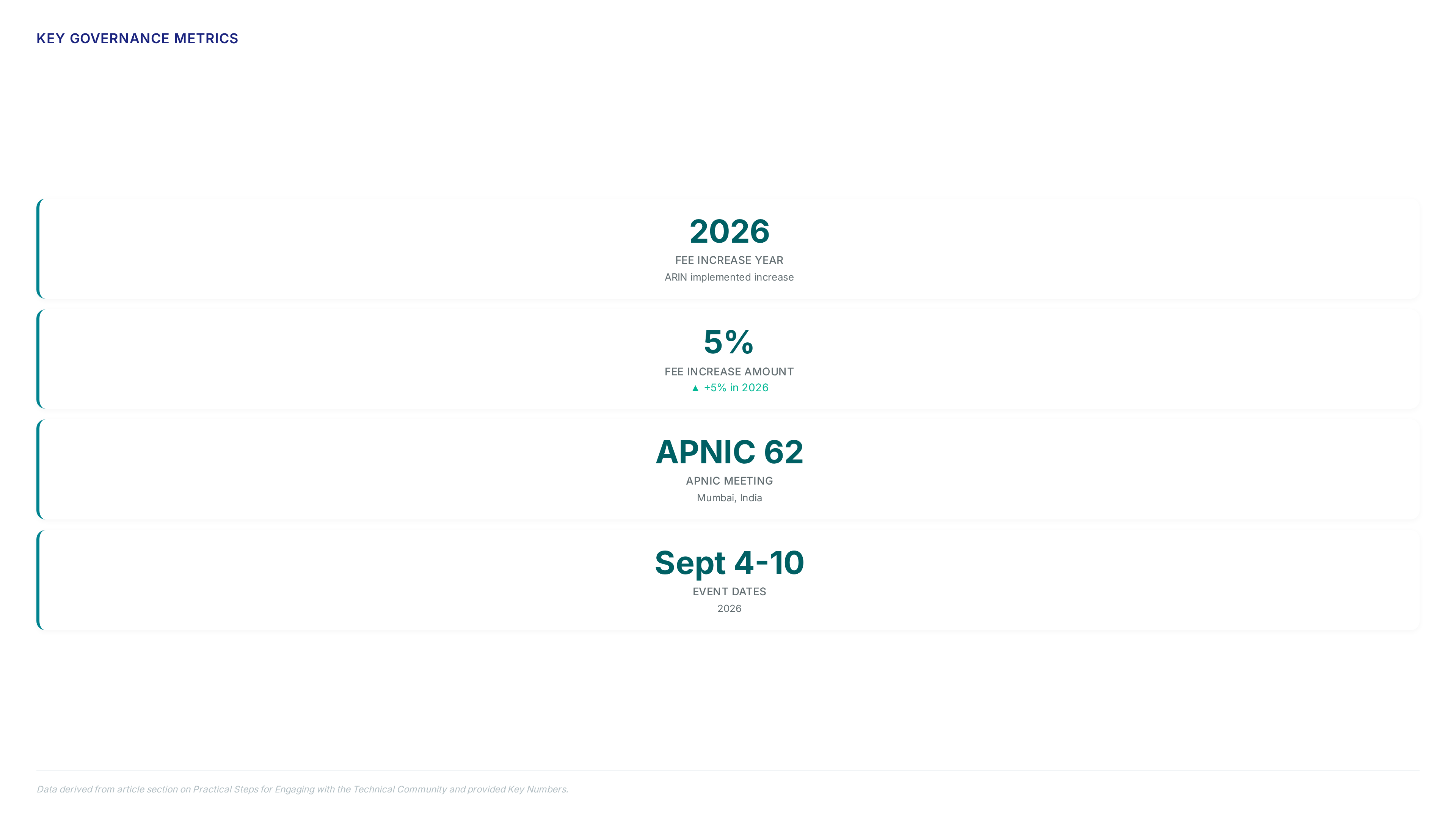
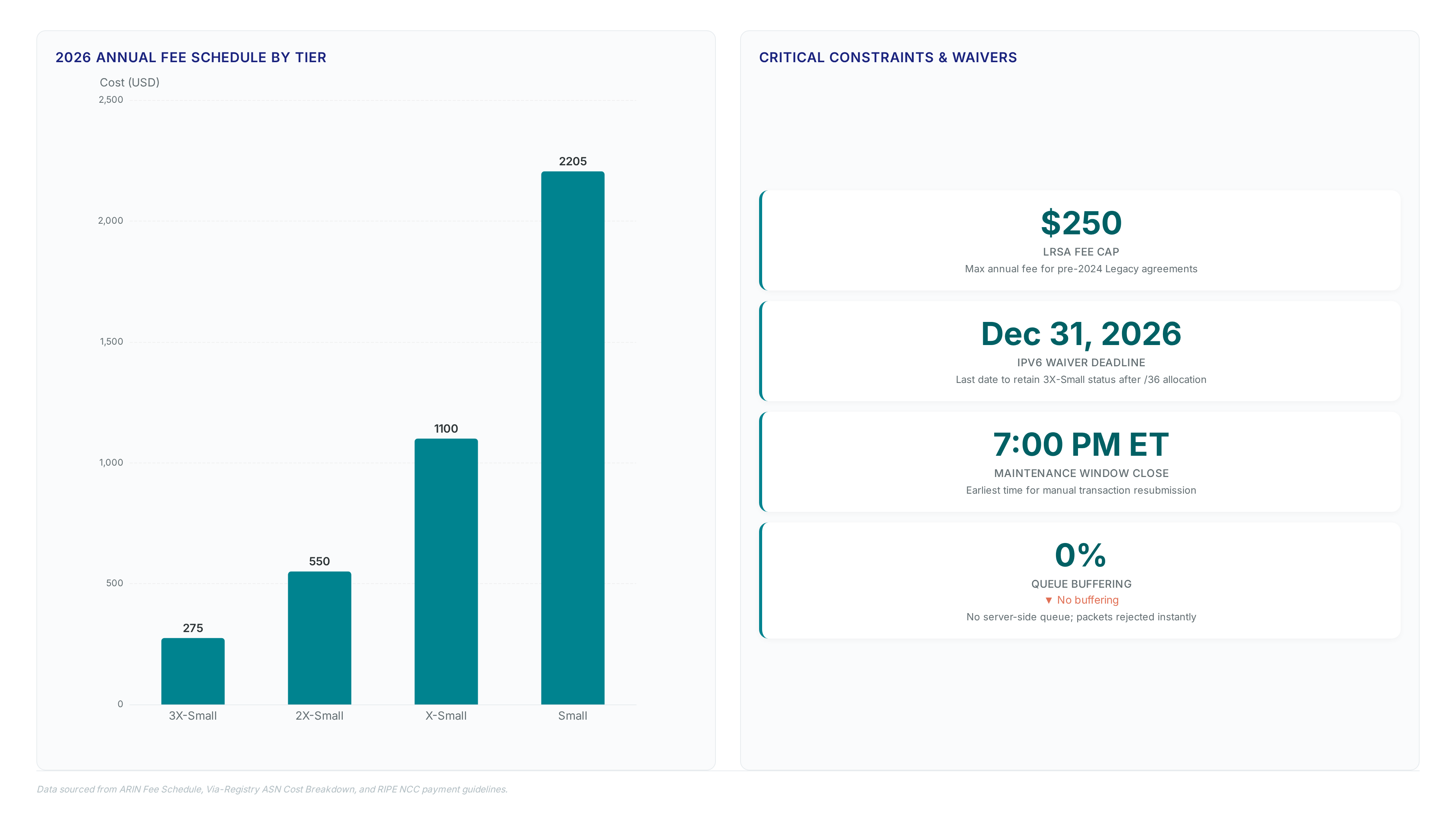
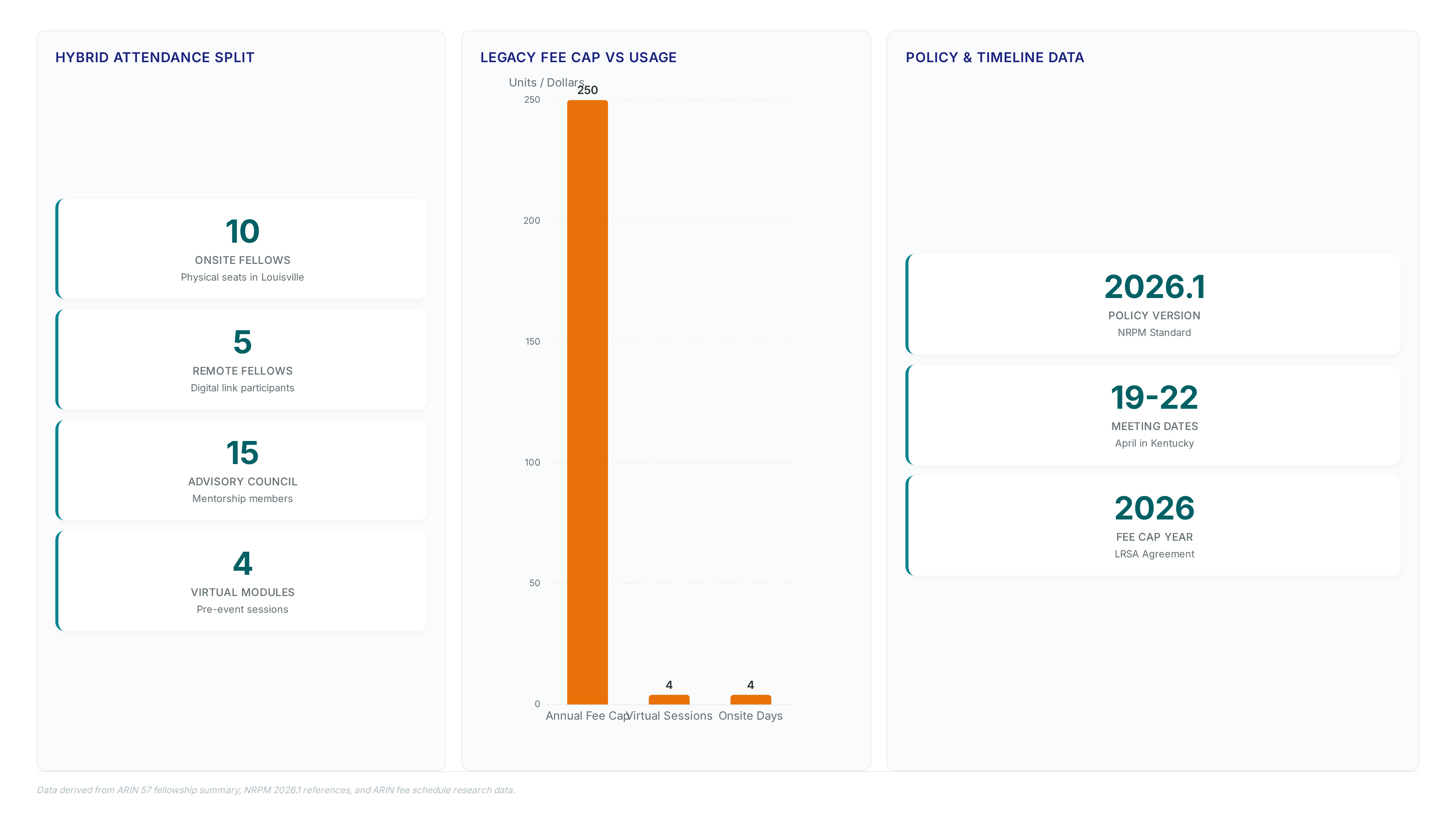
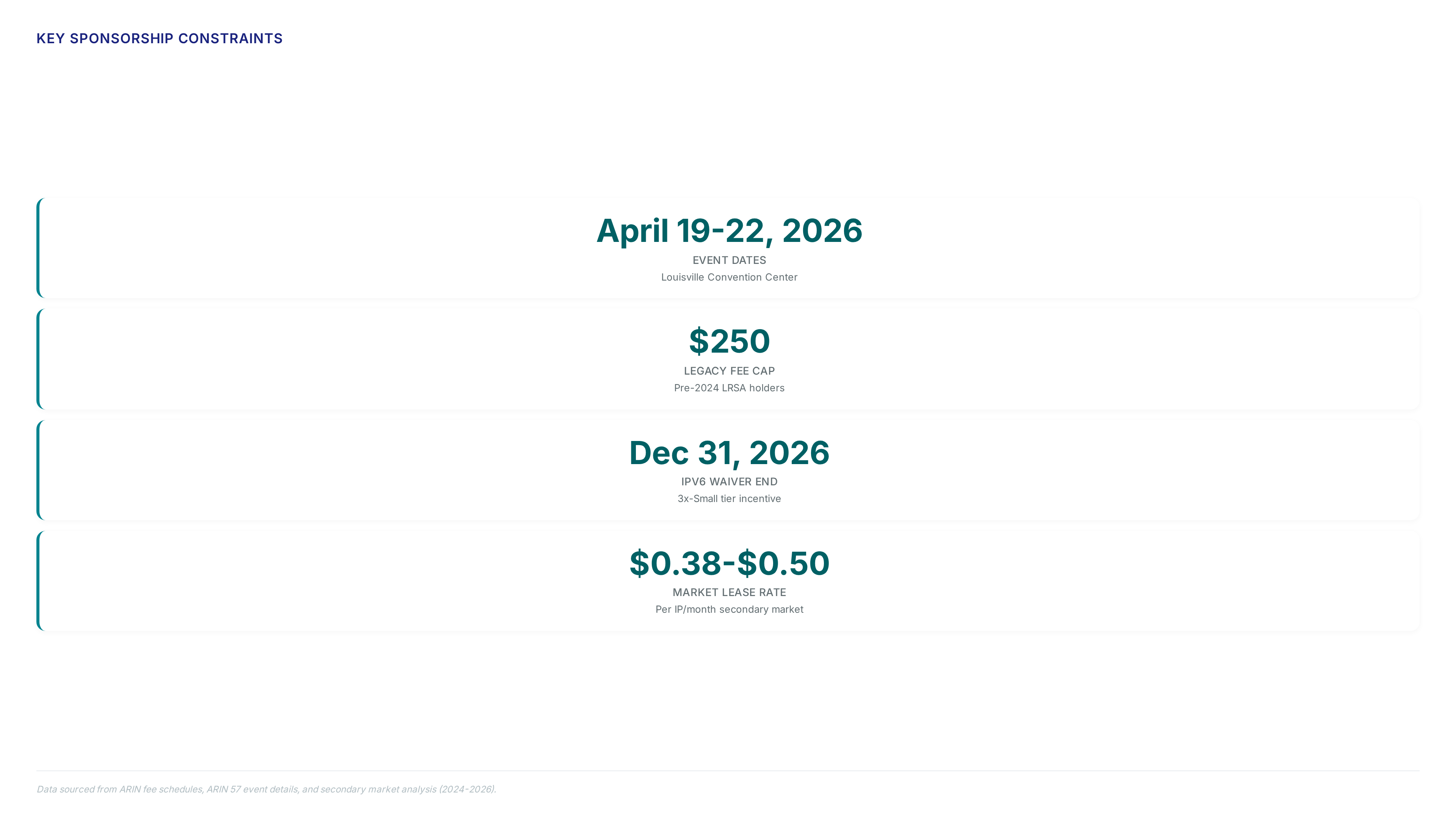
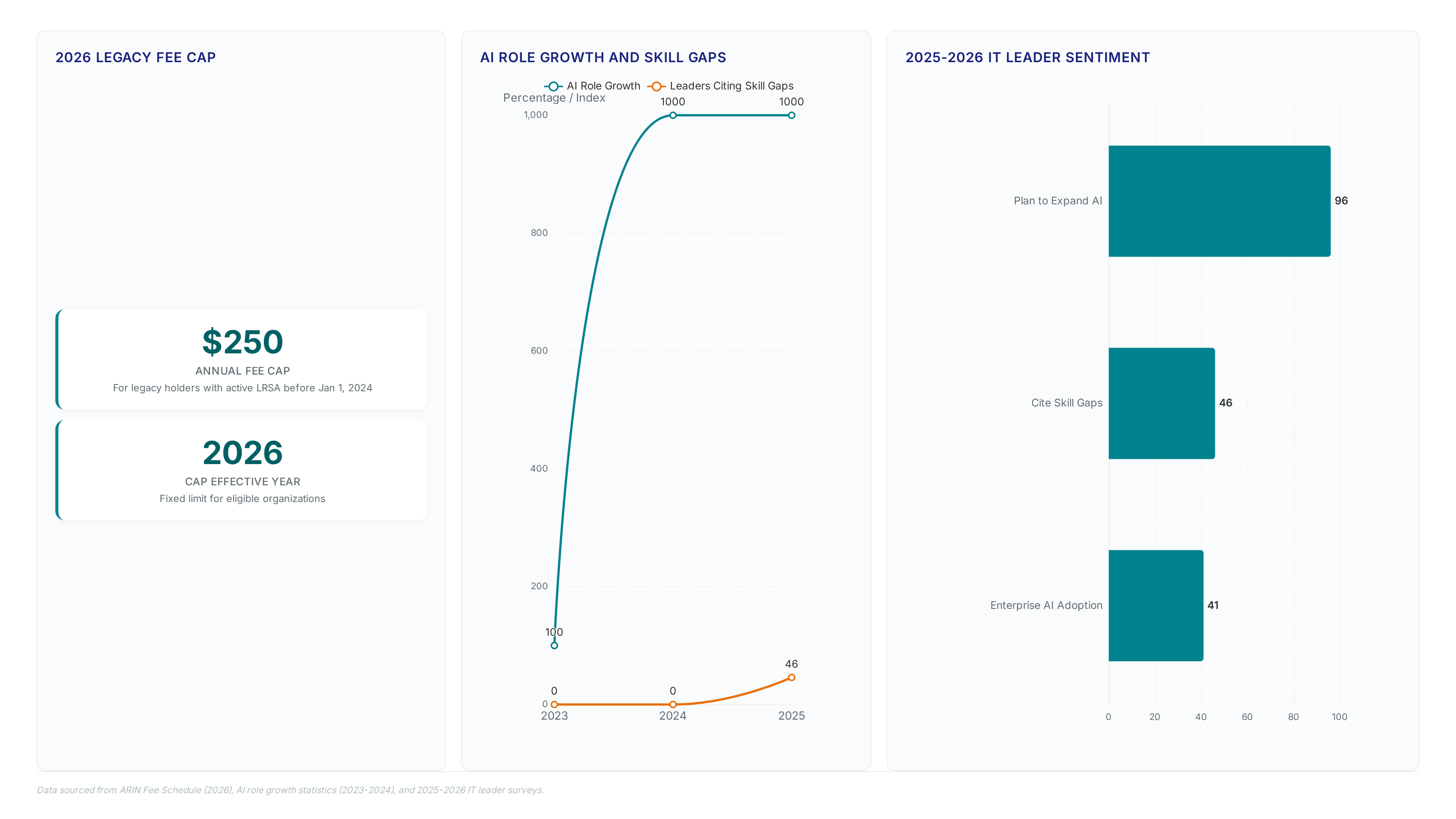
ARIN's Board approved a 5% RSP fee increase for 2027. It hits active registrants, not the $250 legacy cap. Here's what changes, and the one date that decides wh
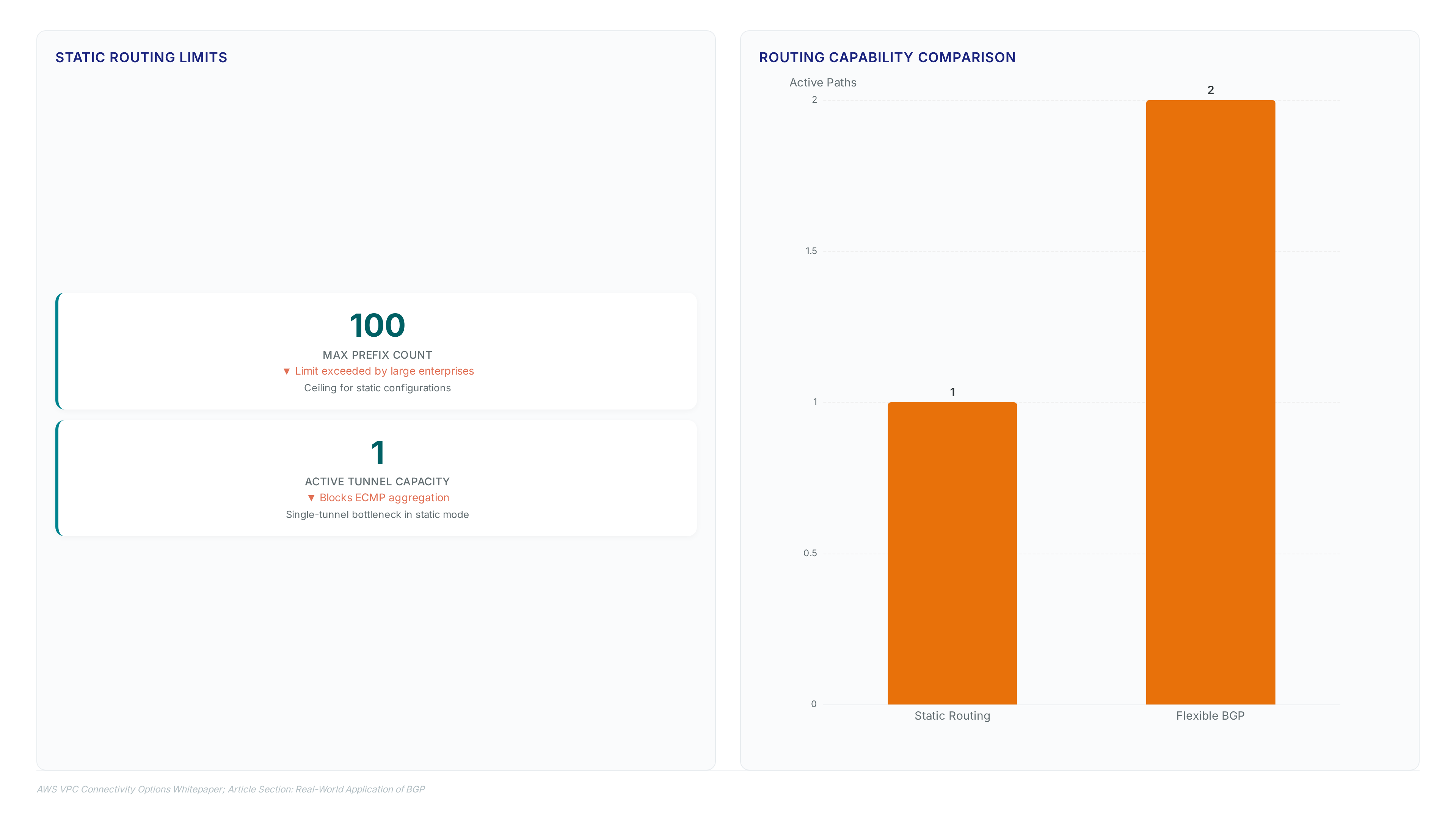
Stop manual tunnel management. Flexible BGP supports 140,000 packets per second and automatic failover for resilient AWS networks.
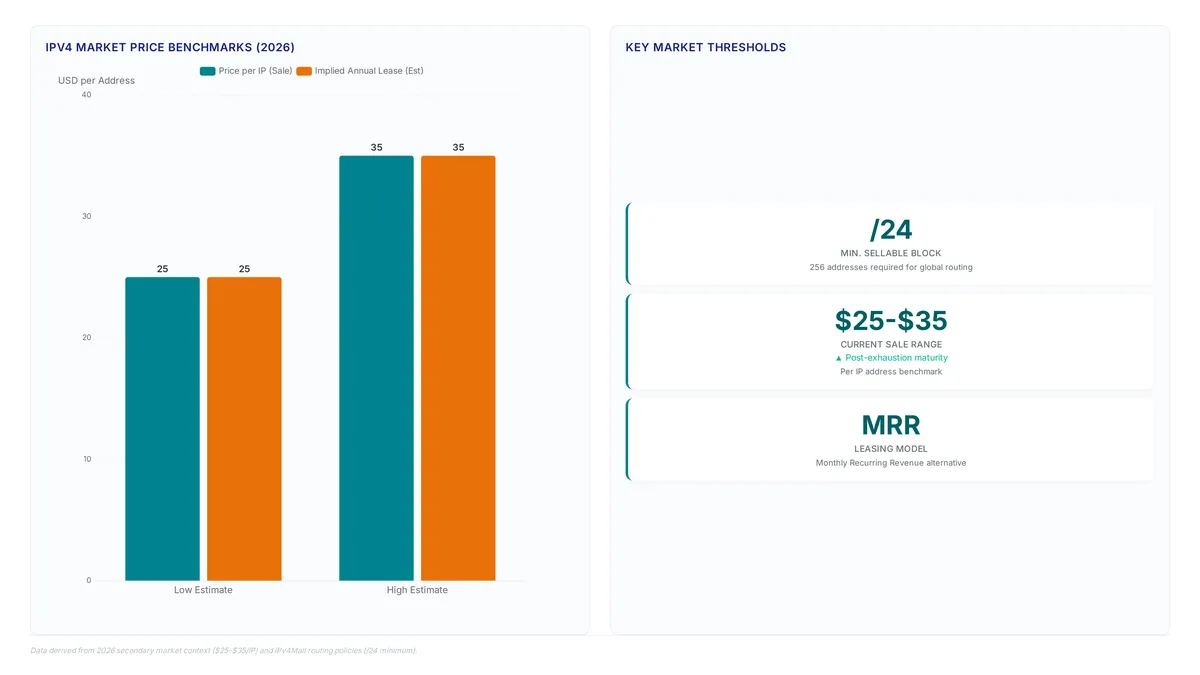
Buying an IPv4 address in 2026 costs between $18 and $45 per IP, while leasing runs $0.30 to $0.50 monthly.
The May 8, 2026 update locks down the RIR Governance Document. I break down the 5 distinct mailing lists shaping these critical global policy shifts.
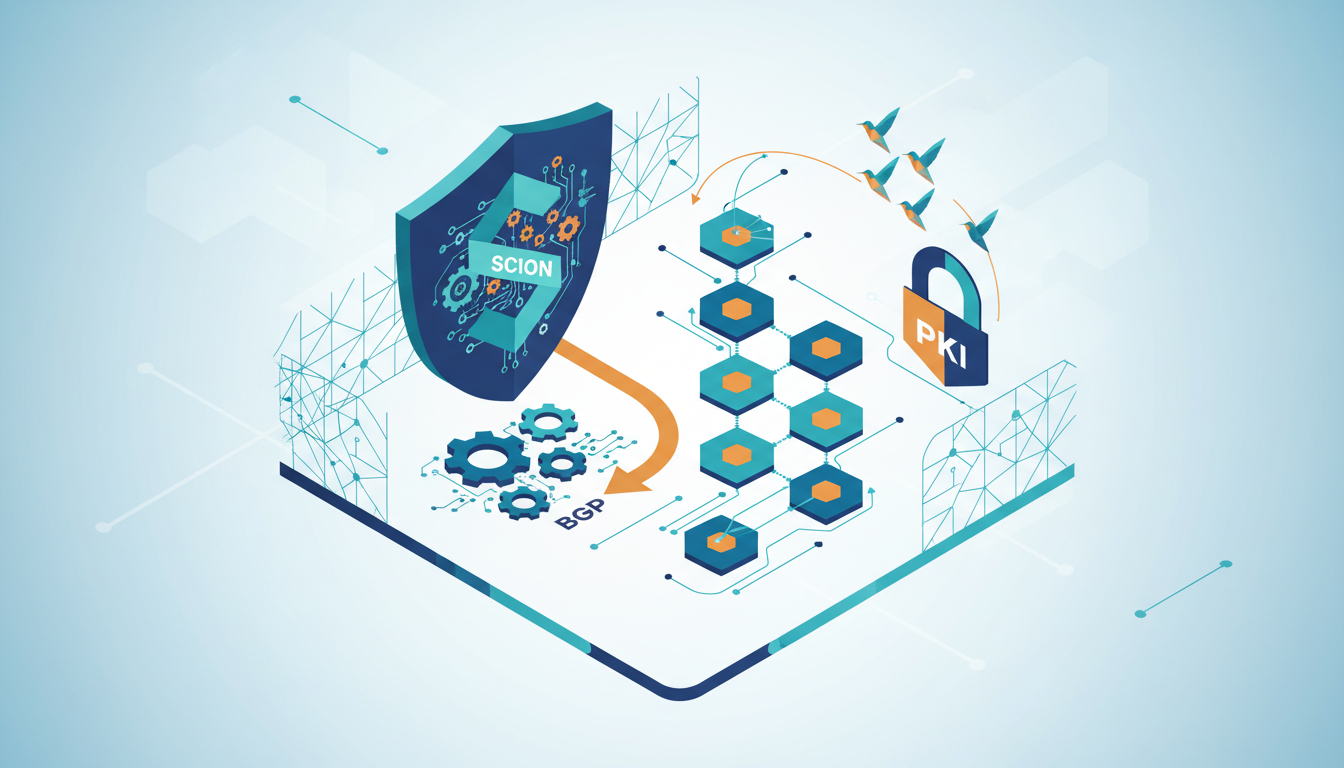
See how SCION connects every Swiss franc bank by early 2026, replacing fragile BGP with cryptographic trust for deterministic financial routing.
See how the 2026 NomCom vets candidates for three board seats managing 39.5% of global IPv4. A clear look at ARIN's election mechanics.
On May 5, 2026, a DNSSEC signature error at DENIC caused mass SERVFAIL outages, proving how fragile validation chains can be.
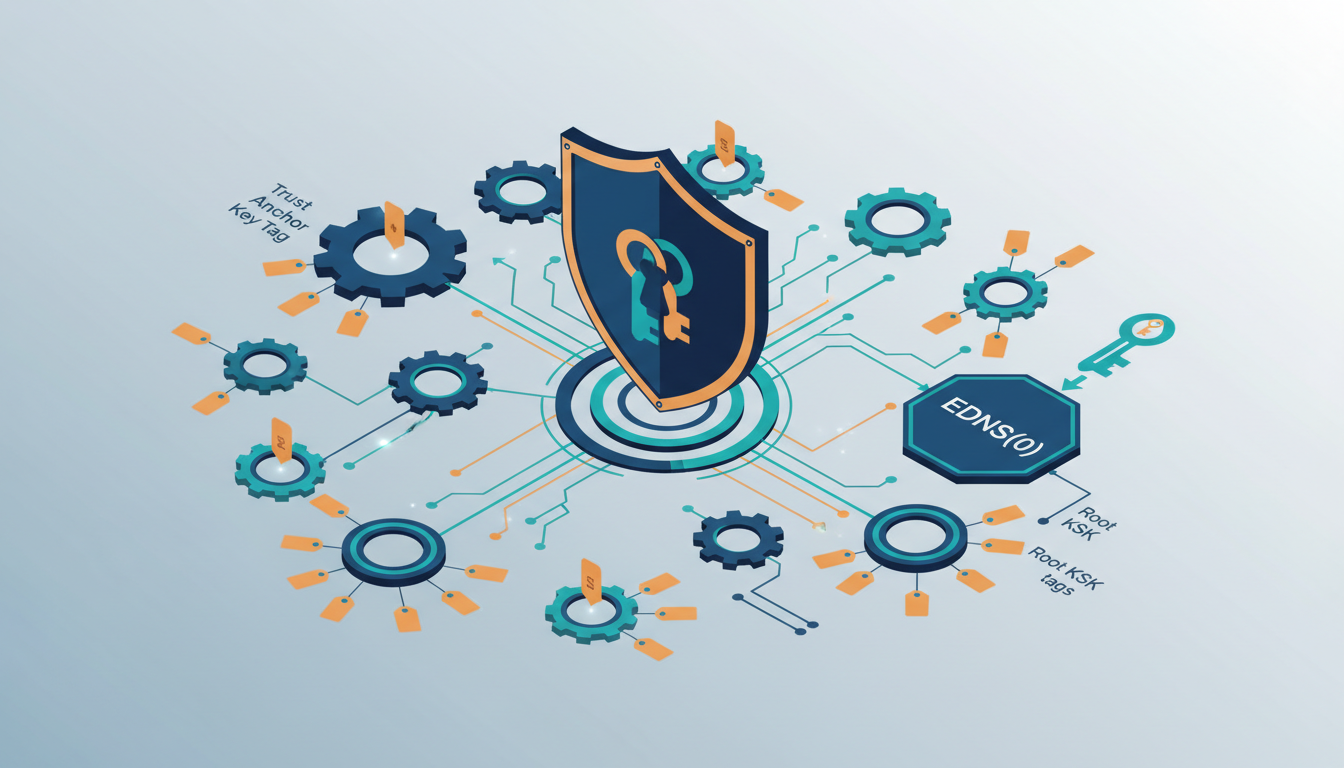
Root KSKs have survived eight years, but NIST warns keys over five years face quantum risks. Learn why rotation is urgent.
The ARIN 57 Meeting Report is an archive, not a to-do list. An IPv4 support specialist reads it for the four dated deadlines that actually touch your address bu
See how APNIC's open process serves 56 diverse economies. Real operators bridge the gap between clean protocols and messy infrastructure realities.
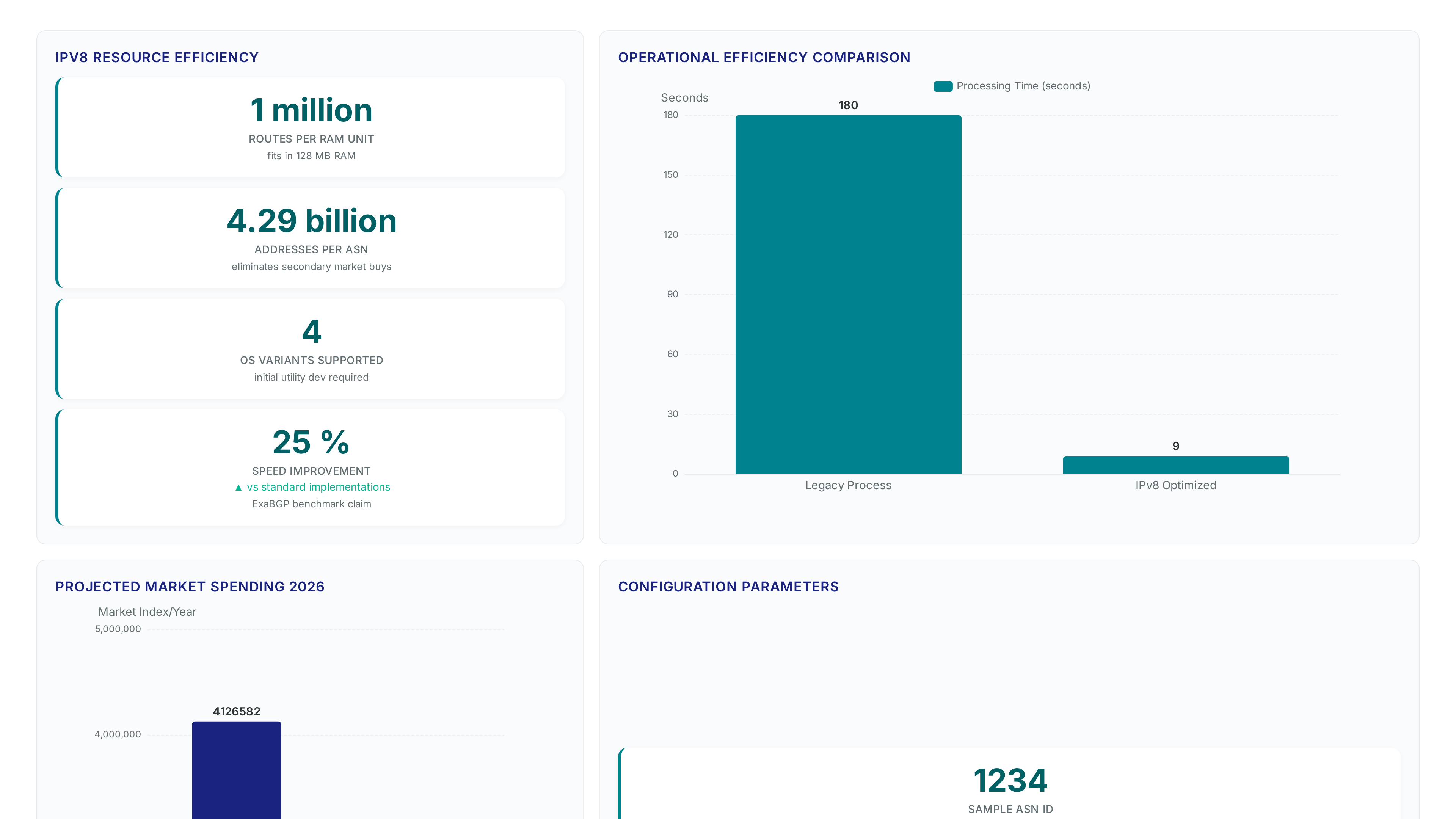
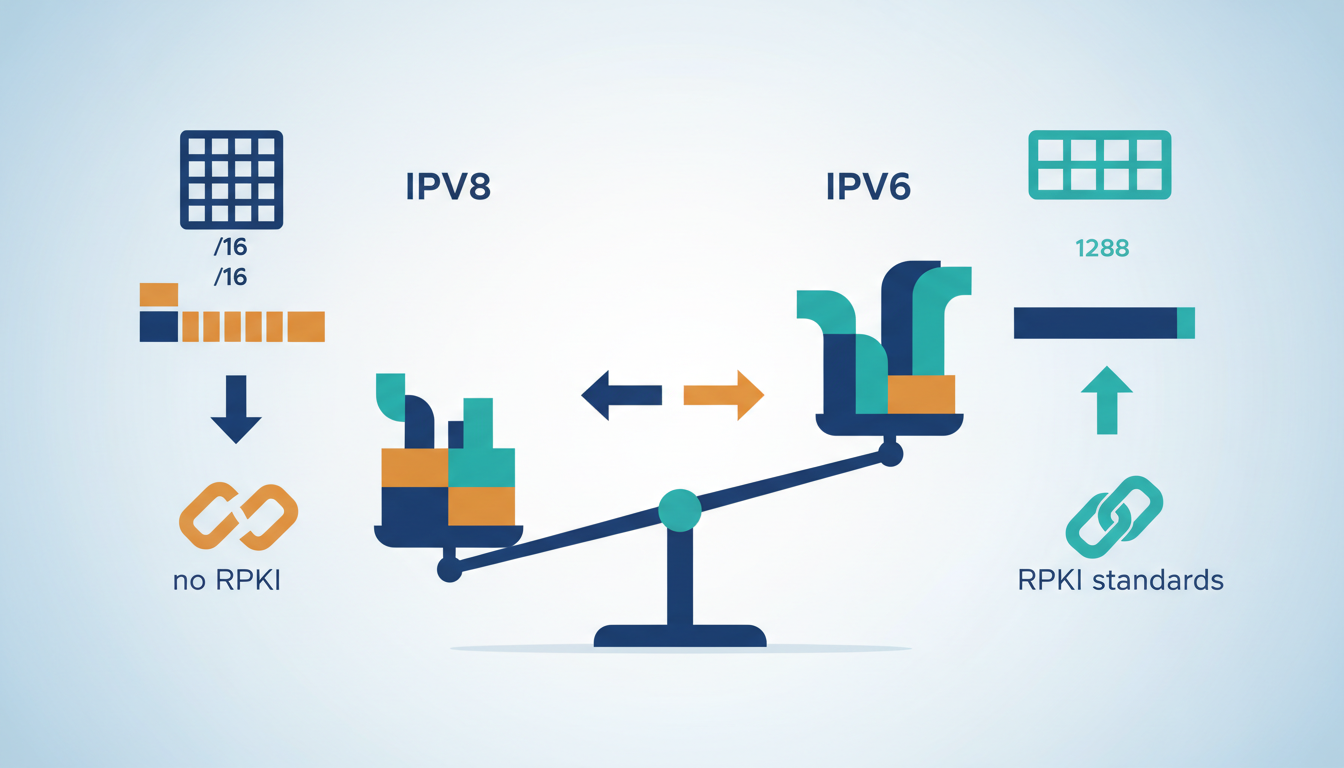
Ryan Hamel ended the IPv8 debate on May 4, 2026. We analyze why doubling BGP state tables creates unsustainable overhead for modern networks.
Jamie Thain's IPv8 draft targets 18 quintillion addresses, but critics warn it demands massive CPU upgrades like the AMD EPYC 9965.
With IPv6 traffic hitting 50.10%, the IPv8 proposal is an architectural dead end. We must optimize existing stacks, not chase vaporware.
Jamie Thain's IPv8 promises 3 billion addresses per ASN, but zero working implementations exist on off-the-shelf hardware today.
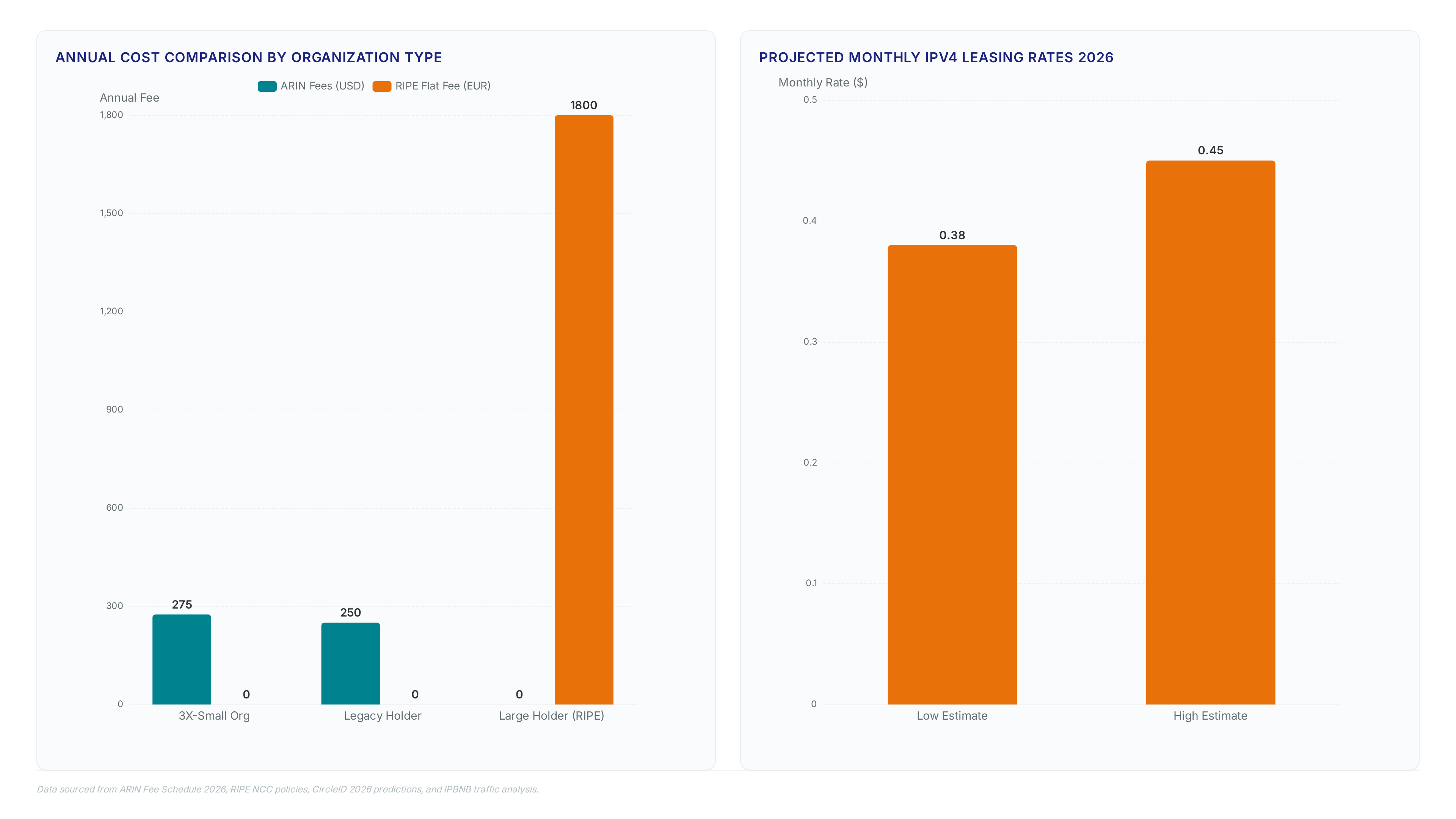
Real enterprise IPv6 sits at 12%. With IPv4 leasing at $0.38, the 2045 sunset date makes economic sense for now.
With 55% of carriers validating routes, RIPE's SOC 2 report proves RPKI security is enterprise-grade. Learn why trust is now mandatory.
The 2026 RIR Governance update replaces ICP2 but leaves open issues. Learn how this affects your IP strategy before final adoption.
Discover the fixed €1,800 annual fee and €1,000 signup cost for RIPE NCC membership. Learn why direct ownership beats upstream dependency today.
Over 20,000 organizations now operate as Local Internet Registries. Learn if your network needs direct RIPE NCC ownership today.
Shorter paths do not equal safer paths. Learn why 75% of enterprises risk security by trusting hop counts over cryptographic proofs.
With IPv6 growth at just 5%, I explain why IPv8's telemetry claims don't yet justify leaving our stable IPv4 infrastructure behind.
IPv8 routing requires 192 cores to handle packet rates. Learn why this control-plane indirection adds latency instead of solving scarcity.
Leasing IPv4 addresses costs $0.30 to $0.55 per IP monthly while purchase prices sit between $38 and $58 according to IPv4.Global data from May 2026.
Inter-RIR transfers take between 4 weeks and 10 months to complete depending on the registries involved.
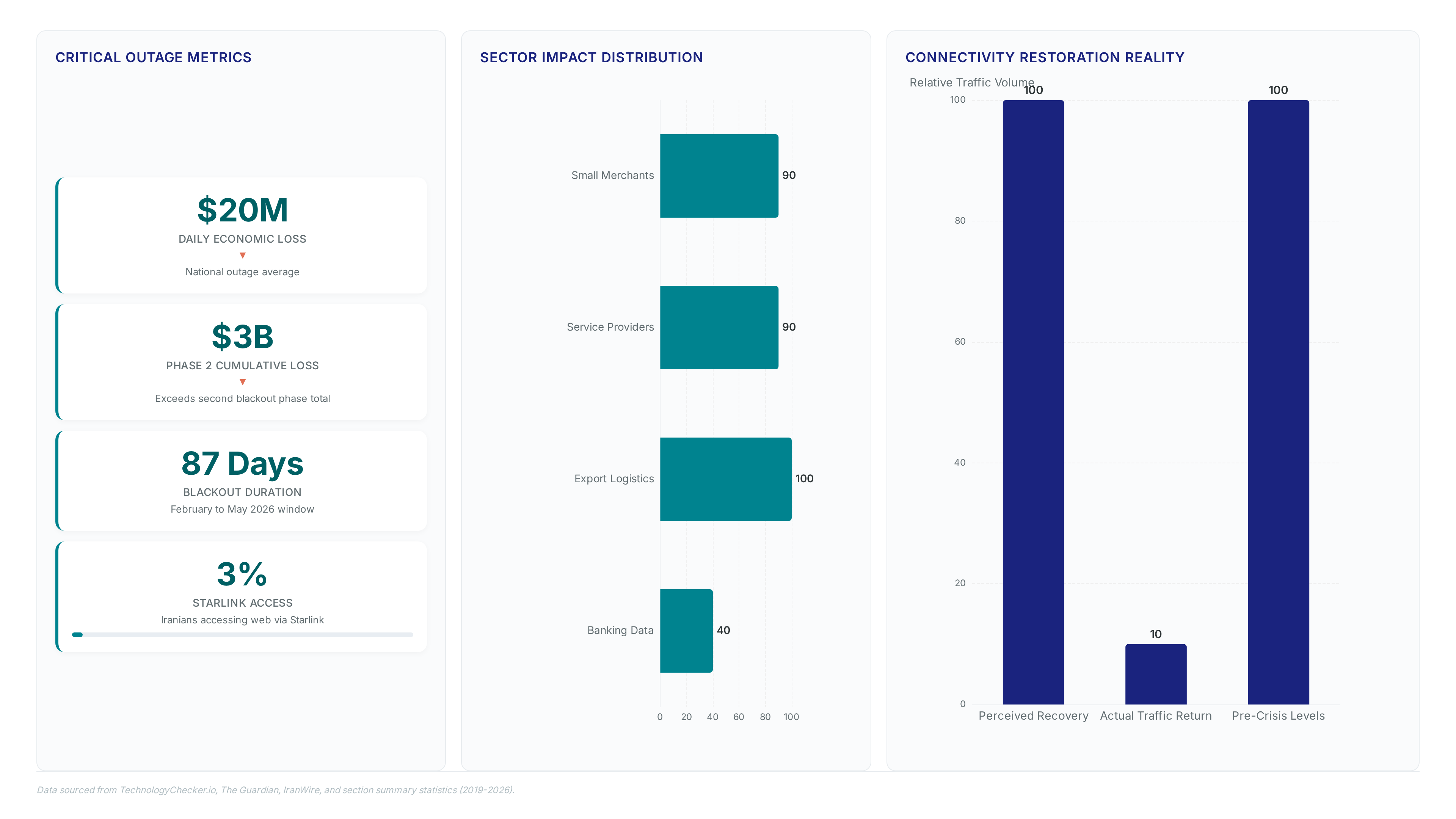
Iran's internet traffic fell to 1% of normal levels, revealing how partial restoration mechanics leave rural areas disconnected while favoring Tehran.
AWS Interconnect launched April 29, 2026, cutting provisioning time from weeks to minutes by removing manual colocation steps entirely.
AWS Interconnect last mile launches April 15, 2026, turning weeks of manual coordination into instant clicks for your enterprise network.
The March 3, 2026 update lets admins revoke public links with one click, ending passive detection for good.
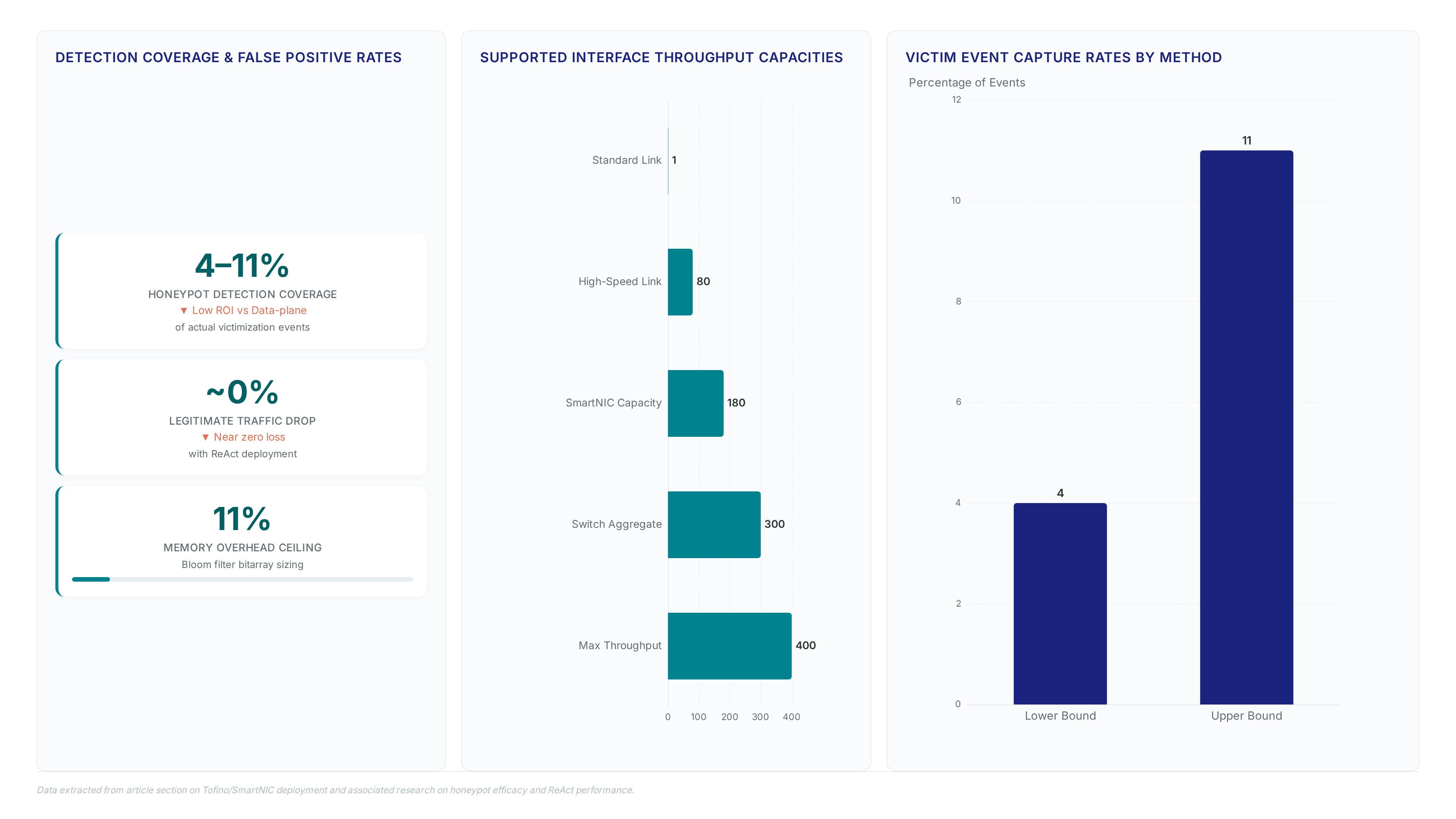
See how ReAct stops 500x NTP amplification even when asymmetric routing breaks standard symmetric filters and drops valid packets.
Moving IPv4 blocks from ARIN to RIPE NCC regions isn't a simple swap; it is a collision of two opposing regulatory philosophies.
56,629 global IPv4 transactions have occurred since 2012, yet January 2026 saw APNIC transfers drop to just 88. Scarcity has shifted the battlefield.
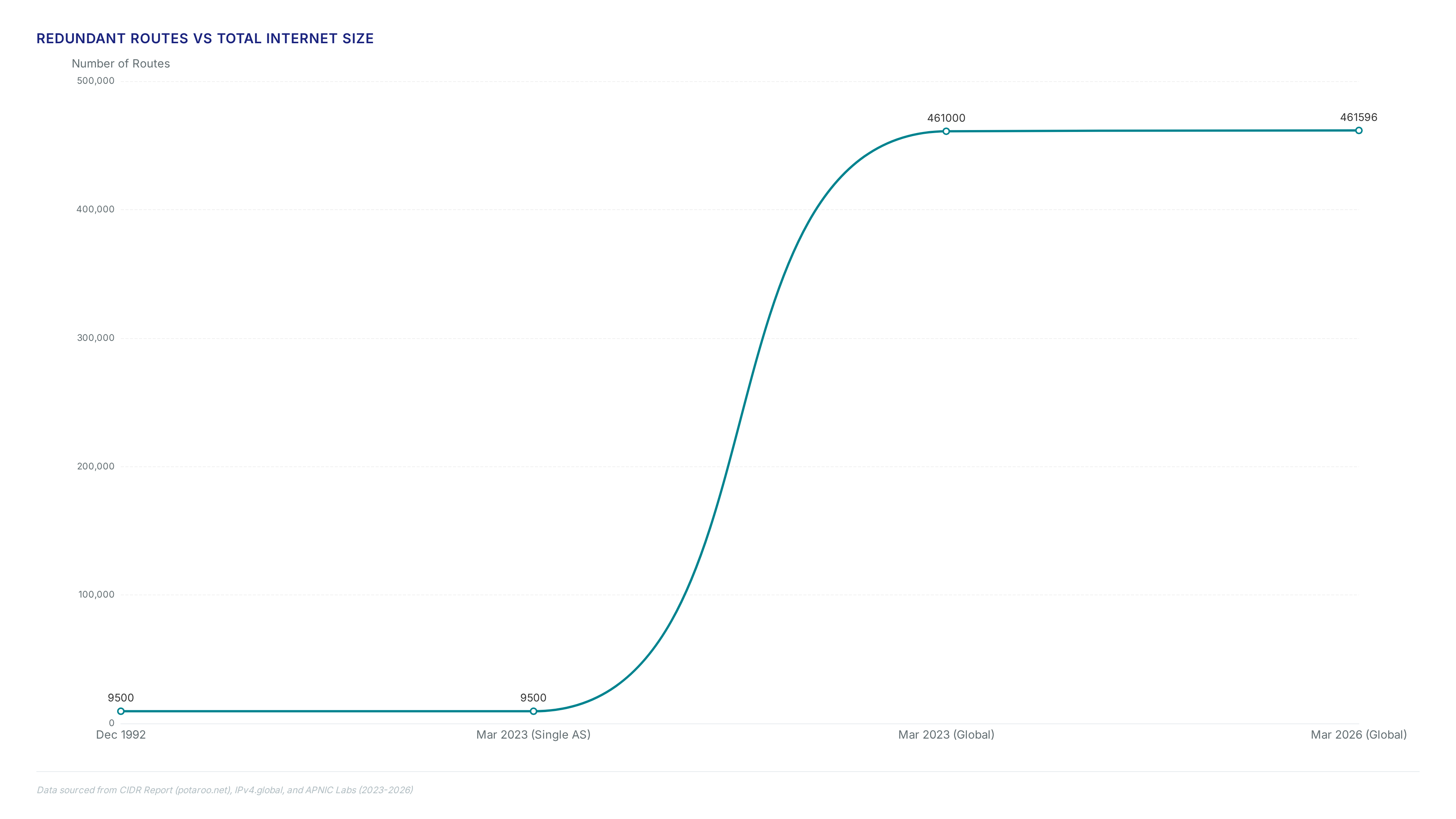
461,596 redundant routes now clog the global table. See how rigid classful blocks caused this IPv4 exhaustion and why CIDR aggregation must return.
Move from experiment to production: learn why only 6% of firms scale AI and how new protocols solve payment and token gaps.
The 2018 MyEtherWallet hack stole $150,000 due to missing route checks. Learn why Pacific operators must deploy RPKI filtering immediately.
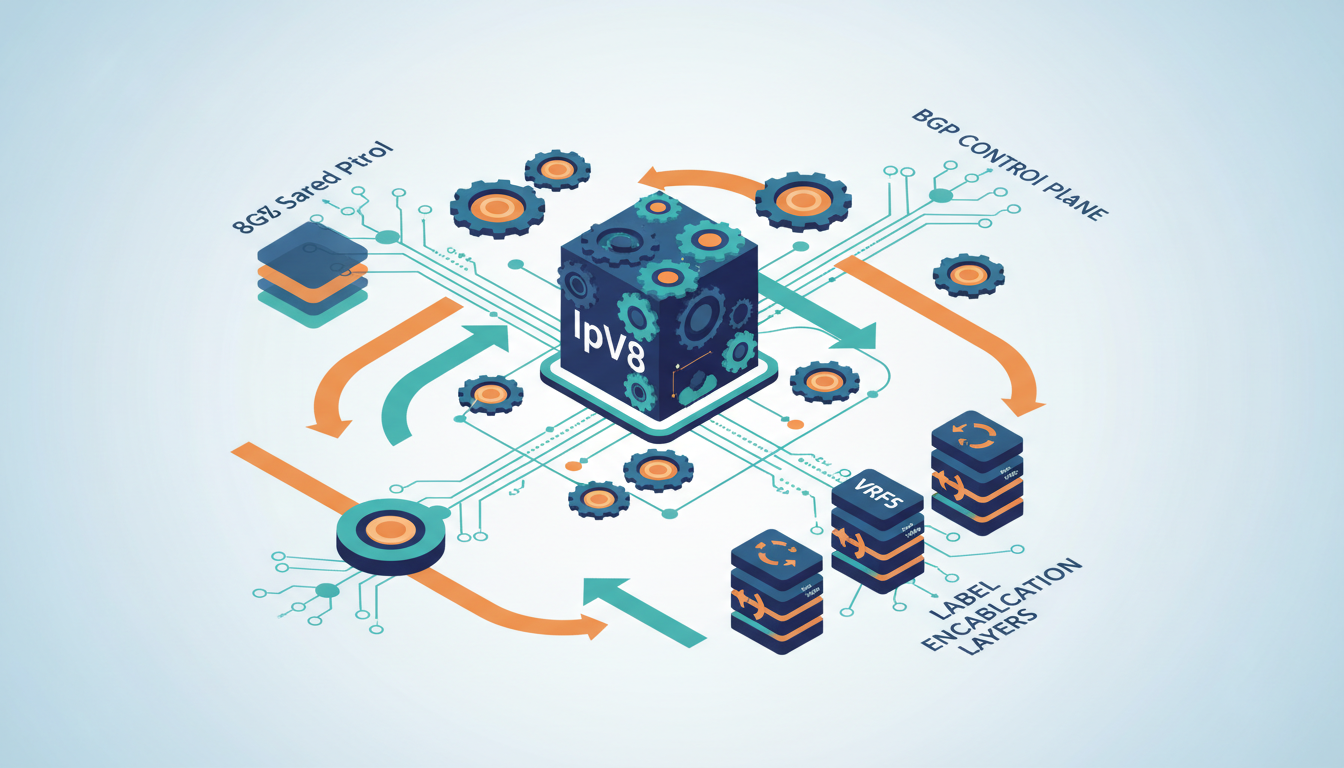
IPv8 collapses seven network layers into one dependency. My review shows how a single auth timeout triggers total failure, not graceful degradation.
With 841 LIRs stuck on the RIPE waitlist, free IPv4 allocation is gone. I explain why tactical leasing is your only path forward today.
Google hit 50.10% IPv6 adoption, but APNIC shows 42%. I explain why this 8-point gap matters for your network planning today.
State actors caused 219 incidents in Q1 2026. We analyze how 92% growth in outages shifts from glitches to tactical isolation.
APNIC and PITA updated their 2002 agreement to support 56 economies, focusing on real BGP training and local policy input for stability.
AWS launched this native attachment on 24 Apr 2026 to eliminate SNAT, letting security teams map logs to specific users without extra hops.
Stop watching from the sidelines. Apply by 1 May to join the ARIN Grant Selection Committee and directly influence regional internet stability.
ARIN billing maintenance runs 8PM ET 1 May to 4PM ET 2 May 2026. What breaks, what keeps running, and how to verify the notice isn't a phishing copy.
New data reveals only 2% of ASes use BGP-based scrubbing. Most networks remain dangerously exposed to attacks despite marketed claims.
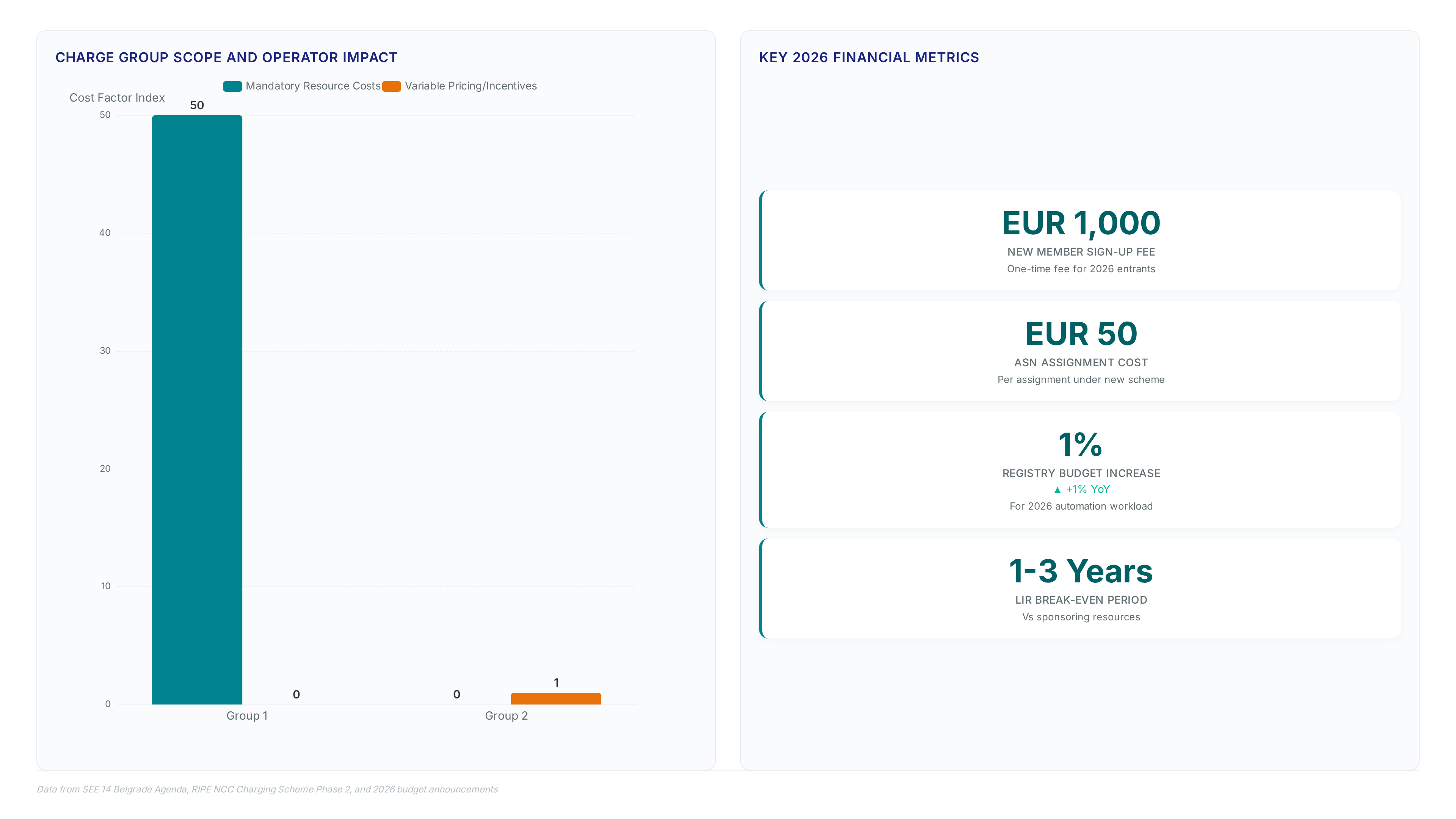
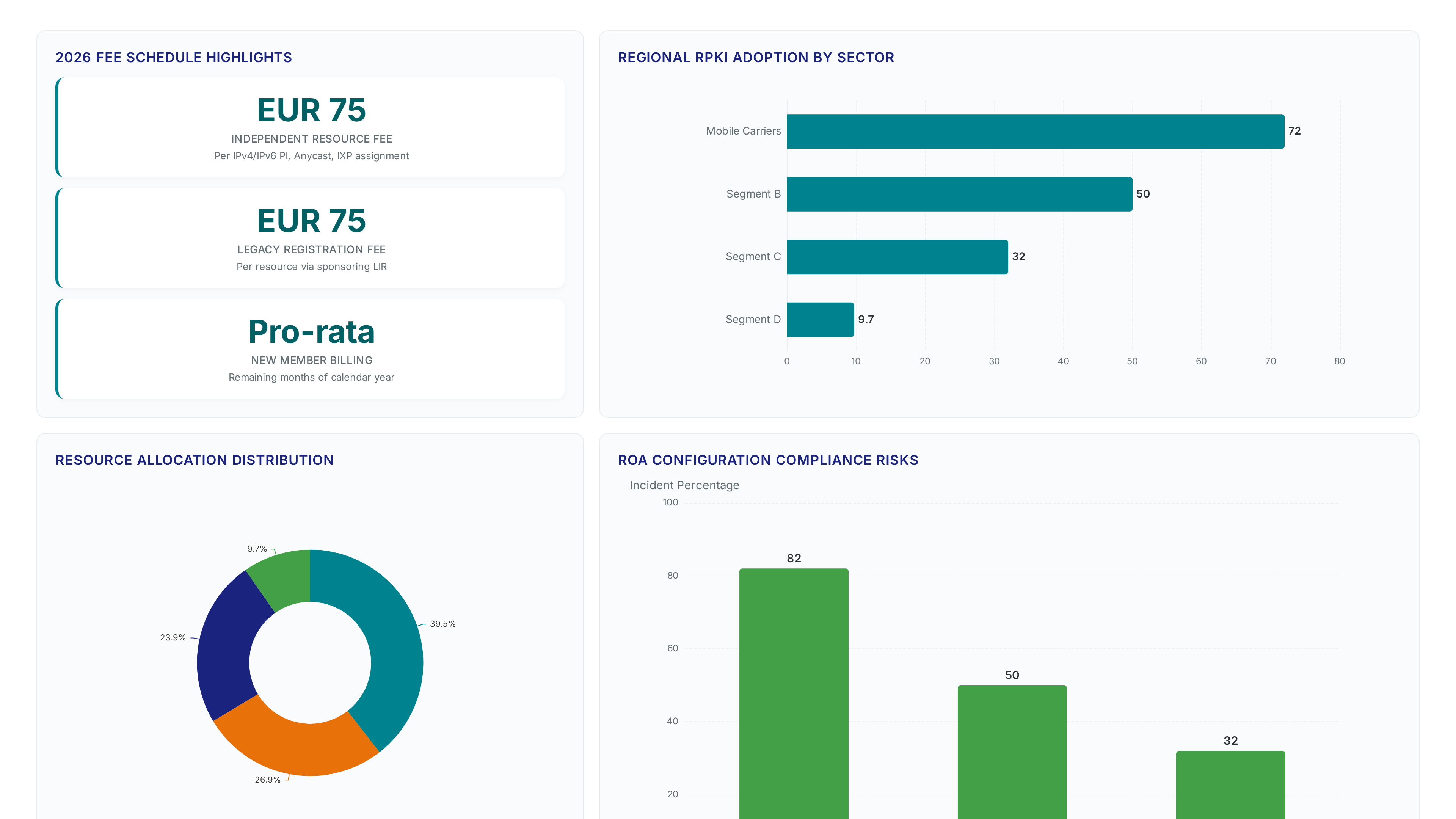
I break down the RIPE 2026 proposal where the base fee stays at €1,800 but independent assignments rise to €75. See how Option A affects your LIR.
Stop managing dozens of disjointed stacks. Centralize inspection in 1 VPC to cut costs and fix policy drift across your global network today.
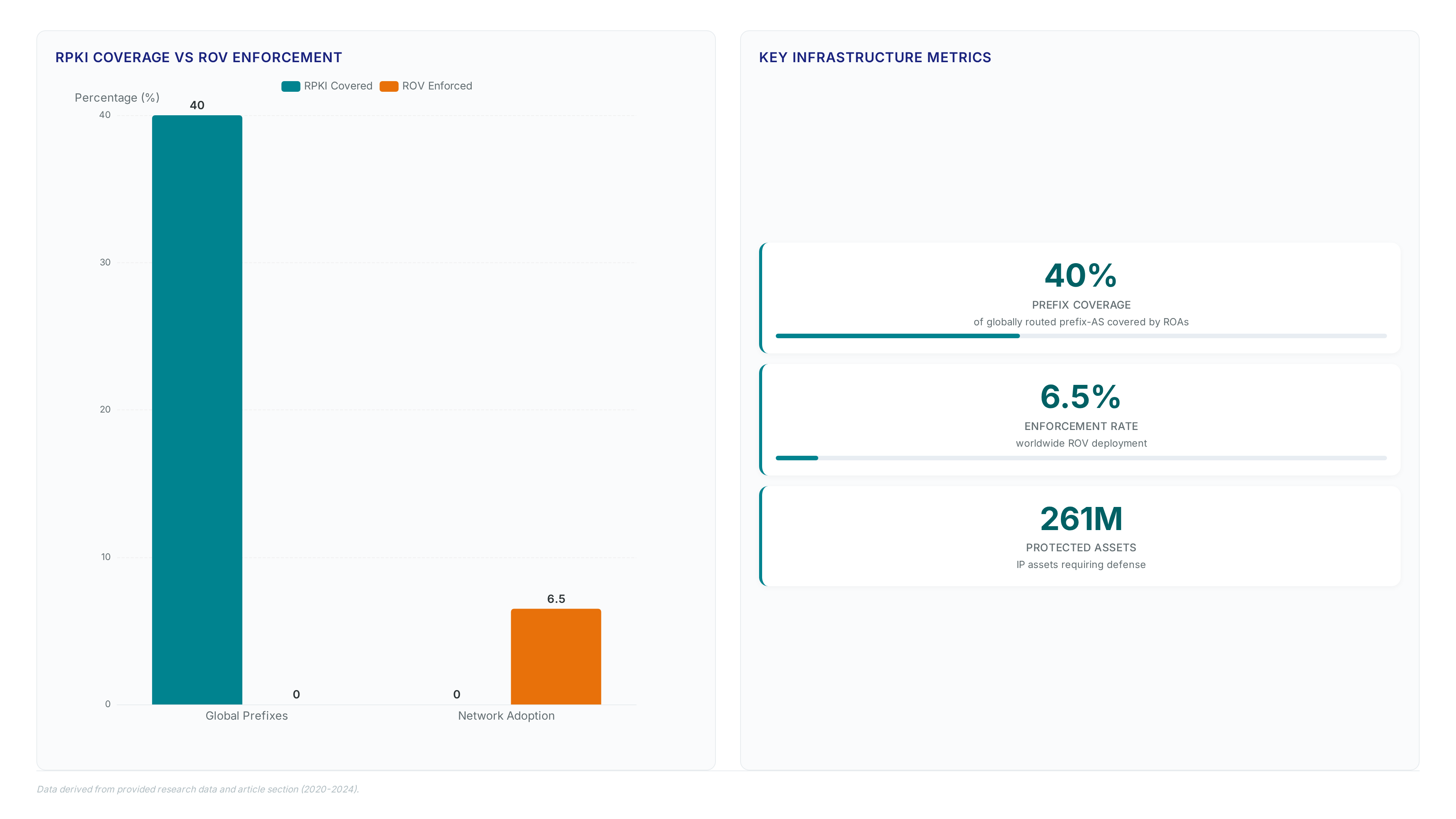
With only 40% of networks holding valid ROAs, your routing is exposed. Learn how cryptographic validation stops multimillion-dollar breaches now.
ARIN 57 starts April 20 with 15 council members filtering proposals. See how this impacts your IPv4 strategy and resource allocation today.
ARIN 57 fee schedule for IPv4 holders: the $275 vs $250 gap, the IPv6 waiver deadline, transfer costs, and the Sept voting cutoff to act on.
RIPE's 2025 reports show 20,000 members facing IPv4 scarcity. Lease prices hit $22 monthly. See how governance handles this fiscal tension.
TCP breaks when roundtrips span hours. See why 4 million Starlink users prove IP works, but Mars needs a new approach.
One peer generated 2.93 billion updates in a day. Learn how to filter this BGP noise and restore clarity to your routing analysis.
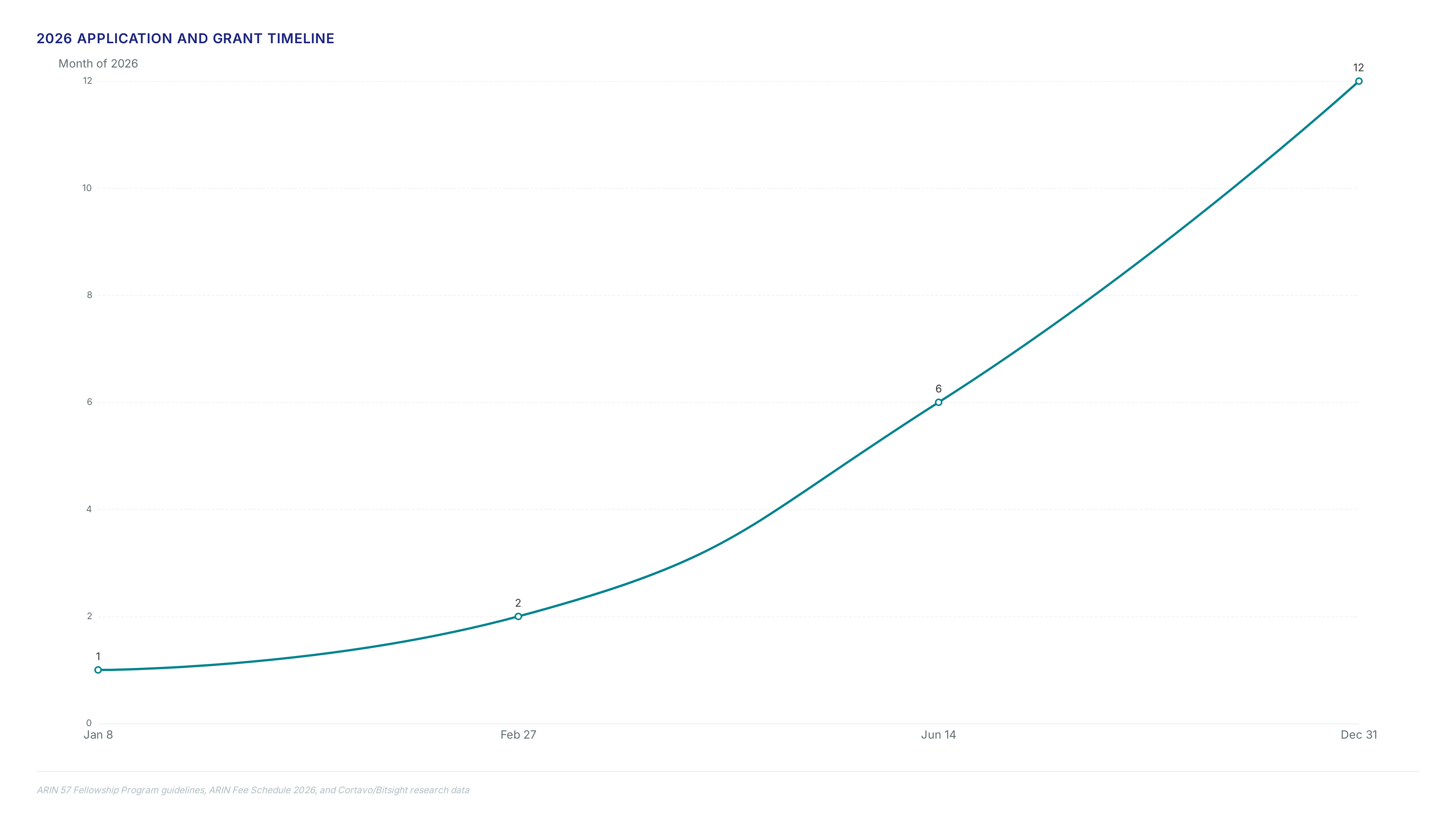
The 2026 ARIN Community Grant funds noncommercial registry and IPv6 work, $1,000–$20,000, deadline 14 June 2026. Which projects actually win, and which category
63.8% of networks lack strict validation. See how route servers miss hijacks when ASSET lists override cryptographic proof.
You need 394 signatures to challenge the RIPE Board. Discover why the May 6 deadline matters for your IP strategy and fee resistance.
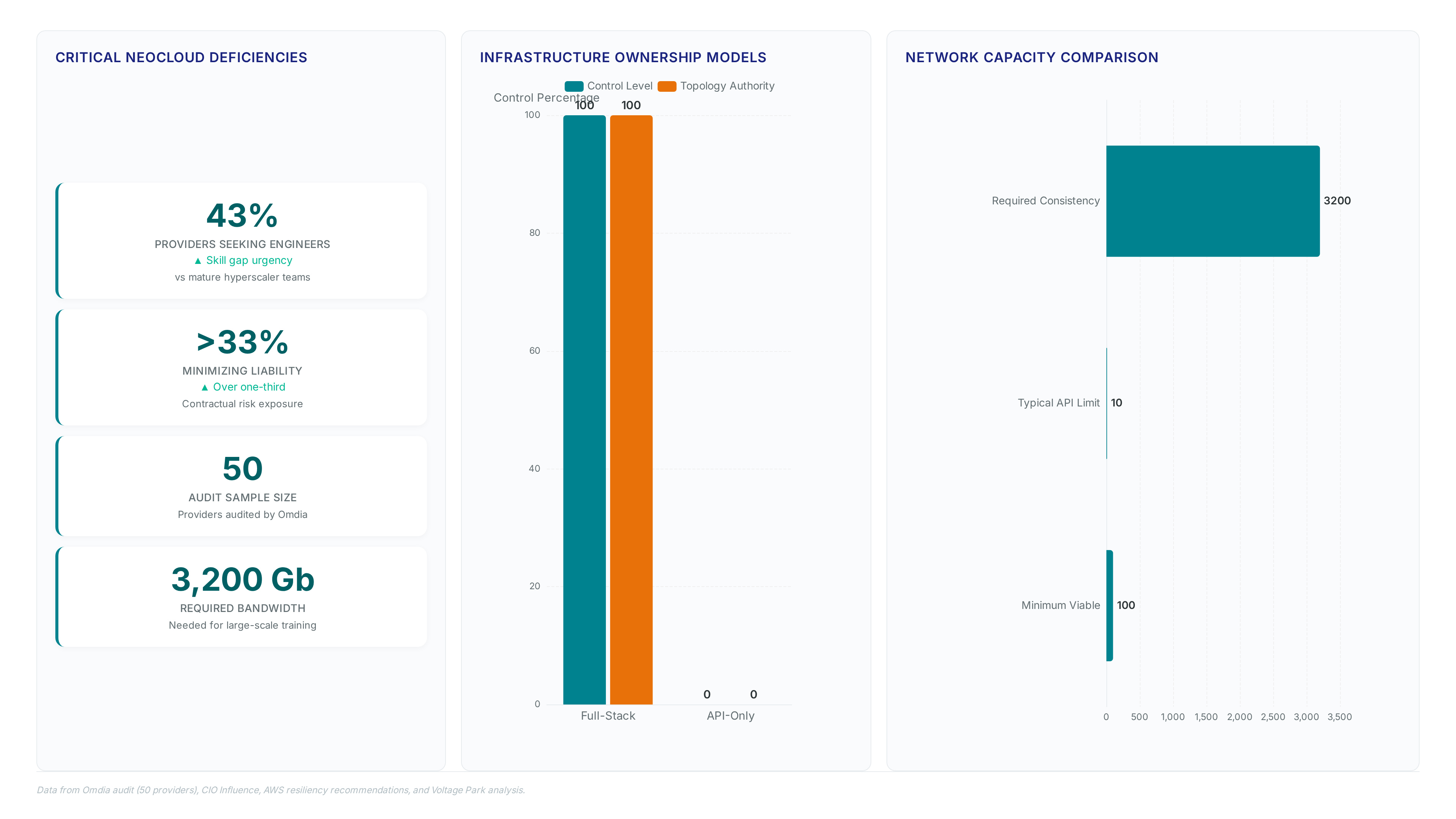
Our audit shows 50% of neoclouds miss H100 bandwidth needs. Don't let poor networking turn your AI investment into a liability.
With 2026 lease prices adjusting due to rising supply, recurring revenue models now outperform one-time IPv4 liquidation strategies.
With 21 billion IoT connections coming by 2026, APNIC 62 in Mumbai forces operators to drop legacy manual processes for real automation.
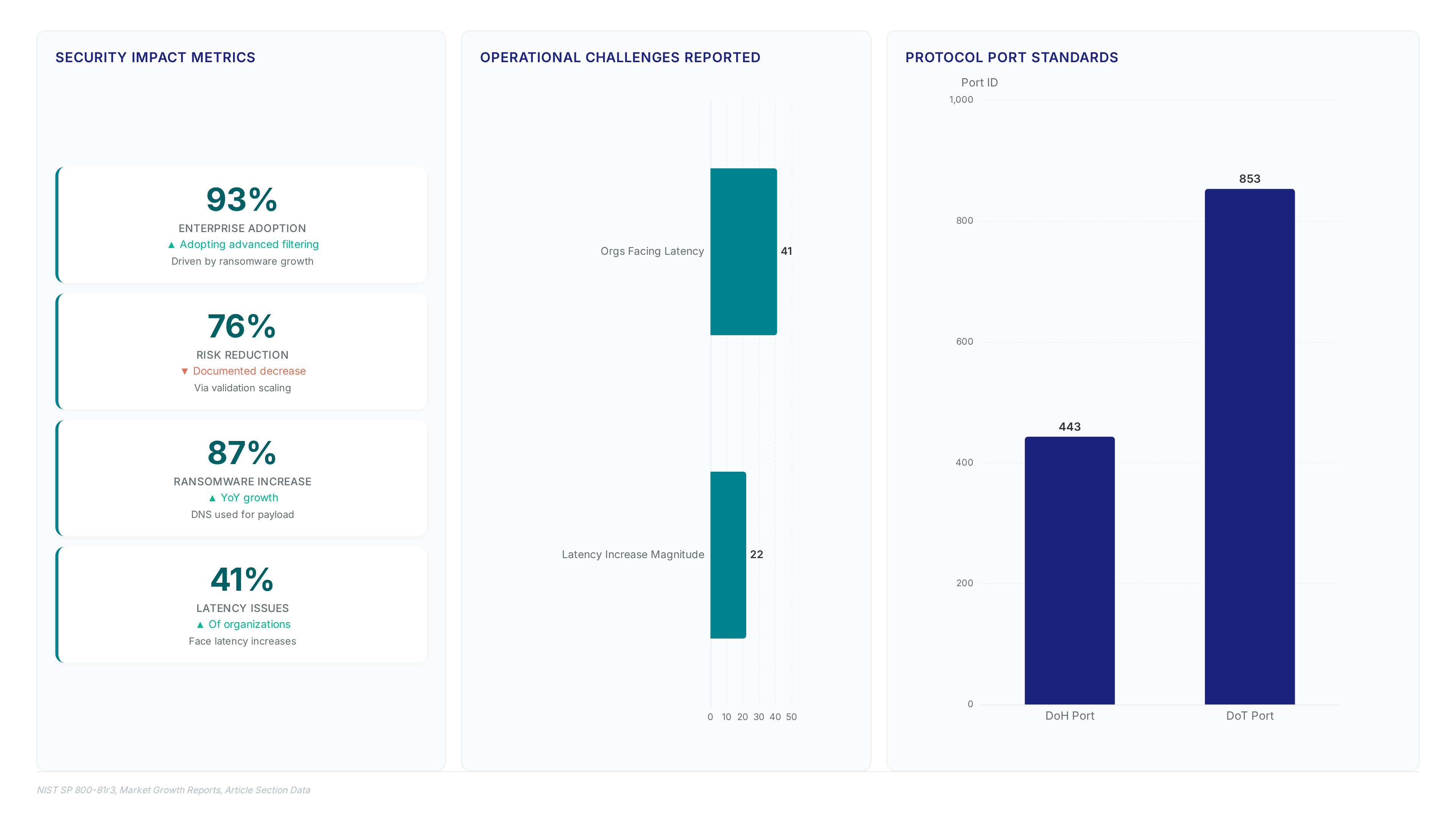
NIST's 2026 update treats DNS as active defense against an 87% ransomware surge. Learn to deploy Protective DNS and encrypt traffic today.
Buying an IPv4 address in 2026 costs between $18 and $45 per unit, a volatile spread dictated by block size and region.
Goldman Sachs sees a 165% power surge by 2030. We must ask if these hyperscale assets truly serve the public or just hoard resources.
ARIN needs three volunteers by April 28 to guide policy. With IPv6 overtaking IPv4 by 2026, your governance role impacts costs.
Video eats 82% of bandwidth, yet Akamai steering breaks when open DNS hides client locations. Learn why hybrid models are now essential.
Submarine cables carry 99% of traffic, yet Pacific islands lack carrier-neutral IXPs. We analyze how local policy prevents single points of failure.
APNIC targets 56 economies with sub-regional forums. I see this localized shift as vital for sustaining Pacific infrastructure without heavy travel.
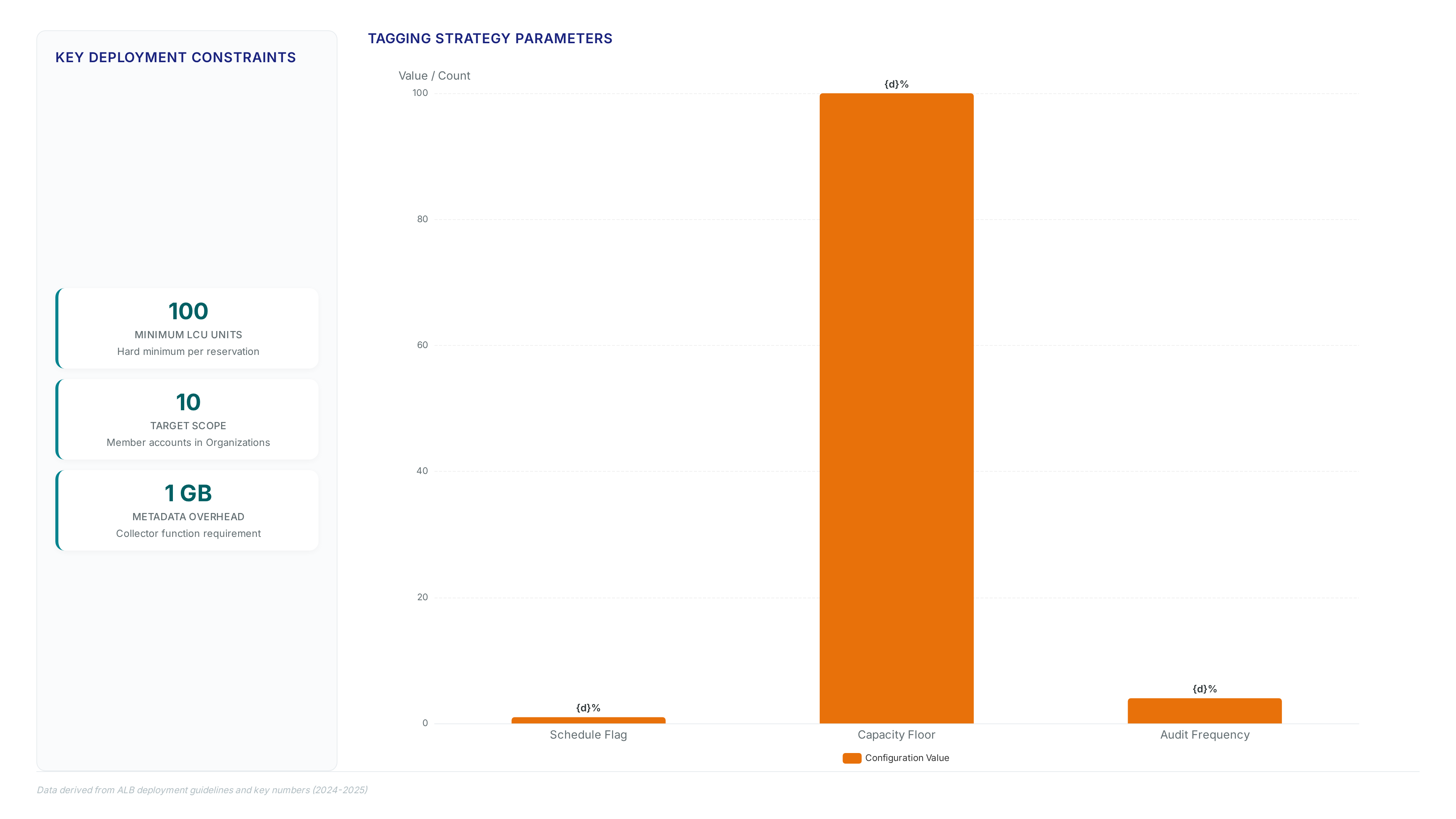
Stop the 5-minute scaling lag that crashes platforms. We use tagged automation to lock capacity before traffic spikes hit your ALB.
Stop flying blind with 80% native IPv6 traffic. Akvorado delivers enterprise visibility using just 8GB RAM, no expensive licenses needed.
Static checks fail. See how 81% of orgs use live signals like impossible travel to block threats before data leaves your network.
See how 13,421 active probes map 4,000 ASNs. Real data reveals topology gaps that theoretical models often miss in global routing.
On March 16, 2026, RIPE replaces the old switcher with a single interface. Learn how this affects your six critical tools and LIR Portal access.
Nikita breaks down ARIN's 8M records to show how 15 elected members shaped 2025 policy without the corporate spin.
IPv4 prices hit $32 by 2026. See how APNIC's consensus model, not voting, shapes these operational costs for Asia Pacific networks.
Xiong'an earned the first city plaque on April 6, 2026. I analyze how this direct APNIC membership changes global routing policy.
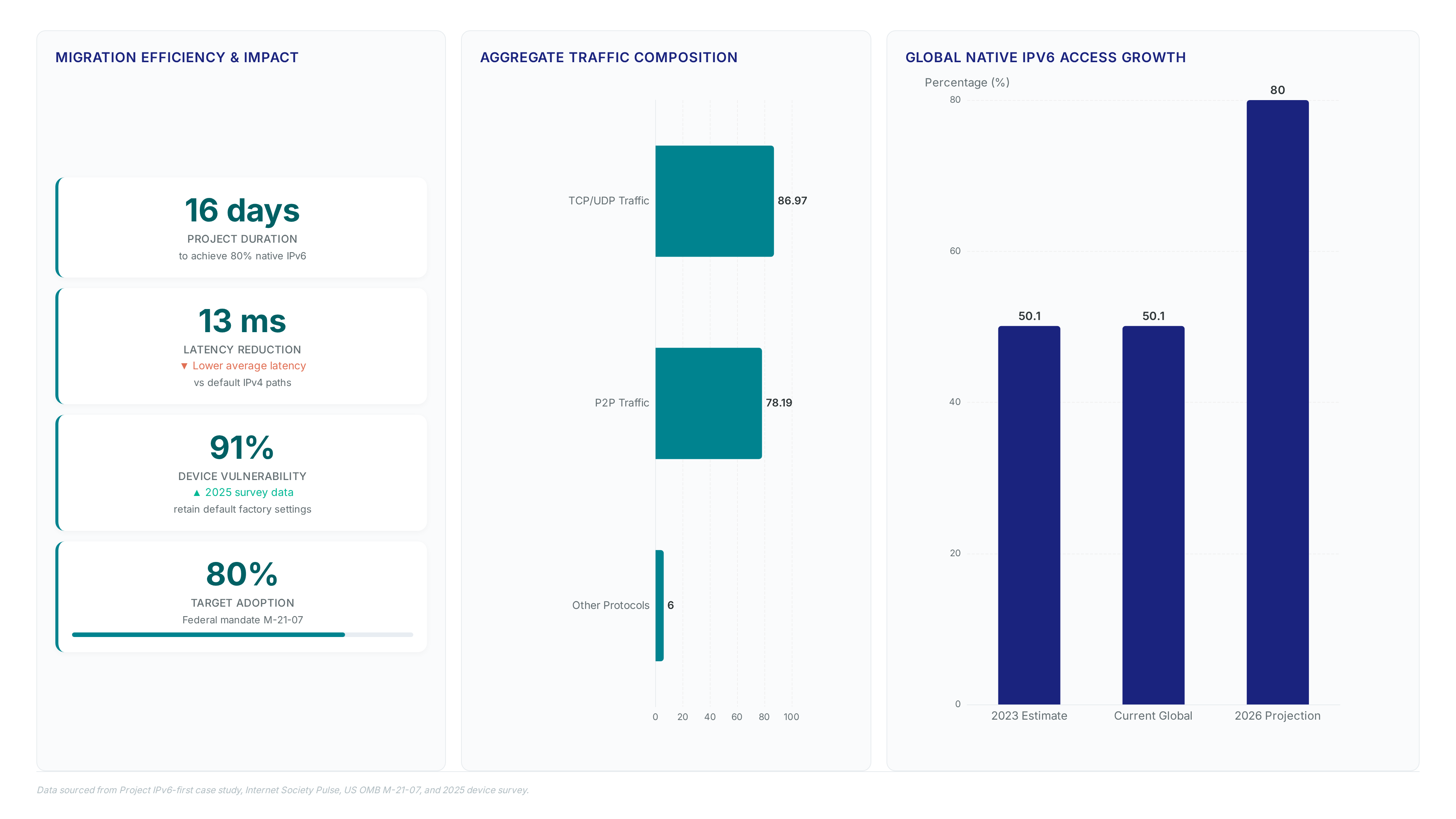
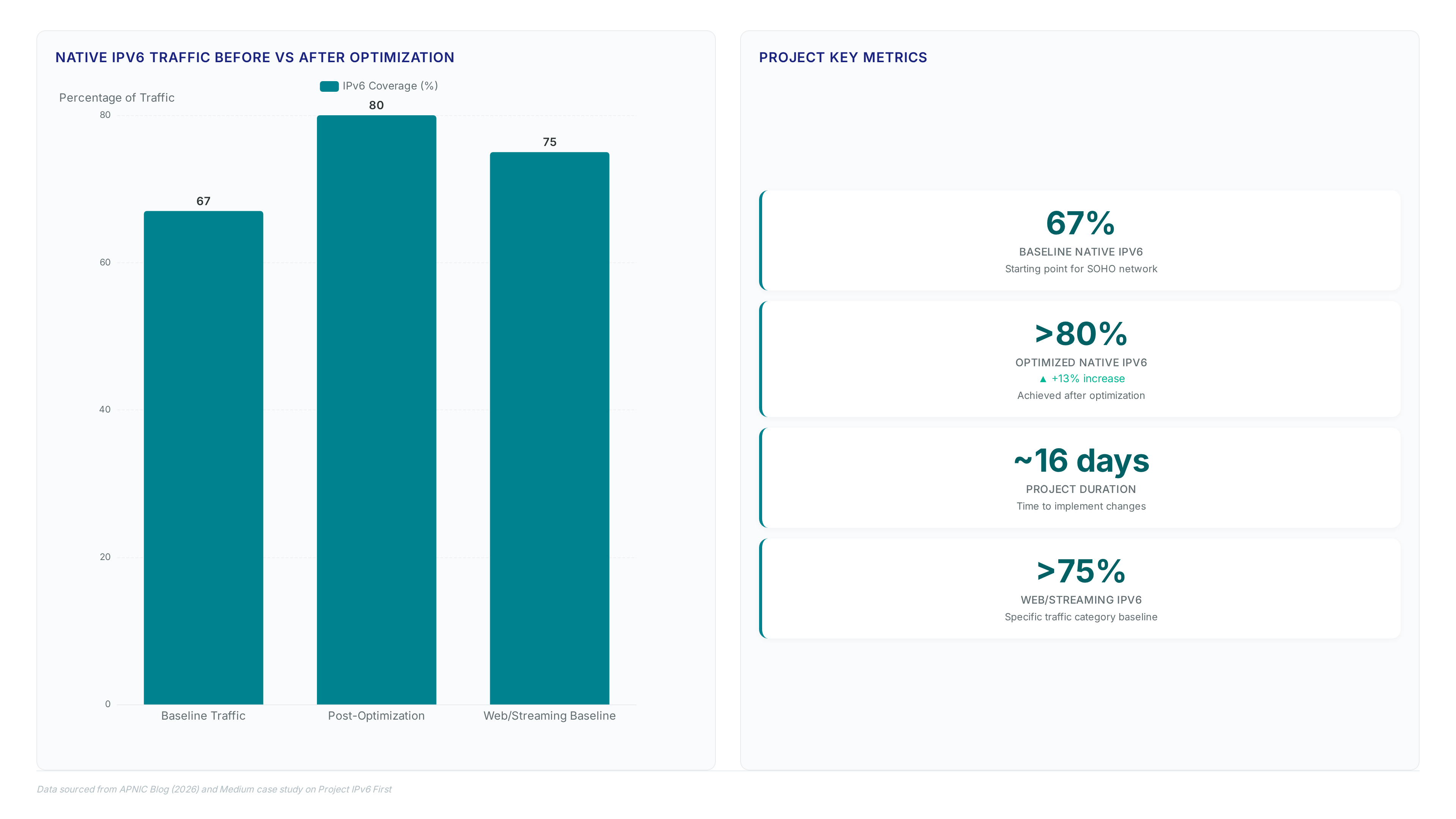
See how a single app binding change lifted native IPv6 from 67% to 79.2% in just 16 days by fixing specific fallbacks.
ARIN filled 67 waiting list requests in April using 40 cleared blocks. Learn why verifying IP reputation is critical before you deploy.
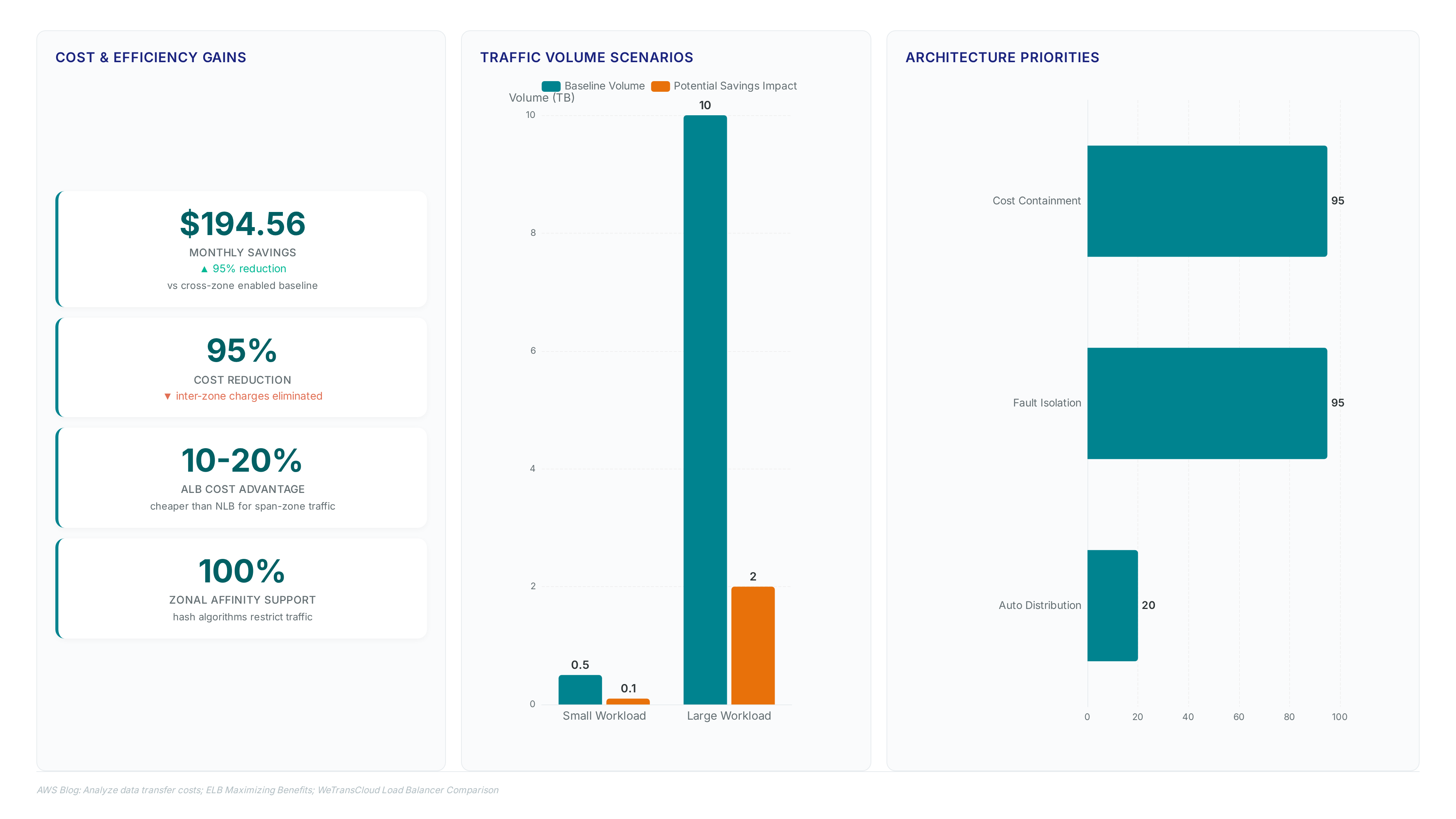
Cross-zone traffic hits $0.04 per GB. Learn how zonal affinity cuts your AWS NLB bill by 95% today.
I cut operational friction by embedding global routing in YAML. With AI hitting 58% of clusters, this declarative shift is essential.
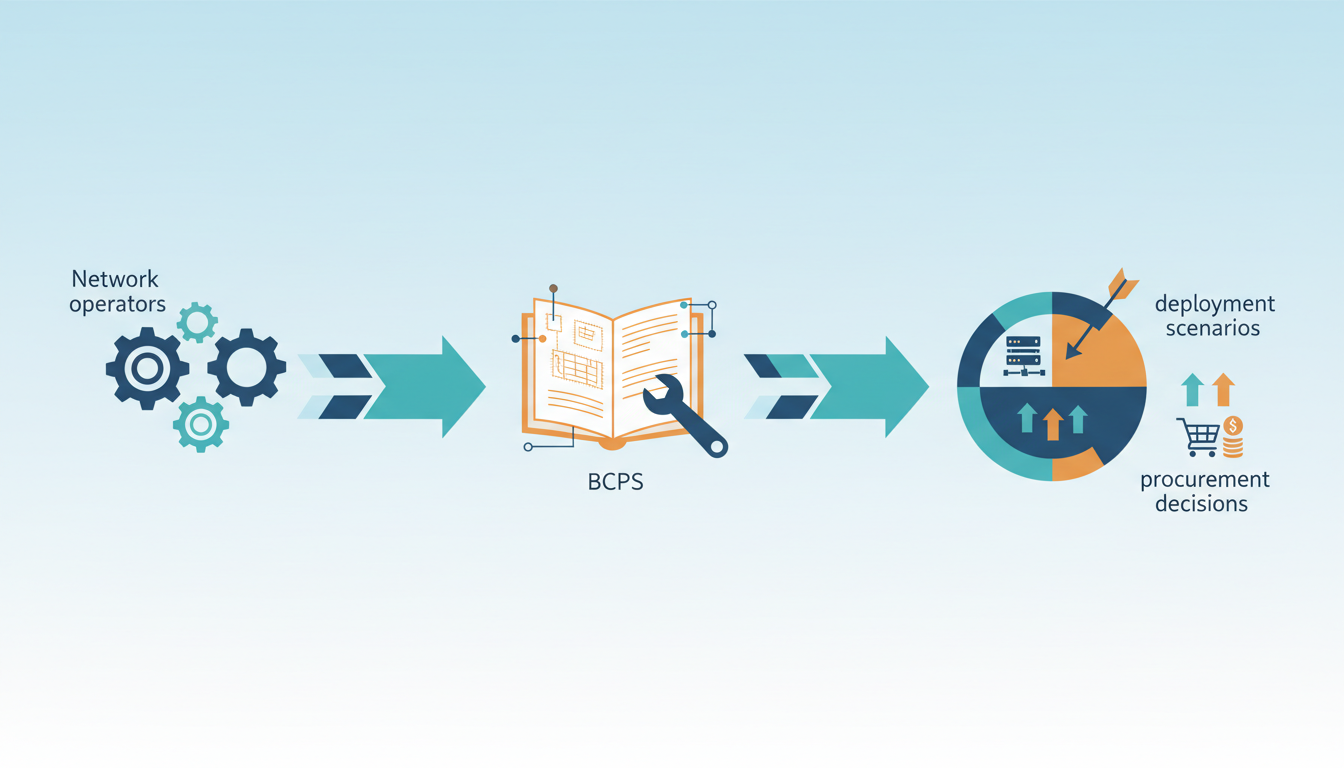
With 245 BCP entries by 2026, IETF docs now advocate unproven behaviors. Learn why this shift costs your firm substantial money per minute.
China Telecom sees a tenfold surge as 60,000 new cloud activations prove traffic metrics are dead for modern AI agents.
Thain's IPv8 draft merges 8 functions into one Zone Server, creating a single point of failure that ignores how 50.10% of users now access IPv6.
IPv8 breaks legacy silicon, forcing upgrades that current multi-billion-dollar SONiC deployments cannot support without major risk.
Global internet hit 74% penetration. Adding IPv8 now means replacing billions in legacy hardware that vendors abandoned years ago.
The IPv8 draft proposes 18.4 quintillion addresses, but its centralized Zone Server creates a single failure point operators can't ignore.
Don't trust IPv8 hype. Data from 2026 proves IPv6 handles mergers better, avoiding the 10x collision risks seen in fragmented legacy networks.
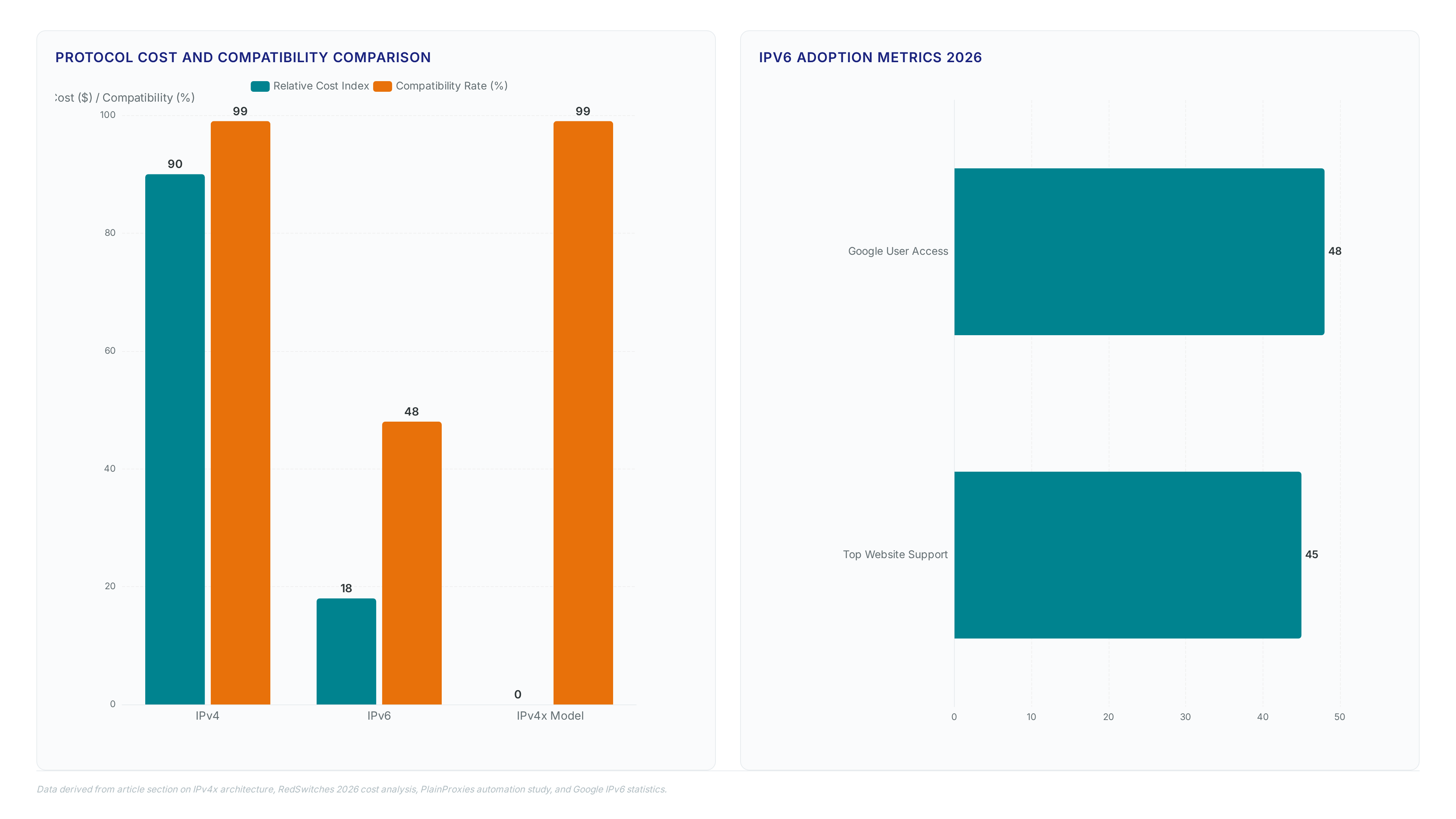
With 57% of traffic still on IPv4, IPv4x extends space without breaking routers. A pragmatic look at the 96-bit subspace solution.
Jamie Thain proposes repurposing 127.x to solve 10.x overlaps, offering a fix while global IPv6 sits at 50.10% usage in 2026.
APNIC buyers face a fixed ARIN fee plus RIPE NCC membership. Learn how these costs stack before your interRIR transfer request.
Build a compliant VPC with private subnets in 3 zones. Keep data off the public internet while integrating private sources securely.
With IPv4 validity at 65.5%, ignoring RPKI risks traffic rejection. Learn how to deploy ROA and ASPA objects before enforcement deadlines hit.
Ingress NGINX retires in March 2026. Shift to Gateway API now to unify your ALB and VPC Lattice traffic with one rule.
In 2025, forged documents bypassed crypto checks. With only 38% of IPv4 prefixes enforcing validation, identity fraud now drives route hijacking.
The 2025 IANA report reveals how 15 community reps fight skills gaps before they break global numbering stability.
See how LexisNexis removed manual router instances to support 15 percent of enterprises shifting to private AI deployments by 2026.
AWS removed the $0.01 API tax on March 30, 2026. Native metrics now track BGP session health without custom Lambda code.
Six volunteers decide ARIN's 2026 funding. Learn how this panel reviews 8M records to ensure technical merit wins over political favors.
With native access at 50.10%, basic setup fails. Learn why advanced design skills are the new bottleneck for secure networks.
ARIN's new 365-day ROA log targets routing hijacks. With 32% of global IPv4 here, secure your reassignments before reputation risks rise.
APNIC growth hit just 1.6% in 2025. I analyze how new security pillars and 7.6-hour support times impact your IPv4 strategy today.
I analyzed how 4.19 million /64 subnets trigger routing loops. See why firmware bugs cause massive amplification and how to fix it now.
With fewer than 5 LIRs left and a 477-day wait, direct allocation is gone. I explain why transfers are your only real option now.
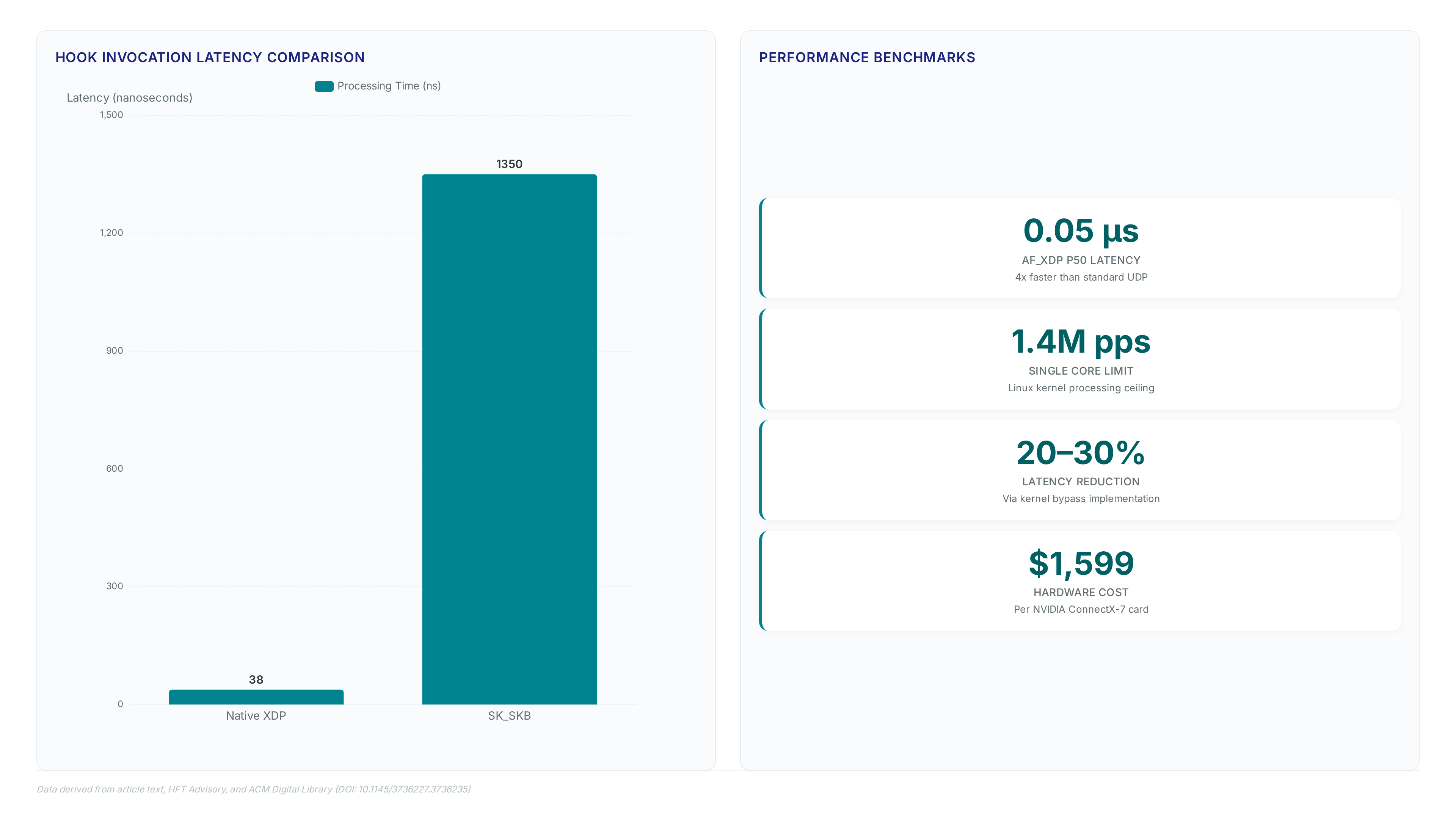
See why eBPF offloading hits a wall at 55K requests. Memory copies add 340 ns latency, making simple kernel modules faster for complex apps.
East Asia IPv4 valid routes hit only 31.0%. I analyze why regional averages mask critical security failures and ASN mismatches.
Classful addressing wasted over 60,000 IPs per block. See how classless routing stops BGP bloat before edge complexity breaks your network.
The global routing table nears 1 million routes. See why physical hardware limits now threaten core network stability without strict aggregation.
Shift to Amazon EVS for 46% savings, but master BGP peering first. I break down the underlay risks you cannot ignore in production.
RPKI validation stops 820k daily IoT attacks by 2027. Learn why three security invariants prevent 65% of routing breaches today.
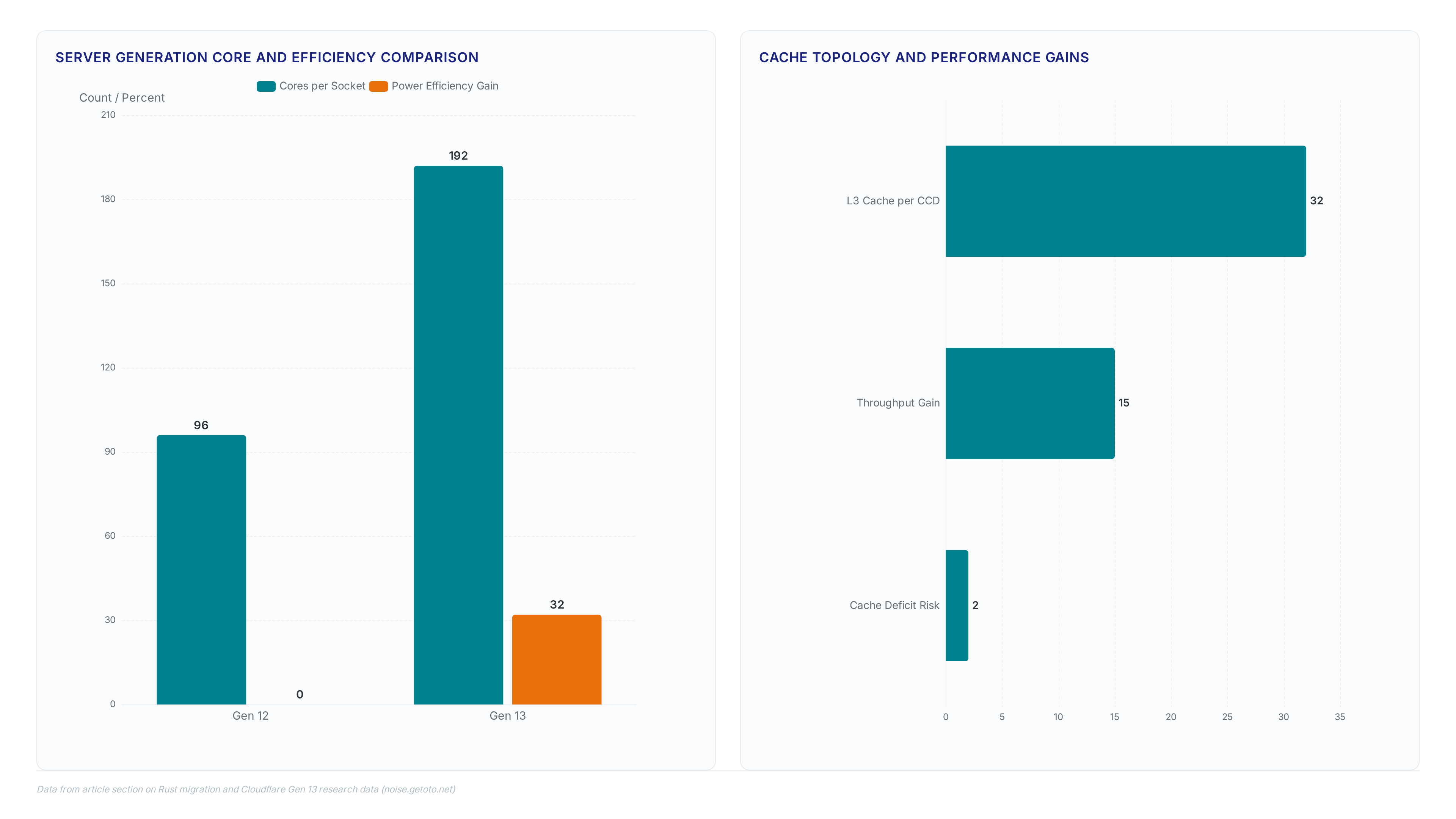
Cloudflare's new Turin chips cut cache to 2MB per core yet double throughput. See why Rust rewrites make this 6x drop work for edge networks.
Attackers stash 2,000 characters of Base64 code in DNS TXT records to execute malware entirely in memory, leaving zero disk artifacts.
Secure routing independence without $50–$150 annual fees by leveraging InterLIR's premium LIR services for clean IPv4 resources and full BGP control.
Over 375,000 ROAs exist with zero enforcement. Learn to configure routers to drop Invalid routes and secure BGP announcements today.
See how Shaila Sharmin guides policy for 56 Asia-Pacific economies through community consensus, not distant bureaucratic mandates.
See how 300 vantage points expose blind spots legacy archives miss. We move beyond theory to actionable three-month BGP analytics for engineers.
APNIC replaced cloud models with physical sites to cut egress fees, helping teams master native IPv6 before the 2027 modernization rush.
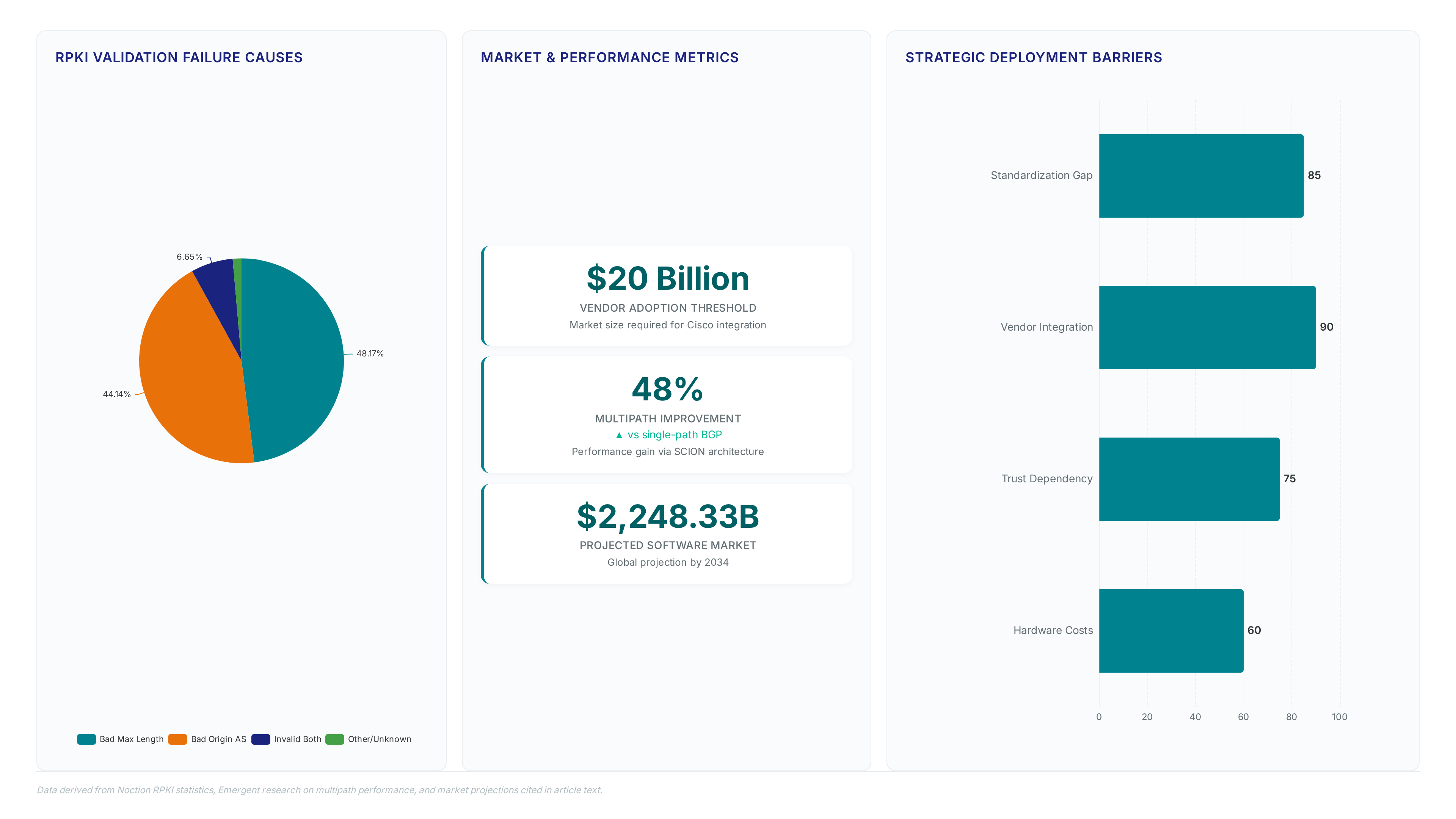
With 48.18% of invalid prefixes failing length checks, SCION routing replaces broken trust with cryptographic path validation for real security.
See how npNOG 10 launched a career path Gartner says will define 30% of enterprise networks by 2027. Real talk on community.
See how Betsson cut latency by 100 ms and costs 15% by swapping complex mesh topologies for managed Cloud WAN architecture.
Only 18% rate automation as successful. Learn why dedicated funding drives an 80% success rate over mere tool selection.
Naive scanning crashes on aliases. See how tweaking DNS timers pushed our home lab native traffic above 90% despite legacy IoT device clutter.
ARIN's 12-hour outage on March 28 discards RPKI updates instead of queuing them. Learn why waiting until 7:00 PM ET is your only safe option.
Only 25% of systems enforce Route Origin Validation. See how predictive intelligence scores ASN risk before malicious routes propagate globally.
Cloudflare's ASPA rollout targets the gap where 53% of IPv4 prefixes remain unchecked, securing paths beyond origin validation.
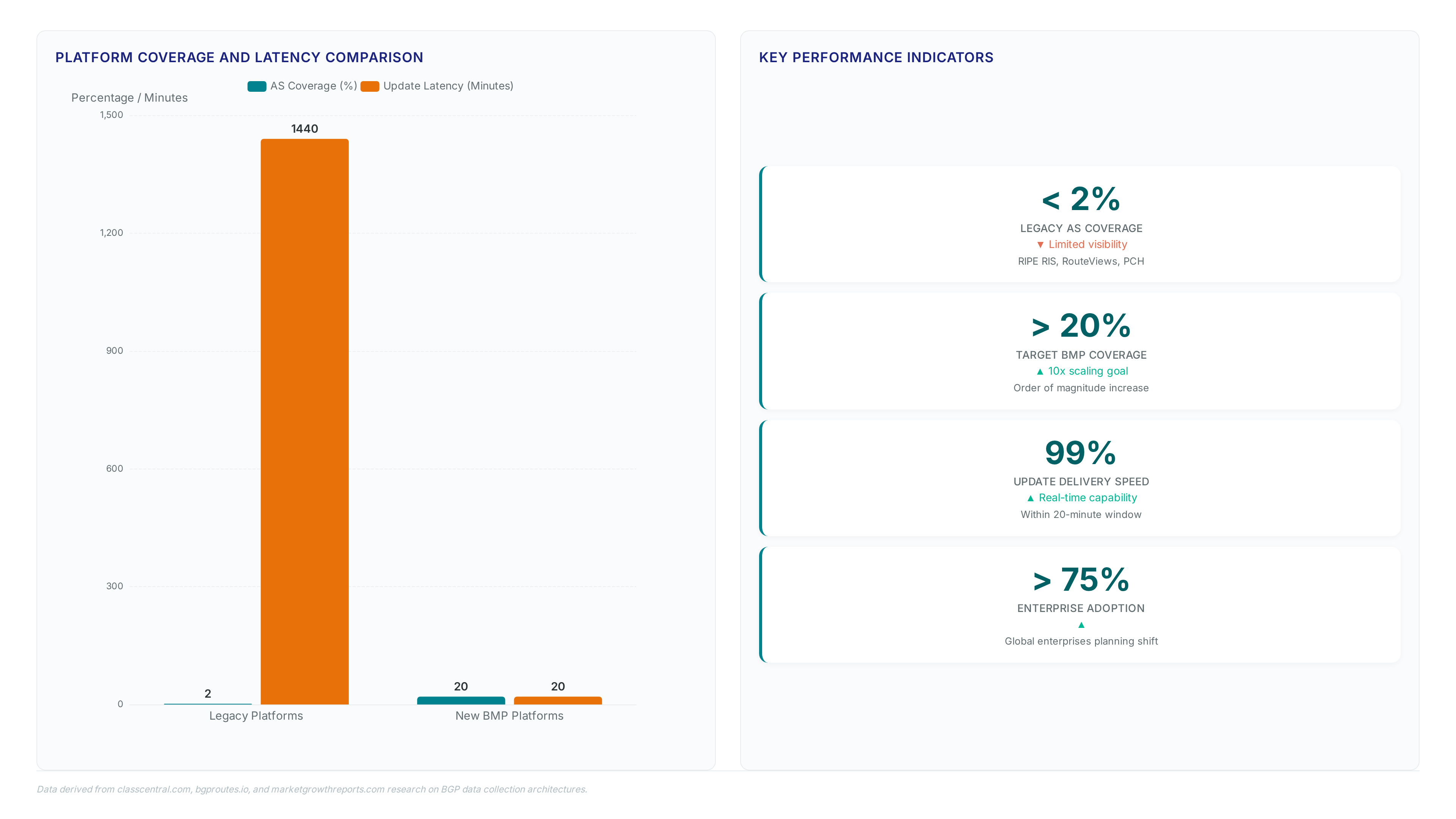
Legacy collectors cover less than 2% of global ASes. See how 5,000 vantage points expose routing leaks that traditional tools miss completely.
Litigation has frozen resource allocation for years. With only 30 million addresses, AFRINIC's legal crisis hurts 56 African nations.
See how Jakarta turned 1% adoption into near-total coverage. Learn why 84% of networks still skip RPKI enforcement despite clear ROI.
Join me in Riga this June. With $2.5T in AI spending coming, regional coordination is vital for Baltic network survival. Let's connect!
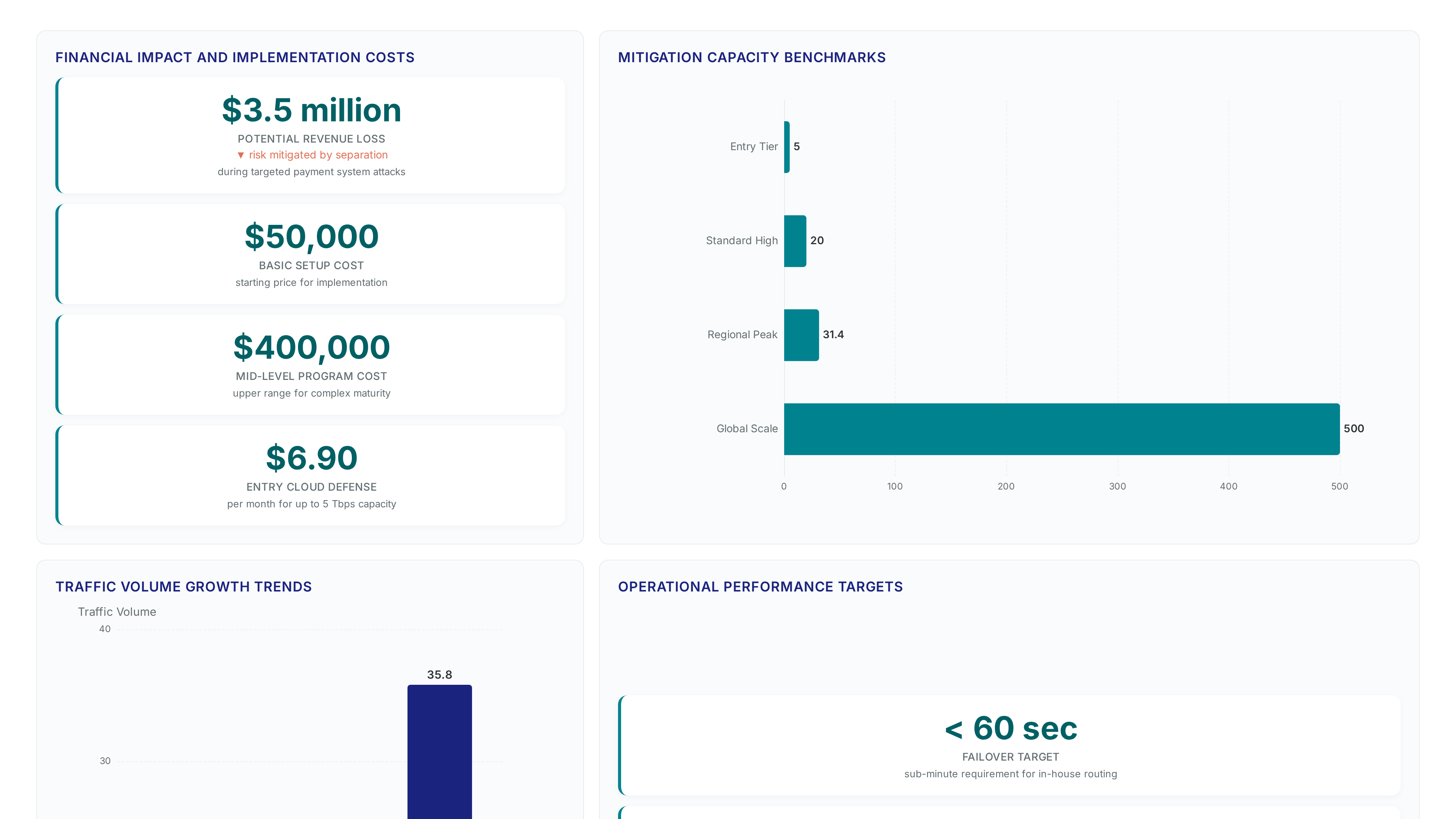
Attacks hit 31.4 Tbps in 2025. Keep your BGP keys to steer traffic when providers fail, ensuring you never lose control.
Running 20,000 eBGP sessions with legacy IRR filters creates blind spots. See why ASsets fail at scale and how RPKI fixes route leaks.
Stop using 700 policy terms for single ASN matches. Switch to asset tree lookups to fix your BGP scaling collapse today.
Seven regional bodies now enforce routing integrity. With TWNIC reaching 98% IPv6 validity, I analyze how NIRs secure our infrastructure.
Silent ICMP drops crash throughput to 576 bytes. Learn how active probing fixes these PMTUD black holes in encrypted networks today.
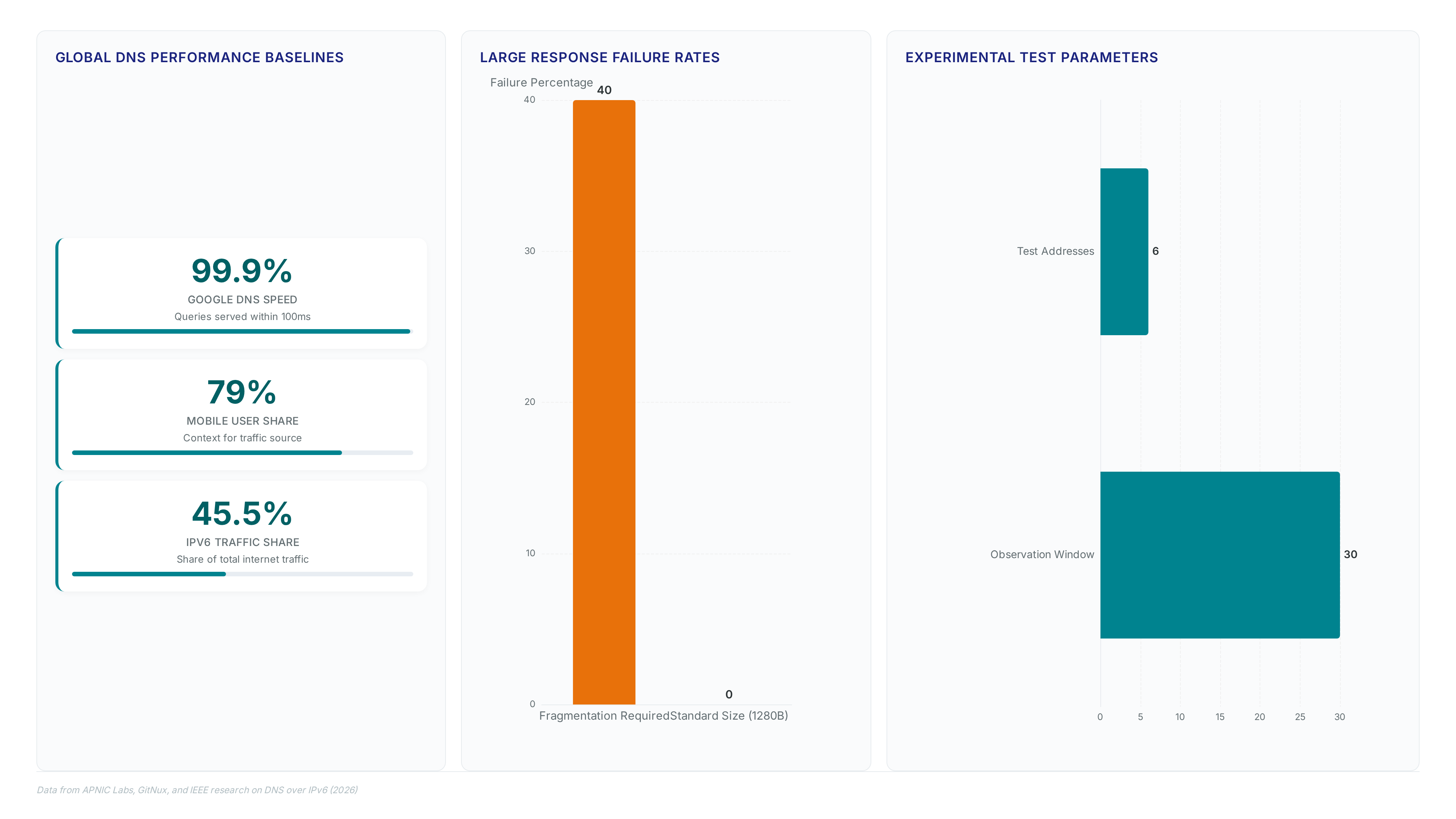
APNIC tests reveal a 40% failure rate in glueless DNS. We must pause before codifying fragile IPv6-only dependencies into binding RFCs.
With IPv4 still carrying 60% of global traffic, the ARIN Fellowship trains 15 experts yearly to manage critical number resources.
I'm joining the APNIC 2026 Fellowship selection. Volunteers dedicate up to five hours to assess candidates for Mumbai.
Branden Palacio found 78% of firms ignore PDNS curation. See why static blocklists fail schools with massive query volumes.
Phishing losses hit $70M because reactive tools wait for failure. See how proactive patterns catch invisible threats before money vanishes.
Stop guessing where traffic goes. DNS logs show 60% of resolutions are external, costing you money. Get real visibility today.
Cloudflare now holds 500 Tbps capacity, absorbing massive 31.4 Tbps attacks without slowing legitimate traffic or requiring manual intervention.
NRPM 2026.1 went live on March 3, replacing the 2025 edition. Learn why section 8.5.1 changes mean strict new fees for your IP blocks.
With a 40% failure rate on large payloads, IPv6 DNS shows why dualstack is vital for real user capability today.
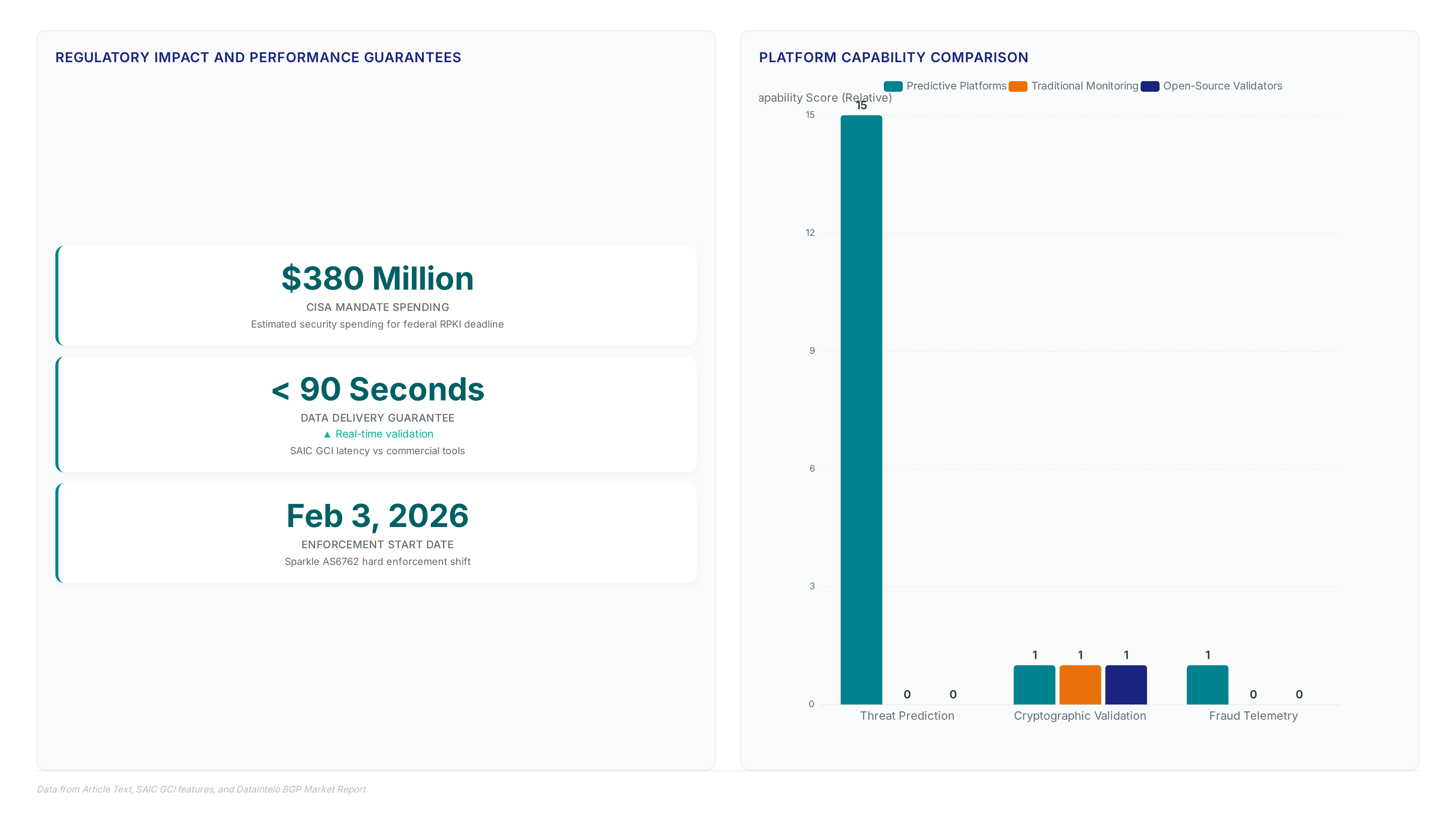
Sparkle enforced active path validation on Feb 3, 2026. Stop relying on unsigned IRR lists for your blackhole requests today.
With 74% of traffic on RPKI routes, skipping BLACKHOLE tags creates critical risks. Learn why strict validation stops more-specific hijacks today.
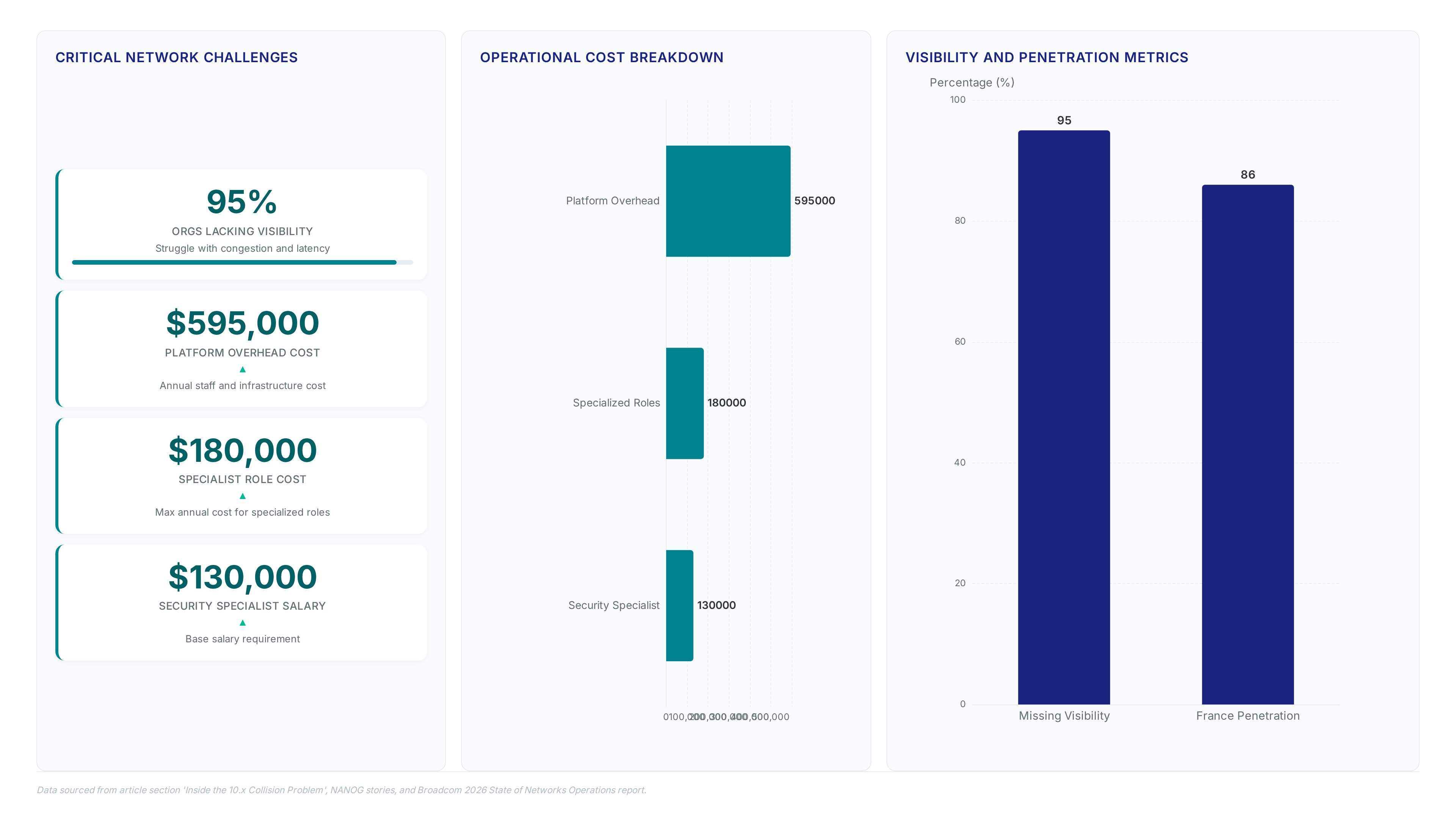
95% of orgs lack visibility. Active path verification stops local fixes from causing global blackhole outages today.
Don't miss the March 17 deadline for ARIN 57. The $199 Galt House rate expires then, risking your spot in critical IPv4 policy debates.
With IPv6 hitting 50.10%, agentic AI manages networks. I explain why archiving operational exhaust is vital before history fades.
Secure your routes with strict originASonly checks. PAM 2024 research shows IXP servers stay vulnerable without proper ROV ordering.
With only 2.2% of global ASNs, African firms lack routing identity. Discover how owning your number cuts latency and removes upstream dependency.
Open-source malware detections surged 73% in 2025. We swap fragile signatures for deterministic hash validation to secure the supply chain.
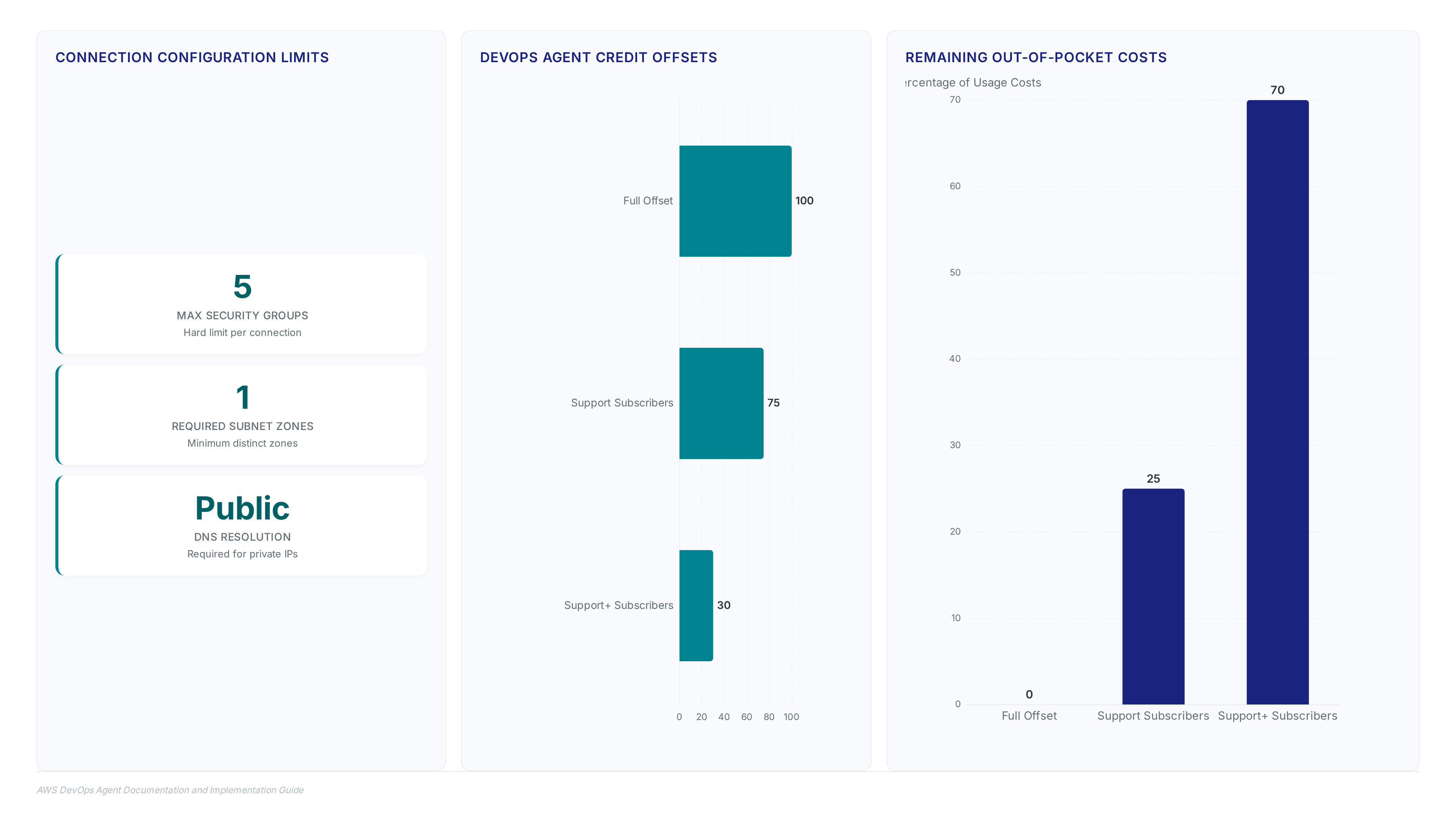
Cut MTTR by 75% using service-managed gateways. Connect your AWS DevOps agent to private VPC resources without public IPs or extra encryption.
AWS charges for public IPv4 by Dec 2025. I show how VPC Block Public Access secures your 5 IPv6 CIDR blocks without extra fees.
Securing just the top eight ASes with ASPA records stops 96% of route leak victims. Learn how to verify your transit path today.
Client support hit 60% in two years, yet origin servers lag. See how hybrid handshakes close this critical security gap today.
Applications close 13 March 2026. I break down why the 5-month tech track beats passive training for real operational skills.
Third-party breaches drive a massive share of incidents. Unauthenticated BGP routing remains a critical, undermanaged vulnerability you must fix.
Win full access to RIPE 92 in Edinburgh by submitting original technical stories before the 3 April cutoff, bypassing standard fees.
Nominations close April 29, 2026. We analyze how the fixed EUR 1,800 fee impacts strategic direction for the registry.
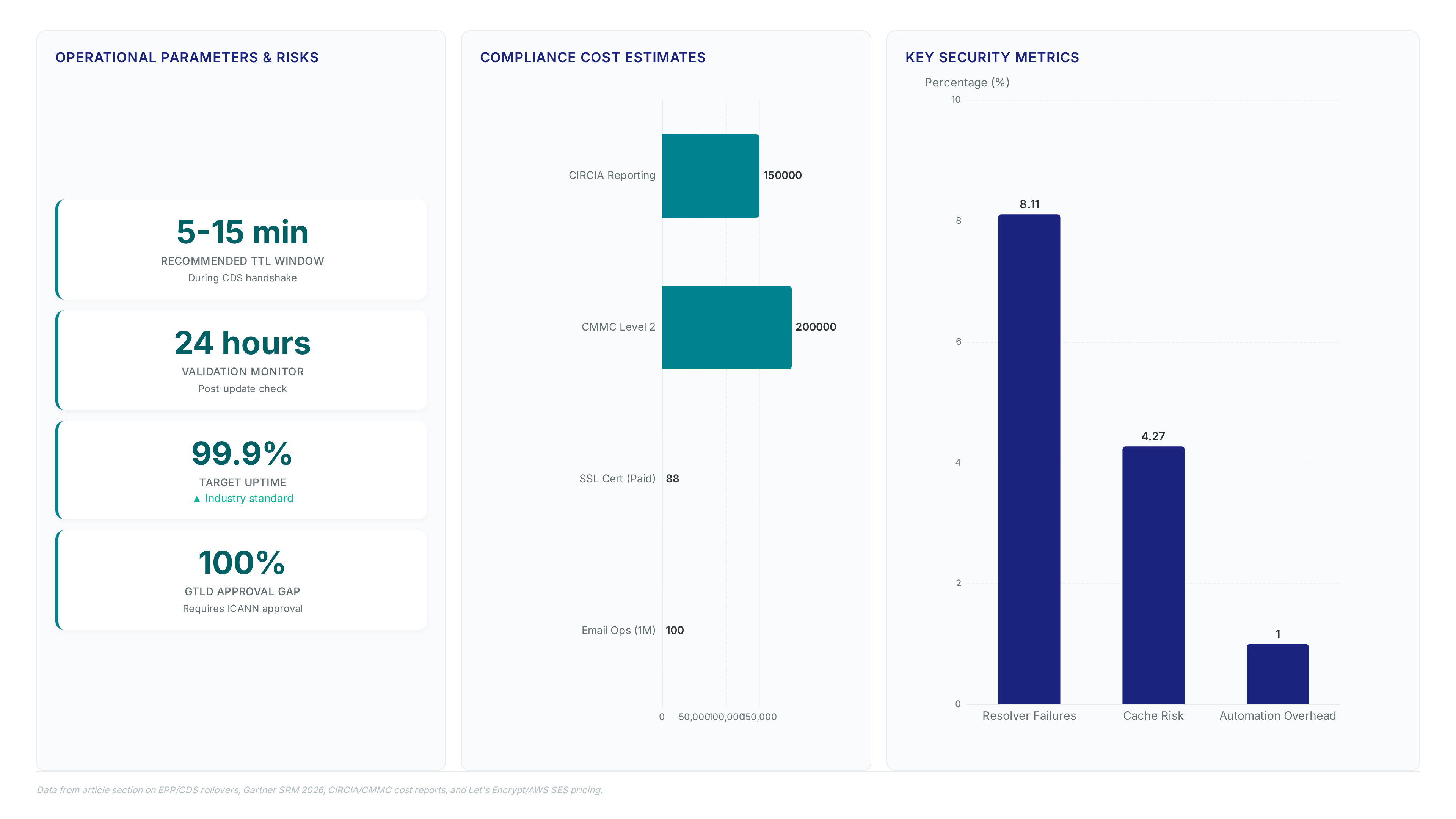
Manual processes caused only 4.27% of domains to sign zones. Learn how CDS records automate delegation and remove human error today.
At APNIC 61, chairs debated prop164. See why a /36 block might fracture routing tables for millions of users tomorrow.
With ASPA Customer ASIDs up 539%, we see a real shift from origin checks to path security, though fragmented signing strains the system.
ASPA records surged 539% in 2025, yet route coverage lags. Learn why fragmenting ROAs slows validation and hurts your network security today.
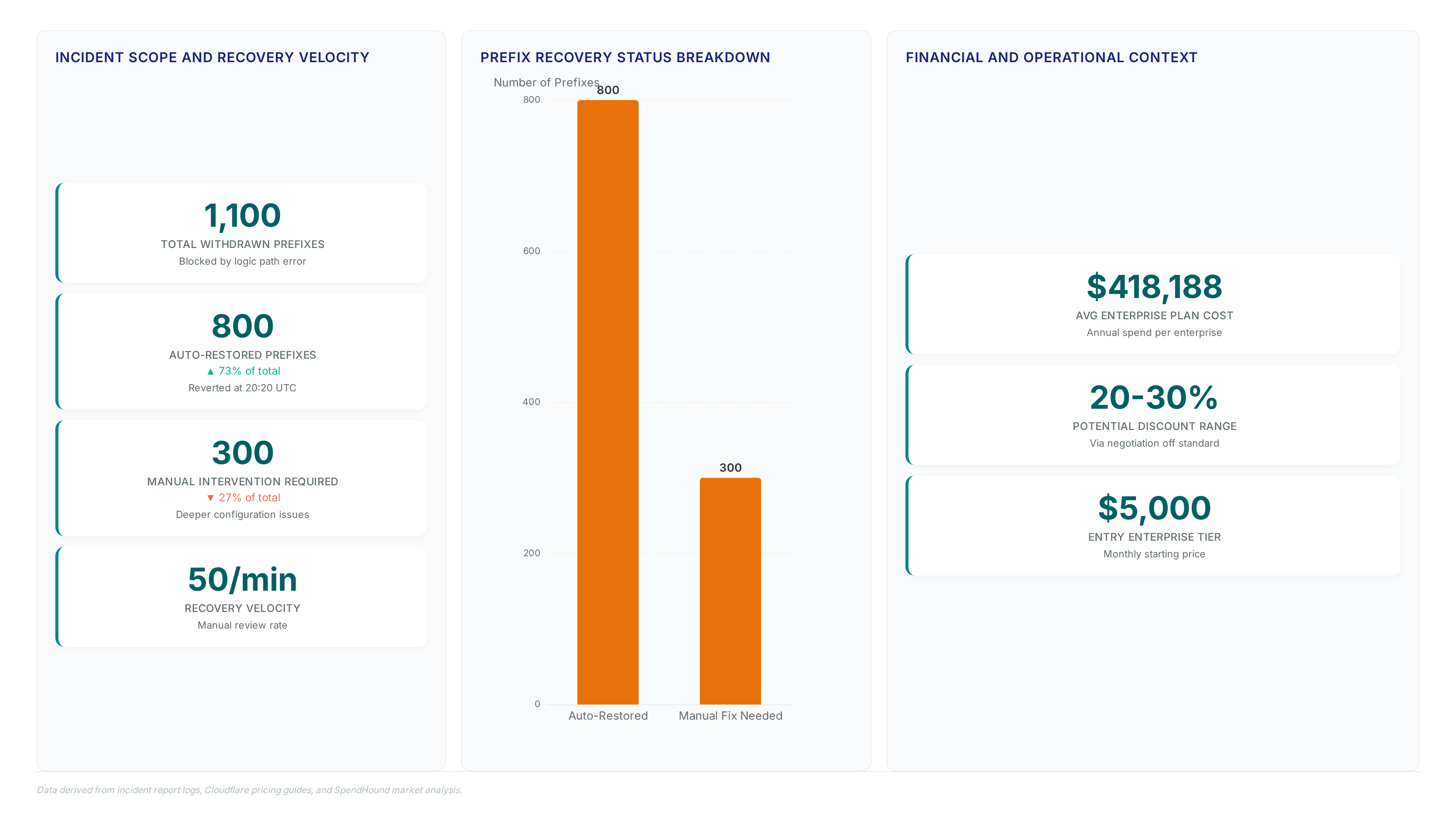
I analyze how a single bug withdrew 1,100 prefixes, causing a 6-hour outage that proves automated changes need human safeguards.
Scan traffic surged 100x in one year. I explain why passive listening is dead and how proactive telescopes catch modern attackers today.
A clean /24 IPv4 block costs between $9,000 and $15,000 in 2026. This pricing reality confirms that IPv4 ownership has shifted from a technical...
Secure IPv4 blocks with no-revocation guarantees for 36 to 60 month terms, ensuring stable BGP sessions without capital expenditure risks.
Discover why 1994 IETF mandates created IPv6 complexity. Learn why dual-stack remains vital as we approach 2026 infrastructure trends.
The 1994 Toronto decision rejected simple expansion, forcing dual stacks that double memory use and operational costs for networks today.
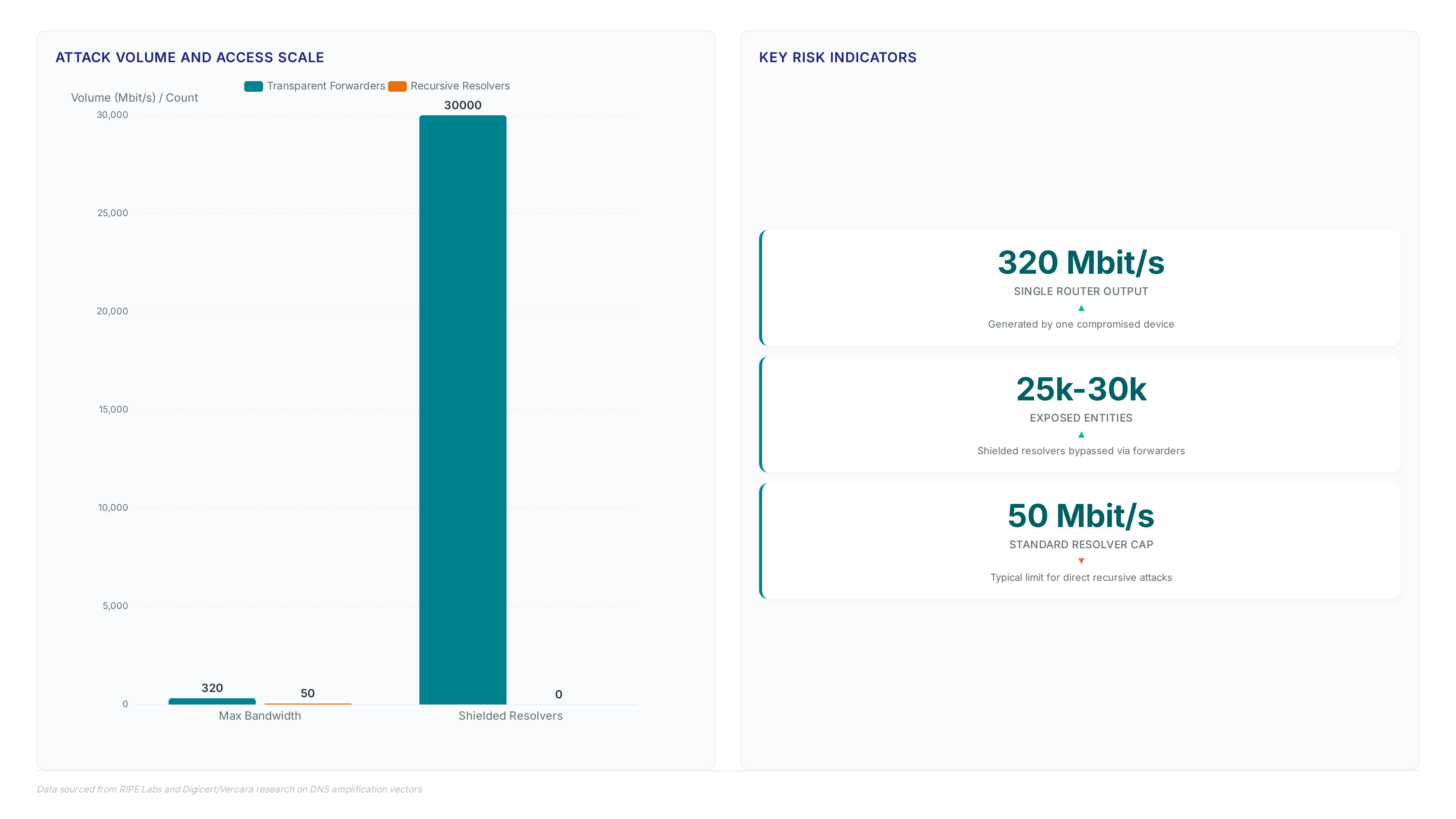
Despite 250k devices removed, transparent forwarders remain a stagnant threat, enabling attacks up to 320 Mb by bypassing standard limits.
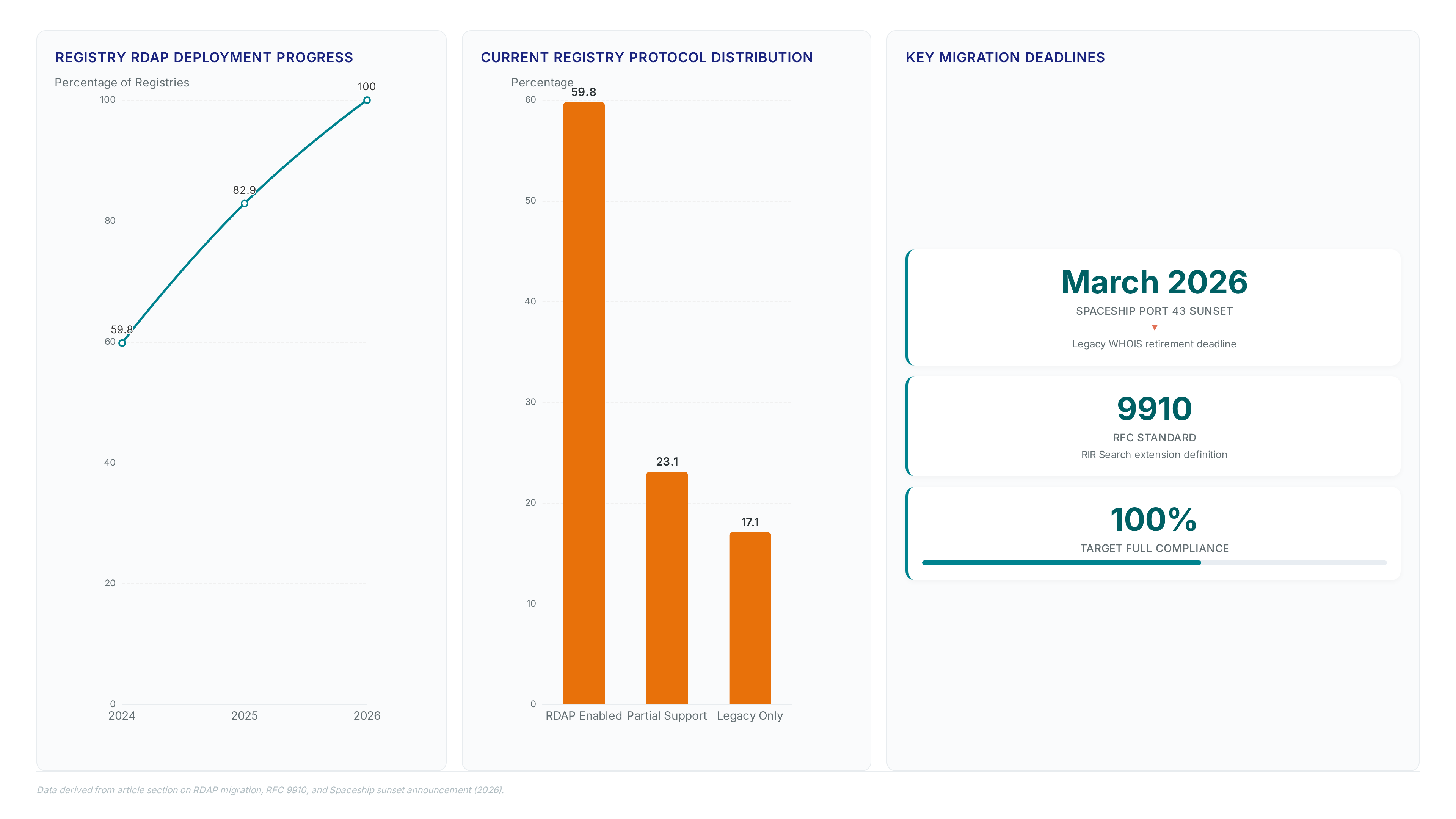
With 374 gTLDs killing WHOIS by September 2025, I break down the urgent shift to RDAP and JSON for reliable registration data access.
North America holds 39.5% of global IPv4. I break down ARIN 57 sponsorship tiers to show where your budget actually buys policy influence.
I cut IP-to-ASN lookup time to under 100ms by ditching rigid zone files for flexible, database-driven DNS queries that skip octet reversal.
Join me in Jakarta for APRICOT 2026. We'll tackle Prop164 and prepare our networks for the 70% of enterprises adopting agentic AI soon.
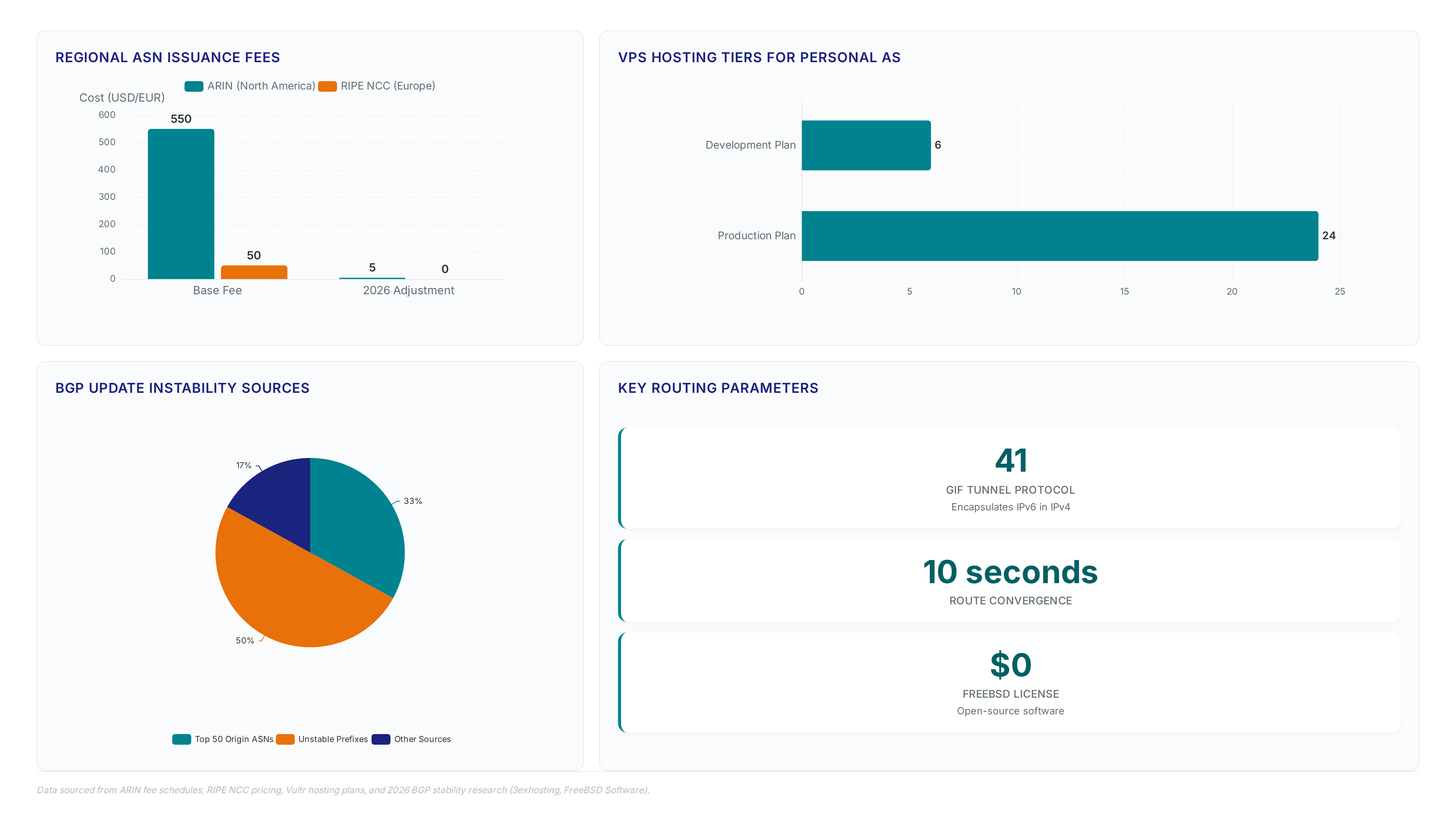
Join 80,000 active systems by running your own BGP. Learn to decouple your network identity from providers using FreeBSD and FRRouting.
With 229.4 million users online, Indonesia's 2025 data reveals why remote islands still lack reliable connectivity despite huge budgets.
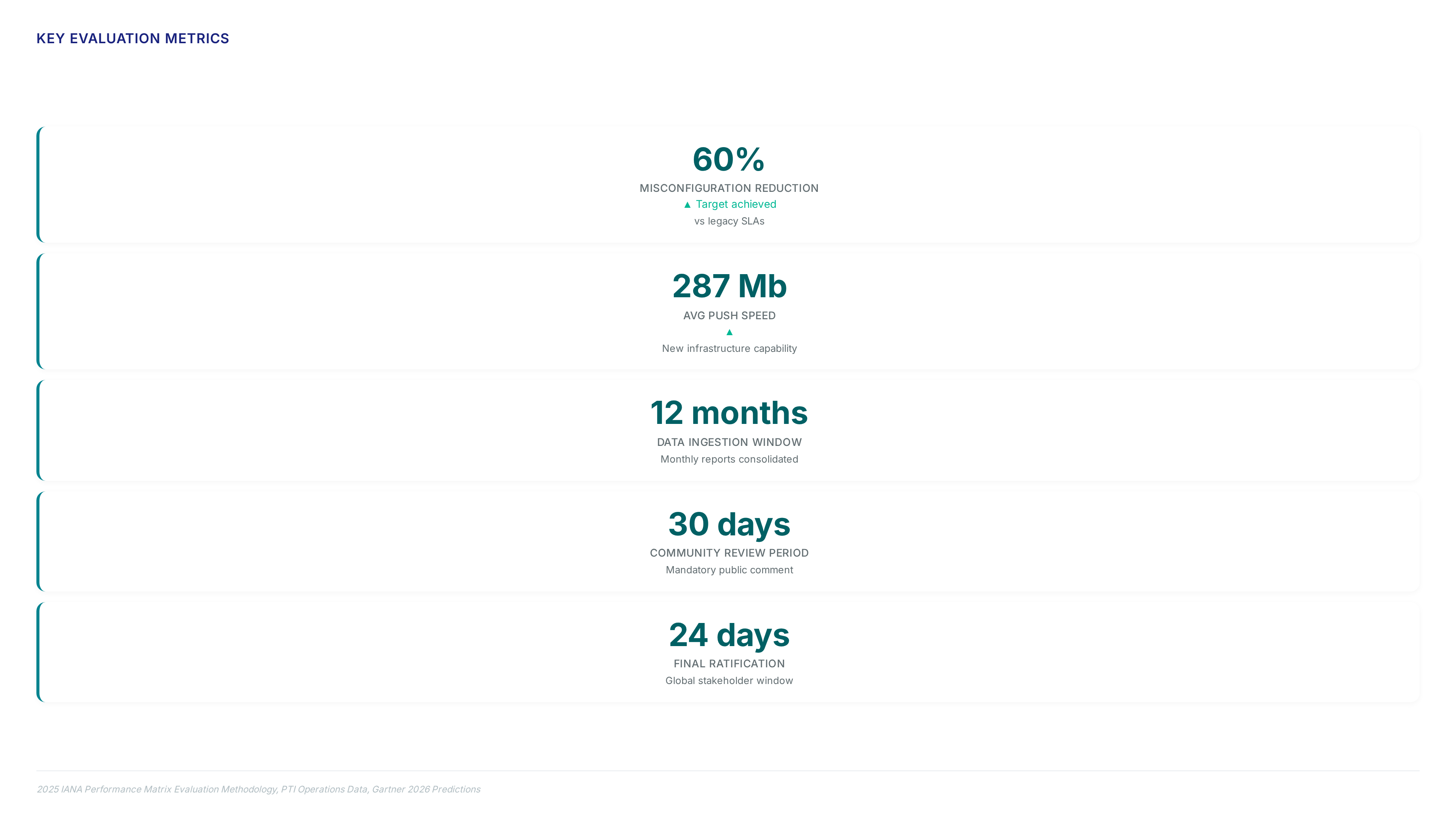
You have exactly 30 days to critique the 2025 matrix before March 6. Ignore this, and governance becomes a rubber stamp.
The NRO NC reviewed feedback from five regional lists. With 15 volunteers debating, these governance ambiguities need fixing before adoption.
With 47.1 million incidents in 2025, legacy filters miss hypervolumetric floods. Learn why bandwidth saturation demands new IPv4 architecture strategies.
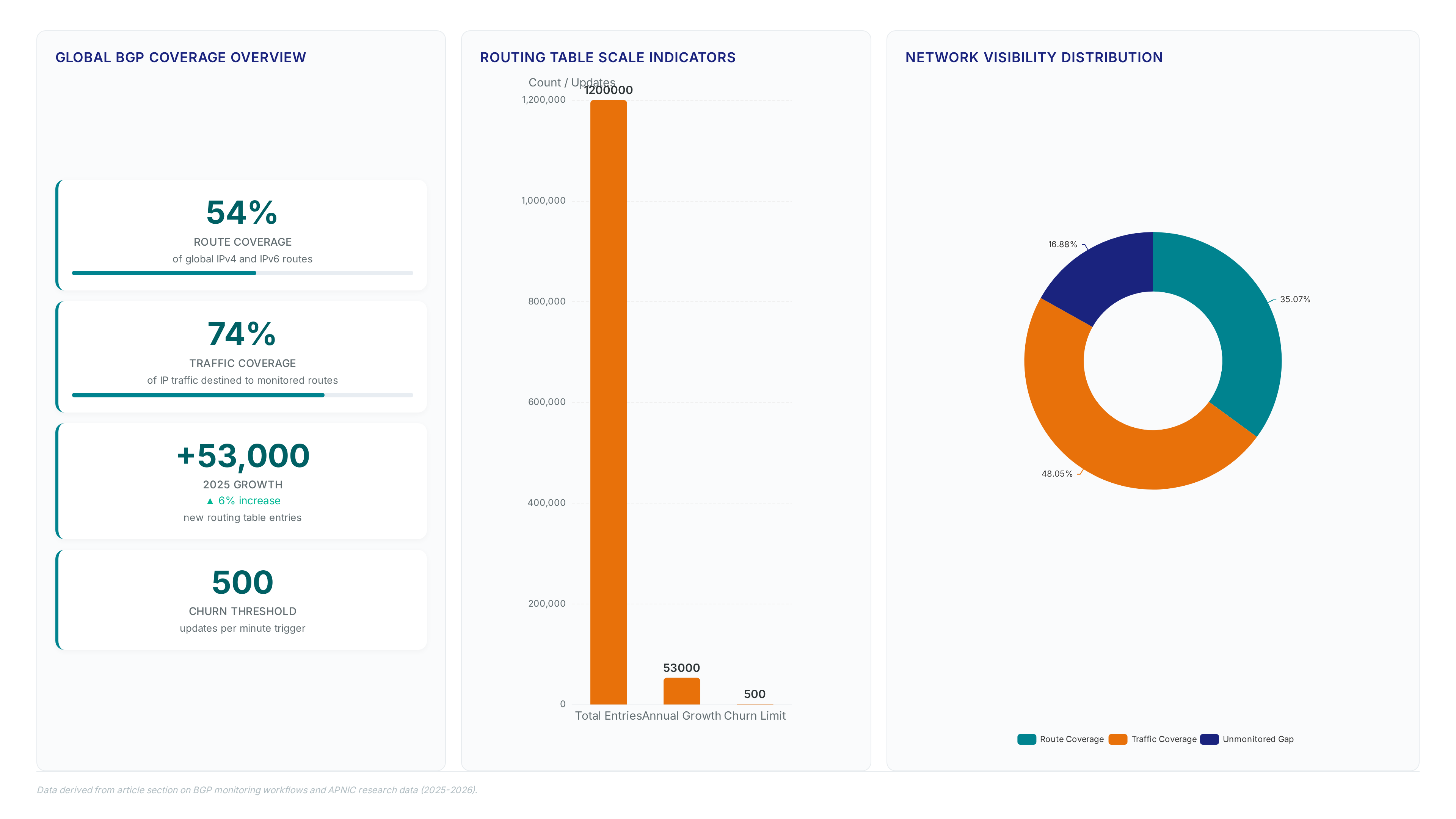
The IPv4 table added 53,000 entries in 2025. I break down what this 6% surge means for your router memory and planning.
Only 4% of routes tag origins, yet new clustering methods achieve 93% recall for mapping physical handoff points without vendor docs.
RIPE's new draft replaces ICP2 to manage 6 billion users. See how 15 volunteers refined global IPv4 governance standards in 2026.
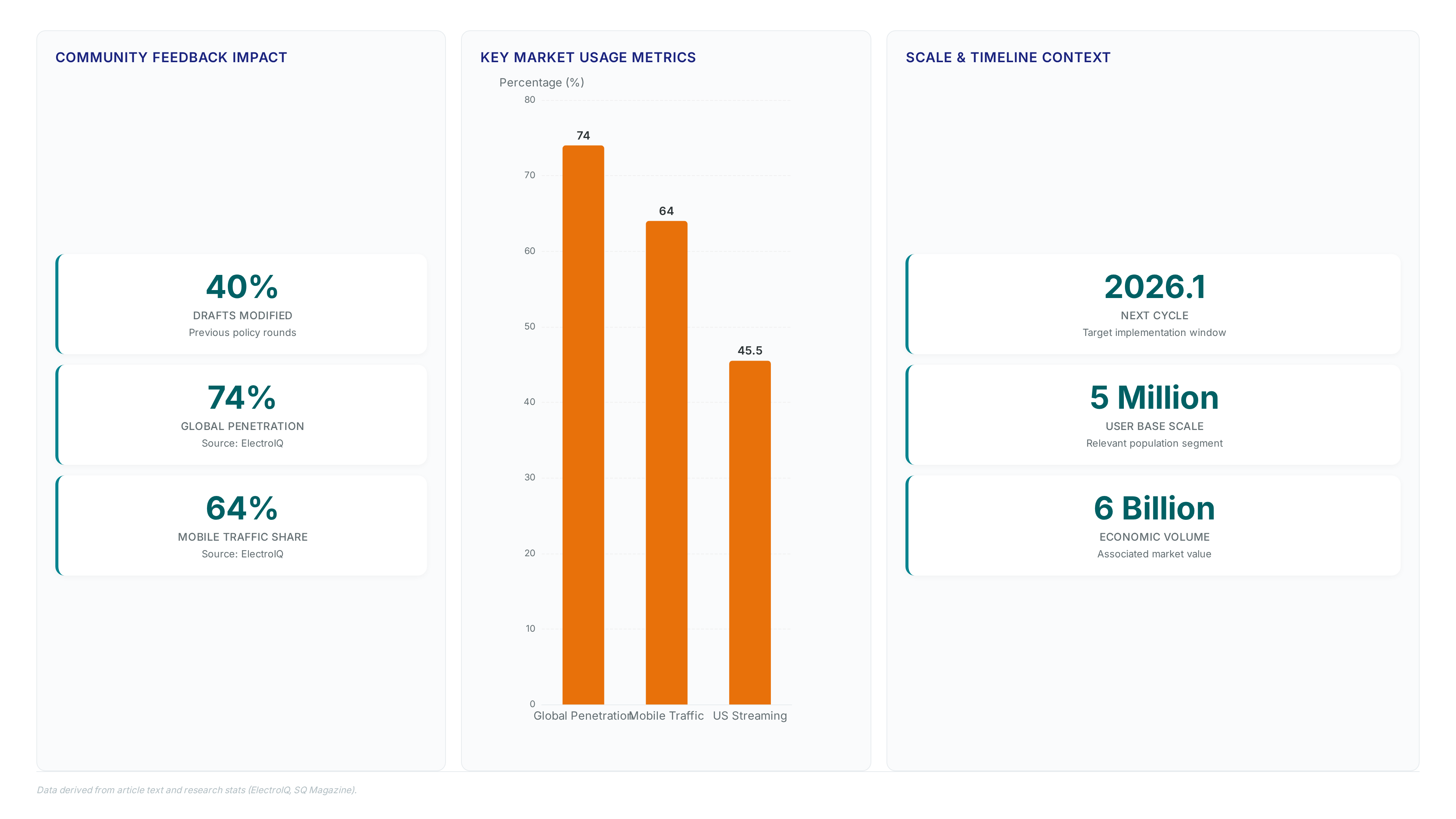
With mobile traffic hitting 64%, rigid global governance frameworks are essential. I break down how new policies protect our shared resources.
Early 2026 data confirms 3.7B IPv4 addresses remain allocated, yet zero are free. Explore how NAT and subnetting sustain global network operations today.
Five regional registries govern global IPv4 blocks, verifying each LIR before allocation to prevent routing conflicts and ensure network stability.
I map IPs to ASNs in under 100ms using DNS. With 92,000 active systems, static files just can't keep up anymore.
A single code change on Jan 8, 2026, broke DNS because 40-year-old RFC ambiguity let clients assume a record order that never existed.
Learn why 80,000 active ASNs prove the need for unique network IDs. Discover how this identifier enables independent routing policies and peering.
Seven members lost resources in Q1 2026. Learn how RIPE's new transparency report changes compliance for legacy holders across 75 countries.
See why 95% of orgs lack network visibility. Learn real IPv6mostly tactics and automation strategies from Jakarta's top engineers.
Standard tools miss 7.6% of data. I show how regid in RIR statistics fixes reverse IP mapping for operators.
Bangladesh's internet hit 75% penetration. At bdNOG 20, engineers skipped theory to fix real BGP hijacks via specific ROA creation labs.
With 8M records at stake, the 15-member ARIN Council needs your voice before the 2026.1 manual locks in new rules.
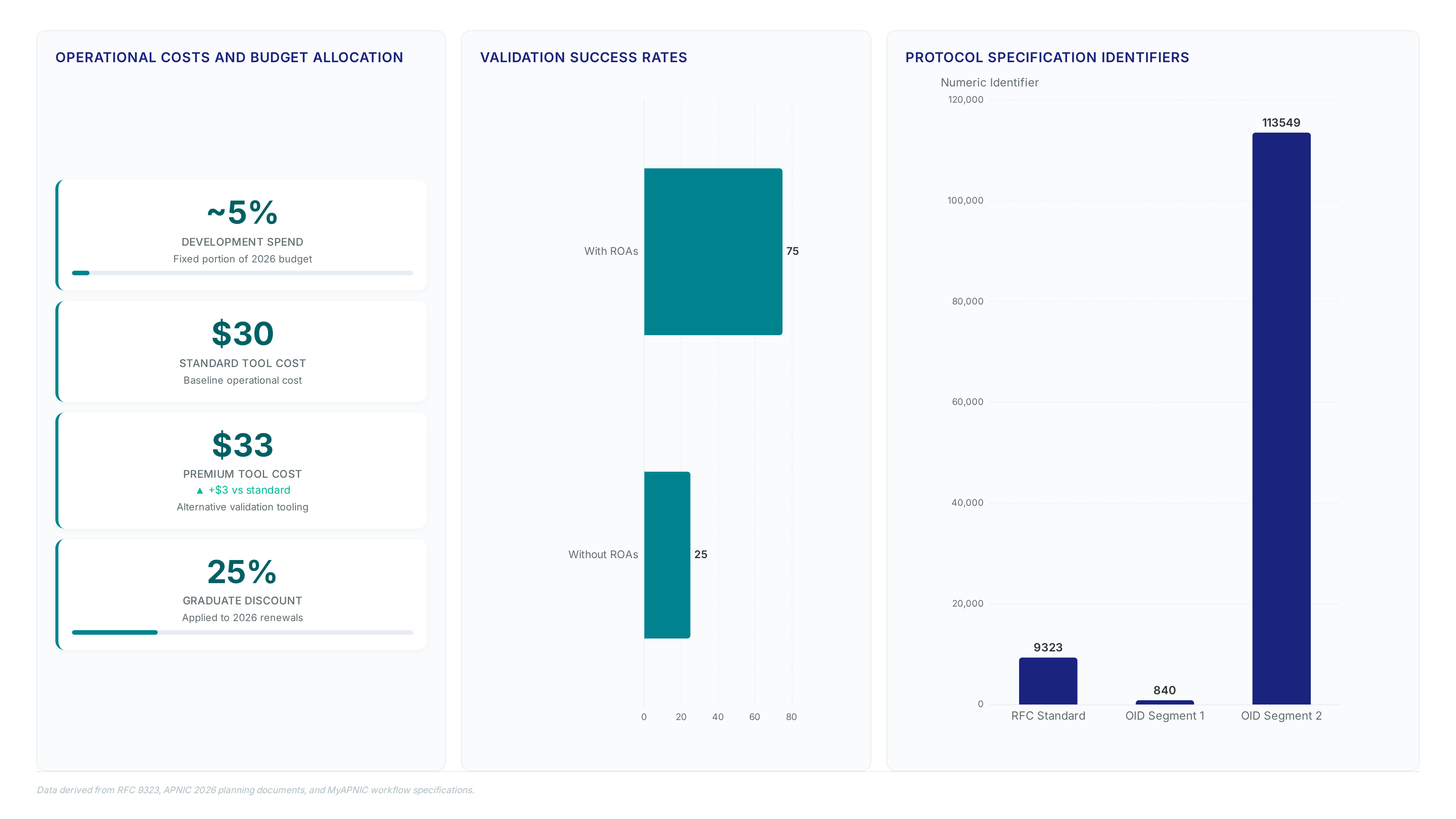
MyAPNIC now supports RFC 9323, replacing fragile email chains with automated trust. Say goodbye to manual PDF reviews for good.
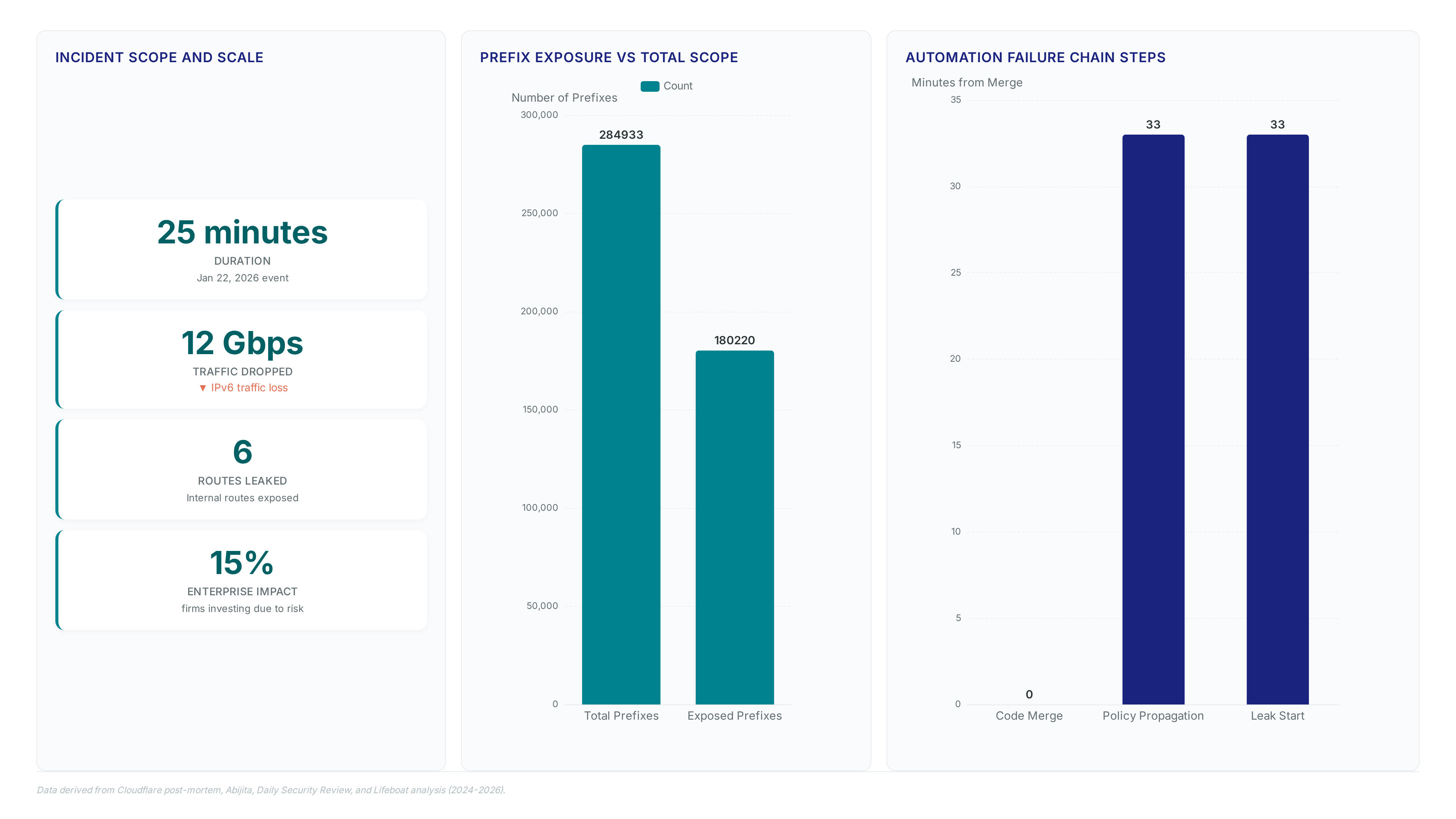
Cloudflare's 25-minute outage shows how automation errors cause route leaks. I break down the RFC7908 violation and how to fix it.
ARIN 57 meets in Louisville this April. With 74% of traffic now RPKI-secured, we analyze the gap between route counts and real safety.
I tested the Jan 20, 2026 ARIN update. See how 106 staff shifted to customertocustomer tickets to cut validation bottlenecks for admins.
The global IPv4 transfer pool shrank nearly 60% from 2015 to mid-2024, forcing ISPs to adopt leased address blocks.
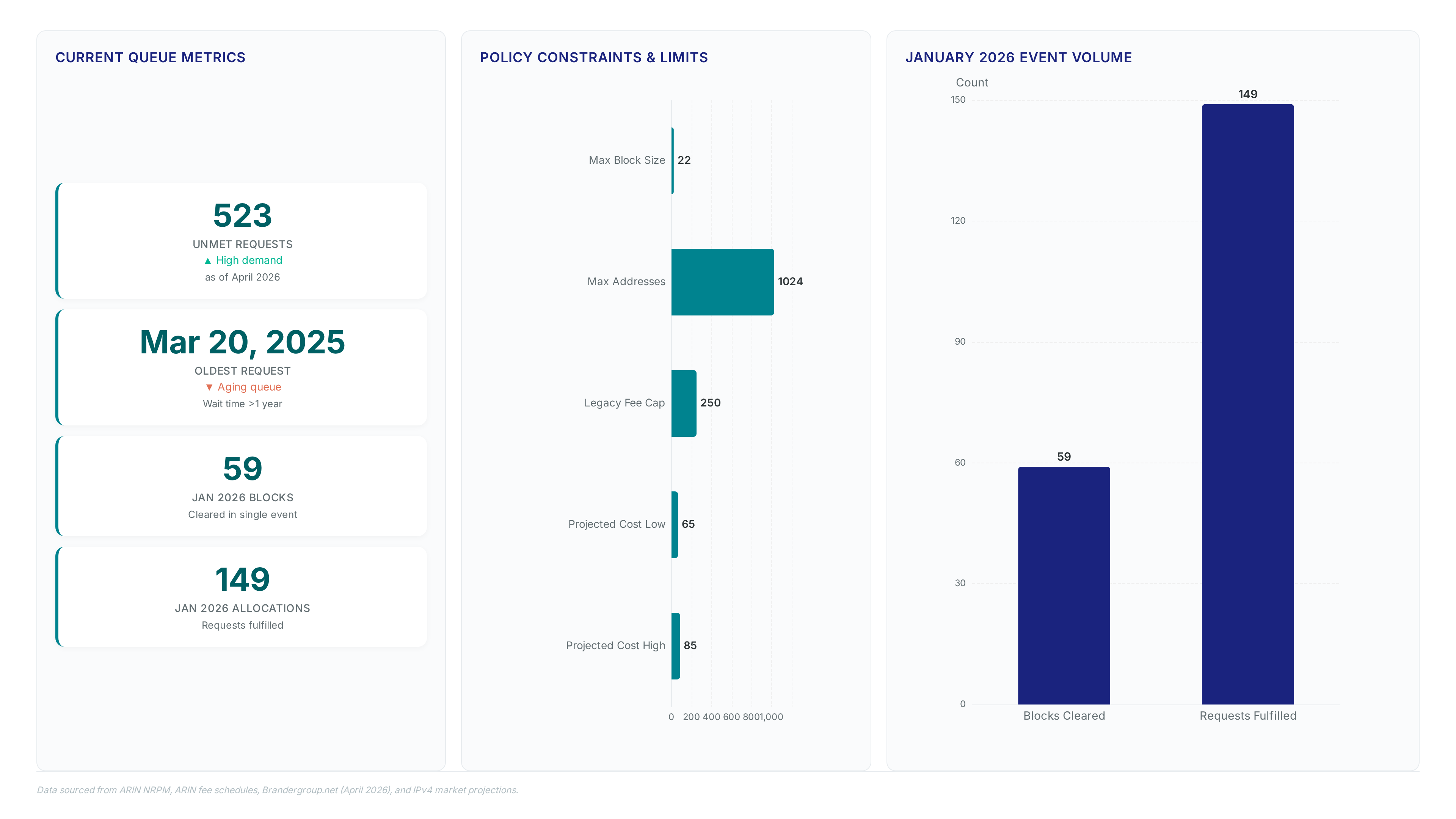
ARIN cleared 149 requests in Jan 2026. I explain why the 388-day queue beats paying $90 per IP on the volatile private market.
With global IPv6 access at 50.10%, our team analyzes the Feb 12 ARIN workshop. Learn practical RPKI steps to secure your routing today.
At 11:50 UTC, Iran withdrew 98.5% of IPv6 space. I analyze how this BGP strategy differs from past throttling and what it means for global routing.
Only 10 individuals join the 2026 ARIN Fellowship. I break down the Jan 26 deadline and why generic applications fail every time.
Five individuals, including two former Fellows, now shape ARIN policy. Learn how the Jan 7 selection impacts your 2026 governance strategy.
A single malformed update crashed Cisco IOS XR. Stop relying on static filters; use predictive intelligence to score origin risks before 2026.
Over 180 global disruptions hit in 2025. Learn why physical fiber cuts now cause more internet loss than political actions.
With only 0.1811 /8s remaining in the pool as of June 2026, direct allocation from APNIC is effectively dead for most enterprises.
I analyzed how ARIN allocated resources to 587 organizations in 2025 while capping fee hikes at 5% through 2030 for stability.
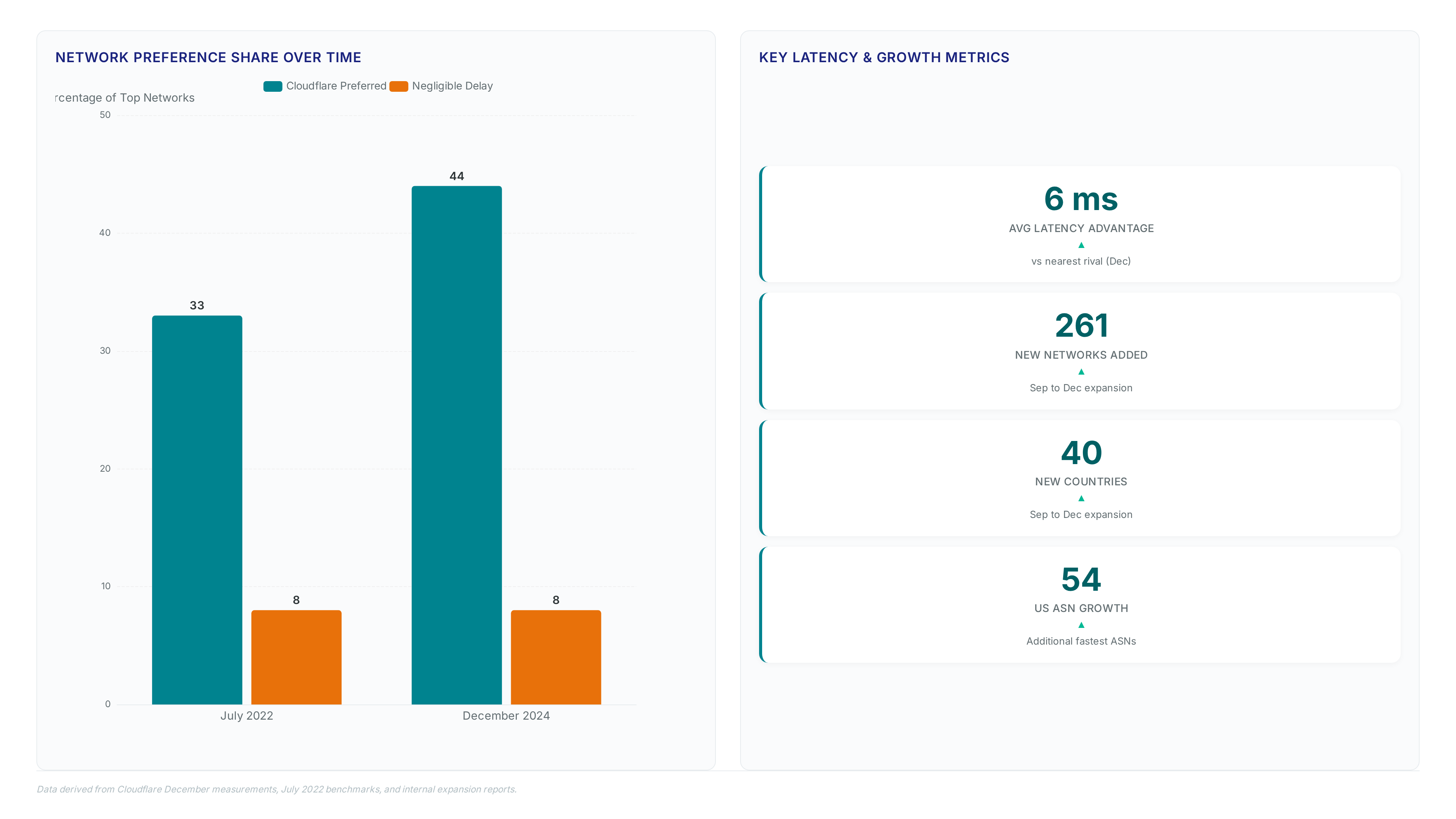
Cloudflare now leads 60% of top networks by focusing on connection time, not just raw download speed or theoretical throughput limits.
RPKI replaces blind trust with cryptographic proof to stop route spoofing dead. Learn how operators validate BGP announcements against trusted ledgers.
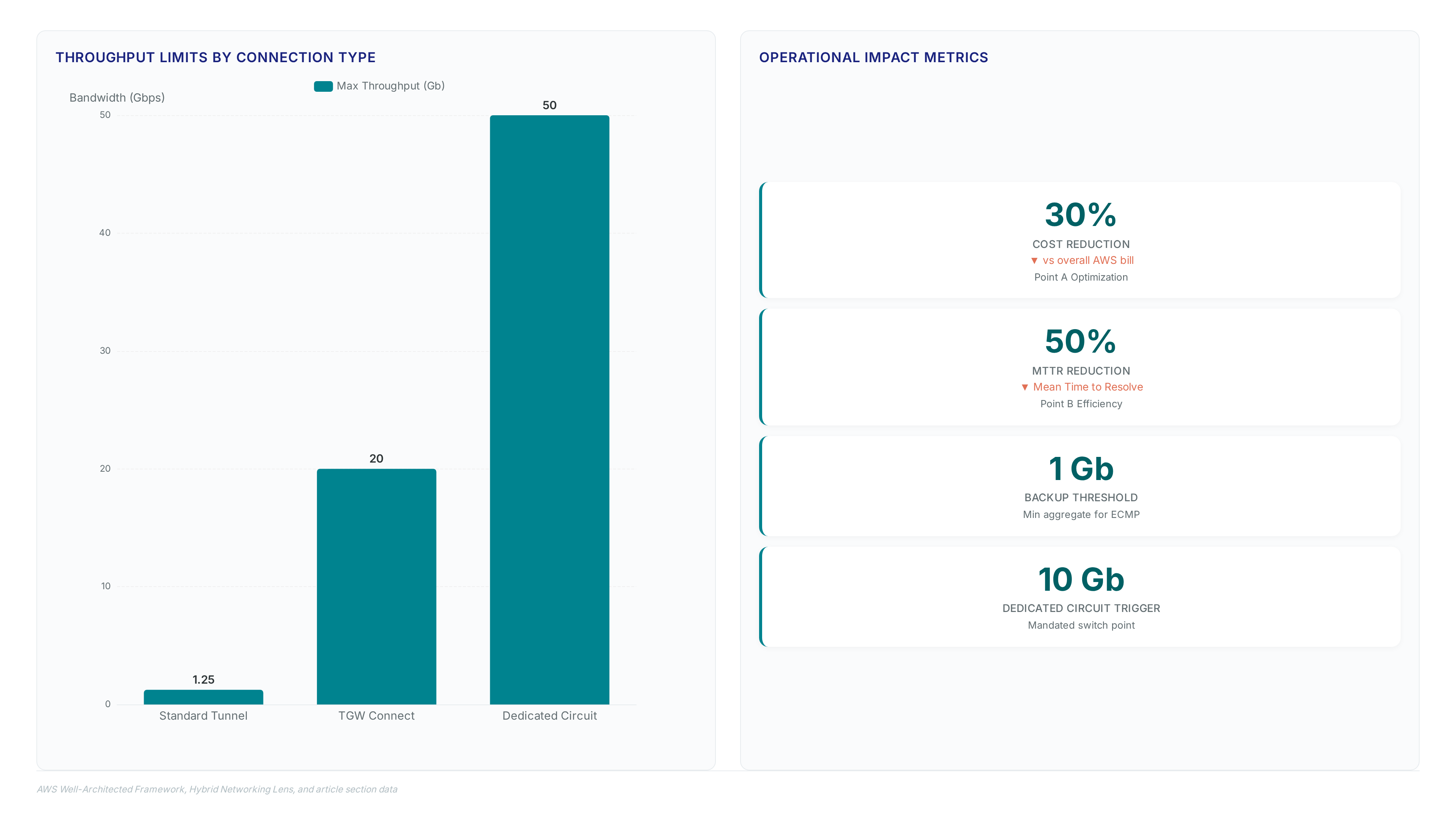
Avoid bottlenecks by distinguishing standard 1.25 Gbps limits from new 5 Gbps tunnels. Learn precise architectural selection for hybrid networks.
Share DNS configs across 10,000 accounts instantly. Route 53 Profiles eliminate manual gaps and ensure consistent audit trails for every VPC.
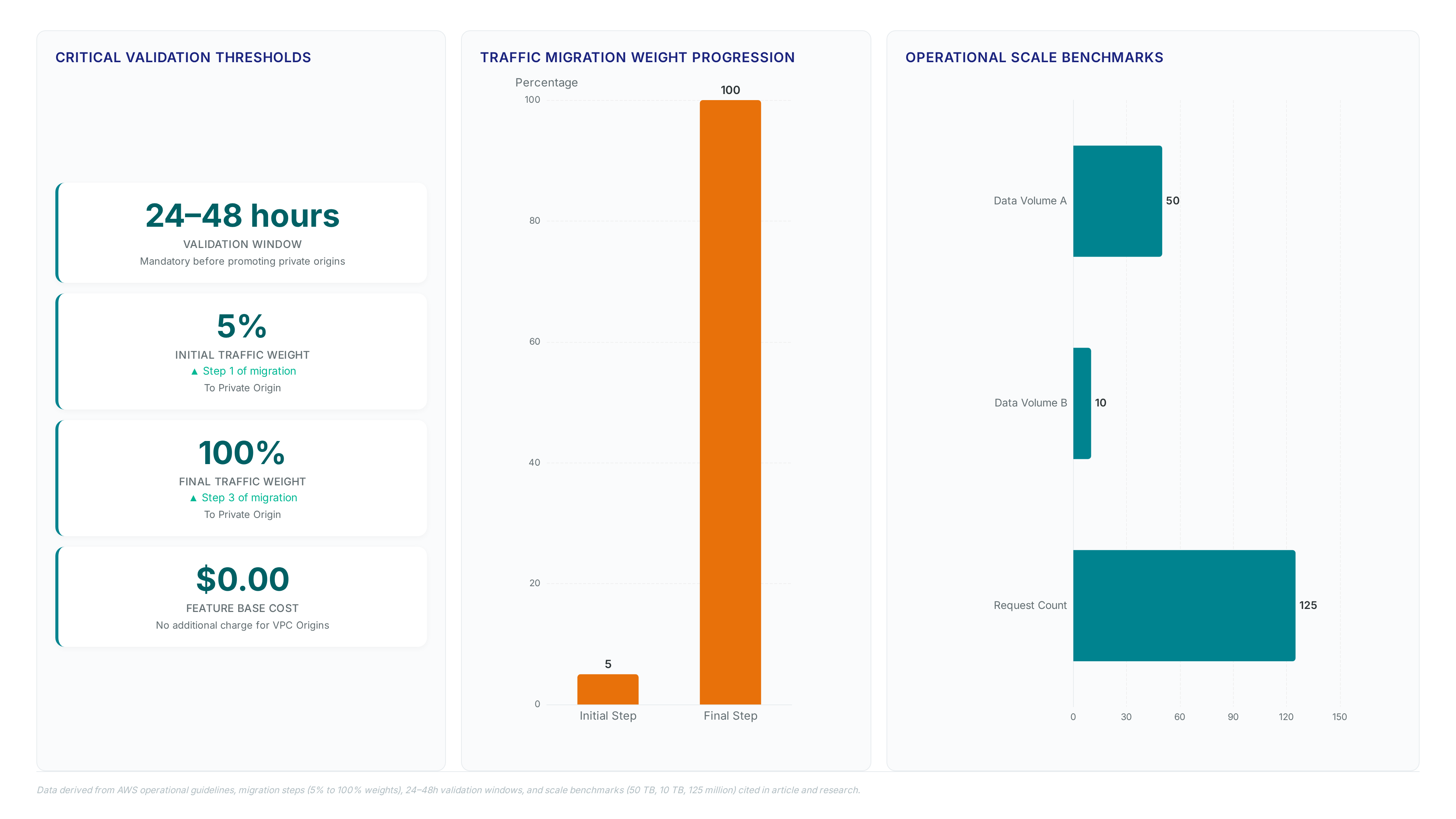
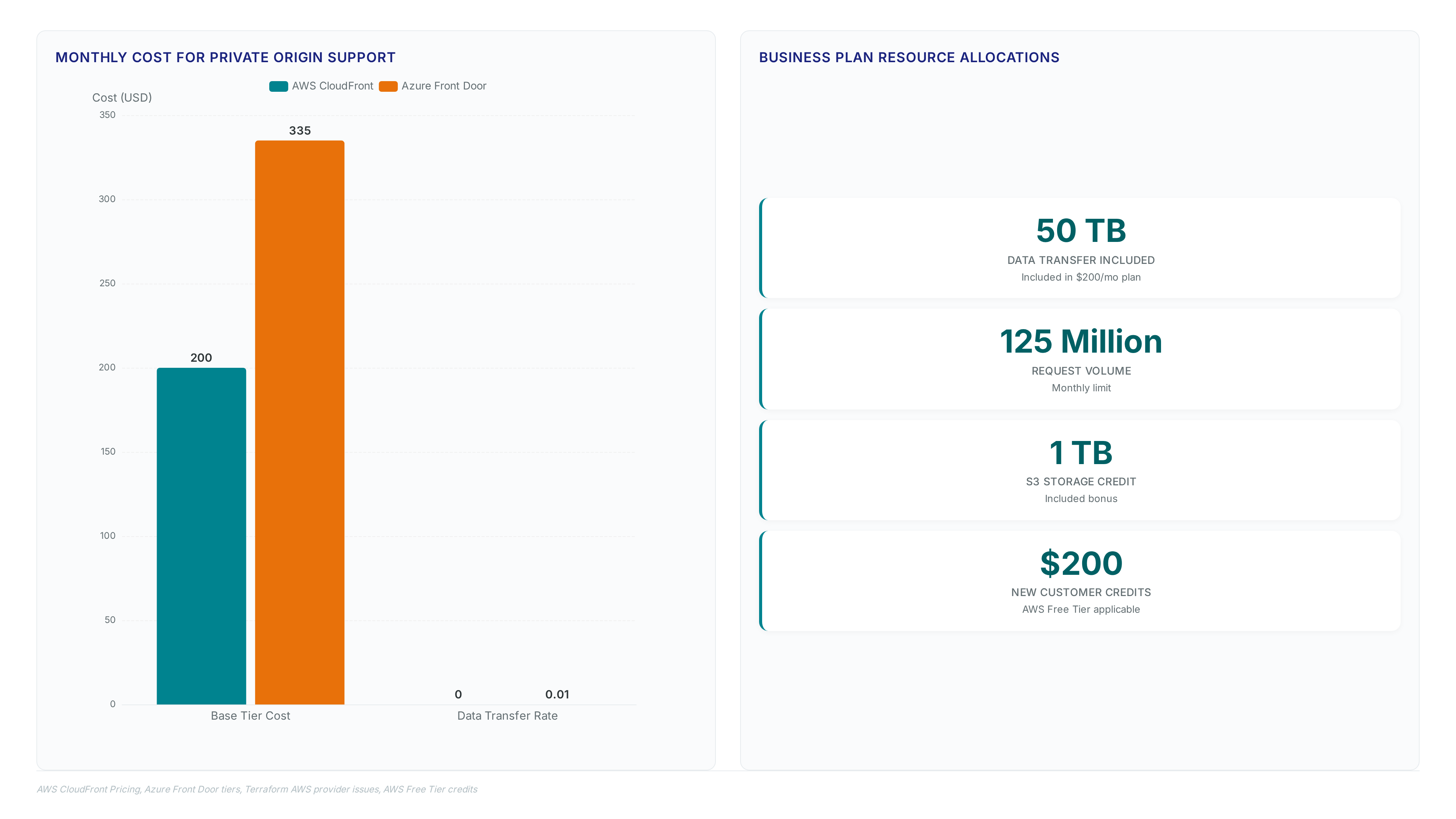
Cut public IP exposure with zero added cost. By 2026, private origins become mandatory for zero-trust security architectures.
The November 2025 update lets you share VPC origins across accounts. I show how to keep security tight while cutting management overhead.
Stop hitting 1.25 Gbps ceilings. Learn how Large Bandwidth Tunnels deliver 5 Gbps capacity for modern architectural needs.
With zero valid BGPsec router certificates as of June 2026, RPKI route origin validation remains the critical defense against hijacking.
Rent IPv4 blocks from /24 to /16 starting at just $25 per IP monthly. Learn the seven technical steps to secure clean BGP routing today.
Navigate InterRIR transfers across 5 global regions. Learn how LIR fee tiers and strict needs-based validation impact your IPv4 acquisition strategy.
APNIC requires a detailed 24-month usage plan for new recipients. Learn the four specific transfer scenarios and how to validate legacy data correctly.
Deploy BGP multihoming with provider-independent /24 IPv4 space to ensure 99.99% uptime for critical SaaS platforms and ecommerce sites.
Five Regional Internet Registries manage global IP allocation, acting as the sole gatekeepers between IANA and the wider network infrastructure today.
With over 820 million unused IPv4 addresses sitting idle while the global transfer pool shrank by nearly 60%, leasing has become the only viable...
The default TCP idle timeout on Nitro V6 instances dropped from 432,000 seconds to just 350 seconds (June 2025).
With almost a majority of IP prefixes covered, RPKI validation shifts from theory to enforced cryptographic reality for global routing security.
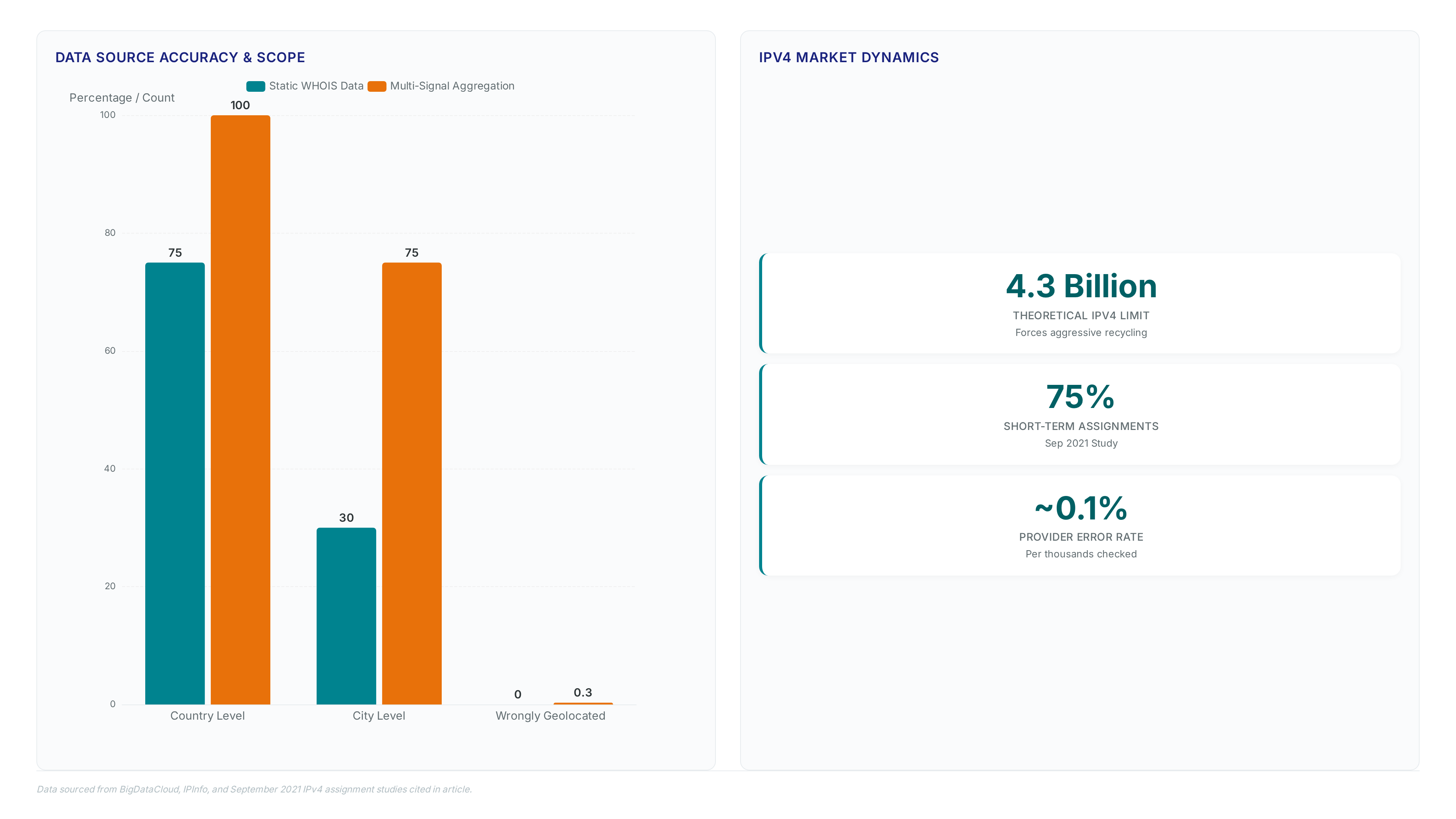
Outdated registry data causes 30% of geolocation errors by listing old owners instead of actual server locations, creating blind spots for security teams.
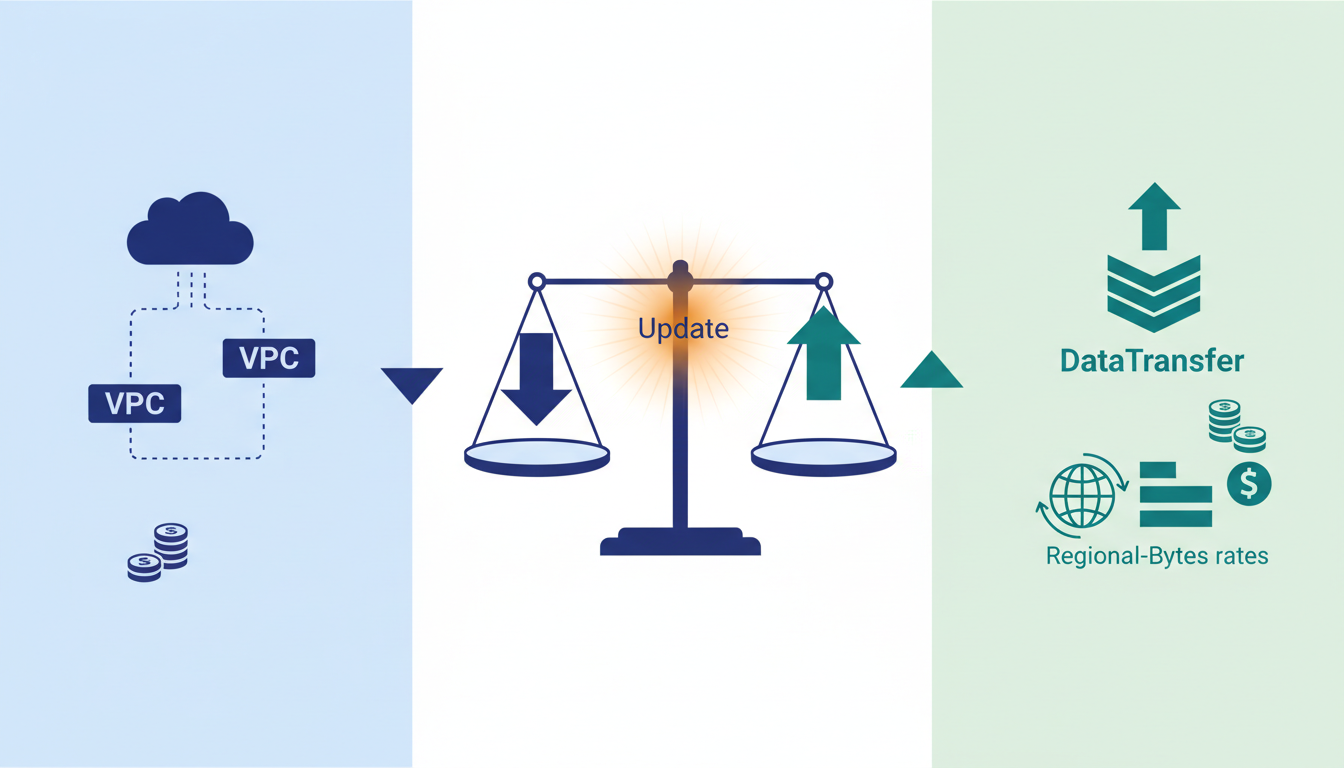
Since April 2025, AWS charges $0.01 per GB for cross-AZ peering. I show how new billing codes expose these once-hidden network costs.
Learn how 4,294,967,296 identifiers solve routing exhaustion. Discover criteria for public ASNs and effective global data exchange strategies.
APNIC policy version 015 takes effect 20 February 2025, redefining IPv4 transfer rules and compliance for the Asia Pacific region.
ARIN proposal ARIN-prop-339, published 8 Jan 2025, closes a logical gap in NRPM Section 2.4 by finally defining the Internet Service Provider.
Secure critical infrastructure with APNIC membership. Gain direct control over a /24 IPv4 block and bypass upstream provider restrictions today.
Secure valid ownership by following RIR protocols for your /24 transfer. Learn to verify IP reputation and avoid blacklisting risks today.
Paying $1.20 per IP instead of $50 defines the immediate financial logic behind modern IPv4 leasing strategies.
The Border Gateway Protocol functions as an unauthenticated inter-Autonomous System routing protocol where neither destination nor route is verified...
IPv4 transfers demand strict eligibility checks and RIR approval to legally move addresses between parties.
Unused IPv4 space is now liquid capital. Learn how the 24-month transfer hold forces many holders to lease rather than sell for immediate returns.
Five Regional Internet Registries govern global IPv4 scarcity. Learn how InterLIR automates compliance for complex IntraRIR and InterRIR transfers.
As of June 2026, the global count of valid router certificates for BGPsec sits at exactly zero. Path validation remains theoretical.
A $200 non-refundable deposit starts the clock on IPv4 address transfers in the LACNIC region. This isn't just a fee; it's a filter.
Explore why the hard 32-bit ceiling of 4,294,967,296 addresses makes understanding legacy class structures vital for modern network planning.
With 2024 prices stabilizing near $40 per address, leasing IPv4 avoids stranded assets and offers flexible scaling for modern network growth.
FIS consolidated 13,000 endpoints to stop public internet traversal. Learn how this shift secures traffic and reclaims scarce RFC 1918 address space.
Discover why IPv4 purchasing breakeven stretches to 12 years with overhead, while leasing offers flexibility for under 24-month projects.
Only 3.9 million unallocated addresses remain. The IPv4 leasing market has shifted from an optional tactic to an operational imperative.
ARIN manages about 100 /8s, yet cross-border deals stall on policy. Learn how strict chain of custody rules shape the global IPv4 market today.
With roughly 80,000 Autonomous System Numbers globally, learn why a distinct routing policy matters more than capacity for your network.
Over 68 million BGP announcements lack validation. Learn how RPKI ROV filters unknown routes to prevent hijacks and secure global routing tables today.
ARIN requires 2,000 IPv6 addresses in 12 months for end-user justification. Learn how entity classification dictates your allocation path.
Leasing IPv4 blocks grants access to inventory but confers zero permanent registration rights or network autonomy.
Learn how RPKI validation prevents the type of routing errors that caused the 2019 Cloudflare outage affecting millions of users globally.
Move IPv4 addresses across the five regional registries. Learn the strict LIR rules and justified need required for a legal InterRIR transfer today.
IP geolocation fails because 75% of IPv4 addresses change daily, leaving databases with stale records that break city-level accuracy for operators.
Small /24 subnets trade near $30 per IP. Learn RIPE NCC eligibility rules for allocated and independent resources to avoid costly policy violations.
Four regions allow InterRIR transfers, but ARIN enforces a strict /24 minimum. Learn how to navigate these specific policy gaps without rejection.
Idle IPv4 blocks are lost capital in this exhausted market. Learn to sell or lease surplus assets for immediate revenue without hidden fees.
A single /16 IP network can generate approximately 30,000 € per month when leased through the InterLIR platform.
Renting IPv4 addresses starts at just $0.42 per IP monthly via InterLIR, bypassing the capital exhaustion of permanent acquisition.
Free routing is dead. With RIPE addresses commanding an undisclosed amount per IP and APNIC tracking at a similar rate, the era of treating address...
Purchasing a single IPv4 address now costs between $35 and $45, making leasing flexibility a critical alternative for enterprises.
Over 33 million IPv4 addresses moved via leasing recently. Discover how automated platforms convert dormant blocks into recurring revenue streams.
Explore the 16-bit range limits where 64,512 marks private use. Learn how EBGP splithorizon prevents loops in global routing tables.
The total theoretical capacity of IPv4 is exactly 4,294,967,296 addresses, a hard limit the RIPE NCC region has already hit.
Transform dormant inventory into revenue. With 4.3 billion addresses exhausted, learn how leasing surplus blocks creates yield without divesting control.
BGP accepts advertised routes by default without verifying the owner, creating a critical security gap that RPKI solves.
With only 4,294,967,296 total addresses, direct buying avoids the 15–30% broker markups draining your infrastructure budget today.
Over 105,000 ASNs now power the global internet. Learn how routing policies evolved from 16bit limits to manage complex network boundaries today.
Over 56,000 transactions prove the market works, but missing Deed of Covenant details causes immediate rejection. Learn the exact steps to validate.
Since IANA's 2011 pool exhaustion, free IPv4 blocks are gone. Learn why leasing is the strategic fix for network expansion today.
With 393,344 IPv4 ROA objects published, route origin validation replaces blind trust with cryptographic proof to stop prefix hijacks effectively.
LACNIC approved 135 intraRIR transfers since 2016. InterLIR verifies eligibility to bypass strict holding periods and secure compliant IPv4 blocks.
APNIC identified 54 million unadvertised addresses. Learn why preapproval is vital before seeking an IPv4 source to avoid deal cancellation.
With roughly 80,000 ASNs globally, learn when your network needs a unique ID for BGP. InterLIR provides clean IP resources and expert LIR support.
Turn €1,800 annual fees into assets. Learn how direct RIPE NCC membership offers voting rights and training over simple IP allocation.
Since September 14, 2012, RIPE enforces a strict 1,024 address limit per LIR. Navigate this regulatory cap to secure essential IPv4 resources today.
Avoid the RIPE NCC waitlist with a Managed LIR service. For 600,00 CHF monthly, bypass complex policies and secure IPv4 allocations immediately.
The global IPv4 pool shrank from 44.8 million to 18.6 million addresses. Discover why leasing bypasses capital risks in this tight market.
With RIPE NCC fees hitting EUR 1,800 in 2026 and only a /24 available, InterLIR offers immediate IPv4 access without the wait.
The global routing table hit a hard ceiling long ago. With 89,497 recorded entries as of January 4, 2026, the Autonomous System Number pool reflects a...
BGP links hundreds of thousands of networks yet lacks inherent verification, leaving global data flow open to hijacks without strict validation.
With 3,687,518,752 addresses delegated, APNIC's free pool is history. Discover how strict limits force operators toward leasing and secondary markets today.
A single malicious announcement disrupted Google for an hour in 2018. Secure your network integrity with verified IPv4 allocations from InterLIR.
Cloudflare activated RPKI filtering on 19 Sep 2018 to block invalid BGP announcements. Learn how ROAs bind prefixes to ASNs for safer routing.
BGP hijacking exploits trust flaws to redirect traffic globally in minutes, as seen when attackers stole over $160,000 in crypto assets.
ARIN charges a fixed $500 annual fee while peers use cost recovery. See how five distinct registries create conflicting rules for your IP assets.
Five distinct zones manage global IP policy under ICANN. Learn how strict governance impacts your network's access to finite IPv4 resources today.
ARIN's IPv4 Free Pool officially depleted on 24 September 2015. The registry still processes limited requests, but the rules have changed...
The 2026 IPv4 market favors calculated private negotiation over auction frenzy. Learn how escrow services and RIR protocols secure your block transfer today.
Policy LAC-2019-01 broke the mold. Before 2019, moving IPv4 address blocks across regional borders usually required a corporate merger or acquisition.
APNIC imposes a mandatory 5-year lockup on IPv4 transfers from the free pool, trapping capital and favoring legacy holders over new market entrants.
Avoid the €1,000 signup fee trap by understanding why PI blocks forbid suballocation, limiting your network's operational growth potential.
Leasing a /24 IPv4 range costs exactly US$ 189.00 per month under annual contracts, proving that operational access now trumps permanent ownership.
Since RIPE limits new allocations to a /22 block, many firms buy IPv4 space on the secondary market. Learn how verified brokers secure legal transfers.
Prop095v003 restricts APNIC transfers to just 3 regions. InterLIR ensures your IPv4 moves comply with these strict bilateral mandates.
IPv4's 32-bit design caps the global pool at exactly 4,294,967,296 addresses. Discover how this finite limit shapes modern network routing today.
APNIC's 2010 policy shift created IPv4 liquidity by allowing transfers, establishing the /24 minimum block size still used today.
Learn why BGP requires one distinct routing policy per system across 4,294,967,296 available numbers to avoid global table bloat.
RPKI deployment scrutiny intensified in September 2024 as the industry evaluates adoption rates against persistent BGP vulnerabilities.
With only 4,294,967,296 unique IPv4 addresses available, global governance strictly controls allocation through regional registries rather than direct access.